


There’s a peculiar magic in walking into a room full of glowing CRT screens and hearing dozens of chiptune melodies compete for your attention. The golden age of arcade gaming, that remarkable window spanning roughly the late 1970s through the mid-1980s, produced games that have proven far more durable than anyone predicted. Pac-Man, Donkey Kong, Space Invaders – these titles weren’t just entertainment, they were cultural events.
What’s striking is that the industry never really died. The global arcade gaming market was valued at $4.8 billion in 2025, reflecting a strong post-pandemic recovery that saw year-on-year growth of approximately 8.3% in 2024 as venues reopened and consumers returned to out-of-home entertainment. A handful of dedicated venues have been the quiet backbone of that resilience, treating vintage machines not as relics but as living, playable history. These are five of the most important.
1. Funspot – Laconia, New Hampshire
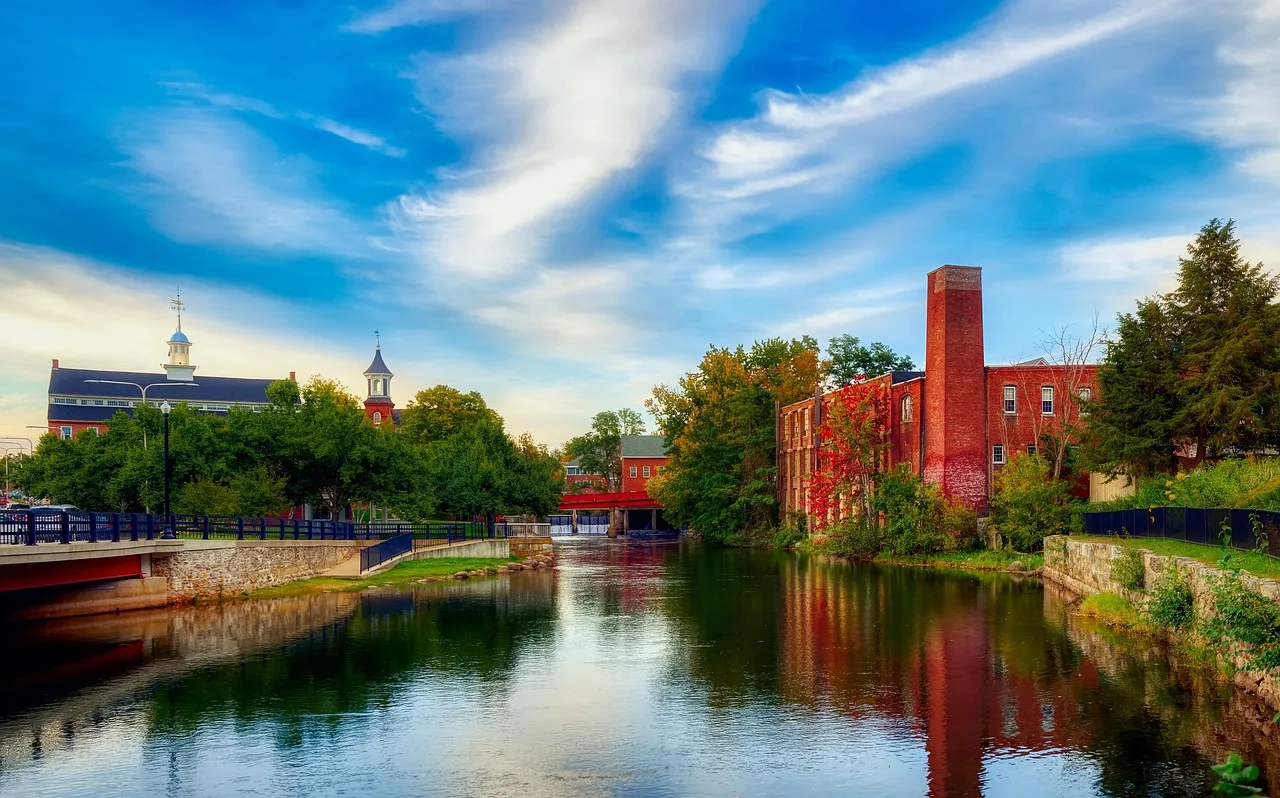
Funspot features one of the largest collections of early-1970s to late-2000s games in the world, located in the village of Weirs Beach in Laconia, New Hampshire. Founded in 1952 by Robert M. Lawton, Funspot includes over 600 video games, pinball machines, and ticket redemption machines, along with an indoor miniature golf course, 20-lane bowling, cash bingo, a restaurant, and a tavern.
Funspot was officially named the “Largest Arcade in the World” by Guinness World Records at the 10th Annual International Classic Video Game and Pinball Tournament, held from May 29 through June 1, 2008. Nested within Funspot is something even more specialized. The American Classic Arcade Museum (ACAM), founded in 1998, collects almost 200 vintage arcade machines, setting the world record for the largest classic arcade museum.
Vintage games like Tetris, Toobin’, Galaxian, Tron, and Space Invaders are all organized by their publisher, with big signs hanging over the cabinets trumpeting the names Atari, Taito, and Nintendo. Each year the museum is also home to the Annual Classic Video Game and Pinball Tournament where gamers from around the globe try to beat Guinness-recognized high scores. The business continues to look for ways to keep things fresh and to provide new games for people to play, even as its identity stays firmly rooted in preservation.
2. Galloping Ghost Arcade – Brookfield, Illinois

Galloping Ghost Arcade in Brookfield houses over 1,000 vintage video games, rare prototypes, and titles you can’t play anywhere else. There are classics like Mortal Kombat, NBA Jam, Street Fighter II, and Time Crisis, but also hundreds of hidden gems, imported titles, and rare one-offs that even seasoned gamers might not recognize.
Over 600 world records have been set at this Chicago-area arcade. That statistic alone tells you something about the seriousness of the community that gathers here. Founder Doc Mack knew from a young age that he wanted to work in game design, later launching Galloping Ghost Productions in 1994.
While Funspot in Laconia, New Hampshire, has long held the Guinness World Record for the “largest arcade in the world,” many now give that title to Galloping Ghost Arcade based on playable cabinets and floor space. Besides Galloping Ghost Arcade, owner Dock Mack also owns and operates Galloping Ghost Pinball, a nearby arcade that opened on March 19, 2019, and contains over 50 pinball machines not seen at the main location. The flat-rate entry fee keeps things democratic – no quarters required.
3. Pinball Hall of Fame – Las Vegas, Nevada
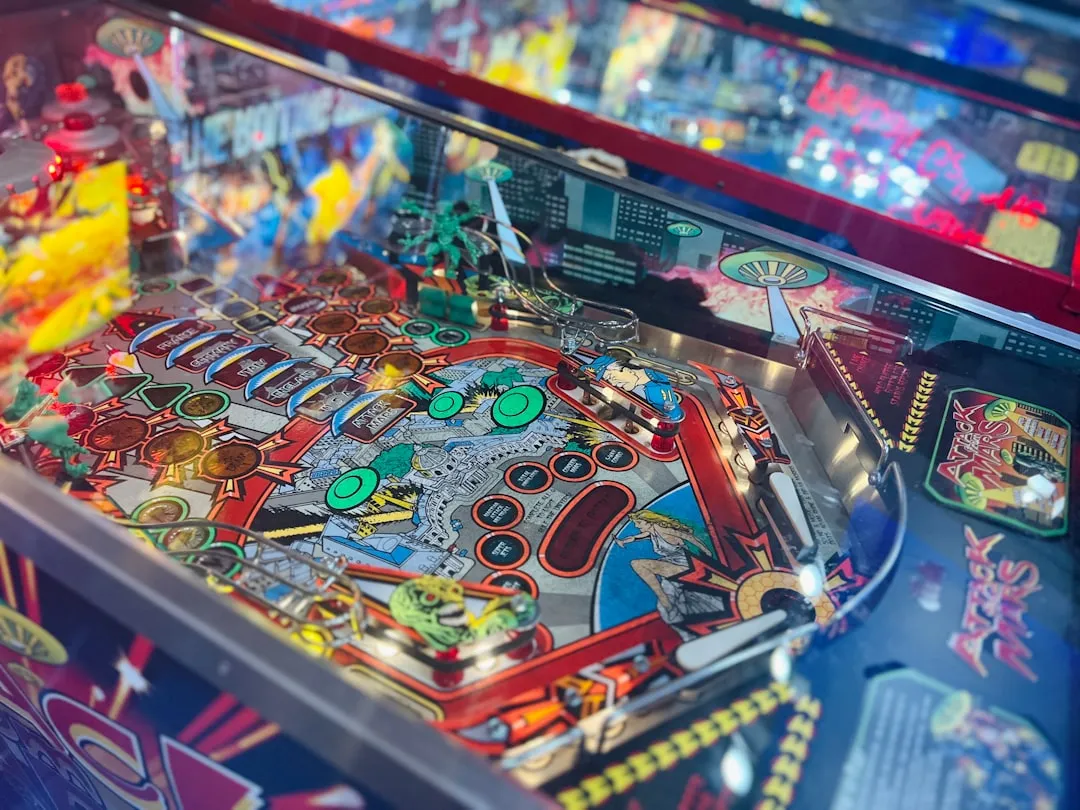
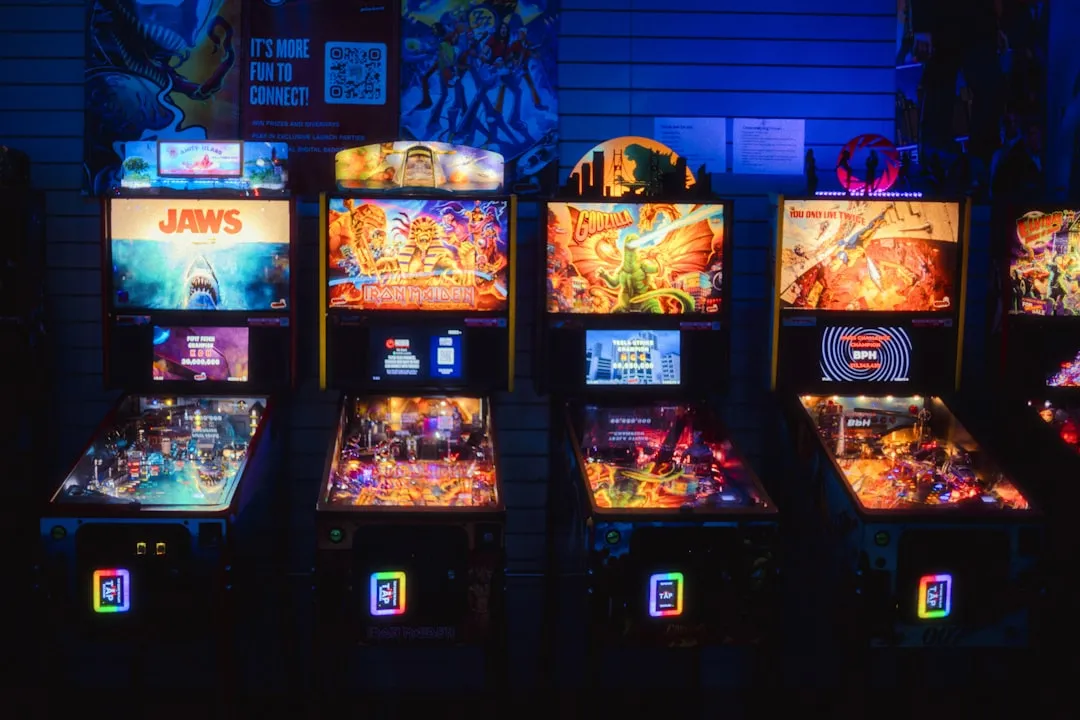
Las Vegas might be known for its casinos, but the Pinball Hall of Fame offers a different kind of entertainment, housing the world’s largest collection of pinball machines. Founded by Tim Arnold, the collection spans decades, showcasing rare and classic machines. Every game is meticulously restored, preserving the tactile and auditory delights unique to pinball, and visitors can play the machines, experiencing firsthand the skill required to master each game.
The venue operates as a nonprofit, with proceeds supporting local charities, and its commitment to preserving pinball history makes it a must-visit for enthusiasts. Pinball as a format is deeply physical in a way that screen-based games can’t quite replicate – the weight of the ball, the resistance of the flipper buttons, the mechanical rattle of a well-tuned machine. This is where that experience survives at scale.
Sitting on the Las Vegas Strip itself, the Pinball Hall of Fame draws a genuinely mixed crowd: serious collectors, curious tourists, and families who stumble in and stay for hours. It proves that preservation doesn’t have to feel like a museum visit. Here, every exhibit talks back when you hit it hard enough.
4. Arkadia Retrocade – Fayetteville, Arkansas
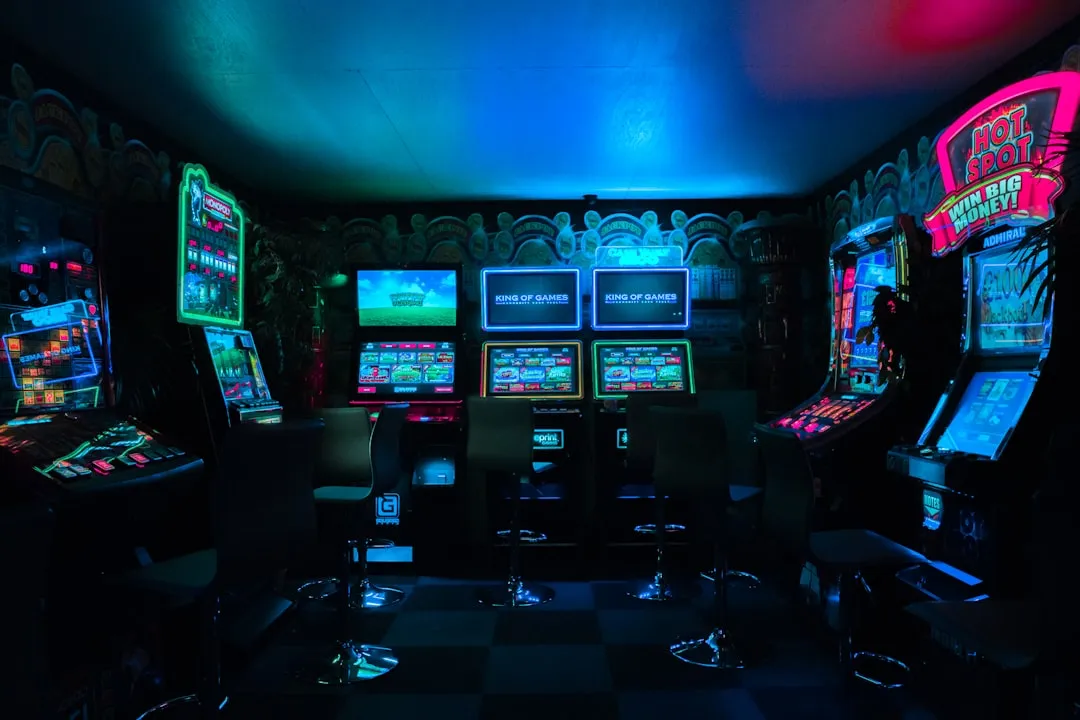
Arkadia Retrocade, located at 1478 North College Avenue in Fayetteville, Arkansas, is a mega arcade housing 250 or more machines and has earned a reputation as one of the most highly-rated vintage venues in the United States. It sits in a college town, which means the crowd skews younger, introducing generations who weren’t alive during the golden age to the games that defined it.
What makes Arkadia notable is its curation. Rather than mixing in redemption machines or modern prize-dispensing cabinets, the focus stays firmly on playable classic titles. Preserving classic arcade games is a labor of love filled with unique challenges, as many original machines are prone to wear and tear, making them difficult to maintain. Yet organizations and enthusiasts are stepping up and dedicating resources to repair and restore these vintage games.
Arkadia’s consistent high ratings across visitor reviews reflect what happens when that restoration work is done properly. Museums and dedicated venues play a pivotal role in preserving arcade history, not just safeguarding the physical machines, but also offering a window into the past by allowing visitors to experience these games as originally intended. Fayetteville may be an unexpected address for a nationally recognized arcade, but that’s rather the point.
5. American Classic Arcade Museum at Funspot – A Museum Within a Venue
Worth highlighting separately from its Funspot home, the American Classic Arcade Museum deserves its own recognition as a model for what preservation can look like. All the games you grew up with are here at the American Classic Arcade Museum in Laconia, NH. Visitors can play hundreds of coin-operated arcade games, learn video game history, and more – with over 250 classic arcade games available.
Established by Gary Vincent, a devoted Funspot employee, and currently serving as its president and curator, the museum operates as a 501(c)3 nonprofit organization with a vital mission: to collect classic coin-operated games through donations and preserve the history of these timeless gems. Since its inception in the late 1990s, the museum has maintained a strict policy, accepting only games made before 1990.
ACAM is a 501(c)3 registered museum that relies exclusively on the generosity of arcade game fans and works to keep restoring games and sharing them with others. Unlike most museums, visitors are welcome to touch the exhibits – all of the games in the museum are available for play. That philosophy, a museum where you can actually interact with everything, is rarer than it sounds and far more powerful than a glass case.
Why This Preservation Work Matters Now
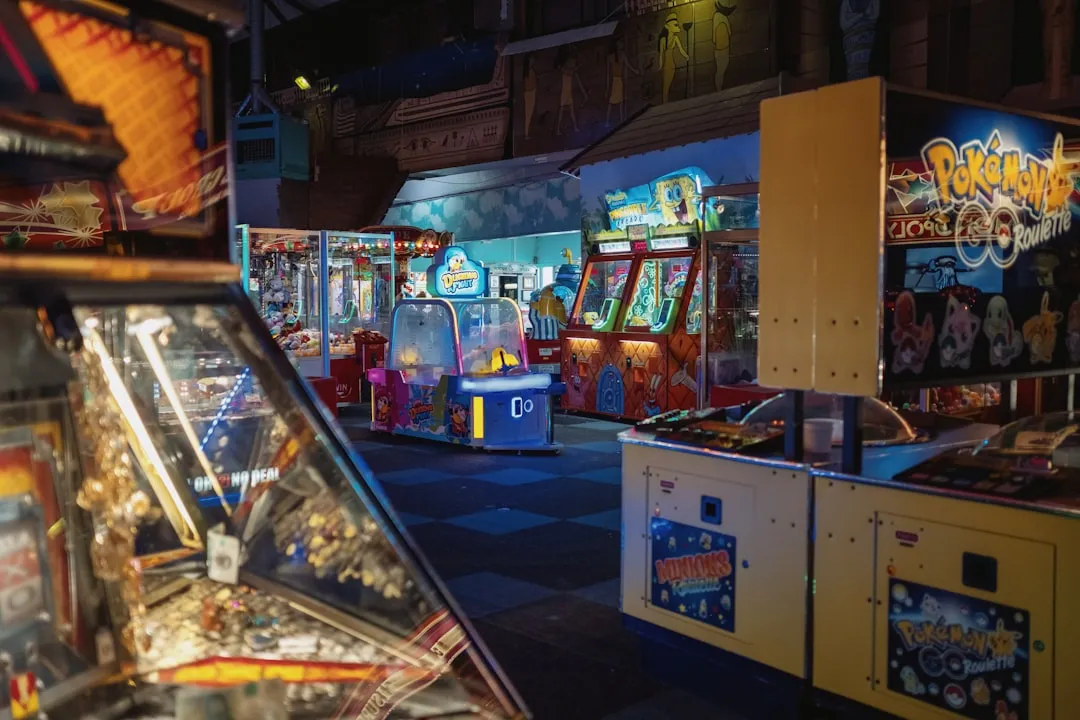
Keeping these games alive is not without difficulty. Licensing issues, hardware decay, and evolving technologies make preservation a race against time. Original circuit boards can’t be reprinted. The specialists who know how to repair a 1981 cabinet are aging, and that knowledge doesn’t transfer automatically to a new generation of technicians. The technical know-how required for such maintenance is becoming increasingly rare, making these efforts all the more crucial.
The stakes go beyond nostalgia. The ROM golden age remains a cornerstone of video game heritage, with its legacy enduring not only in nostalgic memories but also in modern reimaginings, remasters, and retro-inspired titles that keep its influence alive for new generations of players. These arcades are the primary places where that influence can be felt in its original, unmediated form.
The Social Architecture of an Arcade
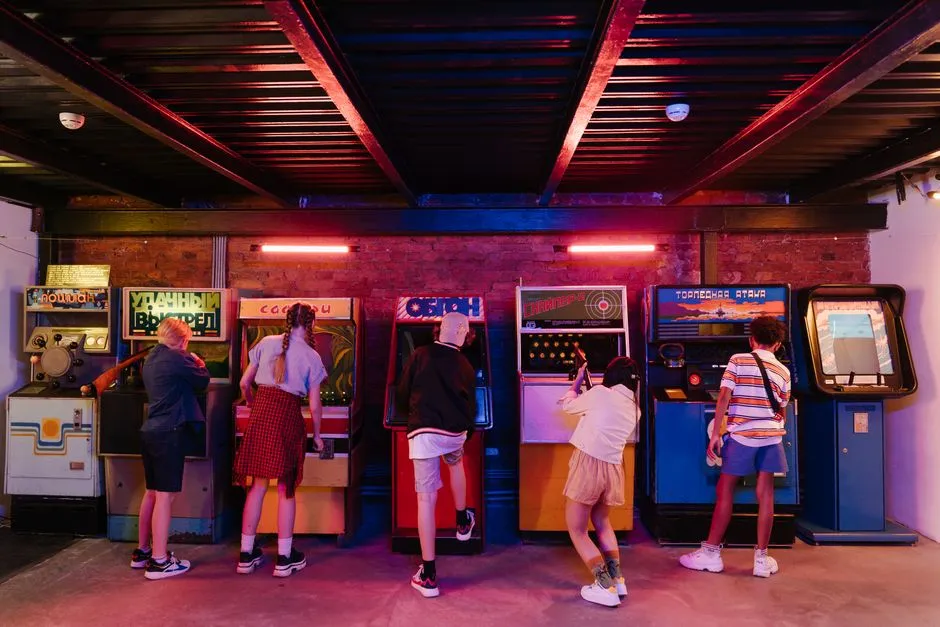
If you were to step into a time machine and visit the arcades of the golden age, you’d find yourself in buzzing social hubs, alive with the energy of community and connection. These were venues for gaming, but they were also vibrant meeting spots where friendships were forged over joystick battles and shared triumphs.
That social dimension hasn’t disappeared. Adults aged 25 to 40 are drawn to retro arcade cabinets, pinball machines, and fighting games from the 1980s and 1990s, often bundled with bar and lounge-style settings. This segment supports high-ticket sales and return visits. The vintage arcade, it turns out, is also very good hospitality. People linger, talk, and come back.
The Broader Industry Revival Behind These Venues
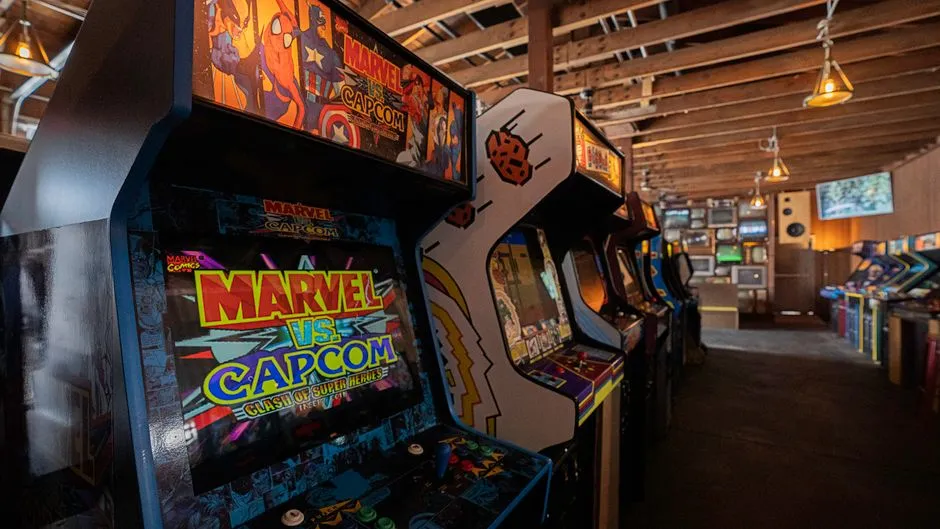
In 2024, the U.S. arcade and entertainment industry stood at $5.8 billion and is projected to hit $6.4 billion by 2029 (IBISWorld). The global arcade gaming market size was valued at $4.75 billion in 2024 and is projected to grow to $7.69 billion by 2033, at a CAGR of 5.5% during the forecast period. These aren’t the numbers of a dying industry.
Europe represents the second-largest regional market, holding approximately 26.4% of global revenue in 2025 and projected to grow at a CAGR of 7.9% through 2034, driven by an accelerating rollout of arcade bar concepts in the United Kingdom, Germany, France, the Netherlands, and the Nordic countries. The UK is the most developed European sub-market, with brands such as NQ64, Arcade Club, and The Four Thieves establishing multi-location presences. The vintage arcade model has proven globally exportable.
What Makes a Vintage Arcade Different from a Modern Entertainment Center
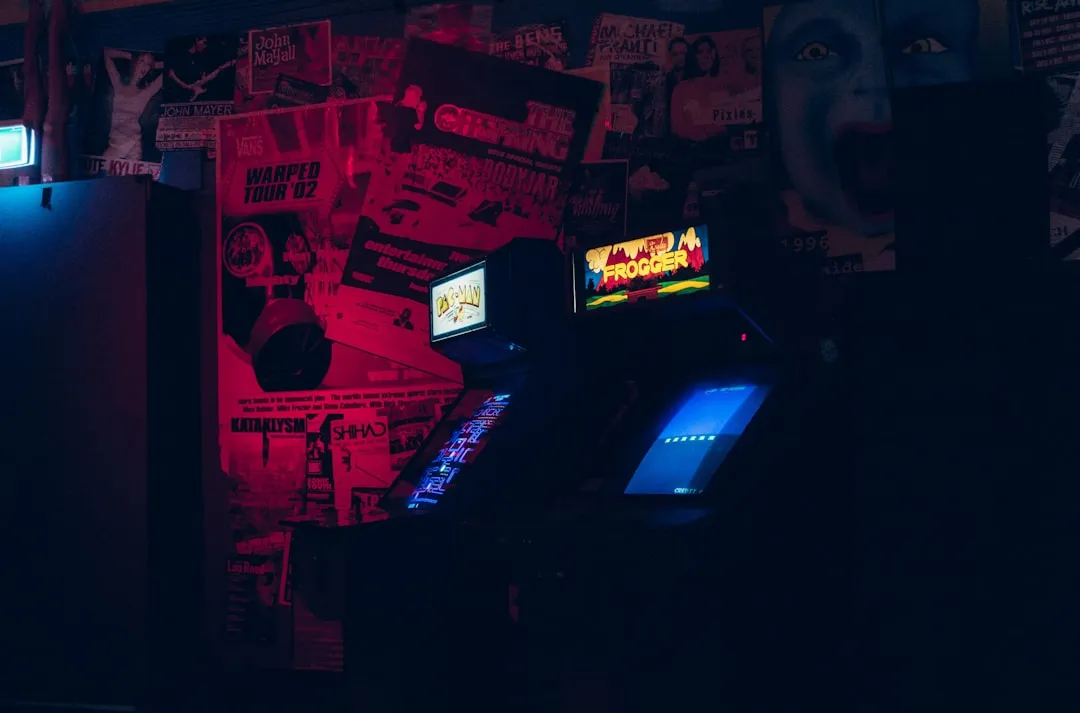
The distinction matters. A modern family entertainment center might house a few classic cabinets between a laser tag arena and a ticket redemption wall. A proper vintage arcade is something else entirely. The games are primary. The curation is intentional. The maintenance is ongoing and skilled rather than transactional.
For many, classic arcade games evoke memories of afternoons spent at the local arcade, clutching a handful of quarters and vying for high scores. That specific emotional register – competitive, communal, slightly sweaty – is what the best vintage venues manage to recreate. It isn’t manufactured. It’s preserved. Modern arcades are also evolving, featuring VR experiences and high-definition graphics, but the best vintage venues keep the social aspect alive without sacrificing the original experience to novelty.
Hardware Decay and the Art of Restoration
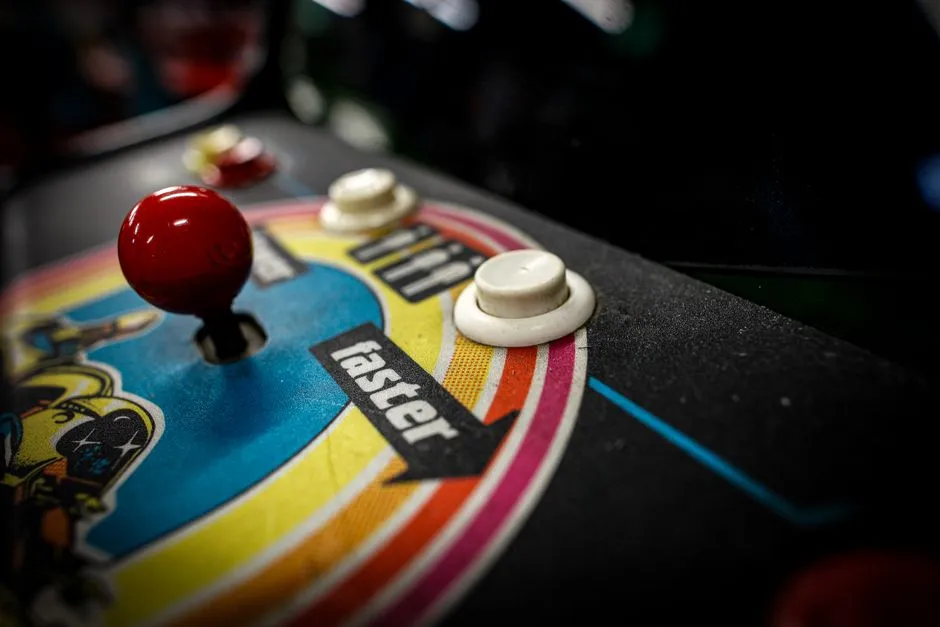
Behind every working Pac-Man cabinet in 2026 is someone who spent hours hunting for a replacement PCB, soldering deteriorated connections, or calibrating a monitor that hasn’t been touched since 1984. As technology evolved, original arcade cabinets became rare, and digital preservation methods allowed enthusiasts and historians to keep this legacy alive. Physical restoration, though, remains irreplaceable for the venues on this list.
The challenge is compounding. Parts become scarcer every year. Many original machines are prone to wear and tear, which makes them difficult to maintain, yet organizations and enthusiasts are stepping up and dedicating resources to repair and restore these vintage games. The venues that take this seriously are, in a real sense, funding a craft that might otherwise disappear entirely.
The Takeaway
These five venues aren’t simply businesses that happen to stock old machines. They are active custodians of a specific cultural moment – one that shaped how an entire medium thinks about design, community, and play. Classic arcade games continue to influence design, storytelling, and how players interact with each other. Modern titles borrow from the same philosophies: intuitive controls, rewarding progression, and community-driven play. While technology has advanced, the timeless lessons from this era remain deeply embedded in contemporary gaming culture.
The global numbers suggest the industry is healthy. But numbers don’t capture what it actually feels like to stand in front of a working Galaga cabinet, hear the familiar drone of the attract screen, and feed in a coin. That experience exists because specific people, in specific places, decided it was worth protecting. These arcades are those places.
AI Disclaimer: This article was created with the assistance of AI tools and reviewed by a human editor.