
There’s a counterintuitive truth that runs through almost every ski lesson ever taught: the thing beginners think will protect them is usually the thing holding them back. Instructors from Telluride to the Alps see the same patterns on the slopes season after season, and the most important corrections often have nothing to do with how your knees look or where your poles are pointing.
The actual breakthrough comes when beginners stop avoiding the feeling of discomfort and start trusting a few carefully learned fundamentals. What follows are the ten specific mistakes, and the honest fixes, that certified ski instructors say matter most.
1. Leaning Back Instead of Into the Mountain
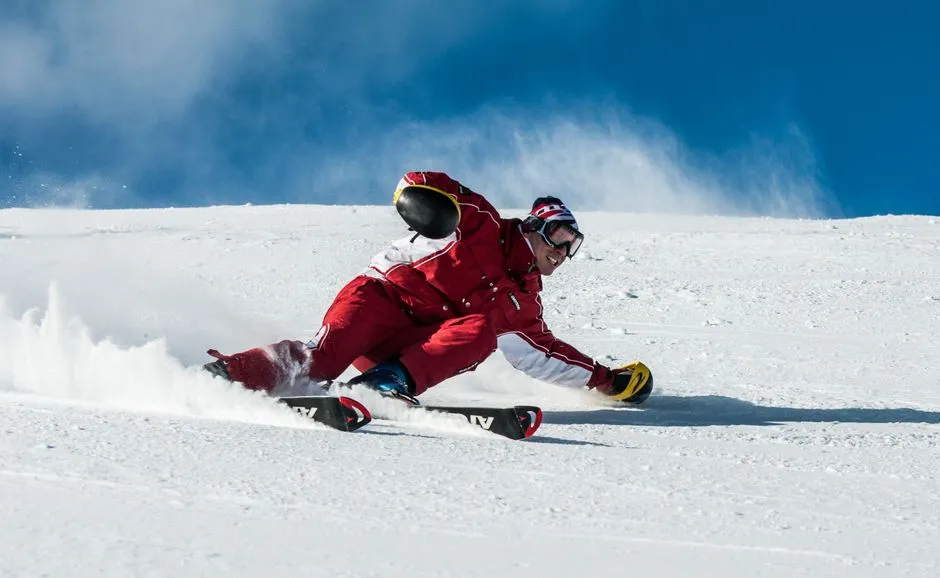
Leaning back is probably the most common mistake people make when learning to ski. The reason is usually simple: they are afraid of the slope or the speed, and the natural reaction is to try to lean away from it. It feels protective, but it’s the opposite of effective. As soon as you stop pushing on the front of the ski boots, the pressure on the tips of the skis decreases and you lose control.
The most frequently heard phrase in ski instruction is “lean forward and pressure the front of your boots,” yet many skiers still sit back with more pressure over the tails of their skis rather than the tips. By leaning slightly forward, pressure on the front of the skis increases, which enhances both steering and the ability to slow down. Leaning back causes the skis to lose grip, leading directly to instability and potential falls.
2. Wearing the Wrong Socks (Yes, Really)
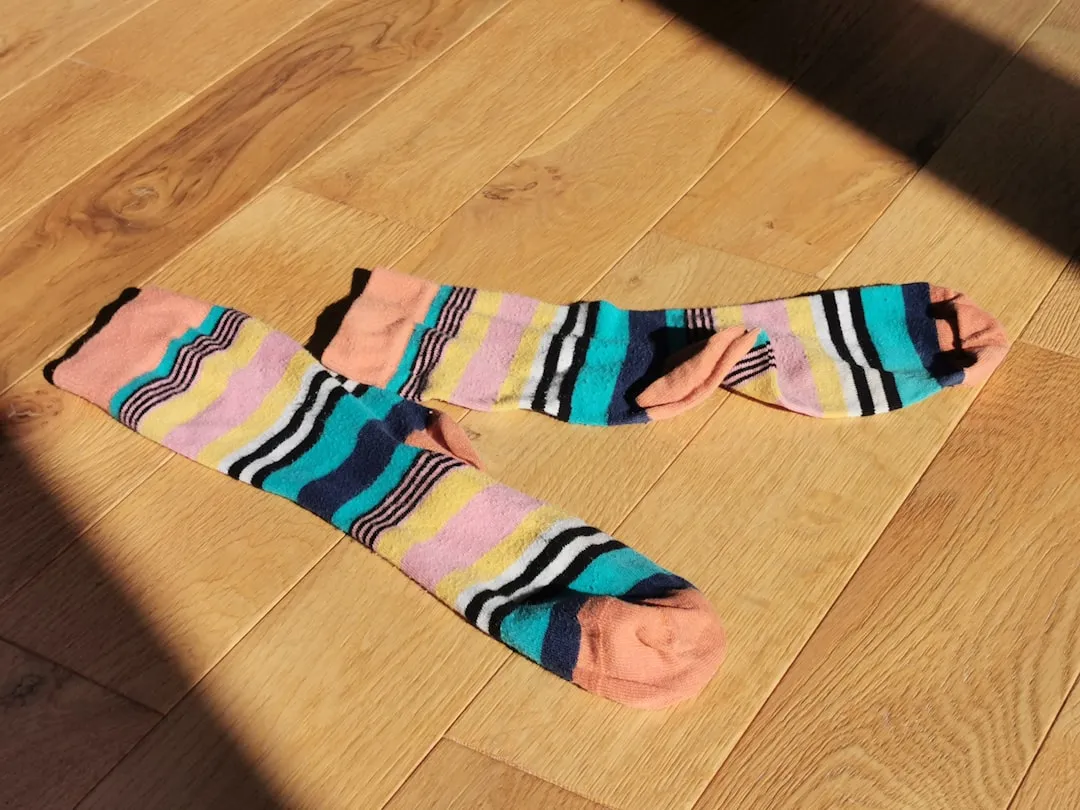
The only thing that belongs inside a ski boot is your leg and a single, smooth ski sock. One of the most common rookie mistakes is jamming long underwear into boots or layering multiple pairs of socks, thinking the feet will stay warmer. It sounds almost too basic to matter, but it directly affects boot fit, which shapes everything about how you control your skis.
Cotton absorbs sweat and holds onto it. Once you’re sitting on the chairlift after a run, that damp layer will drain your body heat surprisingly fast. Merino wool or moisture-wicking synthetics are the standard recommendation from experienced instructors, and the difference by mid-afternoon is noticeable.
3. Skipping the First Lesson (and the Second)
Taking a lesson is the safer, faster, more efficient, and more fun way to become a skier or snowboarder. Videos simply can’t give you real-time feedback, teach you how to read the mountain, or provide personalized gear coaching the way a certified instructor can. This isn’t advertising language. It’s the consistent finding from ski industry research.
Five to seven dedicated ski days, combined with at least two structured lessons, take most beginners from wedge-turn survival to confident parallel skiing on blue groomers. The NSAA reports that first-year retention reaches around two thirds with early lesson investment, versus roughly a quarter for skiers who go it alone. That gap is not about talent. Structure matters.
4. Ignoring Your Body Posture Completely
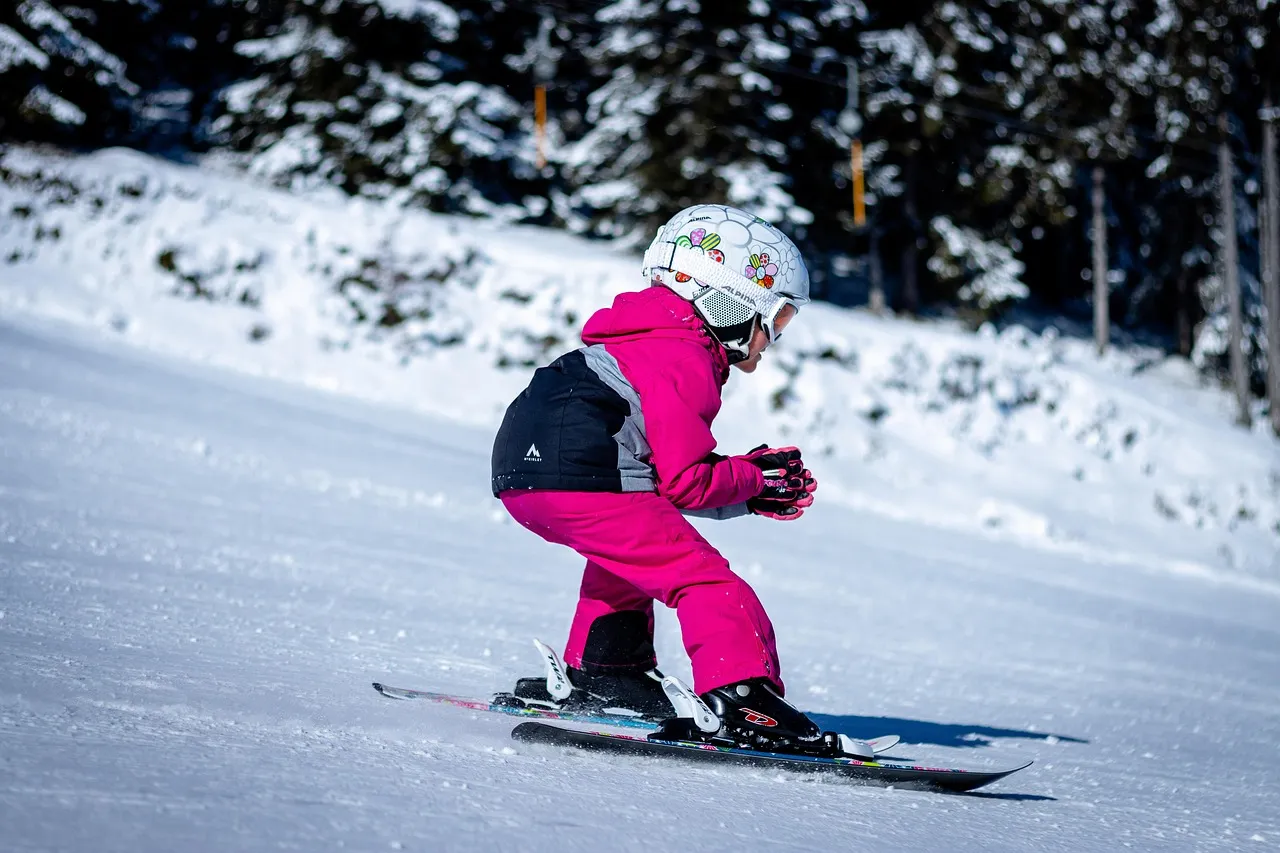
When it comes to skiing, posture is everything. Your body stance determines where your weight is distributed, which is the single key factor in improving your skiing technique. Your general skiing stance should maintain even flexion in the knee, hip, and ankle. That balanced flexion throughout all three joints is what ensures your weight distributes correctly.
A correct upper body posture matters just as much as having the lower body in the right position. When the upper body and head lean too far toward the inside of a turn, the skier loses pressure on the outer ski and consequently loses control while steering. Burning thighs are actually a sign of incorrect posture, and the fix is to lean forward and push your shins against the ski boots. The feeling is unusual at first, but the position enables noticeably smoother descents.
5. Sticking With the Snowplow Far Too Long
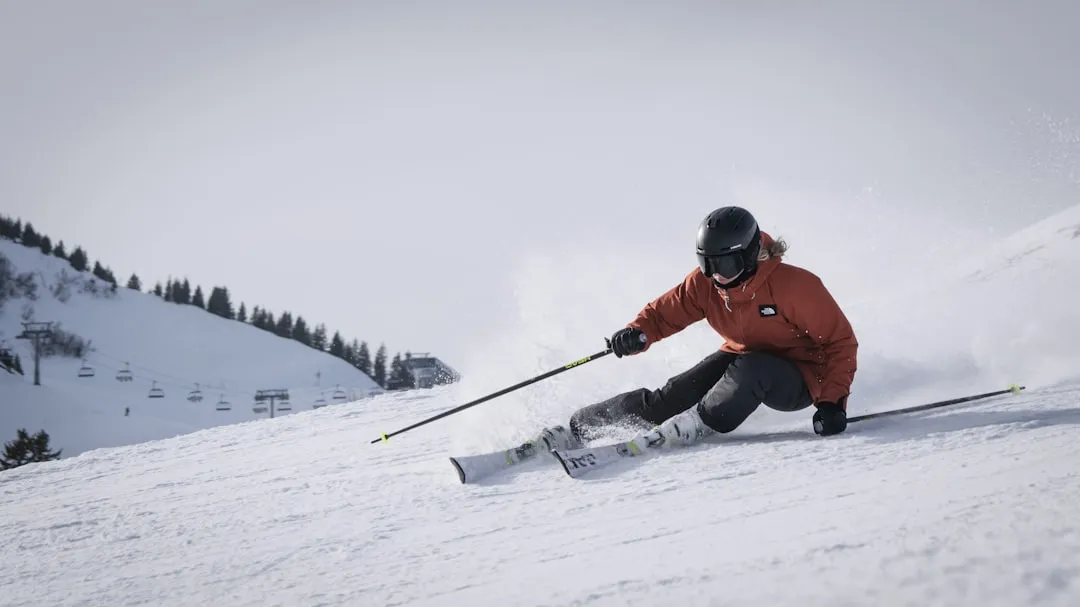
Many skiers plateau at the wedge-turn stage, finding it genuinely hard to break the habit of pushing out the skis into a wedge on each turn. The snowplow is a crucial starting point, not a permanent technique. When learning to ski, mastering the snowplow is essential for beginners to control speed and navigate slopes with confidence. The snowplow, also known as the wedge, involves angling the tips of your skis together and pushing your heels apart, forming a V-shape that helps you slow down on gentle terrain.
The single biggest leap in skiing skill is the shift from snowplow to parallel turns. Instructors consistently note that students who cling to the wedge beyond the beginner stage build movement habits that become increasingly difficult to undo. Committing to parallel turns earlier, even imperfectly, accelerates the whole learning curve.
6. The Fear Plateau Is Real, and It Has a Name
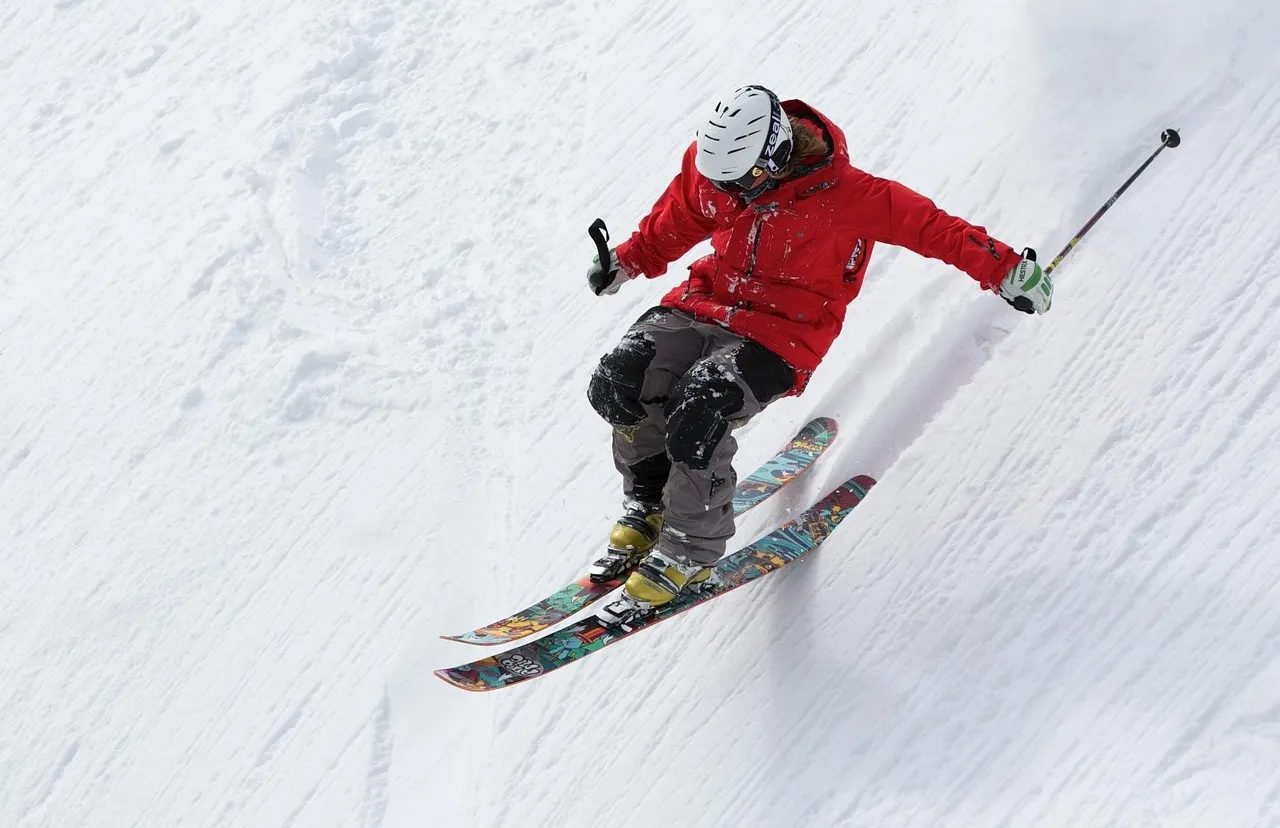
A huge reason for plateauing is psychological. Moving to intermediate terrain means steeper slopes and higher speeds, which triggers real fear. It’s common for skiers to get comfortable on easy runs but feel intimidated by harder ones, so they avoid them and stop progressing. This fear-based plateau can last until you gradually build the nerve to try something slightly more challenging.
Adult learners face a steeper psychological curve than children. Fear of falling, self-consciousness around more experienced skiers, and stiff muscle memory from decades of non-skiing movement all slow progress. Adults do compensate, though, with faster verbal comprehension and better self-correction once they feel what a centered stance actually is.
7. Using Ill-Fitting or Inappropriate Equipment
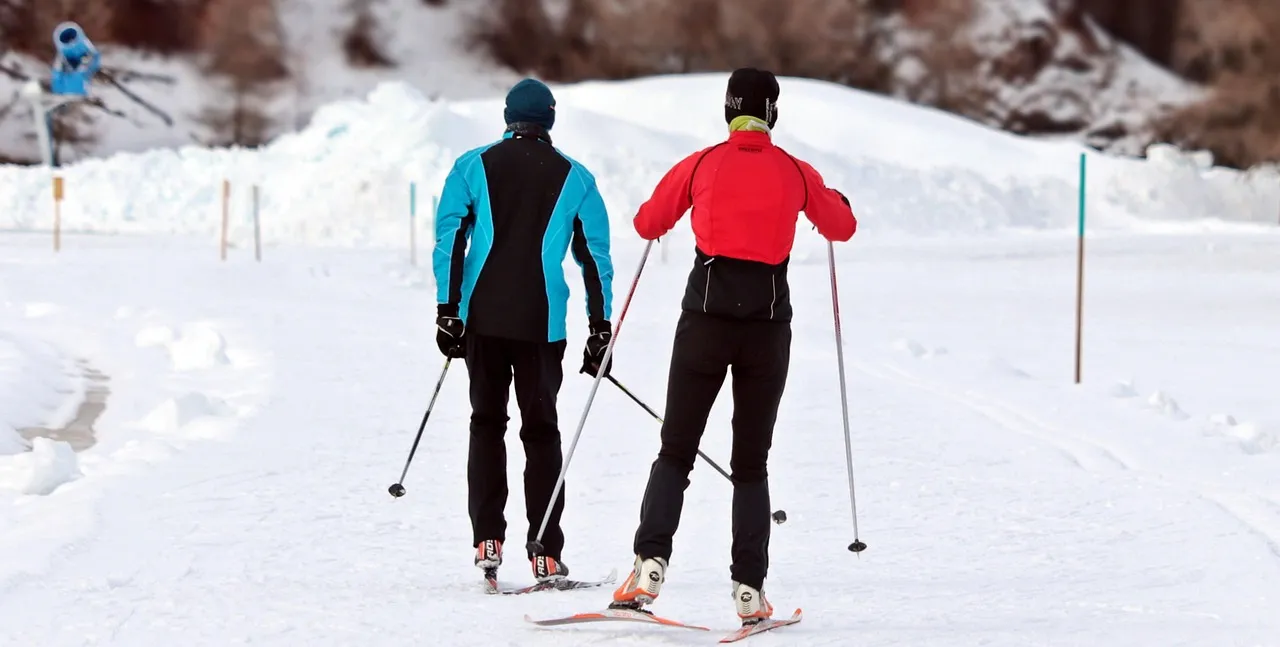
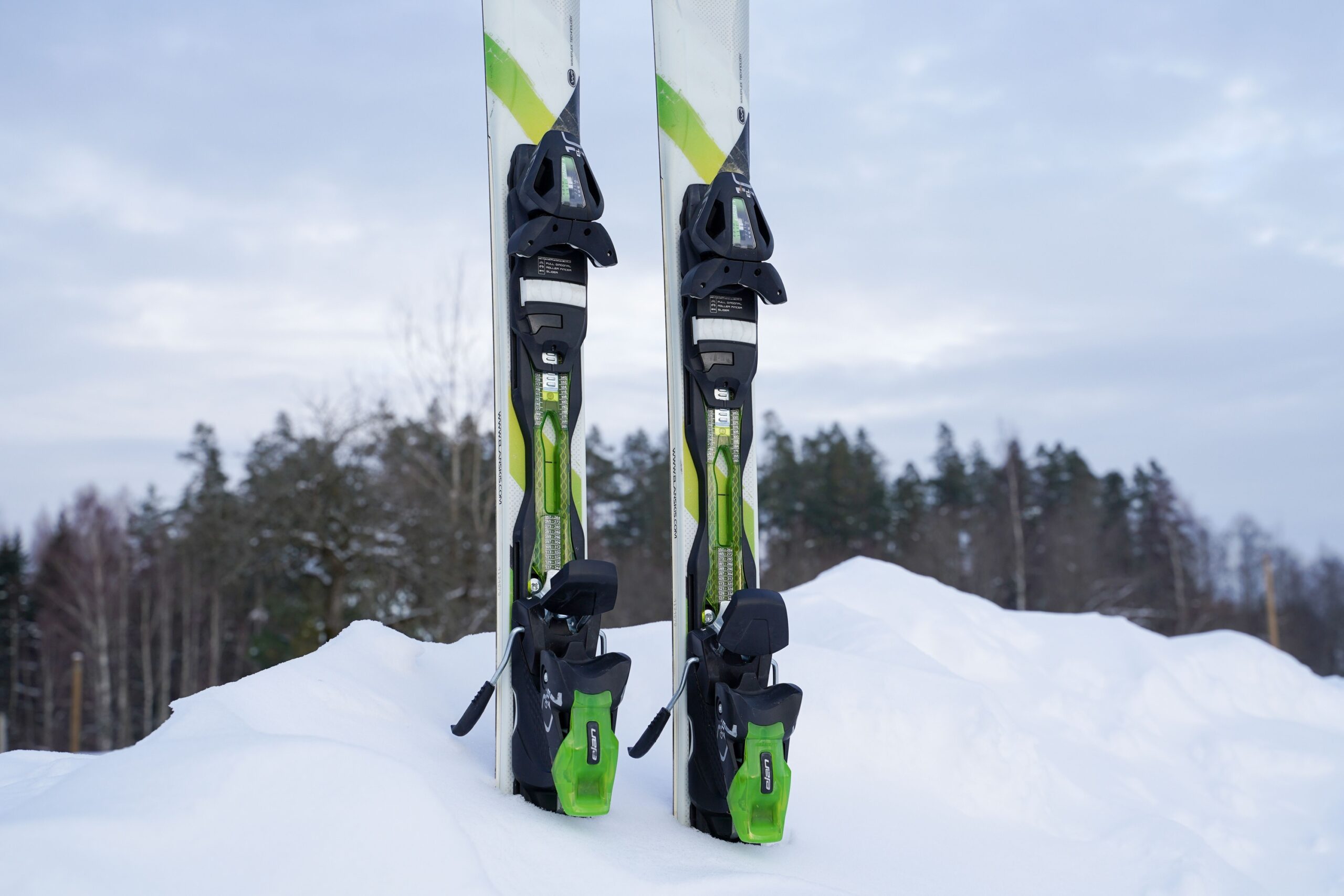
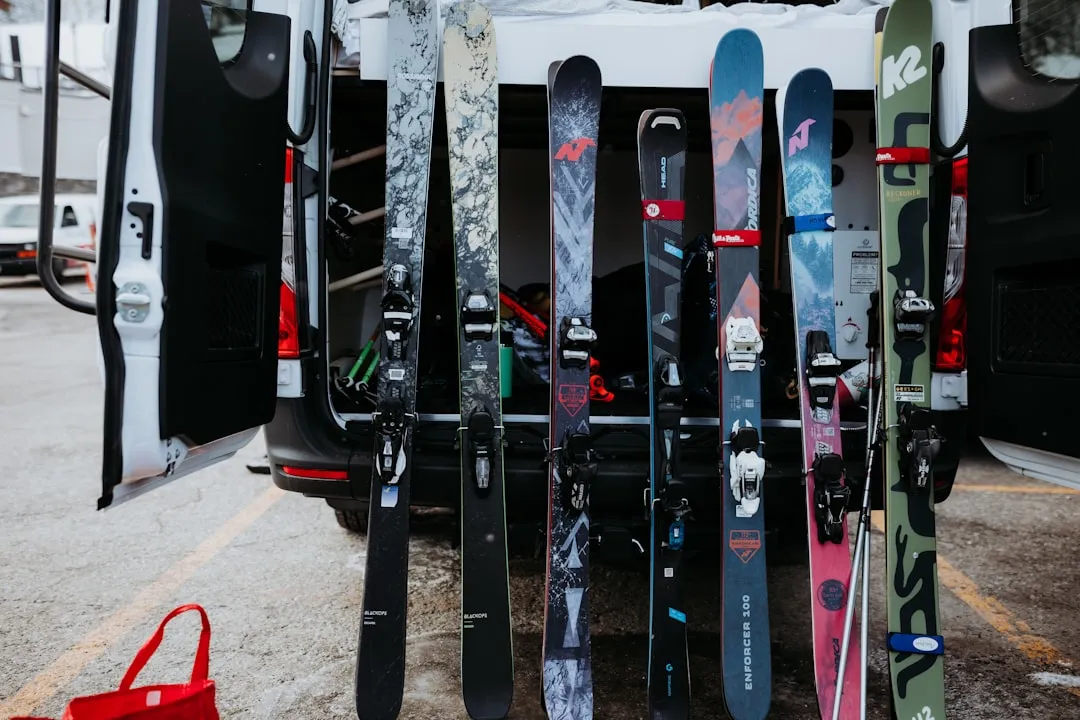
Many first-time skiers either rent or purchase improperly fitted equipment due to budget constraints, lack of knowledge, or simple convenience. Wearing ill-fitting boots, selecting skis that are too long or stiff, or neglecting essential safety gear can significantly hinder progress. Equipment that doesn’t match your body and skill level essentially fights against every technique you’re trying to learn.
Using the wrong equipment can directly hinder your progress. Your skis, boots, and poles need to be appropriate for your skill level, weight, and the type of skiing you plan to do. Rental shops at reputable resorts will fit you properly, which is often the smarter starting point than purchasing gear before you know what you actually need.
8. A New Approach to Foot Loading That Changes Everything
A peer-reviewed study published in the journal Sensors in November 2024 examined two different teaching methods for beginners and found meaningful differences in how each approach shapes body position on the ski. The One-Ski-Method (OSM) is an alternative approach to the predominant snowplow method, with the strategy to initially experience and acquire the elementary positions and actions on one ski before transferring them to two skis.
The OSM group showed a significantly greater forefoot load than the snowplow group, while the snowplow group developed a greater rearfoot loading from the start to the end of testing. The findings suggest that OSM learners acquire a more beneficial specific position on the ski due to the method’s targeted exercises. This is exactly the kind of forward weight distribution that instructors have been emphasizing for years, now supported by sensor data.
9. Not Completing Turns Across the Fall Line
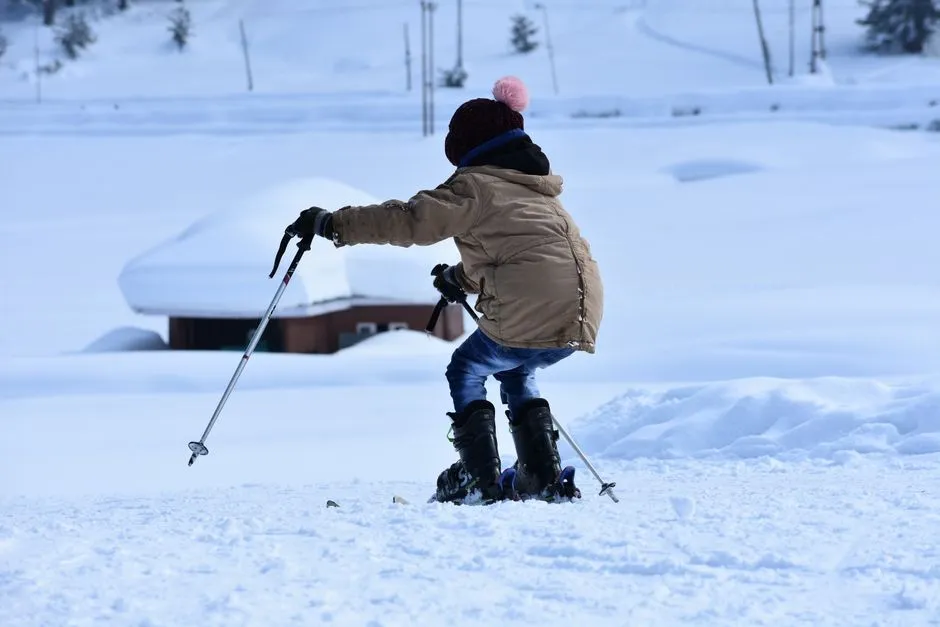
Sitting back means losing control, which is the exact opposite of what a nervous beginner wants. Complete turns across the fall line are what actually create control. Locking up and skiing straight is what removes it. Making complete turns is the fundamental answer. Beginners often cut turns short because finishing a turn means briefly feeling like you’re going sideways, which feels wrong when it’s actually right.
When you pressure the tip of the ski, it flexes the front section, which flexes the tip and initiates the turn. This is a critical part of controlling speed. Instructors frame it simply: speed control on skis comes from turning, not from braking. That single shift in understanding changes how a beginner relates to the whole mountain.
10. Treating Falling as Failure Instead of Feedback
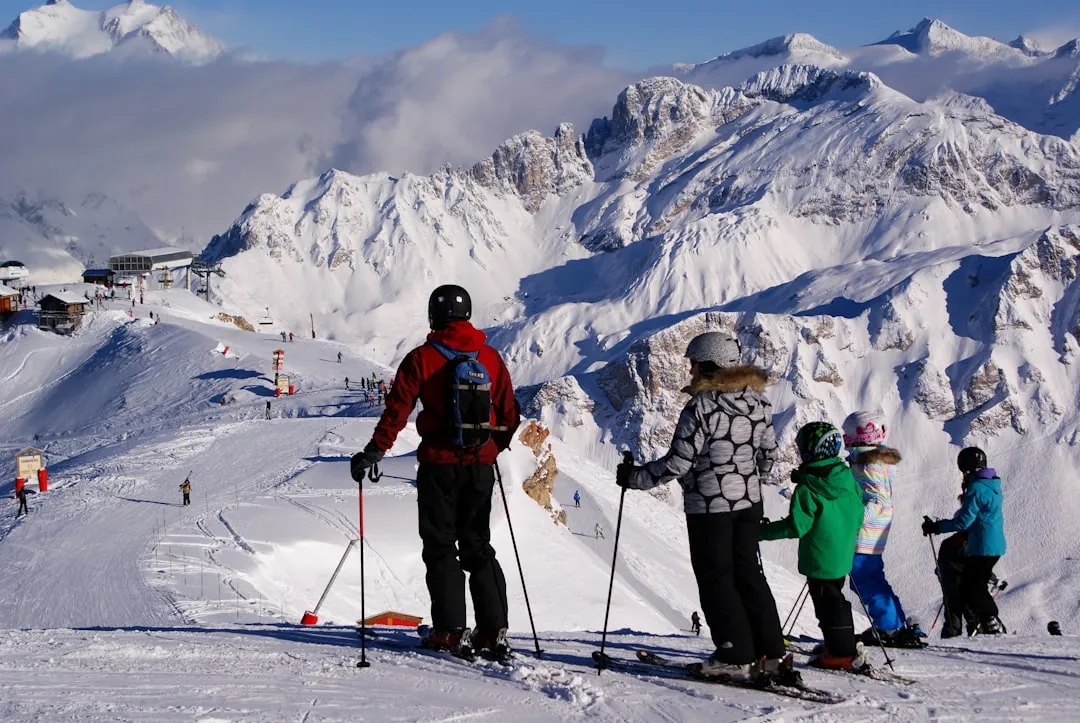
Skiing is a complicated sport involving numerous skills, used in a demanding environment. Some people devote their whole lives to it and are still learning in their later years. The biggest unlock for any adult beginner is accepting that wobbling and falling are part of the process, not evidence of failure. Every instructor who has worked with beginners will tell you this directly.
According to the Professional Ski Instructors of America, most beginners can master basic techniques within three to seven days of instruction, but true confidence takes much longer. That’s a realistic and freeing framing. Progress is not linear on the mountain, and the days where things click feel entirely worth the days that don’t. Even the most skilled skiers started as beginners. Progress takes time, so patience and a commitment to professional lessons to develop strong fundamentals make all the difference.
The Takeaway
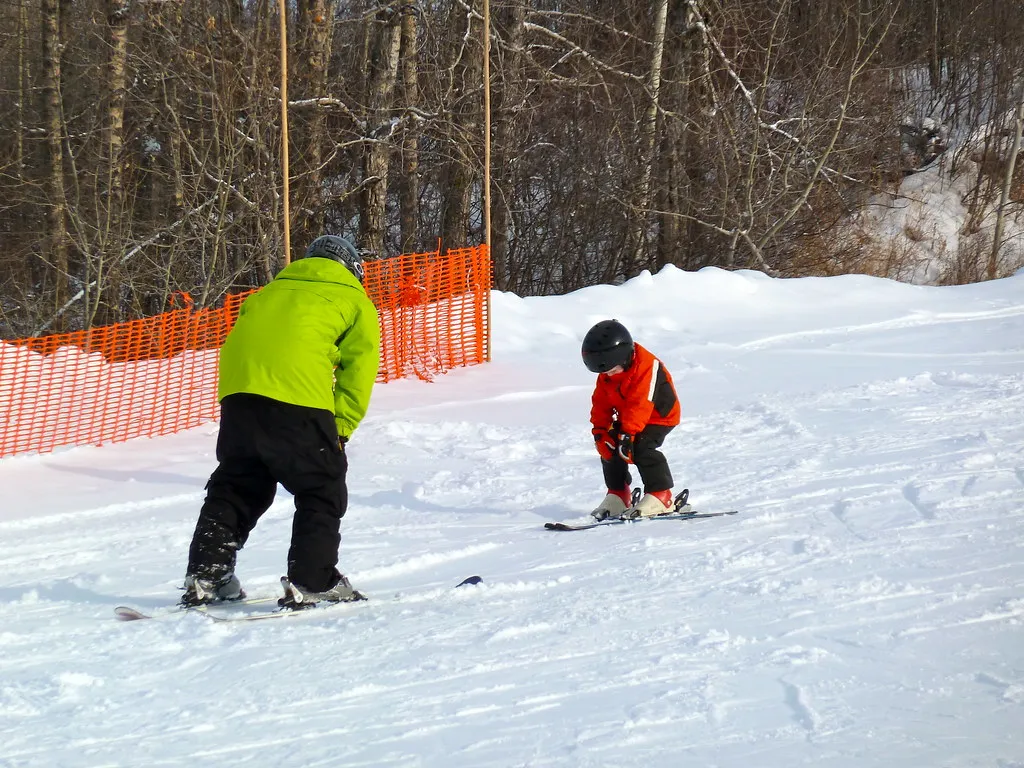
Almost every mistake on this list shares a common root: fear. Fear pushes weight backward, encourages skiers to stay on terrain that no longer challenges them, and convinces beginners that falling is a sign they don’t belong on the mountain. Instructors know better, which is why their corrections so often feel counterintuitive at first.
The good news is that skiing’s learning curve is front-loaded. Those first few days of awkward, effortful attention to body position and posture are doing the heavy lifting for everything that follows. Get those fundamentals right early, and the mountain genuinely starts to feel different. Skiing is not a one-and-done kind of sport. It’s a lifelong craft, and you can have dozens of seasons under your belt and still discover something new.
AI Disclaimer: This article was created with the assistance of AI tools and reviewed by a human editor.