
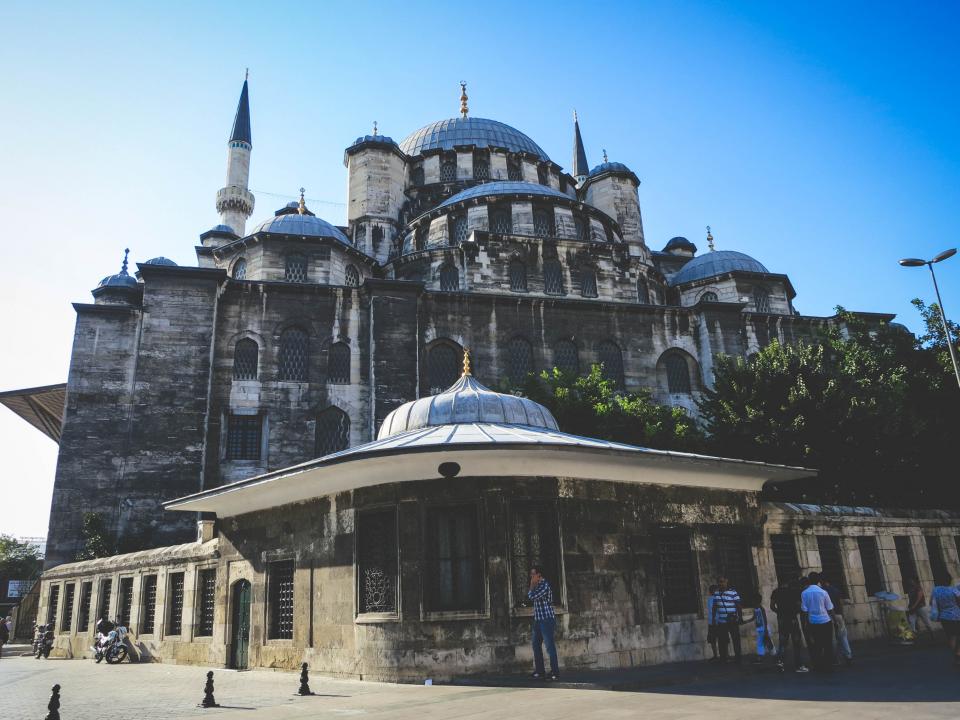

There is something quietly remarkable about walking into a building that has been heating water, softening skin, and hosting conversation for more than six centuries. The Turkish hammam is not a relic. It is a living institution, one that has outlasted empires, survived the arrival of indoor plumbing, and recently drawn a new wave of restoration energy in cities like Istanbul.
The story of the hammam is, in many ways, the story of urban civilization in the Middle East and Mediterranean. It touches on faith, architecture, public health, and the deep human need to gather somewhere warm. Understanding where this tradition came from, and where it stands today, offers a window into a culture that has shaped the built world far more than most travelers realize.
Ancient Roots in a Layered Landscape
The tradition of baths and bathing is an integral part of Anatolian culture, with Bronze and Iron Age palaces like Hattusas and Aslantepe showing developed bath, water, and drainage equipment. The lineage runs deep. The history of bath buildings started before Christ, and these buildings appeared in Assyrian, Hittite, Ancient Greek, Roman, and Turkish-Islamic societies.
Byzantine rule in Anatolia gave way to the Seljuk Turks from Central Asia, who were pivotal in the spread of hammams in the region. They brought with them bathing practices from Central Asia and Iran, combining them with Byzantine and Roman traditions, as well as Islamic rules. Each civilization left something behind in the structure and spirit of what would become the hammam.
The Ottoman Empire and the Golden Age of the Hammam
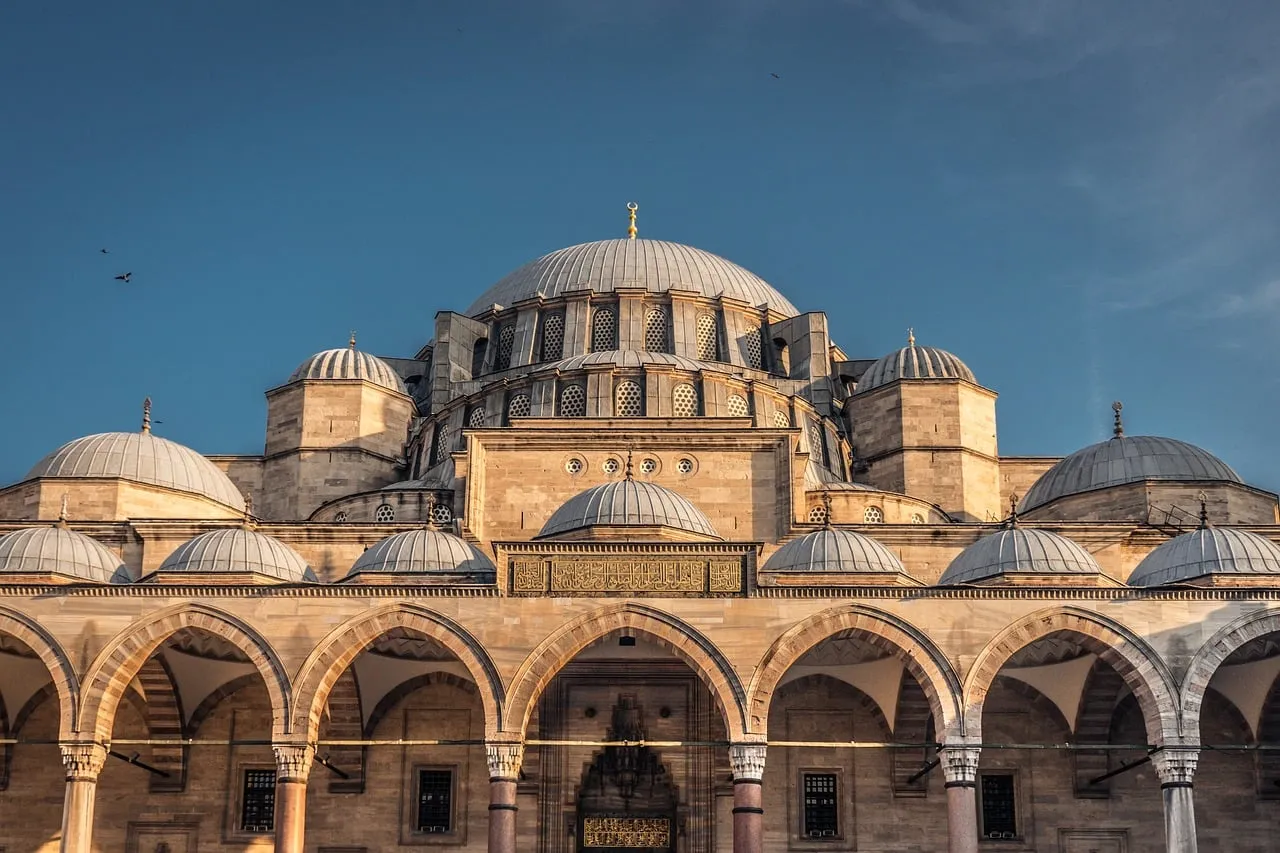
Istanbul’s first Ottoman hammams were built in 1454, the year after Sultan Mehmed II conquered Constantinople. From that point forward, the hammam became central to Ottoman urban identity. During the Ottoman Empire, the Turkish hammam became a significant part of daily life, serving as a space for both personal hygiene and social interaction. The Ottomans perfected the design and function of the Turkish hammam, creating grand, elaborate bathhouses with stunning architecture that featured large domed ceilings, intricate tile work, and marble floors.
Even Ottoman sultans regularly visited hammams for their health benefits. The hammam was never just a practical facility. It was a statement about how a city should be organized and how a society should care for itself.
The Genius of Mimar Sinan
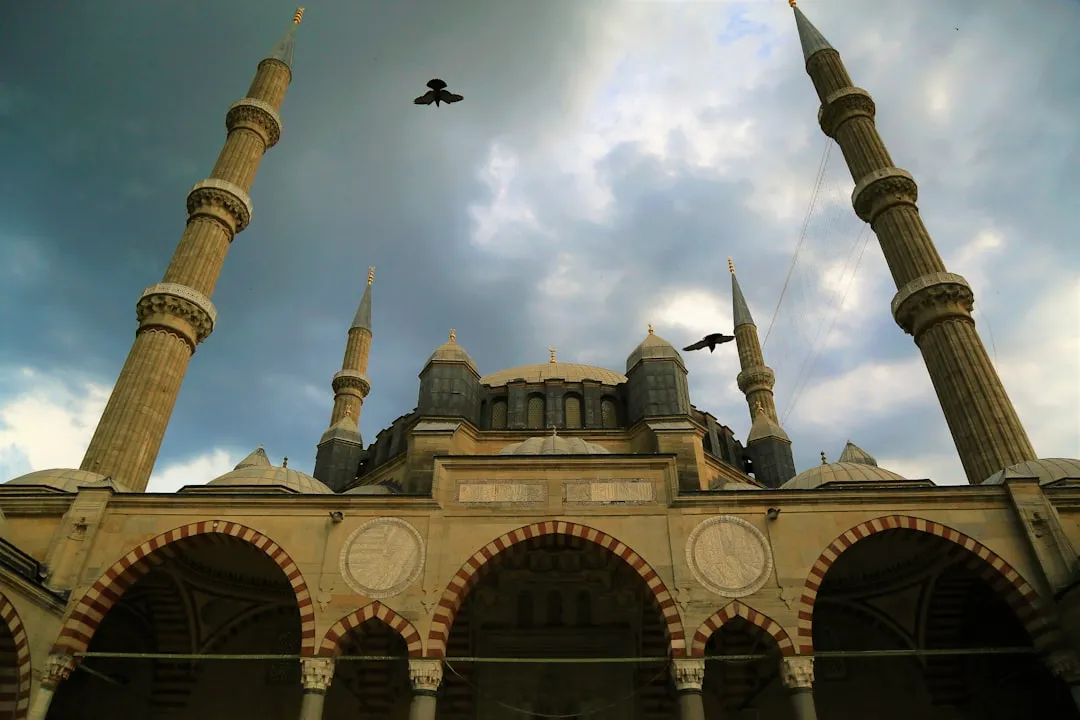
Mimar Sinan, the undisputed master of Ottoman architecture, served as chief court architect for 50 years, designing iconic structures like the Süleymaniye Mosque and the Selimiye Mosque. His expertise extended to hammams, where he applied his engineering prowess to create spaces of perfect harmony and grandeur.
The Hurrem Sultan Hammam, one of Istanbul’s most distinguished Ottoman-era bathhouses, stands between Hagia Sophia and the Blue Mosque as a masterpiece of 16th-century architecture. It was commissioned by Hurrem Sultan, the powerful wife of Sultan Suleiman the Magnificent, and designed by Mimar Sinan, completed in 1556 as a charitable public bath serving the spiritual and social life of the city. The Cağaloğlu Hammam, completed in 1741, is a magnificent example of the transition from pure Ottoman classicism to a more ornate style, beautifully incorporating Baroque influences into the traditional hammam layout.
The Architecture That Made It All Possible
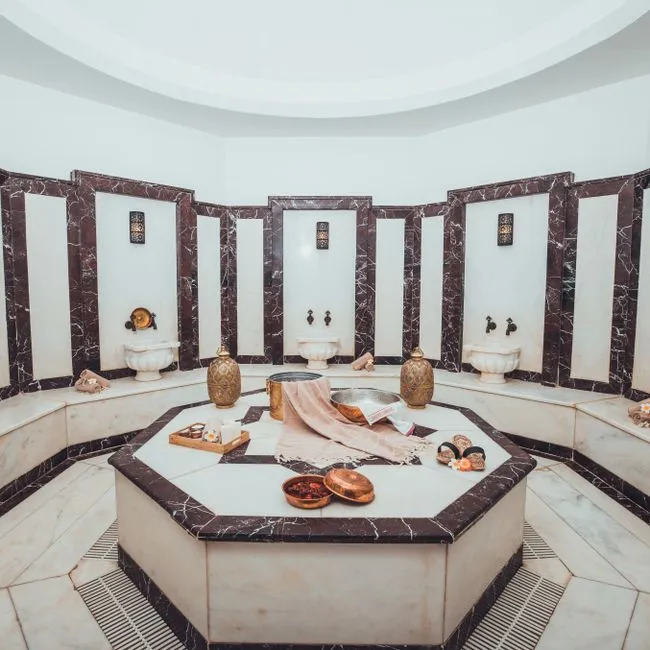
The Turkish hammam is a living museum of architectural history, showcasing Ottoman design through grand central domes, high ceilings, and expansive symmetrical layouts. Islamic aesthetics are evident in the emphasis on geometric harmony and the use of Iznik tiles with floral motifs.
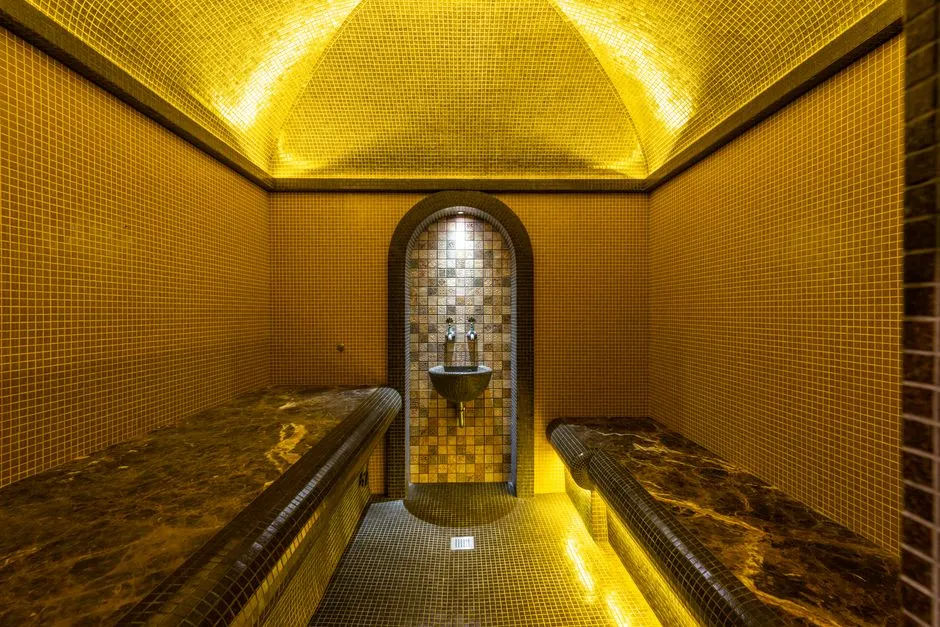
At the heart of the hot room lies the göbek taşı, a large heated octagonal marble slab that is the centerpiece of the hammam experience. Bathers recline on its warm surface to sweat and relax their muscles, preparing their skin for the exfoliation ritual. The heat radiates gently from the marble, providing a deep and penetrating warmth. It is known that hammams are heated via the circulation of hot air through the walls and under the floorings since the Roman period.
Faith, Purity, and the Islamic Connection
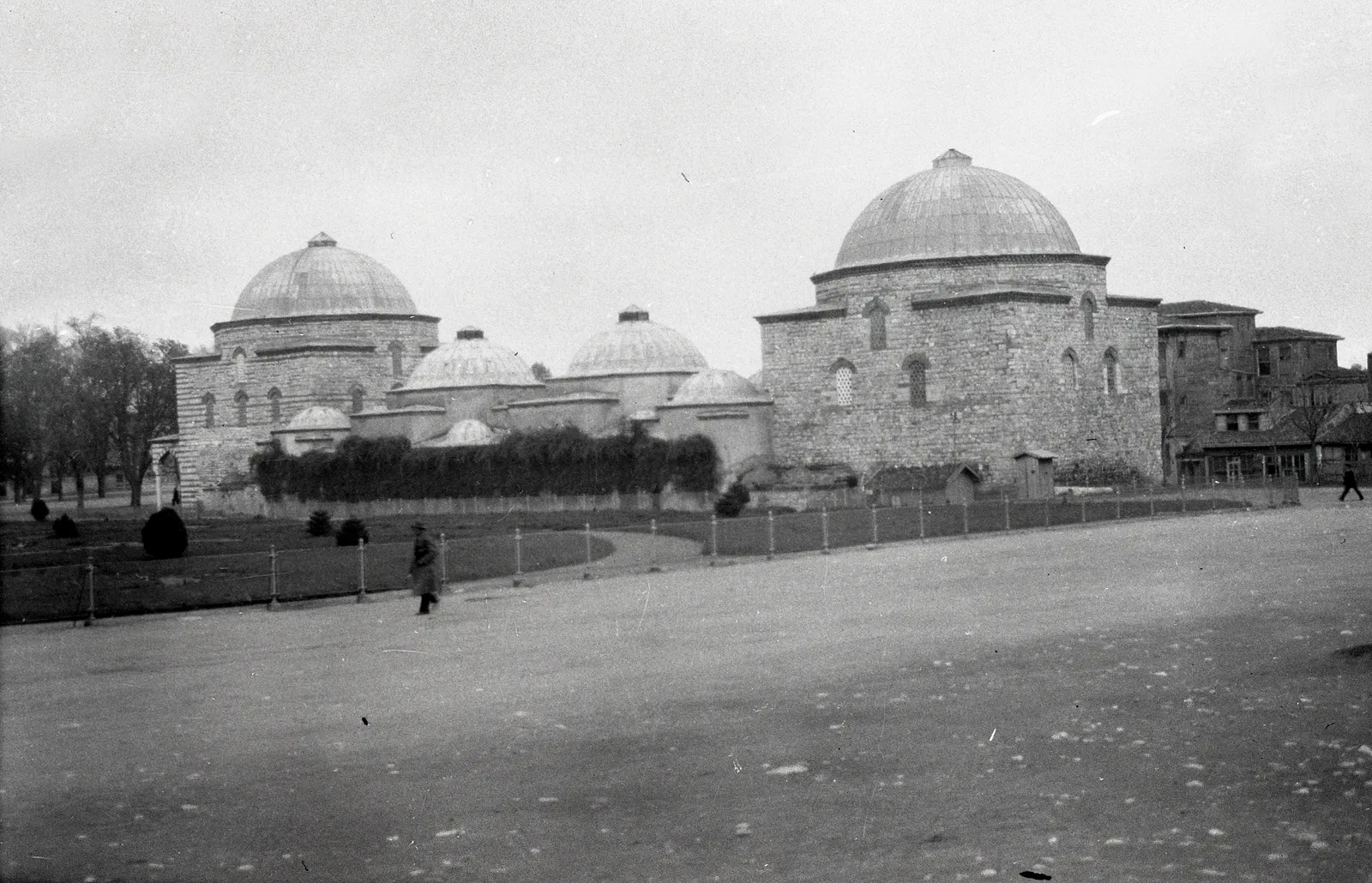
Unlike the ancient Greco-Roman thermae, which were primarily used for bathing and relaxation, Turkish public bathhouses known as hammams played a vital role in the Muslim world as centers of spirituality and community life. This distinction matters. Faith is the most important reason for the best works of bath buildings in Turkish-Islamic societies. In Islam, people cannot worship without cleaning their bodies according to specific rules, which is why Islamic societies maintained a close relationship with water, leading to the construction of water structures, especially Turkish baths.
Unlike their Roman predecessors, which often included libraries and gymnasiums, the Ottoman hammam became more focused on the ritual of cleansing and its connection to Islamic principles of purity. The Ottomans fused the Roman concept of public bathing with their own architectural genius and cultural values.
The Hammam as a Social Institution
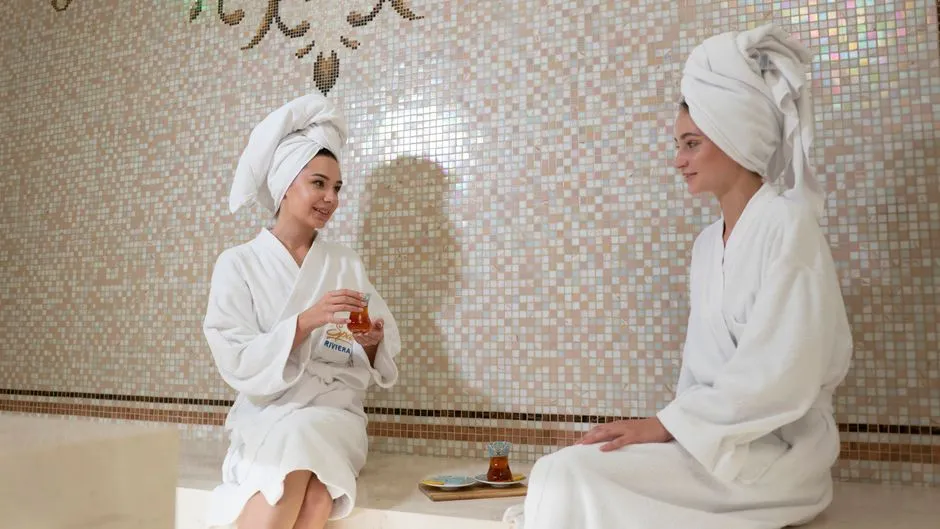
The Turkish hammam has played an important role in the social life of the community. Hammams were places where people came together, chatted, and strengthened social relations. There were separate hammams for both men and women, and these places would strengthen social ties by bringing together different segments of society.
For centuries, hammams were central to Ottoman society, and while they mostly fell out of use with the advent of running water, many in Turkey are being restored to revive an ancient ritual bathing tradition. A mainstay of old Turkish films, hammam scenes were highly entertaining, showing a free space where women would socialise, eat, drink, and even dance. The social function of the hammam was never incidental. It was, in many ways, the whole point.
The Step-by-Step Ritual
In Istanbul and other parts of Turkey, bathing in a hammam follows special steps: sitting in a warm room beside a kurna steam basin, scrubbing with a traditional kese, lying on a warm marble slab called a gobektasi while receiving a well-sudsed massage, then lounging in the communal space to socialize.
Hammam therapists, known as natır for women and tellak for men, care for each guest individually, gently scrubbing the skin before a foam massage and hair-washing ritual using local natural products. After the final rinse, guests are guided to the cool room, wrapped in dry towels, and invited to rest, sip a drink, and allow their body temperature to normalize. This period of rest is a crucial part of the ritual.
The Science Behind the Steam
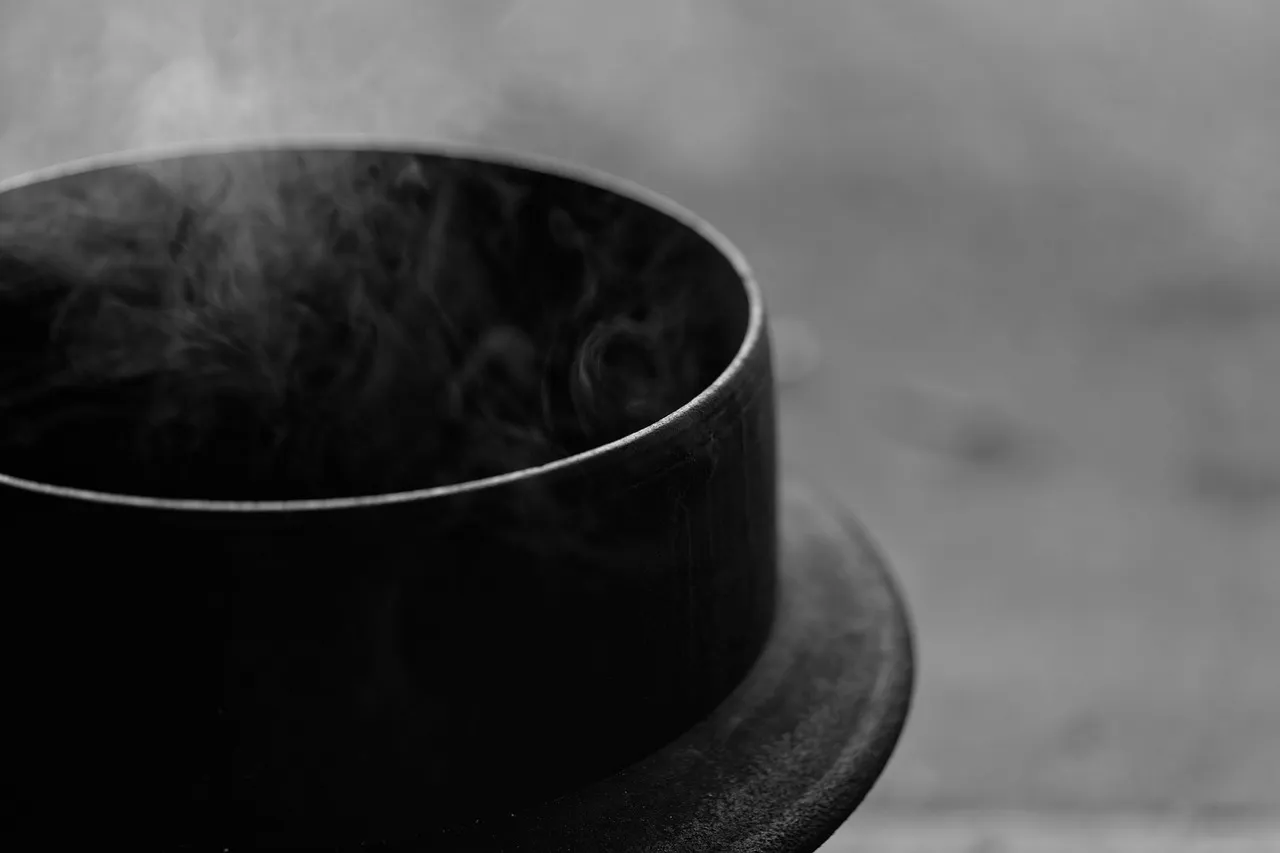
The hammam environment, filled with hot steam, high humidity between 90 and 100 percent, and moderate temperatures around 40 to 50 degrees Celsius, stimulates physiological processes related to health. Exposure to moist heat activates fundamental mechanisms such as vasodilation, increased blood circulation, and profuse sweating.
A landmark prospective study of more than 2,300 men followed for over 20 years found that frequent thermal bathing four to seven sessions per week was associated with significantly lower risk of sudden cardiac death and fatal cardiovascular disease compared with once-weekly use. The warm, humid, and tranquil environment of the hammam induces deep relaxation associated with a reduction in levels of the stress hormone cortisol, with clinical research indicating that immersions in moderate heat can lead to significant decreases in cortisol and improved mood.
Istanbul’s Hammams Today: Restoration and Revival
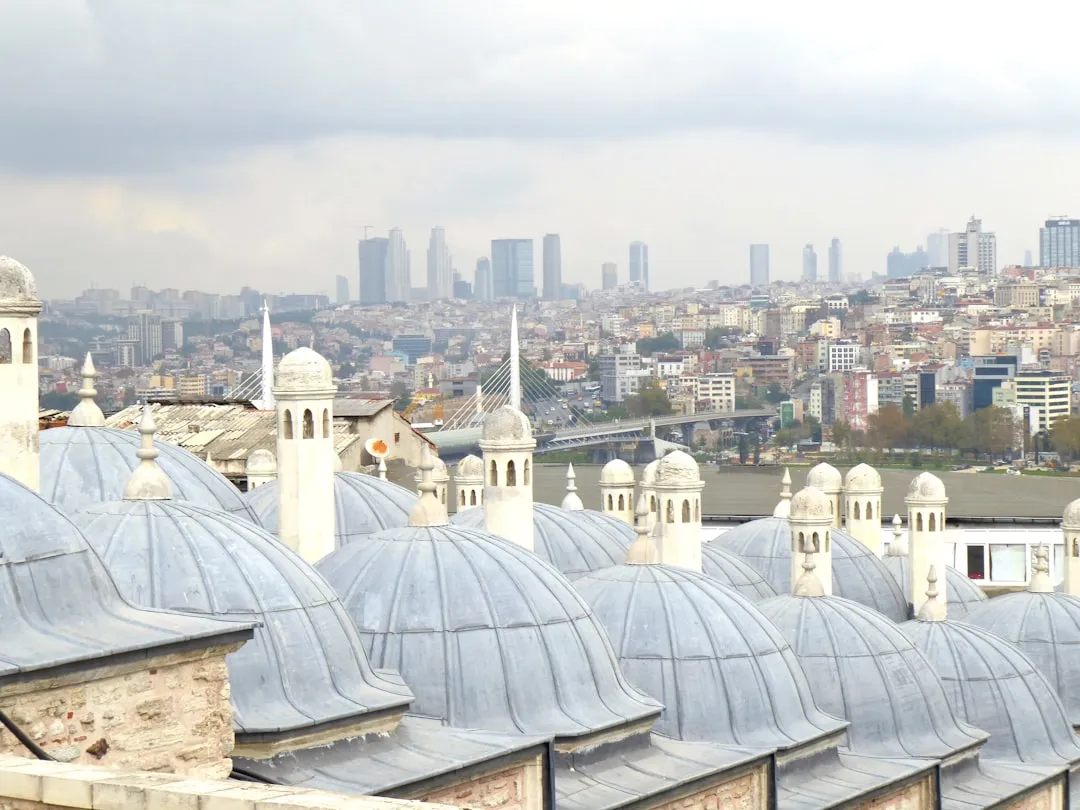
For any traveler to Istanbul or broader Turkey, a visit to a hammam is an essential, unmissable cultural experience. Historically, the city was a labyrinth of over 200 of these majestic bathhouses, with around 60 still in operation today.
Istanbul’s 500-year-old Zeyrek Çinili Hammam, built during the reign of Suleiman the Magnificent by the celebrated Ottoman architect Sinan, reopened after a painstaking 13-year restoration. Alongside a functioning hammam, it also houses a museum explaining its history and the Ottoman ritual of bathing. The museum explores the hammam’s history, including archaeological finds such as fragments of Iznik tiles and Byzantine artefacts dating back to the 5th century AD, and looks at the role of bathing in Ottoman culture, a time when hammams acted as an important social space, particularly for women.
The Hammam in the Global Wellness Economy
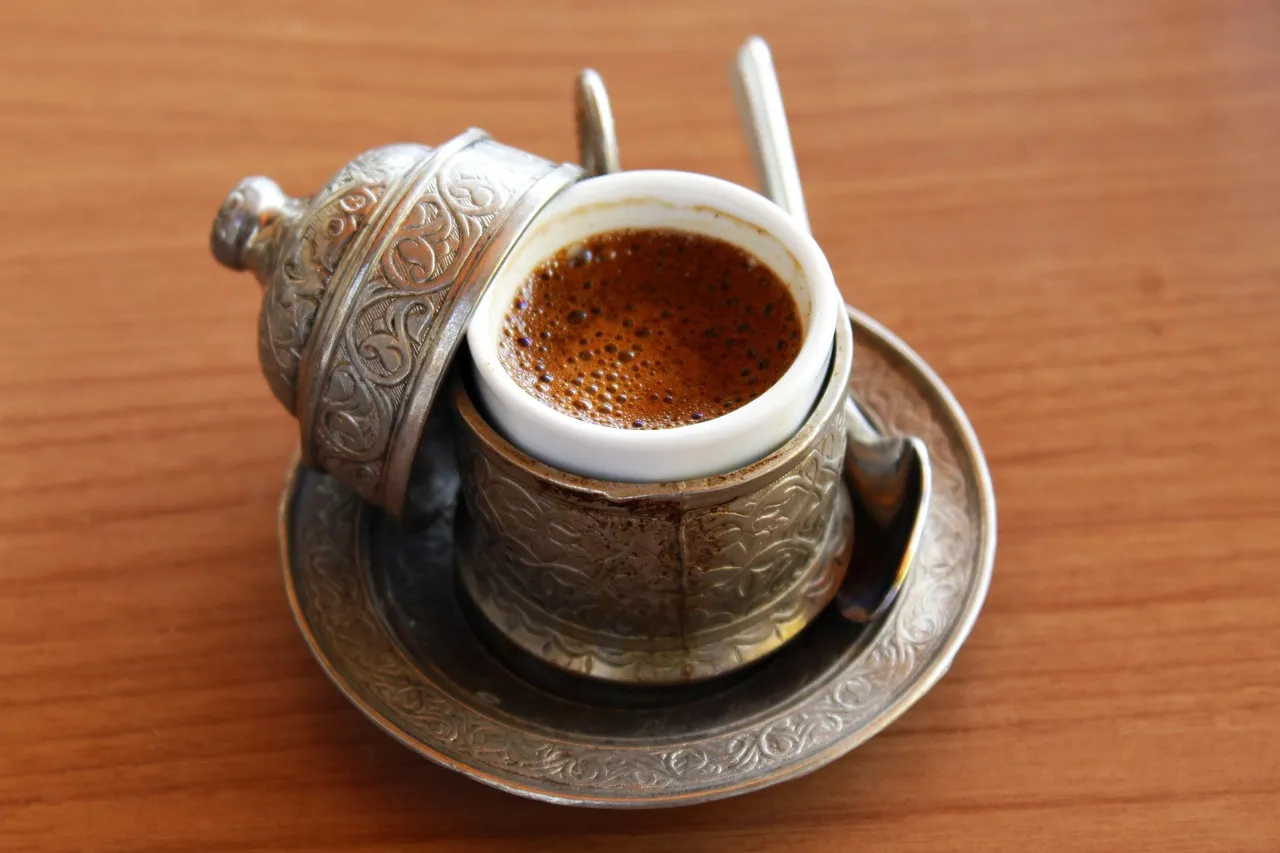
The wellness industry reached 6.8 trillion dollars in 2024, with spa revenues alone topping 157 billion dollars worldwide according to the Global Wellness Institute. Hotels from Boston to Bali are installing hammams, and the word itself has entered mainstream design vocabulary.
The Turkish hammam has evolved from a communal space for socialization and hygiene to a luxurious wellness experience found in spas worldwide. Still, the most authentic versions remain rooted in Turkey itself, where the architecture, the ritual, and the social culture have co-existed for more than six centuries without losing their essential character.
Why It Endures
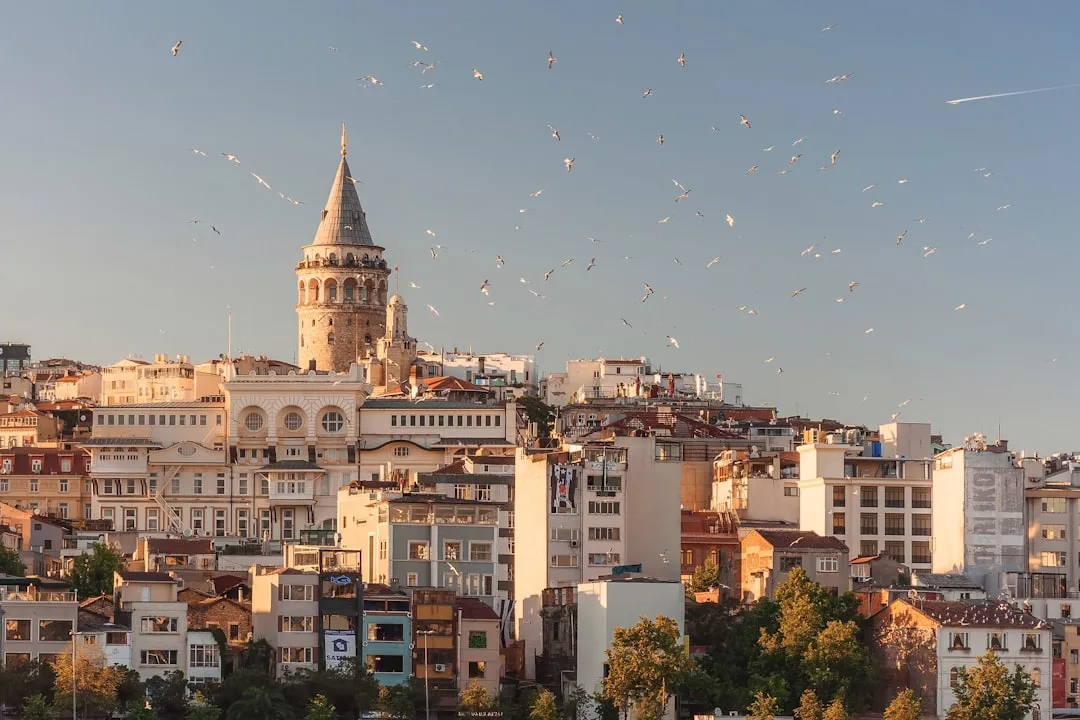
There are few rituals anywhere in the world that have survived this long without becoming purely ceremonial. The hammam endures because it continues to work on every level that matters: physical, social, and architectural. Going to the hammam has persisted as a rich cultural experience with an essential, constantly-evolving social function.
This historical continuity is palpable in the very structure of the hammams, many of which were designed by legendary architects like Mimar Sinan and have stood for over 500 years. This unbroken chain of history, from Roman thermae to the opulent bathhouses of Suleiman the Magnificent, imbues every hammam in Istanbul with a sense of historical weight and authenticity that is simply unmatched. To visit one is to step into something that no modern spa, however well-designed, can quite replicate: a space where time genuinely slows down, and has done so for a very long time.
AI Disclaimer: This article was created with the assistance of AI tools and reviewed by a human editor.