

There is something about harvest season that pulls people off their couches and onto the road. The crispness in the air, the color in the trees, the smell of cider and wood smoke – it all conspires to make autumn the most traveled season in America. Every fall, communities across the country throw open their doors and invite strangers to celebrate the land, the crop, and the tradition that keeps small towns alive.
Two festivals stand out above nearly all others for sheer scale, history, and cross-country draw: the Warrens Cranberry Festival in Wisconsin and the National Apple Harvest Festival in Pennsylvania. Both have become genuine pilgrimage events for fall travelers, drawing enormous crowds to towns that most Americans might never otherwise visit. Here is a closer look at what makes these events so enduring and what you can genuinely expect when you show up.
A Town of 500 That Hosts Over 100,000 People
Warrens, a hub of cranberry production in Wisconsin, is known as the “Cranberry Capital of Wisconsin.” The town has a permanent population of just over 500 residents, which makes what happens every September all the more extraordinary. Close to 140,000 cranberry lovers from around the world flock to Cranfest each year, according to the Warrens Cranberry Festival website.
Attendance at the first festival in 1973 was 3,500 with 75 booths. Since then, it has grown from a small community festival to an international event attracting over 145,000 visitors each year and featuring more than 1,200 booths. That growth, sustained over more than five decades, is a story worth paying attention to.
The World’s Largest Cranberry Festival
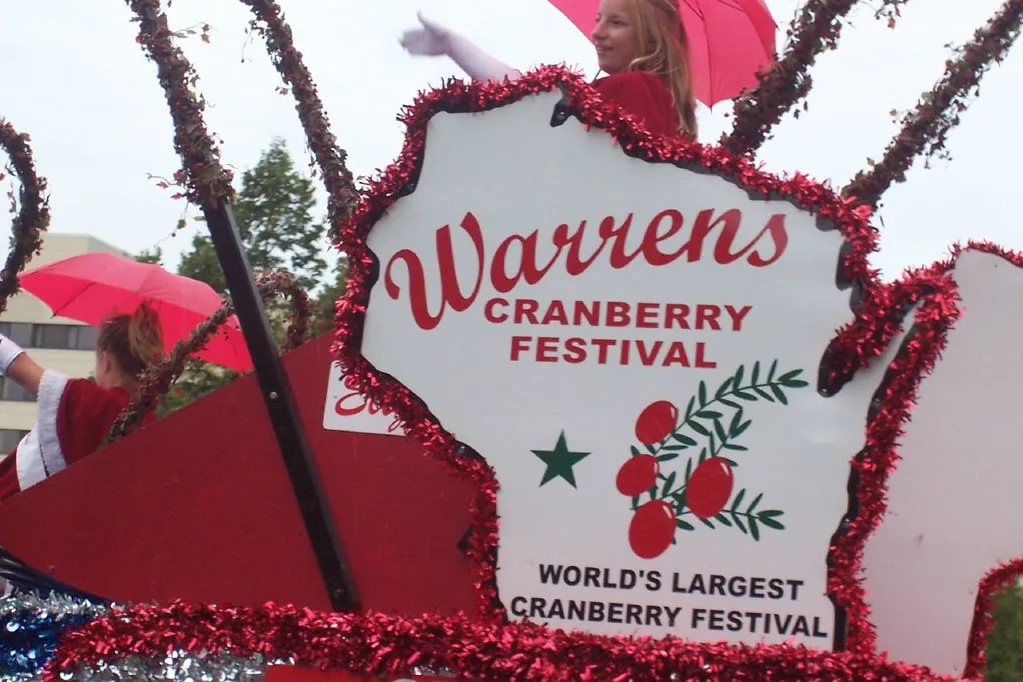
The Warrens Cranberry Festival is the world’s largest festival dedicated to celebrating all things cranberry, held annually in the heart of Warrens, Wisconsin, bringing together thousands of visitors from all over to enjoy a fun-filled weekend of activities, entertainment, and cranberries.
Taking place the last full weekend of every September, activities abound, including guided bus tours of cranberry marshes where brilliant red colors make for spectacular photographs. The festival boasts over 800 arts and crafts booths, 300 flea market booths, 100 farm market booths, and 100 food vendors for a three-mile shopping extravaganza.
How It Started and Why It Kept Growing
Locals launched the festival in 1973 to raise funds and celebrate the area’s cranberry heritage. What began with 75 booths and 3,500 attendees kept growing – today it’s an international event that puts Warrens on the fall-festival map.
The festival was started to raise funds to improve the quality of life in the Village of Warrens. This nonprofit event benefits the Warrens community by raising funds to support local civic and social improvements. The festival has donated over $2 million to organizations in and around Warrens, and generates $4 million in total revenue for the county each year.
Wisconsin’s Cranberry Country: More Than a Backdrop
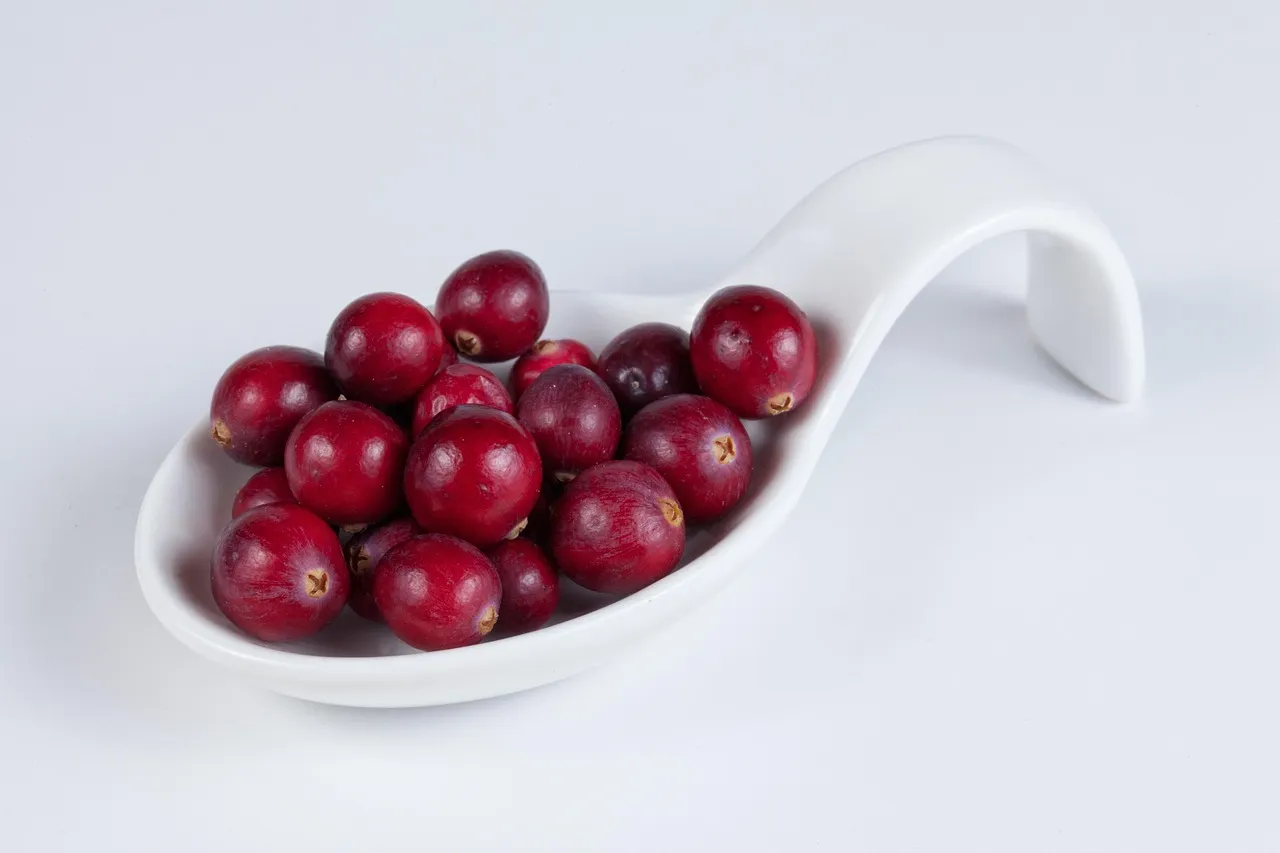
Wisconsin is the leading cranberry-producing state in America. The festivals here are not just decorative fall celebrations – they reflect genuine agricultural identity. Visitors don’t just watch cranberry farming from a safe distance; they’re invited directly into it.
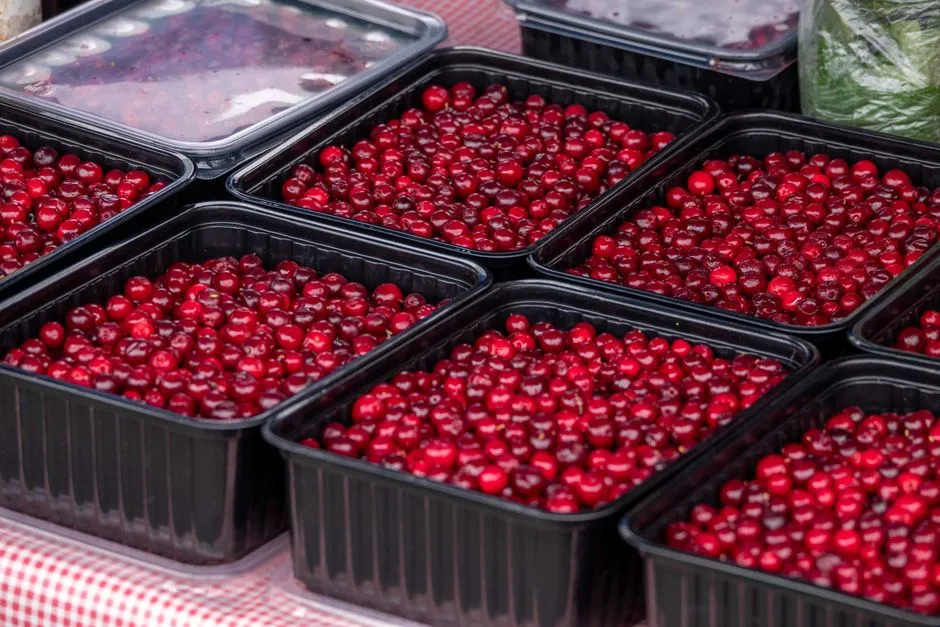
Visitors can tour the marshes, or bogs, where the berries are grown, eat cranberries prepared in every way imaginable, join in several contests, watch a parade, and cheer at the crowning of cranberry royalty. You’ll find cream puffs, deep-fried cranberries on a stick, and “Cranberries Jubilee” served over vanilla ice cream – playful, once-a-year treats. It’s the kind of food experience that only makes sense in this particular place, at this particular time of year.
Pennsylvania Apple Country and Its Own Fall Institution
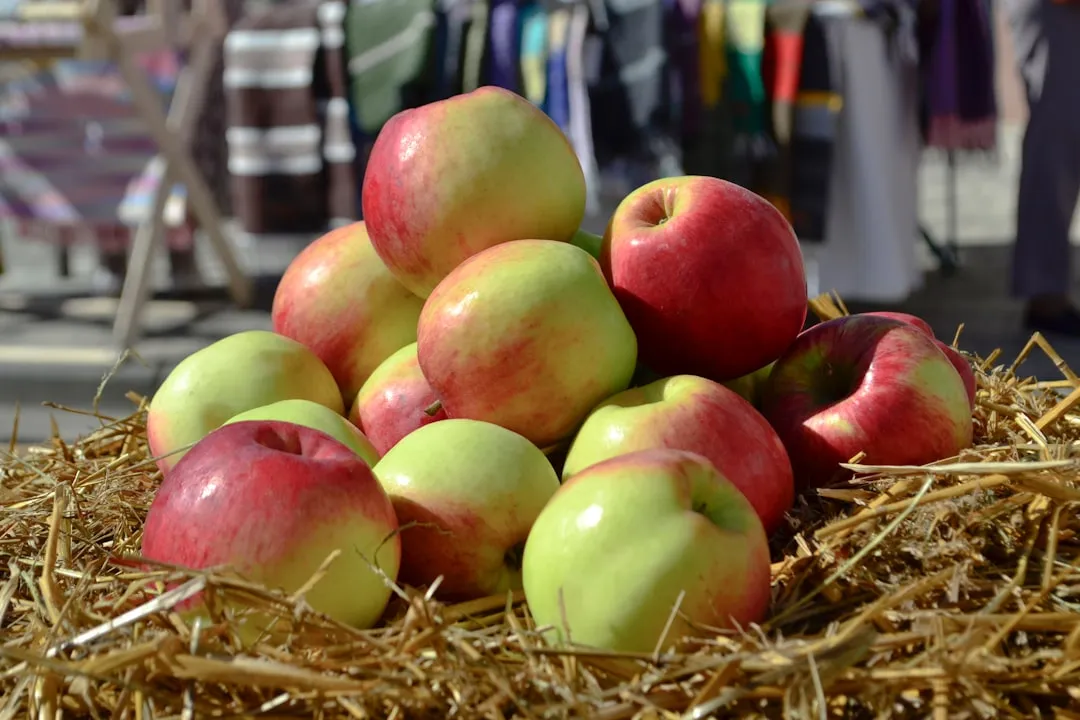
The National Apple Harvest Festival is a country fair-type event held each October in the town of Arendtsville, Pennsylvania, at the South Mountain Fairgrounds, about 10 miles from the historic town of Gettysburg. The long-running festival draws tens of thousands of visitors each fall with its deep focus on apple farming traditions, cider making, and regional foods.
The Apple Festival began in 1961 as the “First Apple Harvest Holiday,” organized by the Adams County Fruitgrowers Association. By 1965, the newly-formed Adams County Jaycees got involved, the name was changed, and the first official National Apple Harvest Festival took place. That makes it one of the longer-running agricultural festivals of its kind in the eastern United States.
What You’ll Actually Find at the Pennsylvania Apple Festival
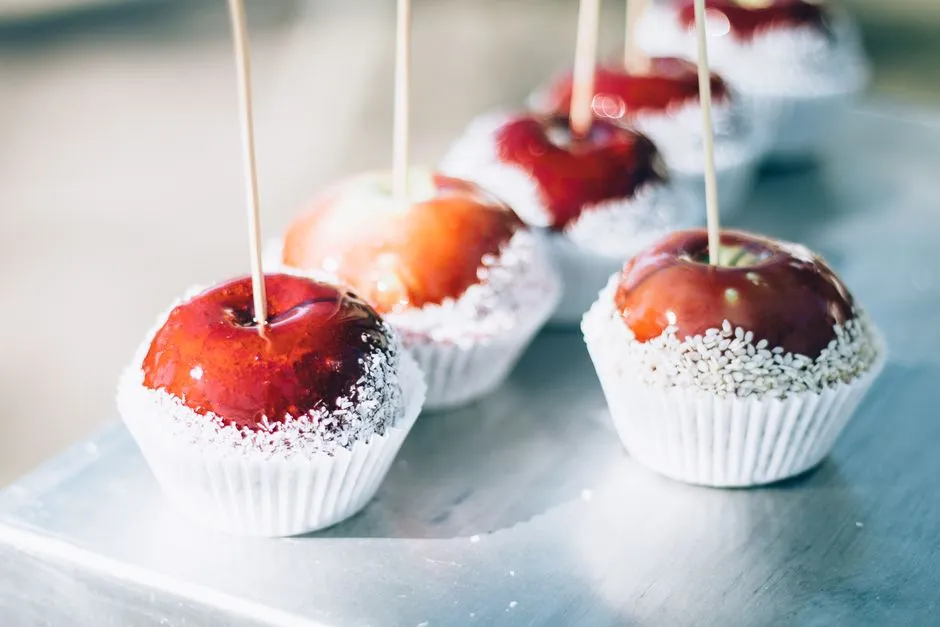
Located in the heart of Pennsylvania apple country, the National Apple Harvest Festival celebrates the fall season with beautiful handmade crafts, delicious food, and entertainment. The festival has something for everyone, with special attractions ranging from steam engine displays, live music, antique cars, orchard tours, contests, pony rides, tastings, craftsman demonstrations, and a petting zoo.
Crafters and artisans generally number about 300 and can purchase spaces outdoors or indoors. All craft items are handmade, not mass manufactured, and the event is considered one of the premiere crafting opportunities in south central Pennsylvania. The festival is within a two-hour drive of Washington D.C., Baltimore, and Harrisburg, which helps explain why it draws visitors from well beyond the immediate region.
The Draw Goes Far Beyond the Host State
With autumn traditionally known as a time to celebrate the harvesting of crops – including grapes, cranberries, apples, squash, and pumpkins – people flock to farms and orchards across the country to pick their own produce and take family photos with farm animals and scarecrows. The harvest festival, in short, fills a gap that the modern urban calendar simply can’t.
The Warrens Cranberry Festival welcomes over 110,000 visitors each year from places all over the world – visitors have been met from Australia and other countries throughout Europe and South America. That international reach, for a small Wisconsin town, is remarkable. It speaks to something genuinely universal about the pull of a harvest celebration done well.
Contests, Parades, and Small-Town Spirit
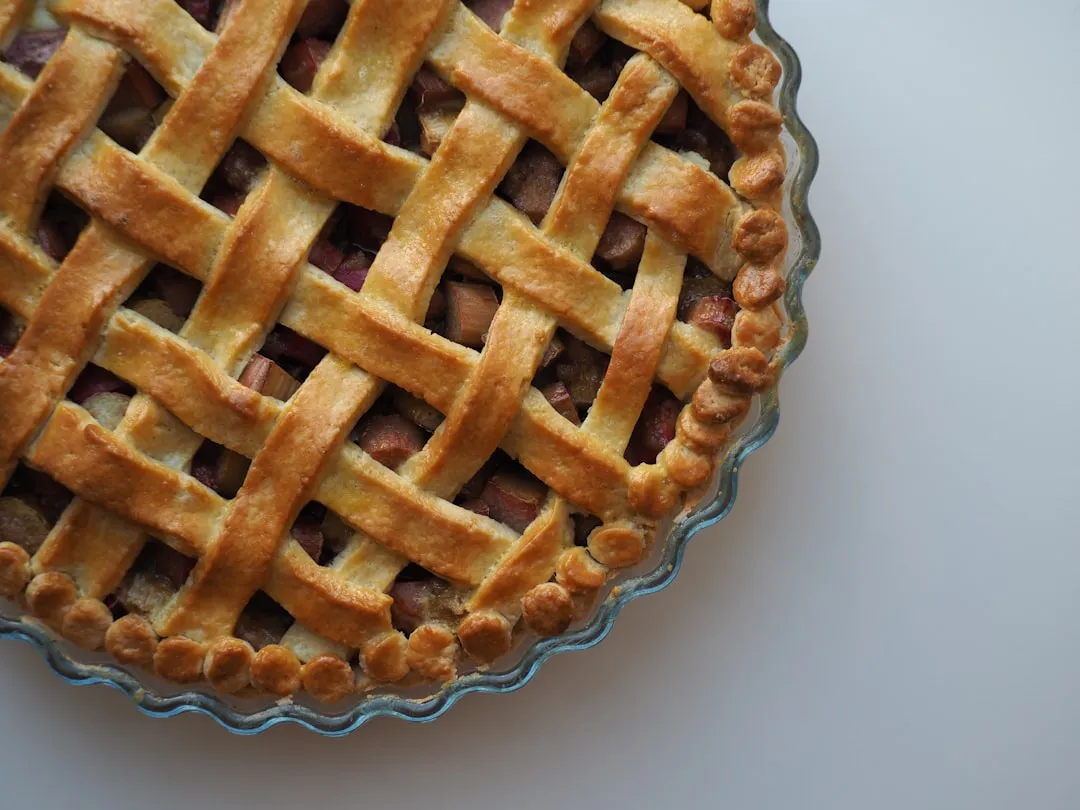
Warrens Cranberry Festival includes contests such as a “Crazy for Cranfest” costume competition, a Biggest Berry Contest, a Button Design Contest, a Cranberry Chiffon Pie-Eating Contest, a Photography Contest, a Quilt and Needlework Contest, and a Scarecrow Contest, among others.
The festival includes a variety of exciting events, vendors, live music, a parade, and more, making it a must-see event for families, locals, and visitors alike. Each year brings button designs, scarecrows, and other friendly competitions that keep the small-town spirit front and center. There is nothing performative about any of it – it genuinely feels like a community welcoming outsiders into its annual ritual.
The Economic Reality Behind the Celebration
Harvest festivals of this scale are also economic engines for their host regions. Cranfest generates $4 million in total revenue for Monroe County each year. For a rural Wisconsin county, that is a meaningful contribution that helps sustain local businesses, roads, and services through the colder months ahead.
The festivals that stand out do so not just for popularity, but for consistency, scale, and deep agricultural roots that keep people coming back every fall. That kind of loyalty is earned slowly, built through decades of reliable, authentic programming that respects both the land and the visitor. The economic return is simply the natural result of getting that right year after year.
Planning Your Visit: Practical Notes for Fall Travelers
The Warrens Cranberry Festival always takes place the last full weekend in September, with the 2026 dates set for September 25 to 27. The National Apple Harvest Festival in Arendtsville, Pennsylvania, is held the first two weekends in October, with general admission at $10 and children under 12 admitted free.
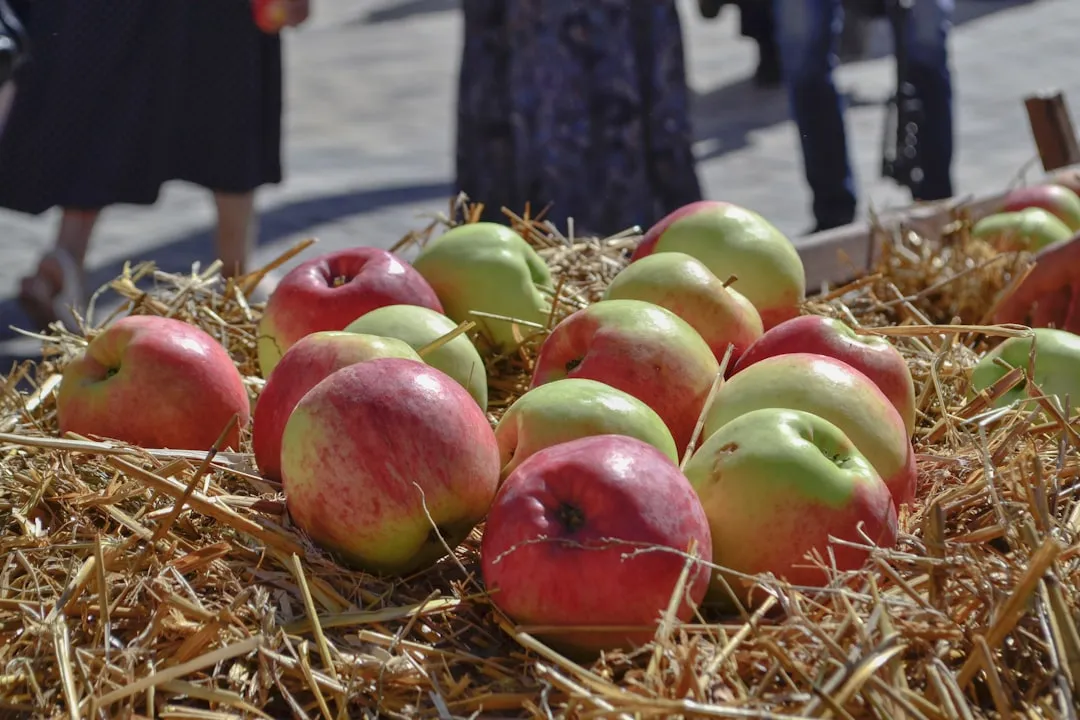
At the Pennsylvania festival, you’ll find booth after booth packed with apple treats and delicious food, as well as live music and fun activities for children such as hay rides, puppet shows, and a petting zoo. Tickets can be bought online to avoid waiting in line at arrival, though it is worth noting that the festival site is large and requires a shuttle to reach. Arriving early and giving yourself a full day is genuinely the best approach at either event.
A Closing Thought on Why These Festivals Endure
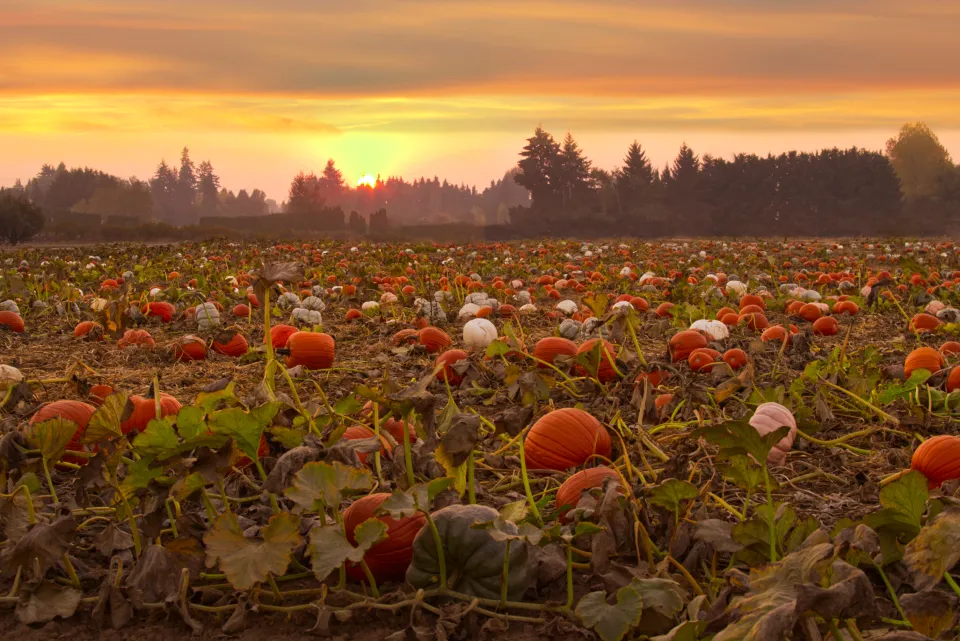
Harvest festivals like these survive because they offer something that’s genuinely hard to find: a shared, unhurried moment with a community rooted in the land. They’re not manufactured entertainment. They grew out of real agricultural cycles, real economic need, and real local pride.
Each one draws large crowds year after year because it delivers authentic food, hands-on experiences, and a true sense of place. In a travel landscape full of curated experiences and branded activations, that authenticity is quietly rare. The cranberry bog tour in Wisconsin and the apple orchard bus ride in Pennsylvania are, in their own unhurried way, among the most honest things American travel has to offer in the fall.
AI Disclaimer: This article was created with the assistance of AI tools and reviewed by a human editor.