
Most people assume that waking up to the sound of Caribbean waves requires a travel budget to match. On the small Honduran island of Utila, that assumption quietly falls apart. This is a place where serious divers, curious backpackers, and slow travelers have been showing up for years, not because it was advertised, but because word traveled far enough.
Utila is one of the Bay Islands of Honduras, known for its friendly vibe, rich marine life, and world-class diving. It’s also one of the last corners of the Caribbean where budget travelers can still find genuinely affordable places to rest their heads, right on the water.
Where Exactly Is Utila?
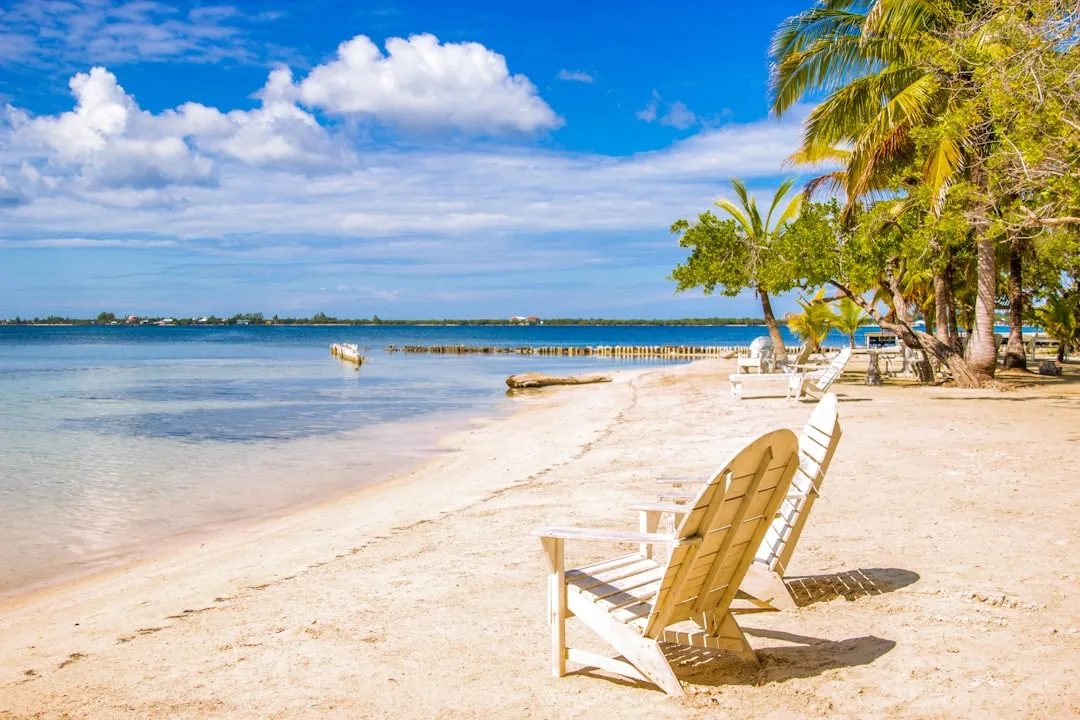
Utila is one of the Bay Islands of Honduras, located in the Caribbean Sea, about 29 kilometers from the Honduran mainland and near the larger island of Roatán. Its small size is part of its charm. The island is compact enough to explore on foot or by bicycle, which keeps the atmosphere unhurried and the crowds thin.
Utila is a unique unspoiled paradise with no major resorts or cruise ship port. That absence of mass tourism infrastructure is meaningful. It means prices haven’t been inflated by the cruise industry, and local guesthouses still set their own rates without competing against sprawling all-inclusives.
Ferries connect Utila with La Ceiba on the Honduras mainland in under one hour, and ferries also run between Utila and the neighboring island of Roatán in around 45 minutes. Getting here requires a bit of planning, but no extraordinary effort.
What Accommodation Actually Costs

The cheapest price for a room in Utila found recently is around $30 per night, available at properties such as Hotel Lomavista. That figure places Utila in genuinely rare territory for the Caribbean, where waterfront rooms at that price point have largely disappeared elsewhere in the region.
Some travelers report stumbling upon hotels with prices around $30 per night on the island, walking in, asking what the prices were, requesting to see a room, and booking on the spot. That kind of informal, low-pressure transaction is still part of everyday life in Utila’s smaller guesthouses.
Utila offers a range of budget accommodations, including hostels and guesthouses that are not only affordable but also a great way to meet other travelers. For those who don’t need private rooms, the cost floor drops even further.
The Best Time to Visit for Value
The tourism high season in Honduras runs from December to April, which is the dry season, with a second peak in June through August. Traveling outside these windows can make a meaningful difference to your wallet.
The cheapest time to visit Utila is January, when the average nightly hotel cost drops significantly, with prices seeing around a sixty percent decrease compared to peak months. May and September also offer quieter conditions and softer prices for those with schedule flexibility.
Traveling during shoulder season can slash prices by thirty to forty percent in many tropical destinations. On an island already positioned at the budget end of the Caribbean spectrum, that discount adds up quickly.
The Reef That Surrounds the Whole Island
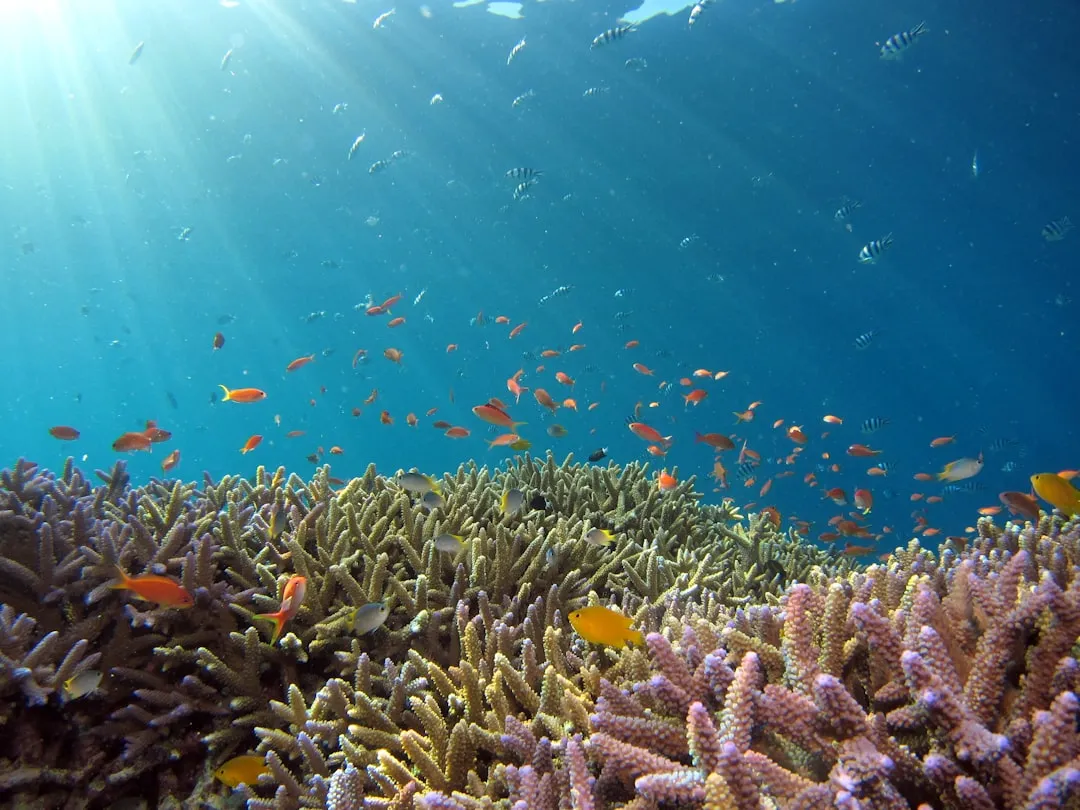
Utila’s coral reef is part of the Mesoamerican Barrier Reef, a marine region that follows 700 miles of coastline off Mexico and Central America, beginning along the Yucatán Peninsula and continuing south through Belize, Guatemala, and the Bay Islands of Honduras. This is one of the most biodiverse reef systems on earth, and Utila sits right on its doorstep.
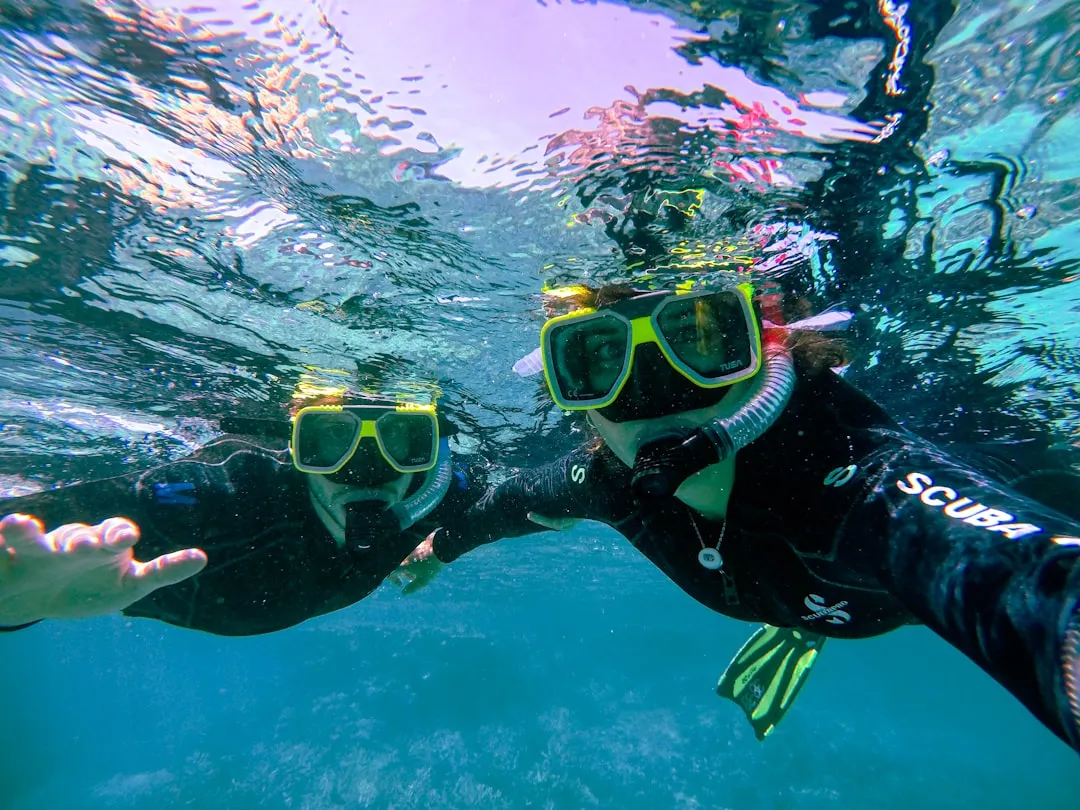
The Caribbean Sea here is crystal clear and warm, with shallow coral reefs teeming with colorful tropical fish, rays, sharks, and turtles. You don’t need to be a scuba diver to experience it, as snorkeling and freediving are just as popular. The reef is accessible directly from the shore at several points around the island.
It’s a coral island surrounded by a beautiful reef and a distinct drop off, which creates the kind of dramatic underwater topography that attracts experienced divers as much as curious first-timers.
Whale Sharks: A Year-Round Encounter
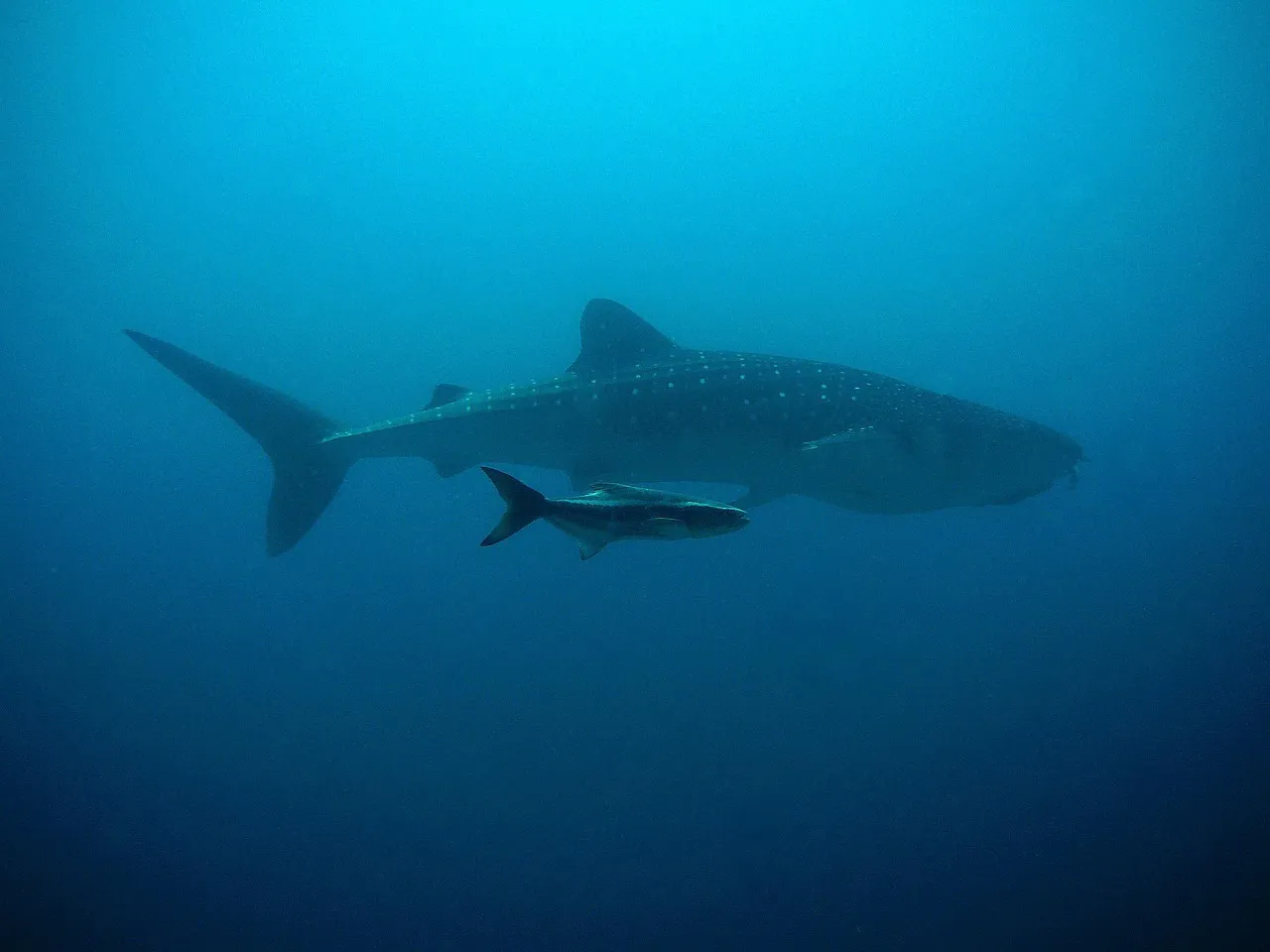
Utila is one of the few places in the world where whale sharks can be spotted year-round, making it a paradise for eco-tourism and wildlife enthusiasts. Most Caribbean destinations can only promise seasonal sightings at best, which makes this island genuinely exceptional for ocean wildlife.
Utila is considered the whale shark capital of the Caribbean, with sightings year-round but most likely from March to April and August to September. Local operators run dedicated excursions, and the Whale Shark and Oceanic Research Center on the island contributes actively to their conservation.
Whale sharks are a protected species in Honduras, and encounters are conducted respectfully, with strict guidelines around distance and behavior. This matters both for the animals and for the quality of the experience itself.
Diving Certifications at Some of the World’s Lowest Prices
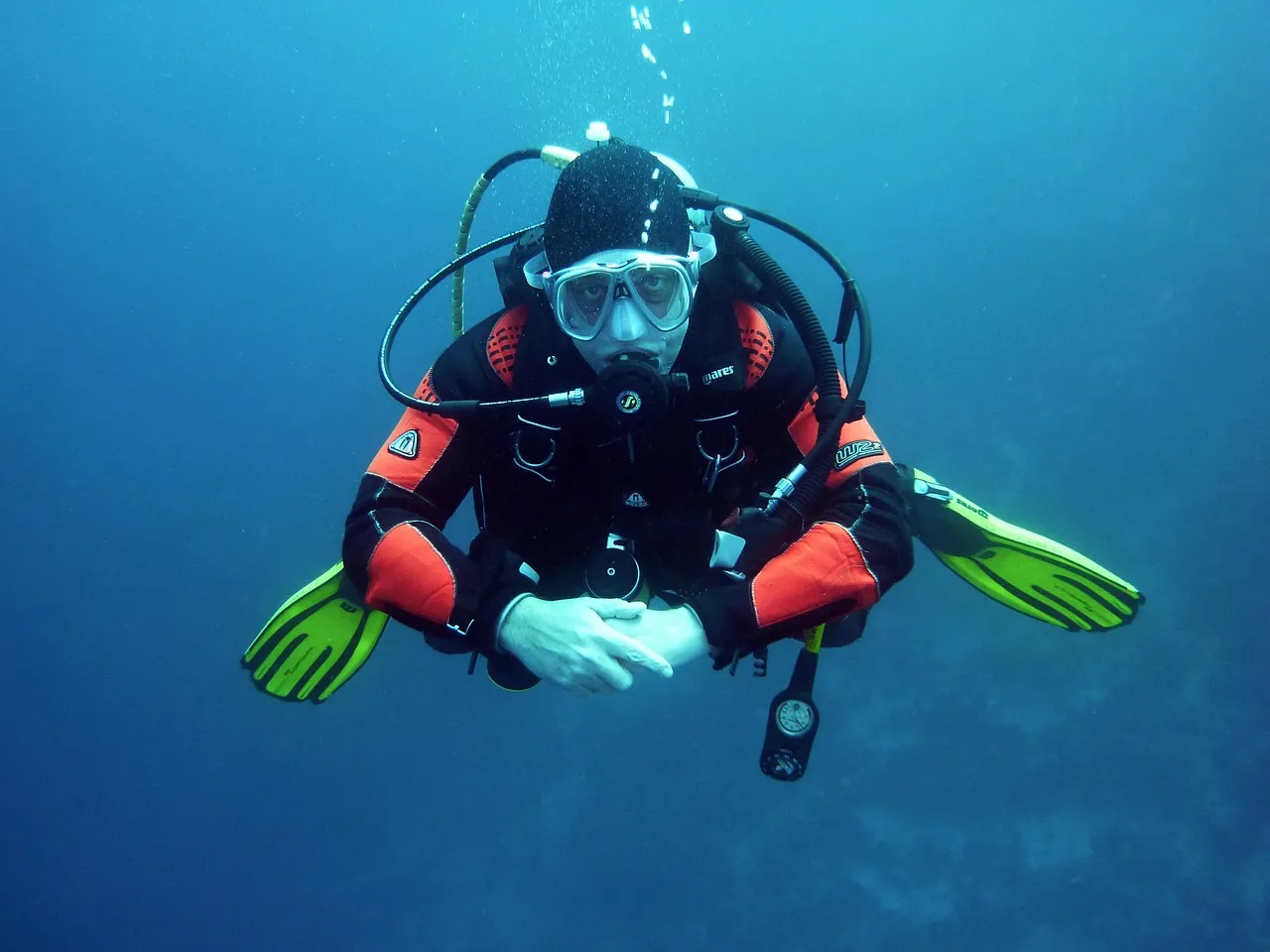
There are over a dozen dive centers on Utila, all along the main street, and working your way up to higher levels of scuba diver training and certifications with PADI or SSI is possible here at some of the most affordable prices anywhere. This concentration of dive schools creates genuine price competition that benefits travelers.
Utila is known for budget-friendly PADI and SSI certification courses, making it an ideal place to learn scuba diving. Most PADI certifications here also include free accommodation, which means the already-low overall cost of a stay can drop even further if you’re pursuing a diving qualification.
If you want to dive in the Bay Islands, Utila is the cheapest option, with dive packages available for as low as $30 per dive, including equipment rental. For a sport that can run to many hundreds of dollars elsewhere in the Caribbean, that’s a significant distinction.
Beaches Worth Knowing About
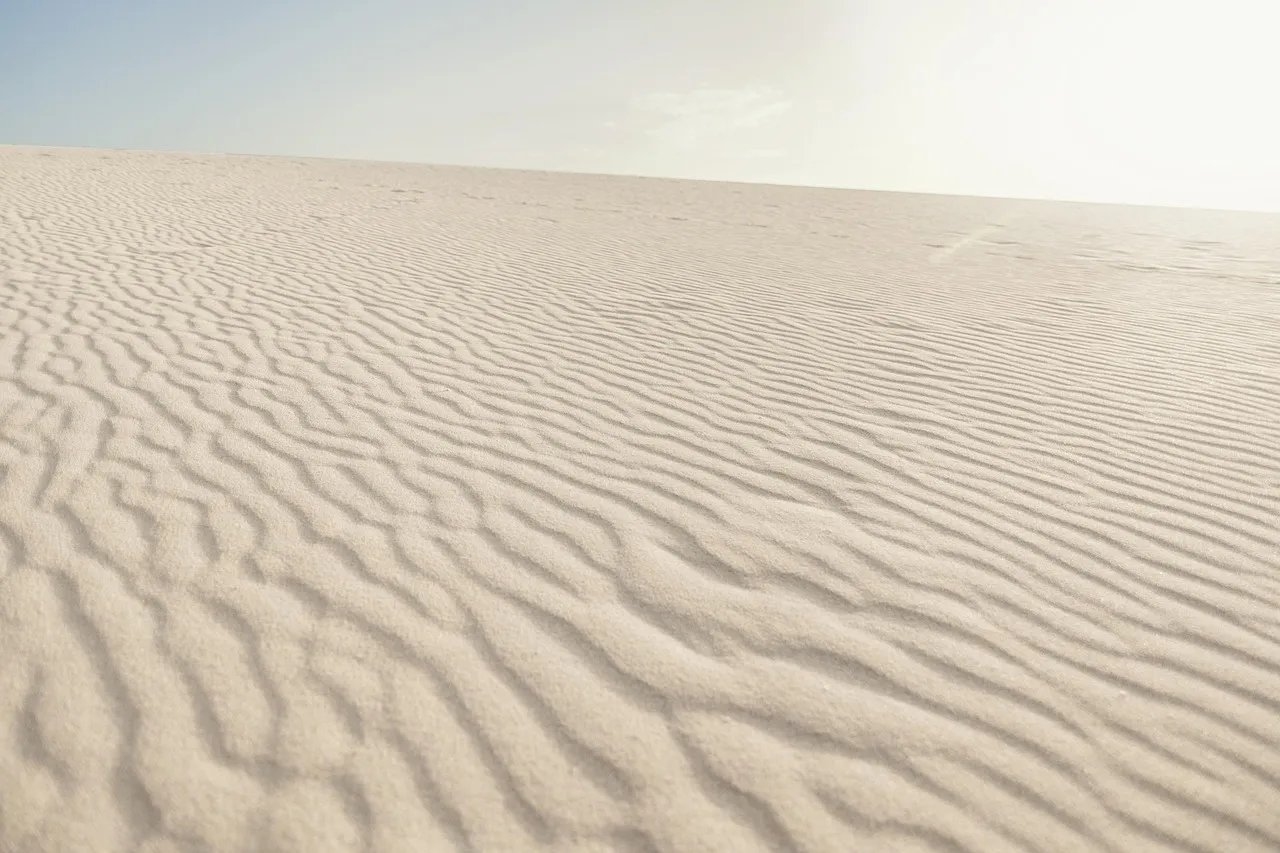
Chepes Beach is a small but picture-perfect public beach located at the far western end of the main street. It’s a cove with white sand and crystal clear, calm water ideal for swimming, with swim-up palapas set just off the shore. It’s relaxed, free to access, and rarely overwhelming.
Utila’s beaches are perfect for swimming, particularly Chepes Beach and Bando Beach, with water conditions that are calm year-round, making them ideal for swimming and snorkeling. Both are within walking distance of town, so you don’t need transport to reach them.
Utila’s main town has accommodations close to local shops, dive centers, and restaurants, while quieter beachfront areas offer more secluded stays. Neighborhoods near the lagoon and the east coast are frequently suggested for a more relaxed atmosphere.
Getting Around the Island
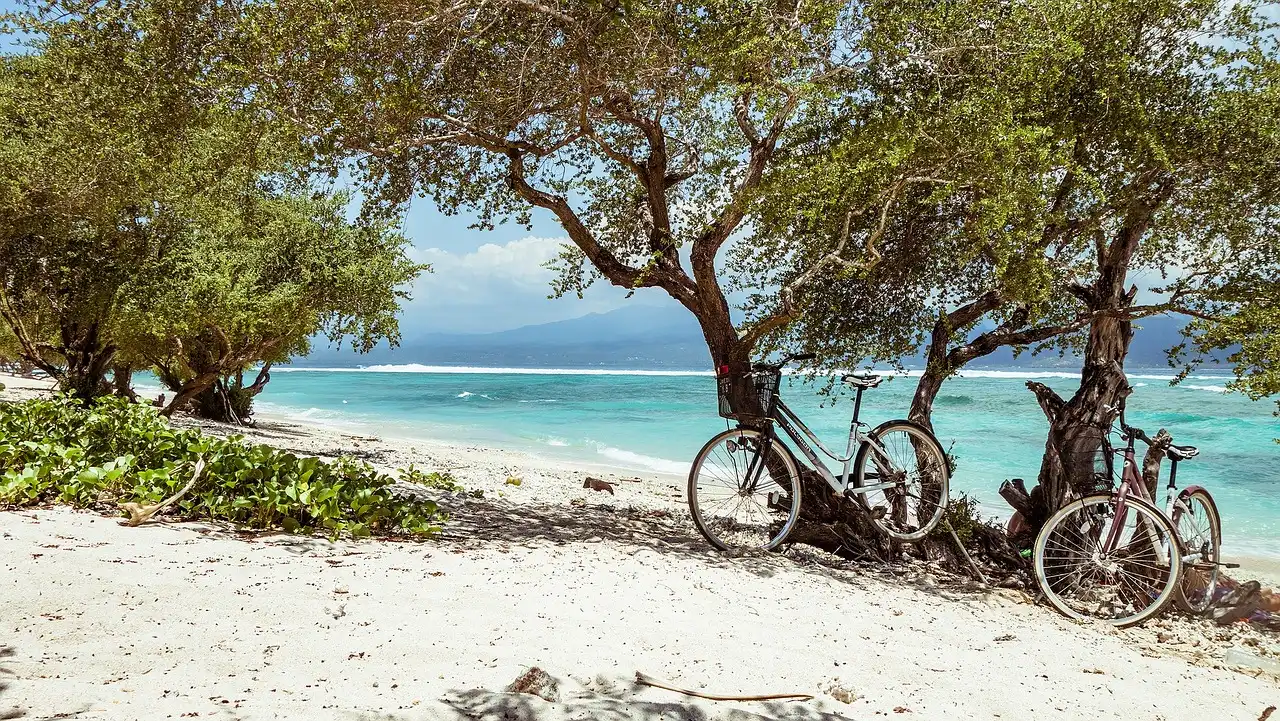
There are no public transport options and no car rentals on the island. This sounds like a limitation but it’s actually what preserves so much of Utila’s quiet character. The pace on the island is dictated by the island itself.
Renting a bicycle or golf cart are the main ways to get around, as cars are limited, and it’s an eco-friendly way to explore. Most of the places you’ll want to visit are reachable without much effort, and the compact scale means nothing feels far.
The island is small enough to explore on foot or by bike, which can save you money on transportation and allow you to see more of the island’s natural beauty. Walking is genuinely pleasant here, particularly in the early mornings before the heat settles in.
Food and Daily Costs
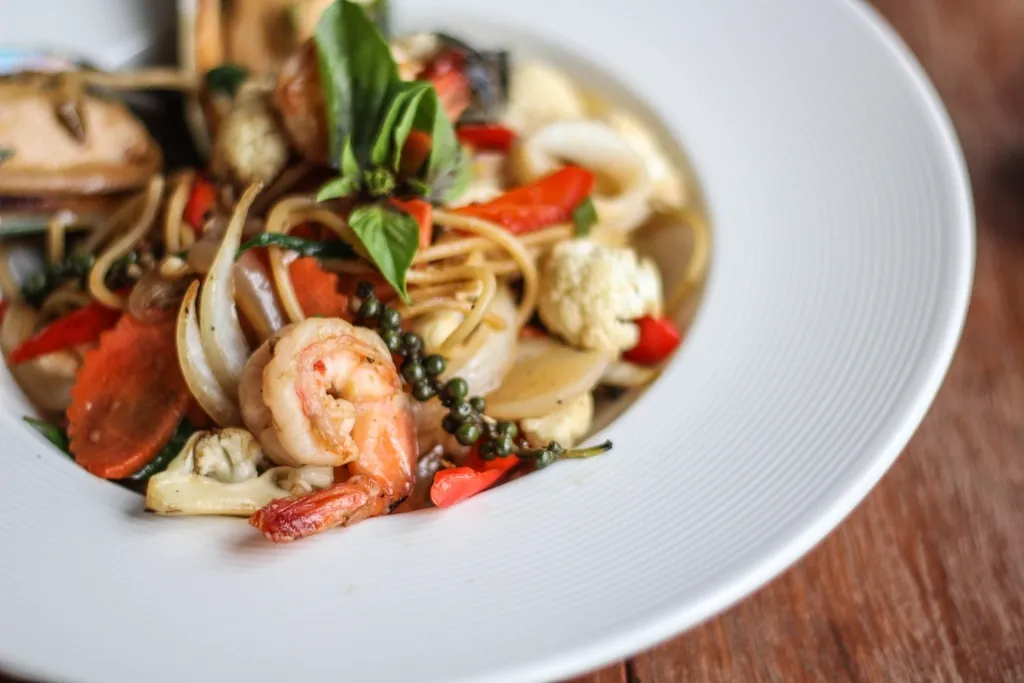
Prices of basic products in Honduras are lower than in the United States, and you can expect to pay roughly half as much for everyday shopping compared to US prices. That affordability extends to food in local restaurants and small market stalls on the island.
Food, travel, and sightseeing in Utila can come to as little as $18 to $35 per day for one person’s daily expenses at the budget end. This is very achievable if you’re eating at local spots, cooking occasionally, and sticking to free or low-cost activities like swimming and snorkeling.
If your accommodation allows, cooking your own meals is a great way to save money, and local markets offer fresh produce at lower prices than restaurants. A handful of small grocery shops in town make this easy enough for most travelers.
Conservation and Responsible Travel
The Kanahau Utila Research and Conservation Facility focuses on local species and environmental threats, management of natural resources of the Bay Islands, and encouraging environmentally friendly sustainable practices. They offer internship and volunteer opportunities as well as eco-tours.
The Utila Iguana Conservation Project works to preserve the endangered spiny-tailed “swamper” iguana, which lives in the mangrove forests on Utila. Visiting or supporting these organizations is one of the most meaningful ways to engage with the island beyond its beaches and dive sites.
Protecting Utila’s fragile coral reefs by using reef-safe, eco-friendly sunscreen is especially important when diving or snorkeling. The reef’s health is inseparable from the island’s identity as a travel destination, and small choices do accumulate over time.
A Few Practical Things to Know Before You Go

ATMs are limited on the island, and many businesses only accept cash, so bringing enough cash, preferably in Honduran lempiras, is advisable for your stay. Running out of cash on a small island with few banking options is an avoidable headache.
Visitors from the United States, Canada, the United Kingdom, and the European Union can enter Honduras for up to 90 days without a visa. This makes a longer, more leisurely stay entirely feasible, and many travelers find that a week simply isn’t enough.
While English is widely spoken on the island, locals appreciate visitors who try a few words in Spanish. Utila has a distinct Creole-English speaking community rooted in its history, so the linguistic landscape is layered and genuinely interesting.
The Bigger Picture: Why Utila Still Matters
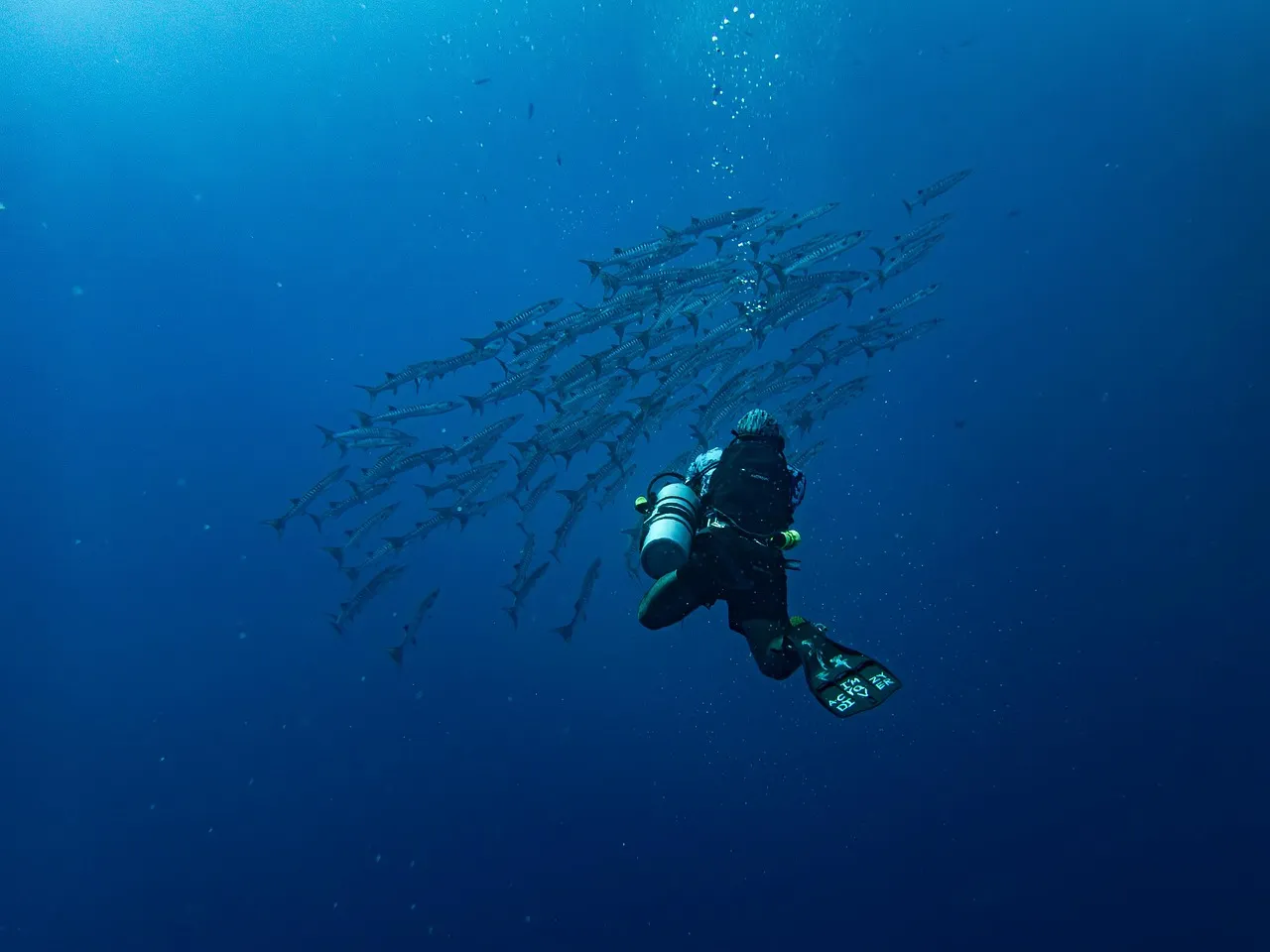
There’s something worth sitting with here. The island attracts a younger, backpacker-type crowd, but travelers of all ages come here. Even during the busy season, it doesn’t get too crowded, and in many snorkeling spots, you may find yourself the only person in the water.
Utila is a backpacker’s paradise, where the Caribbean meets laid-back island life. That description has been accurate for many years, and what makes Utila worth writing about now is that it’s largely still true. The island hasn’t been smoothed into something generic.
Affordable Caribbean travel isn’t just a matter of finding a cheap flight. It requires finding a destination that hasn’t yet been entirely remade in the image of premium tourism. Utila, for now, remains exactly that. A beachfront room, a warm sea, a reef teeming with life, and the chance that tomorrow morning you might swim alongside the largest fish on the planet, all for less than the cost of a dinner out in most Western cities.
AI Disclaimer: This article was created with the assistance of AI tools and reviewed by a human editor.