
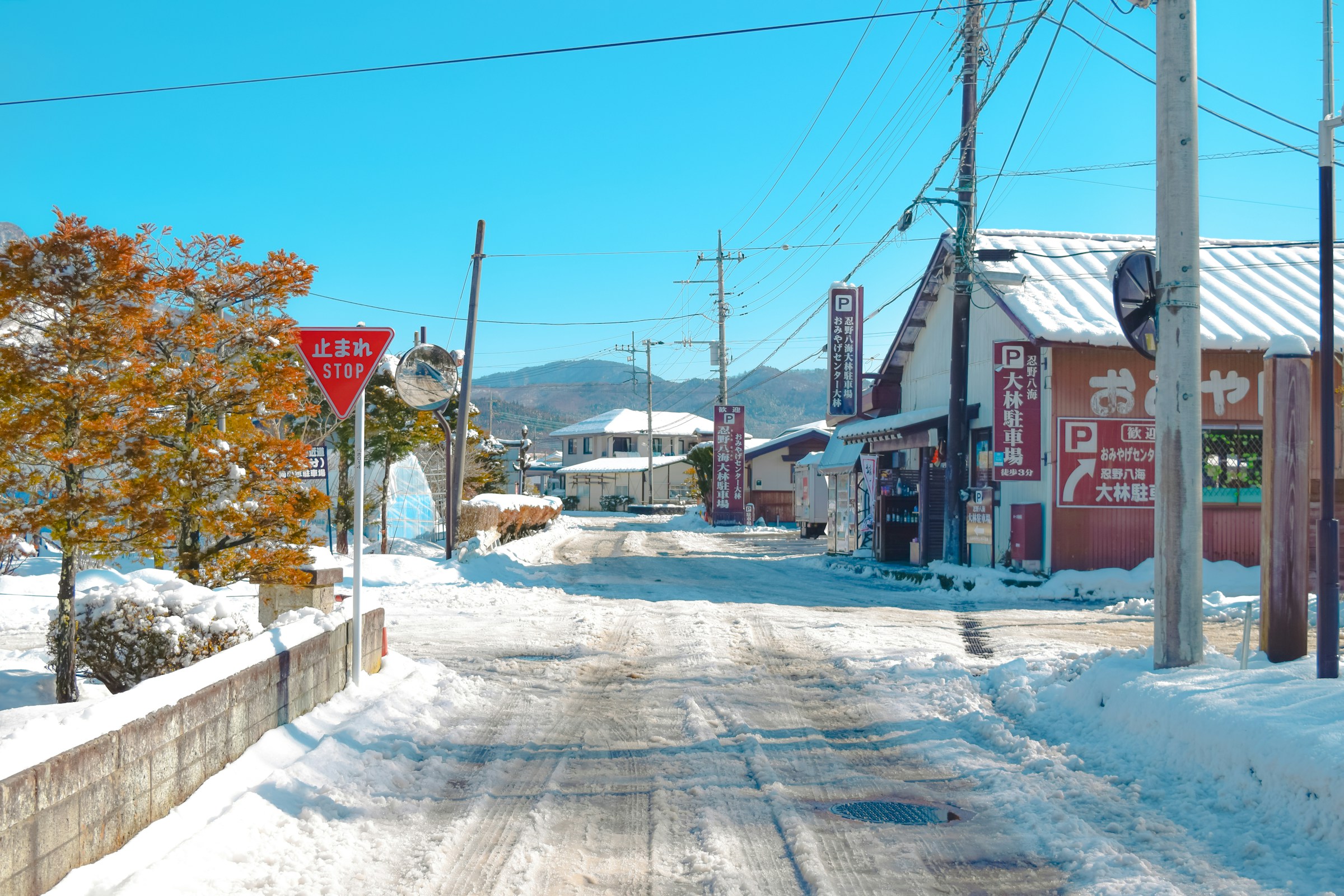
There is a moment, somewhere between lowering yourself into steaming mineral water and watching wisps of vapor dissolve into mountain air, when it becomes clear that this is not simply a bath. Japan’s onsen culture carries something older and more deliberate than relaxation. It moves at a pace that the rest of the world has mostly forgotten.
Japan sits on the Pacific Ring of Fire, one of the most volcanically active regions in the world. Across the archipelago, underground heat rises to the surface as mineral-rich thermal water. These natural hot springs have shaped Japanese life for over a thousand years. What makes the country’s onsen towns special is not just the geology. It is the entire civilization that grew up around the act of bathing.
Why Bathing Became Sacred in Japan
The oldest hot spring on record dates back to the 7th century. During this period, Buddhism was introduced to Japan, and bathing came to be regarded as a holy act. In the 8th century, large Buddhist temples in the capital city of Nara built massive bathing facilities resembling the Thermae bathhouses of Ancient Rome. These temple baths were open to the public as an act of almsgiving.
Hot springs were seen as sacred places, where the divine and the earthly met. This reverence for nature led to the establishment of rituals surrounding onsen bathing, transforming it from a mere health practice into a spiritual experience. Bathing in these natural waters became a way to cleanse not just the body but also the spirit.
While different aspects of the onsen experience, like spirituality, medicinal use, or leisure, have risen and fallen in significance over more than a thousand years, all of these forms of onsen use are still available in modern Japan. That continuity across centuries is part of what gives these towns their unmistakable weight.
Kusatsu Onsen, Gunma: Japan’s Perennial Favorite
In the 2025 ranking of the most popular hot springs in Japan, Kusatsu Onsen holds the top spot for the second year running. The atmosphere of this hot-spring resort in Gunma Prefecture, combined with the therapeutic effects and quality of its waters, have made it a favorite among visitors.
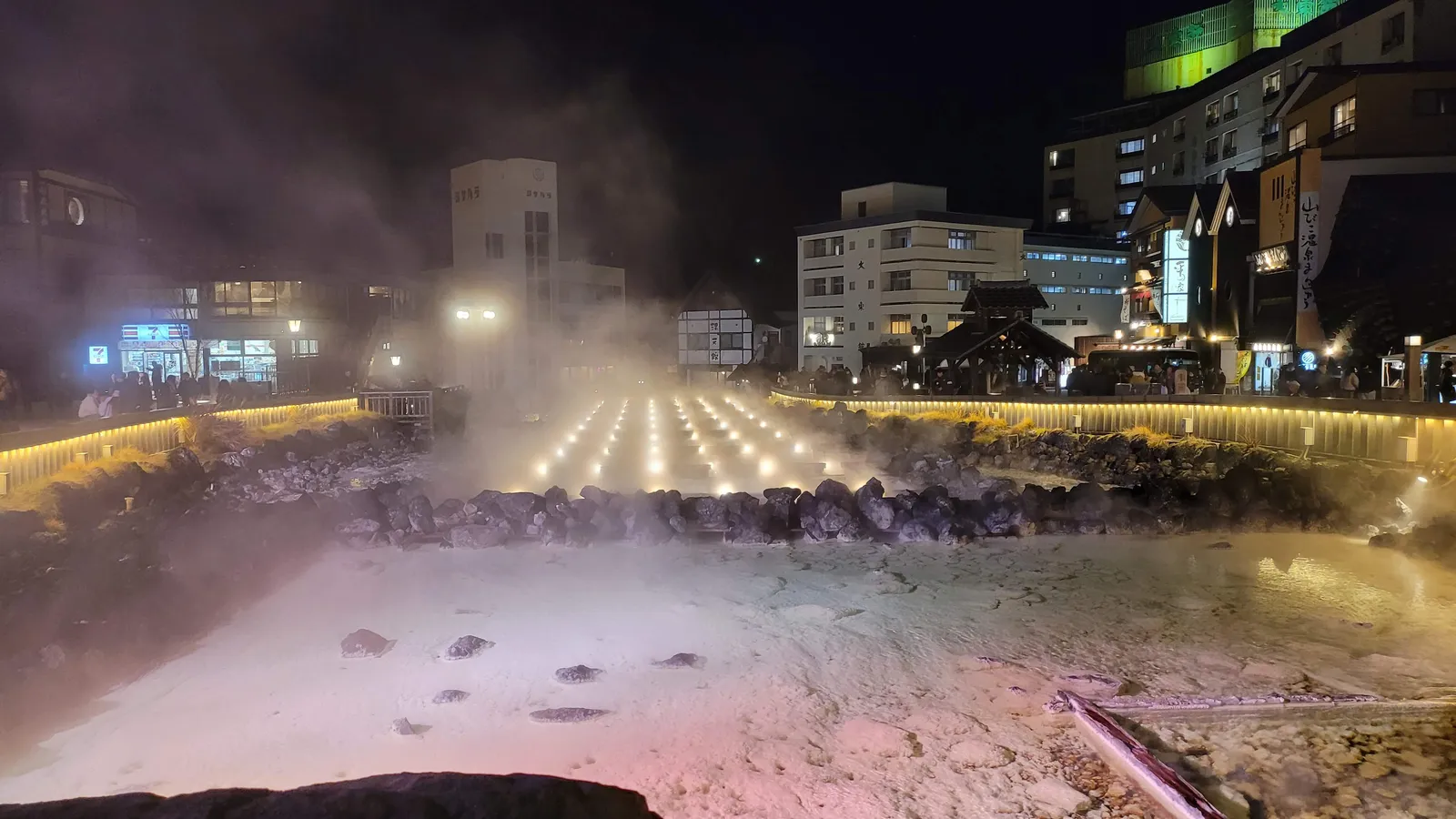
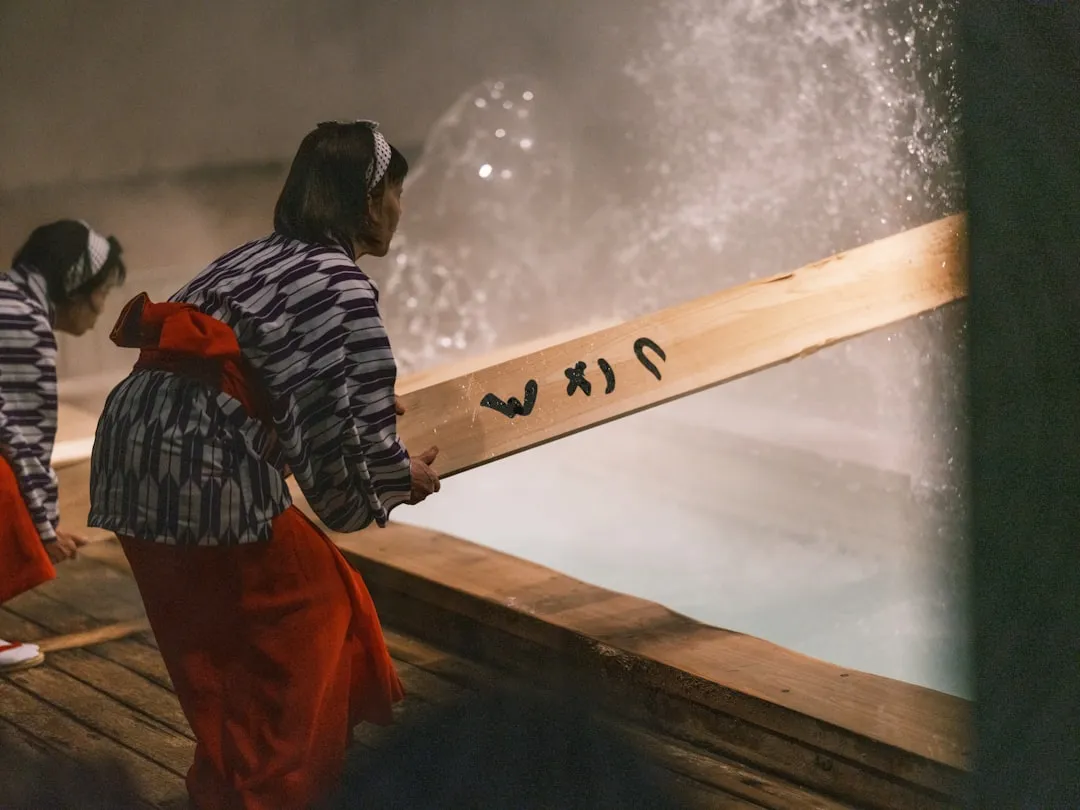
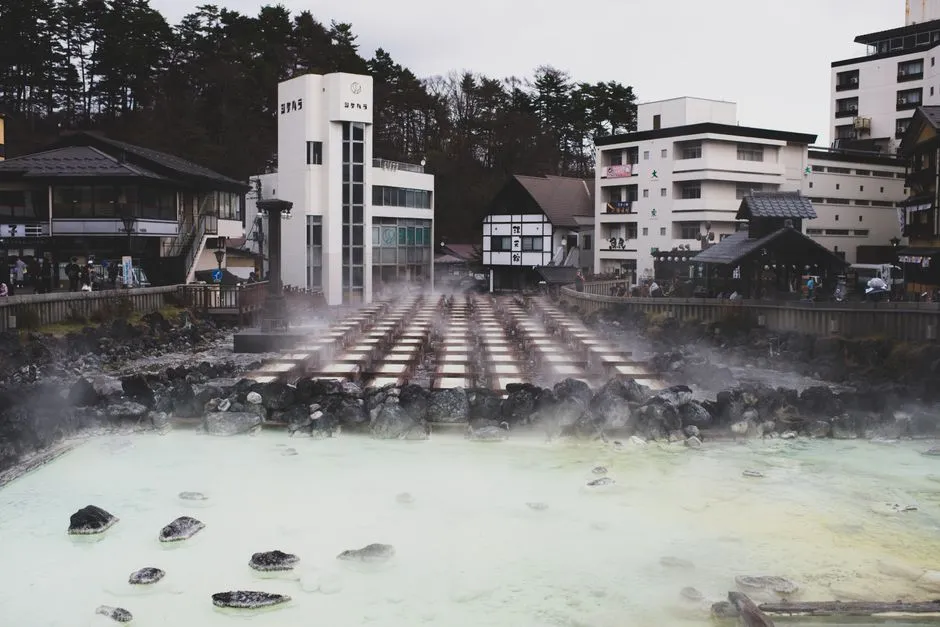
The centerpiece of Kusatsu Onsen is the iconic Yubatake, or Hot Water Field, where visitors can enjoy a stroll after bathing. In the Yubatake area, where the sulfuric sediment from the spring water called yunohana concentrates and settles, facilities have been upgraded and the townscape improved.
One of Japan’s most popular hot spring towns, Kusatsu is famed for its powerful sulfur springs. The Yubatake, where thousands of liters of steaming water gush out every minute, is not to be missed. The town is illuminated at night, giving the whole experience a quietly theatrical quality that lingers.
Hakone, Kanagawa: Mountains, Mist, and Fuji Views
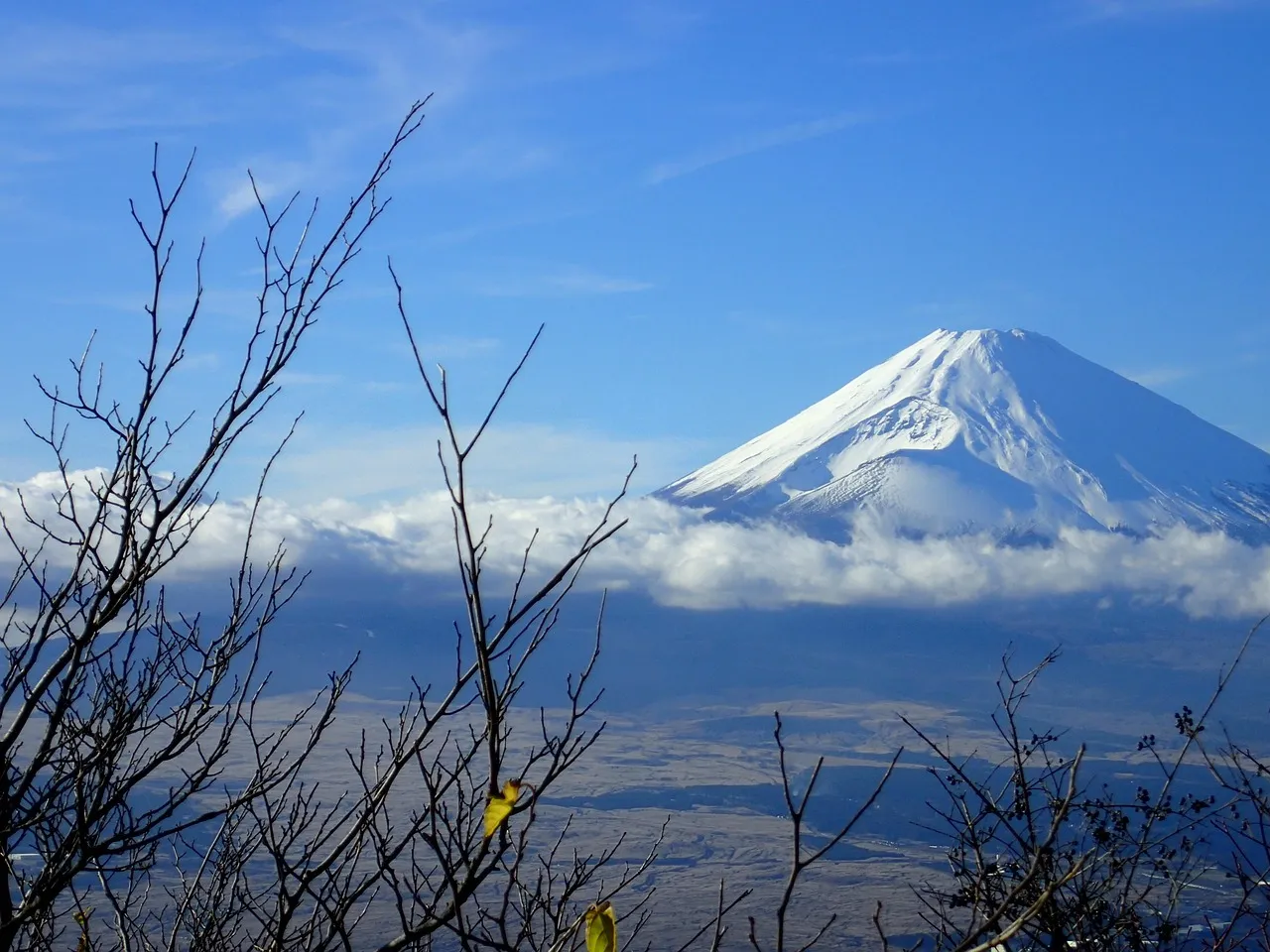
One of the most renowned onsen regions is Hakone, known for its stunning views of Mount Fuji and numerous hot springs. Many luxury resorts like Gora Kadan and Hakone Kowakien Ten-yu offer private onsen facilities, allowing guests to indulge in the tranquil hot waters amidst breathtaking natural landscapes.
Hakone Onsen has become a hotspot among visitors from Europe and North America, given its convenient location between Tokyo and Mount Fuji. Hakone, a mountain town known for its private onsens, offers a lot of variety. These private hot springs are the perfect setting to take in the nature around you in a quiet moment, and you’ll have an incredible view of Mt. Fuji too.
The region sits at the intersection of natural drama and refined calm. Staying in a ryokan here, watching steam curl off an outdoor bath as forested ridgelines disappear into cloud, gives you a visceral sense of why Japanese culture has always treated these places as something close to holy.
Kinosaki Onsen, Hyogo: Seven Baths, One Town, Pure Ritual
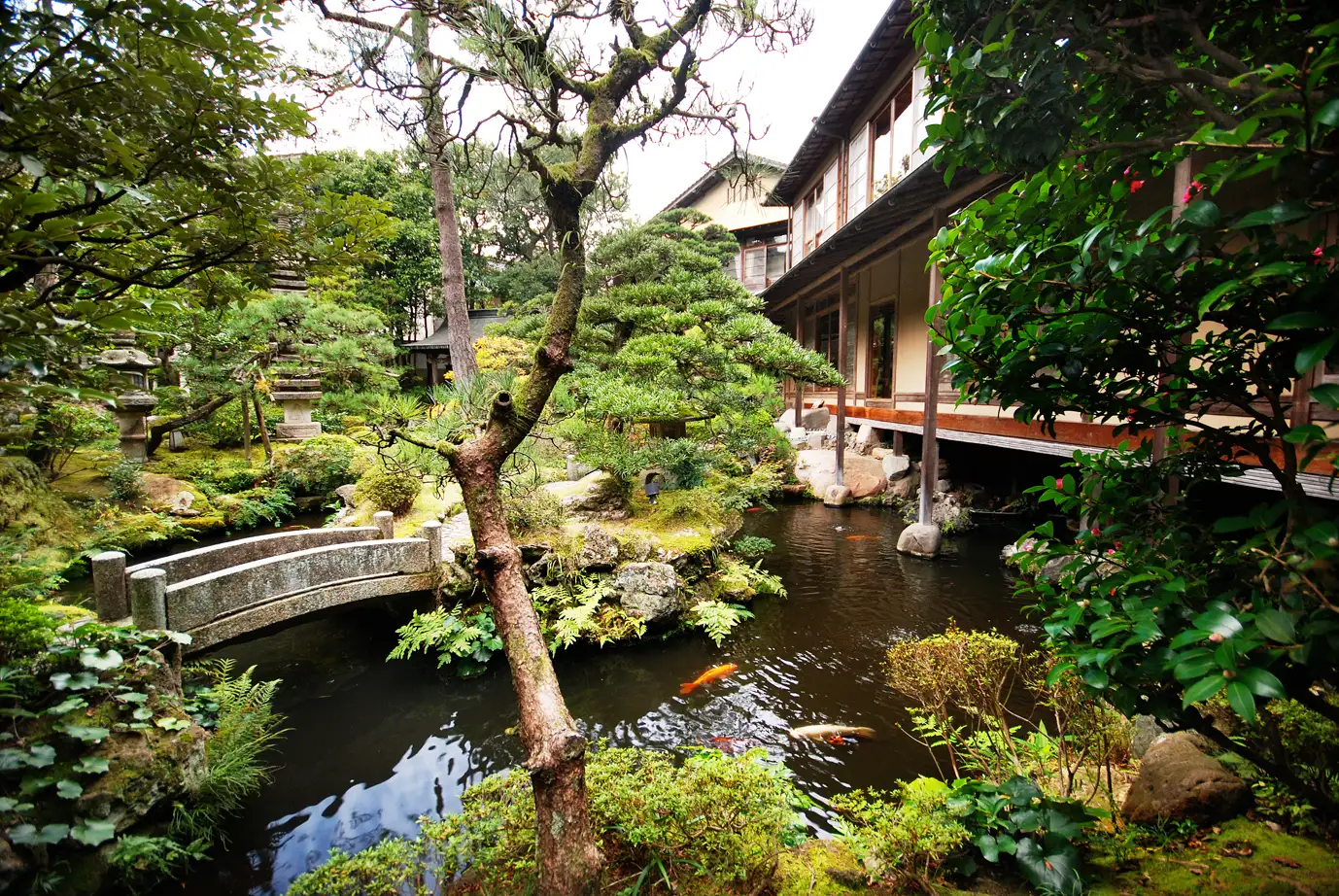
Located in northern Hyogo Prefecture, Kinosaki Onsen has more than 1,300 years of history and is home to traditional hot spring baths. Visitors traditionally wear yukata and wooden geta while visiting the seven public baths. Walking the stone-paved lanes in a cotton robe, moving from bath to bath under lantern light, feels less like tourism and more like participation in an ancient rhythm.
Kinosaki Onsen’s bath-hopping ritual is built for solo guests, and many ryokans there waive the solo surcharge. Day-trippers to Kinosaki can purchase a day pass to the onsen at any of the bathhouses for 1,500 JPY. The town makes access genuinely easy, which is part of its enduring charm.
Arima Onsen, Hyogo: Japan’s Oldest and Most Storied Resort
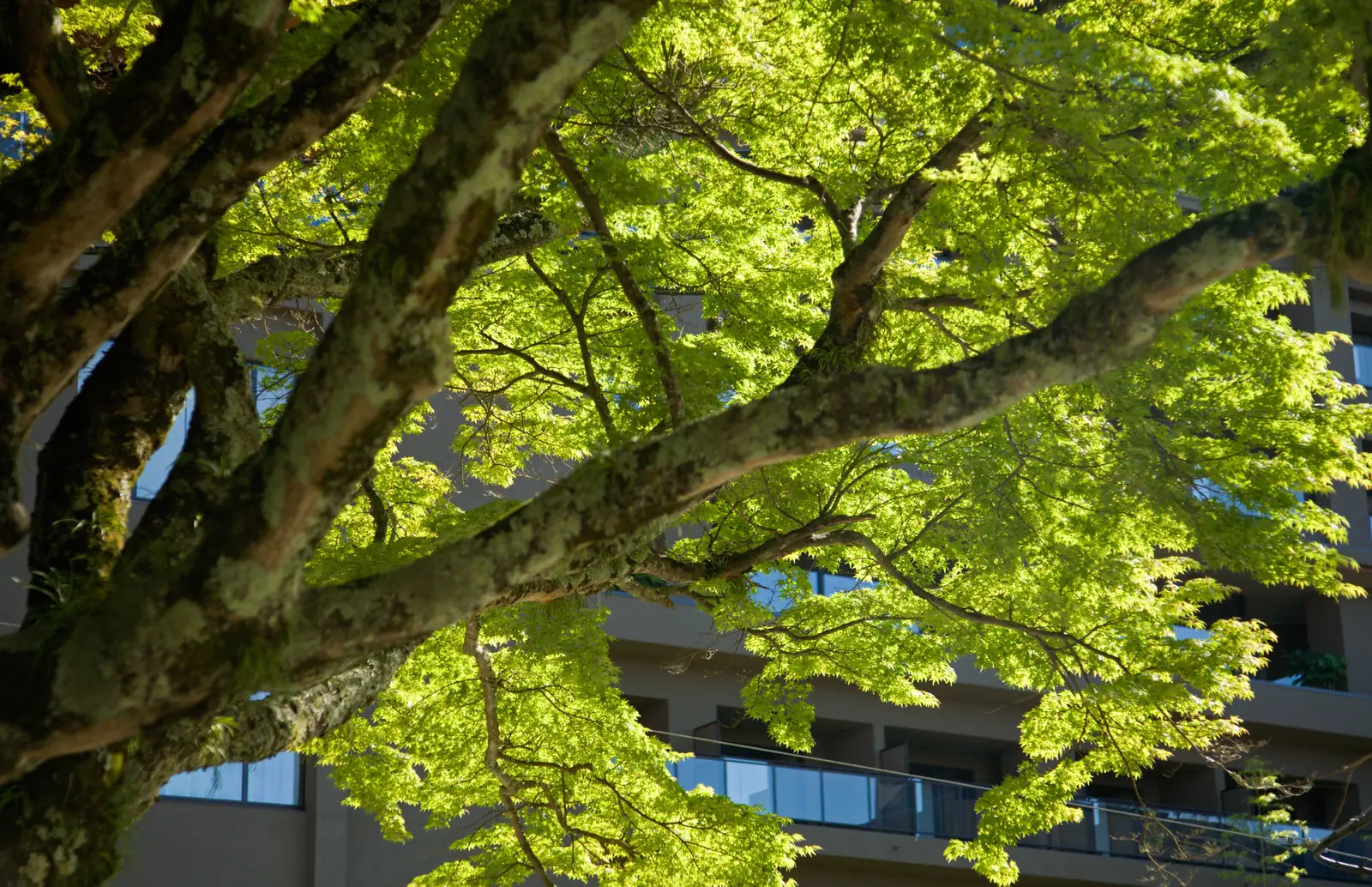
Near Kobe and Osaka, Arima is one of Japan’s oldest and most prestigious resorts. It features two distinct waters: gold, which is iron-rich, and silver, which is radium-carbonate. The visual contrast between the two waters alone makes the town worth visiting. Soaking in the rust-tinged golden spring beside the clearer silver one feels like the town is showing you its dual personality.
By the Muromachi period, guidelines such as the “Toji Yojyo Hyomoku,” a posted handbook for toji self-care, appeared at Arima Onsen, gathering experiential knowledge about hot-spring benefits and proper bathing methods. Strolling Arima’s old streets, tasting local snacks like carbonated rice crackers, soaking your feet in a public ashiyu foot bath, and enjoying a Kobe beef lunch slow-steamed over the gold hot spring adds up to something far richer than a simple spa day.
Beppu, Oita: Where the Earth Breathes Steam
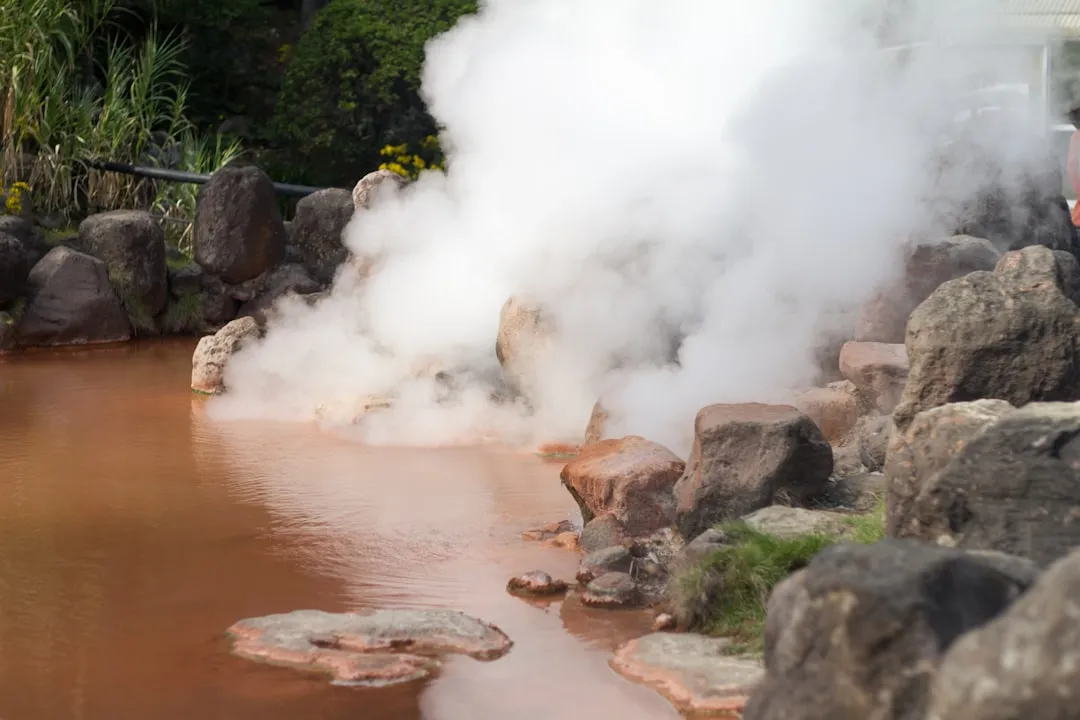
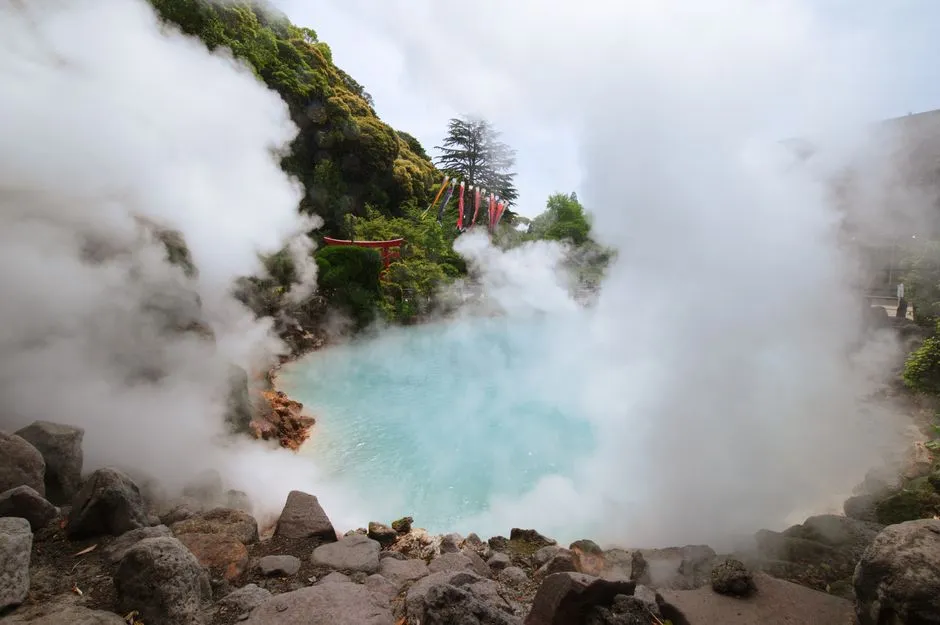
Beppu is huge compared to most onsen towns. With more than 2,000 springs, it is where you go if you want variety. Beppu is famous for its sheer number of hot springs. Walking through town, you’ll see steam rising everywhere. The dramatic “hells,” or jigoku, are scalding hot pools best admired rather than bathed in.
You can try mud baths that make your skin soft, sand baths where you’re buried up to your neck, and steam baths that feel like a natural sauna. There’s also the “Hells of Beppu,” a set of hot springs that are way too hot for bathing but amazing to look at. With bright red pools, bubbling mud, and steaming ponds, it’s dramatic and worth a walk around.
In the 2025 national hot springs ranking, Beppu Onsen in Oita Prefecture rose to fifth place. It consistently draws those who want their onsen experience to feel a little raw and elemental, something that Beppu delivers with the unpretentious confidence of a town that sits directly on top of the earth’s engine.
Nyuto Onsen Village, Akita: Seven Springs in a Snowy Forest
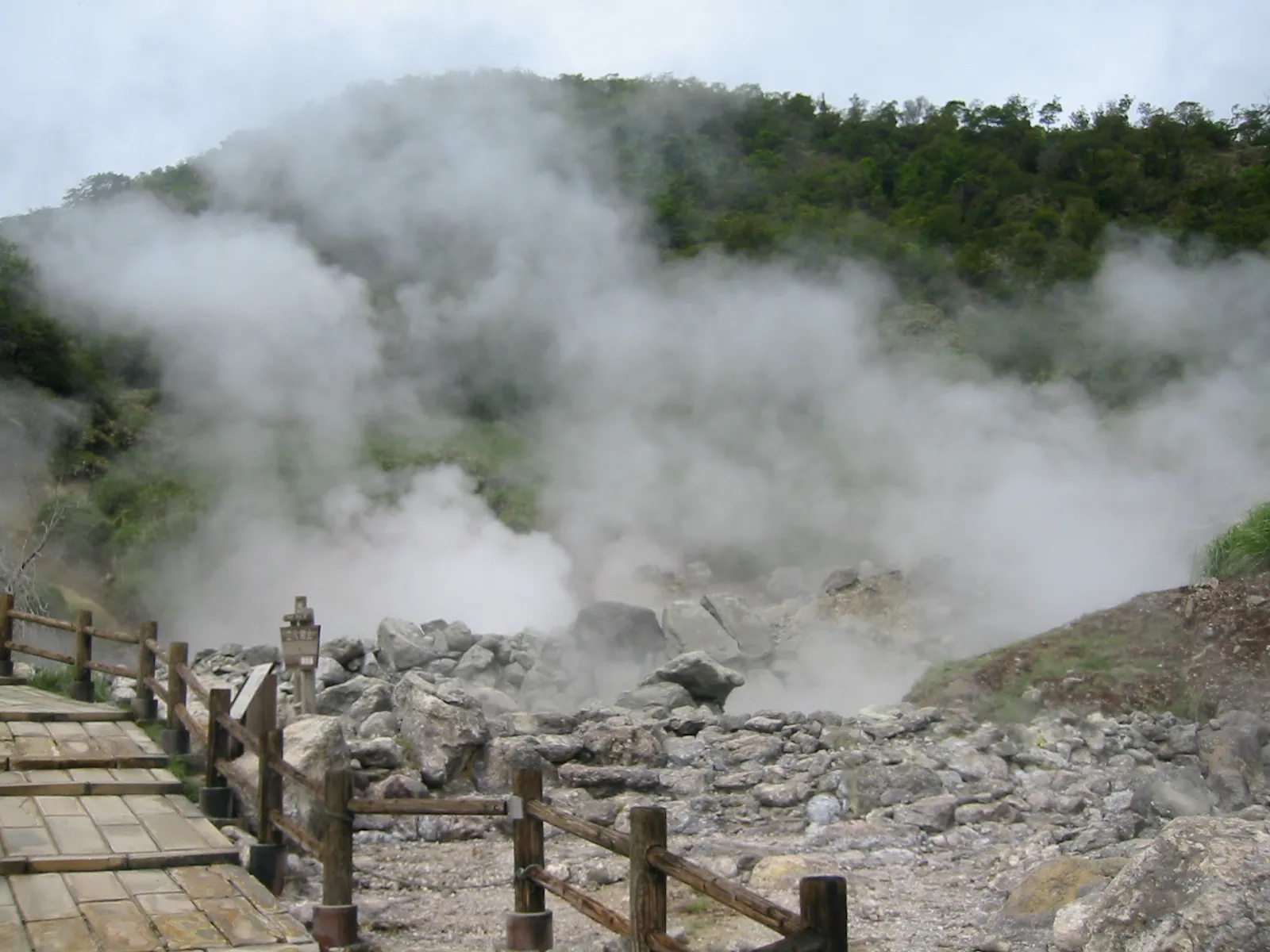
Hidden in the snowy mountains of Akita Prefecture, Nyuto Onsen Village feels like something out of a fairytale. This quiet mountain retreat is home to a collection of traditional hot spring inns, some of which have been welcoming guests since Japan’s Edo period. The village lies at the base of Mount Nyuto, within Towada-Hachimantai National Park, at an elevation of roughly 600 meters. Its high altitude and northern location give it a long, snow-heavy winter season.
Because all seven baths come from different springs, each one differs in color, aroma, and feel on the skin, and each inn has its own distinct atmosphere. The atmosphere ranges widely, from the thatched-roof honjin of Tsuru-no-Yu, where records show the Akita domain lord took the waters in 1638, to the Kyukamura surrounded by beech forest.
According to legend, the source at Tsurunoyu was discovered a long time ago by a hunter who saw a crane healing its wounds in the warm waters of a river. That founding story captures something essential about Nyuto. The spirituality here is quiet, embedded in nature, and entirely believable.
Dogo Onsen, Ehime: The Bath That Inspired a Nation
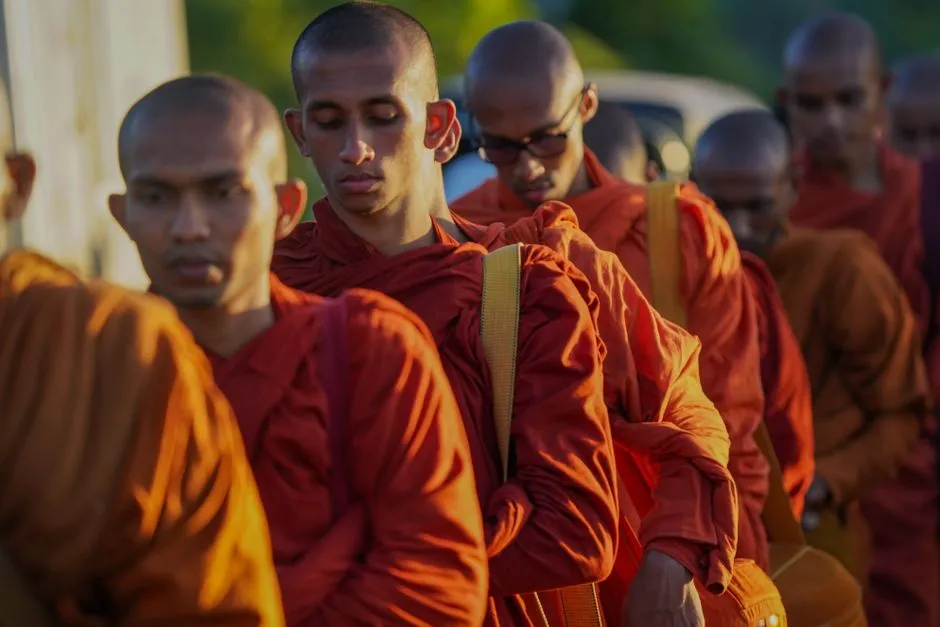
During the Nara and Heian periods, Buddhist monks used hot springs for purification rituals. The Imperial families and court nobles also visited certain springs, transforming them into retreats of prestige. Dogo Onsen in Ehime Prefecture, on the island of Shikoku, is considered one of the oldest hot springs in Japan, with documented Imperial visits stretching back over a millennium.
The main bathhouse, Dogo Onsen Honkan, is a storied wooden structure that served as partial inspiration for the setting in Studio Ghibli’s “Spirited Away.” For many Japanese visitors, coming here is less about the water’s mineral content and more about touching the deep root of the country’s bathing culture. The building itself is a national treasure.
Kurokawa Onsen, Kumamoto: A Town That Chose Harmony
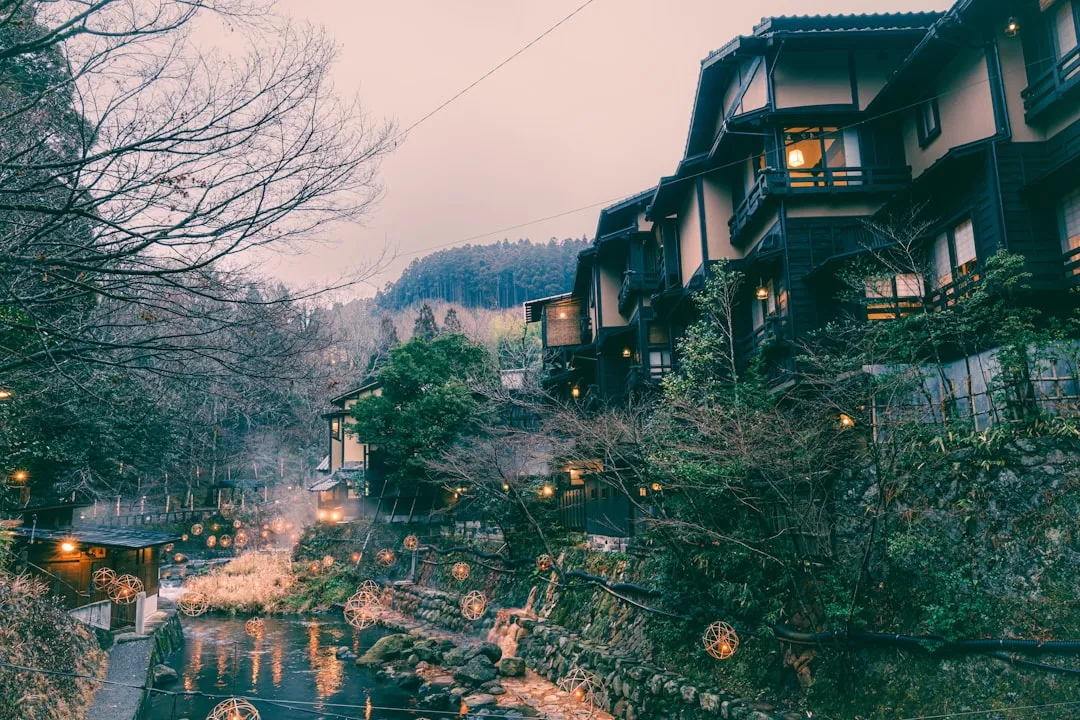
At Kurokawa Onsen in Kumamoto, the town collectively protects a unified aesthetic of dark-stained wooden architecture and a bathing culture centered on the “Nyuto Tegata” pass for hopping between baths. Unlike many Japanese tourist destinations, Kurokawa made a deliberate decision decades ago to resist large hotel development, keeping the architectural scale human and cohesive.
Kurokawa and Nyuto are quiet and traditional in character, which makes them particularly well-suited for the kind of slow, contemplative travel that onsen culture was always designed to support. The river that winds through the town, lined with rotenburo outdoor baths tucked behind ryokan walls, creates an atmosphere that is intimate without being precious.
The Philosophy of Toji: Doing Nothing as an Art Form
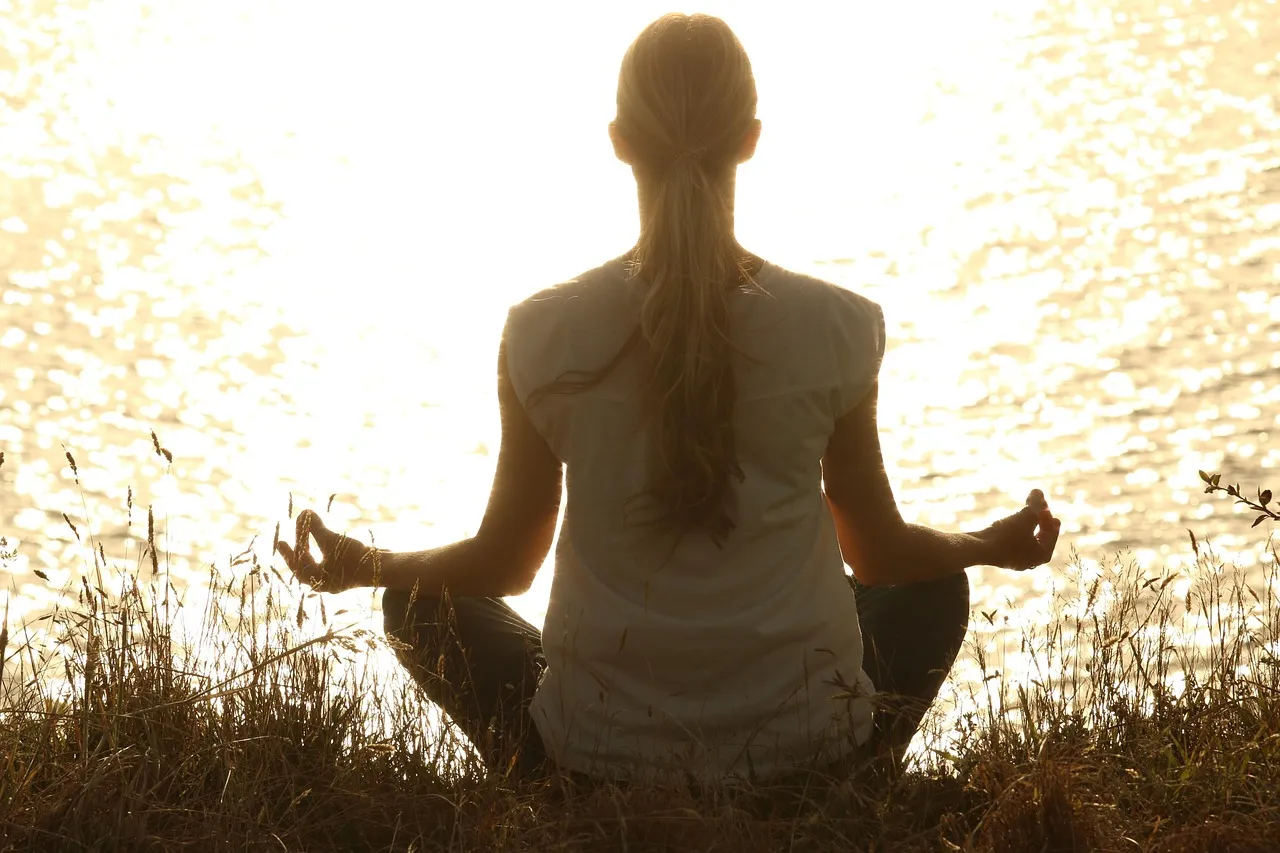
At the core of toji culture is a restorative approach that finds value in “doing nothing.” From the Edo period onward, many people stayed long-term at onsen lodgings, spending most of the day soaking, resting, and recuperating. Even today, the idea of intentionally stepping away from work and information, spending several days to several weeks recuperating in an onsen area, is being rediscovered.
Onsen have long been revered for their restorative properties, with the mineral-rich waters offering myriad health benefits. The heat of the water, which must be at least 25 degrees Celsius to be classified as an onsen, promotes blood circulation and increases the body’s metabolism.
The Japanese have long believed that the minerals in the hot spring waters possess therapeutic qualities, making onsen a vital part of traditional medicine. Toji is not simply taking a vacation. It is a prescription for stillness, and one that Japan has been refining for centuries.
The Global Moment Onsen Culture Is Having Right Now
In 2025, the number of international tourists visiting Japan was 42.7 million. The total number of domestic tourists in Japan, including day trips, reached 540 million in 2024, while total tourism consumption within the country amounted to 34.3 trillion yen that same year. Onsen towns are central to this story.
The Japan Brand Survey 2025 shows that the country’s global reputation is not merely tied to affordability due to the weak yen but also to long-lasting attributes such as the quality of its culinary culture, unique experiences like onsen, and a consistent standard of excellence in hospitality. Despite these positive trends, the survey highlighted low global recognition of onsen culture, particularly in the U.S. and Europe, pointing to an untapped opportunity in promoting Japan’s traditional hot spring experiences.
The satisfaction rates of foreign travelers who have visited local regions were 96.2 percent, and the revisit intention rate was also high at 93.4 percent. For most travelers who find their way to a true onsen town, one visit is never quite enough.
A Quiet Invitation
What these ten towns share is something that resists easy packaging. Onsen are shared spaces, often gender-segregated, where hierarchy dissolves. Titles and uniforms disappear. The water equalizes. In these spaces, status recedes and the body becomes the common denominator.
Bathing in Japan is much more than hygiene. It is a ritual, a relaxation, and a connection to history that stretches back over a thousand years. In Japan, taking a bath is not just washing the body. It is cleansing the spirit.
Every onsen town carries that understanding at its core. The steam, the silence, the way the water holds warmth long after you have climbed out. There is a reason people keep returning, and it has very little to do with the minerals.
AI Disclaimer: This article was created with the assistance of AI tools and reviewed by a human editor.