
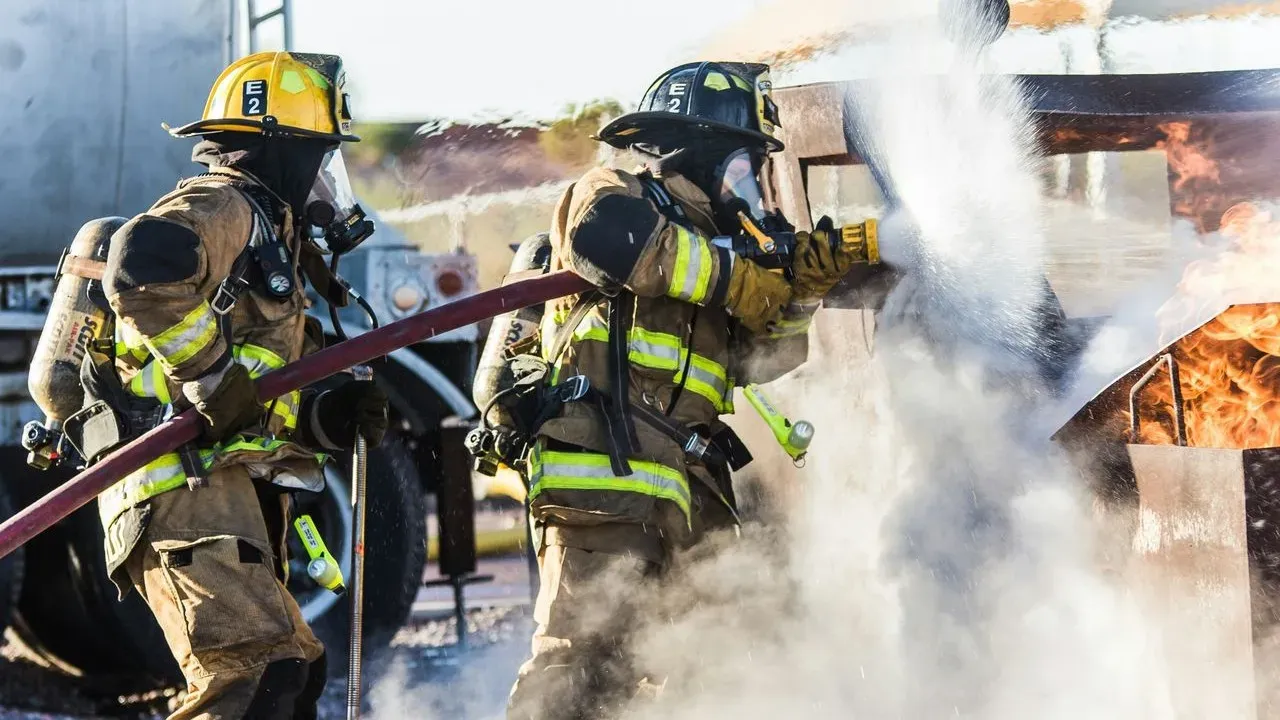

Southwest France is facing an intense wildfire that has expanded across an area four times the size of Paris, centered in the Gironde region west of Bordeaux. Authorities have evacuated roughly 220,000 people from homes and vacation sites as crews work to contain the blaze. Forecast temperatures above 40 degrees Celsius and shifting winds are adding pressure to ongoing operations.
The Scale of the Blaze and Overnight Developments
The fire, which began last week, has not grown further in recent hours, yet it remains uncontained. Regional officials described conditions as calm through the night, though the approach of extreme heat raises the possibility of renewed flare-ups in the dry forests and scrubland. Crews continue to monitor the perimeter closely while additional evacuations were ordered earlier in the week for coastal tourist areas.
Local communities have shown remarkable coordination in the face of these events. Priority remains on protecting lives, with two dozen towns and villages cleared as a precaution. The situation underscores the challenges of managing large-scale fires during peak summer travel periods in this popular corner of France.
Firefighting Strategy and International Assistance
More than 2,200 firefighters are deployed across the affected zones, drawing on resources from across France and supported by European partners. Belgian authorities have sent military personnel, two specialized fire trucks, a convoy of water tankers, and additional equipment to assist on the ground and in the air. A total of 29 Belgian service members are committed to at least two weeks of rotational duty.
Commanders emphasize a direct approach of striking quickly at any new smoke emissions. A fleet of more than twenty aircraft is available for water drops, while ground teams focus on rapid response. This coordinated effort reflects the shared commitment among neighboring countries to protect both residents and the natural landscapes that draw visitors each year.
Broader European Heat and Fire Context
Similar pressures are evident elsewhere on the continent. Spain is navigating its fourth heat wave of the summer, with several fires still active and high wildfire risk across much of the country. Greece has seen evacuations on islands such as Paros, while Turkey has moved residents and closed sections of highway in Mugla province due to strong winds.
In the United Kingdom, drought conditions now cover about half of England following unusually low rainfall and repeated heat episodes. These patterns highlight how sustained high temperatures and dry conditions are affecting multiple regions simultaneously, though each country is managing its response according to local needs and resources.
Practical Guidance for Visitors to the Region
Travelers with plans in southwest France should monitor official updates from regional authorities and the French interior ministry. Areas under evacuation orders remain off-limits, and visitors are encouraged to follow any local restrictions on movement or outdoor activities. The winemaking and tourism sectors around Bordeaux continue to operate outside the immediate fire perimeter, though some advisory notices have asked people to avoid certain zones temporarily.
Those already in the region can prepare for elevated temperatures by staying hydrated, limiting time outdoors during peak heat, and keeping indoor spaces well ventilated where possible. Checking with accommodations or local tourism offices provides the most current information on access to attractions, roads, and services.
What matters now for travelers:
- Confirm the status of any booked accommodations or activities directly with providers.
- Carry extra water and plan indoor alternatives during the hottest parts of the day.
- Respect all evacuation zones and emergency instructions from local officials.
- Support affected communities by choosing responsible operators and following sustainable practices once areas reopen.
The resilience of the firefighting teams and local populations offers a reminder of the careful stewardship required to protect these cherished landscapes. As conditions evolve, travelers who approach the region with awareness and flexibility can continue to appreciate its distinctive character while contributing to its long-term well-being.
AI Disclaimer: This article was created with the assistance of AI tools and reviewed by a human editor.