
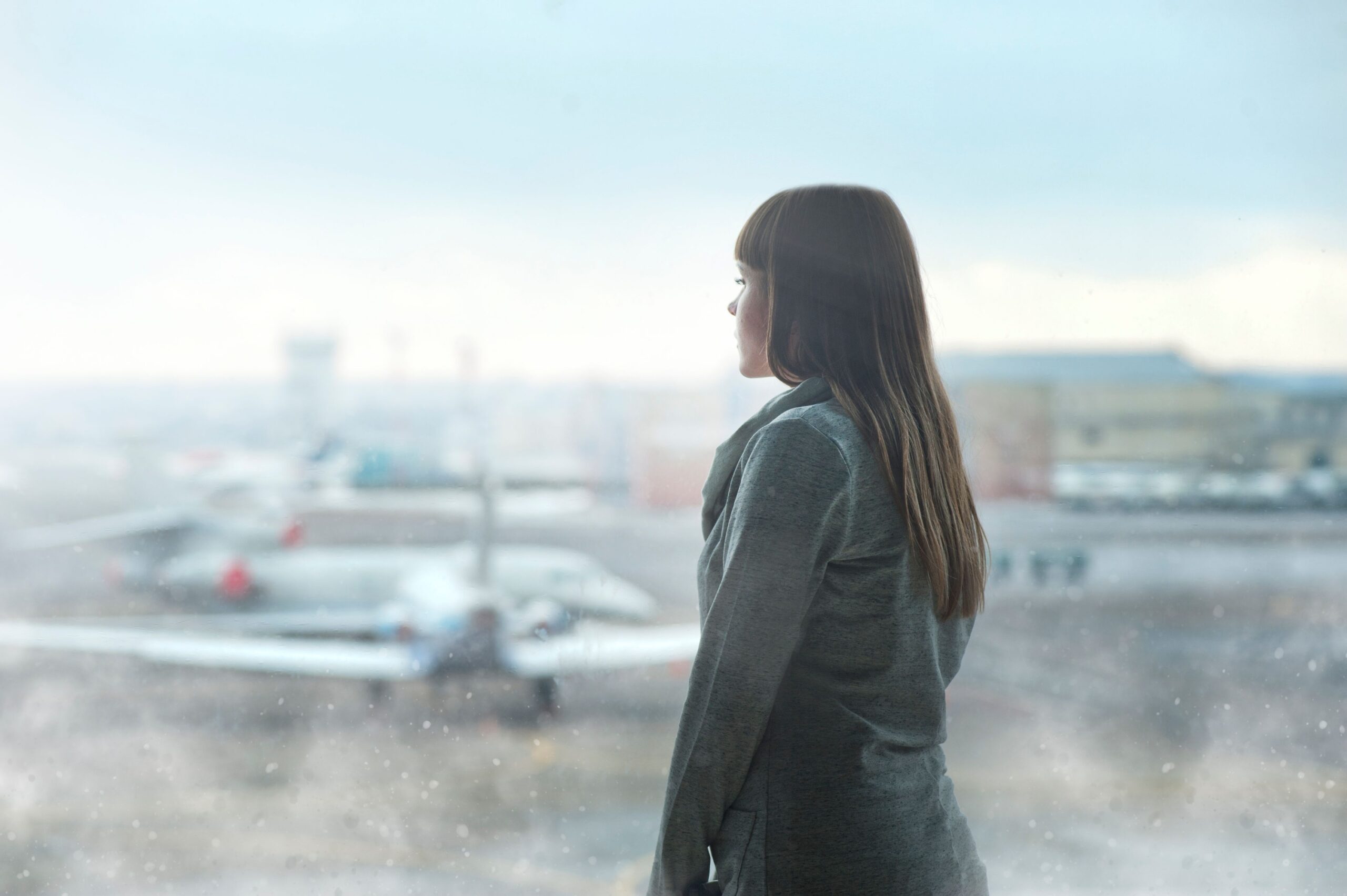
Millions of people board planes every year carrying something heavier than their luggage: a quiet, persistent dread. For some, it’s a faint unease that settles in around boarding. For others, it builds days before the trip even begins. Either way, the experience is far more common than most passengers realize.
The good news is that researchers have spent considerable time studying what actually works in those minutes before a plane accelerates down a runway. One habit consistently rises above the rest, and it requires no app, no prescription, and no prior training. It comes down to the way you breathe.
More People Feel This Way Than You’d Think
Fear of flying, also known as aerophobia, affects approximately 25 million Americans according to 2024 data. That number alone is worth sitting with for a moment.
Estimates suggest that between roughly a quarter and two-fifths of air travelers experience some level of flight anxiety, with around a small fraction meeting the clinical criteria for aviophobia, a specific phobia that significantly disrupts daily life and travel.
In a 2025 survey, about half of respondents said they are nervous when flying in an airplane, and one in five said they are “very nervous.” Fear of flying is, in other words, a deeply human response, not a personal failing.
Why Takeoff Is the Hardest Moment
With air travel, you make reservations in advance, get to the airport hours ahead of your flight and go through security. There’s a lot of time to fall into anticipatory anxiety.
When you feel anxious, your body activates the fight-or-flight response. This can cause rapid breathing, increased heart rate, and tension in the muscles. Those physical sensations are real. They’re also the body doing exactly what it was designed to do under perceived threat.
One thing you do have some control over is the conversation inside your head. Takeoff concentrates all of that internal noise into a few minutes. That’s precisely why having a prepared, practiced habit matters so much.
The Simple Habit: Deliberate Slow Breathing

Mindful breathing is a basic yet powerful mindfulness technique that can calm your nervous system and divert your mind from any triggers of flight-related stress. It sounds almost too simple. That, somewhat counterintuitively, is part of why it works.
Slow, controlled breaths activate the body’s parasympathetic nervous system, which counteracts the adrenaline-driven stress response. You’re essentially using a biological override switch that’s been available to you your entire life.
A 2017 study from the Stanford University School of Medicine found a “feedback circuit” linking neurons in the brain to breathing and states of arousal. Slow down your breath and you trick your brain into thinking it doesn’t need to respond to the stressor.
What the Science Actually Shows
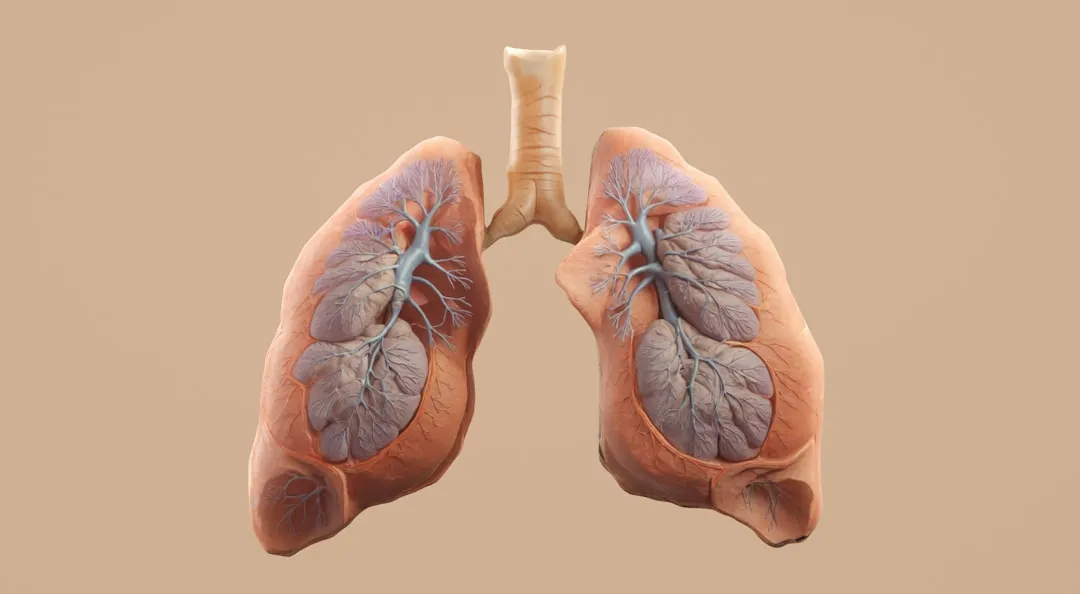
Research findings indicate that slow, nasal, diaphragmatic breathing significantly improves vagal tone, heart rate variability, parasympathetic activity, and emotional control, while reducing cortisol, anxiety, stress, and PTSD.
Research results showed that slow breathing effectively reduced anxiety, with valence and arousal both lower under the slow breathing condition. This was demonstrated in a 2025 study published in Scientific Reports using EEG brain activity monitoring.
A systematic review by Zaccaro and colleagues found that breathing rates below ten breaths per minute consistently increased parasympathetic nervous system activity, improved heart rate variability, and reduced self-reported anxiety. The evidence base here is meaningful and growing.
How to Actually Do It: Box Breathing Before Boarding
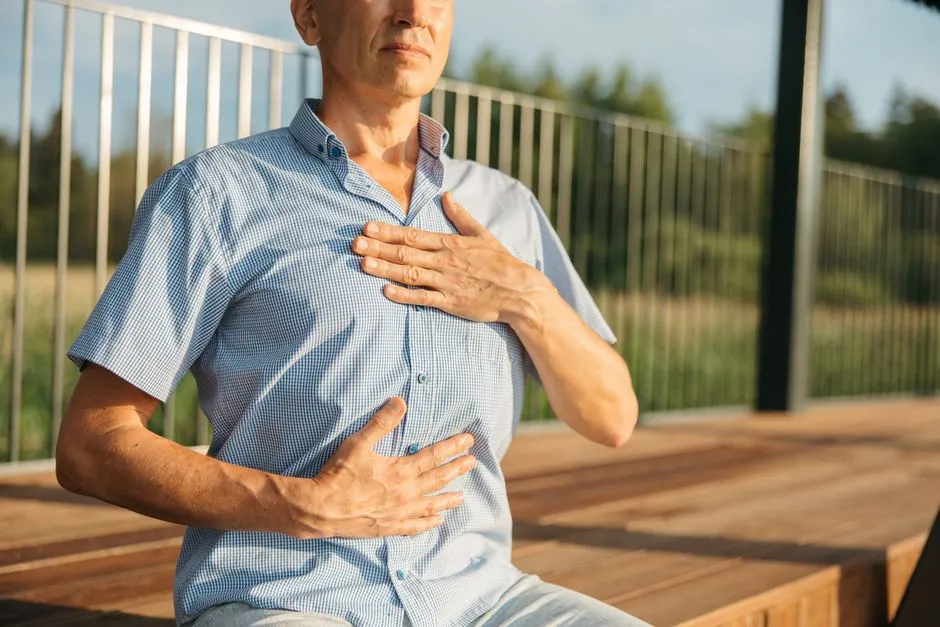
Box breathing works by directly engaging your autonomic nervous system, specifically activating the parasympathetic branch. The slow, structured pattern of inhaling, holding, exhaling, and holding again for equal counts sends signals through the vagus nerve that tell your brain the perceived threat has passed. This lowers your heart rate, reduces cortisol levels, and shifts your body out of fight-or-flight mode.
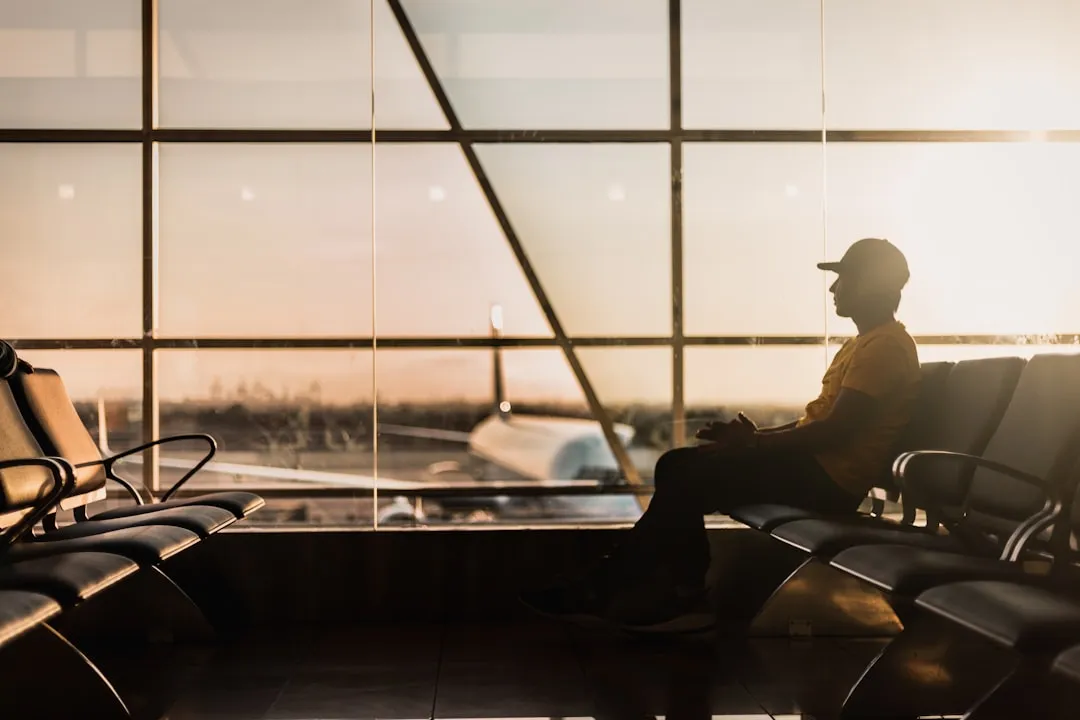
The technique is straightforward: inhale for four counts, hold for four, exhale for four, hold for four. Repeat that cycle several times while seated at the gate. You don’t need to close your eyes or look conspicuous in any way.
In a recent randomized controlled trial, researchers found that practicing five minutes of daily breathing exercises for one month was associated with improved mood. Box breathing and mindful meditation also yielded reductions in state anxiety and negative emotion.
The 4-6 Pattern: A Gentler Alternative
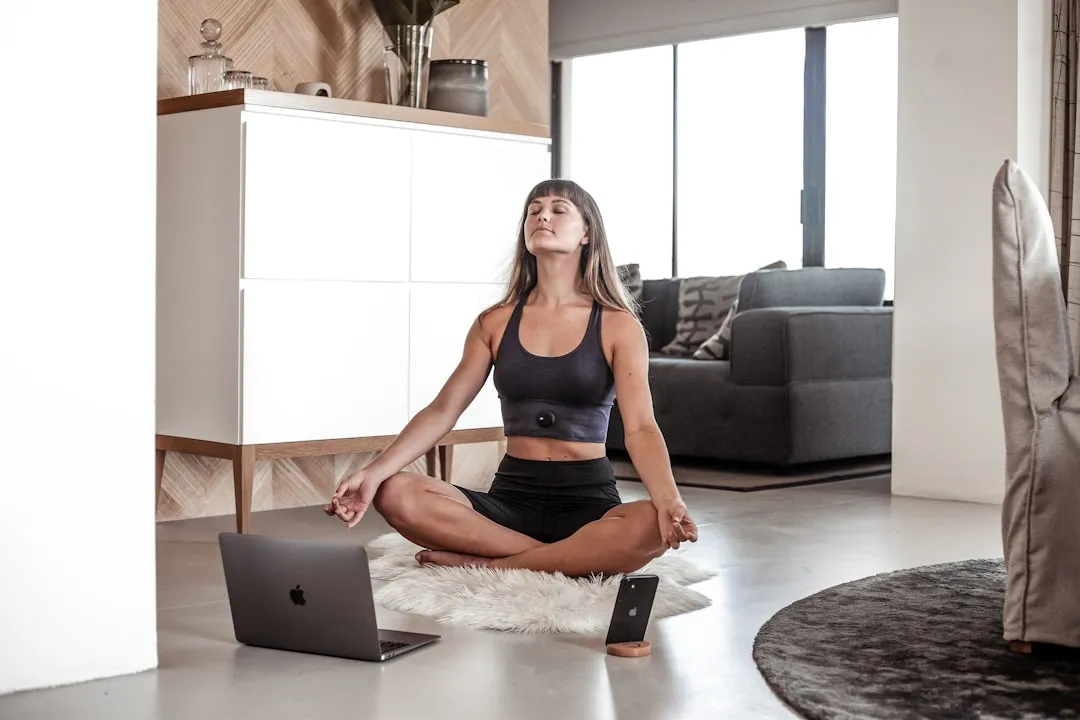
Breathe in for a count of four, hold briefly, then exhale slowly for a count of six. This extended exhale variation is worth knowing because the exhale is the part of the breath cycle most directly linked to calming the nervous system.
Trying to make your exhale longer than your inhale is the core principle behind several well-studied breathing techniques. It’s not arbitrary. The longer exhale phase more strongly activates the parasympathetic response.
Slow breathing at around 4.5 to 6.5 breaths per minute, sometimes called coherent or resonance breathing, has been shown to optimally balance the sympatho-vagal stress response. For most people, that translates to roughly a ten-second breath cycle, which is slower than normal but comfortable to sustain.
Practice It at Home First, Not on the Plane
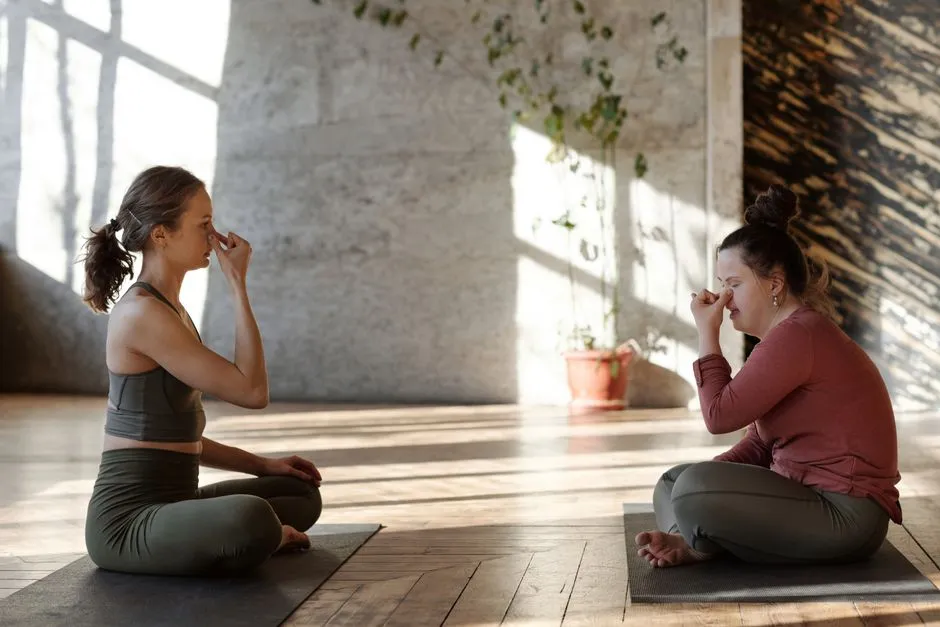
Practice the full breathing sequence on the ground before your flight. Sit in a chair, picture turbulence, and walk through each step with a timer. The more you rehearse it when you’re calm, the more accessible it becomes when you’re not.
Effective breath practices that support anxiety reduction include human-guided training, multiple sessions, and long-term practice, while avoiding sessions shorter than five minutes. In other words, familiarity genuinely makes the technique more effective in the moment you need it most.
Think of it the same way you’d think of any other skill. You wouldn’t attempt something new and technically demanding for the very first time under pressure. A few quiet minutes of practice at home, perhaps for several days before your trip, means your nervous system already knows what to do when you’re sitting on the runway.
What Else Supports the Habit
Caffeine can make a meaningful difference. Stimulants increase heart rate and can heighten the physical sensations that already accompany anxiety, making it harder to stay calm. Skipping the airport espresso is genuinely practical advice, not just a platitude.
Progressive Muscle Relaxation, a method involving a series of muscle contractions and releases, has been shown to decrease heart rate by about fifteen percent during takeoff. By focusing on physical sensations and consciously releasing tension, travelers can potentially achieve a greater sense of calm.
Visualization is another well-established tool for anxiety management. Before or during your flight, close your eyes and picture yourself boarding the plane calmly, remaining relaxed throughout the journey, and arriving safely at your destination. Pairing this with a slow breathing rhythm gives it considerably more grounding power.
When Anxiety Goes Deeper: Getting Real Help

Cognitive Behavioral Therapy, or CBT, has proven effective for many in treating specific phobias like aviophobia. For people whose fear prevents them from traveling entirely, a breathing habit alone may not be sufficient, and that’s okay to acknowledge.
Cognitive Behavioral Therapy has consistently shown promise in managing various anxiety disorders, including the fear of flying. Research indicates that CBT leads to higher rates of symptom reduction and improved coping skills than treatments like medication or solely relying on exposure therapies.
Research findings proved the efficacy of multiple CBT-based interventions in reducing fear of flying. All groups in the study showed a decrease in flight anxiety, suggesting the efficiency of these treatments in reducing measurable fear of flying. Seeking structured support is not a last resort. It’s often the most direct route through.
The Bigger Picture: Flying Is Extraordinarily Safe
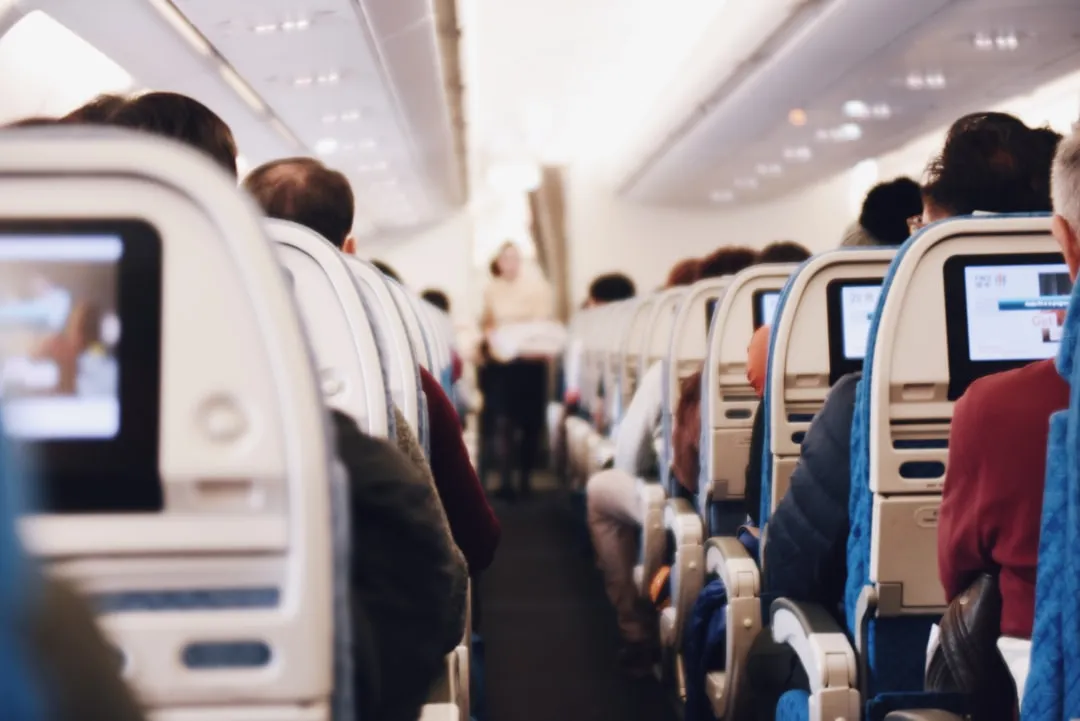
In 2024, five billion passengers flew on more than forty million flights worldwide, according to the International Air Transport Association. That scale of movement, largely uneventful, rarely makes the news for obvious reasons.
About 45,000 commercial and private flights take off each day in the U.S., carrying 2.9 million passengers, and the odds of dying in an air disaster are about 1 in 13.7 million. Car journeys, by comparison, carry dramatically higher statistical risk.
Advances in technology, rigorous safety protocols, and extensive training for pilots and crew all contribute to this high level of safety. Knowing the facts doesn’t always dissolve fear instantly, but it does give the rational mind something firm to hold onto while the breathing does its quieter work.
A Habit Worth Keeping Long After You Land

The most useful thing about slow, deliberate breathing as a pre-flight ritual is that it asks almost nothing of you. There’s no prescription, no cost, no equipment. You can practice it in a departure lounge, in a window seat, or even at home on an ordinary Tuesday.
The research is clear enough: slow-paced breathing was significantly more effective than regular breathing in reducing state anxiety, and this effect also buffered against the anxiety increase following stressful stimuli. That buffer, built quietly in the minutes before takeoff, is worth more than most travelers realize.
Travel exists to open things up. Arriving at that runway feeling even a little steadier makes everything that follows feel a little more possible.
AI Disclaimer: This article was created with the assistance of AI tools and reviewed by a human editor.