
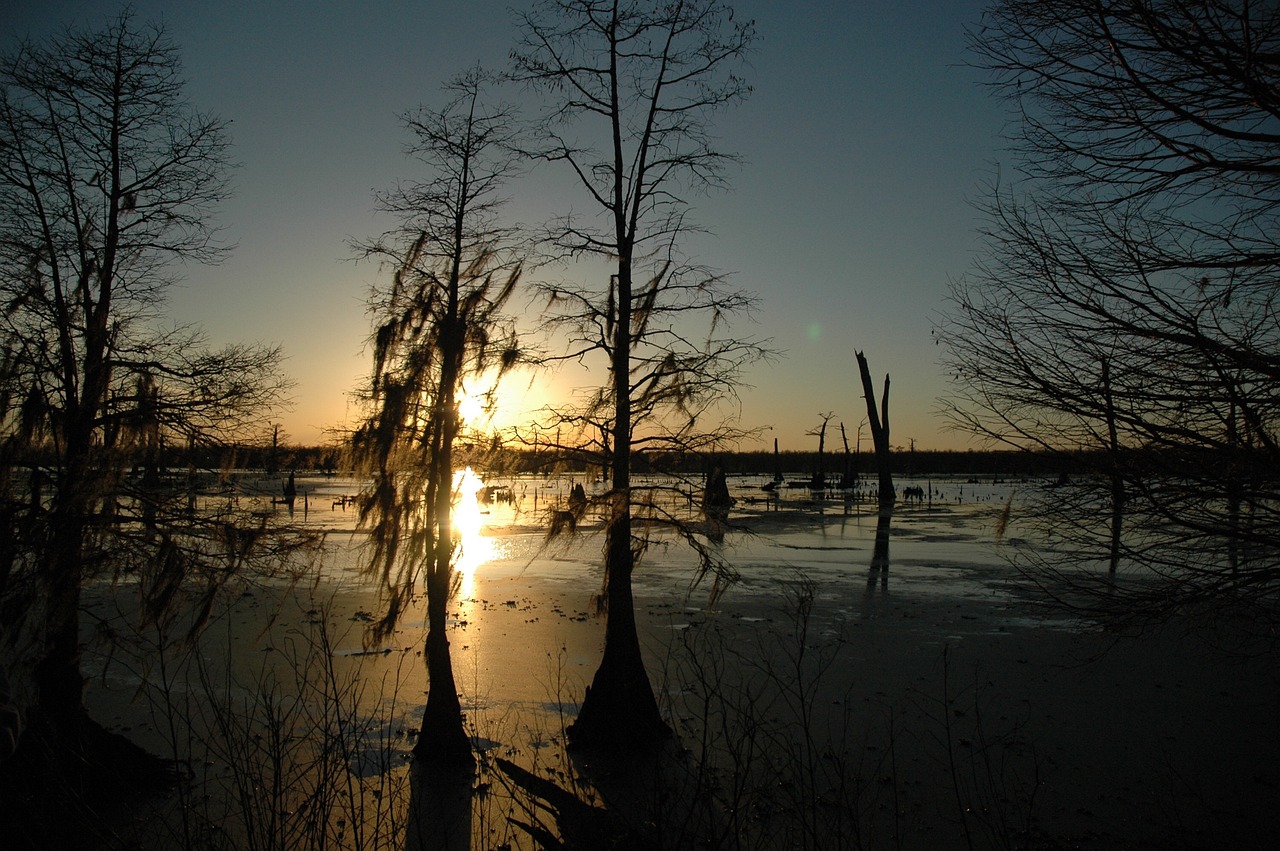
There’s a particular kind of relief that comes when the city noise finally fades behind you. For New Orleanians, that relief often starts somewhere along I-10, heading west, when the skyline shrinks and the cypress trees begin to take over. By the time you cross into St. Martin Parish, something genuinely shifts.
Nestled just off I-10, roughly two hours west of New Orleans, Breaux Bridge is a great place to stop for a meal and an afternoon of exploring – and an even better place to stay a while. It’s not a destination that announces itself loudly. It earns its place quietly, through good food, real music, and a pace of life that feels restorative rather than performative.
A Town Built Around a Bayou – Literally
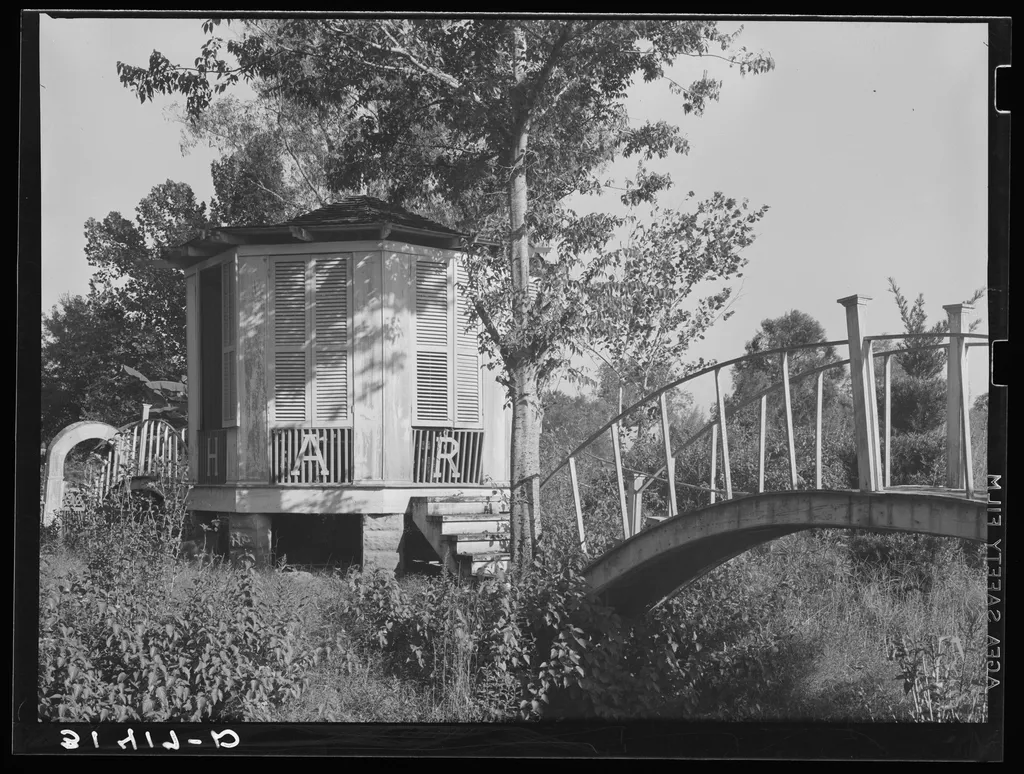
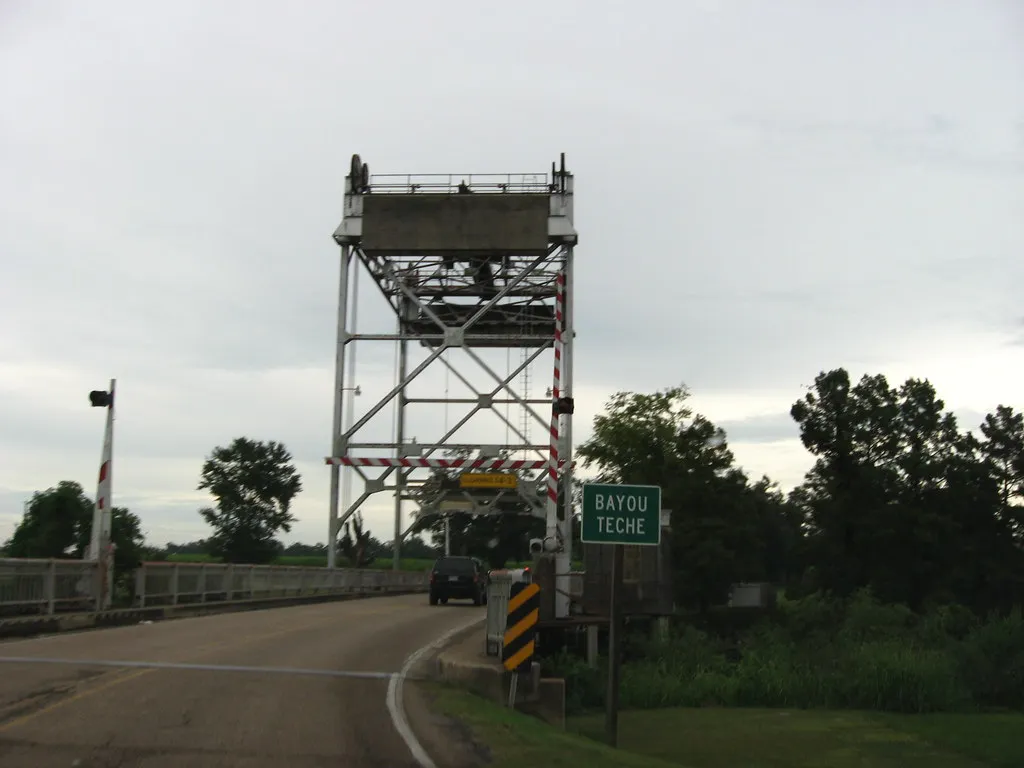
In 1771, Acadian pioneer Firmin Breaux bought land in what is now the city of Breaux Bridge, and by 1799 he had built a suspension footbridge across the Bayou Teche to help ease passage for family and neighbors. The name “Teche” comes from a Chitimacha Indian word meaning “snake,” tied to the bayou’s twisting, winding path. Area residents soon began calling the crossing “Breaux’s bridge,” and the name stuck.
The town received its official founding in 1829 when Scholastique Picou Breaux drew up a plan called Plan de la Ville Du Pont des Breaux. The Catholic church parish was created in 1847, and Breaux Bridge was officially incorporated in 1859.
Bayou Teche, an ancient channel of the Mississippi River, serves as a central geographic feature, with the community developing on both banks of this slow-moving stream. That relationship with the water isn’t just historical – it’s present in everything from the food to the way locals still talk about the land.
The Crawfish Capital of the World – It’s Official
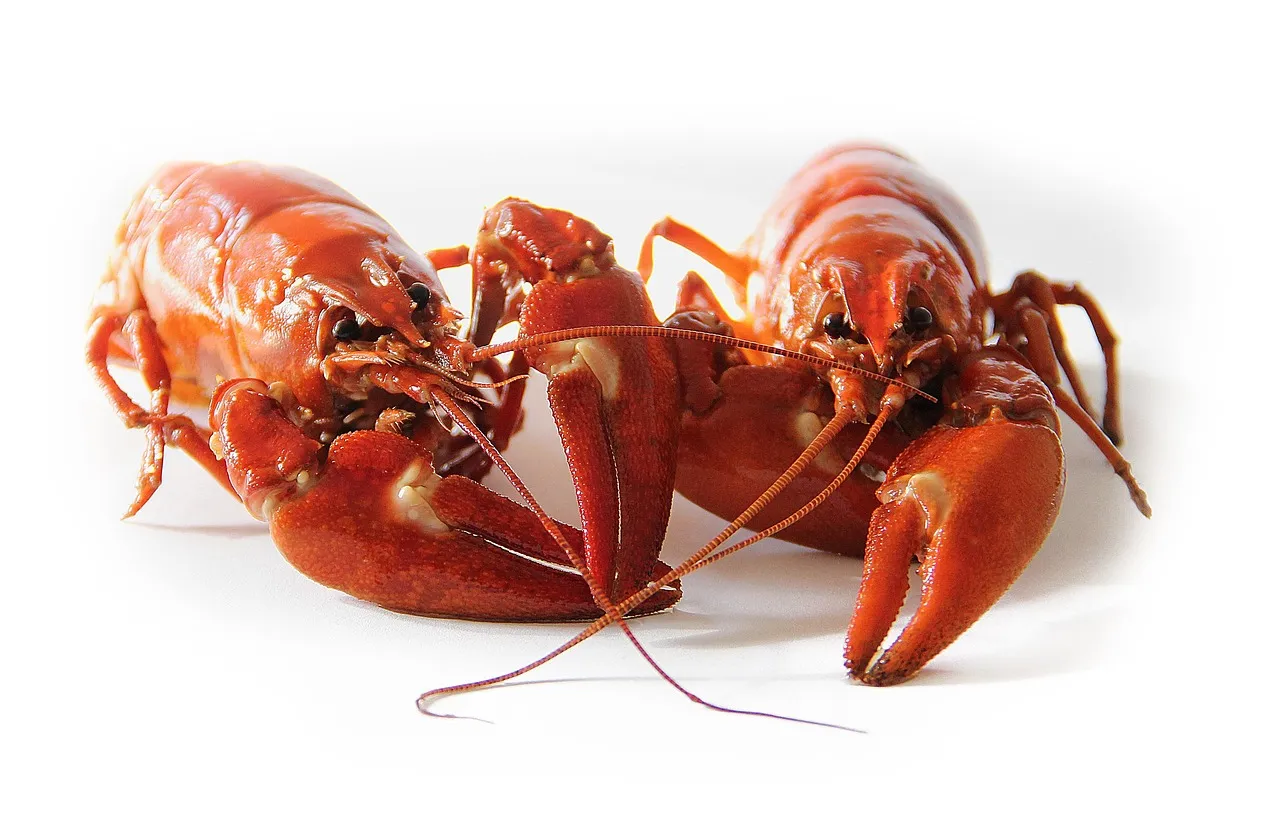
In 1959, the Louisiana Legislature designated Breaux Bridge as “the Crawfish Capital of the World.” That title wasn’t just ceremonial.
The Breaux Bridge Crawfish Festival is the world’s largest celebration of this Cajun delicacy, bringing thousands of visitors together each year for an unforgettable experience. The festival began in 1960, when Breaux Bridge was officially granted that distinction by the Louisiana legislature.
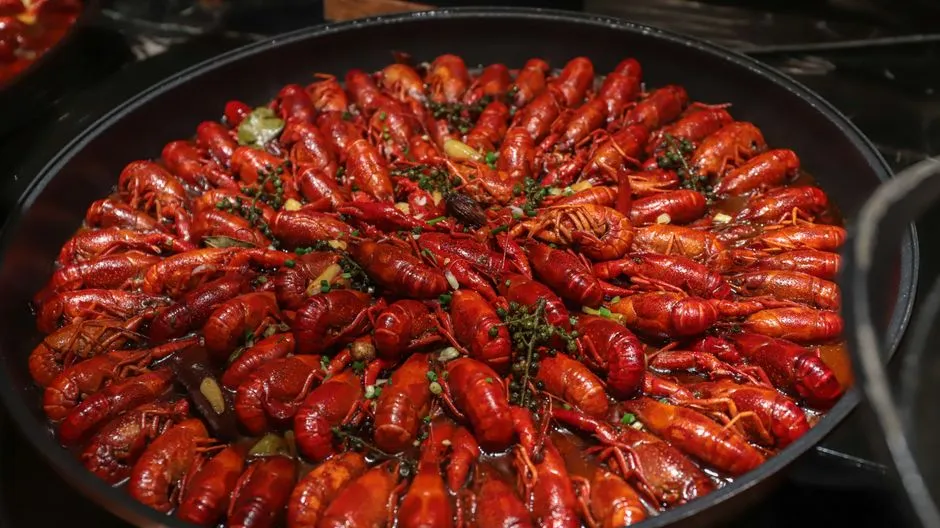
Visitors enjoy tasting crawfish prepared in every imaginable way – fried, boiled, in an étouffée, bisque, boudin, pie or jambalaya, and crawdogs. That’s not a marketing list; it reflects a genuine culinary tradition that locals have refined across generations.
The Crawfish Festival – A Three-Day Cultural Event
The world-famous Breaux Bridge Crawfish Festival happens each year on the first full weekend in May at Parc Hardy in Breaux Bridge, Louisiana. It draws visitors from across the country and well beyond.
Activities include 30 Cajun, Zydeco and Swamp Pop bands on three stages, crawfish eating contests, crawfish races, an étouffée cook-off, and Cajun dance lessons. Admission ranges from five to fifteen dollars depending on the day, with an advance three-day pass available for twenty-five dollars.
CNN, ABC, NBC, CBS, The Food Channel, PBS, and numerous filmmakers have done documentaries on the festival. It has been featured in publications including Southern Living, National Geographic, and The New York Times. The Breaux Bridge Crawfish Festival was also named a top ten food festival by USA Today.
Louisiana’s Staggering Tourism Numbers Tell a Broader Story
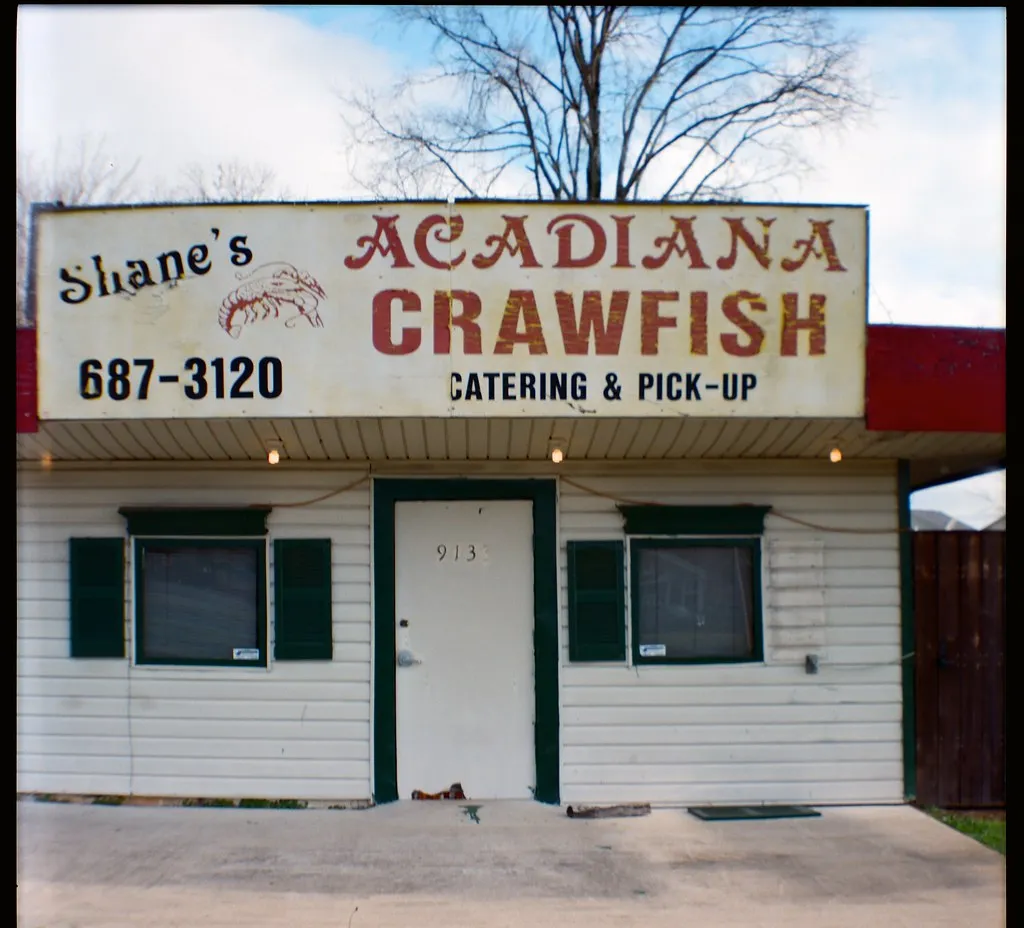
The draw of Cajun Country isn’t niche – it’s part of a larger pattern of people seeking something grounded and real. With more than 40 million visitors recorded in 2024, Louisiana draws domestic and international tourists in droves thanks to its rich cultural heritage, scenic swamps, and thriving seafood scene.
Acadiana, often called Cajun Country, is a 14,500-square-mile region in southern Louisiana, a couple of hours’ drive west from New Orleans. Breaux Bridge sits at the cultural heart of that region. To encounter cultural heritage, scenic swamps, and great seafood all in one place, St. Martin Parish is an ideal destination – established along Louisiana’s Atchafalaya Basin, this storied region offers a glimpse into the idyllic side of the Pelican State.
The Atchafalaya Basin – North America’s Largest River Swamp
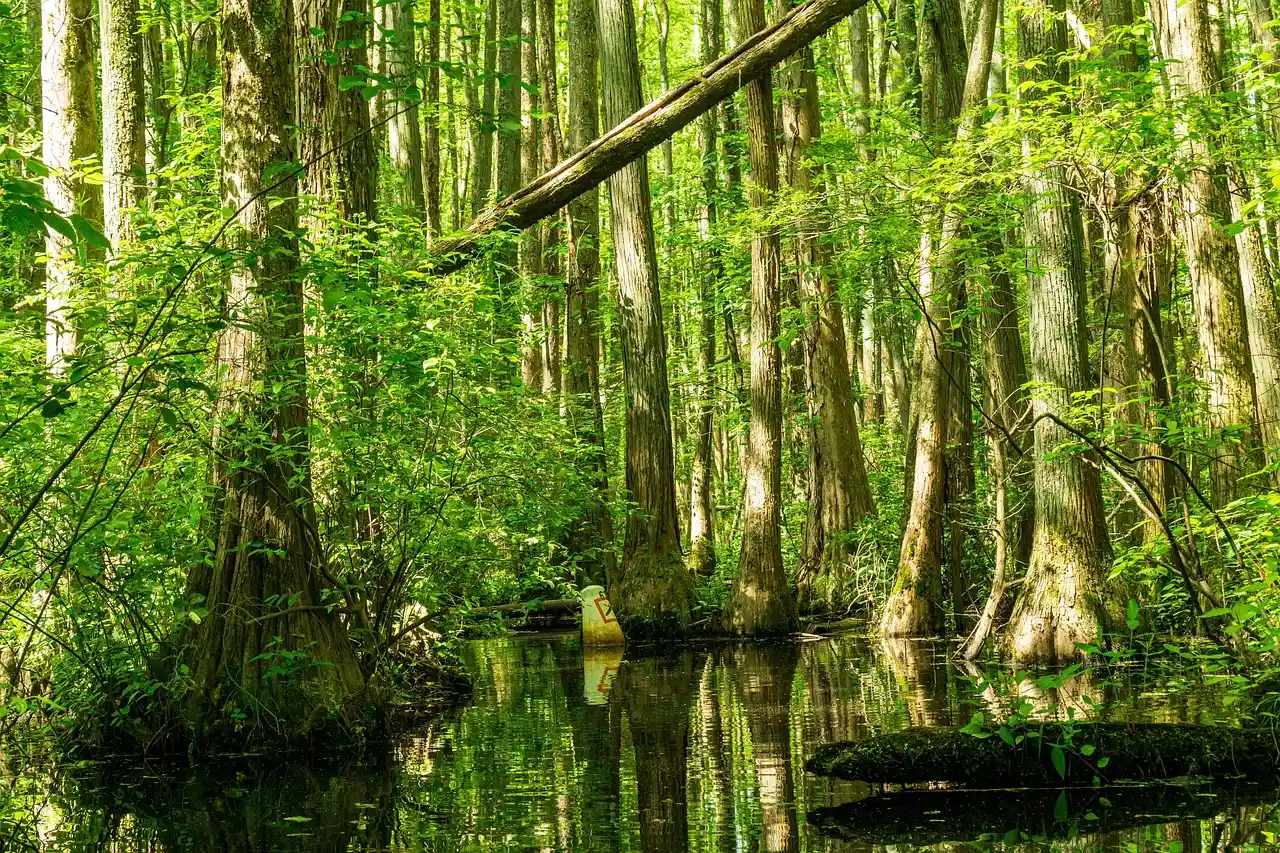
The Atchafalaya Basin is the nation’s largest river swamp, containing almost one million acres of the nation’s most significant bottomland hardwoods, swamps, bayous, and backwater lakes. That’s not a minor natural feature – it’s one of the most ecologically significant landscapes on the continent.
The town is encircled by rivers and waterways, including the Atchafalaya Basin. Breaux Bridge is a breathtaking stop along the tourism route known as the Bayou Teche Scenic Byway, where travelers can experience unparalleled views and witness the bountiful nature – from cypress trees and water lilies to alligators and water birds – that exists within St. Martin Parish.
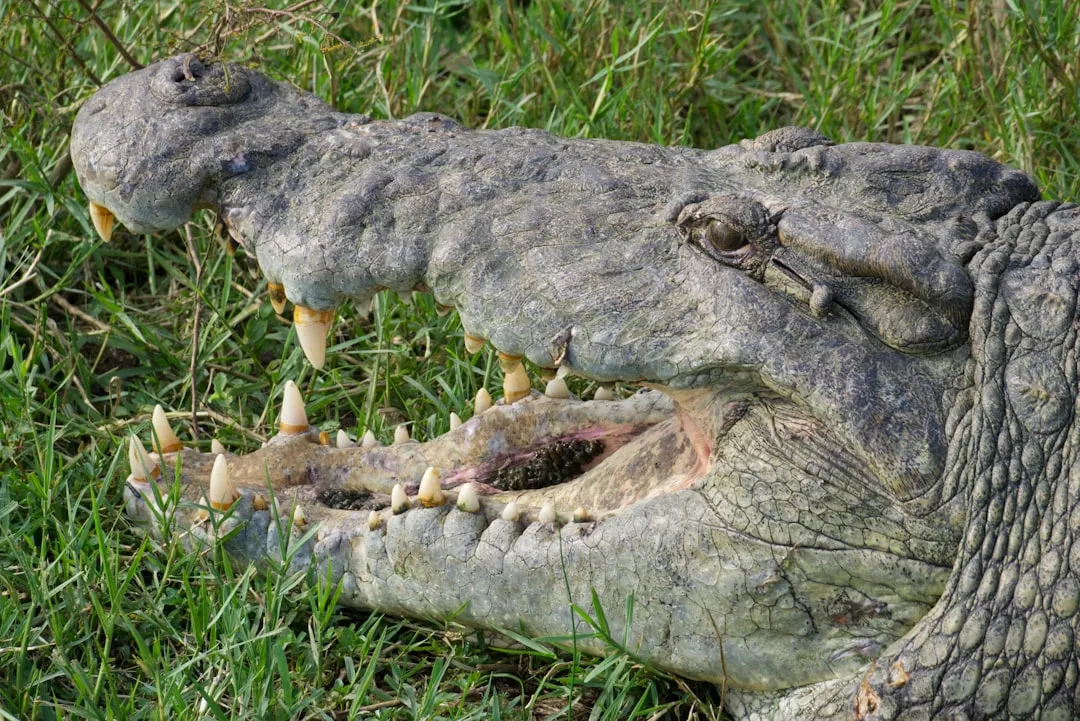
Besides the giant cypress trees and abundant fauna, the swamp is home to a variety of alligators, turtles, snakes, birds, and other wildlife. For anyone who has spent a weekend watching this landscape from a slow-moving boat, the description doesn’t feel like an overstatement.
Lake Martin – a World-Class Rookery on the Edge of Town
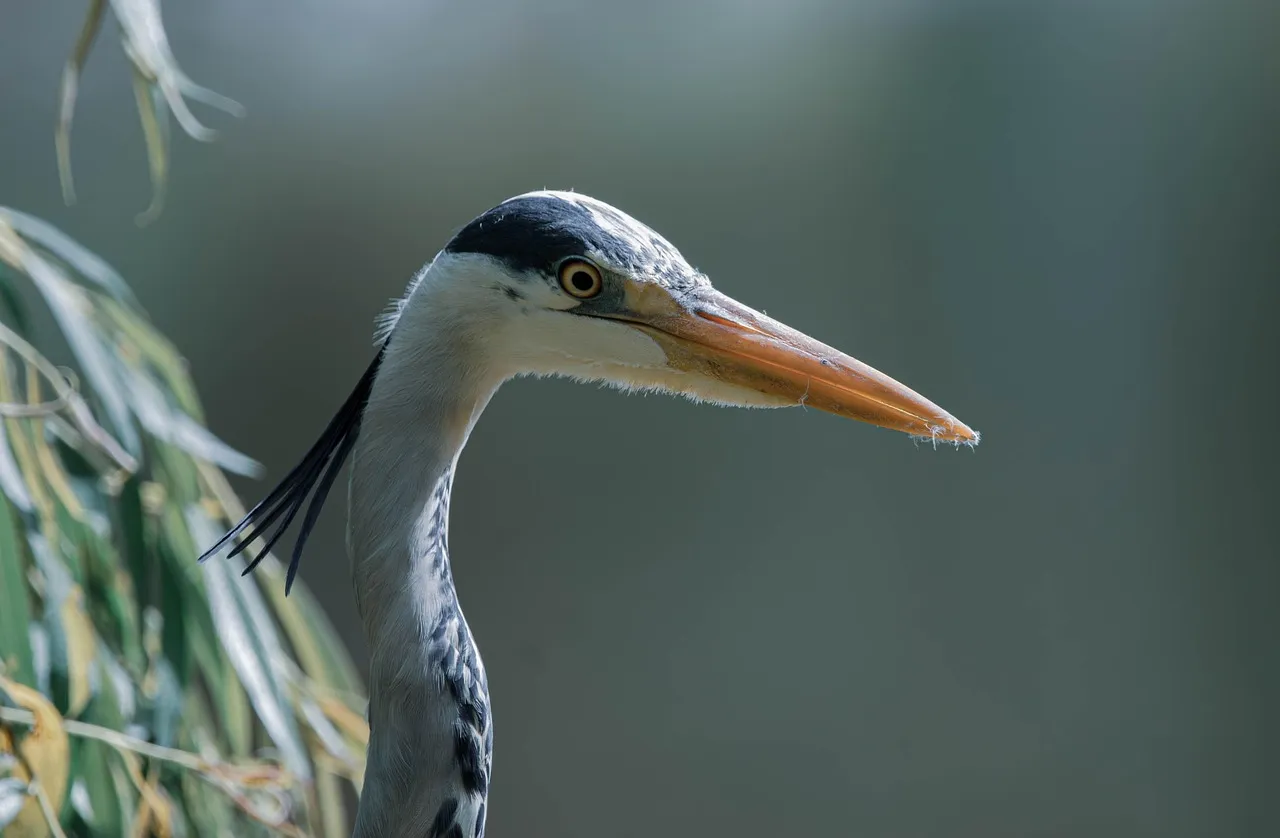
Within a short drive from Lafayette lies Lake Martin near Breaux Bridge, a swampy ecosystem that’s home to nesting water birds, native plants, and alligators. It’s one of those places that rewards patience and quiet.
Neighboring Lake Martin is the largest nesting area of wading birds in the whole country. Visitors may spot herons, egrets, roseate spoonbills, owls, and pileated woodpeckers, among other nesting birds, as well as a variety of wildlife at Lake Martin.
Champagne’s Cajun Swamp Tours offers the top-rated boat tours on Lake Martin, including authentic guided boat tours, kayak rentals, and world-class birdwatching. Several operators offer tours with real ecological depth, run by guides who grew up on this water and know it intimately.
Live Cajun and Zydeco Music – Not a Performance, a Way of Life

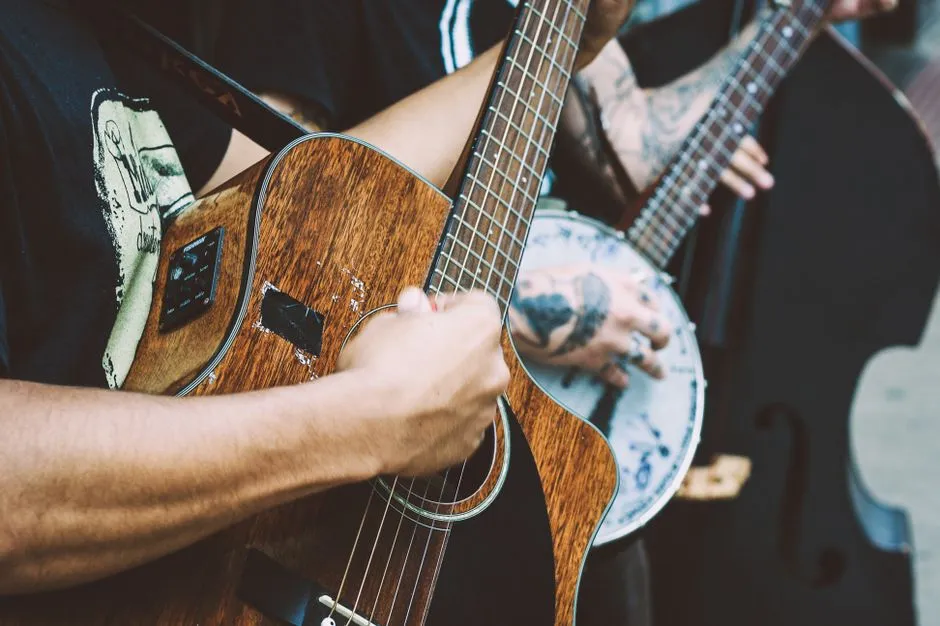
With its relaxing atmosphere, quaint downtown streets, and traditional Cajun and funky Zydeco music, Breaux Bridge is the perfect culturally-rich getaway. The music here isn’t packaged for tourists. It grows out of the same community that has been playing these rhythms for generations.
Breaux Bridge has traditional Cajun and funky Zydeco music, world-famous cuisine, and a rich history filled with interesting stories. Venues like La Poussiere Cajun Dancehall have been part of the local fabric for decades, offering weekend dances that attract both longtime residents and visitors who discover something they didn’t expect to find.
The Breaux Bridge Crawfish Festival is well known for its music and lively atmosphere. Visitors can enjoy an eclectic lineup of live bands performing a mix of Cajun, Zydeco, blues, and other genres rooted in Louisiana culture. Outside of festival season, the music doesn’t stop – it simply moves indoors.
Food That Earns Its Reputation
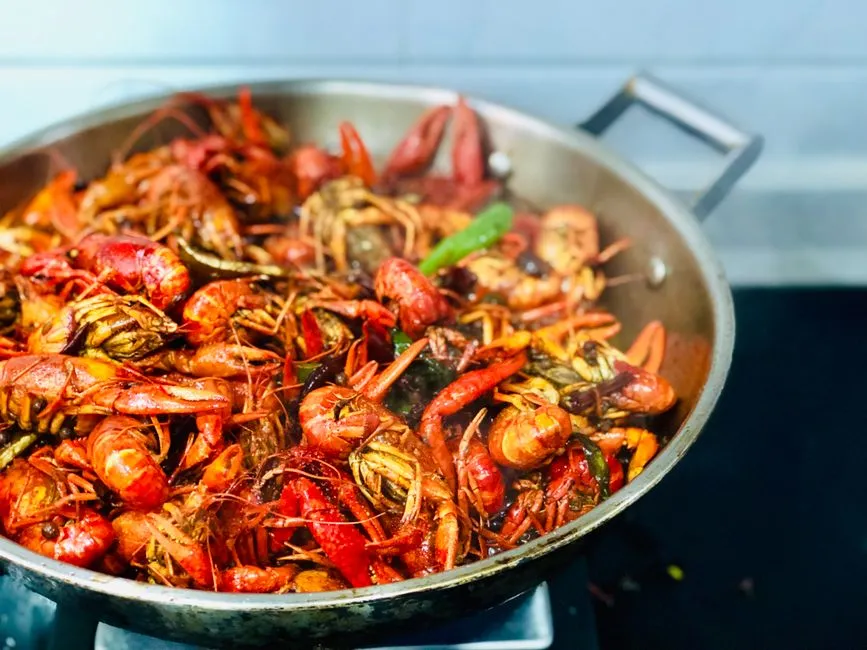
Nestled along the banks of the slow-rolling Bayou Teche, Breaux Bridge is a gorgeous historic town with world-class restaurants and a thriving Cajun music and folk art scene. The food culture here is unpretentious in the best possible way.
Besides crawfish, there are ample opportunities to savor other Cajun favorites such as shrimp, crab, gumbo, fried alligator, and red beans and rice. Unusual local specialties like seafood gumbo, gateau syrup cakes, and sweet dough pies are also worth seeking out.
The dining scene draws on the same Acadian heritage that shaped the town itself. Events at local venues like Maison Madeleine have featured guest chefs, sometimes James Beard-nominated, and Grammy-caliber musicians. That combination of serious culinary craft and genuine musical tradition is something that’s genuinely hard to find anywhere else in the country.
A History Rooted in Acadian Resilience
The settlement of Breaux Bridge originated with Acadian exiles fleeing the British expulsion from Nova Scotia during the Great Upheaval of 1755 to 1764, who began arriving in Louisiana’s Attakapas region along Bayou Teche as early as 1765.
In the 18th century, the Acadians – French colonists forcibly expelled from Canada – migrated to Louisiana’s Cajun Country and settled along the banks of the Bayou Teche. The bayou served as their primary means of transportation, with settlements such as St. Martinville and Breaux Bridge emerging along its path.
Today, the Acadian and Cajun culture remains strong in this region, with towns like Breaux Bridge maintaining strong ties to their Acadian roots. That continuity isn’t accidental. It takes communities who choose to preserve their language, food, music, and traditions across centuries.
Antique Shops, Boutiques, and a Downtown Worth Wandering
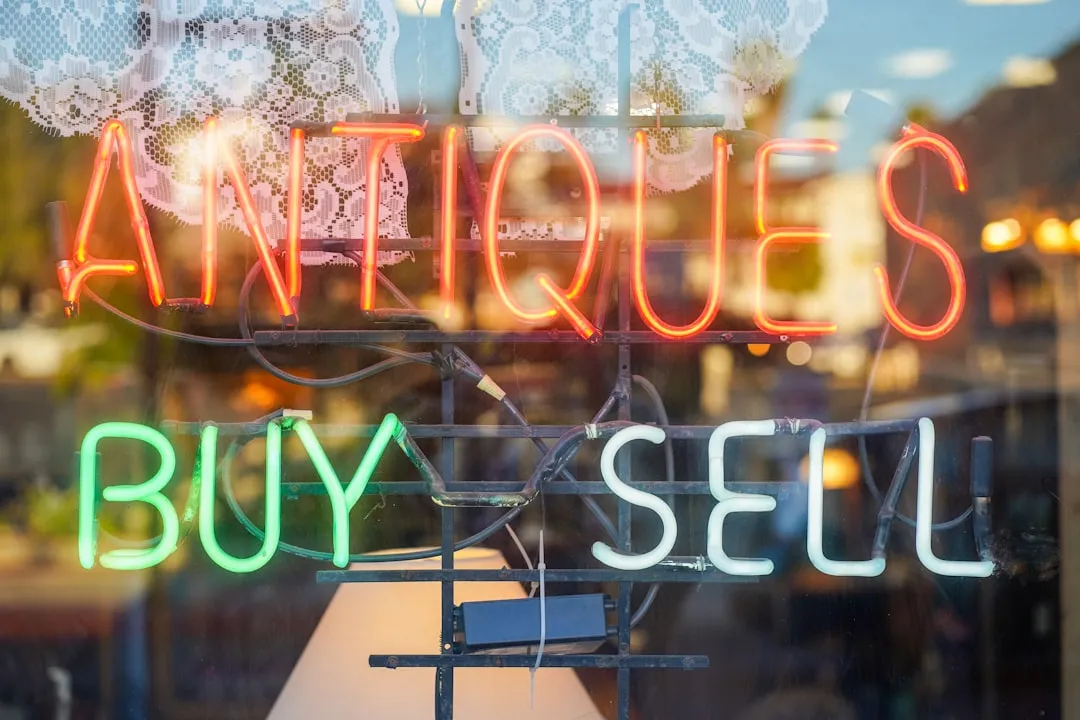
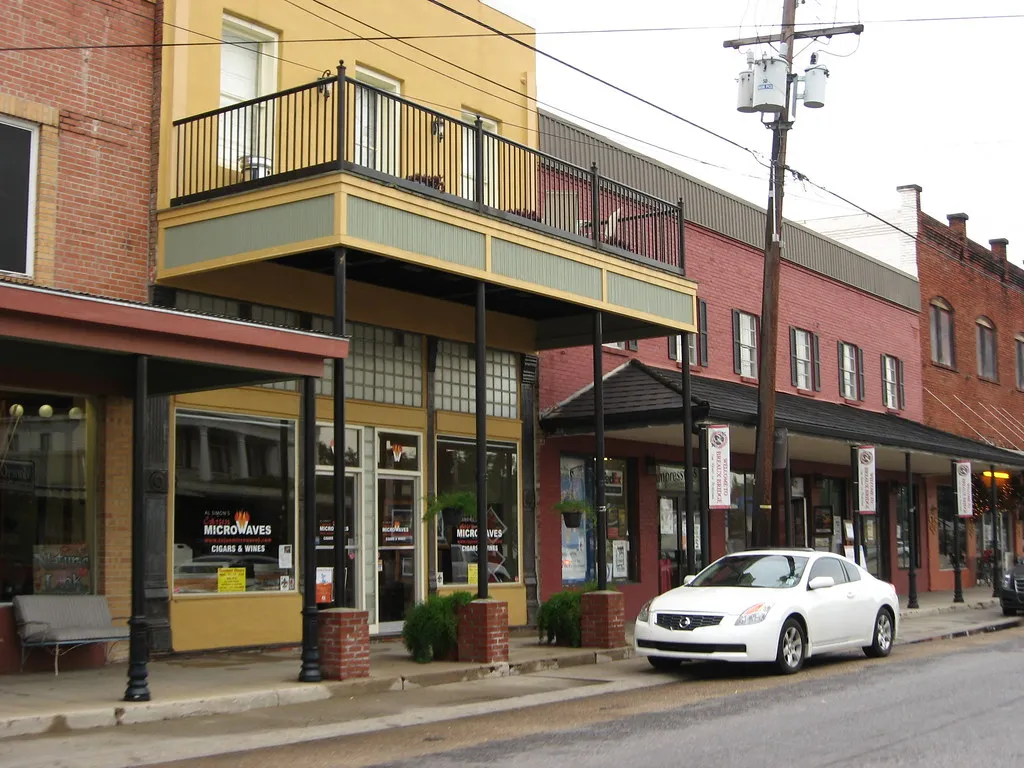
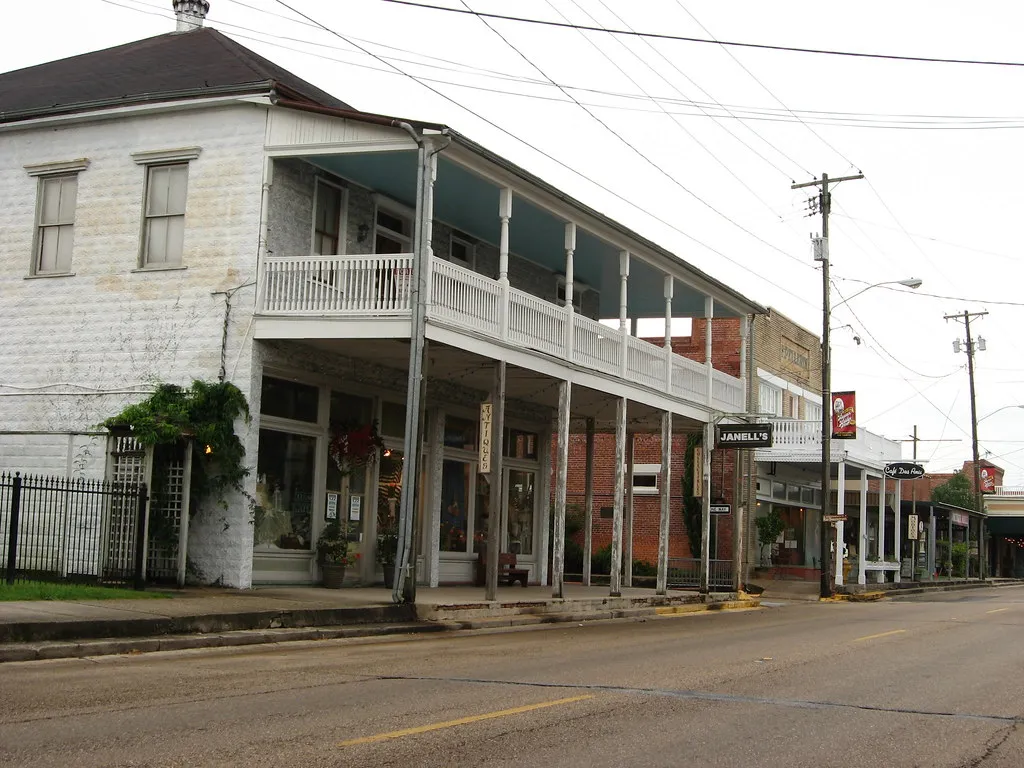
Strolling the quaint downtown streets of Breaux Bridge, you’ll find yourself transported back to a time before life became hectic. Down here, neighbors still know you by name.
Breaux Bridge is also home to lovely antique shops and boutiques, making it a perfect weekend getaway for those who enjoy browsing at their own pace. The downtown moves slowly, and that’s the point. There’s no pressure to rush from attraction to attraction. A good afternoon in Breaux Bridge might just be a slow walk, a long lunch, and a chance conversation with someone who’s lived there their whole life.
While the Crawfish Festival is what Breaux Bridge is most famously recognized for, the town exhibits a fascinating culture and history that extends far beyond their weekend of revelry.
The Bayou Teche Scenic Byway – A Drive Worth Taking Slowly
Bayou Teche is a 125-mile-long waterway located in south-central Louisiana. It was the Mississippi River’s main course when it developed a delta around 2,800 to 4,500 years ago. The bayou flows through the heart of Acadiana and is surrounded by wetlands, swamps, and the Atchafalaya Basin.
Breaux Bridge is part of the Bayou Teche Scenic Byway, which winds through south Louisiana’s lush swamps. Driving this route without rushing reveals a landscape that feels genuinely ancient – Spanish moss draped over live oaks, herons standing motionless at the water’s edge, and small communities that have been here since before Louisiana was a state.
Bayou Teche is home to a variety of plant species, including cypress, oak, and magnolia trees. The byway gives travelers the rare chance to move through a working, living ecosystem rather than a preserved or curated version of one.
Why New Orleanians Keep Coming Back
There’s something specific about what Breaux Bridge offers a New Orleanian on a Friday afternoon. It’s not escape from culture – it’s a different expression of the same deep Louisiana roots, minus the crowds and the noise.
Breaux Bridge is the gateway to authentic Cajun culture in south Louisiana, with traditional Cajun and funky Zydeco music, world-famous cuisine, and a rich history filled with interesting stories. For someone raised on New Orleans jazz and Creole cooking, Cajun Country offers a related but distinct thread of the same cultural fabric.
The Atchafalaya Basin has long been a vital component of Cajun and Creole culture and a habitat for fish, crawfish, alligators, and thousands of migratory birds. The landscape itself connects the two cultures across geography and history. When New Orleanians say they’re heading to Breaux Bridge for the weekend, they’re not leaving Louisiana behind. They’re going deeper into it.
Getting There and What to Keep in Mind
Breaux Bridge is conveniently located just off I-10 at Exit 109, three hours east of Houston and two hours west of New Orleans. The drive is straightforward and, once you’re past Baton Rouge, genuinely scenic.
Breaux Bridge is located just east of Lafayette on I-10 at Exit 109, and close to Henderson, the gateway to the great Atchafalaya Basin Swamp. Pairing a visit to Breaux Bridge with the nearby town of Henderson gives travelers easy access to basin boat tours and a deeper sense of the wetland landscape surrounding the whole area.
Spring is peak season, with the Crawfish Festival drawing the largest crowds in early May. Fall and winter visits tend to be quieter and more contemplative – a different kind of reward entirely.
The Takeaway
Breaux Bridge doesn’t try to be a getaway destination. It simply is one. The food is serious, the music is real, the water is everywhere, and the history runs deeper than most visitors expect.
For New Orleanians who know their own city well, it offers something genuinely refreshing: a place that shares the same cultural lineage but operates on a different rhythm. Slower, quieter, more grounded in the land and the water around it.
Breaux Bridge proudly holds the title of the “Crawfish Capital of the World,” and each year this charming town comes alive with the vibrant sounds, flavors, and traditions of Louisiana. Whether you arrive during festival season or on a random October weekend when the bayou is still and the egrets are out, the town tends to leave an impression that lingers longer than a single trip.
AI Disclaimer: This article was created with the assistance of AI tools and reviewed by a human editor.