
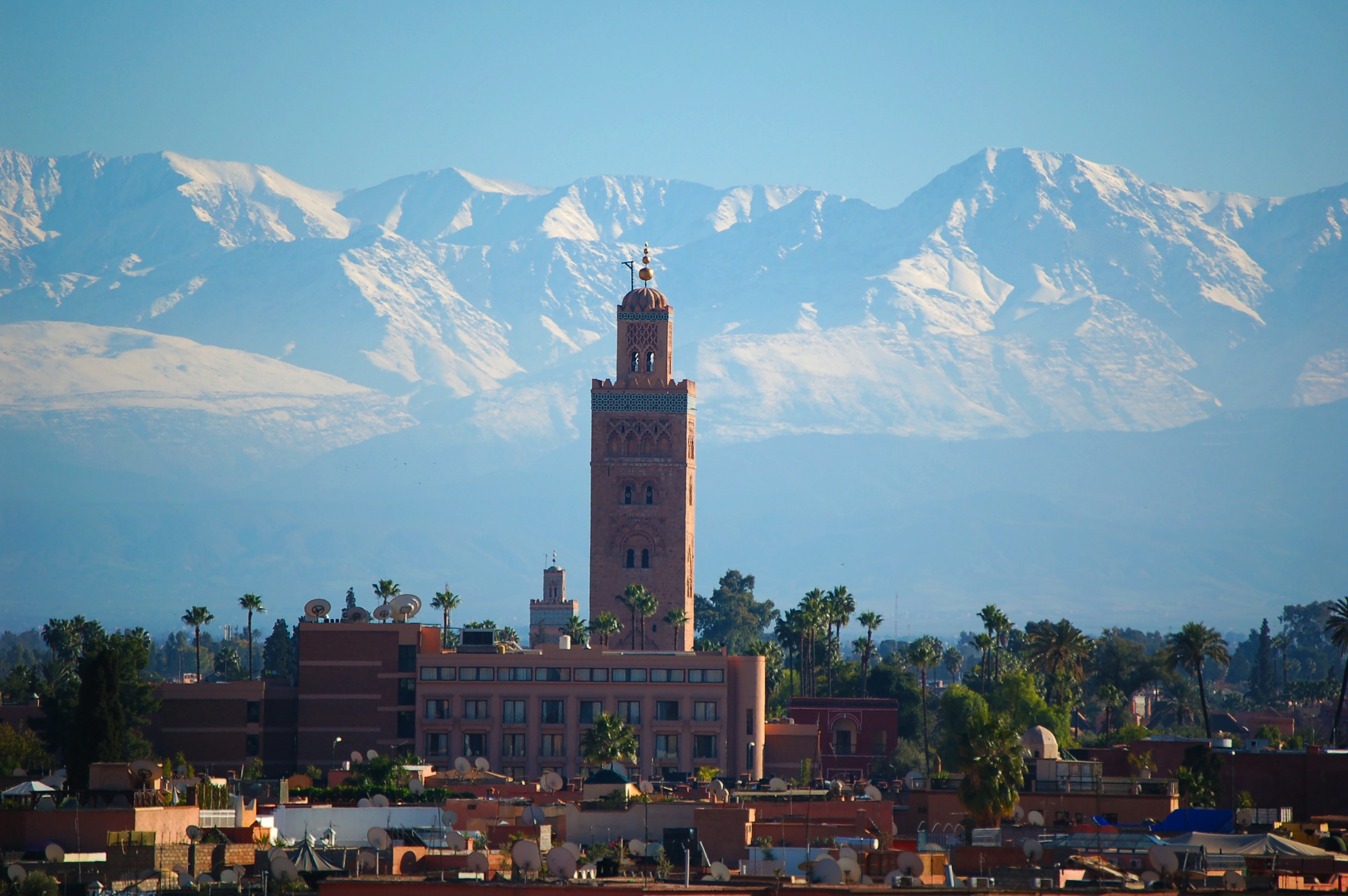

There’s a particular kind of stillness that settles over you inside a traditional Moroccan hammam. The warm steam, the low murmur of water, the faint scent of olive soap on warm stone. It doesn’t feel like a spa. It feels older than that, more grounded, more communal.
While Nordic saunas and Balinese retreats tend to dominate the wellness travel conversation, the Moroccan hammam has been quietly gaining ground. Backed by real market momentum and rooted in centuries of living tradition, it may be the most substantive wellness experience most travelers still haven’t tried.
A Ritual With Deep Roots
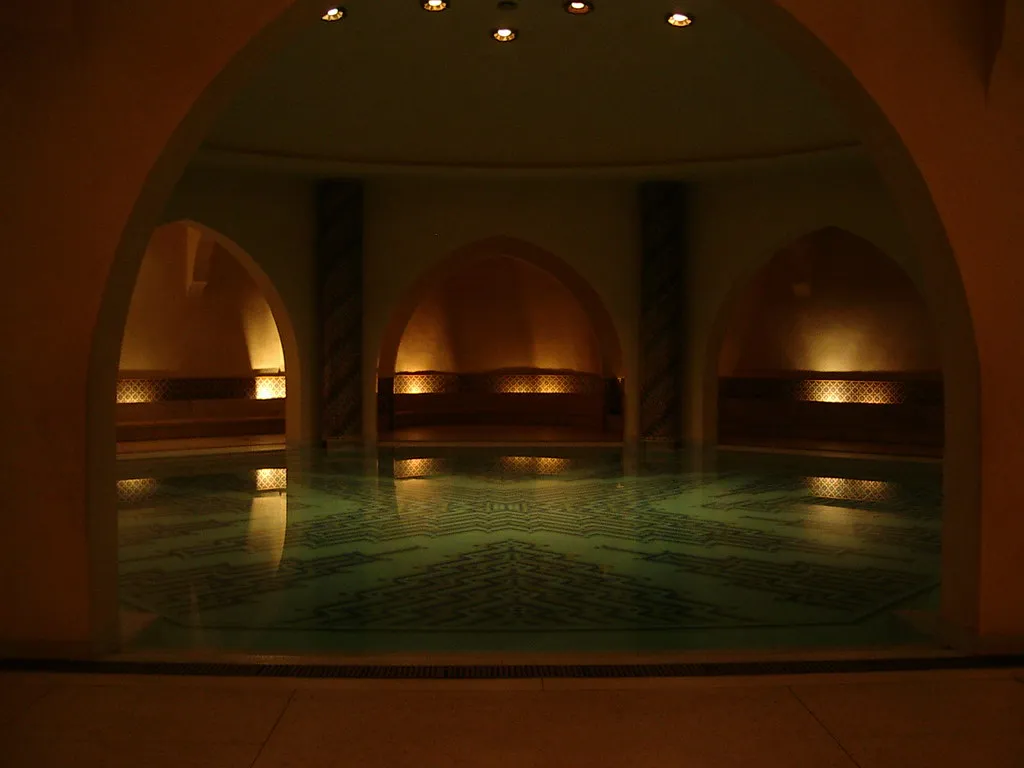
The Moroccan hammam dates back to ancient times, influenced by Roman baths and Islamic culture. Over centuries, it became an essential institution in Moroccan cities and villages. Historically, the hammam was not only a place for hygiene but also for social interaction, relaxation, and preparation for religious events.
More than just a spa treatment, the traditional Moroccan hammam is a centuries-old ritual deeply woven into the country’s cultural fabric. It is a journey of purification that blends social connection with a profound sense of physical and spiritual wellness.
The hammam is also a social experience, often shared with friends or family members as a moment of relaxation and well-being. That communal dimension is precisely what makes it feel so different from a solo spa appointment booked online.
The Global Wellness Travel Boom Is Real
The global wellness tourism market was valued at nearly $990 billion in 2025 and is projected to grow from over $1 trillion in 2026 to $2.4 trillion by 2035, at a compound annual growth rate of 9.3%.
The scale of the growth of wellness tourism largely mirrors what is happening in the broader wellness economy, which reached a new peak of $6.8 trillion in 2024 and has doubled in size since 2013. Within this expansion, culturally rooted rituals are becoming a distinct draw.
The market is also seeing the rise of specialized destinations offering unique experiences like traditional hammam rituals and halotherapy salt caves, reflecting a global demand for both cutting-edge science and authentic cultural healing.
Morocco’s Tourism Numbers Tell a Clear Story
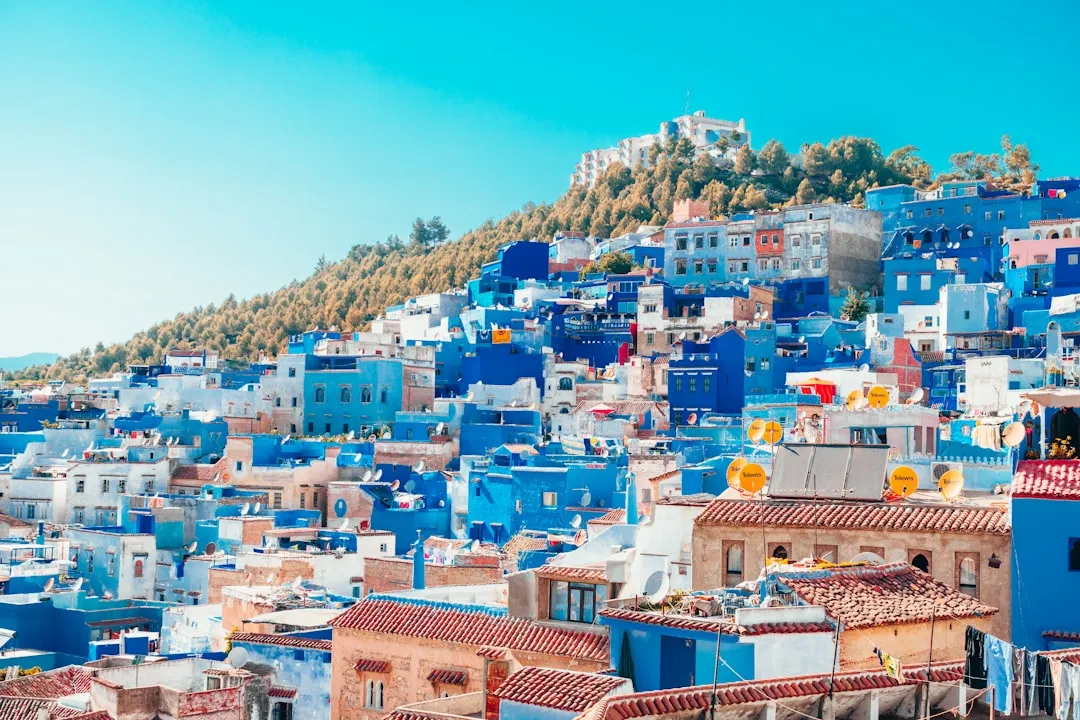
Morocco recorded a record 19.8 million tourist arrivals in 2025, generating revenues of more than $13 billion, according to the Ministry of Tourism. Visitor numbers rose 14% from 2024, while tourism receipts reached 124 billion dirhams, up 19% year on year. Both figures marked all-time highs.
In 2024, Morocco recorded 28.7 million overnight stays, a 12% increase compared to 2023. The growth in overnight stays, which outpaces the growth in arrivals, signals an increase in average stay duration, a positive indicator of visitor satisfaction.
The wellness sector specifically saw a 15% increase in demand in 2024, especially from travelers seeking wellness retreats. That figure places Morocco clearly within a broader shift toward purposeful, experience-driven travel.
The Hammam Market Itself Is Expanding
The global hammam market is forecasted to expand from $2.31 billion in 2024 to $3.60 billion by 2033 at a compound annual growth rate of 5.3%. That trajectory reflects a growing appetite for steam-based, culturally authentic wellness rather than generic spa offerings.
The global wellness industry is experiencing unprecedented growth, with consumers seeking holistic and culturally rich experiences. Increasing disposable incomes in emerging markets, coupled with a rising middle class, have made luxury wellness services more accessible. The rise of health tourism, where travelers seek authentic wellness experiences, has propelled demand for hammam facilities.
The rise of high-end wellness resorts and spa services has also increased the demand for hammam experiences, especially in luxury hotels and high-end destinations. Wealthy clients are drawn to the combination of modern comforts with traditional healing methods.
What Actually Happens During a Hammam Session
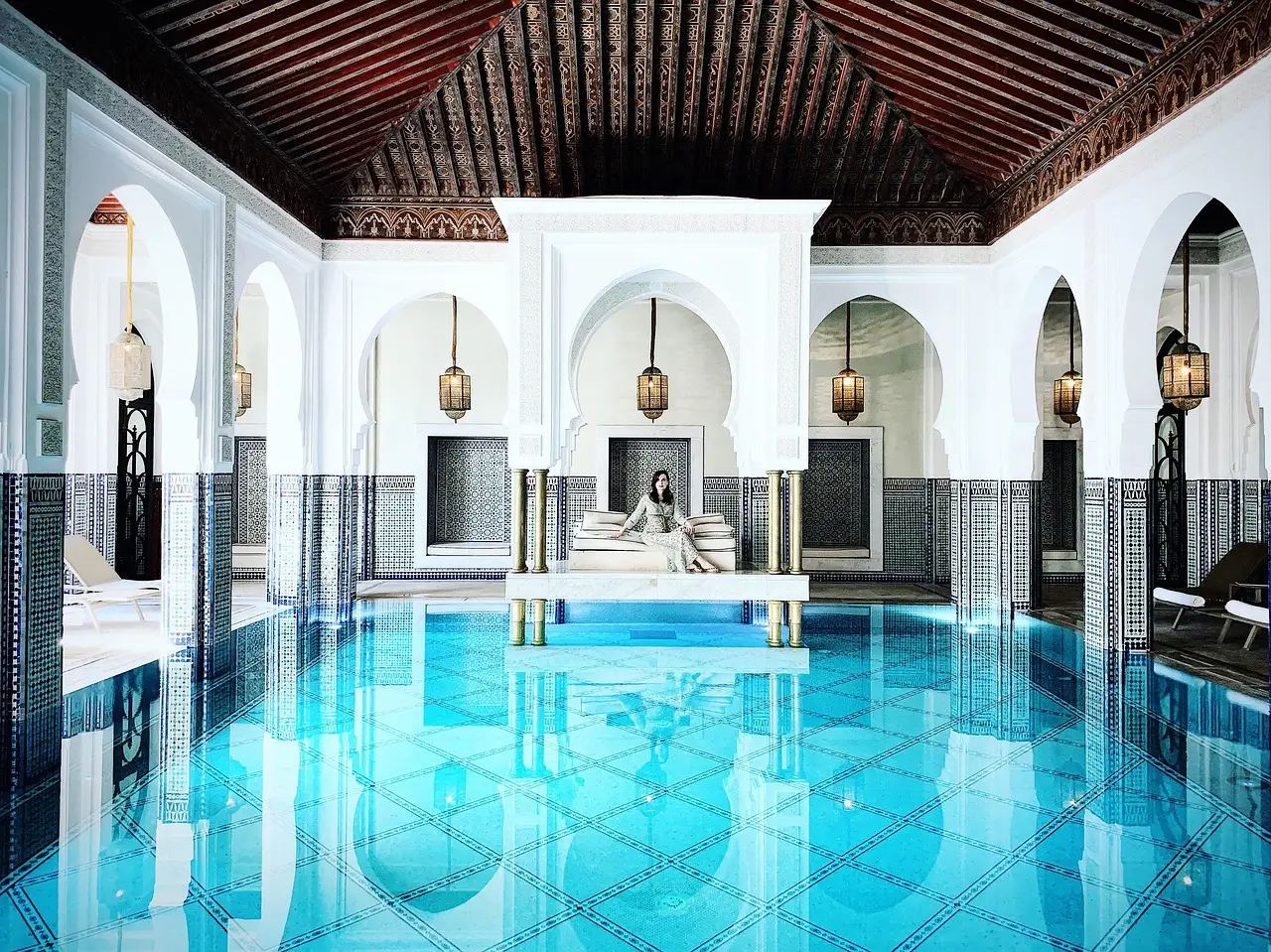
Traditional Moroccan hammams have three rooms: a dry-heat room, a warm room, and a cool room, each at a different temperature. You begin in the dry, hot room to help your body adapt to the heat, open the pores, and relax the mind. Next comes the steam room, where you can truly release stress as you sweat out impurities and toxins.
The ritual begins with the application of Moroccan black soap, a natural paste made from olive oil and crushed black olives, often scented with eucalyptus. The soap remains on the skin for several minutes before being removed through vigorous exfoliation using the kessa glove, which removes dead skin cells. After rinsing, ghassoul is applied. This gray clay comes from the Middle Atlas Mountains and is rich in minerals and trace elements.
Once the ghassoul is rinsed away, the body is massaged with argan oil, known for its high vitamin E content and its nourishing and regenerative properties. The ritual usually ends in the exit room, where visitors relax and enjoy Moroccan mint tea or a refreshing drink while the body slowly cools down.
The Ingredients Are the Therapy
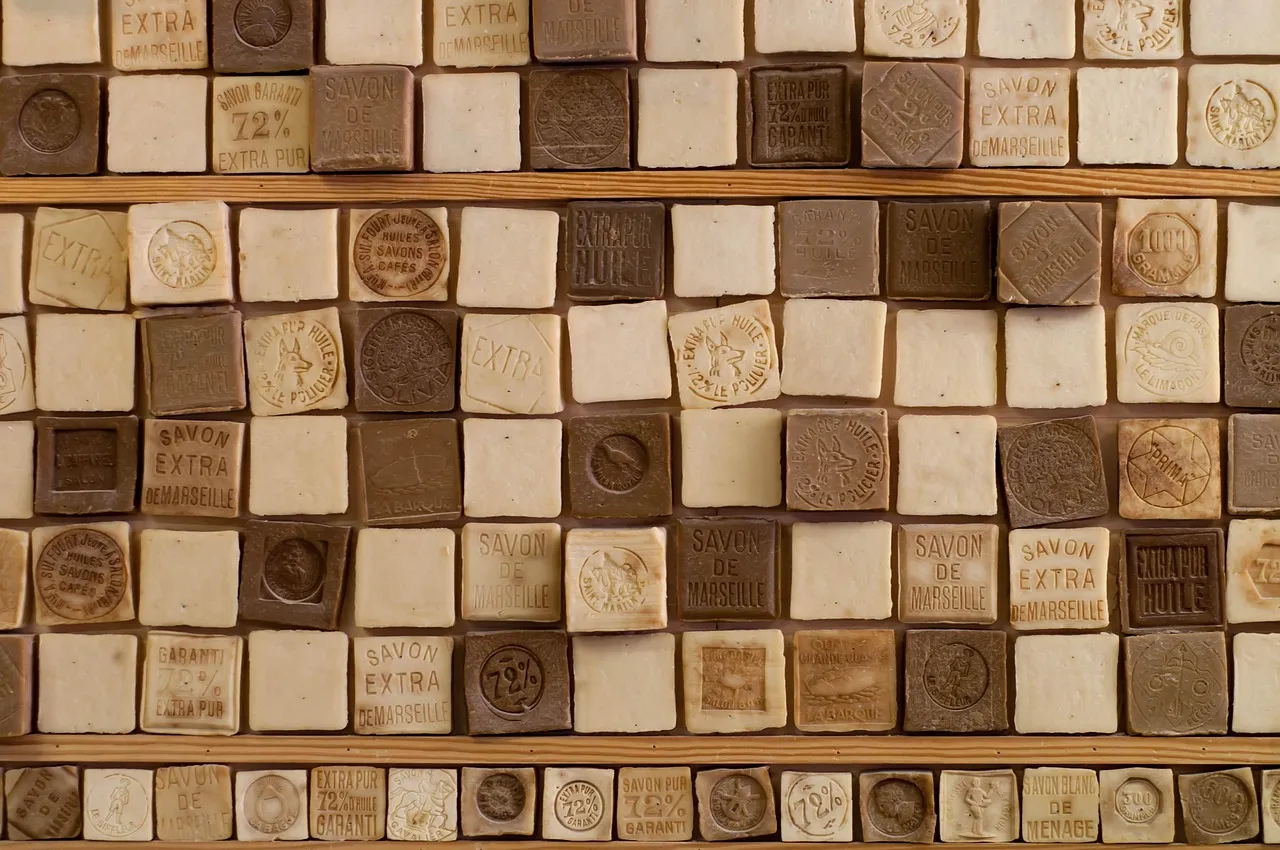
Moroccan black soap, known locally as savon beldi, is one of the most famous traditional skincare products in Morocco. It has been used for centuries as part of the Moroccan hammam ritual, a unique cleansing and wellness tradition deeply rooted in Moroccan culture. This natural soap is made primarily from olives and olive oil and is valued for its ability to deeply cleanse the skin, remove impurities, and prepare the body for exfoliation.
Ghassoul, a mineral clay harvested in the Atlas Mountains, is used as a body mask. Mixed with rose water or other hydrosols, ghassoul purifies the skin, absorbs excess sebum, and provides essential minerals. The finishing step is equally intentional.
Natural oils, such as argan oil or prickly pear oil, are massaged into the skin to deeply nourish and protect it. This relaxing massage concludes the ritual, leaving the skin radiant and revitalized.
The Physical and Mental Benefits Are Well Documented
The traditional Moroccan hammam offers numerous physical and mental benefits that contribute to overall well-being. The heat and steam help open pores, cleanse the skin deeply, and eliminate toxins, while improving blood circulation and relaxing muscles. The use of black soap, kessa exfoliation, and natural clay such as ghassoul leaves the skin soft, purified, and revitalized. Beyond its physical benefits, the hammam provides a moment of calm and disconnection from daily stress, promoting mental relaxation and emotional balance.
What makes a Moroccan bath different from a steam room, a Turkish bath, or any other spa treatment is the specific combination of products and the depth of the exfoliation. The kessa glove removes layers of dead skin that even daily home exfoliation cannot reach. The black soap softens skin in a way no commercial body wash matches. The ghassoul clay draws out toxins and remineralises the skin.
The Clean Beauty Connection Is Driving New Interest
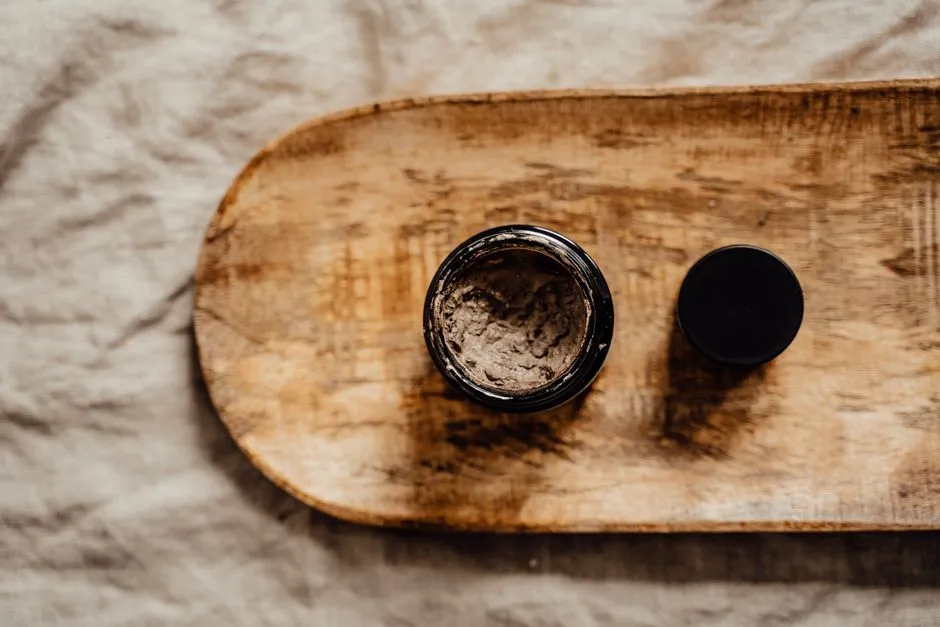
In 2026, the global rise of “Clean Beauty” has put Moroccan ghassoul back in the spotlight. This volcanic clay, found only in the Atlas Mountains, is the ultimate organic alternative for detoxifying skin and hair without harsh chemicals.
Today, traditional Moroccan soap is widely appreciated around the world in spas and wellness centers for its natural skincare benefits and its connection to ancient Mediterranean beauty traditions. That international recognition has a ripple effect, drawing curious travelers back to the source.
Hammam and spa tourism, which blends wellness experiences with branded product use, functions as a high-conversion sampling channel: guests who use argan oil treatments at a riad spa frequently seek out the brand for purchase during or after their trip.
Regional Destinations Are Expanding the Experience
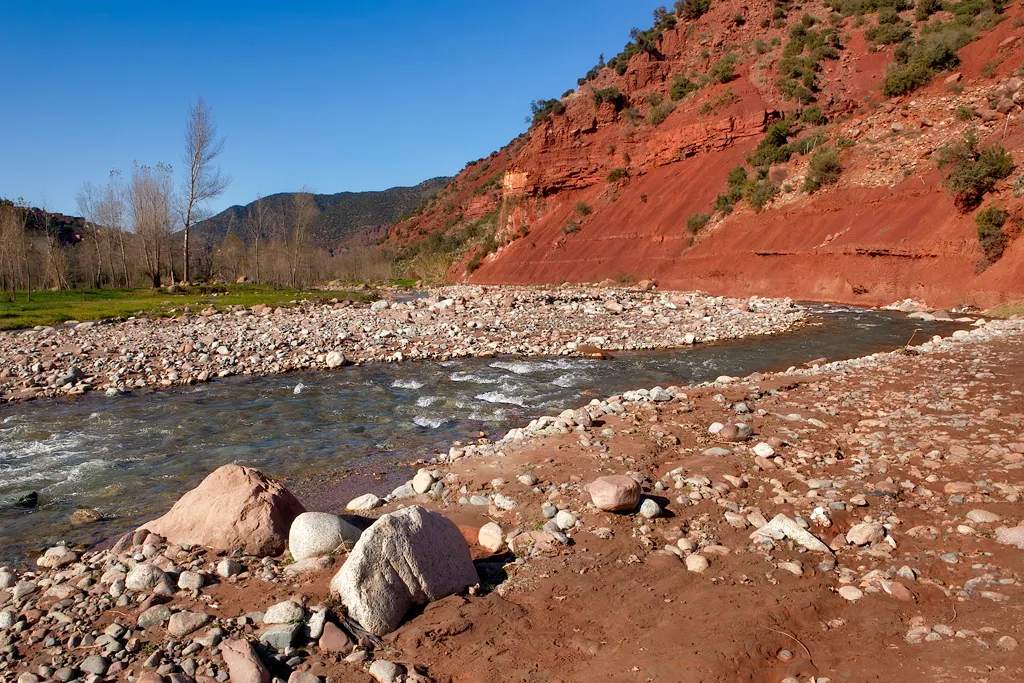
Wellness retreats in the Ourika Valley or Essaouira, desert yoga camps, and digital detox getaways are trending. Morocco’s landscapes and traditions make it a perfect destination for relaxation and reconnection.
The traditional Moroccan hammam is one of the most complete body treatments you can have, and what makes the Dakhla version worth singling out is the use of local, Saharan ingredients that you will not find in a hammam in Marrakech or Fes. Each region adds its own texture to a ritual that has never been static.
Instead of five-star hotels, high-end tourists are choosing luxury riads, private kasbahs, or tailor-made desert experiences with Moroccan hospitality at the heart. This shift reflects a growing preference for depth of experience over standardized comfort.
Accessibility Is Opening It Up to More Travelers
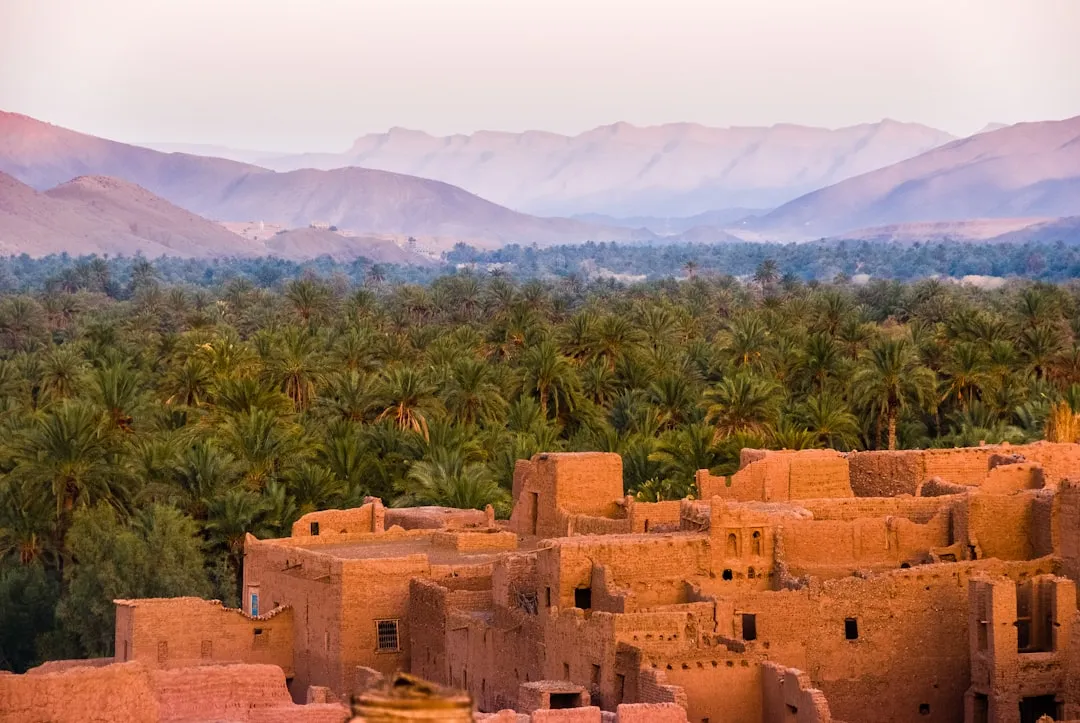
The availability of affordable flights into the country has made it more accessible, increasing the influx of visitors. With these current upward trends, Moroccan wellness tourism is foreseen to rival that of Tunisia’s within the next several years.
Moroccan authorities credited their tourism performance to a strategy covering 2023 to 2026, focused on expanding air connectivity, diversifying tourism products, and improving service quality. Stronger flight links have supported demand across leisure, culture, and events.
The Moroccan government has set a target of 26 million tourists by 2030, building on gains in connectivity and destination mix. That ambition, backed by infrastructure investment, suggests the country is deliberately positioning wellness as a core part of what it offers.
The Takeaway
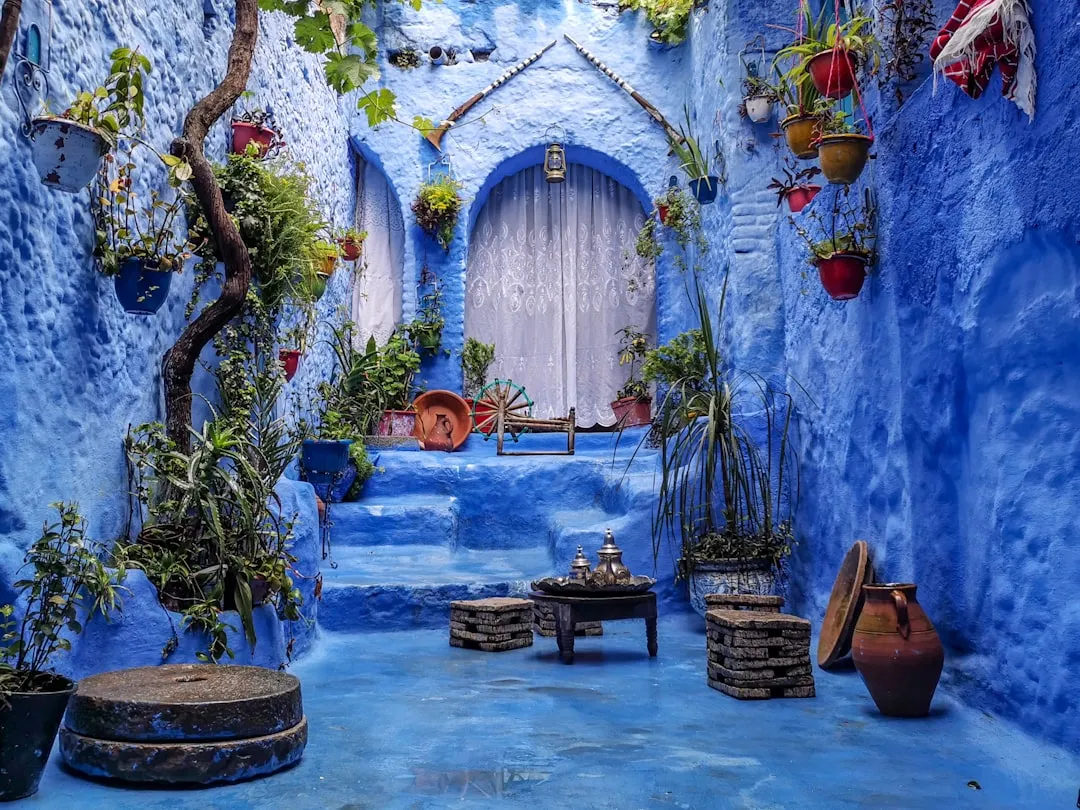
The Moroccan hammam isn’t underrated because it’s obscure. It’s underrated because it resists easy categorization. It isn’t a luxury spa day, though luxury versions exist. It isn’t a quick treatment, though it fits within an afternoon. It’s something rarer: a practiced tradition that has remained genuinely useful across centuries and still holds up under modern scrutiny.
This holistic experience explains why the traditional hammam remains an essential wellness ritual in Moroccan culture. For travelers willing to slow down and step into that rhythm, even briefly, what they find tends to stay with them long after the argan oil has dried.
AI Disclaimer: This article was created with the assistance of AI tools and reviewed by a human editor.