

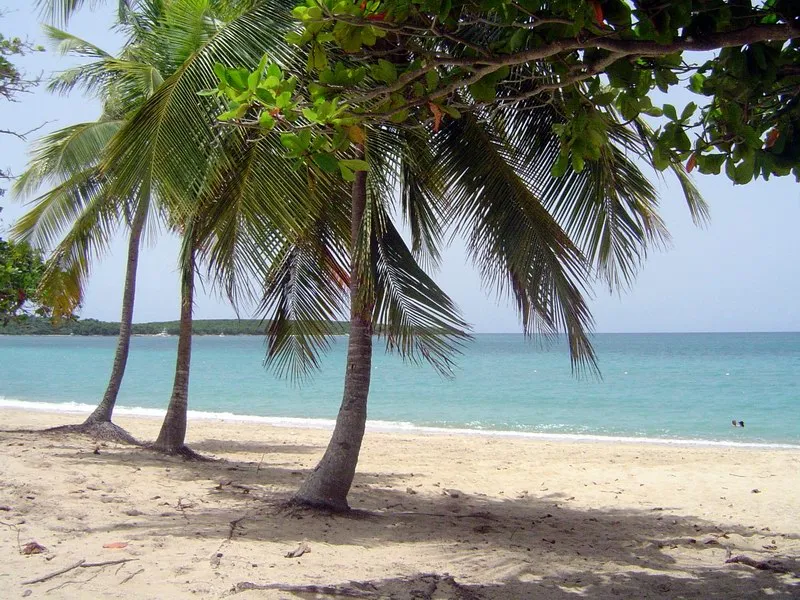
Most people picture white sand and turquoise surf when they think of Puerto Rico’s coastline. What far fewer expect is to dip their hand into a dark bay and watch it erupt in cold, electric blue light. That particular kind of wonder has a name, a science, and an address.
A Bay Unlike Any Other on the Planet
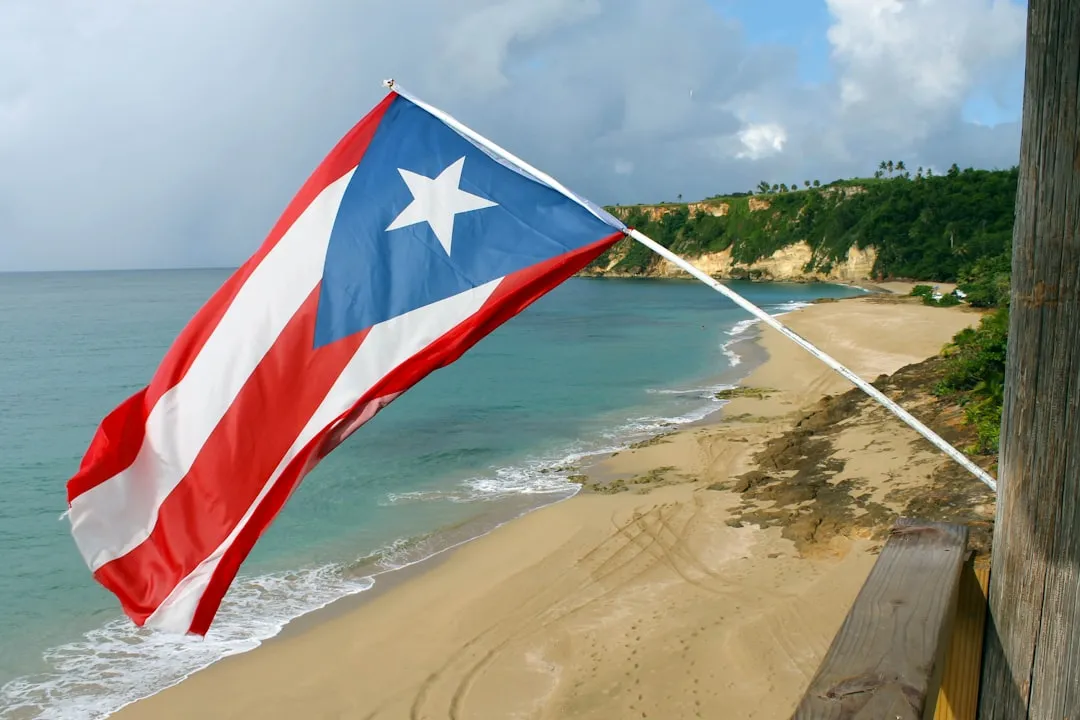
Puerto Rico is home to three of the world’s brightest permanent bioluminescent bays, more than any other destination on Earth. These three are La Parguera in Lajas, Laguna Grande in Fajardo, and Mosquito Bay on Vieques Island, a municipality off the east coast of Puerto Rico. There are only five places on the planet where the high concentration of bioluminescent plankton makes the water glow with blue light at night.
What sets these bioluminescent bays apart from others around the world is the fact that they glow throughout the year, whereas others may glow at unpredictable intervals. That year-round consistency is a rare ecological achievement, and it makes Puerto Rico a genuinely unique destination for anyone curious about the natural world.
The World Record Holder: Mosquito Bay in Vieques
Mosquito Bay, officially recognized by Guinness World Records as the brightest bioluminescent bay on the planet, is one of the most extraordinary natural phenomena you will ever witness, and it is accessible only from the small Caribbean island of Vieques, seven miles off Puerto Rico’s eastern coast. The brightest bioluminescence effect in the world can be found on the magical island of Vieques, and it was recognized by the Guinness World Record in 2006.
Vieques’s breathtaking Mosquito Bay has also been designated as one of the 2020s Seven Wonders of the World by Condé Nast Traveller. The bay’s reputation is not just marketing. It is backed by measurable science and decades of consistent observation from researchers and conservation organizations active on the island.
The Tiny Organisms Behind the Glow
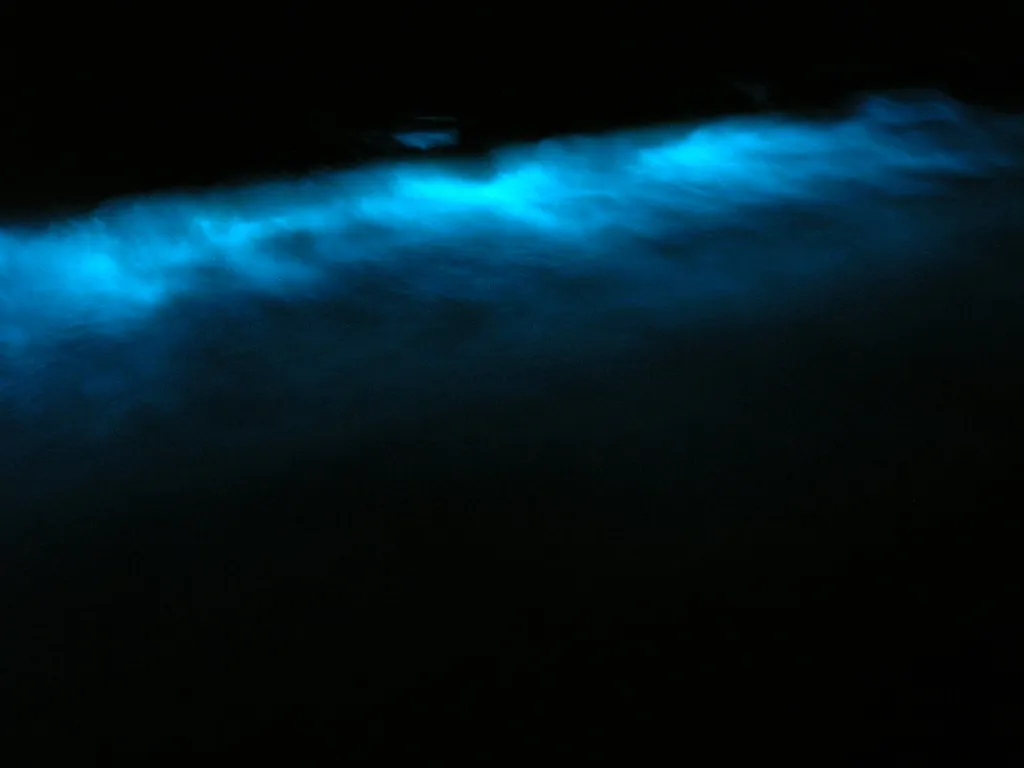
A bioluminescent bay is a rare ecosystem where the water is filled with millions of single-celled microorganisms called dinoflagellates. When these tiny organisms are disturbed, they emit a burst of light, creating the magical glowing effect. The bay’s glow comes from a specific species named Pyrodinium bahamense, which translates to “swirling fire.”
Mosquito Bay boasts the highest concentration of dinoflagellates that produce the glow, with between one and two million of them in just a single gallon of water. Scientists believe that their glow is a defense against predators. The light, in other words, isn’t decorative. It’s survival.
Why the Water Lights Up When You Move It
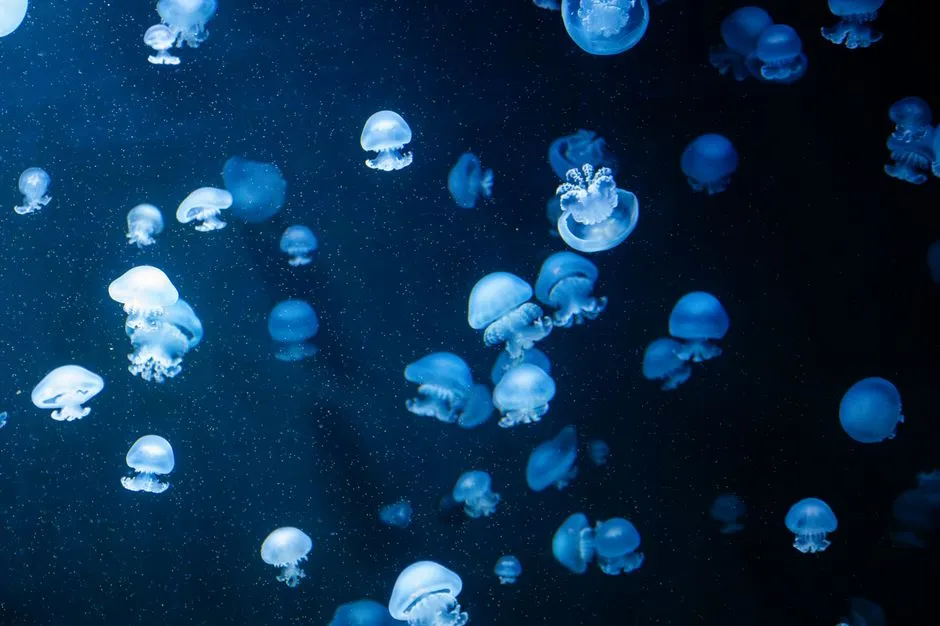
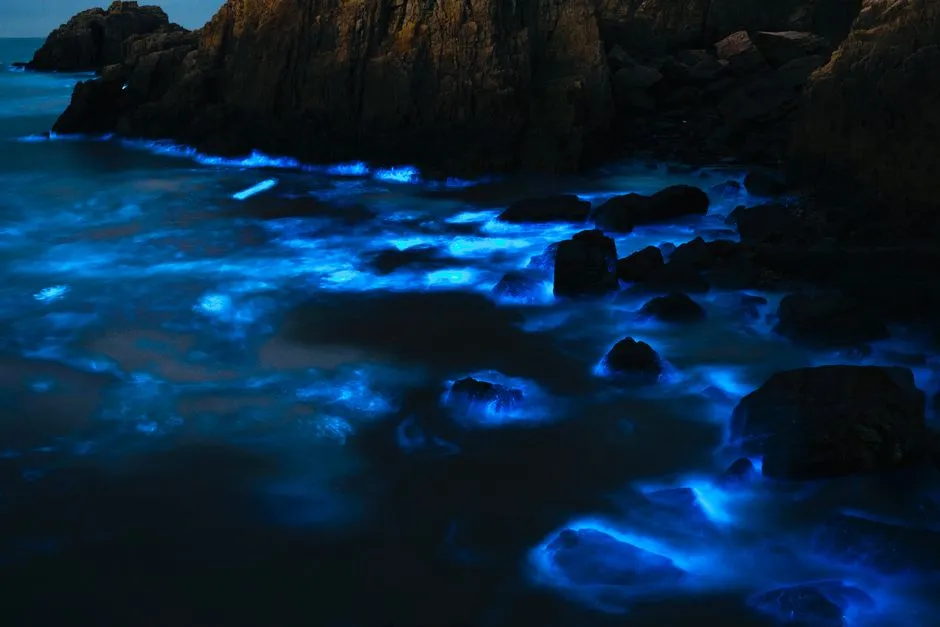
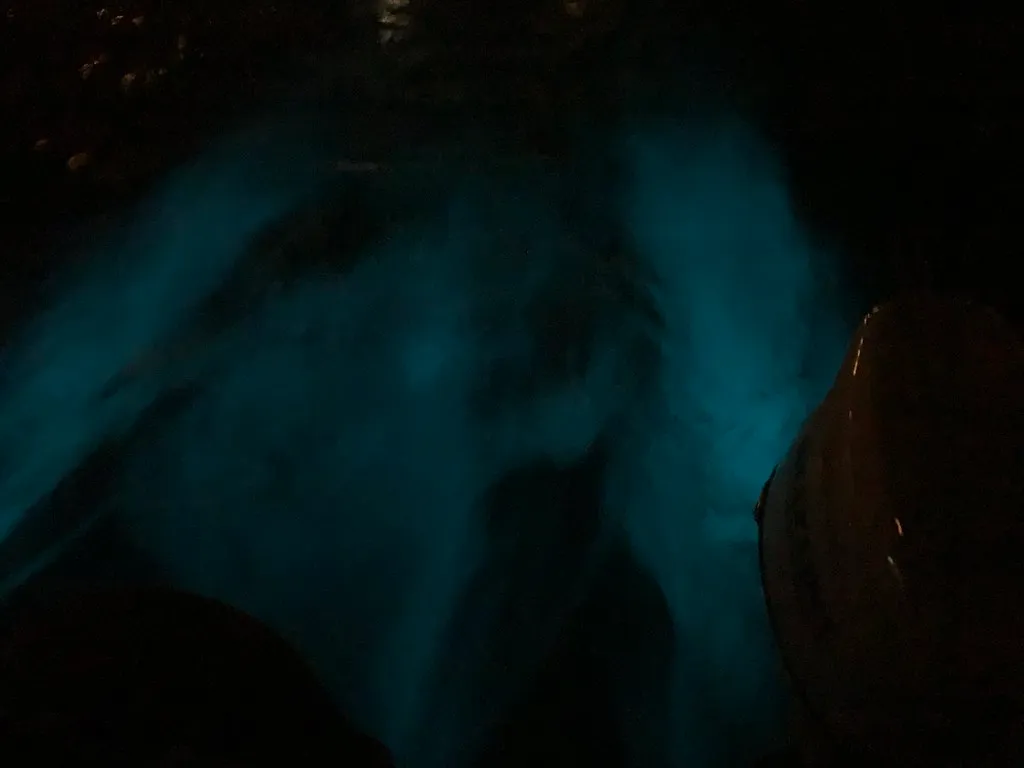
When the dinoflagellate plankton are moved in the water, pressure is put on their cell walls, which causes a chemical reaction inside their cells that makes them emit light. These microorganisms glow briefly, usually in a blue-green color, whenever they are disturbed. This means that every splash and every movement in the water causes the dinoflagellates to light up in the water around you.
The brightness is relative to how much you agitate the water. A harder stroke produces more light. Paddling near the mangroves on a dark, moonless night, large glowing zigzag patterns appear and disappear in the water as fish dart to escape approaching kayaks. Nurse sharks, rays, and even manatees are sometimes in the bay, outlined by eerie, glowing sparkles.
Why These Bays Form Where They Do
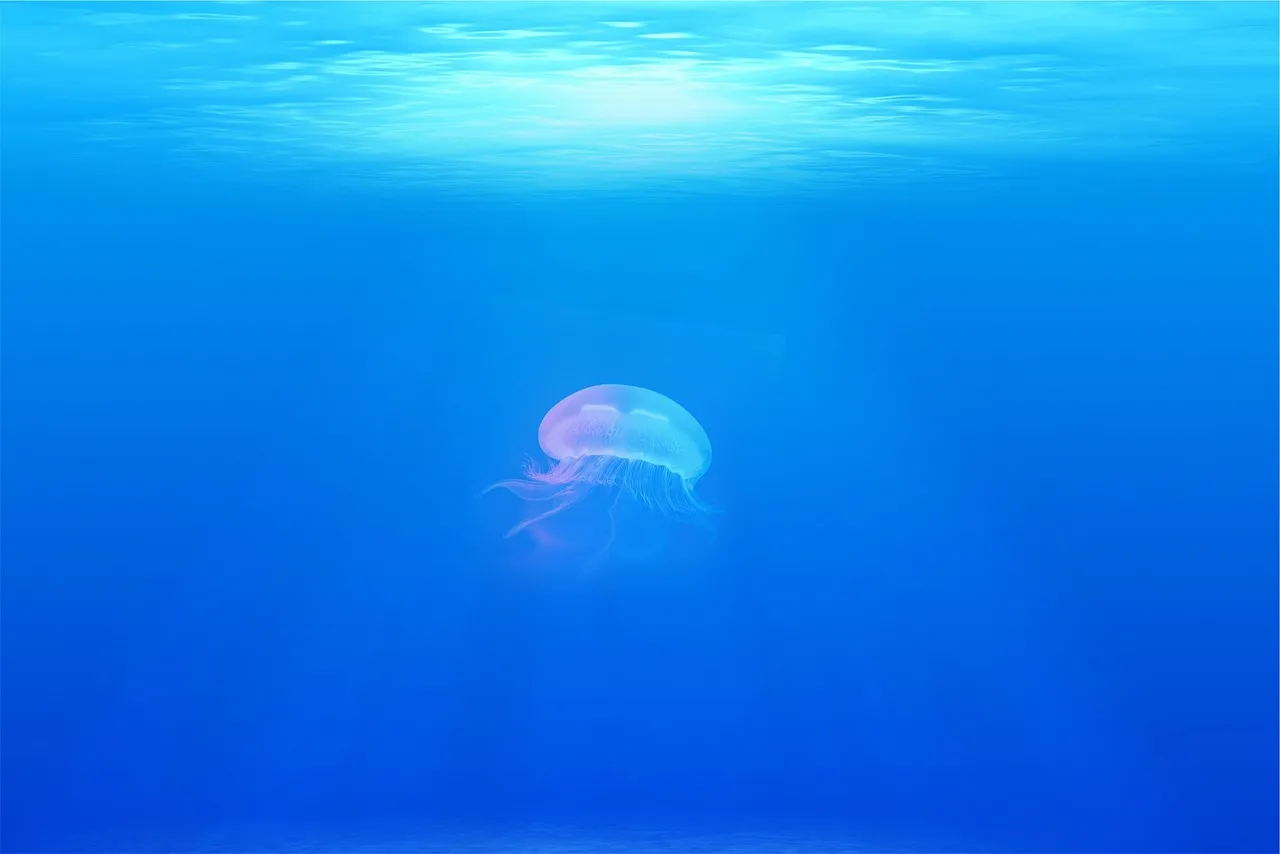
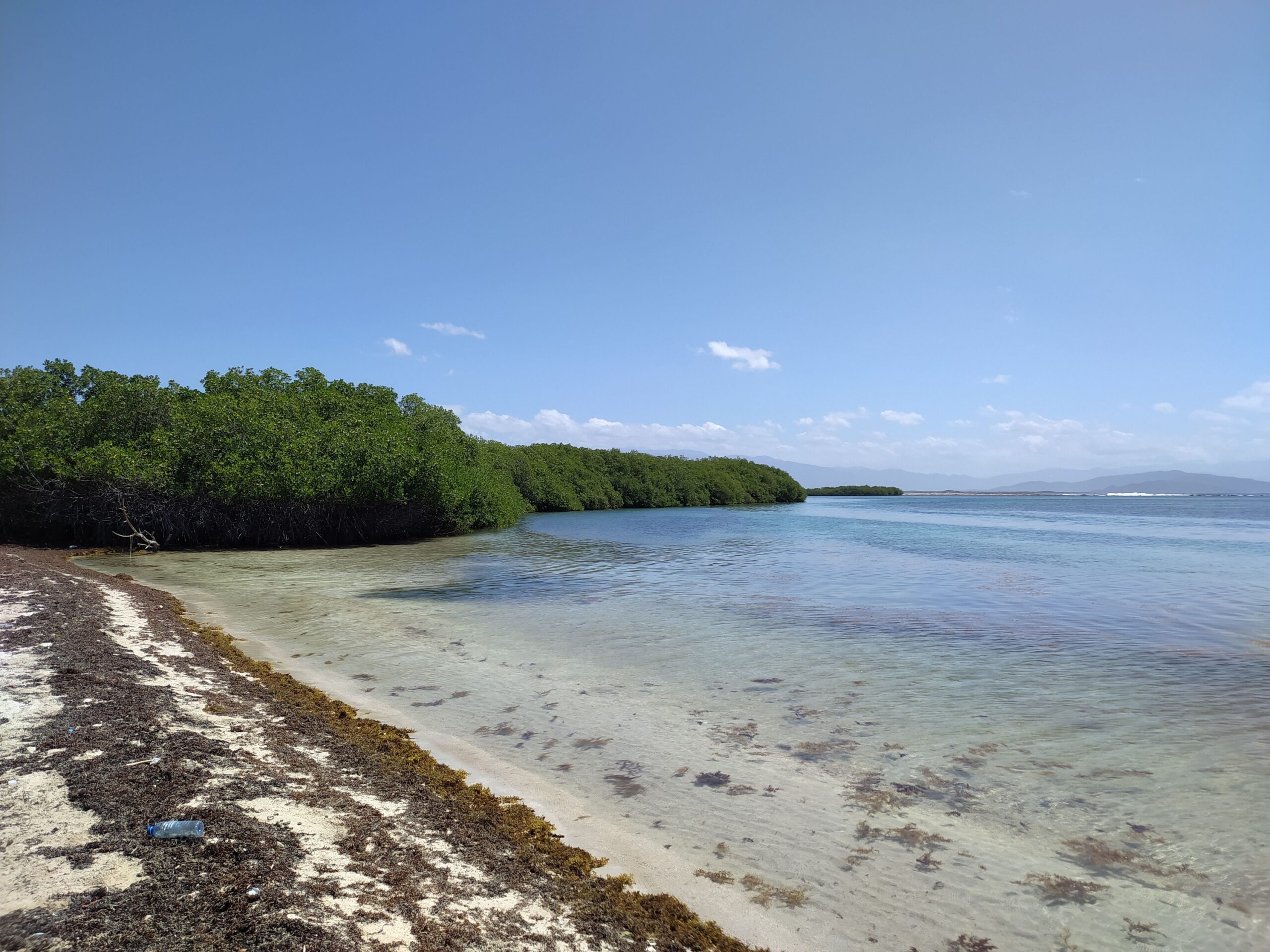
Bioluminescent dinoflagellate ecosystems are rare, found in warm-water bays that have narrow openings to the sea. Plankton drift into the bio bay from the sea and get stuck due to the small entrance. Over time, these plankton multiply inside the bay because they can’t escape, which dramatically increases the concentration level of plankton inside compared to regular seawater.
These bays thrive when there’s a balance in various connected ecosystems, making the combination of warm salt water, seagrass beds, and mangrove forests the perfect recipe for dinoflagellates to concentrate in high numbers in one spot. Bioluminescent bays are unique natural marine ecosystems, and some of their principal characteristics are that they are relatively shallow, surrounded by mangrove systems, and have a narrow entrance to the sea.
The Name Has Nothing to Do With Insects
Mosquito Bay is not named for the insect, but for a pirate ship called El Mosquito, which pirate Roberto Cofresi often hid there. That detail surprises nearly every first-time visitor, and it adds a genuinely interesting layer of Caribbean history to an already memorable destination. Because of this, it’s important not to use too much insect repellent, as this can disrupt the dinoflagellates living there.
The Puerto Mosquito Bioluminescent Bay was designated a U.S. National Natural Landmark in 1980. That designation reflects just how long scientists and conservationists have recognized this place as something worth protecting, long before it became known on the international travel circuit.
When to Go for the Best Experience
The plankton glows year-round, however, the best time to see it is during the new moon when the nights are the darkest. The optimal experience of bioluminescence occurs on moonless nights. Even a thin crescent moon can wash out the effect enough to diminish what would otherwise be a breathtaking display.
The subtlety or intensity of the experience depends on the concentration of dinoflagellates in the water, which can fluctuate significantly due to storms, tides, season, and temperature. Vieques can be reached either by ferry or via a small plane from the main island, and once there, visitors should arrange a kayak tour of the bay with one of the island’s tour providers. Some tours now offer clear-bottom kayaks, which give paddlers an extraordinary view of the glow from below as well.
Three Bays, Three Different Experiences
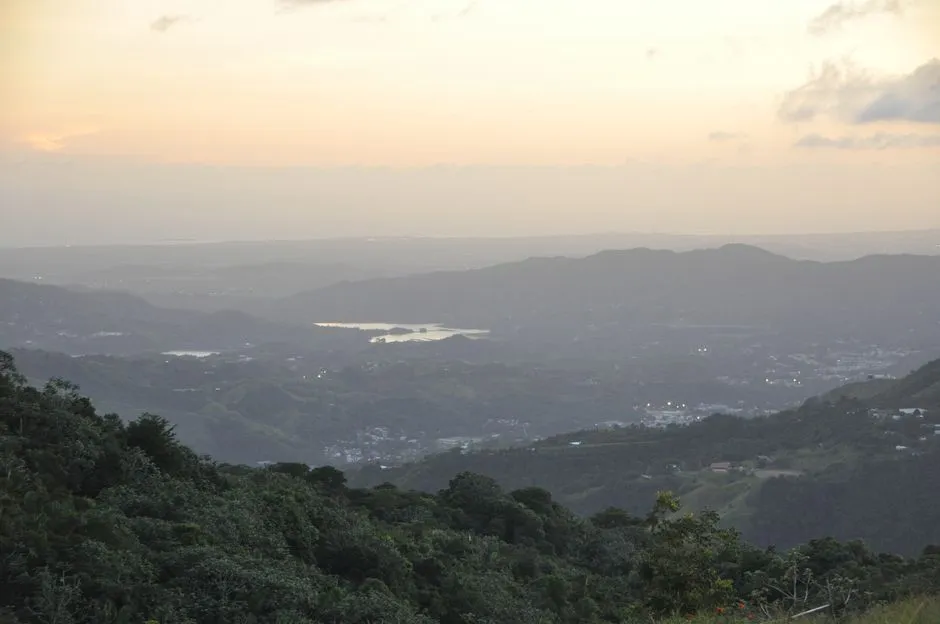
Laguna Grande is more accessible from San Juan, about an hour’s drive away, but far less intense. La Parguera has suffered from overdevelopment and is the dimmest of the three. La Parguera is the only bioluminescent bay on the island where swimming is allowed for those who book a tour.
Laguna Grande, located in Fajardo, is the island’s most visited bioluminescent bay, as it is near San Juan. For travelers with limited time, it’s a practical and still meaningful choice. Those willing to make the journey to Vieques, however, will find the experience in a different league entirely.
A Hurricane That Nearly Extinguished the Light
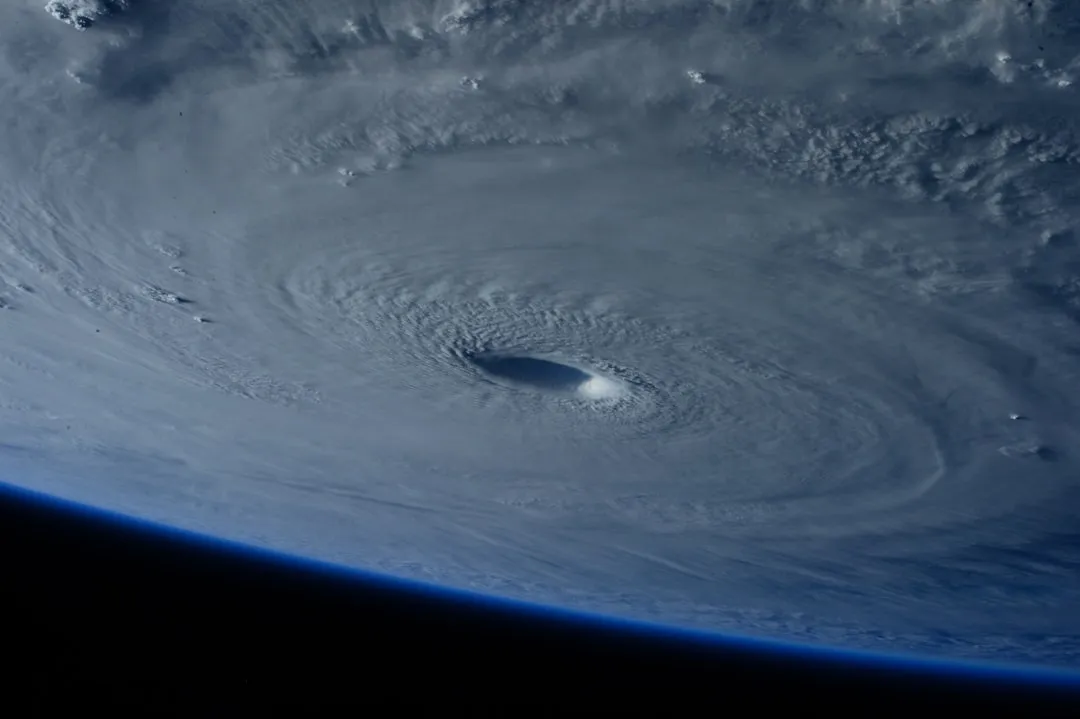
In 2017, Hurricane Maria, the strongest hurricane to make landfall in Puerto Rico in almost 90 years, wreaked havoc on the bay, delivering devastating economic, social, and ecological impacts. Hurricane Maria wrecked the mangrove forest and erosion control measures that previously prevented sediment runoff from affecting water quality. Without manual reforestation efforts, it would take 15 to 30 years for the surrounding mangrove of the Bioluminescent Bay of Vieques to recover naturally.
In a remarkable recovery, the dinoflagellate population not only rebounded but surged. Post-hurricane measurements showed concentrations spiking to nearly 600,000 Pyrodinium bahamense per liter, far exceeding pre-hurricane levels. The resilience of this ecosystem, even under extreme stress, says something important about both the natural strength of the bay and the conservation work that followed.
The Ongoing Fight to Protect It
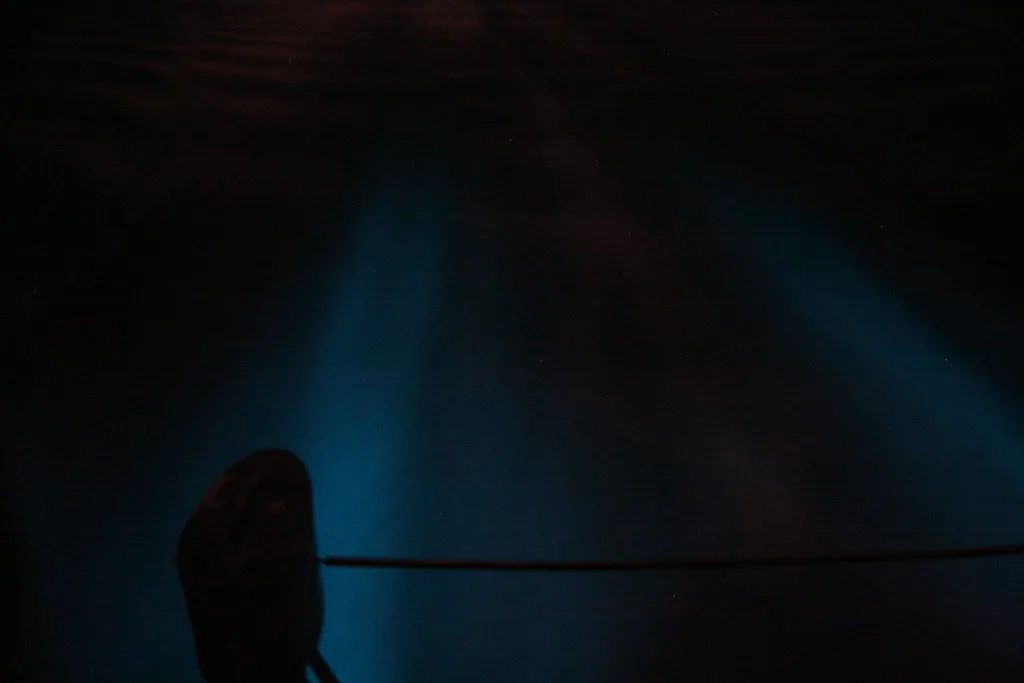
Puerto Rico’s Puerto Mosquito bioluminescent bay is being restored to its original pristine condition thanks to an almost $3 million grant from NOAA. The Vieques Conservation and Historical Trust and the Society for the Marine Environment received a $2.9 million NOAA grant for a four-year ecological restoration project that will create living shorelines and expand the restoration of mangroves and coral reef habitat to improve ecosystem and community resilience.
Restoration of the mangroves is an especially crucial aspect of the project, as mangroves not only stabilize erosion but provide key nutrients that the plankton rely on to survive. The nursery now contains close to 4,000 individual plants and propagules. The bay’s brightness attracts between 50,000 and 70,000 visitors a year from all over the world, generating hundreds of direct and indirect jobs on the island. The economic and ecological stakes of protecting Mosquito Bay are deeply intertwined, which is precisely why the restoration effort has drawn so many committed partners.
A Quiet Wonder Worth the Journey
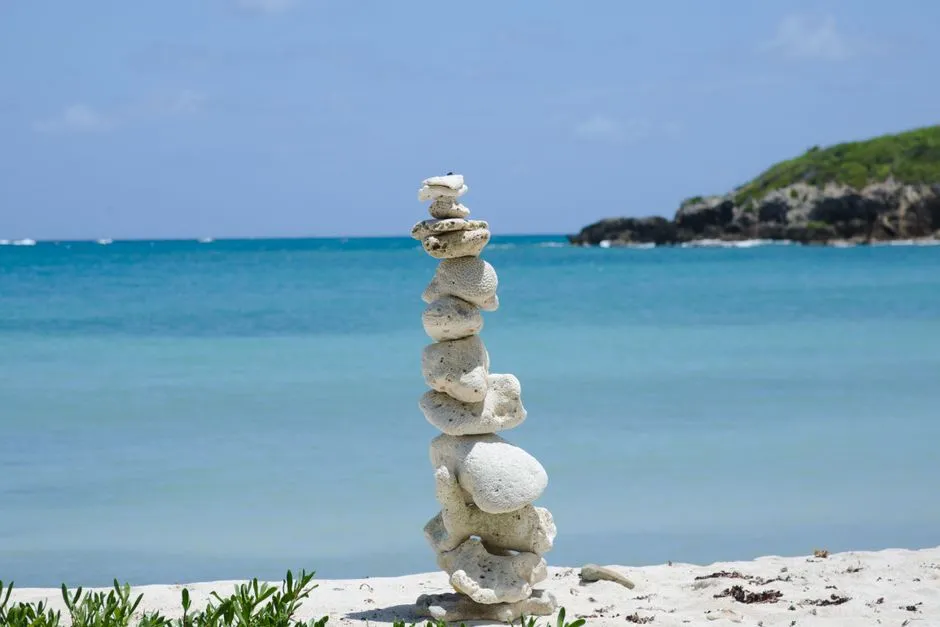
Mosquito Bay doesn’t announce itself. There are no floodlights, no entrance signs, no artificial enhancements of any kind. The intensity of the glow correlates with the abundance of dinoflagellates in the water, creating a breathtaking display akin to tiny stars cascading down your hands when immersed in the water. What you see is entirely natural, entirely alive, and entirely dependent on the health of the surrounding ecosystem.
The Vieques Conservation and Historical Trust conducts ongoing research on the bioluminescence of Puerto Mosquito Bay, specifically focusing on the bioluminescence levels and dinoflagellate abundances. Visiting responsibly, following guide instructions, skipping the chemical sunscreen, and supporting local tour operators are small acts that collectively matter to a place this fragile. Vieques is only 21 miles long and 3 miles wide, with much of the island covered in protected lands that were formerly occupied by the US Military. That quiet history only deepens the sense that what glows here at night has survived a great deal, and deserves to be treated accordingly.
AI Disclaimer: This article was created with the assistance of AI tools and reviewed by a human editor.