
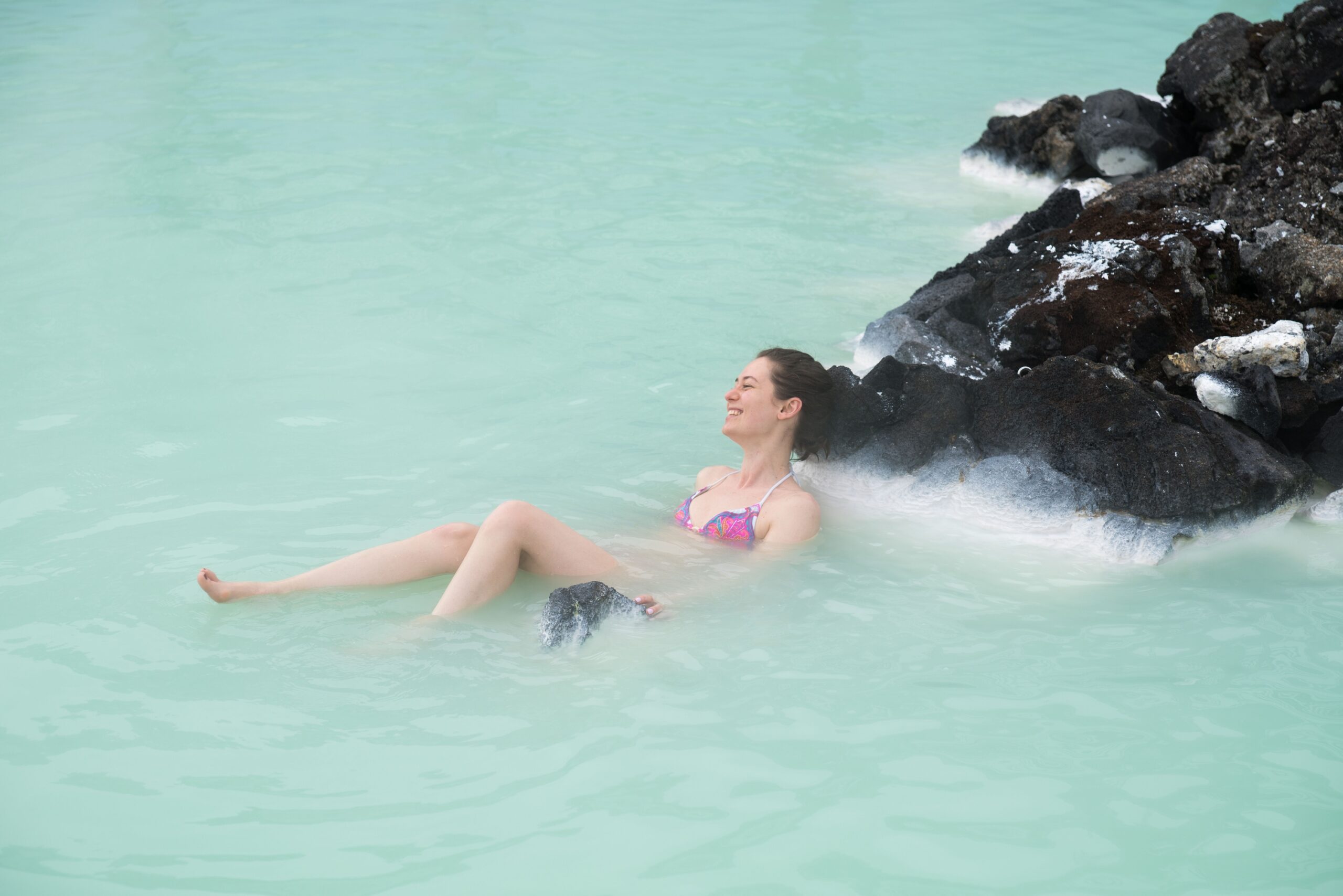

Every traveler who lands in Iceland seems to have the same first instinct: go straight to the Blue Lagoon. It’s understandable. The images are everywhere, the marketing is polished, and it’s conveniently placed just minutes from Keflavík Airport. It gets up to 4,000 visitors a day and sits right next to a geothermal power plant. That’s not a secret anymore.
What is less talked about is what Icelanders themselves actually do. They don’t line up for pre-booked time slots at a resort. They slip into the sundlaug down the road, or make the long drive north to a lagoon that still feels like it belongs to the landscape. The gap between tourist Iceland and local Iceland, when it comes to geothermal bathing, is wider than most guidebooks admit.
Why the Blue Lagoon Became a Tourist Landmark
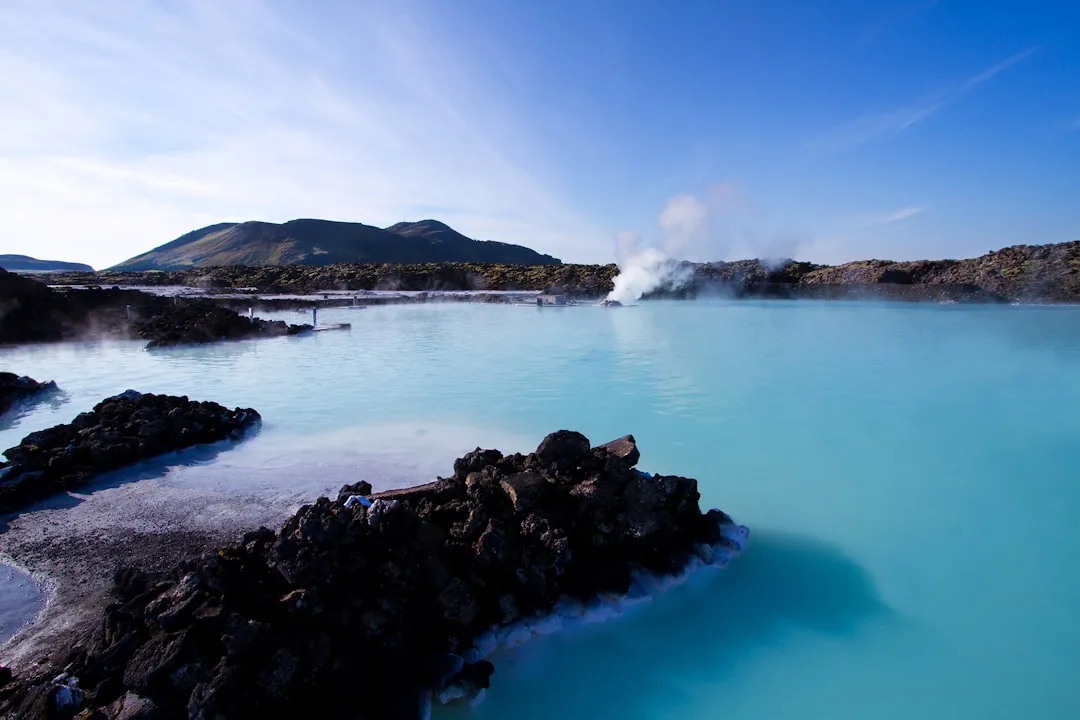
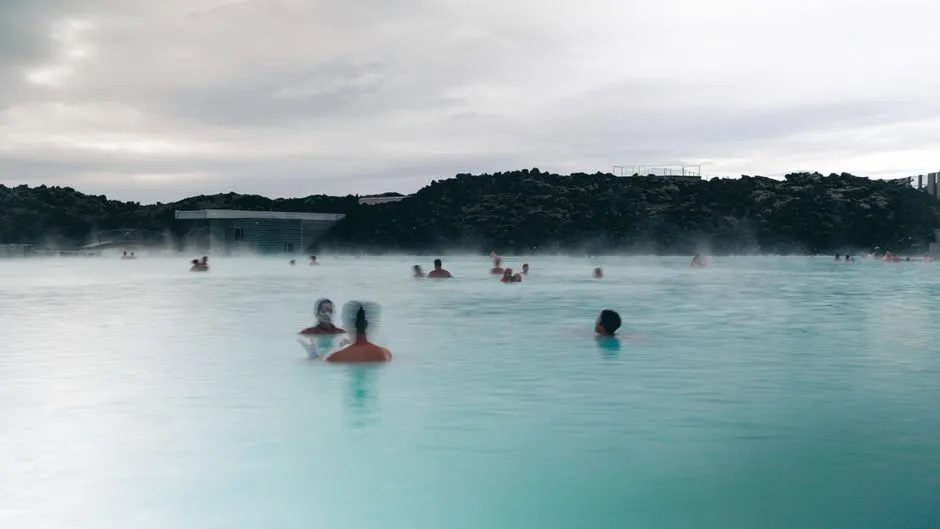
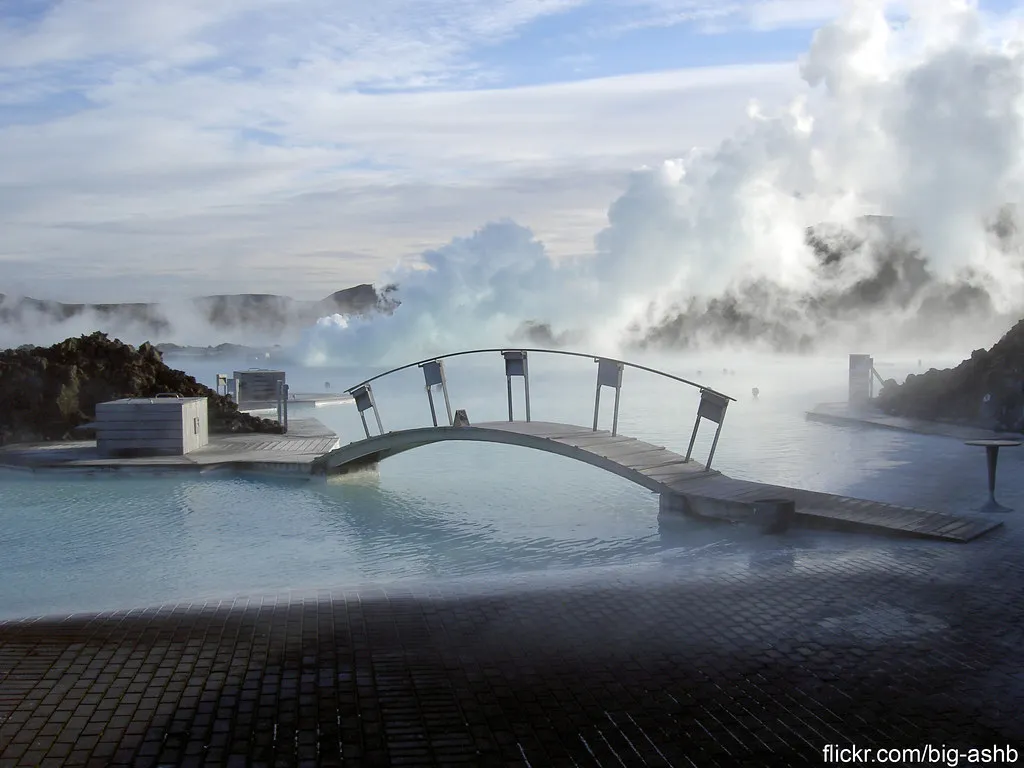
The Blue Lagoon is a geothermal spa on the Reykjanes Peninsula in southwest Iceland, fed by mineral-rich seawater processed through the nearby Svartsengi geothermal power station. The lagoon’s water contains silica, algae, and minerals, which give it its signature milky blue colour. The visual appeal is real, and that counts for a lot.
The Blue Lagoon is the most visited paid attraction in Iceland. That rounds out to nearly 1.5 million people each year. Eruptions on the Reykjanes Peninsula from late 2023 through 2024 caused multiple temporary closures, and as of early 2026, the access route has changed: visitors are directed to use Road 44 (Hafnarvegur) rather than the older route through Grindavík.
The Sundlaug: Iceland’s True Bathing Culture
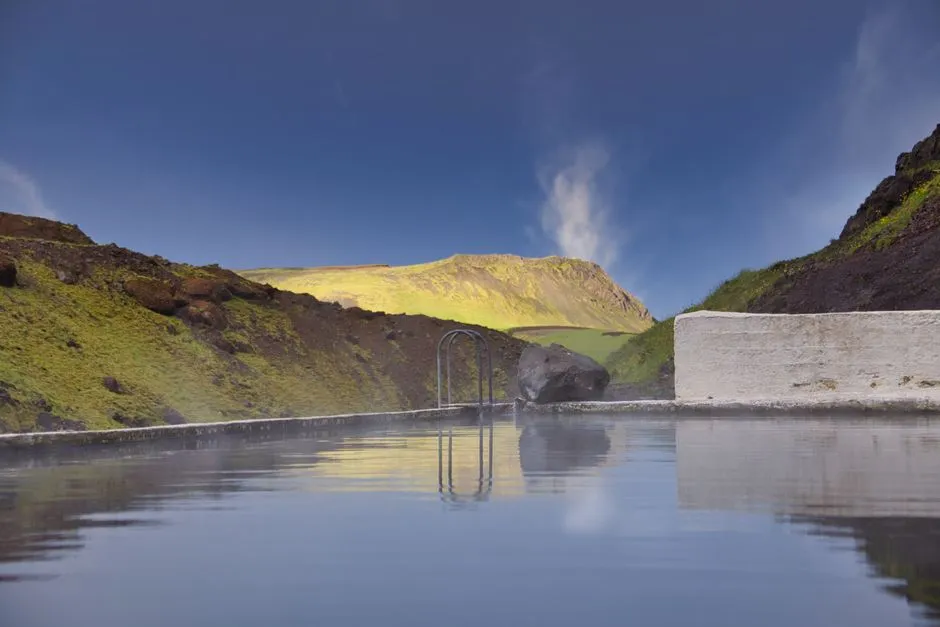
Bathing culture runs far deeper in Iceland’s national psyche than the glamour of the Blue Lagoon. Swimming pools, or Sundlaugar as they are called in Icelandic, are an inherent part of local life. With over 120 of them dotted across the island, a country of around 380,000, they form a central hub for just about every community.
If you ask an Icelander where they went this morning, there’s a fair chance the answer is the pool. Practically every town in Iceland has a public swimming pool, heated with geothermal energy. In Icelandic, a pool is called a sundlaug. Going to the pool is as ordinary here as going to a café is elsewhere.
Such is the significance of Sundlaugar in everyday life in Iceland that “swimming pool culture” has achieved World Heritage status on the UNESCO Intangible Cultural Heritage list. That recognition says more about the depth of this tradition than any tourist brochure ever could.
Earth Lagoon Mývatn: The Northern Alternative Locals Love
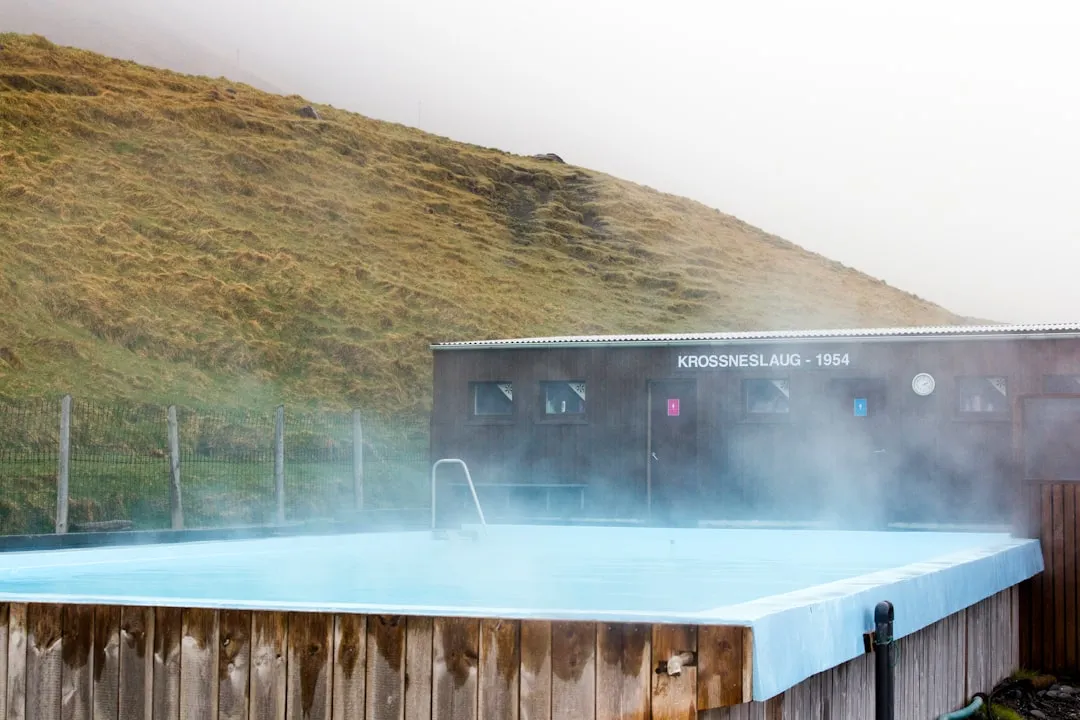
Rebranded as Earth Lagoon in October 2025 and currently undergoing expansion, the Mývatn Nature Baths (Jarðböðin) are a mineral-rich geothermal lagoon set in a lava field overlooking Lake Mývatn. Travelers often call it the “Blue Lagoon of the North,” quieter and less expensive than its southwestern counterpart.
Earth Lagoon Mývatn reopened on July 9, 2026 after a full rebuild. The Earth Lagoon is centred around a large lagoon with a temperature of about 36 to 40 degrees Celsius, and the water is packed with minerals, particularly sulphur, which is said to be good for respiratory and skin problems.
For generations, the people of Mývatn have turned to geothermal steam and water for rest and renewal. At Earth Lagoon Mývatn, that tradition lives on in a peaceful, modern setting. Soak in mineral-rich waters surrounded by lava fields and mountains, just as locals have done for centuries. Steam bathing here is even mentioned in the Icelandic Sagas, celebrated as a timeless ritual of healing.
What Makes Mývatn’s Water Genuinely Different
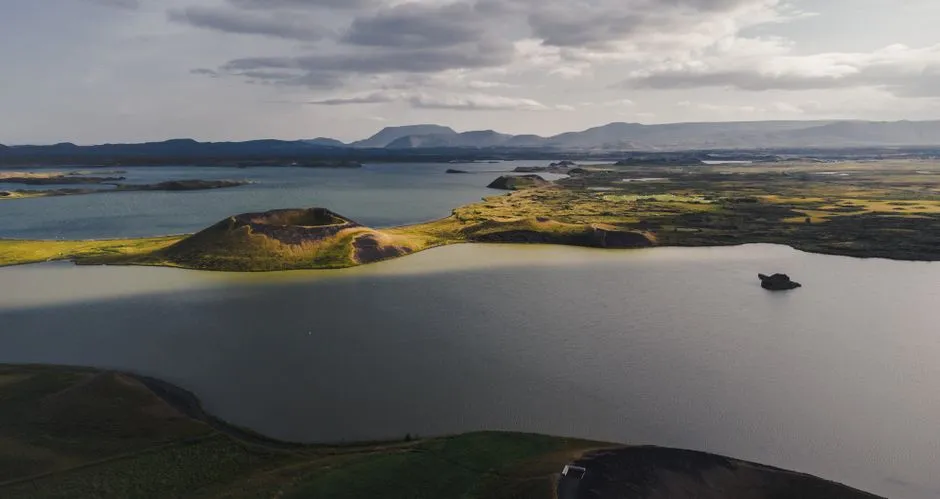
Opened in 2004, Earth Lagoon Mývatn has become one of Iceland’s most beloved geothermal bathing destinations. The water begins at the National Power Company’s borehole at Bjarnarflag, where it emerges at 130°C before being cooled to a soothing 36–40°C. Naturally alkaline and sulfur-rich, the water contains no chlorine or artificial disinfectants.
There are also two steam baths, sat directly on top of churning geothermal waters. The temperature in these is close to 50 degrees Celsius, and humidity is near 100%, so bathers are advised to be well hydrated before entering. That’s a level of raw geothermal intensity that a resort spa simply can’t replicate.
The Setting That Sets It Apart
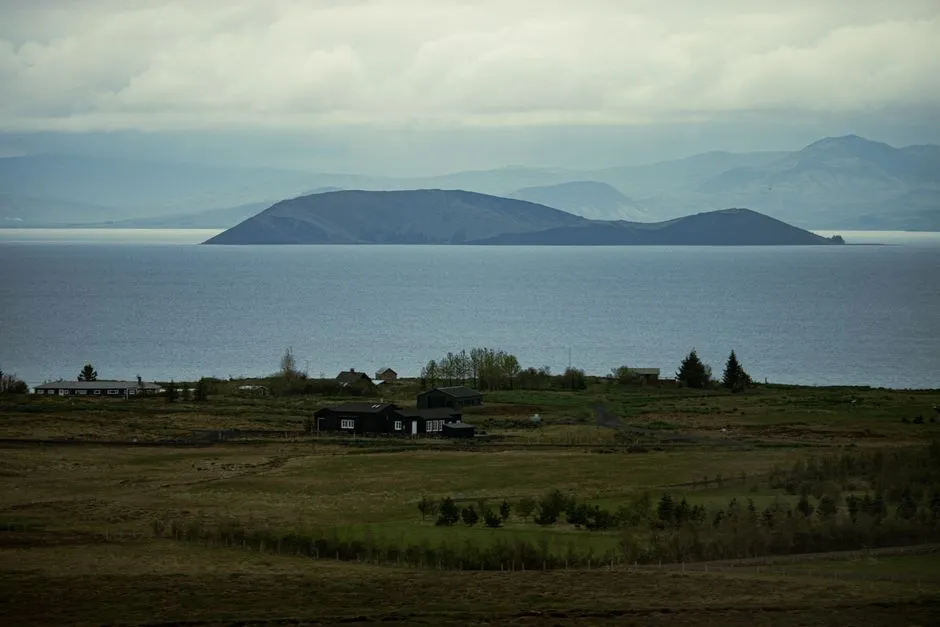
Earth Lagoon Mývatn is a geothermal bathing spot built right into one of Iceland’s most active volcanic areas. The main draw is a large outdoor lagoon filled with naturally hot, mineral-rich water. There are also natural steam rooms and basic but modern facilities. All of it sits next to Lake Mývatn, with lava fields and volcanic land stretching out around you.
From October through March, the lagoon is one of the best northern lights viewing spots in Iceland, letting visitors soak in warm water while watching the aurora overhead in the dark North Iceland sky. During June through August, midnight sun means extended hours and long evening soaking. Both are worth experiencing in their own right.
Sky Lagoon: The Reykjavík Option That Locals Actually Use
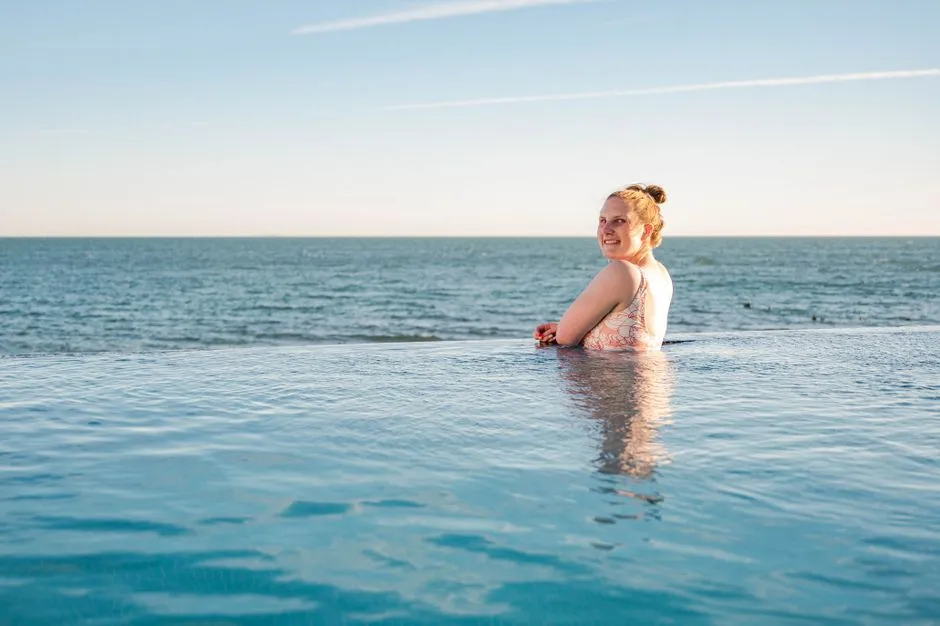
In contrast to the Blue Lagoon, Sky Lagoon has already become very popular among visitors and locals alike. The geothermal spa opened in 2021 and is located on the edge of the Karsnes Peninsula in Kopavogur, a town on the outskirts of the greater Reykjavík area. It’s very accessible to those staying in Reykjavík, which is only a 15-minute drive from the city center.
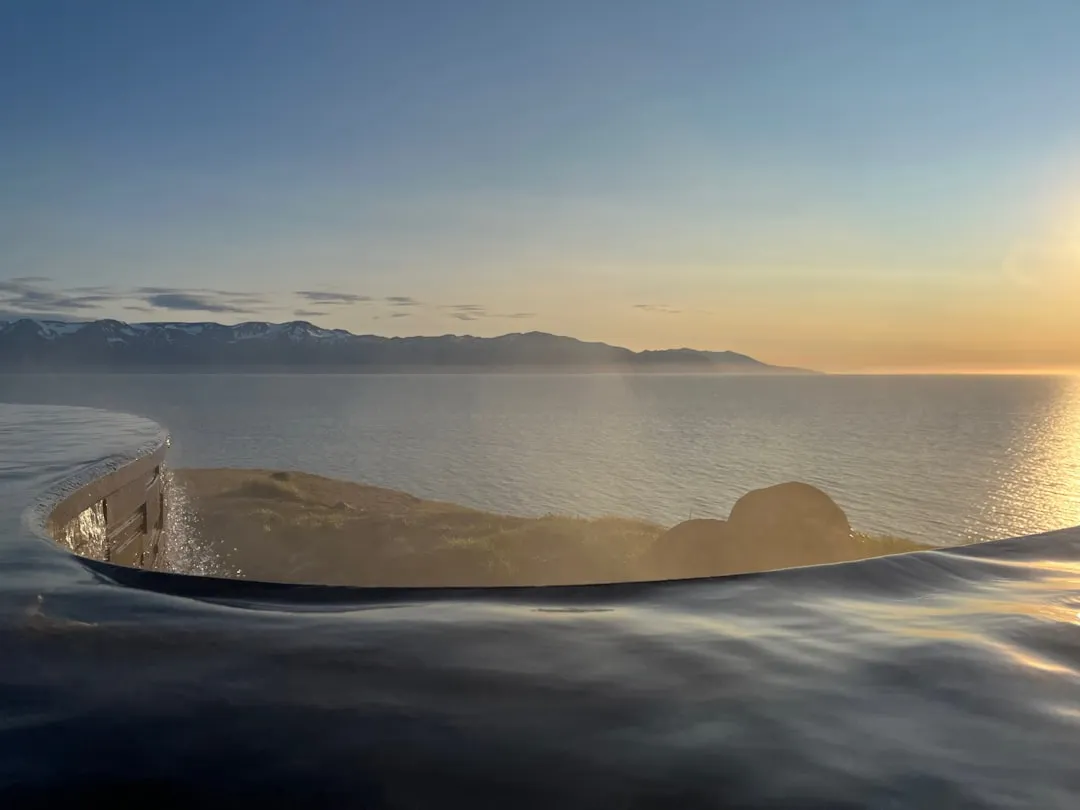
The most distinct characteristic of the Sky Lagoon is its amazing infinity pool, which overlooks the beautiful Skerjafjörður Bay. This provides incredible views of the midnight sun during the summer and the northern lights during winter. For Reykjavík locals who want a proper soak without leaving the city’s orbit, this has become the practical choice.
Vök Baths: The Floating Pools of East Iceland
Vök Baths may be the most architecturally striking of all the Iceland hot springs, with geothermal pools that actually float on Lake Urridavatn in East Iceland. The lake kept a secret for a long time: certain sections never froze in winter, and when locals investigated, they found geothermal springs heating the water from below.
The geothermal water in eastern Iceland is unique because it’s the only naturally warm drinkable water in Iceland. It runs out of the tap at 165°F (75°C) and is used to brew teas with a selection of organic and locally sourced herbs, which guests can enjoy while visiting. That detail alone makes Vök Baths unlike anything else on the island.
GeoSea in Húsavík: Where Whales and Warm Water Meet
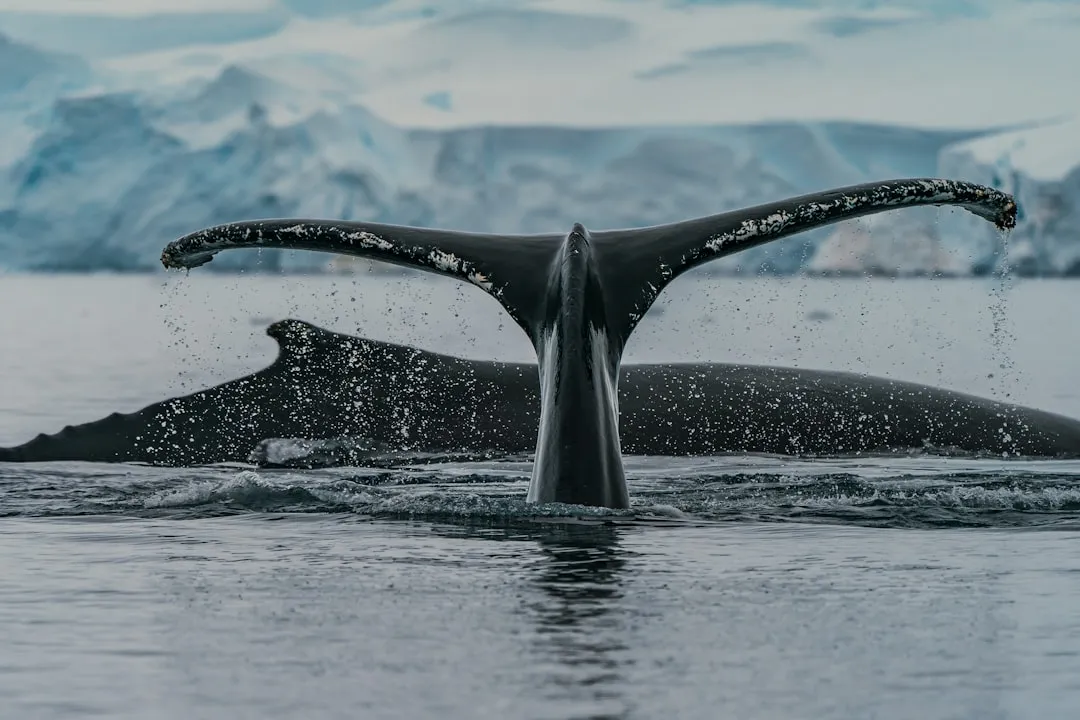
Húsavík has long had a stellar reputation as North Iceland’s whale watching capital, and in recent years the arrival of GeoSea has cemented its popularity with tourists and locals alike. The infinity edge pool overlooks Skjálfandi Bay, and it’s not unheard of to spot passing cetaceans as you relax in the water. Here, mineral-rich seawater meets heat from deep underground, harnessed in a magnificent setting.
GeoSea is genuinely small compared to the Blue Lagoon, which is part of its charm. There are no crowds jostling for the best spot, no timed entry rush. Just open sky, seawater, and the occasional distant spout on the horizon.
The Price Gap Nobody Talks About
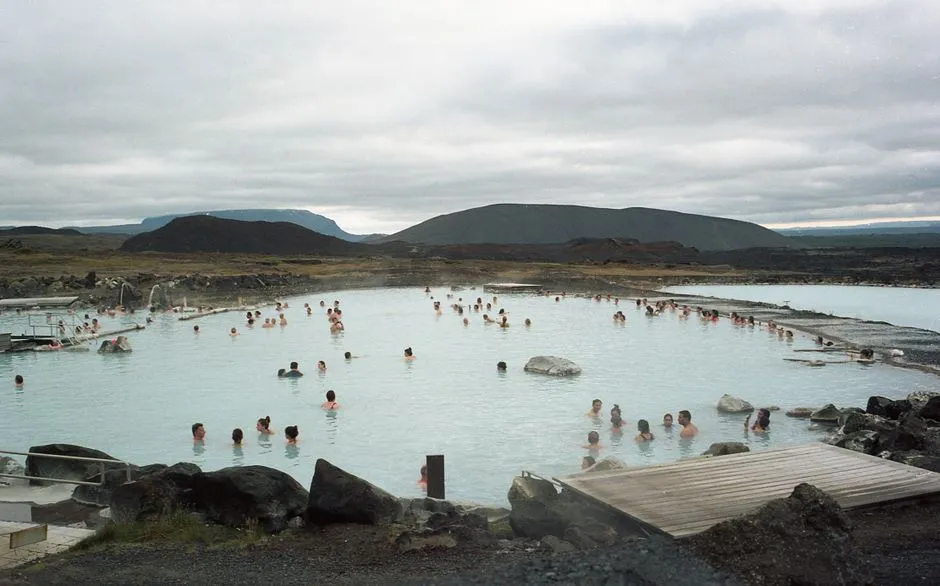
Community geothermal pools, the Sundlaugar, represent authentic Icelandic culture. Every town has at least one public swimming pool heated by geothermal water, where locals gather daily regardless of weather. Entry costs just 1,000–1,500 ISK, roughly six to ten euros, making them Iceland’s best-value thermal experience.
Compare that with a standard ticket at the Blue Lagoon, which starts above USD 143 per person. As of July 2026, adult admission to Earth Lagoon Mývatn starts at 7,900 ISK for the base tier, which covers the lagoon, hot tub, steam bath, and private showers. That’s still a fraction of the Blue Lagoon’s pricing, with arguably more raw beauty per króna.
Iceland has roughly 120 public swimming pools, one for every 3,100 people. Britain, by comparison, has one for every 25,000. The infrastructure tells you everything about how deeply ingrained this culture actually is.
How to Find the Right Soak for You
Earth Lagoon Mývatn offers a geothermal bathing experience that feels simple, natural, and closely tied to the landscape around it. It’s not flashy, and it doesn’t try to be. The focus is on warm water, volcanic scenery, and having time to slow down.
Icelanders rely on their pools for warmth, activity, and social connections, vital for emotional well-being particularly during the long dark days of winter. If you’re exploring around Iceland, there is an online guide to all the swimming pools where you can join the locals at www.sundlaugar.is/en/ These are not tourist attractions in any traditional sense. They’re community infrastructure, open to anyone willing to follow the shower rules and soak in silence for a while.
If you’re staying in the capital, you can enjoy a dip with the locals at several community pools, like Sundhöllin, Vesturbæjarlaug, and Laugardalslaug. Each one carries decades of quiet, daily ritual. That’s something no amount of silica mud mask can package up and sell.
The Takeaway
Iceland’s relationship with geothermal water is not a tourism product. It predates tourism entirely. Steam bathing in Mývatn dates back centuries, celebrated in the Icelandic Sagas for its healing and restorative qualities, and that tradition continues today in a modern setting. Visitors who seek it out on those terms, rather than treating it as a photo backdrop, tend to leave with something that lasts longer than a tan line.
The Blue Lagoon is a genuine experience, just not a local one. The pools, lagoons, and community baths scattered across the rest of Iceland are where the real story of this country’s relationship with the earth actually unfolds. Going there requires a little more planning. It’s worth every minute of it.
AI Disclaimer: This article was created with the assistance of AI tools and reviewed by a human editor.