
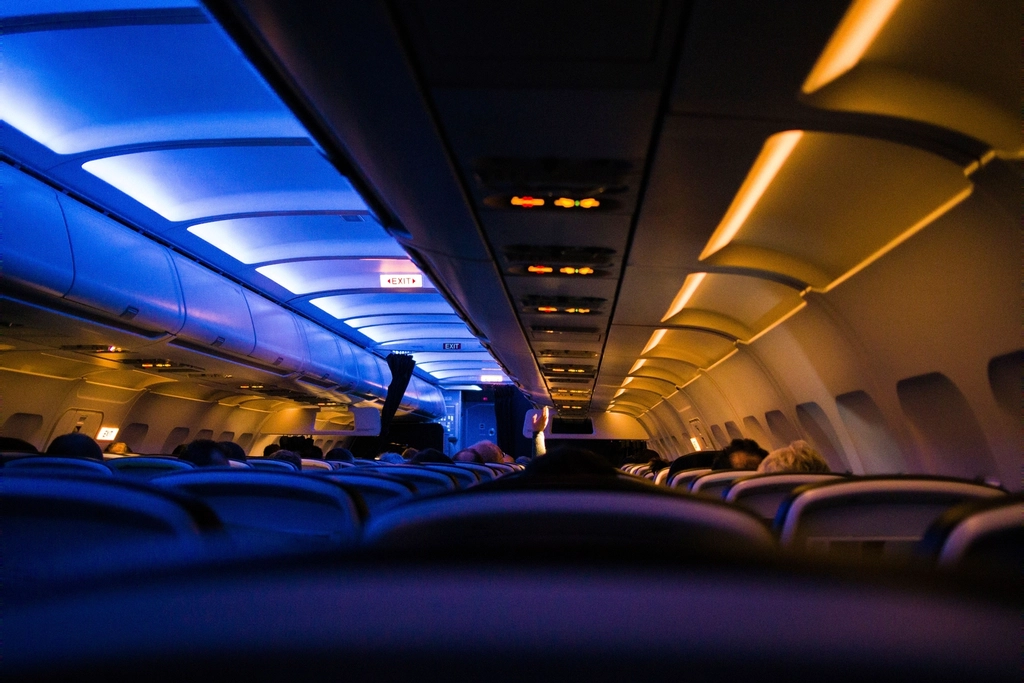

Most passengers assume it’s a comfort gesture, maybe a cue to close their eyes before the plane climbs or to wind down on approach. The cabin dims, a few people yawn, and everyone settles in. It feels routine, almost decorative.
The truth is considerably more purposeful. That quiet shift in lighting is a deliberate safety procedure rooted in decades of aviation research, international regulations, and a remarkably clear understanding of how the human eye works under pressure.
It Has Nothing to Do with Helping You Sleep
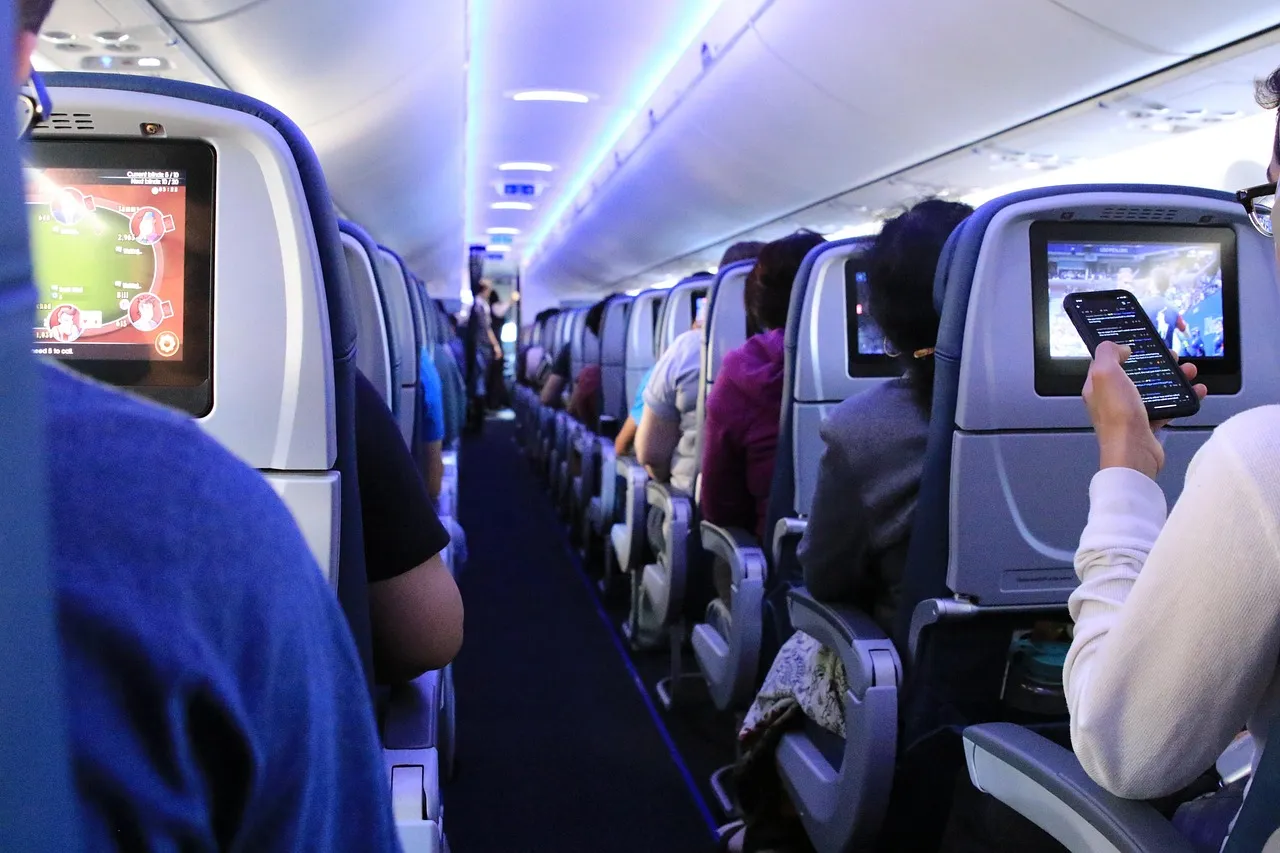
While some travelers assume the lights are dimmed to create a relaxing atmosphere or reduce electricity use, the primary purpose is to improve passenger safety during the two most critical phases of flight. This is one of the most widely misunderstood routines in commercial aviation. The dimming happens to protect you, not to lull you.
Some passengers believe it is done to create a more relaxing atmosphere before takeoff or landing, while others think it helps airlines save electricity. Neither explanation is correct. The real driver is preparedness for the unexpected, even when the unexpected almost never comes.
Takeoff and Landing Are the Riskiest Moments of Any Flight
According to flight safety data from Boeing, takeoff and initial climb and final approach and landing generally present the highest risk of an accident happening, with 21% of fatal incidents occurring during the former and 43% during the latter. This data forms the backbone of why every protocol during these phases is taken seriously.
It is well-established that takeoff and landing are the two most risky phases of flight. Over 20% of fatal accidents happen during takeoff or initial climb, while more than 45% occur around the landing phase. Knowing that, the dimming of lights stops feeling like a formality.
Your Eyes Need Time to Adjust to Darkness
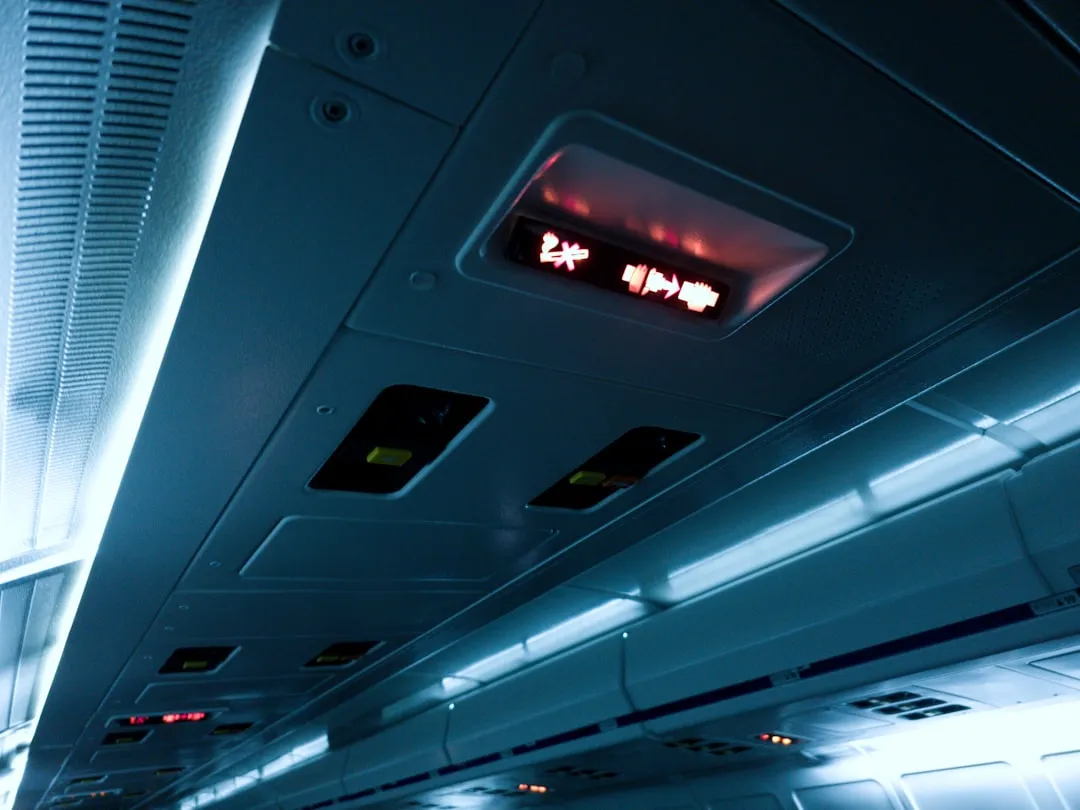
During dawn, dusk and night, flight crews dim the lights so that in case of an emergency where passengers and the flight crew have to abandon the aircraft, their eyes already are adjusted to the dark, according to Dan Bubb, PhD, a former airline pilot, current associate professor at the University of Nevada, Las Vegas, and expert on commercial aviation and airport history.
Studies indicate full dark adaptation takes up to 30 minutes, but initial adjustment occurs in five to ten minutes, improving visibility. If your eyes are even slightly adjusted to darkness from the cabin being dimmed, this gives you a significant advantage in being able to see better. It helps you establish a stronger, faster sense of direction in the first few seconds and minutes after leaving the aircraft.
Emergency Exit Signs Become Easier to See
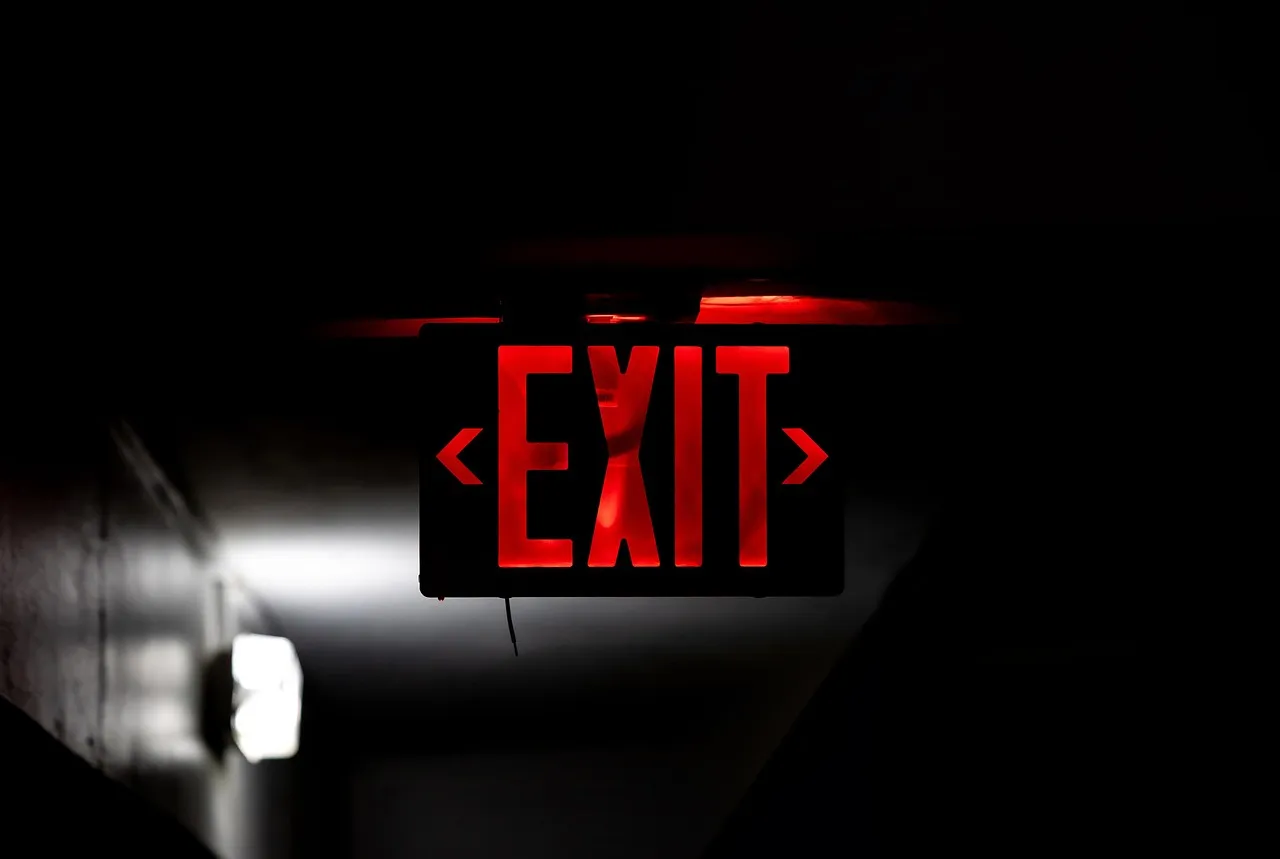
When the lights are low inside the cabin, the illuminated emergency exit signs are easier to see. When the cabin is bright, emergency signs and floor path lights are less visible. Lowering the lights makes these markings stand out clearly. Passengers can quickly identify the nearest exits, which is critical if the cabin fills with smoke or if lighting fails.
According to the Flight Safety Foundation, in the event of smoke or fumes, passengers can lose as much as 83 percent of their wayfinding ability, and they may not be able to see exit signage right away. That’s why both the U.S. Federal Aviation Administration Code of Federal Regulations and the European Union Aviation Safety Agency require that an airplane’s exit-indicator path should be bright enough to be visible in darkness. In many cases, that floor-level lighting relies on glow-in-the-dark technology made from photoluminescent materials, ensuring that it will still work if the plane’s power is out.
The 90-Second Evacuation Rule Makes Dimming Essential
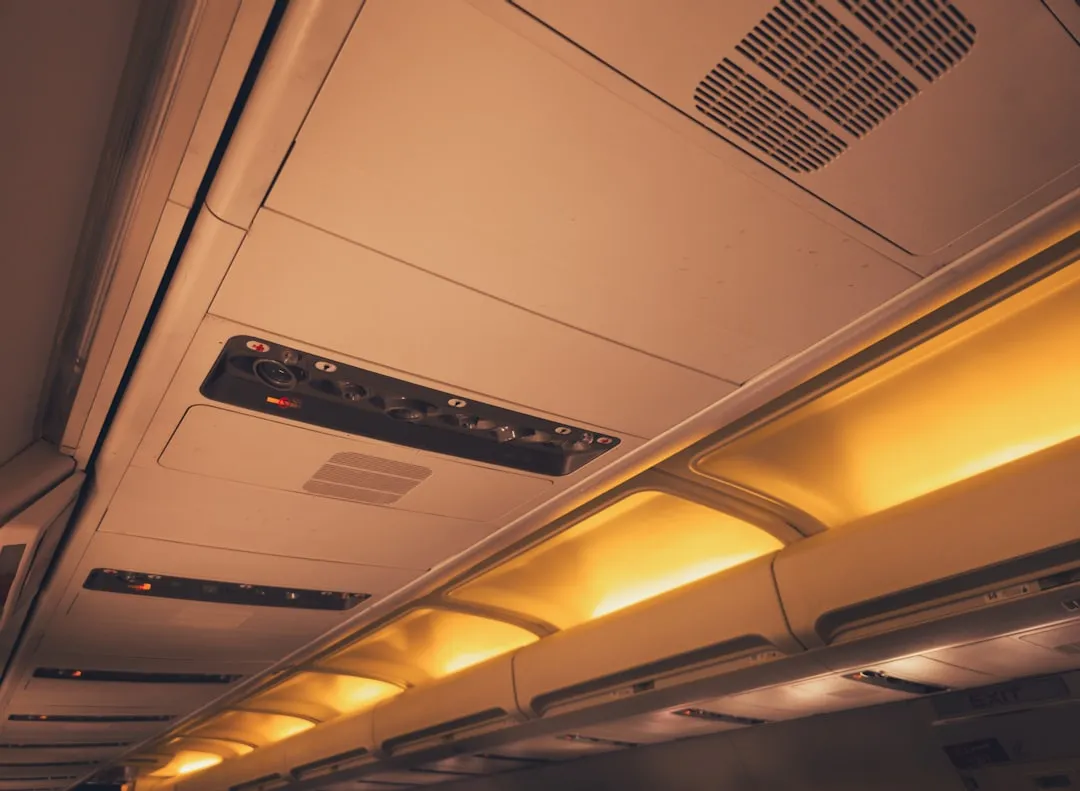
Federal Aviation Administration regulations require that aircraft manufacturers demonstrate that all passengers and crew can evacuate an aircraft within 90 seconds by conducting live demonstrations of simulated evacuations or through a combination of analyses and testing. That standard shapes everything happening inside the cabin during takeoff and landing, including the lighting.
All passengers and crew must evacuate in no more than 90 seconds; demonstration volunteers must be a mix of male and female passengers and 40 percent female; 50 percent of exits must be blocked; lighting in cabins must be low; and aisles and exits must be obstructed with items such as baggage. The fact that low lighting is built directly into the FAA’s own evacuation standard is telling. It’s not incidental. It’s designed.
Flight Attendants Also Need to See Outside the Plane
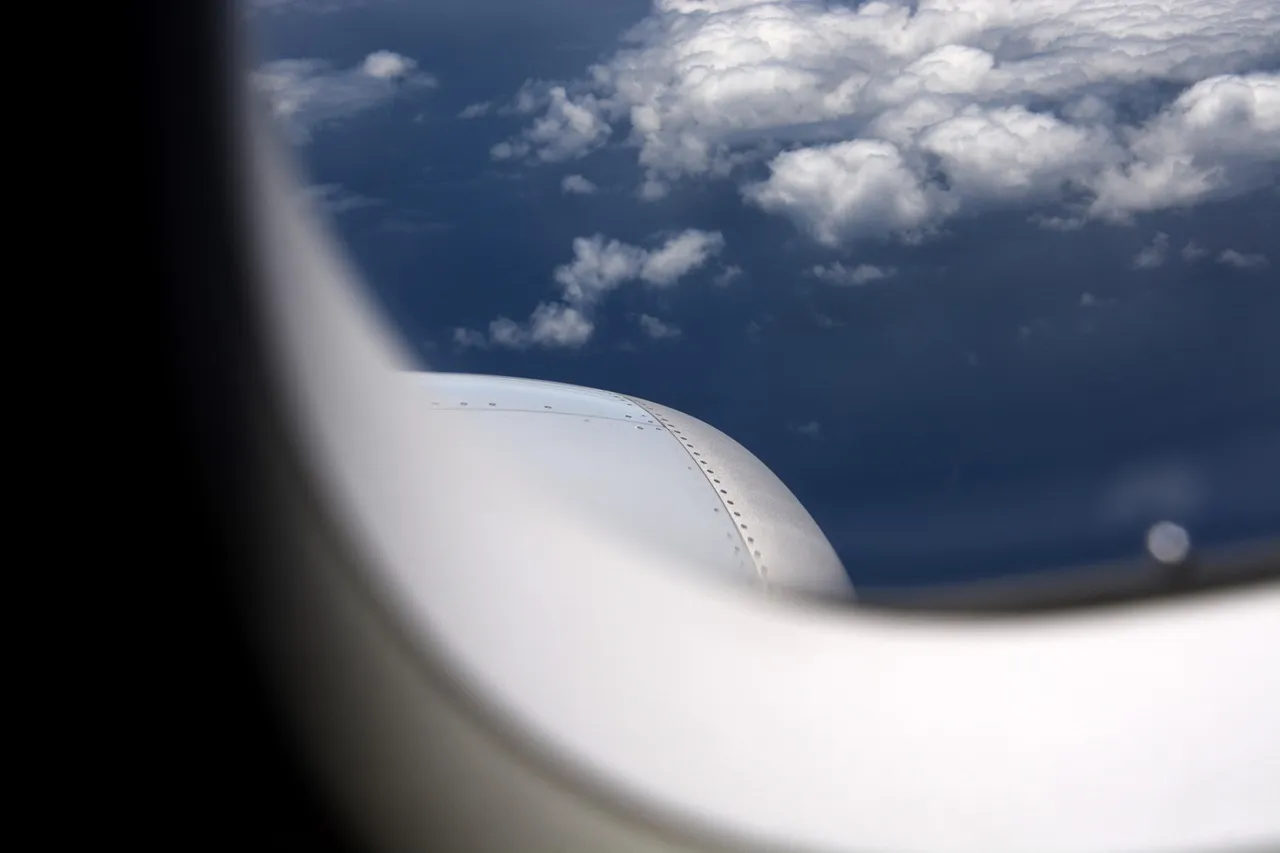
With the cabin darker, flight attendants can look through the windows to spot obstacles like fire, fuel spills, or debris before opening an emergency exit. This matters more than most passengers realize, because opening the wrong door in an emergency can be catastrophic.
Having the cabin lights dimmed is important, as it allows the cabin crew to see out of the window more clearly. If all the cabin lights were on, the glare on the window surface would prevent a clear sight of the aircraft’s exterior. Being able to see clearly outside can be extremely important on a flight. For example, in a British Airways incident in 2013, a plane’s engine covers popped open after takeoff, and because the problem was visible through the windows, the crew was able to make a quick emergency landing.
It Reduces Cockpit Glare Too
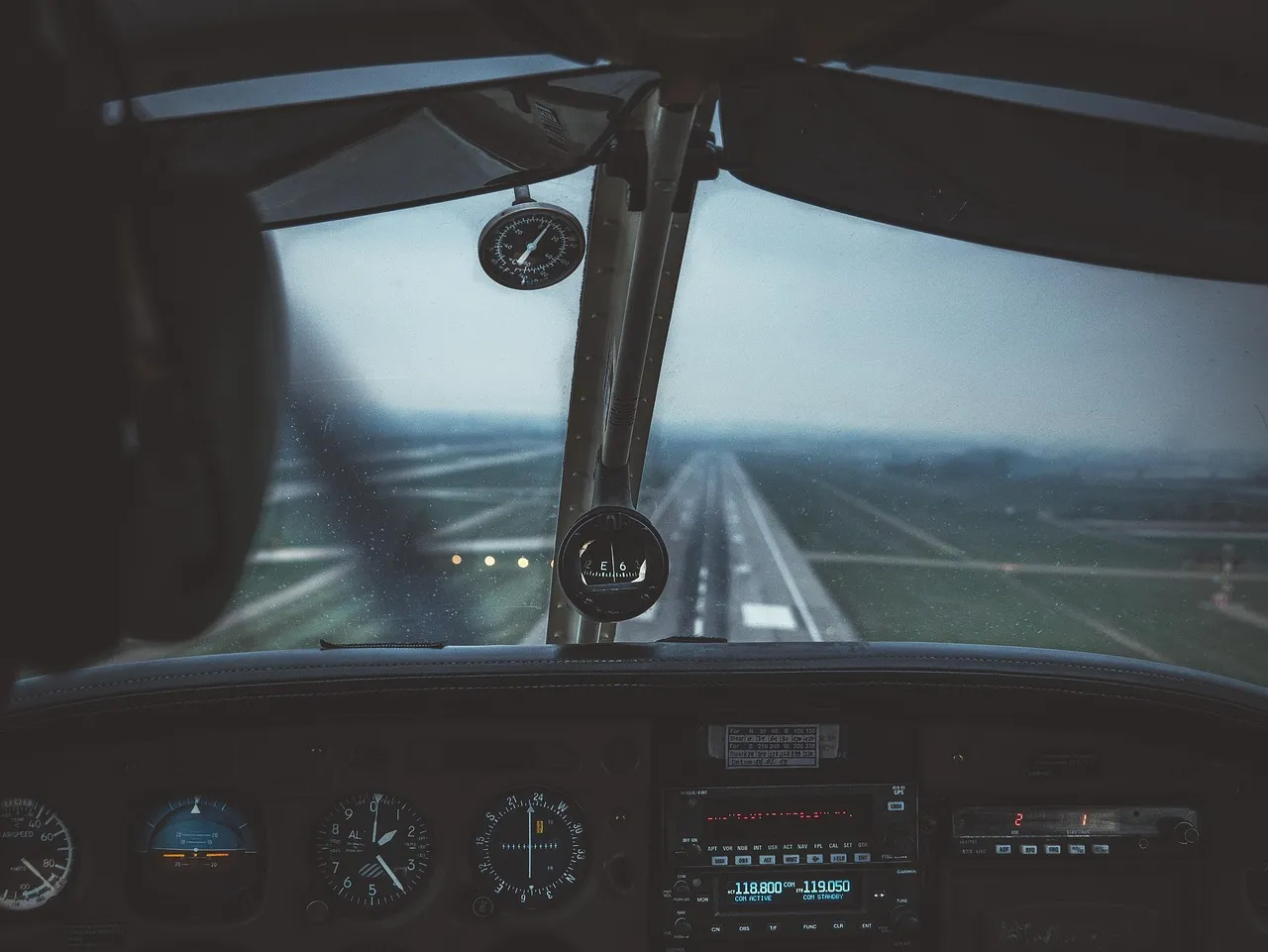
There is also the idea that lights are dimmed to minimize interference with visibility in the cockpit, which is partially true, although it is only a secondary reason to dim the lights. A brightly-lit cabin can create a degree of glare in the cockpit windscreen or side windows, and pilots often need to rely on visual cues outside the aircraft, such as runway or approach lights.
If your flight is coming in to land at night, the glare from the interior lights of the aircraft could produce a glare on the runway, especially if the tarmac is wet. Any such glare could prove distracting to the pilot, outshine runway lights and safety lights, or disguise any potential obstacles or debris that should be avoided. It’s a small consideration, but on a wet runway at night, small margins matter.
Window Shades Are Part of the Same System
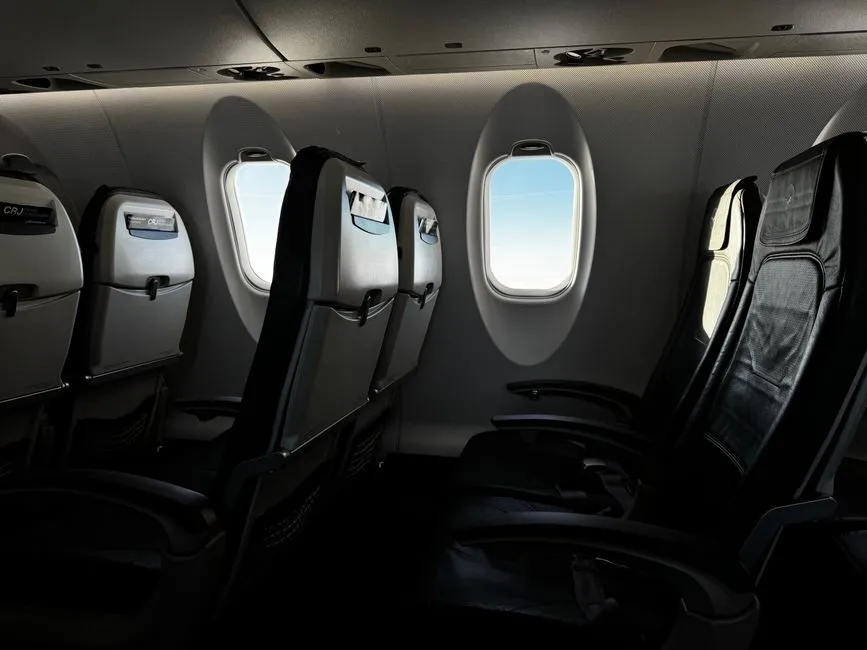
The lighting is dimmed for the same reason crew members ask passengers to raise their window shades: for safety in case of an emergency. In the event of such a circumstance, ideal visibility can make a crucial difference to one’s safety. Keeping window shades open can also help keep passengers oriented in critical situations as it allows them to be more aware of their surroundings.
Open shades maintain cabin light if power fails and allow exterior checks. In emergencies like fires or bird strikes, crew can visually assess issues faster with shades up. Night flights make shade position optional due to low external visibility. The two protocols, dimming the lights and raising the shades, work in tandem toward the same goal.
Modern Aircraft Have Made the Process More Sophisticated
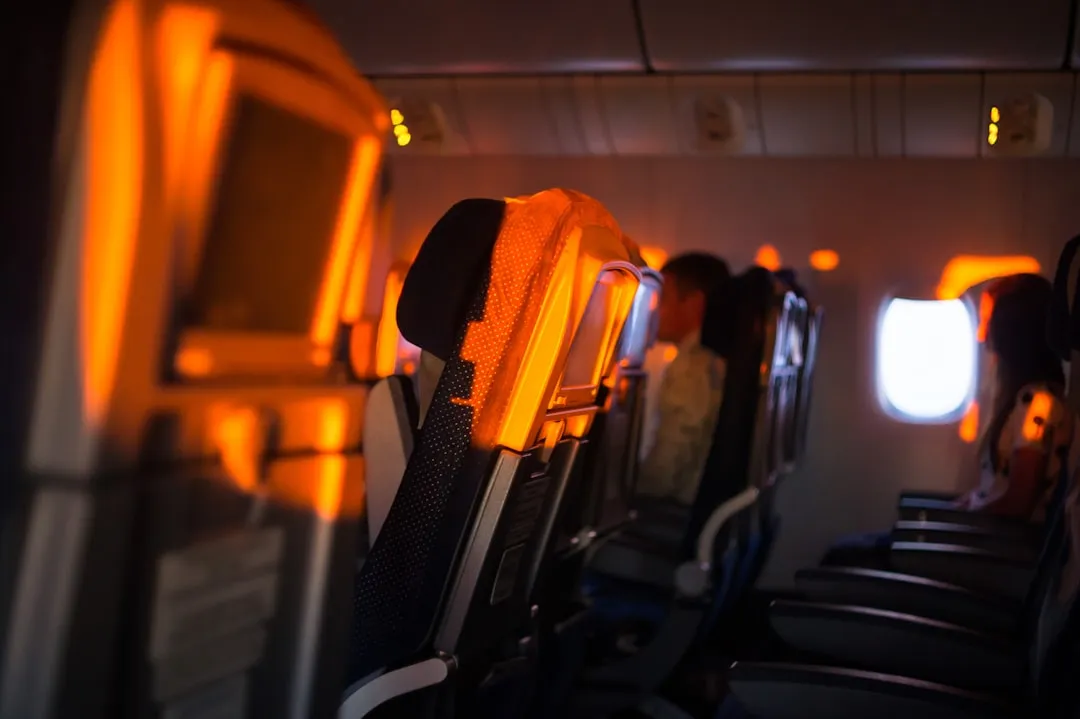
Many modern aircraft, including the Airbus A350 and Boeing 787 Dreamliner, feature advanced LED mood lighting systems. Although these systems can create a more comfortable cabin environment and help reduce fatigue on long-haul flights, passenger comfort is only a secondary benefit when lights are dimmed before takeoff and landing.
Cabin lights can still be dimmed for non-safety reasons, the most common one being to let passengers sleep or get more comfortable. Airlines will almost always dim the lights for hours on end during overnight, long-haul flights to match the sleeping patterns of those onboard. So the same system serves two very different purposes depending on the phase of flight.
It Is Grounded in Decades of Research and International Standards
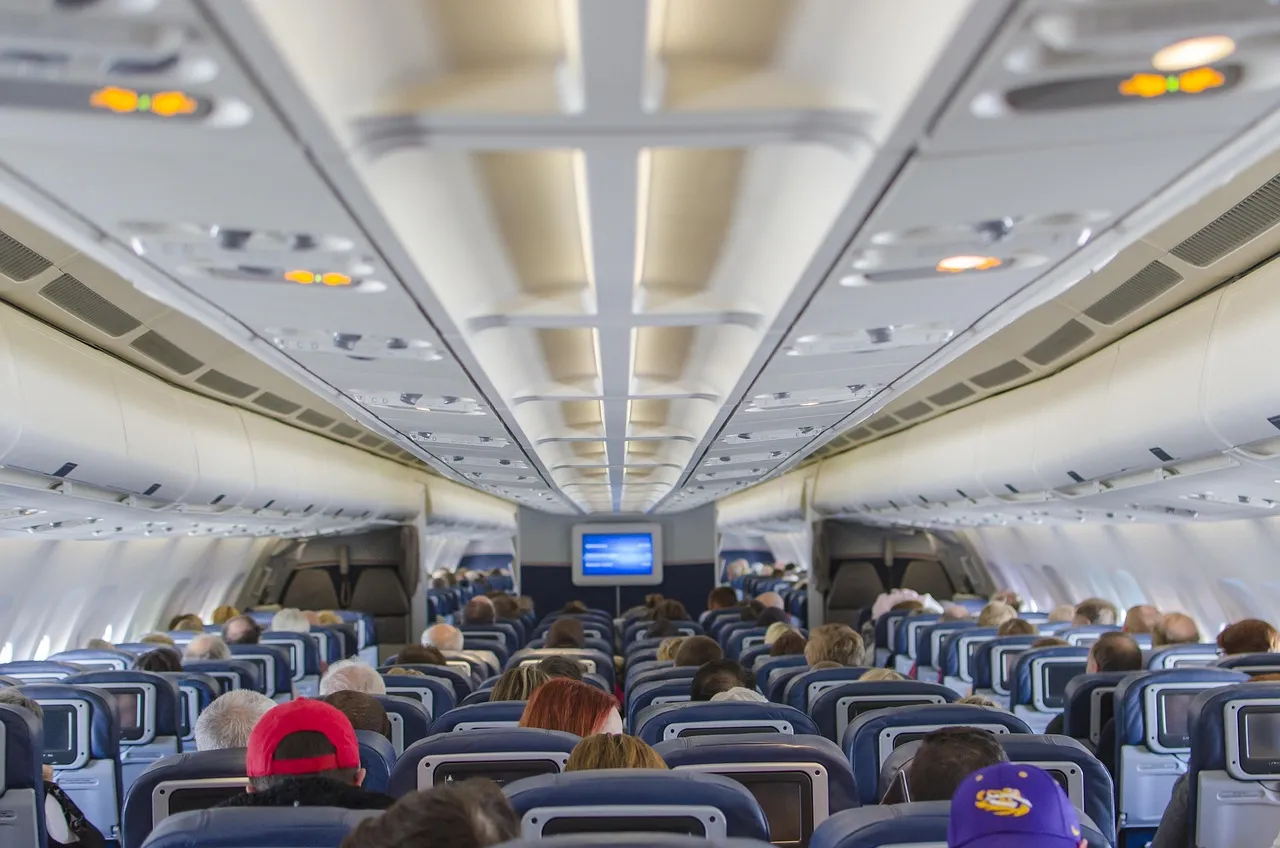
The procedure is based on decades of operational experience, scientific research on human vision, and international aviation safety standards. While passengers may hardly notice the lights fading before departure or arrival, the practice plays an important role in helping cabin crew manage emergencies efficiently and improving the chances of a safe evacuation if one becomes necessary.
Dimming the lights is a small but effective safety step that helps everyone see better, move faster, and stay calm in case of an emergency. When lights are turned down, passengers’ eyes start adjusting to low light. This helps people see clearly if the cabin suddenly loses power. The science behind it is straightforward, and the aviation industry has trusted it for a long time.
What This Means for You as a Passenger
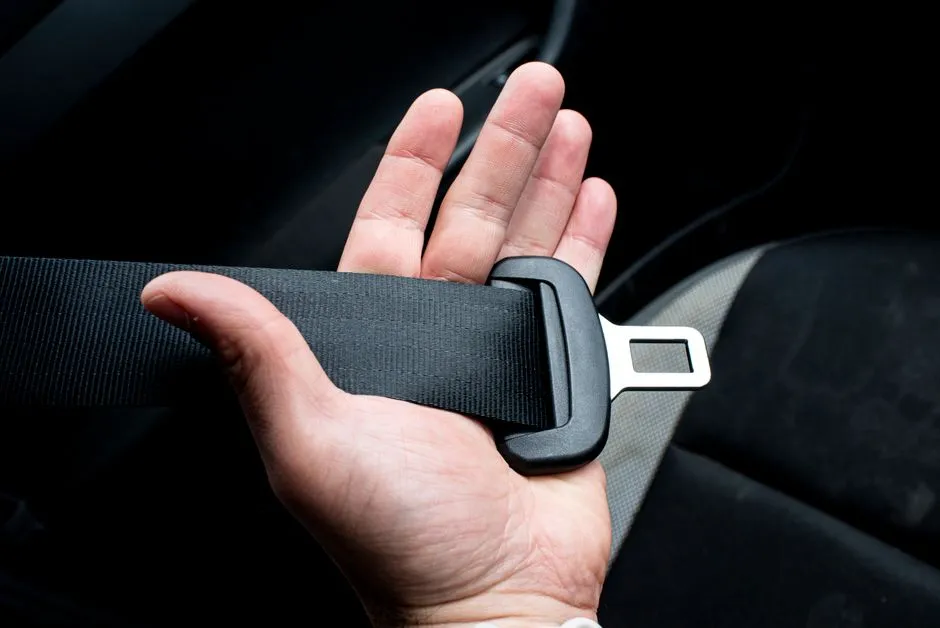
Passengers should take this time to fasten their seatbelts, review exit locations, and stay alert to announcements. If the lights go out, remember that it’s a normal part of every flight. It ensures that in case of a sudden emergency, everyone in the cabin has the best possible chance to see, move, and act quickly.
After the cabin lights have been dimmed, you will have the option to use an overhead light which will give you enough light to keep reading, but these lights are of reduced intensity so your eyes can still adjust to the lower light levels. That’s a detail worth knowing. You don’t have to sit in darkness; you just benefit from not sitting in a brightly lit cabin when it matters most.
The Quiet Logic of a Subtle Gesture
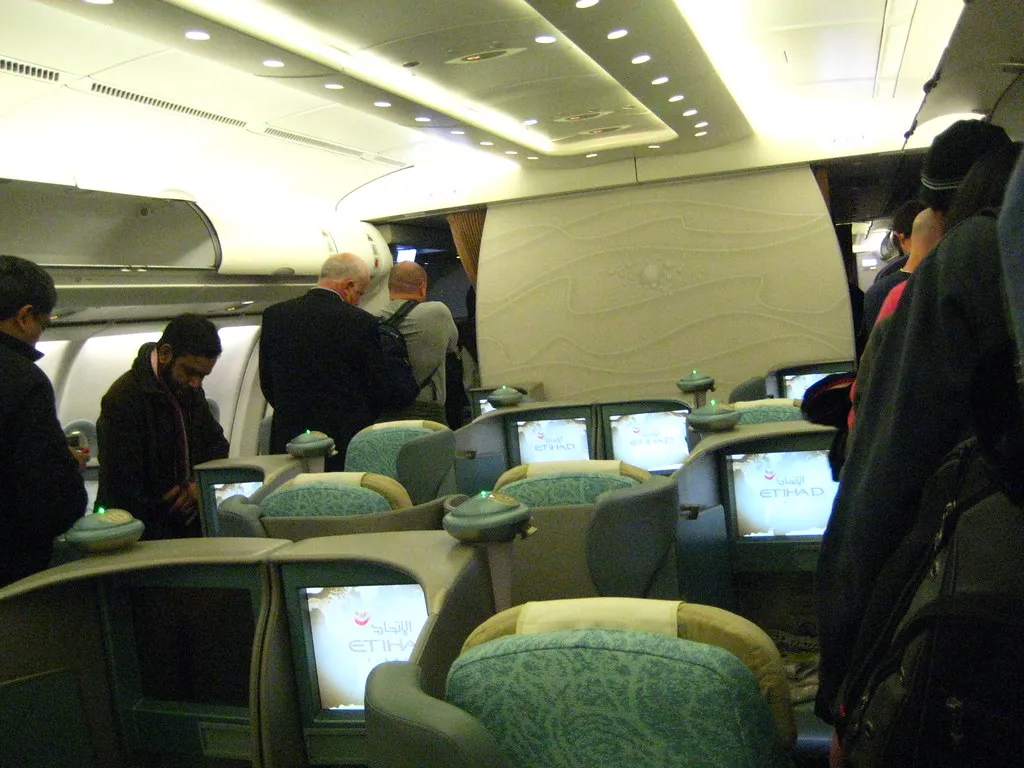
There is something worth appreciating in how much aviation safety is built into things passengers barely notice. The cabin dims, and most people reach for a pillow. What they’re actually experiencing is a coordinated, regulation-backed procedure designed around human physiology, evacuation science, and the statistical reality that the minutes around takeoff and landing carry the highest stakes of any flight.
Next time the lights fade as the runway approaches, it’s worth a moment of awareness. Not anxiety, just the quiet acknowledgment that the people responsible for your safety have thought through more than you might expect.
AI Disclaimer: This article was created with the assistance of AI tools and reviewed by a human editor.