

Every family has done it. You’re barely an hour out, someone in the back seat is asking if you’re there yet, and the snack bag is already half empty. Long car rides with kids have a reputation for being grueling, but it’s worth asking whether the problem is really the distance or the route itself.
The truth is, most children don’t hate road trips so much as they hate being bored and stuck. A route built around frequent, genuinely interesting stops can transform the whole experience. The Blue Ridge Parkway, stretching through the southern Appalachian Mountains, happens to be one of America’s most naturally suited roads for exactly that kind of family journey. Here’s what to know before you load up the car.
Why This Route Works So Well for Restless Kids
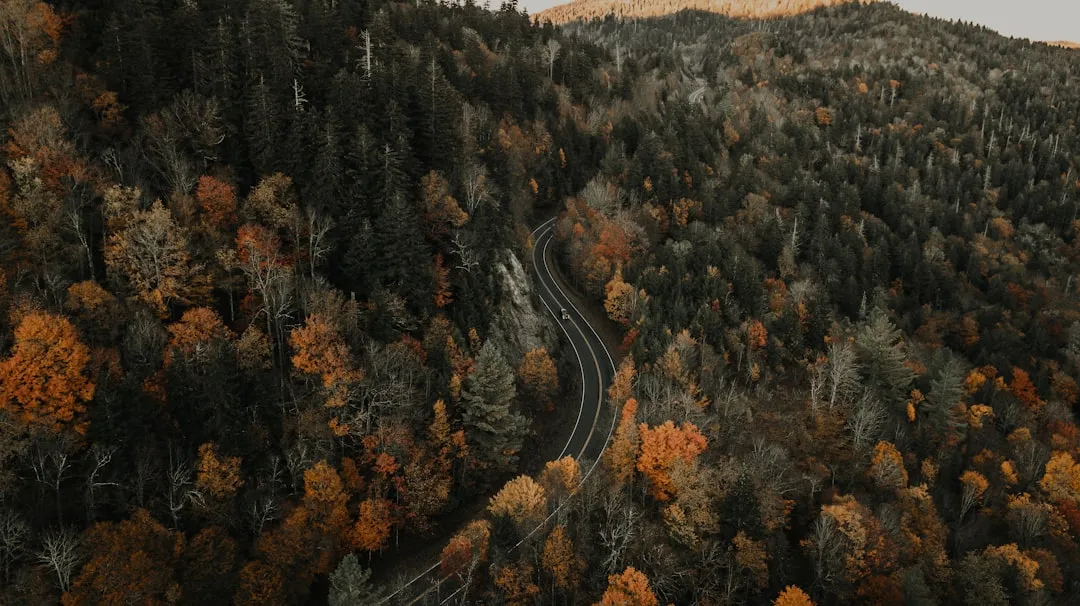
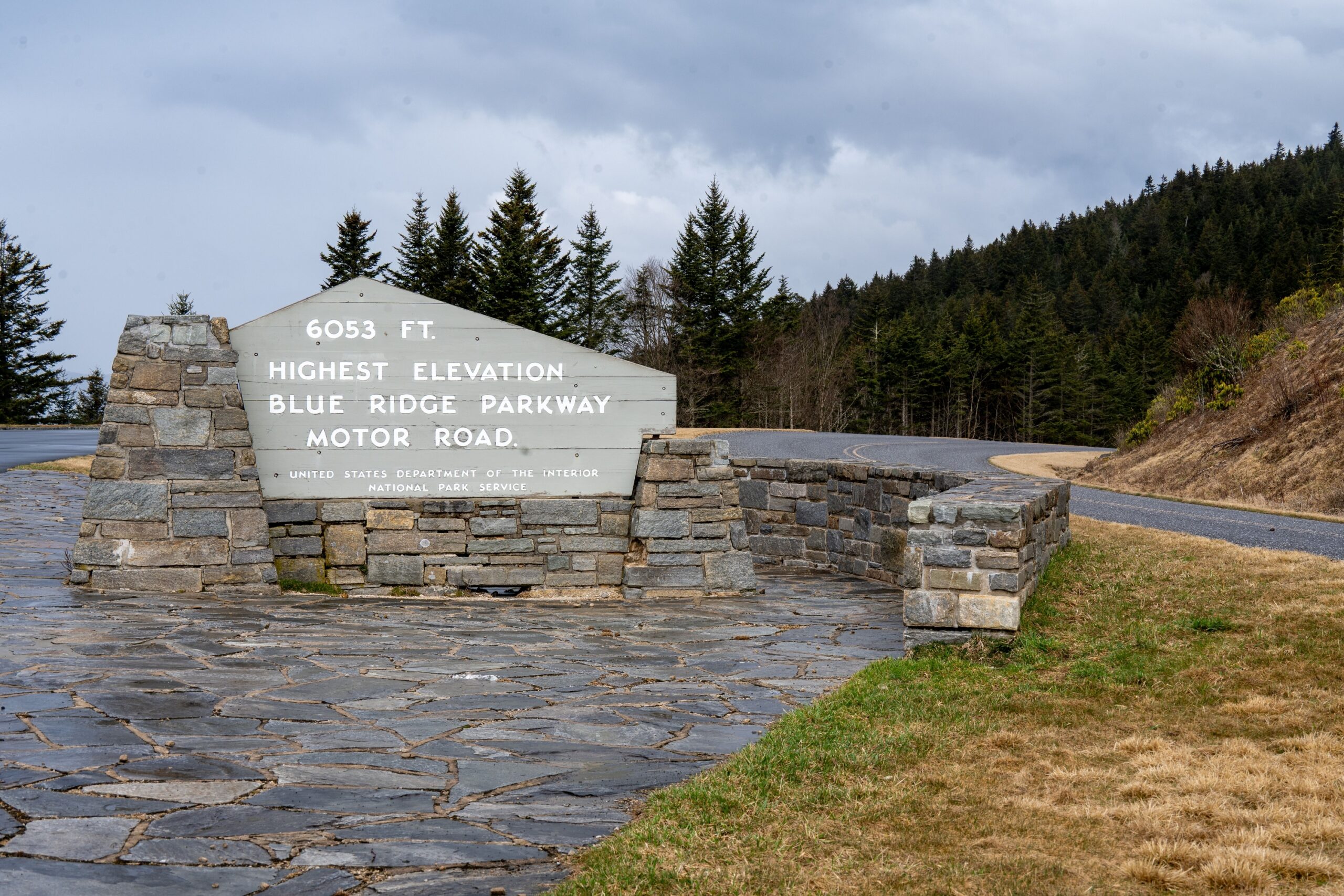
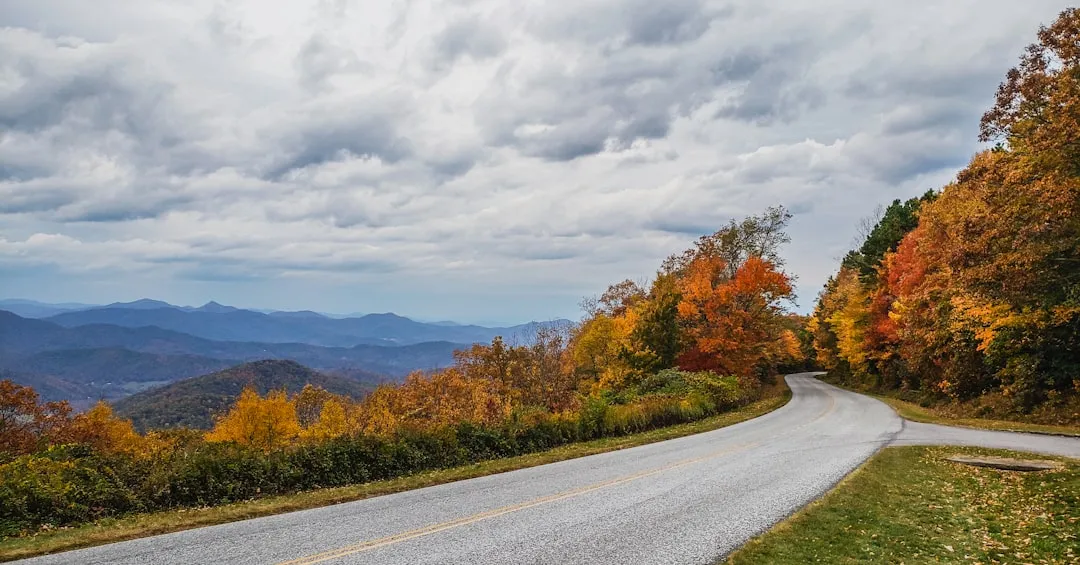
The Blue Ridge Parkway is a 469-mile drive connecting Virginia and North Carolina through the Appalachian Highlands. With a 45-mph speed limit and countless overlooks, it’s perfectly designed for families who want to take their time. That slower pace is precisely what makes it friendly for children who struggle with long stretches of nothing to look at.
The parkway is considered “America’s Favorite Drive,” bookended by two national parks and running through the southern Appalachian highlands. For kids, the constant change in scenery, mountain views, and easy access to short trails means there’s always something to break up the sitting.
Understanding How Long Kids Can Actually Sit Still

Children under two should take a break from their car seat every two hours, per the American Academy of Pediatrics. Kids ages three to five can typically handle four to five hours of total driving per day, with stops every 90 minutes. These aren’t soft suggestions. They reflect real physical and developmental needs.
Children ages three to five can generally manage four to five hours of total daily driving, while kids between six and ten manage five to six hours. Kids eleven and older can usually handle six to eight hours with regular breaks. The Blue Ridge Parkway’s natural structure encourages exactly this kind of rhythm, with overlooks, trailheads, and picnic areas appearing every few miles.
The toughest age range for road trips is 18 months to three years. Old enough to be bored, but too young to be reasoned with. Planning shorter daily driving segments and loading up on meaningful stops matters most for families in this situation.
The Science Behind Movement Breaks

While most parents focus on car seat installation and safety guidelines, there’s another critical aspect of travel that rarely gets discussed: what happens to children’s developing bodies during extended time in car seats.
For older children, the concerns shift but remain significant. Research on school-age children has consistently shown that prolonged sitting with poor posture contributes to musculoskeletal discomfort. Children often sit with their trunk, back, and neck flexed or rotated during long car rides. Short movement breaks aren’t just nice to have. They serve a real physical function.
Research suggests that stopping every two to three hours is a solid guideline, as this interval allows for bathroom breaks, snacks, and much-needed movement, all of which are essential for keeping children content and engaged.
Starting Point: Shenandoah National Park, Virginia
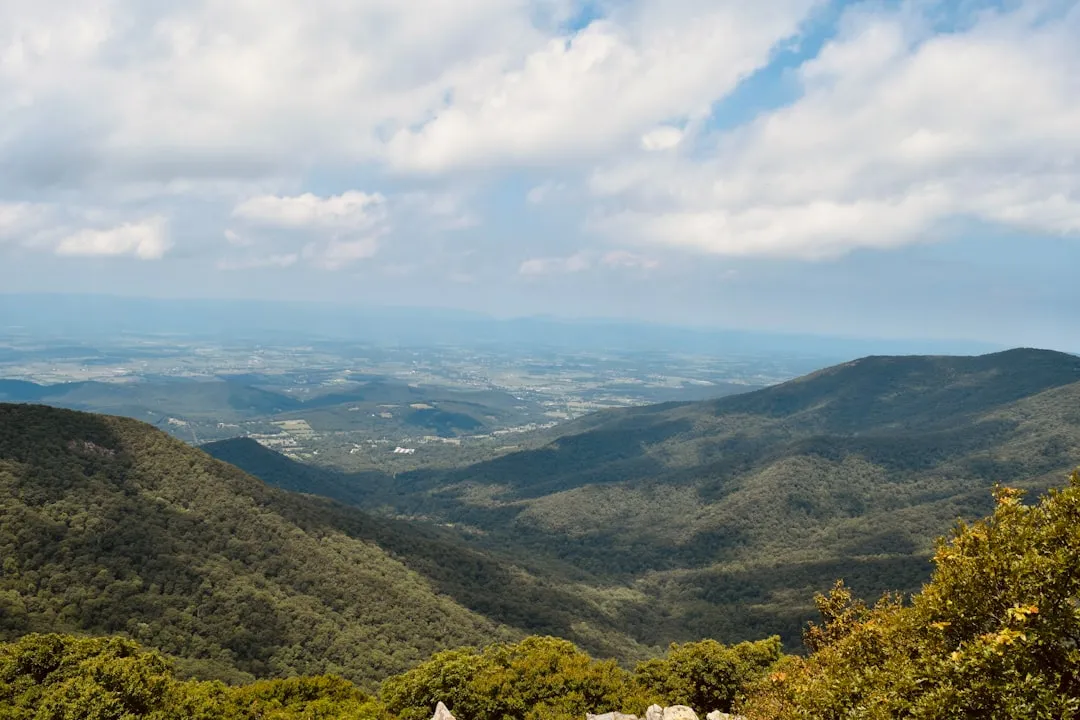
The route begins in Shenandoah National Park before meandering south past attractions like Grandfather Mountain, with its famous Mile-High Swinging Bridge. Shenandoah itself offers short, well-marked trails that are genuinely manageable for younger hikers.
The park’s Skyline Drive, which feeds directly into the Parkway, runs at a pace that keeps the windows busy with views. Deer, wild turkey, and black bear sightings are common here, and spotting wildlife is one of those free, spontaneous moments that tends to outshine any planned attraction.
A Natural Rhythm: Scenic Highways Over Interstates
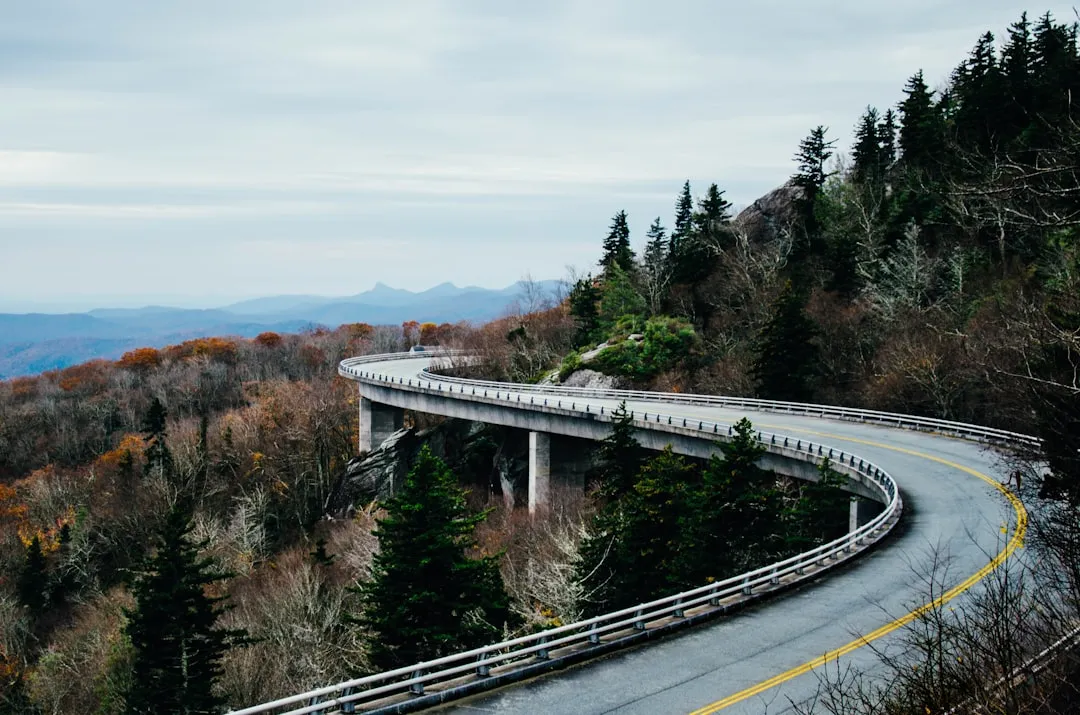
Kids get bored staring at endless asphalt. Routes with parks or quirky roadside attractions give them something to look forward to. The Parkway is the structural opposite of a freeway. There are no commercial trucks, no billboards, and nowhere to rush to.
No child wants to sit for six hours straight. Planning stops every two hours for leg-stretching and snack breaks is one of the most practical things a family can do. On the Blue Ridge Parkway, those stops come naturally, because the road essentially invites them at every turn.
North Carolina Highlights That Kids Actually Enjoy
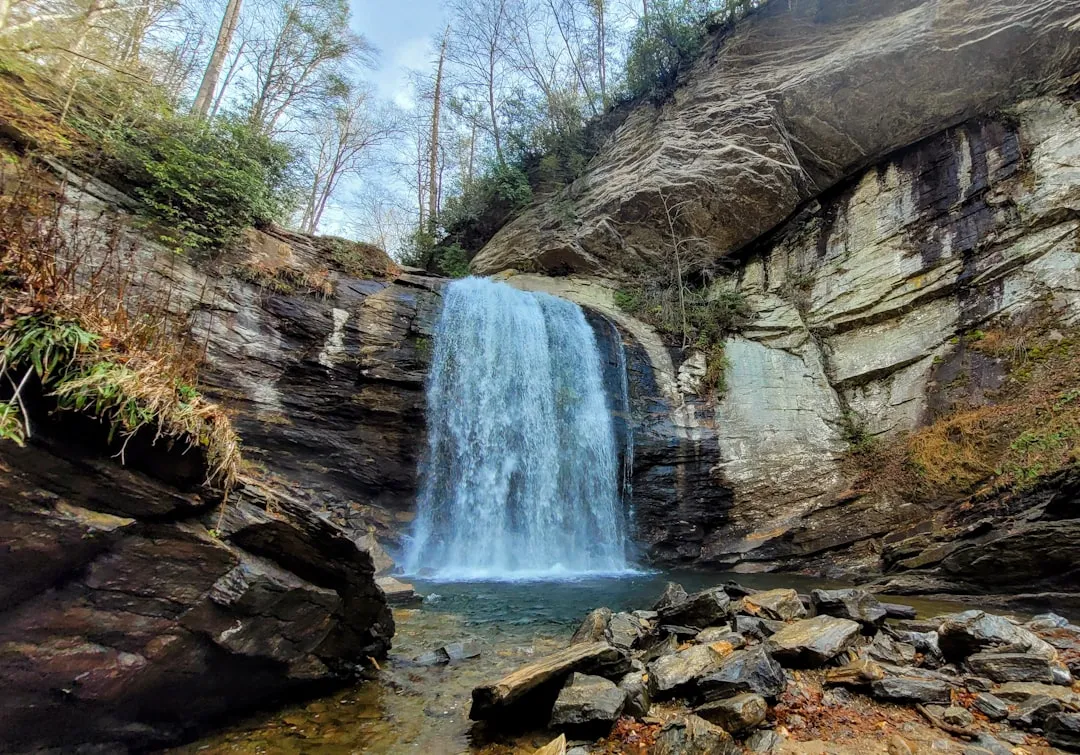
Kids will love exploring the hands-on exhibits at the Museum of North Carolina Minerals. Don’t miss Sliding Rock in Pisgah National Forest, a natural 60-foot water slide that’s a guaranteed hit with children. Sliding Rock, near Brevard, is one of those stops that tends to make the whole trip for younger travelers.
The parkway is especially spectacular during fall foliage season but offers year-round beauty. Summer brings wildflowers and waterfalls. Spring is gentle and green. Each season changes the character of the drive in ways that make repeat trips genuinely worthwhile.
The Junior Ranger Program: Turning Driving Into Discovery
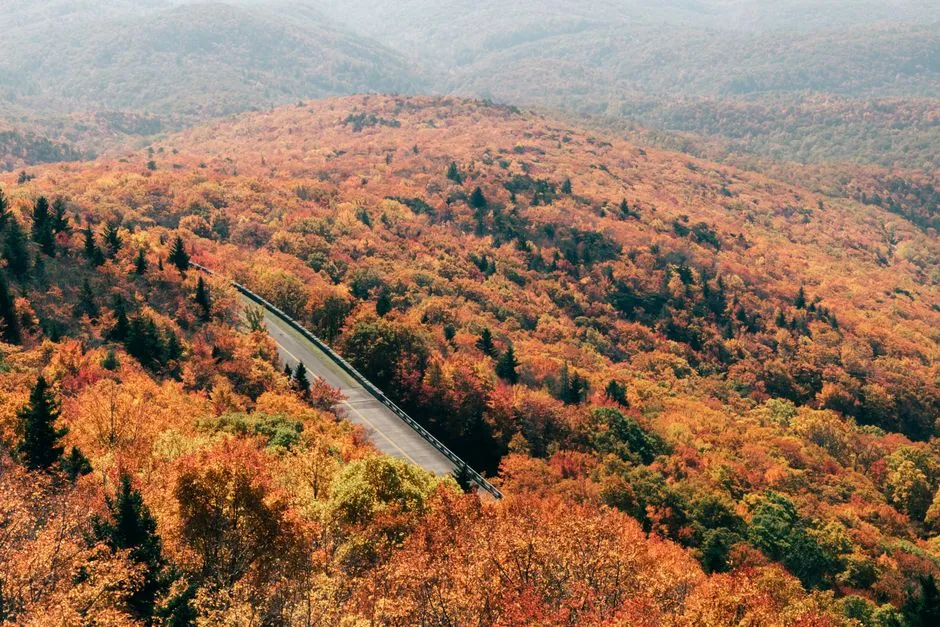
The Blue Ridge Parkway is one of the most unique places in the National Park Service. You can travel over 460 miles and experience the mountains along the way, with hiking, exploring homestead sites, and attending ranger programs.
The Parkway offers several TRACK Trails designed specifically for children and families, each with activity guides to lead the experience. Kids can also complete the Junior Ranger program to discover all the Parkway has to offer. The Junior Ranger booklet gives children something purposeful to do at every stop, which transforms passive car time into genuine anticipation for the next destination.
Smart Stop Planning: What the Research Actually Says

Penn State’s extension service recommends planning to stop driving about every two to three hours for day trips and every four to six hours for night trips. Regular breaks give both parents and children opportunities to refresh.
Choosing stops with a playground or play place to let toddlers and kids burn off energy is always effective. Another strong option is a unique roadside attraction that engages the whole family. The Parkway has both. Many of its picnic areas include open fields, and small towns like Blowing Rock and Boone offer playgrounds and ice cream shops within easy reach.
Family road trips work best when parents match driving distance to their youngest child’s age and build in more stops than they think they need. That last part tends to be the most overlooked.
Keeping Kids Entertained Between Stops
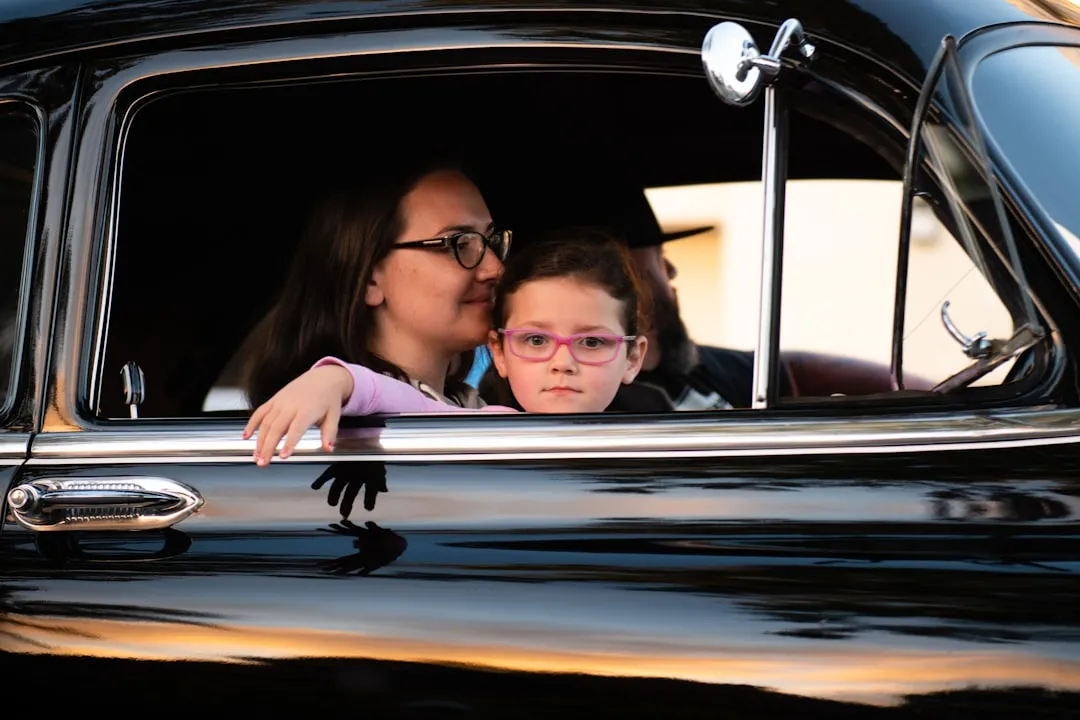
Rotating between audiobooks, downloaded podcasts, travel games, and screen time in 30 to 45 minute blocks prevents any single activity from getting stale. This approach works far better than relying on one source of entertainment for the whole day.
Giving each child their own activity backpack that they helped pack tends to keep them more engaged, because kids are more motivated by activities they chose themselves. Something as simple as letting a seven-year-old choose which two audiobooks come along can shift their ownership of the trip entirely.
When everything else fails, music and audiobooks do wonders. The effect on children during very long rides can be genuinely impressive. The Blue Ridge Parkway’s gentle curves and mountain radio silence make it unusually good acoustic territory for a shared family playlist.
Closing the Loop: Asheville and the Great Smokies

Sliding Rock in Pisgah National Forest is a natural 60-foot water slide that consistently wins with children. Plan for five to seven days total, with family-friendly overnight bases in towns like Boone, Blowing Rock, and Asheville. Asheville in particular has an unusually good mix of outdoor access and urban amenities that makes it a natural endpoint for a family driving south.
The Great Smoky Mountains road trip is ideal for families with young children due to its relatively compact area and abundance of easy hiking trails. Finishing the drive by dipping into the Smokies gives the whole trip a satisfying arc, from Virginia mountains to Tennessee valleys, with enough stops along the way to make even the most car-resistant kid feel like the journey itself was the destination.
The Bigger Picture: Planning for the Pace Your Kids Need
A survey by The Vacationer showed that roughly four out of five Americans planned to travel in 2024, and nearly three quarters of them planned to take a road trip. That appetite for the open road isn’t going away, and more families are learning to plan smarter rather than just drive faster.
The families who enjoy road trips aren’t the ones who cover the most miles per day. They’re the ones who planned for the pace their kids actually need. The Blue Ridge Parkway enforces that pace almost automatically, with its 45-mph limit, its scenic overlooks, and its deep invitation to stop, look, and breathe.
There’s something quietly memorable about a road that doesn’t try to rush you. Kids who hate long car rides usually don’t hate the car at all. They hate feeling like the journey is something to get through. On this route, the drive is the whole point.
AI Disclaimer: This article was created with the assistance of AI tools and reviewed by a human editor.