
Few things on a flight raise the collective heart rate of a cabin quite like the sudden shudder of turbulence. Drinks slosh, overhead bins rattle, and hands grip armrests. For most passengers, those bumps feel instinctively dangerous, even when the flight crew looks completely unfazed.
That gap between how turbulence feels and what it actually is remains one of aviation’s most persistent communication challenges. The facts, when you look at them clearly, tell a very different story from the one most passengers carry on board.
Myth 1: Turbulence Can Bring Down a Plane
This is the big one, the myth that sits at the root of most flight anxiety. The first bit of reassurance any pilot will give to nervous flyers is that turbulence is seldom dangerous, with aircraft almost never being brought down by turbulence alone. The physics simply do not support the fear.
Turbulence has not brought down a modern commercial airliner in decades, according to the US Federal Aviation Administration. Modern jets are engineered with enormous safety margins that most passengers never see or hear about.
Modern jet designs are built to withstand gust loads far stronger than anything crews would encounter while flying. Manufacturers test prototype airplanes by bending their wings upward until they fail in a destructive test, long before passengers ever board, to prove those safety margins.
Myth 2: Flexing Wings Are a Sign Something Is Wrong
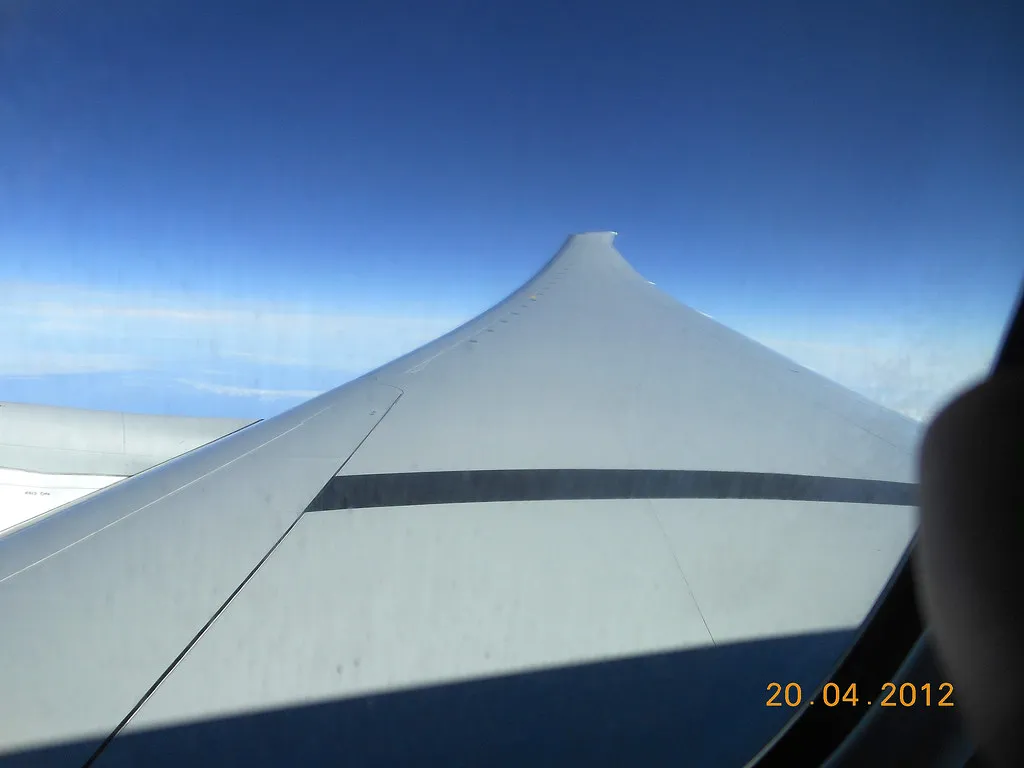
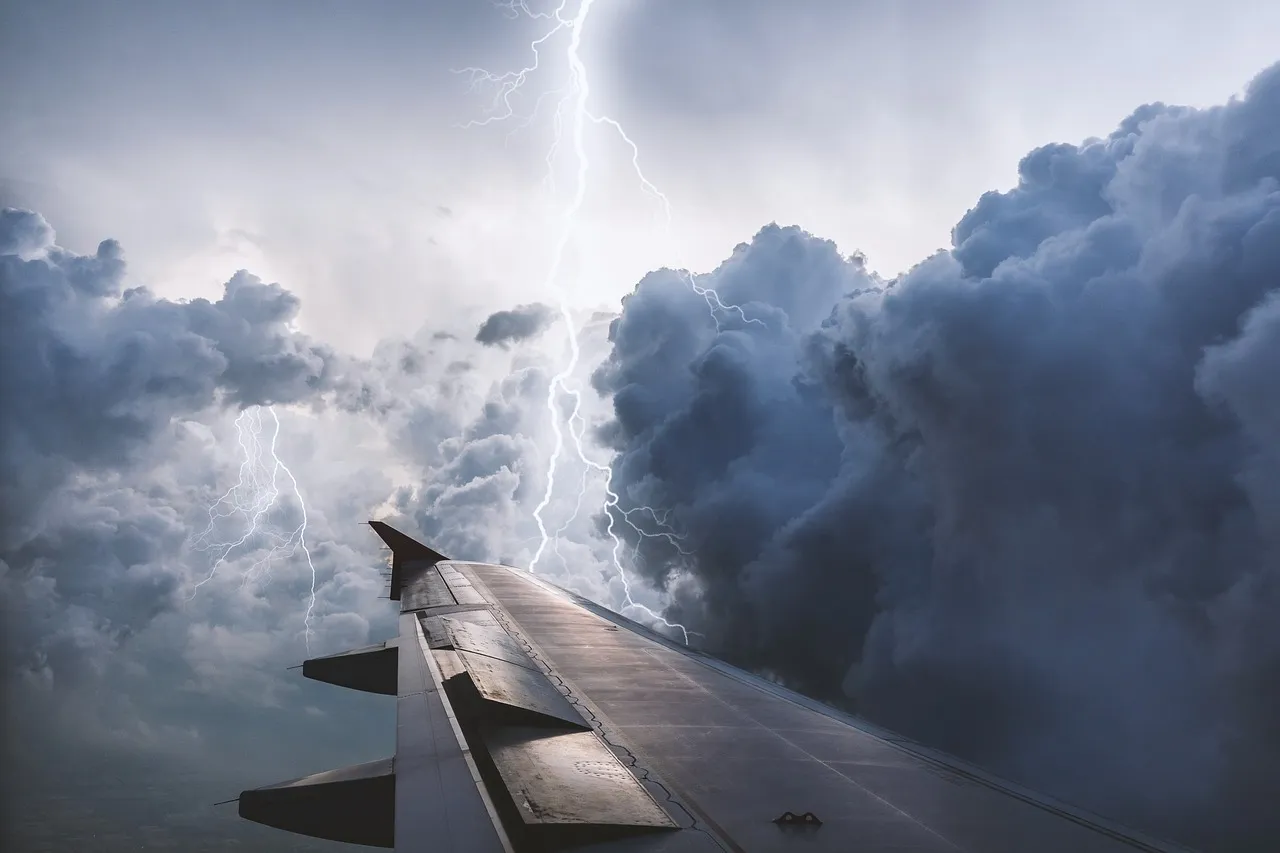
Passengers sitting over the wing often notice it bending during rough air and assume this is cause for alarm. It is actually the opposite. According to retired airline captain John Cox, modern aircraft have a lot more flex in their wings compared to traditional aircraft. During testing, the Boeing 787 wings flexed 26 feet upward before failing. Aircraft designers calculate the maximum stress they anticipate a wing will experience in flight, then make it able to withstand 50 percent more as a safety margin.
What observers might perceive as dramatic movement, pilots often interpret as a clear, active demonstration of the wing structure performing precisely as engineered. The flex is the design working, not failing.
The Airbus A350 and Boeing 787 use active gust load alleviation systems. Sensors on the nose detect gusts a fraction of a second before they hit, and the flight computer adjusts the control surfaces to dampen the response. Passengers feel a smoother ride while the wings see less stress.
Myth 3: Pilots Can See and Avoid All Turbulence
Many passengers assume that if turbulence catches the crew off guard, something went wrong in the cockpit. In reality, a specific category of turbulence is almost impossible to detect in advance. Clear air turbulence can happen when there are no visible indicators in the sky, which makes it hard to predict.
Clear air turbulence occurs in cloudless skies at cruising altitudes, typically near jet streams where strong wind shears create unstable atmospheric conditions. There is no cloud, no visual cue, and no radar return to warn the crew ahead of time.
Pilots and air traffic control have technology to predict the beginning and end of rough air using real-time radar, satellite imagery, and ride reports from other crews. When they cannot simply go around, pilots decelerate to the turbulence penetration speed.
Myth 4: The Seatbelt Sign Going Off Means Turbulence Is Over
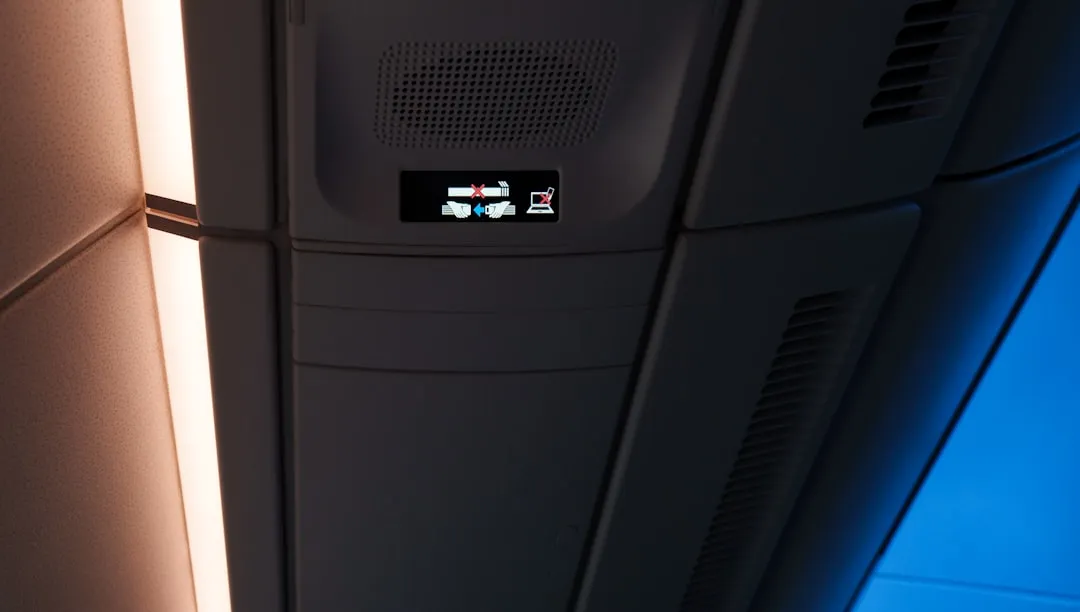
Passengers often unbuckle the moment the illuminated seatbelt sign goes dark. This habit carries more risk than most people realize. Passengers should not loosen their belts just because the seatbelt indicator is off. Unexpected turbulence can happen, and injuries can result from not fastening a seatbelt. Pilots cannot forecast sudden turbulence, so they only turn off the seat belt indicator when they are comfortable with the current air conditions.
Of the three turbulence-related fatalities recorded by the FAA between 1980 and 2008, two were passengers not wearing their seatbelts while the fasten seatbelt sign was on. Most turbulence-related accidents occur at or above 30,000 feet and many are linked to passengers not being securely fastened in their seats.
Nearly all turbulence injuries involve unbelted passengers. Keeping a seatbelt loosely fastened whenever seated addresses the vast majority of the actual risk.
Myth 5: Turbulence Injuries Are Common
High-profile incidents fuel the impression that injuries from turbulence happen constantly. The numbers, looked at carefully, tell a more measured story. Turbulence caused more than 200 serious injuries in the US alone between 2009 and 2024, according to data from the US National Transportation Safety Board. Across billions of passenger flights over that period, that figure is remarkably small.
Such severe incidents are rare. Millions of flights take place each year without incident. The visibility of individual events in the news tends to distort how frequently they actually occur.
The NTSB indicates that among US air carriers, more than one third of all accidents are the result of injuries due to turbulence, making it the most common accident type. Studies of accident data from 1989 to 2018 indicate that flight attendants are 24 times more likely to be injured than passengers. Crew members moving through the cabin without a seatbelt bear the greatest risk.
Myth 6: Turbulence Frequency Is Staying the Same
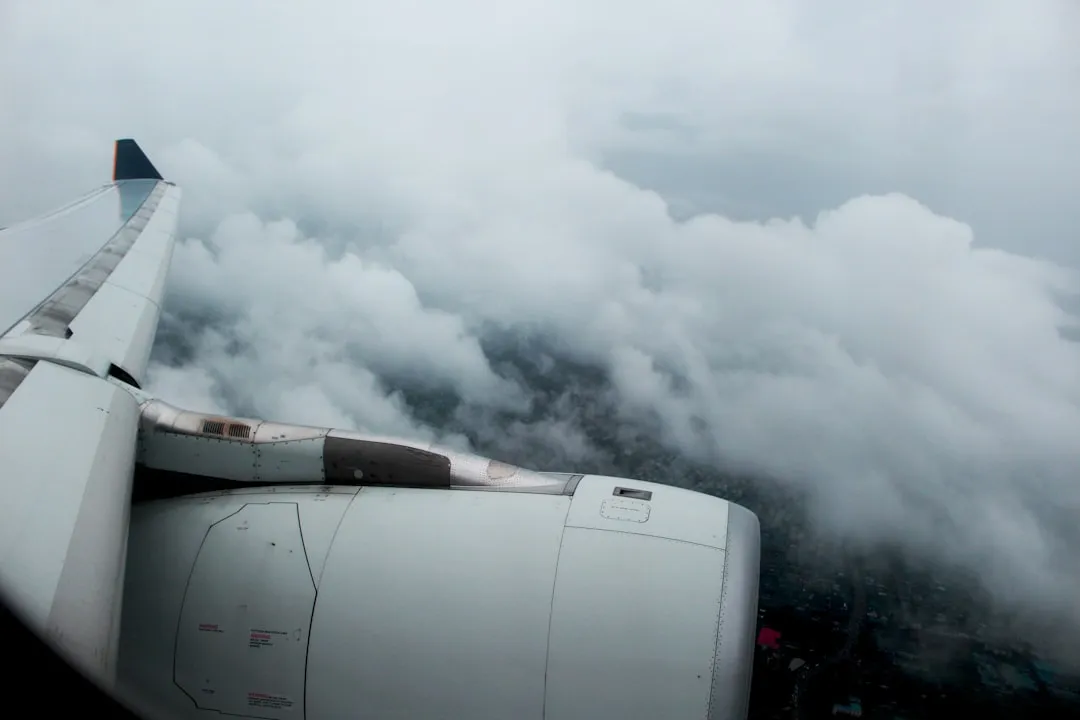
There is a genuinely important truth here that pilots and scientists want the public to understand: turbulence in certain regions is becoming more frequent, and climate change is a documented driver. The skies aircraft fly through are bumpier today than four decades ago. New research from the University of Reading shows that clear-air turbulence, which is invisible and hazardous to aircraft, has increased in various regions around the world.
At a typical point over the North Atlantic, one of the world’s busiest flight routes, the total annual duration of severe turbulence increased by 55 percent from 17.7 hours in 1979 to 27.4 hours in 2020. Moderate turbulence increased by 37 percent, and light turbulence increased by 17 percent over the same period.
Climate change will increase the frequency of moderate-to-severe clear air turbulence at any given time in the Northern Hemisphere with each degree of temperature rise over the preindustrial global average, according to research published in the Journal of Geophysical Research: Atmospheres. This is a trend the aviation industry is actively monitoring and preparing for.
Myth 7: Pilots Are As Scared as Passengers During Rough Air
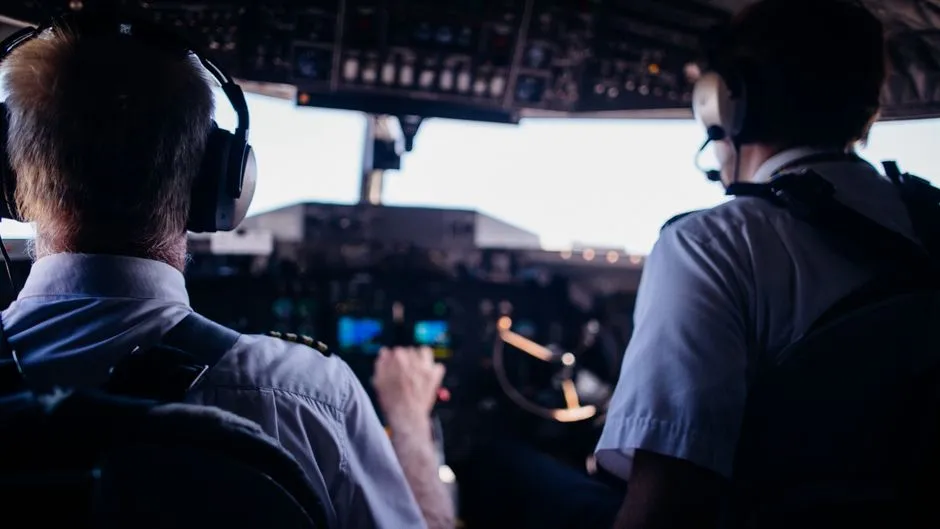
The calm voice on the intercom is not performed composure. It reflects something more substantive: a completely different frame of reference built through years of training. Pilots go through the same bumpy turbulence as passengers, but they see it in a completely different way. They spend hundreds of hours learning exactly how much motion an airliner can safely absorb in classrooms, simulators, and small aircraft, long before they ever carry passengers.
An airliner only experiences brief, minor changes in attitude and g-load when flying through rough air. These forces hardly change its course at all in most cases and are well within the bounds that the aircraft is tested to withstand.
The cognitive gap is real. Pilots have essentially memorized the structural tolerances of the aircraft they fly, which makes the same experience feel categorically different from the flight deck than from seat 34A.
Myth 8: Turbulence Monitoring Has Not Improved Much
Behind the scenes, the technology pilots use to anticipate and share turbulence data has changed significantly. Today, 28 airlines across 2,800 aircraft feed live reports of turbulence into IATA’s Turbulence Aware platform. This aggregated data is then shared almost instantaneously with airlines, providing pilots with a near real-time view of turbulence ahead of their aircraft. While not a fail-safe, it equips pilots to take mitigating action, whether suspending meal service, activating the seatbelt sign, or rerouting where possible.
In the first six months of 2025 alone, airlines participating in Turbulence Aware generated 24.8 million turbulence reports, a significant 23 percent increase over the same period in 2024. The scale of that data sharing is something most passengers never hear about.
While real-time data is proving invaluable to pilots, the ability to predict how meteorological conditions change ahead of the aircraft remains the obvious next step. Investment in predictive tools is ongoing across the industry.
Myth 9: Turbulence Was the Cause of Several Recent Plane Crashes
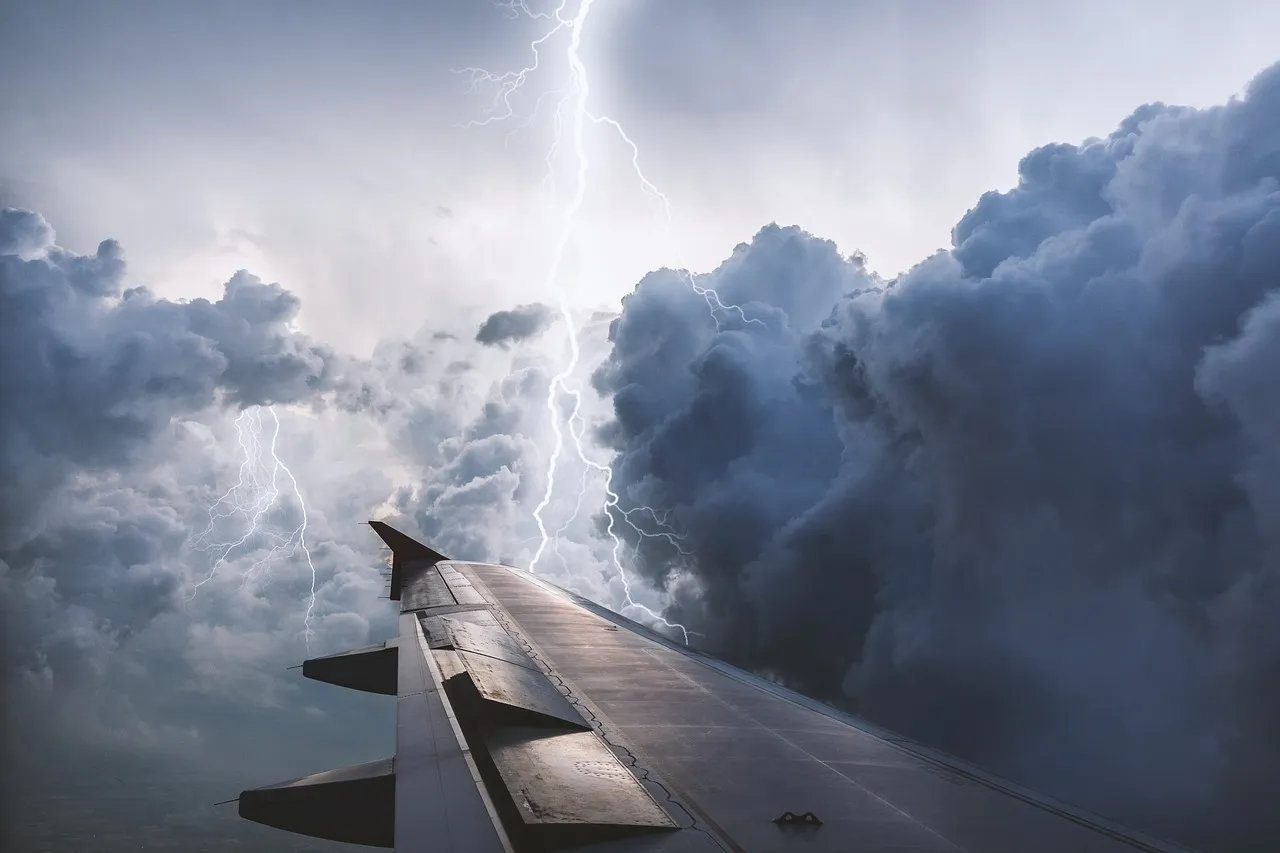
After the Singapore Airlines Flight 321 incident in May 2024, social media was flooded with suggestions that turbulence had nearly caused a crash. The facts are more nuanced. Singapore Airlines Flight 321 encountered severe in-flight turbulence caused by convective clouds and thunderstorms, resulting in one fatality and 79 injuries among its 229 occupants. Tragically serious, but the aircraft landed safely.
Turbulence cannot cause an aircraft to go into a spin or be forced upside down. It is usually a comfort rather than a safety concern, although the Singapore Airlines incident showed that severe cases carry real risks.
The number of turbulence-related airliner accidents declined in 2025 to 26 from 35 in 2024, but for the fourth year in a row, turbulence remained the most common ICAO occurrence category cited in accident data. The distinction between turbulence causing accidents and causing a crash matters greatly for understanding the actual risk level.
Myth 10: Passenger Concern About Turbulence Is Declining
If anything, public anxiety around turbulence has grown, not faded. An IATA survey highlighted that roughly more than half of passengers are more concerned about turbulence than they were the previous year. High-profile incidents and increased media attention are clearly shaping that perception.
Flying remains the safest form of transportation, but a series of recent turbulence incidents have caused injuries, hospitalizations, and in one case a death. Those events, while genuinely sobering, are not statistically representative of the everyday flying experience.
For most passengers, turbulence will be felt as a few bumps, but in severe cases it can cause structural damage to the plane, temporary loss of control, and injuries. Moderate to extreme turbulence happens tens of thousands of times a year across the world, the overwhelming majority of those events passing without any consequence for people on board.
What Passengers Can Actually Do
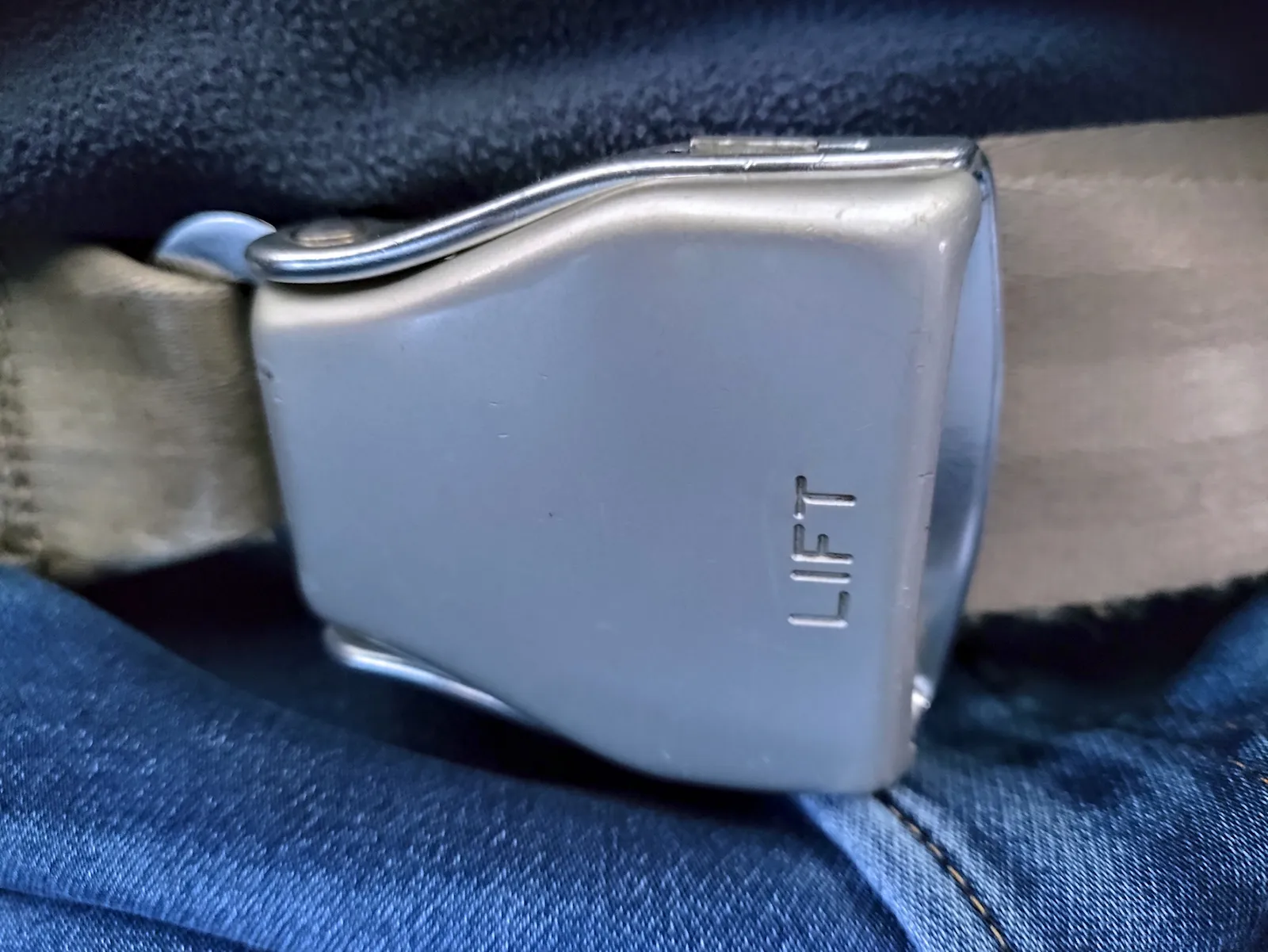
Understanding turbulence accurately does not mean dismissing it. There is one practical step that addresses most of the real risk. When turbulence happens, stay calm and let the pilot handle it. Make sure you are wearing your seatbelt and do not get out of your seat until the turbulence passes. That advice from aviation training professionals is remarkably consistent.
Clear and calm announcements from the flight crew help reduce anxiety by explaining that turbulence is a normal part of flying and that the aircraft is designed to handle it. Reassurance and guidance on when to fasten seatbelts helps keep everyone safe and comfortable. This transparent communication builds trust and ensures a coordinated, reasonable response during turbulent conditions.
Keeping a seatbelt loosely fastened throughout a flight is the single most effective thing a passenger can do. It costs nothing, requires no expertise, and genuinely works.
A Measured Takeaway
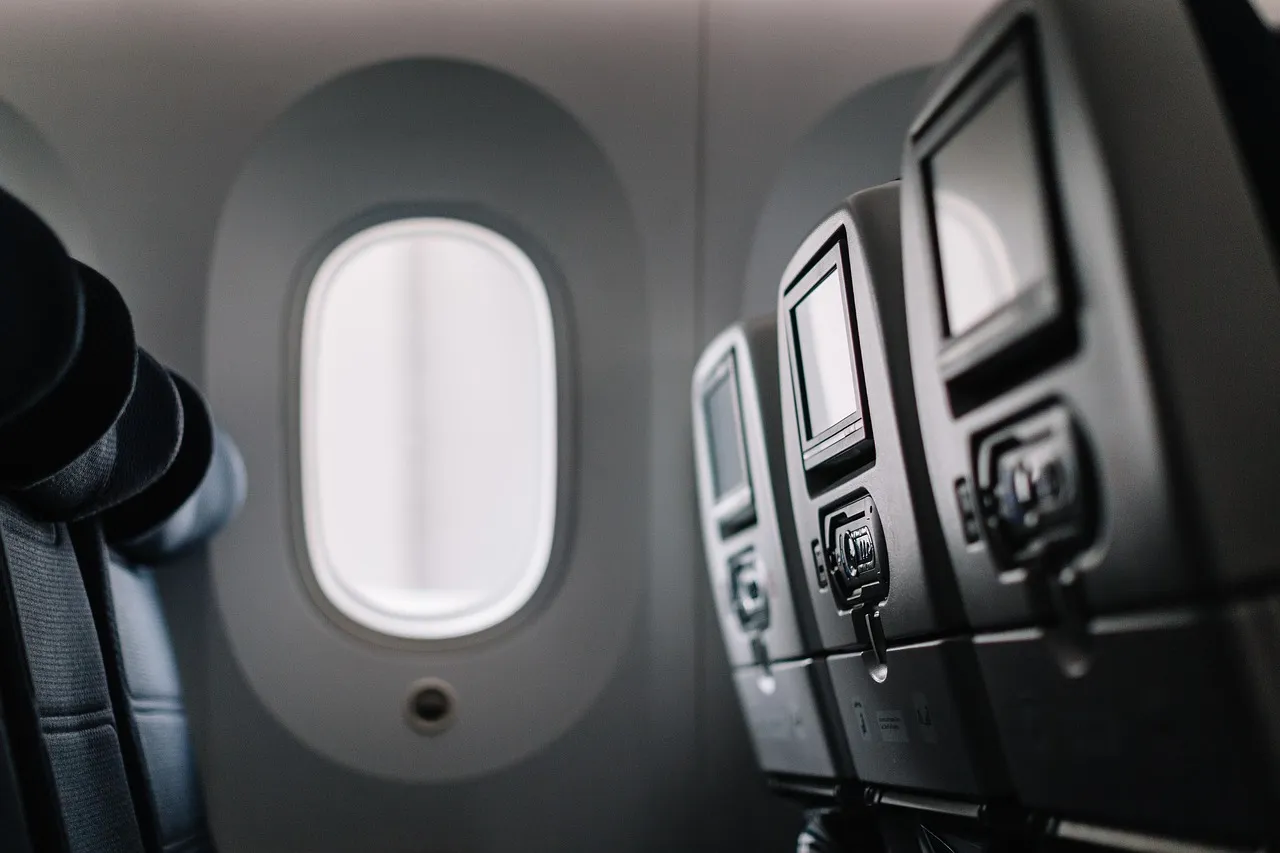
The gap between turbulence as it feels and turbulence as it actually is may never fully close. The body responds to sudden motion with alarm, regardless of what the rational mind knows. Still, knowledge matters. Understanding why pilots stay calm, what aircraft are built to handle, and where the genuine risks actually sit, changes how the experience lands.
The sky is getting bumpier in places, that much the science confirms. The response from aviation, in better data, smarter monitoring, and clearer communication, is moving forward too. What has not changed is the fundamental engineering fact that these aircraft were designed with turbulence built in as a routine reality, not an unexpected threat.
The next time the cabin shakes and the pilot’s voice comes on, unhurried and steady, it is worth remembering: they have spent years learning exactly how much the aircraft can take. That calm is earned.
AI Disclaimer: This article was created with the assistance of AI tools and reviewed by a human editor.