
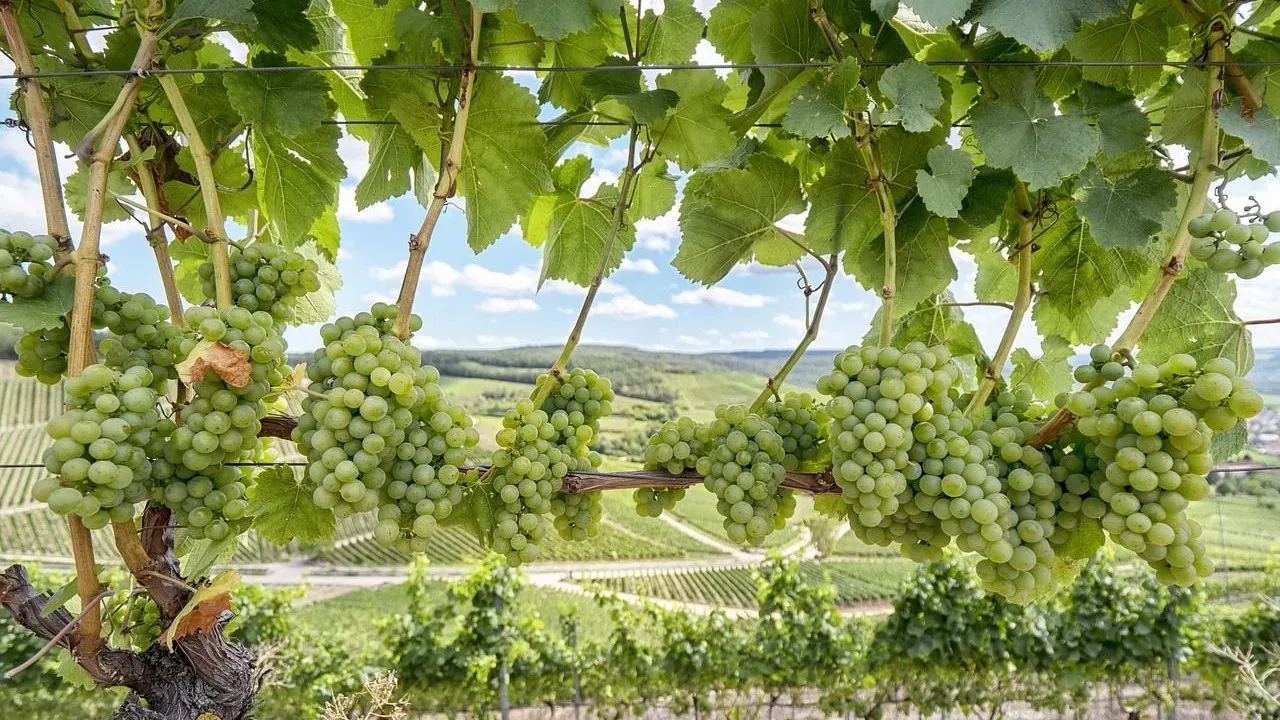

Texas Hill Country has drawn fresh attention after USA Today readers placed the region third among the nation’s best wine destinations to visit. The recognition highlights a landscape long admired for its rolling hills and clear rivers, now paired with a maturing wine industry. More than sixty wineries operate across the area, offering visitors a chance to taste wines shaped by the local terroir while exploring small towns and scenic drives.
Reader Poll Highlights Growing Appeal
The USA Today ranking emerged from a nationwide vote that asked readers to name their favorite wine regions for travel. Texas Hill Country earned its spot through consistent praise for accessibility, variety, and natural beauty rather than large-scale production alone. The result reflects steady growth in the local industry over the past decade, as more producers have refined their methods and expanded tasting rooms.
Scenic Routes and Vineyard Settings
Travelers often begin in Fredericksburg or Johnson City, where wineries sit amid limestone hills and live-oak groves. Many properties maintain modest tasting areas that open onto views of vines climbing gentle slopes. The terrain changes with the seasons, offering spring wildflowers, summer shade under covered patios, and autumn colors that complement harvest activities. These settings encourage unhurried visits that combine wine tasting with short hikes or drives along the winding roads.
Supporting Local Producers and Communities
The wineries range from family-run operations to larger estates, each contributing to the regional economy through direct sales and events. Visitors who choose to stay at nearby bed-and-breakfasts or dine at farm-to-table restaurants help sustain the same communities that tend the vines. Many producers emphasize sustainable practices suited to the Hill Country’s variable rainfall and rocky soils, aligning with travelers who seek lower-impact experiences.
Practical Considerations for a Thoughtful Visit
A typical itinerary might include two or three wineries per day, allowing time to appreciate both the wines and the surrounding countryside. Designated-driver services and shuttle options are widely available, reducing the need for personal vehicles on rural roads. Advance reservations remain useful during peak weekends, yet the region retains a relaxed pace compared with more crowded destinations.
Travelers interested in deeper engagement can join harvest events or vineyard tours that explain the specific challenges and rewards of growing grapes in central Texas. The ranking serves as a reminder that distinctive wine regions continue to emerge across the United States, each shaped by its own climate, history, and people. For those planning future trips, Texas Hill Country offers a measured blend of discovery and hospitality that rewards careful, respectful exploration.
AI Disclaimer: This article was created with the assistance of AI tools and reviewed by a human editor.