
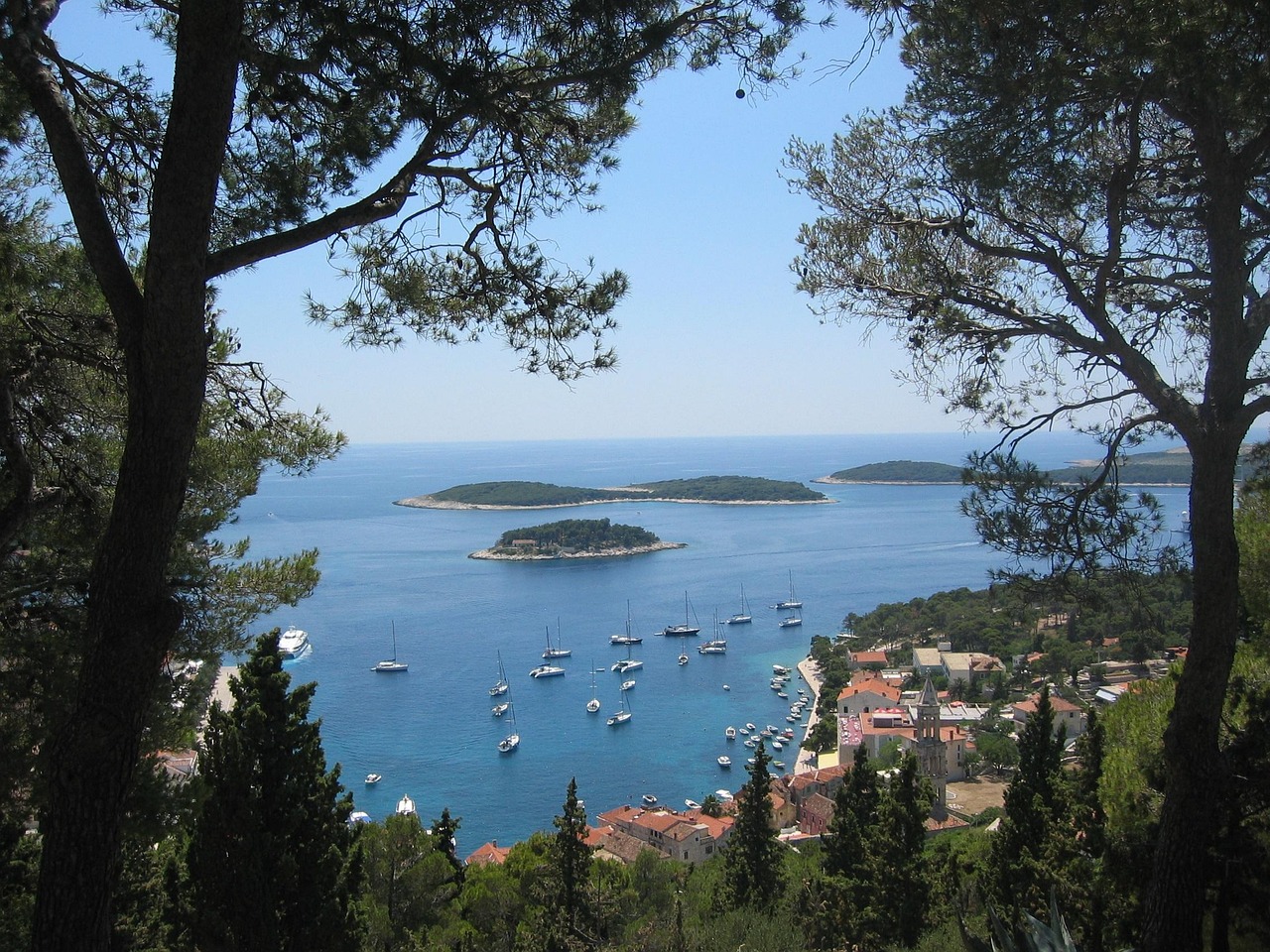

There’s a place in the Adriatic where the sunlight logs more annual hours than almost anywhere else in Europe, where Greek farmers laid out stone-walled fields nearly 2,400 years ago, and where lavender still blooms every June across slopes that tumble toward a turquoise sea. Most Europeans have known about Hvar for decades. Most Americans have not.
Croatia’s longest island sits in the heart of the Dalmatian archipelago, easily reached by ferry from Split yet somehow still underestimated by travelers crossing the Atlantic. The numbers tell an interesting story: American tourism to Croatia is growing fast, but the crowds on Hvar’s most celebrated square still speak predominantly German, British, Polish, and Italian. That gap, between what Europeans know and what Americans are only beginning to discover, is exactly what makes this island worth understanding now.
The Island That Holds a Record for Sunshine
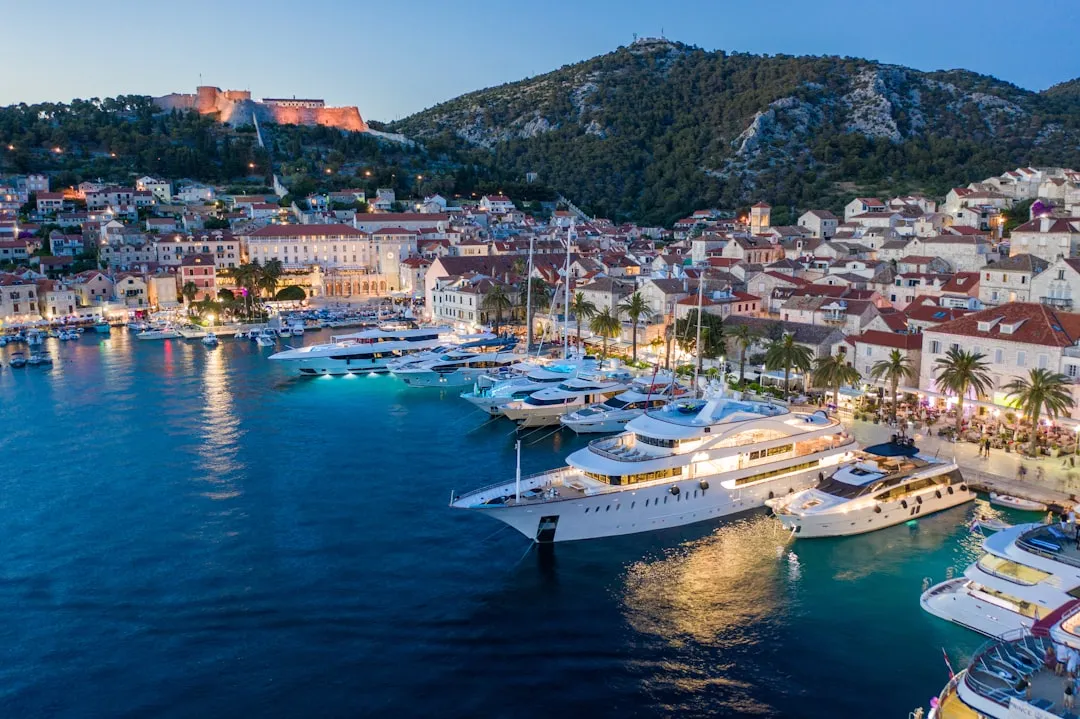
Hvar is Croatia’s sunniest island, recording more than 2,700 sunny hours every year. That figure isn’t marketing copy. Hvar is Croatia’s sunniest place, with over 2,700 sunny hours yearly. For context, that’s meaningfully more than most of the French Riviera or the Greek islands typically receive.
Long, lean Hvar is vaguely shaped like the profile of a holidaymaker reclining on a sunlounger, which is altogether appropriate for the sunniest spot in the country and its most luxurious beach destination. The island stretches roughly 68 kilometers from end to end, making it wide enough to contain dramatically different landscapes within a single day’s drive.
Hvar is a luxurious island where culture and lifestyle are closely intertwined in a small area, from beautiful hills with scattered vineyards and historical stone walls to sunny beaches, with the natural beauty of the environment combined with the charisma of city life together with countless cultural and recreational activities along 270 kilometres of coastline.
Why Croatia’s Adriatic Region Is the Most-Booked in All of Europe
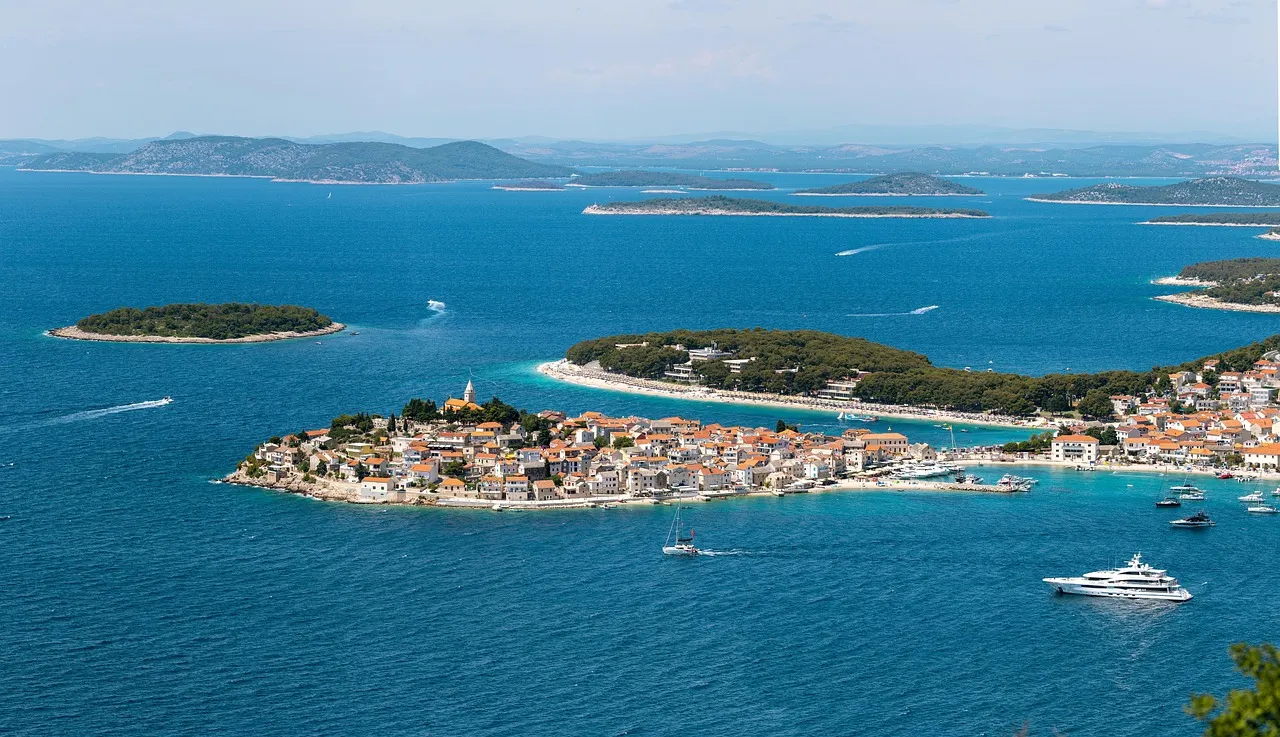
The broader context matters here. Croatia’s Adriatic region is the most popular destination in the EU for holidaymakers, according to Eurostat data. Between June and the end of September 2025, it clocked the highest number of hotel bookings of any region in the EU, with 34 million nights reserved across Airbnb, Booking, and Expedia.
In 2024, Croatia recorded 29.25 million total tourist arrivals, comprising over 26 million international and nearly 3 million domestic visitors, with visitors spending over $16.20 billion during those trips. These are not the numbers of a hidden gem at a national level. They are, however, numbers built almost entirely on European demand.
Croatia’s travel and tourism industries contribute a higher share of GDP than any other European Union member state, totaling nearly 26 percent. That tells you just how central the coast, and islands like Hvar, are to the country’s entire economic identity.
Americans Are Arriving, But Still Concentrated in the Big Cities
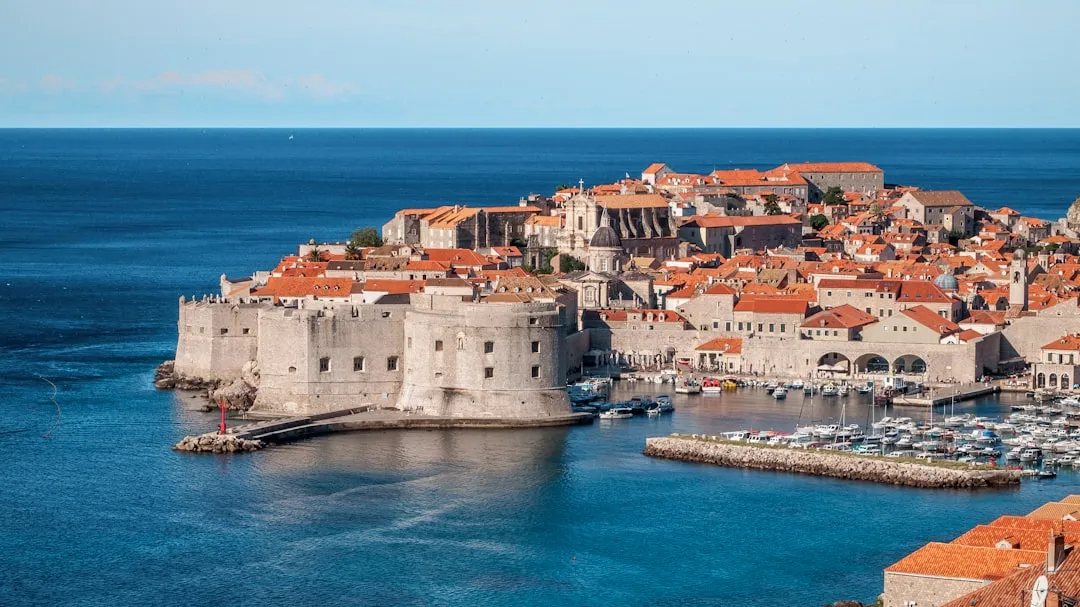
American tourism to Croatia recorded a significant increase in 2025, with overnight stays by visitors from the United States rising by 31.7%, according to data published by the Croatian Bureau of Statistics. That is a remarkable growth rate by any measure.
Still, most of those American travelers are gravitating toward familiar anchors. Americans rank in fifth place on the list of the most numerous guests Croatia has received so far in 2025, and they seem to prefer Dubrovnik, Split, Zagreb, Hvar, and Rovinj. Hvar appears on that list, but it trails behind the two cities that dominate US itineraries.
As of mid-June 2025, more than 260,000 American tourists had visited Croatia, with nearly 690,000 overnight stays recorded, marking a growth of 16% in tourist arrivals and a 17% increase in the number of overnight stays compared to the same period in 2024. Growing numbers, yes. Discovering Hvar’s quieter corners and inland villages at the rate Europeans do? Not yet.
A UNESCO Heritage Record That Few Islands Can Match
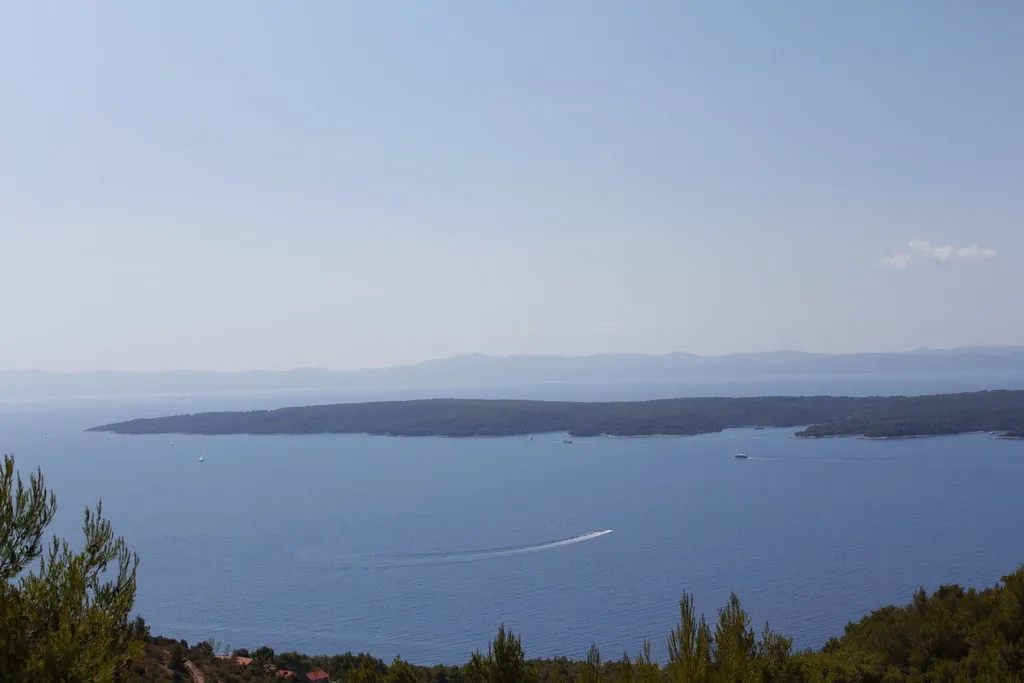
This is where Hvar distinguishes itself from virtually every other island in the Mediterranean. Hvar is proud to have no less than six of its cultural assets included in the UNESCO heritage lists. Stari Grad Plain is on the World Heritage List as a cultural landscape. The Za Križen Procession, Hvar’s Lacemaking, the Mediterranean Diet, and Dry Stone Walling are all included on the Representative List of the Intangible Cultural Heritage of Humanity, with Klapa Multipart Singing representing a sixth cultural asset tied to the island’s traditions.
The Stari Grad Plain is a cultural landscape that has remained practically intact since it was first colonized by Ionian Greeks from Paros in the 4th century BC. The original agricultural activity of this fertile plain, mainly centered on grapes and olives, has been maintained since Greek times to the present. The site is also a natural reserve, featuring ancient stone walls and small stone shelters that bear testimony to the ancient geometrical system of land division used by the ancient Greeks.
That’s a living, working agricultural landscape older than the Roman Empire, still producing wine and olive oil by the same patterns the Greeks originally drew in the earth. Very few places in the world can offer that kind of continuity.
Stari Grad: The Oldest Town in Croatia
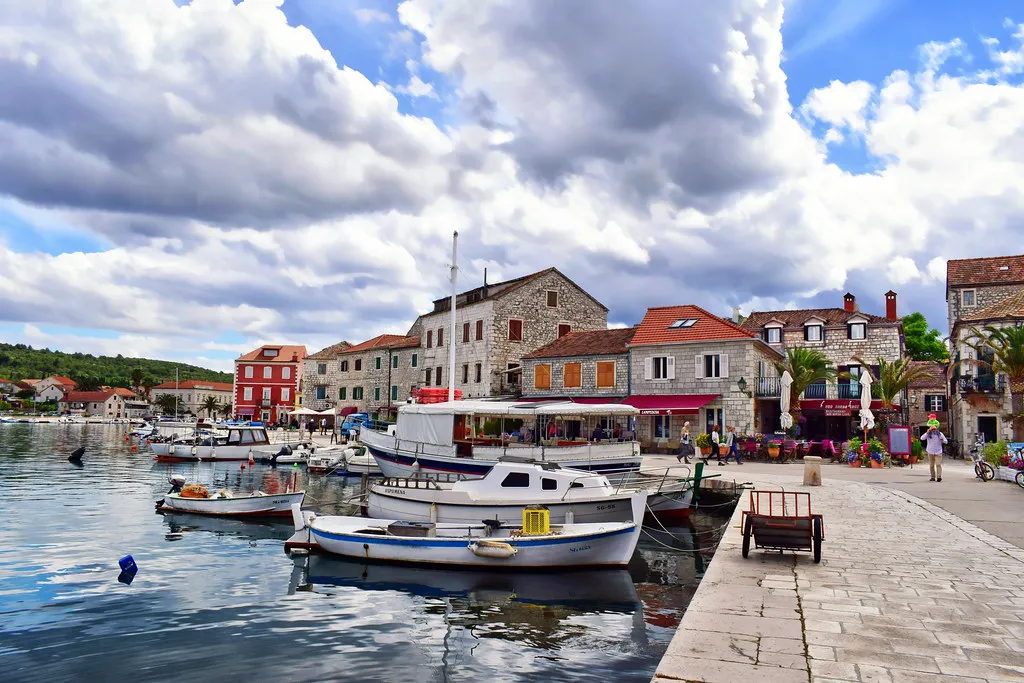
One of Hvar’s most notable attractions is tied into its history: Stari Grad was founded by Greek settlers in 384 BC and is the oldest town in Croatia and one of the oldest in Europe. It is such an impressively preserved testament to the Ancient Greek period that it was added to the UNESCO World Heritage Sites list in 2008.
Every summer and fall, residents on the Croatian island of Hvar harvest the fertile plain outside the town of Stari Grad. They scythe herbs and lavender for essential tinctures, liqueurs, and countless bags of potpourri, as bees buzz atop the earthy aromas. They assemble in the groves to pluck olives pressed into green, Dalmatian oil, and come to snip bunches of grapes for white and red wine. Under sharp blue skies and within a grid of ancient plots, divided by chest-high drystone walls, the islanders have assumed this metronomic seasonal rhythm for thousands of years.
Stari Grad itself moves at a pace quite different from the bustle of Hvar Town. The villages of Stari Grad, Jelsa, and Vrboska offer a slower pace, with stone houses, narrow alleys, and traditional konobas serving local wines and Dalmatian specialties. These are places where the real texture of island life is still intact.
Lavender, Olive Oil, and a Distinctly Local Table
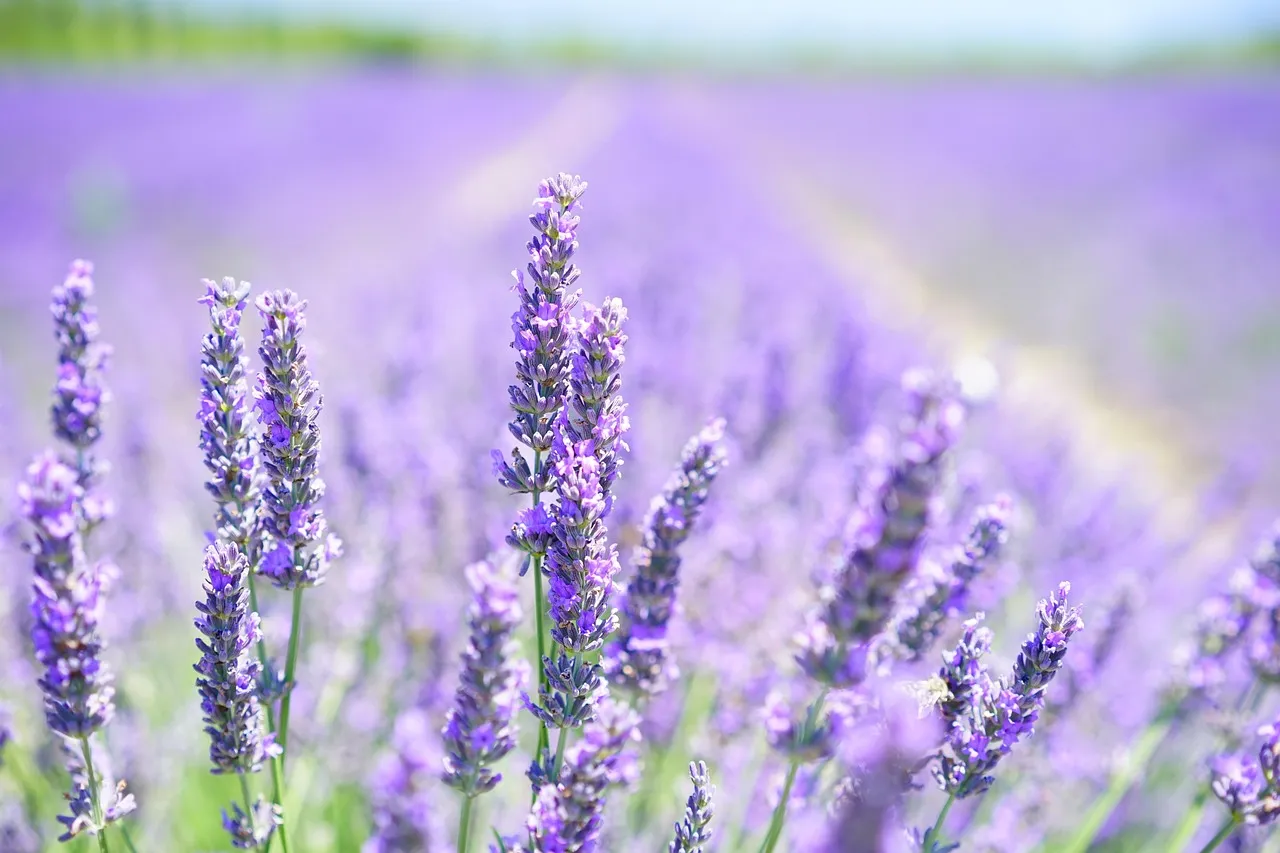
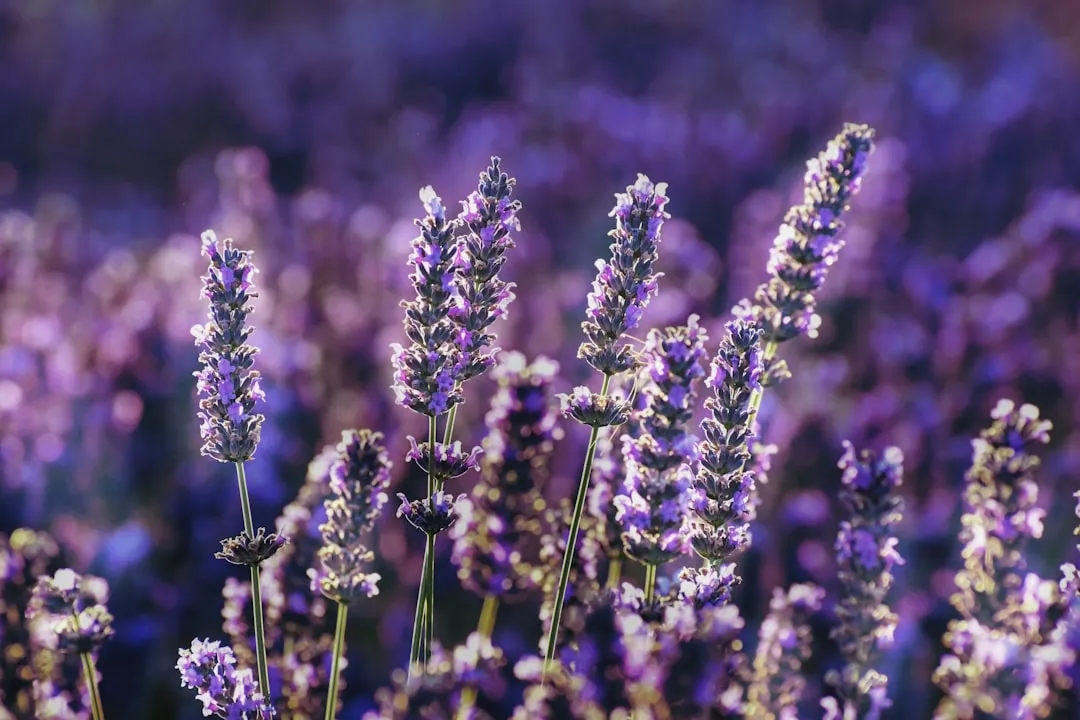
The agricultural identity of Hvar is inseparable from its food. Hvar produced roughly eight to ten percent of the world’s lavender oil in the 1970s, with fields blooming from late May through mid-July and peak purple displays in mid-June to early July. That industry has diminished, but lavender remains central to the island’s character and its local market stalls.
Hvar is known for its cuisine, which features traditional delicacies such as paprenjak (traditional honey and black pepper biscuits), Prč wine, and gregada, a local white fish dish cooked with potatoes. These are not dishes invented for tourism. They are old recipes that reflect the island’s fishing and farming roots.
Sampling Hvar’s prosciutto, locally made olive oil, and fresh seafood specialties with a glass of local wine is less a tourist activity and more simply the way people eat here. The island’s wine tradition runs deep, shaped by the same Greek-established vine plots that still frame the Stari Grad Plain.
The Pakleni Islands: An Archipelago Practically Next Door
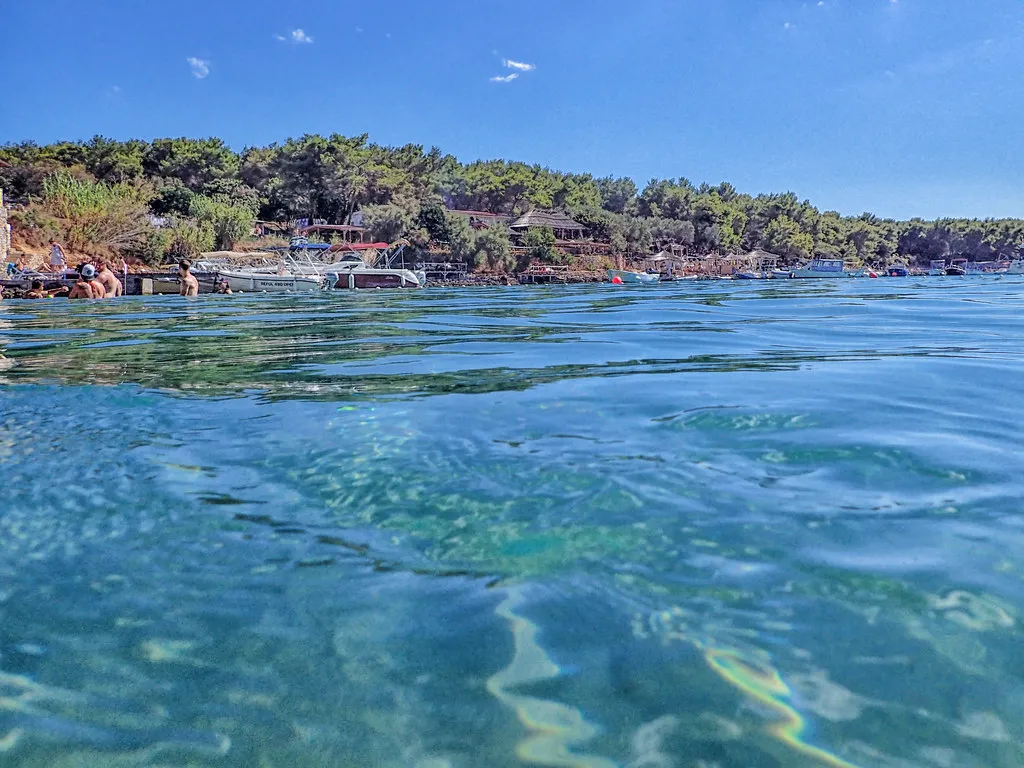
Just offshore from Hvar Town lies one of the quietest and most rewarding day trips anywhere in the Adriatic. Visitors can explore the untouched beauty of the Pakleni Islands, a nearby archipelago perfect for sailing, swimming, and snorkeling. Hiking trails lead through fragrant lavender fields and olive groves, while hidden coves and pristine beaches provide a peaceful escape from the bustling town centers.
The Pakleni are a scatter of small wooded islets reachable by taxi boat in minutes, but they feel genuinely remote once you’re anchored in a quiet bay. Hiking and cycling trails crisscross Hvar’s broader landscape, leading to hilltop viewpoints, abandoned hamlets, and hidden beaches, while kayaking, sailing, and diving are popular activities with equipment rentals and guided tours available in Hvar Town and other resorts.
The First Public Theater in Europe Was Built Here
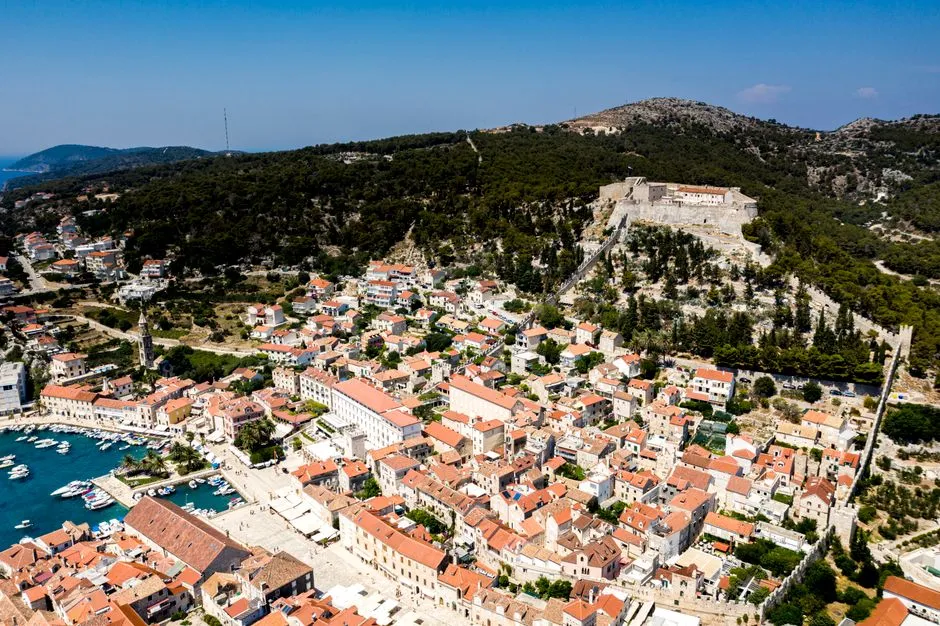
Beyond the coastline, Hvar carries a cultural distinction that surprises most visitors. Hvar is the birthplace of organized tourism in Europe, dating back to 1868, and the first public theater in Europe was born in Hvar Town in 1612. That theater, built before Shakespeare’s Globe had even been standing for two decades, still stands in Hvar’s main square today.
Visitors can explore medieval landmarks like the Fortica castle and the Cathedral of St. Stephen, both of which anchor the town’s historic core. The Fortica fortress sits high above the harbor and rewards the climb with panoramic views that stretch across the sea toward the Pakleni Islands and, on clear days, toward the mainland mountains.
The cultural depth of this island is genuinely unusual. Six UNESCO-recognized traditions, a 2,400-year-old working landscape, a 16th-century theater, and a medieval statute from 1331 that still informs agricultural practice today. That’s not a collection of talking points. It’s the accumulated record of a place that has been continuously, seriously inhabited for a very long time.
Getting to Hvar: More Straightforward Than It Sounds
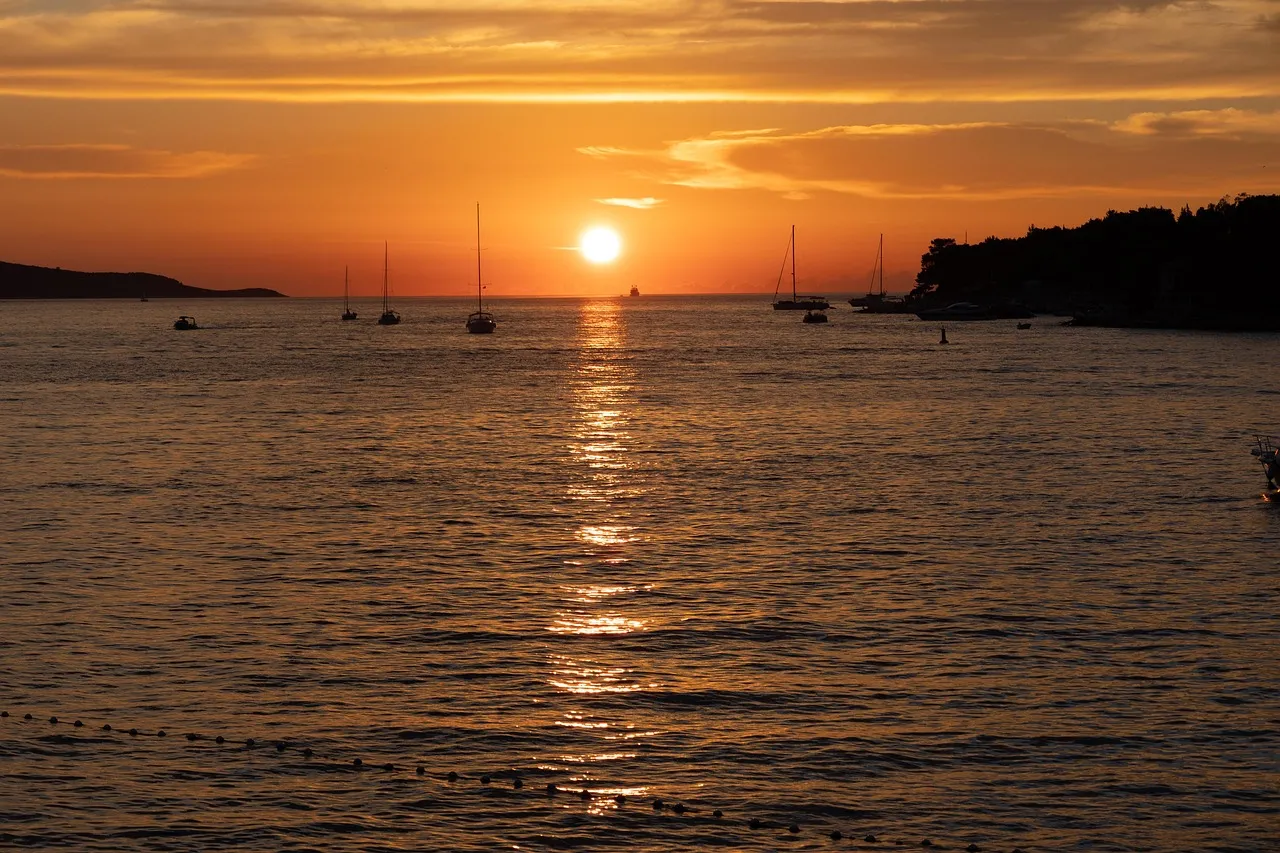
One reason Americans have been slower to find Hvar is the perception that island travel in Croatia requires complicated logistics. In practice, it’s quite manageable. Ferries to Hvar Island are available with Jadrolinija, TP Line, Krilo Fast Ferries, and Krilo Shipping Company, with approximately 24 daily sailings and up to 173 weekly sailings to Hvar Island.
The Split to Hvar ferry sails approximately 11 times per day and up to 75 times per week, with an average sailing duration of around one hour. Split itself is well connected to international airports and serves as the natural gateway for most island-bound travelers. From there, the crossing to Hvar is genuinely simple.
With ferry connections to other nearby islands like Brač, Korčula, and Vis, Hvar also makes an excellent base for island-hopping in the Adriatic. A week based on Hvar can include several different islands without requiring a rental car or complicated advance planning, which makes it a natural fit for first-time visitors to the region.
When to Go and What to Expect
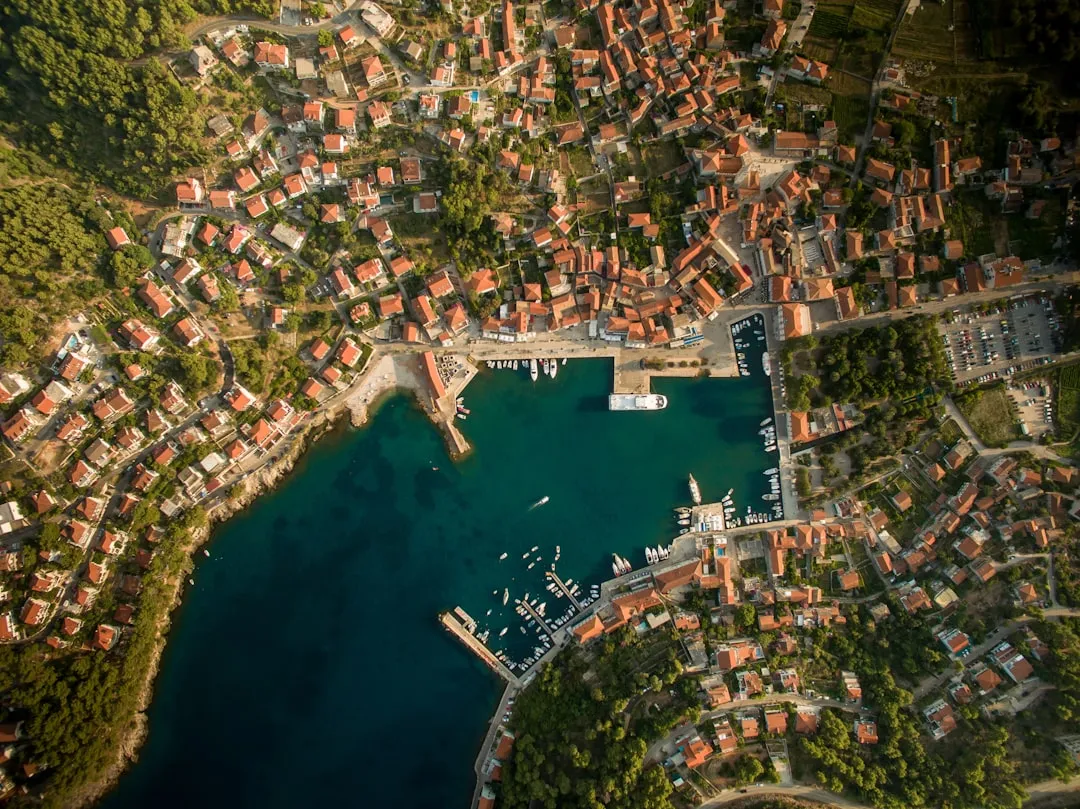
Hvar is Croatia’s most famous island, an Adriatic gem with a stunning coastline that attracts up to 20,000 visitors daily during the summer season. July and August are genuinely busy, and accommodation should be arranged well ahead for those months. That is worth stating plainly rather than glossing over.
The shoulder months change the experience considerably. May and September offer the best combinations of warm weather, fewer people, and more reasonable hotel selection and prices. May also coincides with the end of lavender blooming season on the lower fields, adding a scent to the landscape that’s hard to describe until you’ve walked through it.
The island of Vis, nearby, has been gaining popularity with visitor numbers increasing among eco-conscious travelers, which suggests a broader trend of discerning travelers looking beyond Hvar Town’s harbor to quieter corners of this archipelago. Hvar itself has plenty of those quieter corners, particularly in the east and in the small inland villages that most summer visitors never reach.
The Quiet Gap Between European Familiarity and American Discovery
Hvar is not undiscovered. Europeans have understood its value for generations, and the data confirms that Croatia’s Adriatic coast has become the single most booked holiday region in the EU. What’s interesting is the specific gap between how deeply European travelers explore the island and how American travelers currently engage with it. Most Americans who visit Croatia still anchor their trips in Dubrovnik and Split, treating Hvar as a possible day excursion rather than a destination in its own right.
That may be changing. American tourists have recorded a notable rise in cruise and circular travel segments in Croatia, with overnight stays increasing by roughly 35%, reaching 198,000 nights. Longer stays and more varied itineraries suggest that American travelers are beginning to move beyond the obvious stops and linger in places that reward it. Hvar is exactly that kind of place: one that gives back more the longer and more slowly you engage with it.
The 2,400-year-old fields are still there. The lavender still blooms. The ferries run daily. The island has been waiting patiently, as it always has.
AI Disclaimer: This article was created with the assistance of AI tools and reviewed by a human editor.