
Millions of travelers check a bag and simply hope for the best. It’s a reasonable thing to do. Most bags arrive fine. Still, knowing what actually happens to your suitcase between the check-in counter and the baggage carousel changes how you pack, tag, and track your luggage entirely.
The people who sort, scan, and load bags every single day have a clearer view of where things go wrong than most travelers ever will. Their collective advice, supported by real industry data, comes down to a handful of surprisingly simple tag-related habits that can make the difference between a smooth arrival and a frustrating wait at the lost-baggage desk.
The Scale of the Problem Is Bigger Than Most Travelers Realize

SITA’s annual Baggage Insights report identified 33.4 million mishandled bags across 2024, down from 36.7 million the year before. That’s an improvement, but tens of millions of bags is still a staggering number. The mishandling rate dropped to 6.3 bags per 1,000 passengers in 2024, a 67% improvement since 2007, and that drop is even more significant given that global air traffic grew by 8.2% in 2024 alone.
SITA’s 2024 data showed that roughly three quarters of mishandled bags were delayed and later delivered, about one fifth were damaged or pilfered, and only around one in twelve were truly lost or stolen. SITA estimates each mishandled bag costs airlines about $150 in added expenses, covering staffing, manual searches, delivery trucks, couriers, and compensation, with baggage issues costing the industry an estimated $5 billion in 2024.
Strip Off Every Old Tag Before You Travel
Airlines put barcode stickers on checked luggage so they can scan them and keep track of bags. That system works against you if airline staff can’t tell which sticker is the most current one. According to SITA, 4 percent of all mishandled bags are due to errors in tagging and stickering, which is why removing old bag tag stickers before you check in matters.
Old tags can be scanned by baggage handlers or automated devices, confusing the system. That confusion can lead to a delay while your bag’s information is double-checked, and if you’ve got a short layover, it can mean your luggage misses your connecting flight even if you don’t. Airline staff at check-in counters are trained to remove previous bag tags, but when things get busy or during self-check-in, that may not happen, so doing it yourself beforehand is the safer habit.
The Flip Trick That Protects Your Privacy and Your Bag
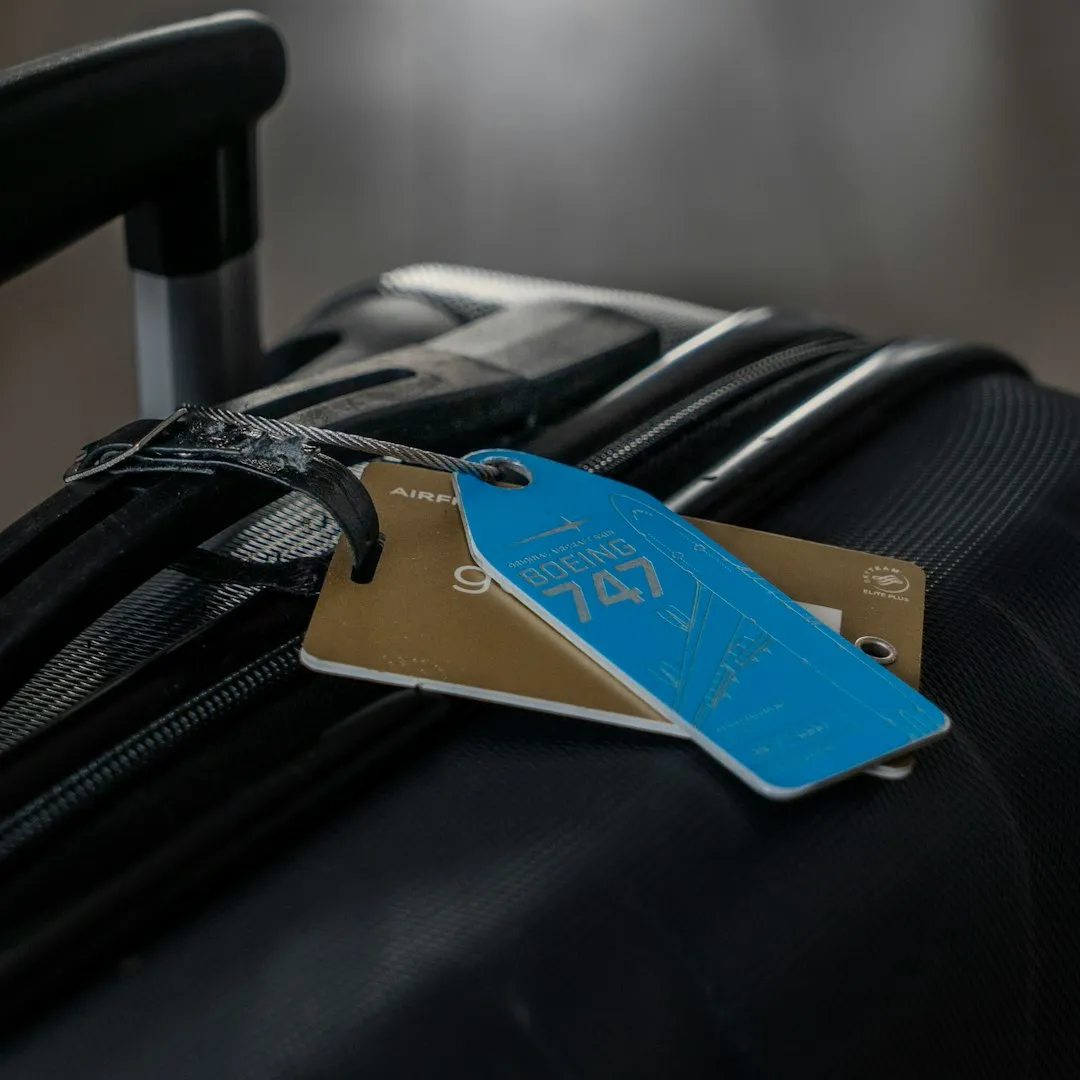
An American Airlines flight attendant named Ally Case started a travel tips series on TikTok where one video focused specifically on safety and luggage tag privacy. Instead of leaving personal information visible on your luggage tag, she recommends travelers turn the insert backwards inside the tag, so the information is available when needed but not openly visible to everyone passing by.
By flipping the card backwards inside the tag, if your luggage gets lost, someone who finds the baggage can flip the card over and find the correct contact information. The tip reached more than 850,000 views on TikTok, suggesting this is something a lot of travelers had never considered before. It’s a low-effort adjustment with a real privacy payoff.
Put a Tag Inside the Bag, Not Just Outside

A bright external tag plus a card inside the bag gives handlers two ways to find you. External tags can and do tear off during the rough handling process of airport conveyor belts and cargo holds. Always identify your luggage with your name and contact information, adding a tag on the outside of your suitcase and one inside in case the outside tag falls off or gets lost. You can also put your business card inside your suitcase for extra validation.
A proper luggage tag helps airport and airline staff identify your bag and contact you in case it’s misplaced, and it also helps you spot your luggage quickly at baggage claim, especially when many bags look alike. The inside tag costs nothing extra and can be the only reason your bag eventually finds its way back to you.
Your Phone Number on the Tag Is More Useful Than Your Address
Your mobile number is the fastest way for airline staff to reach you when they find your bag sitting alone at baggage claim. Including your country code if you travel internationally takes just a couple of seconds and saves hours of confusion. Some travelers add two numbers: their cell and a backup contact who’s usually home. Email gives airlines a backup contact method that works across time zones, and many airlines now send luggage tracking updates via email, so this isn’t just for emergencies anymore.
Smart luggage tags protect both your belongings and your privacy. Use your name, phone, and email but skip your home address and sensitive ID numbers. The goal is to make it easy to contact you without exposing details that could put your home security at risk while you’re away.
Ask for a Fragile Sticker to Influence Where Your Bag Gets Loaded
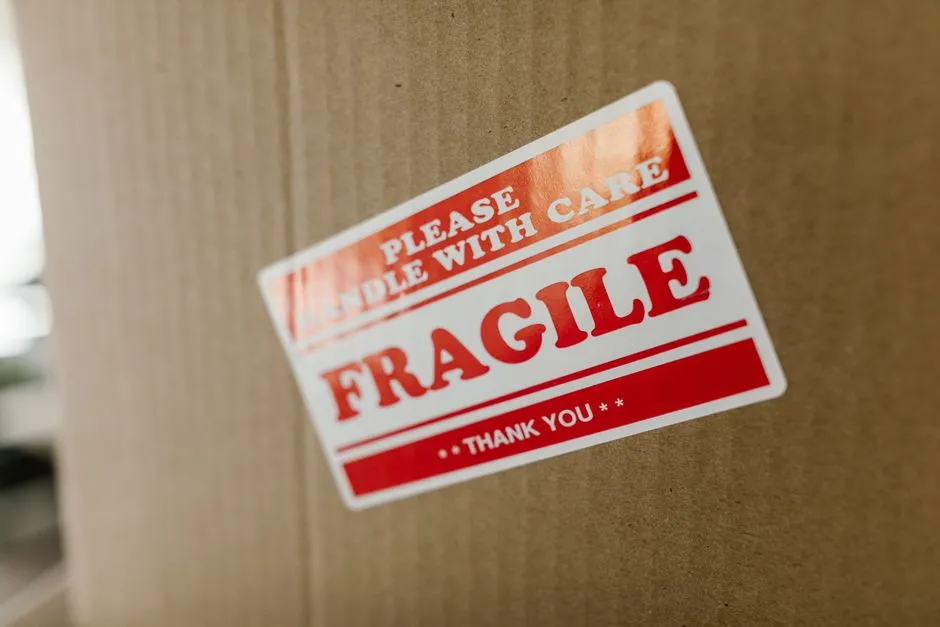
Airport insiders consistently mention one thing that makes a difference: asking for a fragile sticker. When labeled this way, a suitcase is handled with more care and is typically placed in a convenient location to prevent damage, often making it one of the first to be unloaded and sent toward baggage claim. To use this effectively, always ask check-in staff to tag your bag as fragile, and make sure the sticker is clearly visible on a flat side of your suitcase rather than wrapped around a handle.
Handlers generally load heavier or less-sensitive bags first, placing special or labeled items on top. Modern baggage systems are efficient but not perfect, because automation sometimes overrides human sorting. Still, the position of your suitcase inside the hold remains the biggest factor in how fast it reaches the carousel.
Priority Tags Change the Baggage Game for Eligible Travelers
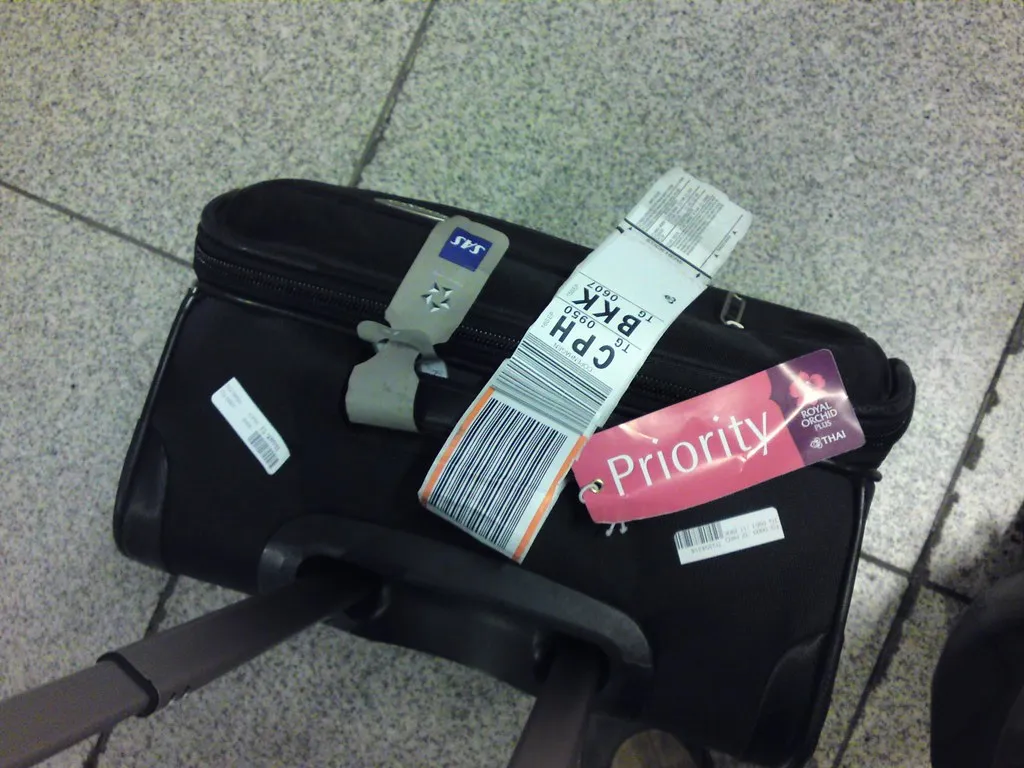
The best bet at getting your suitcase down the chute early is to have a priority tag on your luggage. Brightly colored, these are put on at check-in beside the barcoded bag tag that all passengers receive, and they signal to baggage handlers that the luggage should be placed on conveyor belts first. Elite-status travelers or those flying in a premium cabin already have an advantage, as airlines attach priority tags to their bags signaling to handlers that they should be loaded last and unloaded first, a policy consistent across most major airlines.
Even economy passengers can benefit from this system. Some airlines let you purchase a priority tag during booking or check-in, while others offer it through travel credit cards. Because these tags are entered into the airline’s digital system, they’re recognized automatically at many airports. It’s worth asking at the check-in counter if you’re unsure whether you qualify.
The Barcode on Your Airline Tag Is Doing More Work Than You Think
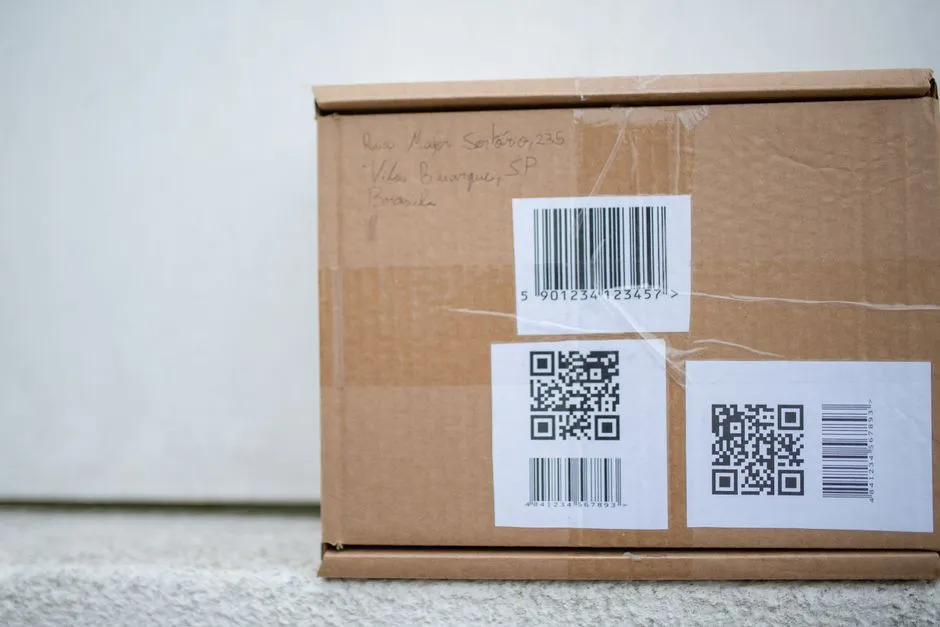
Airline luggage tags have barcodes and sometimes RFID tags that contain digital information about your identity and your airport destination and travel route. In 2018, the International Air Transport Association introduced Resolution 753, making it mandatory for all member airlines to scan checked luggage at four critical points: at bag check, when loaded onto the airplane, during transfers, and as it enters baggage claim.
RFID technology improves accuracy compared to traditional barcodes, and this standard has significantly reduced mishandling cases. SITA’s report highlights the growing role of automation and digital tools: in 2023, about two fifths of passengers received real-time updates on their checked baggage, and that number rose further in 2024. Keeping your barcode tag clean, unobstructed, and free from overlapping stickers is something handlers say makes a real difference.
AirTags Give You a Second Set of Eyes Inside the System

When you file a missing bag report with the airline, you can share the bag’s current whereabouts, which should help the airline find it more quickly. As of November 2024, travelers can now share a secure link for an AirTag’s location with certain airlines to help the carrier find luggage more quickly and efficiently. Airlines are also allowing passengers to share their Apple AirTag locations directly with airline staff using Apple’s Share Item Location feature, giving carriers a new level of visibility into delayed or lost luggage.
The FAA allows travelers to put AirTags in their bags, though not every brand of tracker will meet the safety requirements. Of the bags that were lost in 2024, about two thirds were recovered within 48 hours, as technological innovations make it easier to reunite bag and customer. A tracker dramatically improves those odds in your favor.
Connecting Flights Are Where Most Bags Go Wrong
Data from Sostravel.com’s Lost Luggage Concierge Index found that nearly two thirds of all baggage problems occurred on flights with at least one stopover. There are fewer opportunities for foul-ups and mishandling between flights when there are fewer connections and layovers, which is especially true on international flights where bags need to clear customs. If your itinerary includes a tight connection, your bag tag setup needs to be absolutely clear and current before you hand it over.
Getting to the airport early matters: most airlines allow you to check a bag up to 30 minutes before departure, but that’s a risk not worth taking. Airlines will push back early if possible, and if your bag is late, the plane is not going to wait for it. Arriving early enough to properly tag your bag, confirm the information is correct, and watch it go on its way is a discipline that consistently pays off.
A Distinctive Bag Is Easier to Spot and Faster to Recover
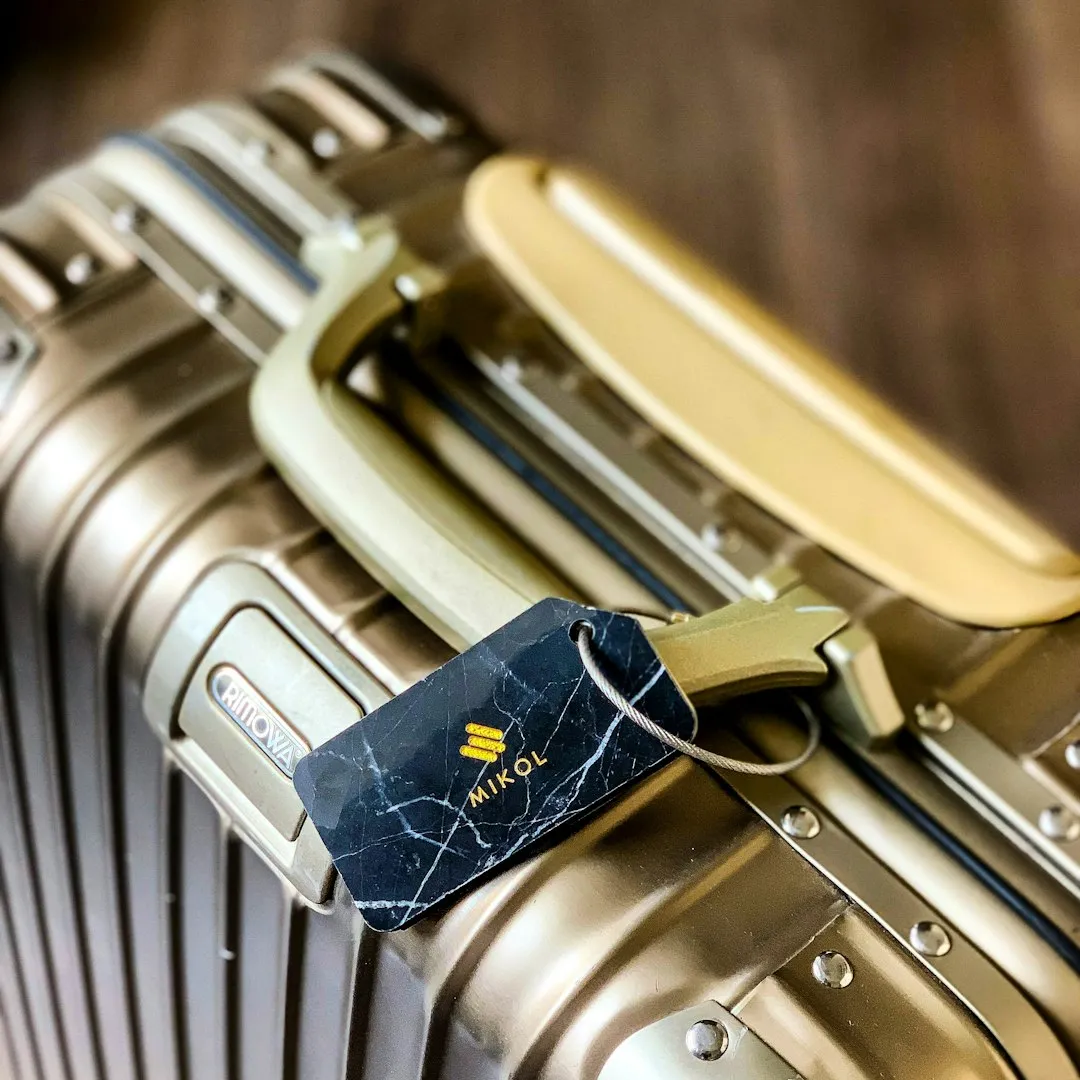
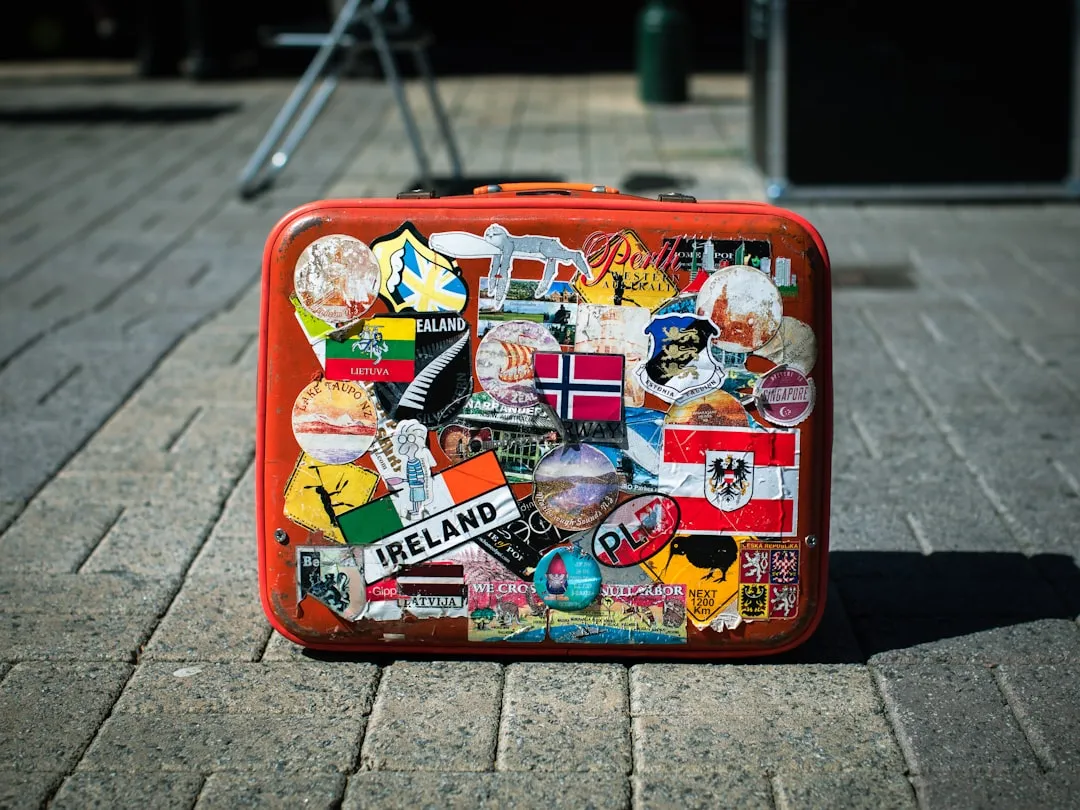
Most roller bags look identical on a baggage carousel. A bright, distinctive tag is the cheapest upgrade you can make. Vivid colors, bold patterns, or even a piece of ribbon tied to the handle give handlers a visual shortcut when manually sorting bags in a pile. If your luggage is misplaced, being prepared to give the airline the exact manufacturer, size, color, and any distinguishing features of your bag helps them know what to look for.
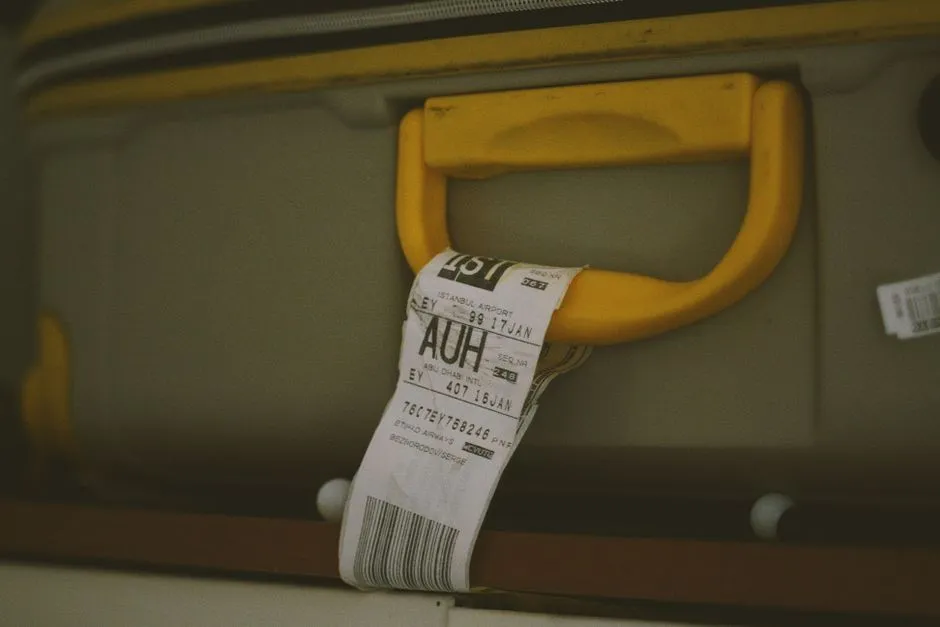
When you check your bag, keep an eye on the printed tags to ensure all the information is correct, including the right airport code, your correct name, and a clear barcode. It takes only seconds at the counter, but many travelers never bother to look. A quick check at that moment is one of the simplest things you can do to protect your bag for the entire journey ahead.
The Takeaway
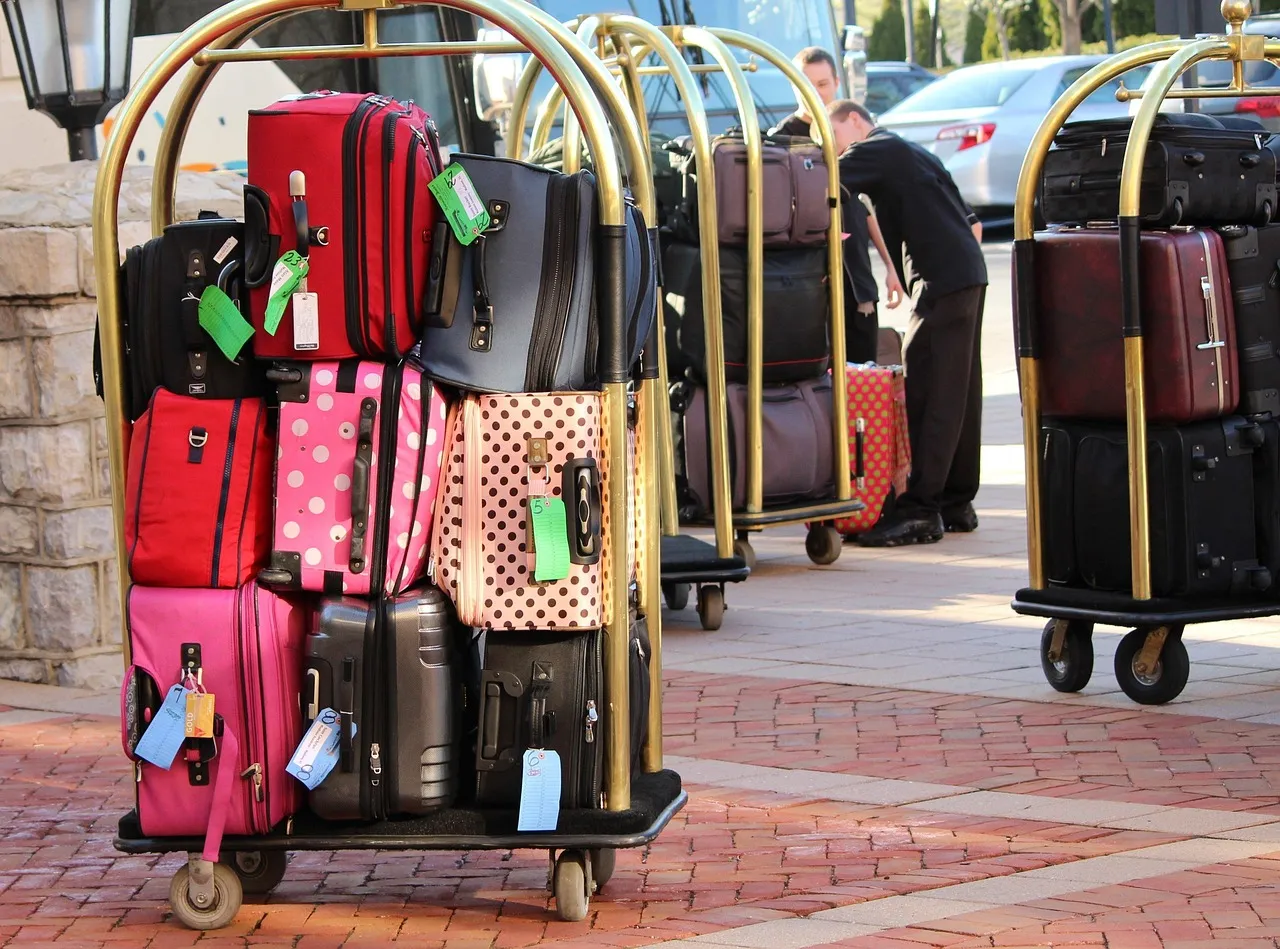
The tag tricks that luggage handlers point to are almost all free and take under a minute to implement. Strip old tags, flip your info card for privacy, add a contact card inside the bag, keep the barcode clean and unobstructed, ask for a fragile sticker if it fits, and carry a tracker if you check bags regularly. None of this requires an upgrade or a special membership.
The baggage system has genuinely improved, with mishandling rates at historic lows according to SITA’s most recent data. Still, tens of millions of bags are still mishandled globally each year, and the ones that get found fastest tend to belong to travelers who gave handlers every possible tool to identify them. A little preparation before the counter goes a long way once your bag disappears behind that rubber flap.
AI Disclaimer: This article was created with the assistance of AI tools and reviewed by a human editor.