
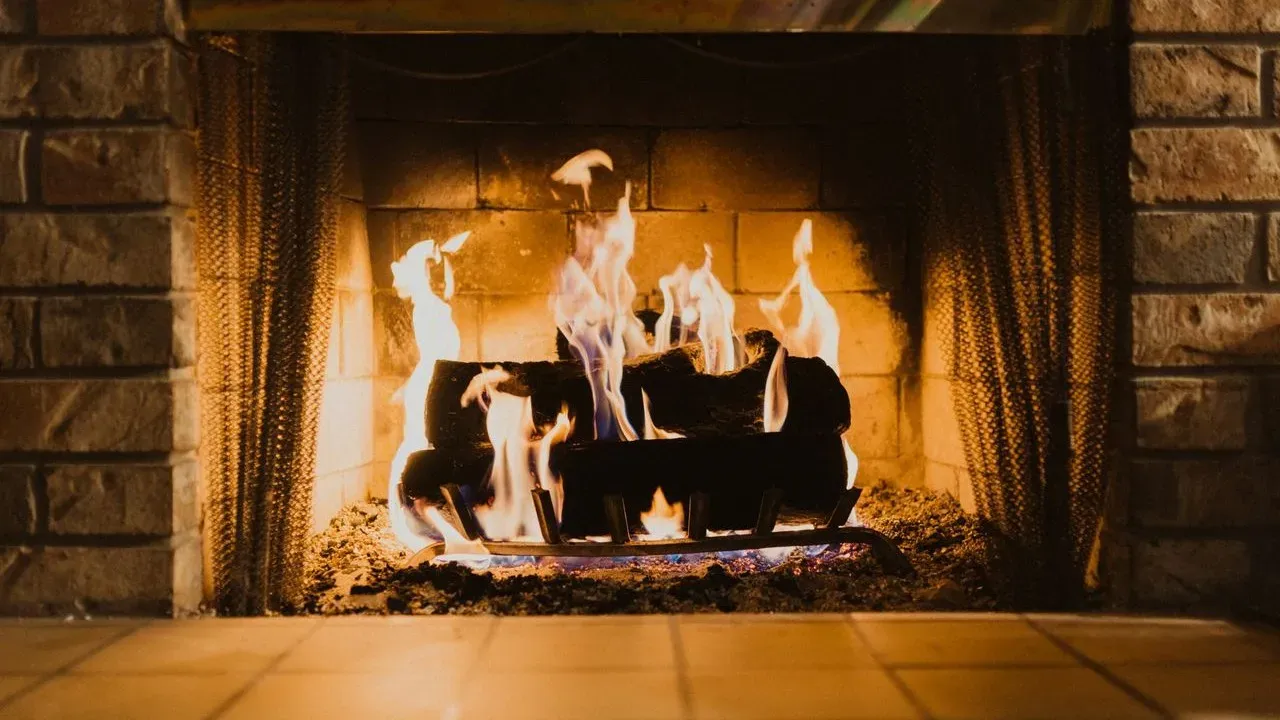

In an Australian public library, a volume devoted to Greek antiquities has quietly resumed its place on the shelves after an absence of roughly 150 years. The book carries visible traces of its long concealment, including water damage sustained while sealed behind bricks in a fireplace. Its return draws attention to the patient ways institutions safeguard cultural memory even when individual items slip from view.
The Circumstances of Its Return
The book surfaced during what appears to have been routine work on an older building. Workers encountered the volume lodged inside a fireplace that had been bricked over at some point in the past. Once freed, the item showed clear signs of prolonged exposure to moisture trapped within the sealed space. Library staff accepted the volume back without fanfare, recognizing its historical value despite the physical wear.
Details surrounding the original borrowing remain unknown, yet the span of time involved places the loan well before many modern record-keeping systems existed. The episode underscores how physical objects can outlast the circumstances that first separated them from their collections. Staff have since begun assessing the extent of the damage and determining appropriate conservation steps.
Content Rooted in Classical Study
The subject matter centers on Greek antiquities, a field that continues to inform understandings of ancient Mediterranean civilizations. Such volumes often compiled early archaeological observations, descriptions of artifacts, and interpretations of classical texts. Their presence in public libraries reflects a long-standing commitment to making scholarly material accessible beyond academic circles.
Even in its compromised condition, the book serves as a tangible link to earlier generations of readers who sought knowledge of distant cultures. The water damage, while unfortunate, has not erased the core interest that once prompted its circulation. Libraries routinely balance the preservation of fragile items with the reality that use itself carries risk.
Libraries and the Quiet Work of Continuity
Public libraries function as living repositories where individual stories intersect with broader historical threads. In this case, the return of one overdue item highlights the endurance of those institutions across changing eras. Staff members handle such recoveries as part of their ongoing responsibility to maintain collections for future visitors.
The episode also invites reflection on how buildings themselves can become inadvertent archives. Fireplaces, walls, and other architectural features sometimes shelter objects long after their original owners have moved on. When those objects reappear, they reconnect present-day communities with fragments of their own past.
Why Such Finds Matter
Recoveries like this one reinforce the value of careful stewardship over cultural materials. They remind travelers and residents alike that heritage often resides in modest, everyday settings rather than solely in grand institutions. A single volume, even one marked by time and circumstance, can spark renewed appreciation for the layered histories embedded in local places.
As the book undergoes evaluation, its story continues to circulate in quiet ways. It stands as evidence that curiosity about the ancient world persists across centuries, carried forward by institutions dedicated to keeping knowledge available. The return offers a modest yet meaningful affirmation of that ongoing effort.
AI Disclaimer: This article was created with the assistance of AI tools and reviewed by a human editor.