
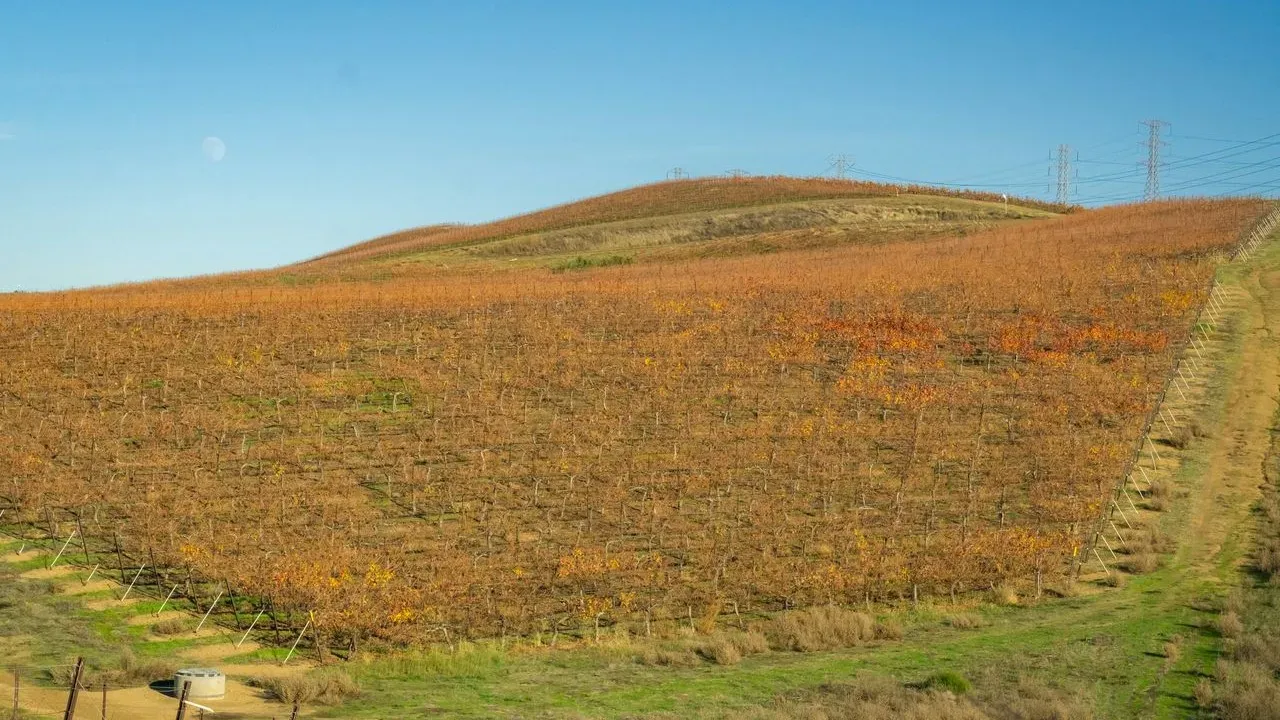

California’s 2025 grape harvest reached its lowest level in three decades, a development that has placed immediate pressure on small and mid-size wineries across the state. Industry observers note that hundreds of additional operations could close within the next two years if current conditions persist. The situation stems from a combination of reduced yields, shifting market dynamics, and rising operational costs that have hit family-run producers particularly hard.
The Scale of Recent Production Declines
Lower grape volumes translate directly into tighter supplies for winemaking and fewer opportunities for growers to maintain steady revenue. Many smaller estates, which often rely on direct sales and on-site experiences rather than large distribution networks, feel the effects first. These businesses form the backbone of many wine regions, where generations of families have tended the same vines and preserved distinctive growing practices.
The timeline matters because decisions made by visitors in the coming seasons can influence whether certain vineyards remain in operation. Production shortfalls do not erase the quality or character of what is still being made; instead, they underscore the value of supporting producers who continue to work the land despite the constraints.
Why Direct Engagement Matters Now
Thoughtful travel offers a practical channel for sustaining these operations. When visitors choose to spend time at smaller wineries, purchase bottles on site, and participate in agritourism activities, the revenue stays local and arrives without the margins lost to intermediaries. This approach aligns with the long-standing culture of California wine country, where personal connections between growers and guests have always shaped the experience.
Regions that have built reputations on careful stewardship of the land benefit when travelers arrive with an interest in learning about current conditions rather than expecting unchanged abundance. Such visits reinforce the economic viability of continuing traditional methods even as yields fluctuate.
Concrete Actions That Make a Difference
Travelers can focus on a handful of targeted choices that deliver measurable support:
- Schedule tastings and tours directly with family-owned estates instead of larger commercial facilities.
- Purchase wines on site or through winery clubs to ensure full proceeds reach the producer.
- Book overnight stays or meals at vineyard properties that offer agritourism programs, extending the economic benefit beyond the tasting room.
- Learn about specific growing practices and challenges during visits, then share accurate information with others to broaden awareness.
- Return in subsequent seasons to maintain ongoing relationships with the same producers.
These steps require modest adjustments to typical itineraries yet create recurring income streams that help offset production shortfalls. They also preserve the intimate scale that distinguishes many California wine experiences.
Looking Ahead With Purpose
The current pressures on California’s wine industry reflect real economic and agricultural realities rather than any permanent diminishment of the region’s appeal. Visitors who approach wine country with awareness of these conditions contribute to its continuity. By prioritizing direct, respectful engagement, travelers help maintain the vineyards, the families who tend them, and the distinctive character of the wines that emerge from this landscape. The opportunity exists for purposeful trips to play a quiet but steady role in keeping these traditions alive.
AI Disclaimer: This article was created with the assistance of AI tools and reviewed by a human editor.