

Flying with a toddler is one of those experiences that sounds terrifying in theory but becomes surprisingly manageable the more you do it. The more kids you have and the more flights you take, the easier it genuinely becomes – a truth that seasoned traveling parents all seem to discover eventually.
The 2025 U.S. Family Travel Survey found that 92% of parents said they are likely to travel with their children in the next year, the highest level of family travel intent since the pandemic. That’s a lot of families boarding planes with little ones in tow. What separates a smooth flight from a chaotic one often comes down to what’s inside the bag before you even leave the house.
The FAA-Approved Car Seat: Your First Non-Negotiable
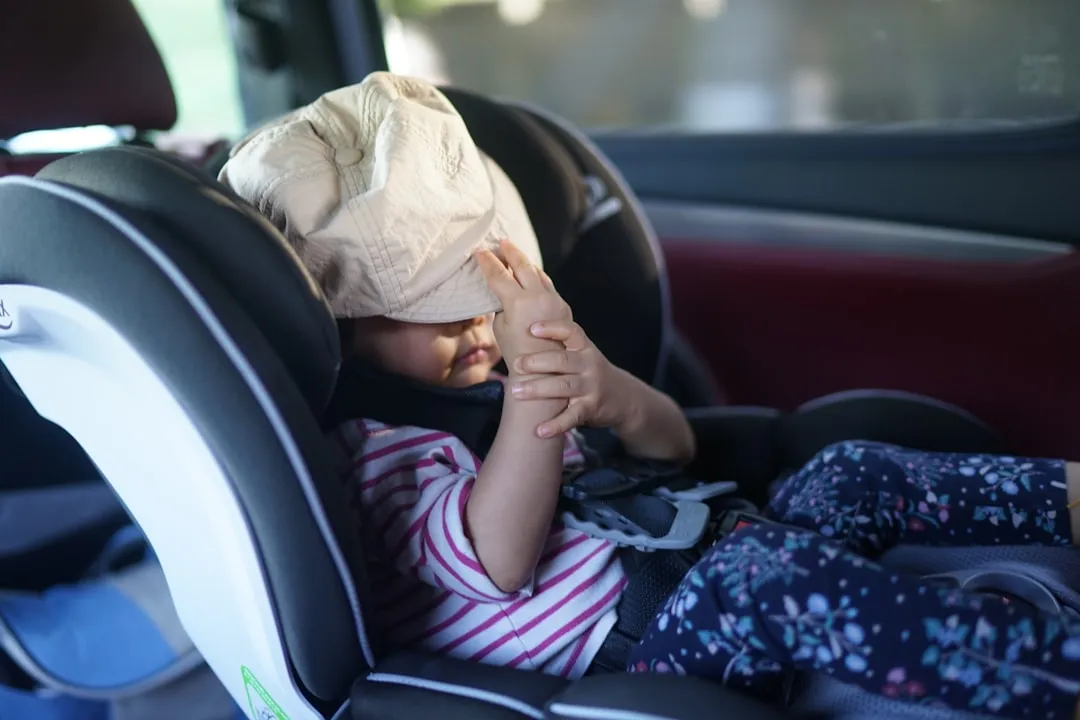
Both the Federal Aviation Administration and the American Academy of Pediatrics agree on this one. Both the FAA and the AAP strongly recommend that children use their child restraint system while flying. It’s not just about routine safety – it’s about what happens when things go unexpectedly wrong.
Turbulence is the leading cause of injuries to children on airplanes, and holding a child in your arms may not provide enough protection during sudden movements. A proper restraint is the difference between a scare and a serious incident.
Any car seat labeled “This restraint is certified for use in motor vehicles and aircraft” is FAA-approved, and the seat must be no wider than 16 inches to fit most airplane seats. For parents who’d rather not carry a full car seat, the CARES harness is FAA-certified for children weighing 22 to 44 pounds and up to 40 inches tall, and it weighs about one pound.
Snacks: More Than You Think You Need
Snacks on a flight with a toddler serve a purpose that goes beyond hunger. They’re a distraction, a comfort, and a negotiation tool all in one. Experienced parents are almost universal on one point: pack far more than you think is reasonable.
Two-year-olds are often in peak picky-eater mode, so pack more of their known safe foods than you think you’ll need – and then double that. Sticking to familiar foods your child already accepts reduces the chance of a mealtime standoff at 35,000 feet.
Breastfeeding or offering a bottle or pacifier also encourages swallowing, which helps ease ear pressure during ascent and descent. For older toddlers, drinking water or chewing can have a similar effect. A well-timed snack can do double duty.
A Small “Surprise Toy” Bag That You Reveal Slowly
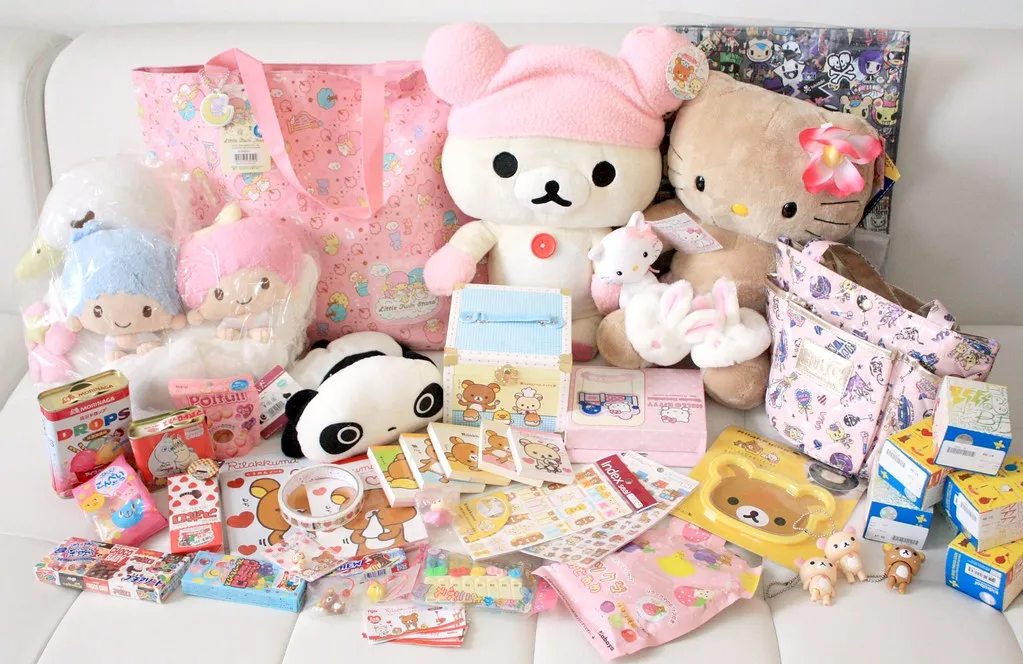
One of the most effective tricks veteran traveling parents use is the slow reveal. Instead of handing over every toy at once, keep a small zip bag of inexpensive, never-before-seen items tucked away and introduce them one at a time throughout the flight.
Small novelty figures work especially well on flights. The novelty of a new toy and any simple mechanical feature can keep a toddler busy for a surprisingly long stretch of time. The key word is “new” – familiar toys lose their pull much faster in a confined space.
Magic water books offer coloring fun without any mess, and if a water pen seems too risky, a wipe can work just as well for drawing. Mess-free is the operative standard at altitude.
A Downloaded Tablet with Child-Friendly Headphones
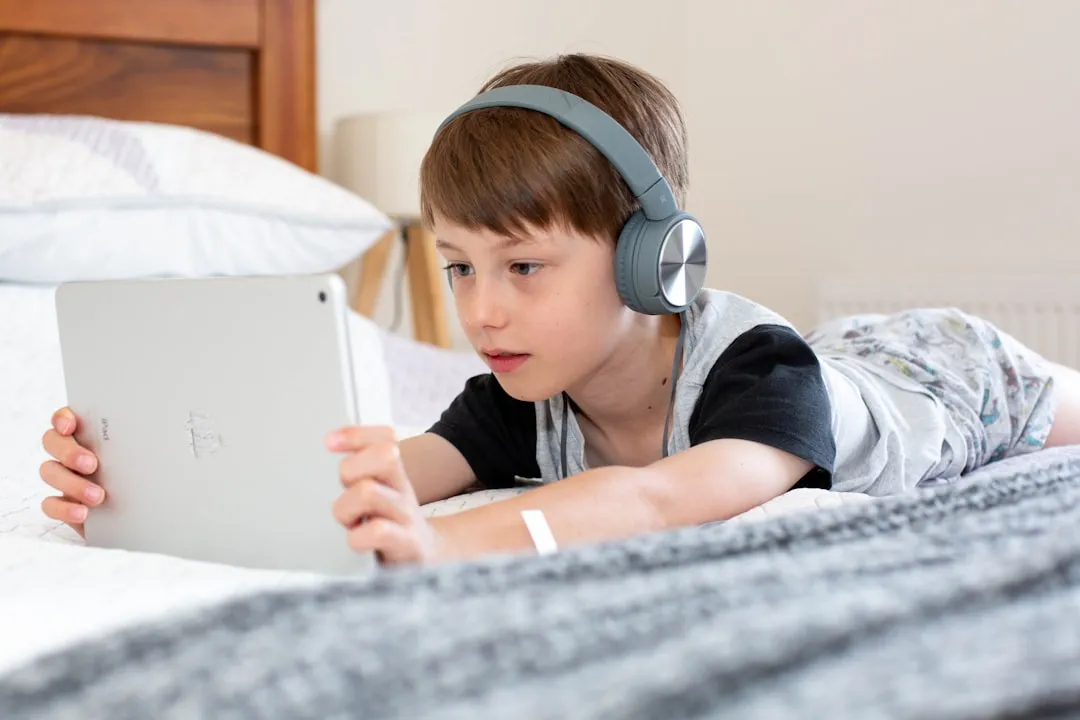
Screen time on a travel day is a genuinely different conversation from screen time at home. Most pediatric guidance draws a clear distinction between the two, and traveling parents rarely need convincing.
According to the American Academy of Pediatrics, letting kids consume age-appropriate, high-quality media in moderation is not harmful. The operative phrase is “high quality and age-appropriate” – a curated playlist of favorite shows downloaded before departure beats hoping for reliable in-flight Wi-Fi.
Pair the tablet with a toddler-sized headset. Standard airplane earbuds won’t stay in small ears, and letting the audio play on speaker is a courtesy no fellow passenger will thank you for. A snug, comfortable child’s headset is a small investment that pays off immediately.
Comfort Items from Home: The Sleep Essentials
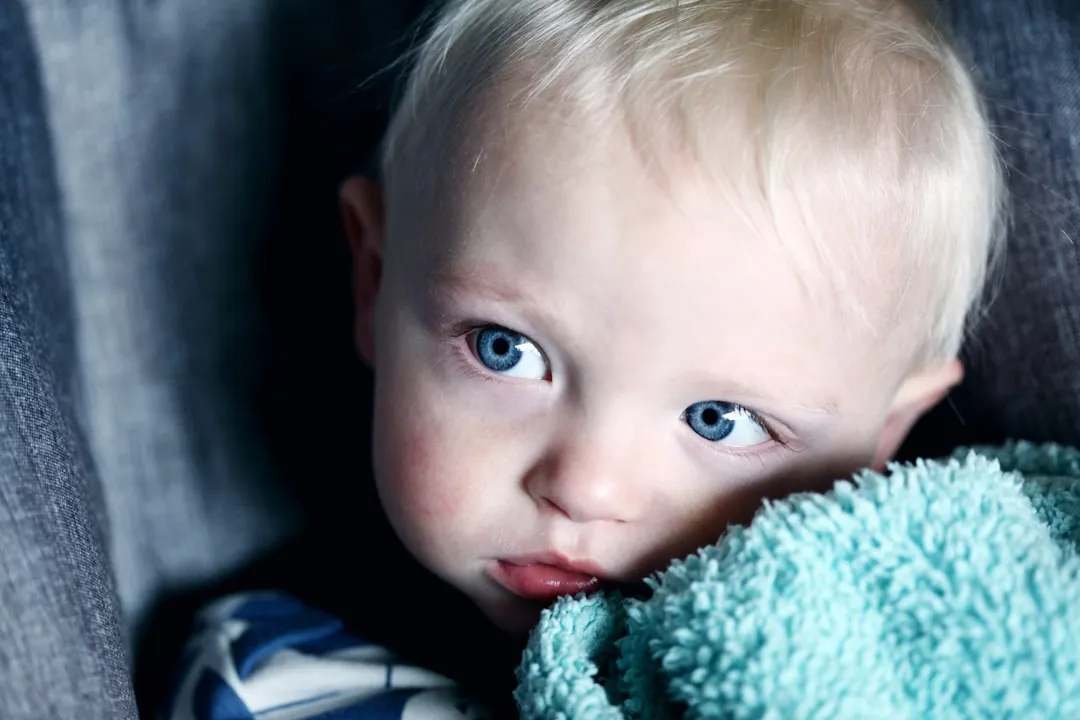
This one is easy to underestimate until you’re on a red-eye with an overtired toddler who won’t settle without their specific blanket. Sleep disruption is one of the biggest challenges on long flights with young children, and familiar objects help bridge that gap.
Sleep disruption hits hardest at the toddler stage. A travel sound machine or white noise app, a familiar sleep sack, and their comfort item – whether that’s a stuffed animal or a small blanket – are genuinely non-negotiable for many experienced traveling parents.
It’s worth putting the comfort item in an accessible outer pocket of your carry-on, not buried at the bottom. When a toddler is reaching the end of their patience, the last thing you want is a five-minute rummage through the bag while they melt down in the aisle.
Extra Clothes – For the Toddler and for You
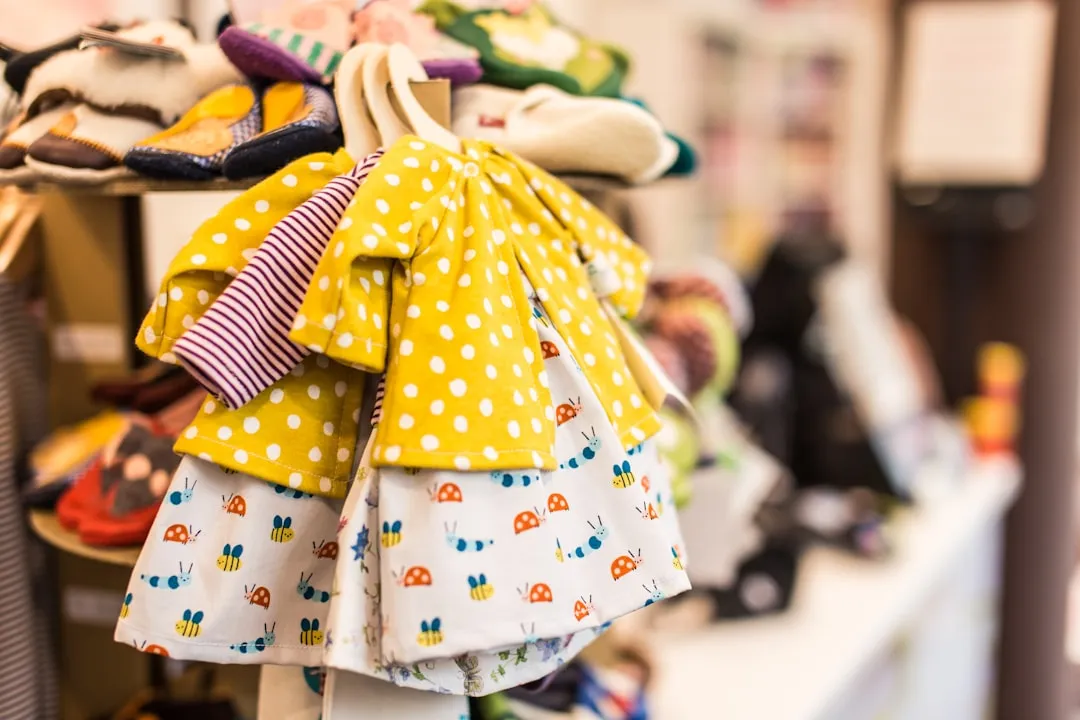
Every parent who has ever had a diaper blow out at cruising altitude will tell you the same thing: pack more clothes than your most pessimistic estimate. Spills happen and luggage gets lost. Having extra clothes easily accessible in your carry-on can save a lot of stress.
Dress your child in layers since airplane temperatures vary, and pack extra clothes in case of spills or leaks. A complete change of clothes for both the toddler and at least one spare top for yourself is a standard precaution among seasoned traveling families.
Roll the spare outfit tightly and keep it in a small zip bag of its own. It takes almost no space and will feel like the most useful thing in your bag if you end up needing it. Most parents who’ve learned this lesson needed it exactly once.
The Diaper and Wipes Supply: Always Bring More
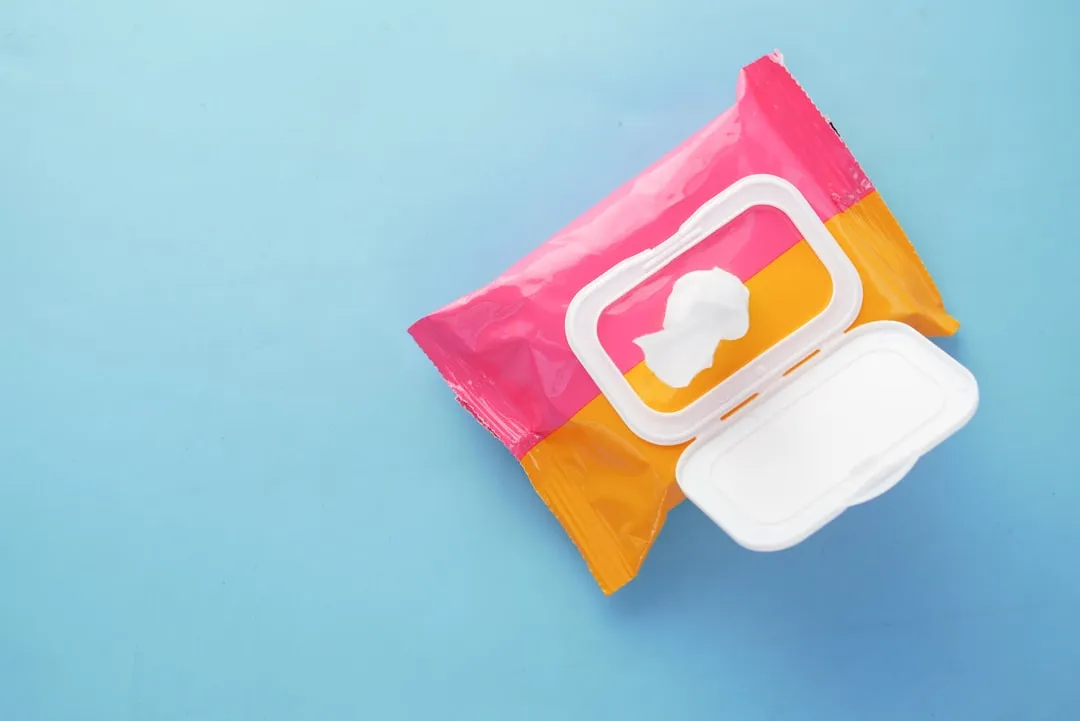
Airports and flights have a way of stretching timelines in unpredictable ways. Delays, long taxiing, and missed connections all add unplanned hours to a journey, and your diaper count needs to absorb that possibility.
If your toddler is mid-potty-training, pack both diapers and pull-ups. A long flight is not the place to commit to underwear only. Most experienced parents recommend calculating the number of diapers you’d normally use and then adding at least three or four extras as a buffer.
A travel-sized pack of wipes is equally important, and not just for diaper changes. Tray tables are notoriously unsanitary, surfaces need wiping before snacks come out, and sticky hands are a near-constant feature of flying with small children. One generous pack isn’t too many.
A Lightweight Baby Carrier for the Airport
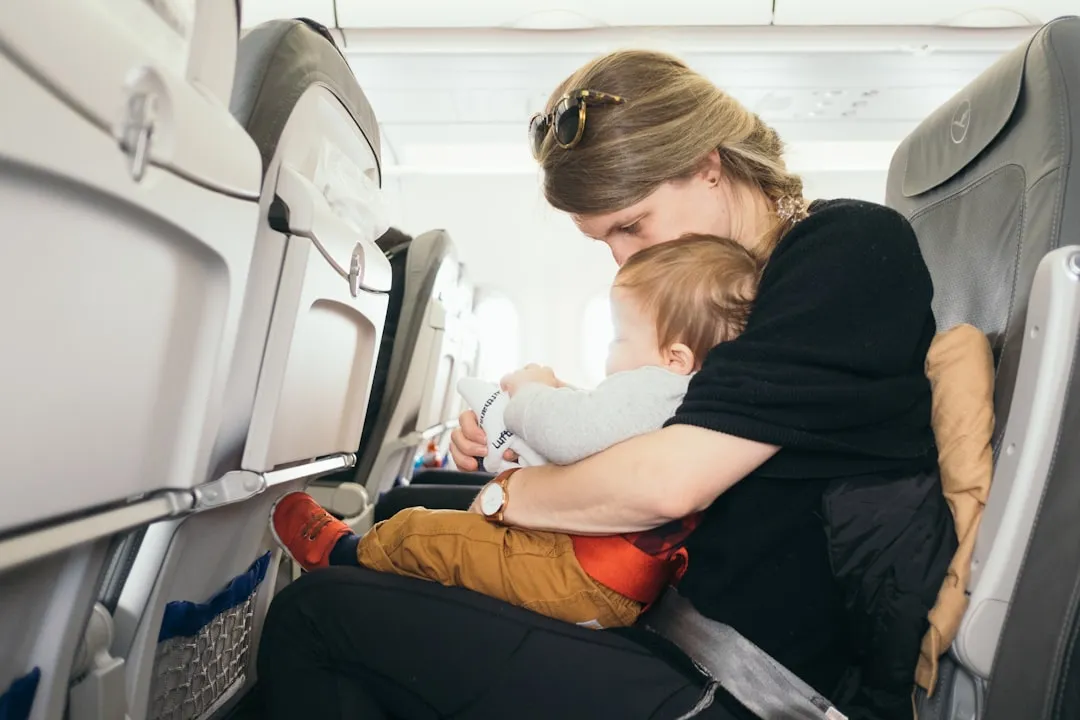
The airport itself – the terminals, security lines, and gate waits – can be the most physically exhausting part of any trip with a toddler. A stroller helps, but it also requires both hands and a strategy for folding at the security belt.
A baby carrier is invaluable for airport travel. Toddlers can walk just fine until suddenly they decide they can’t, and a carrier handles airport terminals, long walks, and tired-leg moments without drama.
Look for an ergonomic carrier with good hip support and a small pocket for your phone and keys. Keep in mind that baby carriers are prohibited during takeoff and landing, so you’ll need a plan to settle your toddler into their seat once you board. The carrier is an airport tool, not an in-flight solution.
Your Seat Choice Matters as Much as What’s in the Bag
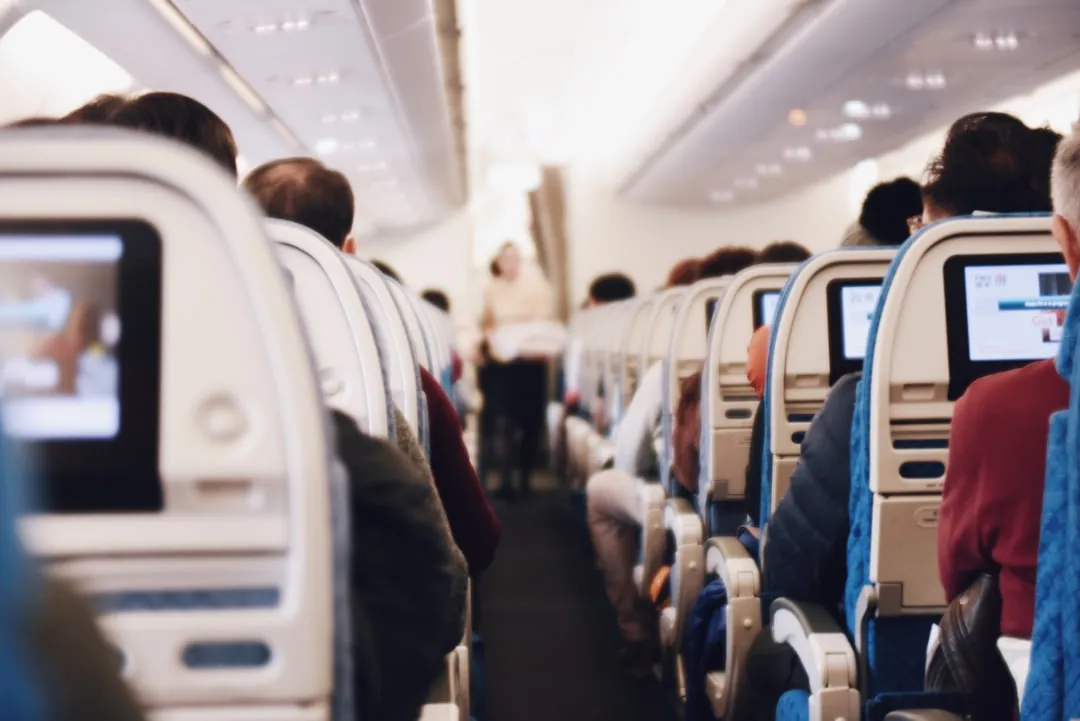
Packing well is only part of the equation. Where you sit shapes the entire experience for both you and your child. This is a planning decision that costs nothing extra and pays real dividends.
Window seats are often recommended for young children. They keep toddlers farther from aisle traffic, food carts, and potential spills – and if you’re using a car seat, a window seat is typically the safest and most practical option.
For parents without a car seat who need frequent access to the lavatory, an aisle seat can be a reasonable trade-off. The best departure time also matters. Mid-morning often works well for toddlers, while an overnight flight timed around five-thirty in the evening can give your child time to adjust to the environment and be ready to sleep when the lights go down.
Flight Attendants Are a Resource, Not Just Crew
Experienced parents know something first-timers sometimes don’t: the people working the flight are often genuinely happy to help. Asking for assistance isn’t an imposition – it’s practical and entirely normal.
When you’re on board, let the flight attendants lend a hand. Many are parents themselves and take genuine pleasure in making your flight more comfortable. They can heat a bottle, hand you extra napkins for a spill, and generally make the environment easier to manage.
While keeping a toddler fed and entertained is a challenge, remember to clean up after your family. Flight attendants will hand out trash bags for snack wrappers and used activity books, and they’ll also dispose of diapers for you – so don’t put them in the lavatory trash. Small courtesies like this make the experience better for everyone on the plane.
The Takeaway
Flying with a toddler is never going to be effortless, but it is absolutely manageable – and it gets easier every time. Research indicates that roughly six in ten parents travel with children under five years old, which means the airports and planes of the world are full of families navigating exactly what you’re navigating.
The parents who make it look easy usually aren’t naturally calm or uniquely gifted. They’ve just learned what to pack, where to sit, and when to ask for help. A thoughtful bag, a familiar comfort item, and realistic expectations are the real foundation of a flight that everyone survives in reasonably good spirits.
Prepare well, give your toddler grace, and give yourself the same. The destination is worth it.
AI Disclaimer: This article was created with the assistance of AI tools and reviewed by a human editor.