
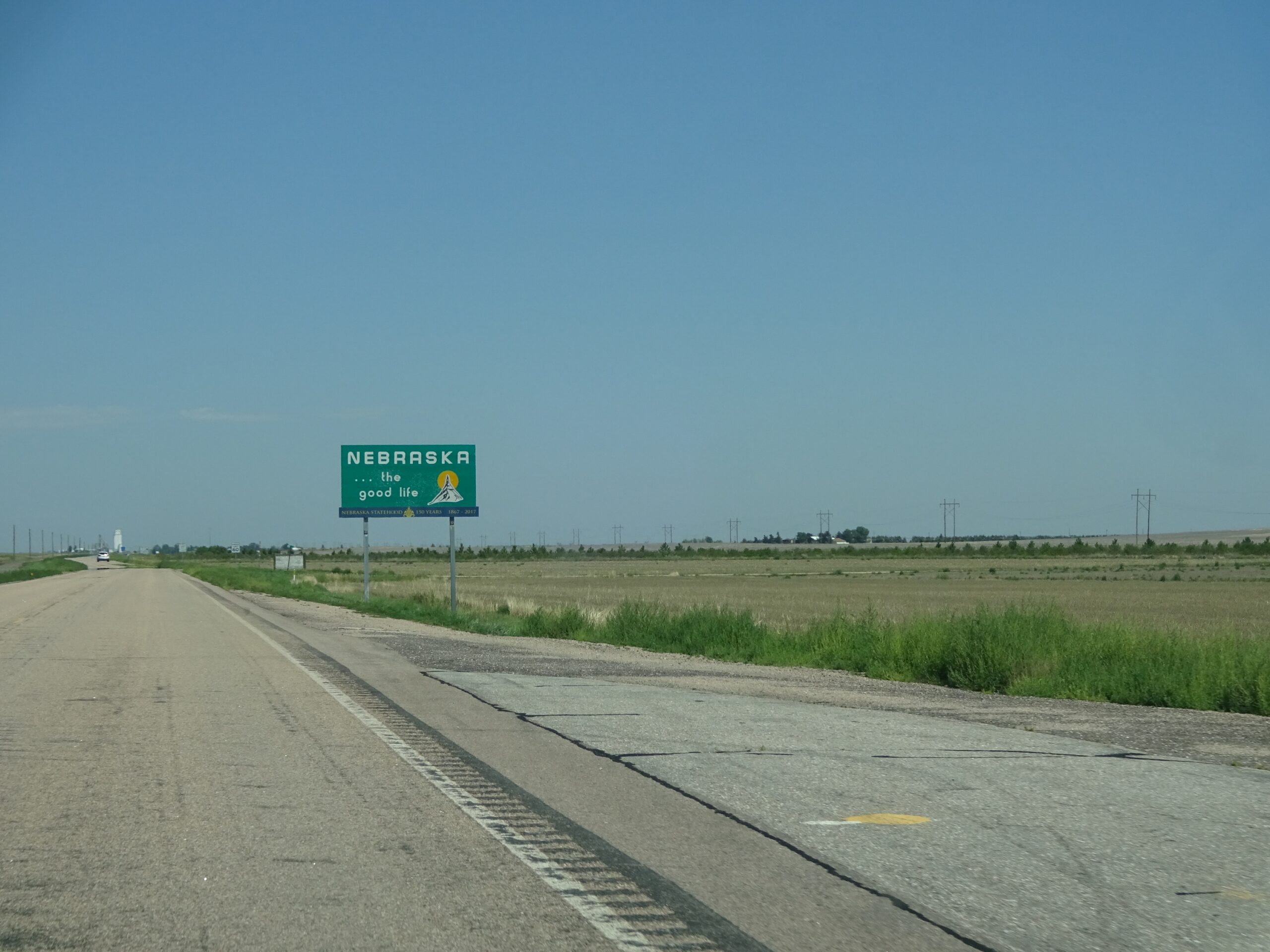

Most people driving across Nebraska keep their eyes on the speedometer and the interstate ahead. For far too long, the Great Plains region of the United States has been regarded as “flyover country,” overlooked in favor of the coasts or the mountains. That reputation, it turns out, doesn’t hold up well once you actually get off the main road.
Nestled just outside the village of Wauneta in southwestern Nebraska, the Frenchman Creek Valley, fondly referred to as Nebraska’s Little Grand Canyon, is a surprising natural beauty. It sits quietly along old routes that most travelers no longer bother to take, which is precisely what makes it worth seeking out.
Nebraska’s Best-Kept Secret Canyon

Everyone has heard of the Grand Canyon in Arizona, and you may have even heard about other “mini” grand canyons in other states. The last place you’d expect one, though, is right outside the tiny village of Wauneta in southwestern Nebraska. Known formally as the Frenchman Creek Valley, locals refer to it affectionately as Nebraska’s Little Grand Canyon.
The valley sits just outside Wauneta, and along scenic Route 6, known locally as Old Highway 6, a lookout spot offers a breathtaking view of a picturesque rolling landscape. The scale surprises visitors who weren’t expecting the plains to drop away so dramatically beneath their feet.
A View That Almost Disappeared
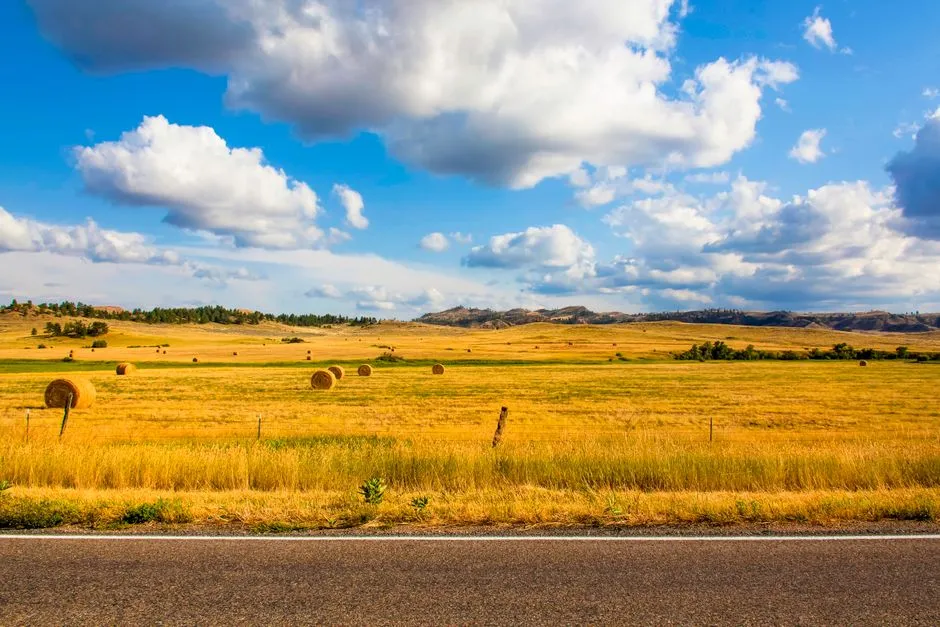
Closed from the early 1970s until 1996, the overlook was revived by a local Eagle Scout and has since become a favored stop for travelers in the region. That’s a remarkable story in itself: a young person’s community project quietly restoring access to one of the state’s most remarkable natural vantage points.
The actual Little Grand Canyon sits on private land, but the spot for viewing, and where you’ll find the sign, is thanks to a Boy Scout project. It’s freely accessible and requires no entry fee, which makes it one of the more generous stops on any Nebraska road trip.
A Landscape That Changes With Every Season
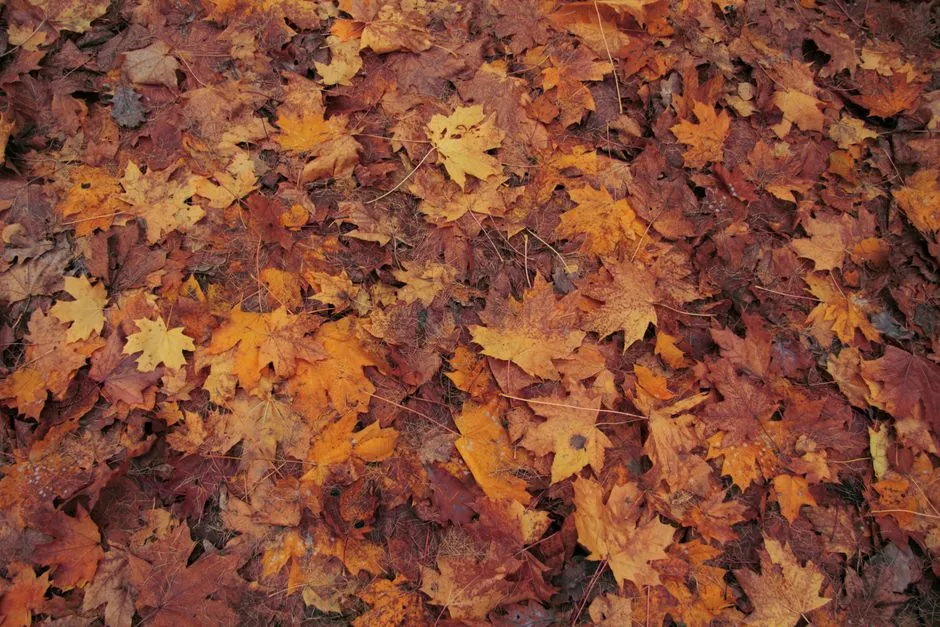
The canyon looks different with the seasons. Snow can pile up dramatically in winter, while spring often brings green grass and plenty of wildlife. Summer shifts the palette toward gold and amber, and the canyon walls catch light differently depending on the hour of the day.
You’ll see deer and livestock from the overlook, and every once in a while, pheasants and geese flying by. It’s that kind of quiet, layered natural theater that rewards patient visitors who slow down long enough to simply watch.
The Geological Story Beneath the Surface
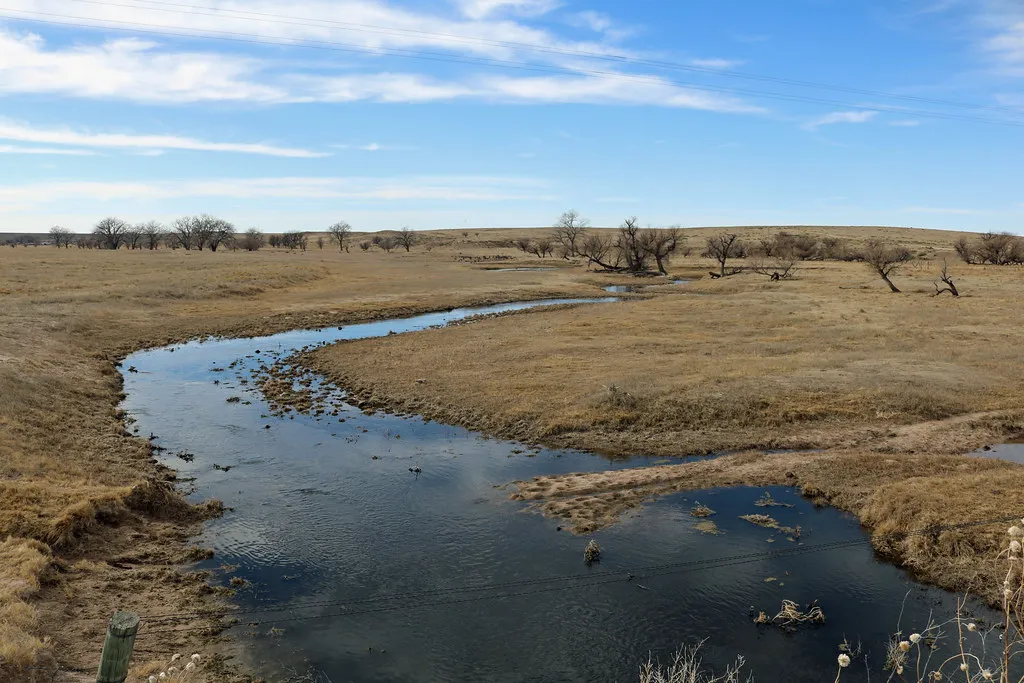
Frenchman Creek is a spring-fed waterway that begins in Phillips County, Colorado, crosses Chase and Hayes counties in Nebraska, and ends at its juncture with the Republican River. The waterway stretches approximately 166 miles in total length. That long journey carved the valley over an enormous span of time, shaping the canyon walls that visitors see today.
Known formally as the Frenchman Creek Valley, the vista is breathtaking, featuring a rolling landscape and views for miles. The erosion responsible for it is the same quiet, persistent force that shaped much of the High Plains, working slowly and without fanfare, exactly like the place itself.
Toadstool Geologic Park: The Canyon’s Otherworldly Neighbor
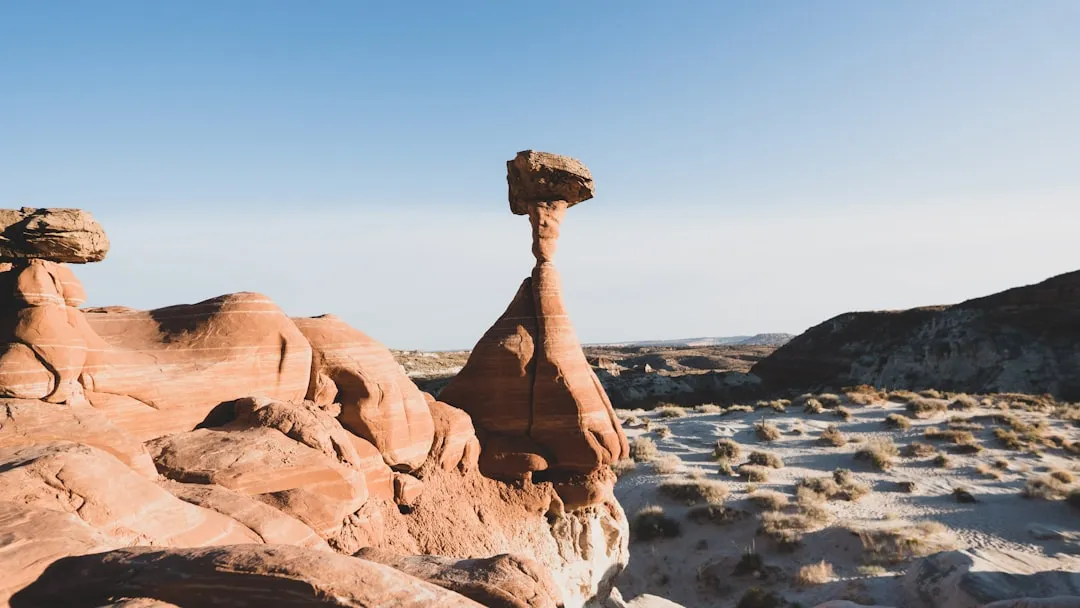
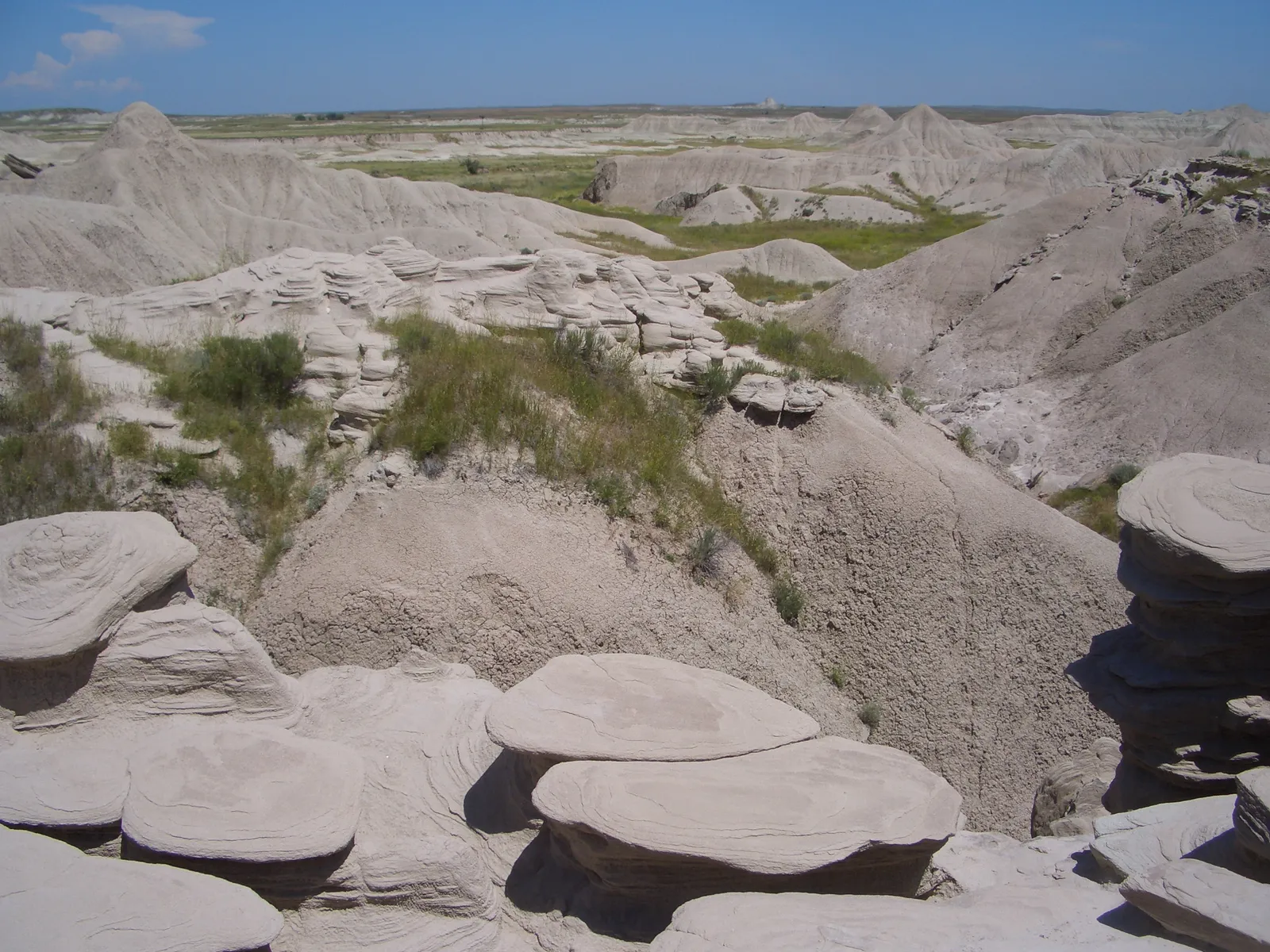
Toadstool Geologic Park is said to be the “badlands of Nebraska” or the “desert of the Pine Ridge,” noted for its unusual geological formations, some in the shape of toadstools, and scientifically valuable fossil deposits. It sits within the Oglala National Grassland and is managed by the US Forest Service.
The rock formations in this park formed between 38 and 24 million years ago and are related to the same rocks found in South Dakota’s Badlands National Park. The parks also share many fossil animals, like ancient dogs, horses, and rhinoceroses. For anyone interested in deep time and prehistoric life on the plains, this is a genuinely humbling place to walk through.
Perhaps one of the most exciting preservations in Toadstool Geologic Park is the 0.75-mile-long trackway that reveals an ancient pursuit: hungry entelodonts chasing two species of rhinoceros down a stream channel. That kind of preserved drama, frozen in stone for millions of years, puts the quiet landscape around you in startling perspective.
The Hudson-Meng Bison Bonebed: 10,000 Years of Mystery
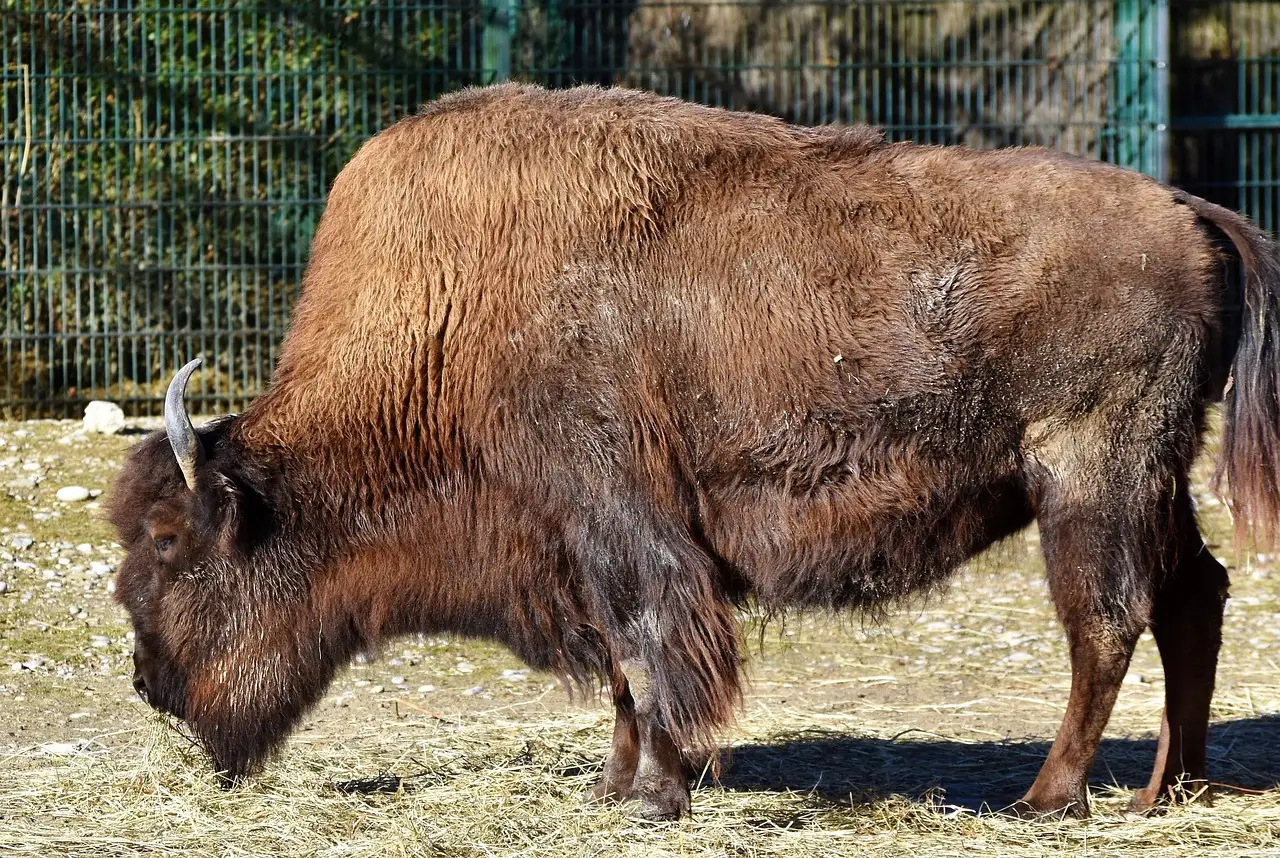
Located on the beautiful Oglala National Grassland in northwestern Nebraska, the Hudson-Meng Education and Research Center houses one of the most important paleo-archaeological discoveries in North America. It’s the kind of site that changes the way you think about the emptiness of this landscape.
In 1954, two ranchers digging a small pond in Sioux County, Nebraska, stumbled across a bonebed containing the 10,000-year-old remains of up to 600 bison. The site represents the largest known related to the Alberta Paleoindian culture, and has left an enduring mystery about how all those bones came to rest there.
The 20-acre site features a bonebed of more than 600 extinct bison that roamed the area about 10,000 years ago, with the bones densely packed and in a remarkable state of preservation. During the summer, visitors can watch paleontologists excavate and preserve bones and artifacts.
How to Reach the Canyon Country of Northwestern Nebraska
Hudson-Meng is just 20 miles northwest of Crawford, Nebraska, and it makes a perfect stop on a road trip between the Black Hills, Scotts Bluff, and I-80. The surrounding region rewards travelers who are willing to leave the interstate behind and follow two-lane roads through open grassland.
Reaching Toadstool Geologic Park requires driving at least 11 miles of gravel road, though the routes are generally well-maintained. The remoteness is part of the experience. Very few places left in the American interior offer this kind of solitude paired with such dramatic scenery.
Trails That Connect the Canyon Landscape
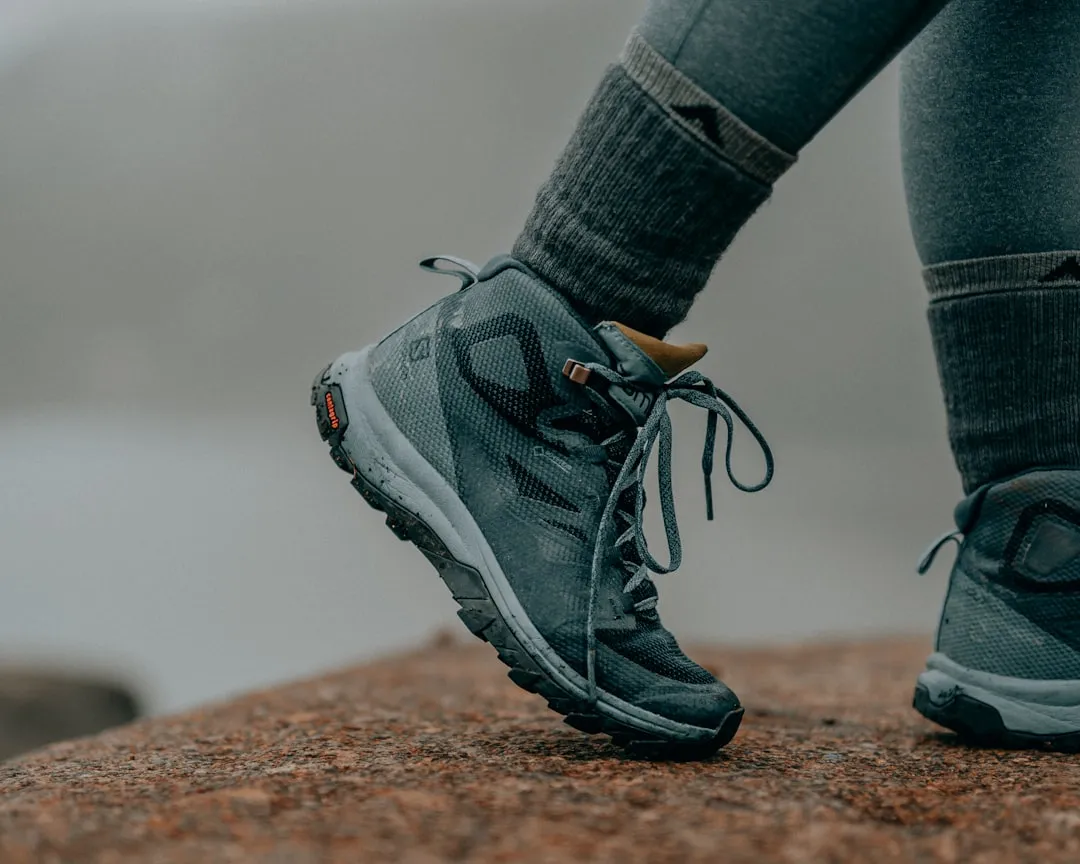
The trailhead at the Toadstool campground provides access to three hiking trails with varying degrees of difficulty. A one-mile loop highlights many examples of eroded clay and sandstone formations, and the Bison Trail leaves the interpretive loop at the halfway point and continues up the canyon to the Hudson-Meng Education and Research Center.
The hike from Toadstool Campground to Hudson-Meng is three miles one way, while a five-mile loop begins at the campground and heads north through the badlands and grasslands on the Great Plains Trail. The combination of badlands terrain, open prairie views, and fossil-rich geology makes these trails genuinely distinct from anything you’ll find elsewhere on the plains.
The Pine Ridge: Nebraska’s Canyon-Carved Highland

Nebraska boasts some impressive canyons, particularly in Pine Ridge’s rocky landscape. Chadron State Park, situated in Dawes County, features two breathtaking canyons for hiking, with the challenging four-mile Black Hills Overlook Trail offering stunning views of North Canyon, while the shorter 1.4-mile Steamboat Loop Trail provides a memorable panorama from the top of Steamboat Butte.
The 1.5-mile Norwesca Trail takes visitors through South Canyon, a more wooded section known as Lebo Canyon. Along these trails, expect surprises like rock windows, hidden caves, and beautiful wildlife. Nebraska’s first state park, Chadron State Park, was founded in 1921 and is nestled among the distinctive buttes and canyons of Nebraska’s Pine Ridge.
The Niobrara: A River That Built Its Own Canyon World

Flowing past the rolling hills and canyons of northern Nebraska, the Niobrara National Scenic River is one of the state’s most breathtaking natural treasures. Its canyon corridor cuts through a landscape where plant communities from the Rocky Mountains, eastern woodlands, and Great Plains all meet in an unlikely convergence.
Along the banks, visitors find a rare blend of prairie, pine forest, and even plants typical of the Rocky Mountains and eastern woodlands. The Fort Falls Trail, less than a mile long, grants excellent views of the Niobrara National Scenic River along with multiple overlooks of the stunning canyon. It’s an accessible introduction to a river system that rewards as much time as you’re willing to give it.
Why the Great Plains Deserves a Second Look
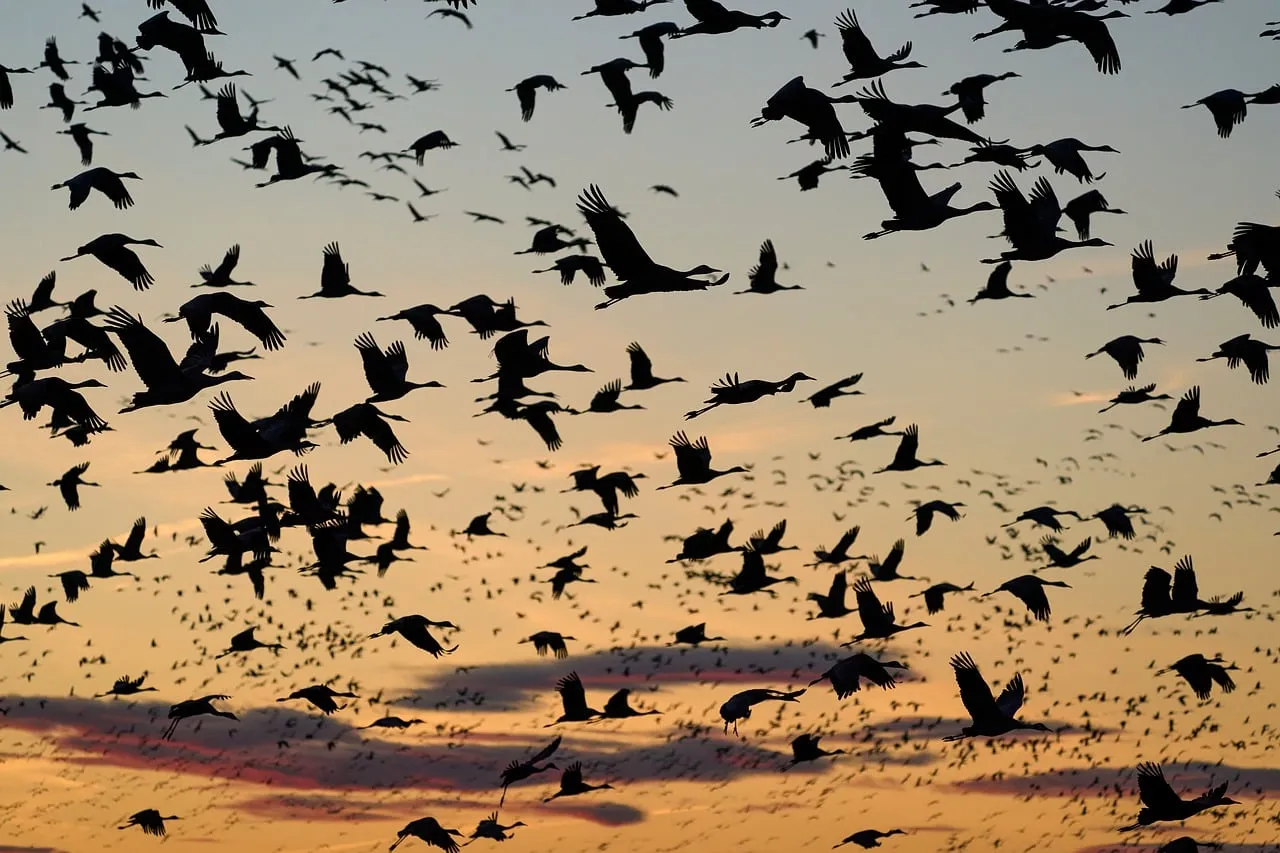
For far too long, the Great Plains region has been regarded as “flyover country,” overlooked in favor of the coasts or the mountains. Yet Great Plains states like Nebraska are filled with awe-inspiring beauty and unique attractions all their own. The canyon landscapes of Nebraska make that case more clearly than almost anywhere else in the region.
The remote location rewards adventurous visitors with solitude and wildlife encounters in Nebraska’s most mountainous landscape, offering unexpected alpine experiences. That’s not something you’d typically associate with the Great Plains. That, perhaps more than anything else, is the whole point.
The Takeaway
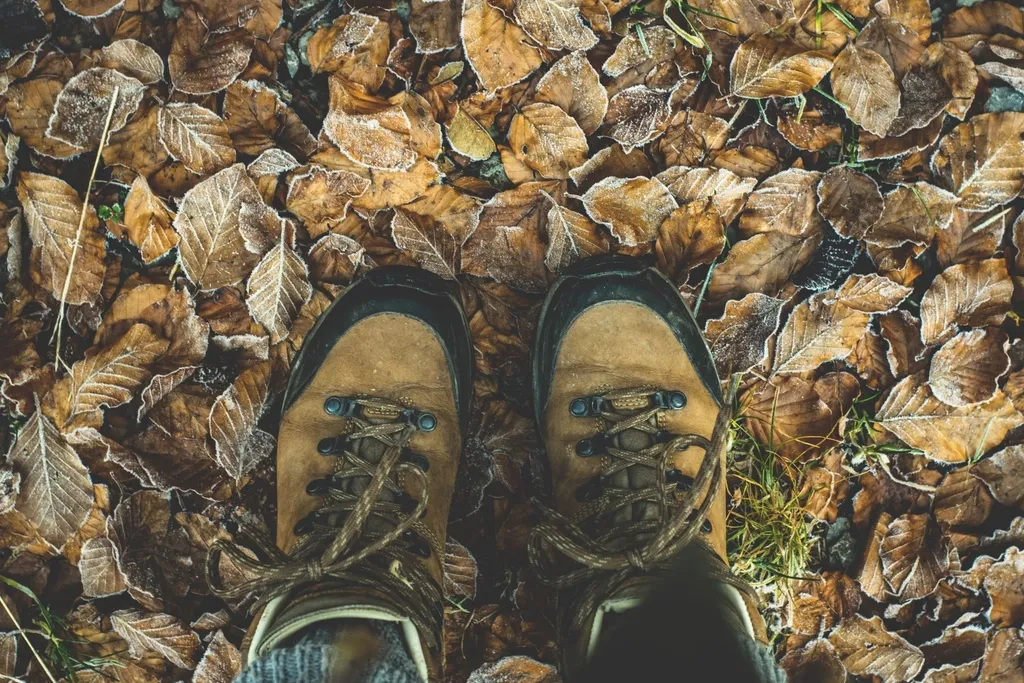
Nebraska’s canyon country doesn’t announce itself. It doesn’t appear in the lists that dominate travel content, and it doesn’t have the marketing infrastructure of more famous western landscapes. What it has instead is something harder to manufacture: genuine quiet, real geological wonder, and the particular satisfaction of discovering a place that still asks something of you before it gives anything back.
The Frenchman Creek Valley, Toadstool Geologic Park, and the Pine Ridge canyons form a loose constellation of underrated views scattered across a state most travelers only see from 30,000 feet. While not as vast as Arizona’s Grand Canyon, Nebraska’s version boasts its own spectacular charm, making it a must-see destination. You just have to be willing to take the gravel road to find it.
AI Disclaimer: This article was created with the assistance of AI tools and reviewed by a human editor.