
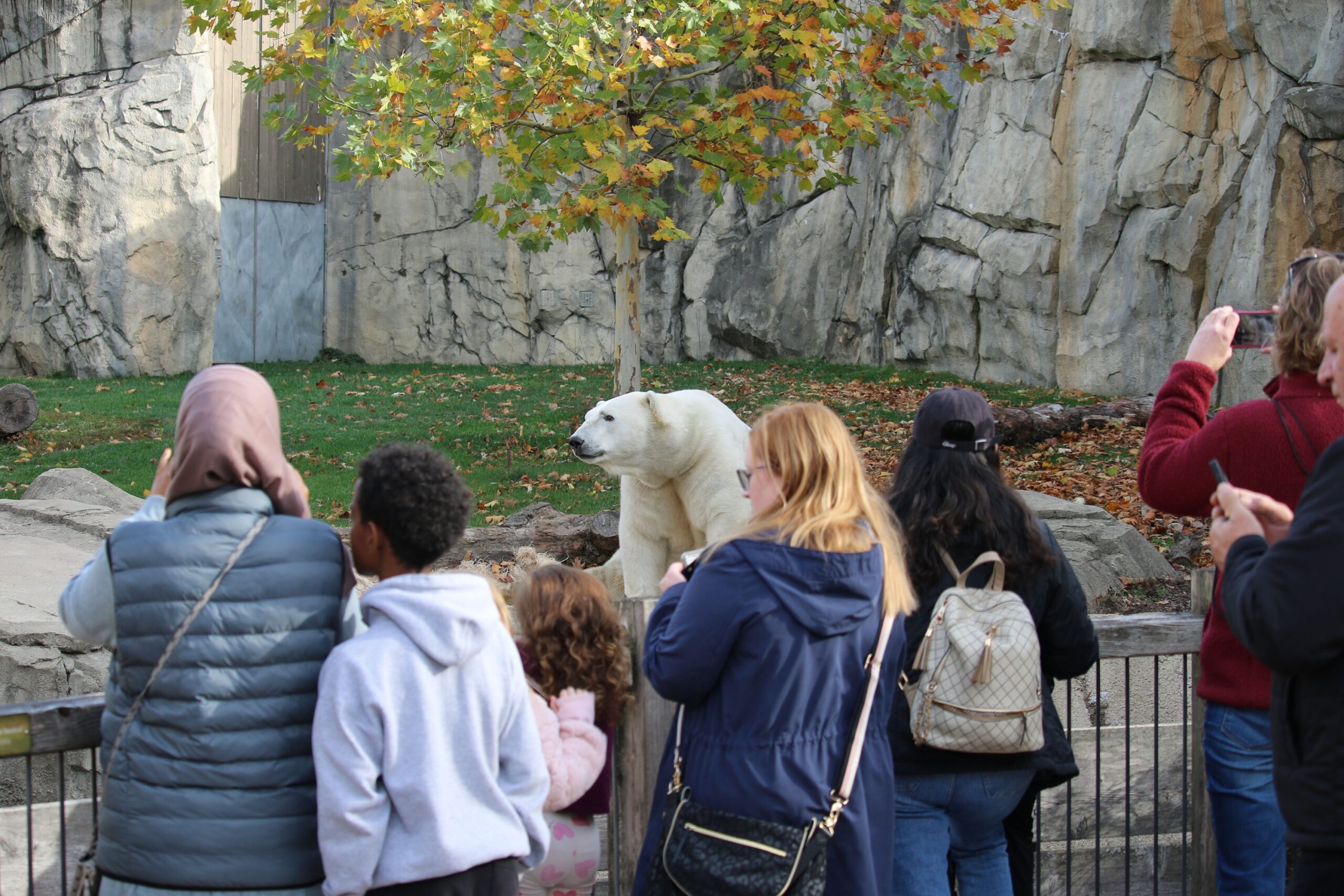
Most people show up at a zoo whenever it’s convenient, which is completely understandable. But there’s a quiet truth that animal care professionals have known for years: timing your visit can mean the difference between watching a sleeping lion and watching one actually move. The rhythms of zoo animals are shaped by feeding schedules, temperature, crowd levels, and biology. Get those elements right, and a zoo visit transforms into something genuinely memorable.
The Morning Window Is Real, But It Has Limits
Animals in most zoos have consistent access to their habitats from opening time onward, and keepers generally agree that the best window for viewing active animals falls in the mornings and late afternoons. That said, the early morning window works best when you arrive right at opening rather than an hour or two after. A weekday morning in spring or fall, arriving when the gates open, is when you’ll find the lightest crowds and the most active animals.
Temperatures tend to be mild during these seasons, and animals are more likely to stay active throughout the day rather than retreating to shade by late morning. That difference matters a lot when you’re hoping to catch a big cat pacing its territory or a primate group foraging together.
Feeding Time Changes Everything
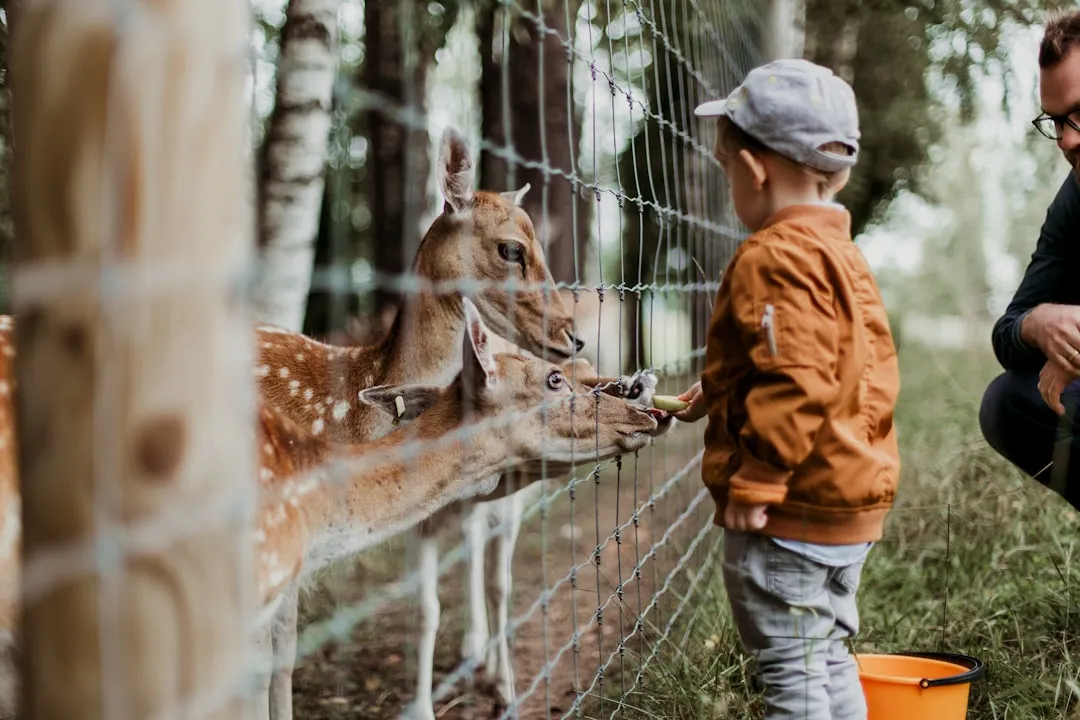
Various studies have shown that feeding, access to food, and hunger all have a direct influence on the circadian rhythm of zoo animals. In practical terms, this means the most predictable bursts of energy and movement tend to cluster around scheduled feeding windows. Many zoo elephant care programs, for example, structure daily diet deliveries across three windows: mornings between 8:30 and 10:00, afternoons between 13:00 and 15:00, and evenings between 17:00 and 18:30.
Feeding may have a strong influence on the activity budget of carnivores, as demonstrated by studies on leopards and lions. If you check a zoo’s daily schedule ahead of your visit, you can often pinpoint which exhibit will be most energetic at a given hour. Keeper talk schedules are usually published online and are worth planning around.
Lions and Big Cats Peak at Crepuscular Hours
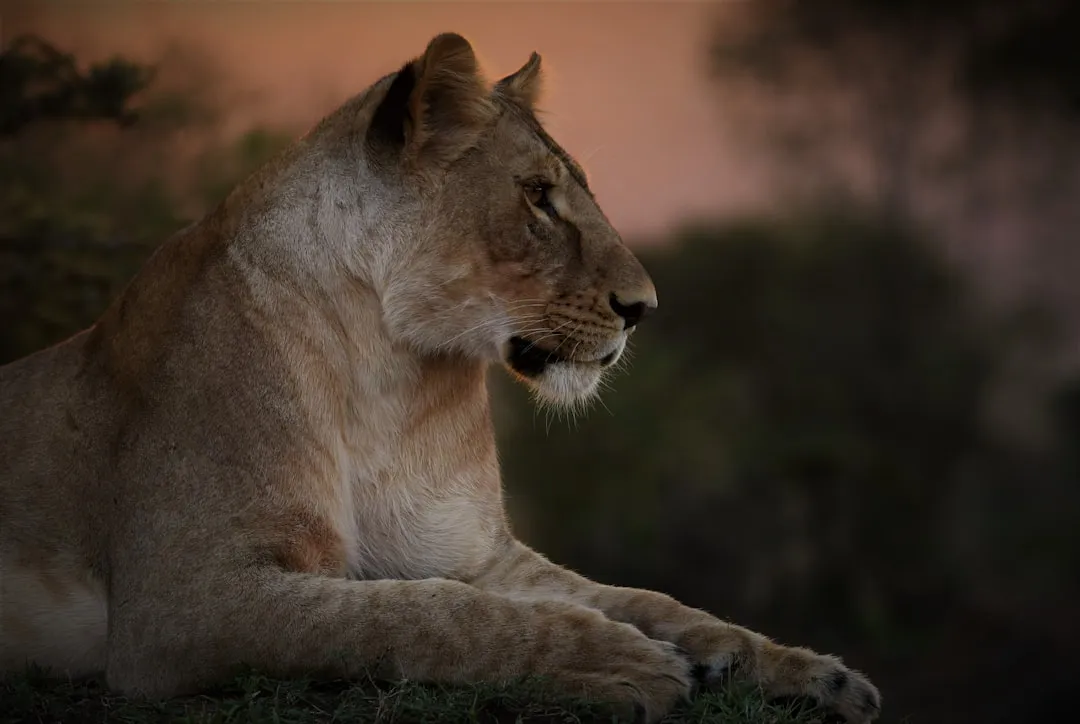
Research tracking lions and cheetahs across multiple European zoo institutions found that both species show activity peaks at crepuscular and feeding times, regardless of husbandry style. Lions in captivity notably shift the nocturnal behavior familiar from the wild toward more crepuscular and daytime activity patterns. That’s good news for visitors, since it means dawn and dusk are genuinely productive windows for big cat watching.
In the wild, the timing between feeding events for large felids is irregular, but in many zoos those animals are fed on predictable fixed schedules. This predictability is actually useful for visitors: if a zoo feeds its lions in the morning, that feeding tends to settle the animals, making the afternoon quieter. Feeding in the morning satiates the animals, which can reduce frustrating appetitive behavior later in the day.
Bears Are Most Active in Spring and Summer
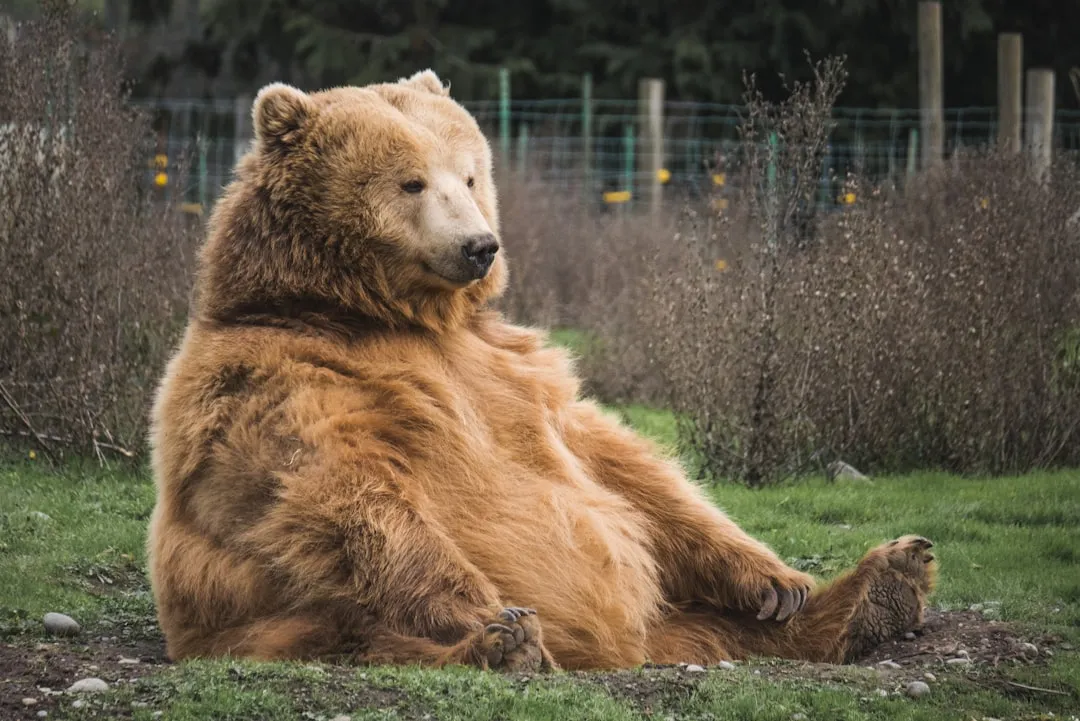
A year-long study documenting the activity of two grizzly bears at Woodland Park Zoo in Seattle found that their behaviors emerged in clear relation to seasonal shifts as well as time-of-day observations, including daily feedings. That seasonal element is worth keeping in mind when planning a trip specifically to see bears in motion. Inactivity was the most frequent class of behaviors recorded, with most inactive periods falling in the winter months.
Both stereotypic and non-stereotypic activity emerged during the spring and summer months, with the most dynamic behavior appearing in the latter part of the day. For spring and summer visits to see grizzlies or other bear species, late morning through early afternoon tends to be the most rewarding window, particularly on days with moderate temperatures.
Primates Are Sensitive to Crowd Noise
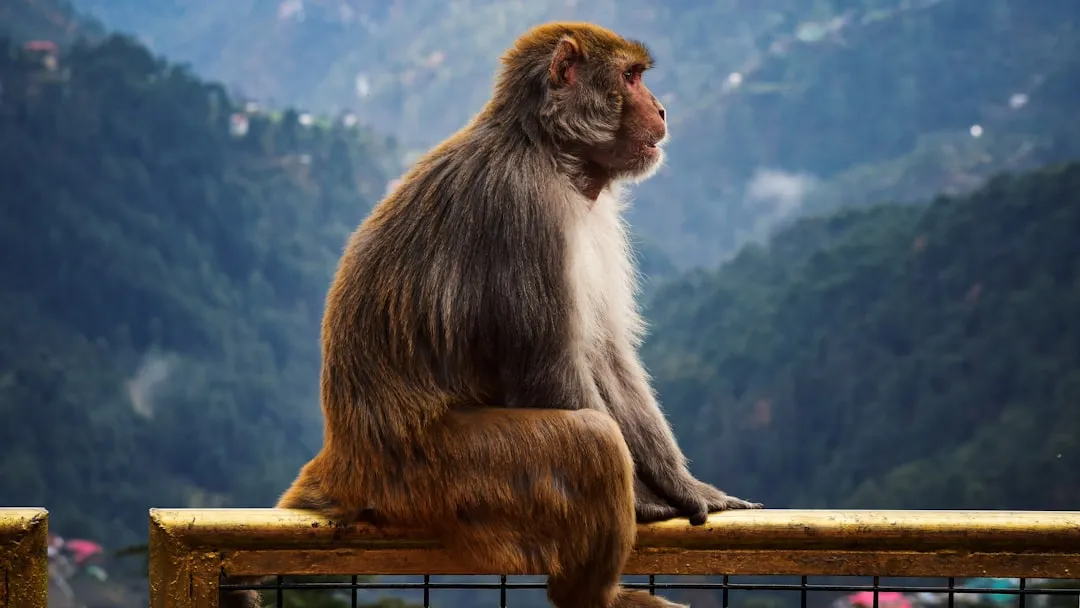
Diurnal mammals in zoos, including chimpanzees, may exhibit increased inactivity due to heightened visitor presence, which could indicate reduced welfare. This is one of the more sobering findings from behavioral research, and it has a direct implication for when you visit: a quieter zoo is often a more active zoo, at least for primate species. Visitors, especially noisy and active crowds, have proved a source of stress for many species, particularly primates, affecting both their welfare and the enjoyment of the visitor.
Research on baboon behavior in captivity concludes that visitors interested in primates should plan their visit during morning and early afternoon hours, when the majority of their activity naturally occurs. The double benefit here is clear: fewer crowds mean calmer animals, which means more natural behaviors on display.
Weekday Visits Consistently Outperform Weekends
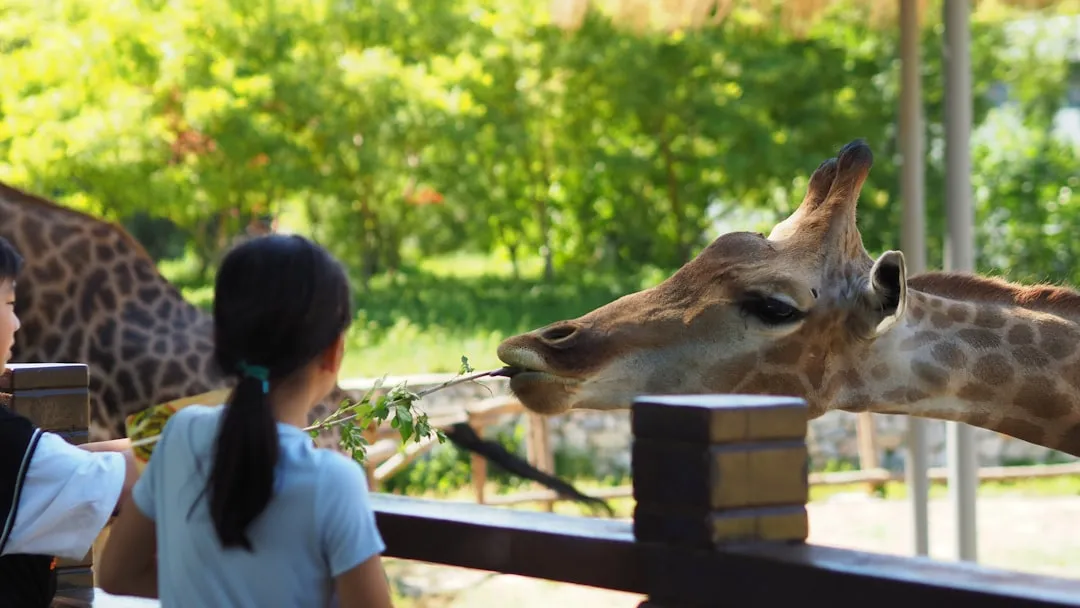
The quietest days to visit major zoos are typically Tuesday, Wednesday, and Thursday, with Saturday being the consistently busiest day of the week. Reduced crowds aren’t just more pleasant for you; they genuinely benefit the animals you’ve come to see. Visiting during the week is highly recommended for a quieter and more relaxed atmosphere, as weekend crowds can be substantial, especially during peak seasons, making it harder to navigate and get clear views of exhibits.
Winter is typically when the smallest crowds appear at major zoos, and weekdays attract fewer guests and large group visits overall. That said, cold-weather visits require some research, since certain species may be less visible or housed indoors depending on temperature thresholds at each specific institution.
Nocturnal Animals Need a Different Strategy Entirely
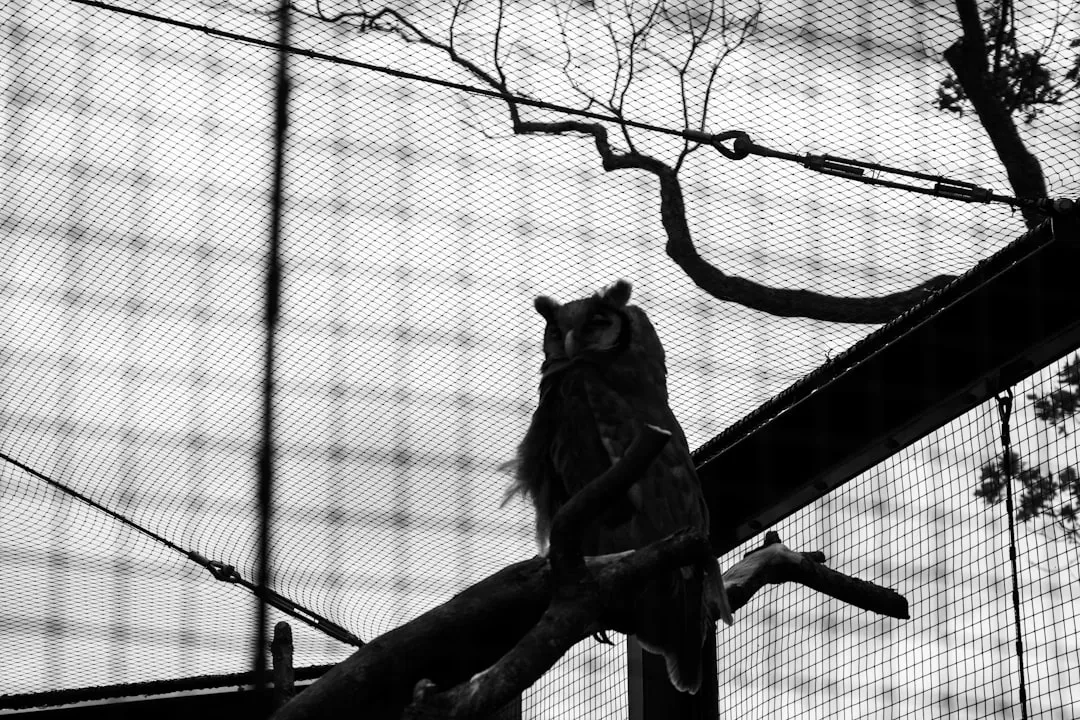
To maximize visitors’ chances of seeing nocturnal animals being active, many zoos reverse the lighting within enclosures. This tricks the animals into reversing their daily activity cycle, resulting in them being active during visiting hours while their enclosure lights are dim, then sleeping once their lights are switched on later. It’s a thoughtful intervention that makes otherwise invisible species accessible.
To allow visitors to observe these animals in the dark, red lights are often used, since many non-human animals either do not perceive red light at all or find it far less invasive than white light. Research from the Little Fireface Project found that animals demonstrated higher activity levels when exhibits were illuminated with red rather than blue lights, spending more time moving around enclosures and investigating their surroundings.
Keeper Talks Are the Clearest Signal of Animal Activity
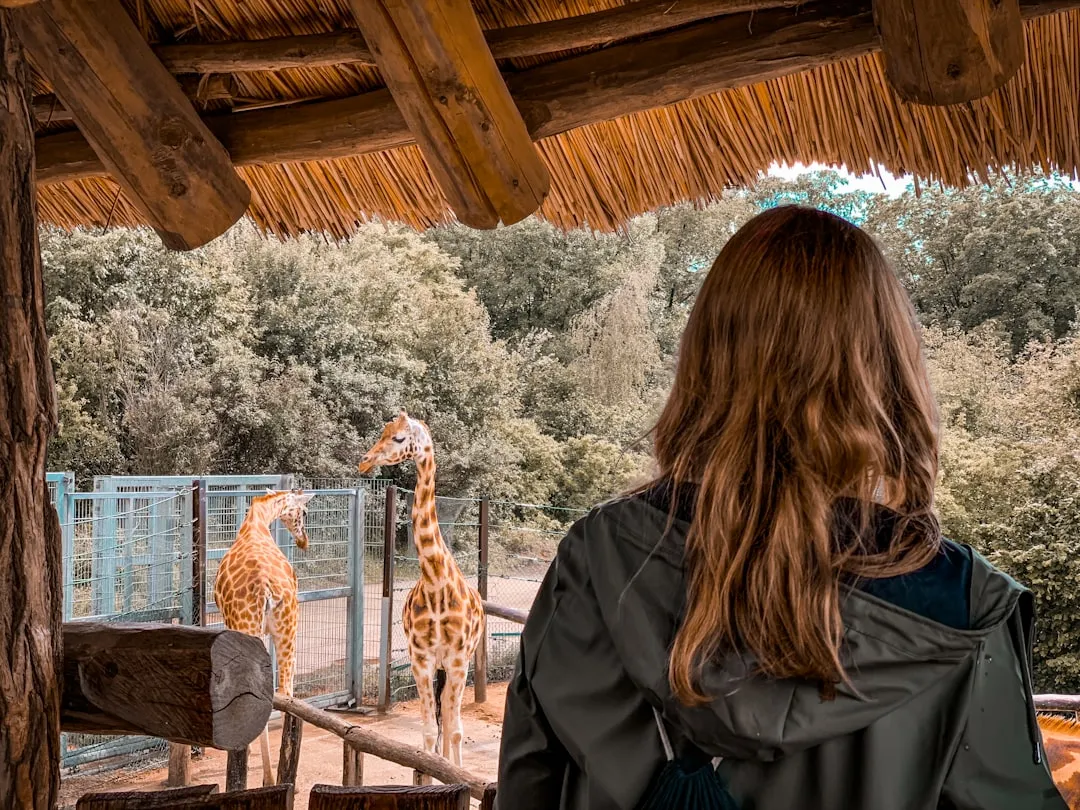
Keeper talks, where zookeepers share insights on each animal’s diet, habitat, conservation status, and unique stories, are among the most valuable tools visitors have for timing active encounters. These scheduled presentations exist because keepers know when their specific animals are alert and responsive. Following the keeper talk schedule is essentially following the animal’s natural rhythm by proxy.
Enrichment presentations, where zookeepers showcase how sensory enrichment enhances the well-being of animals in human care, are equally worthwhile and tend to generate some of the most dynamic animal behavior visible to the public. Both types of programming are usually listed on zoo websites or apps, and building your visit around them requires only a few minutes of planning in advance.
Temperature Shapes Activity More Than Most Visitors Realize
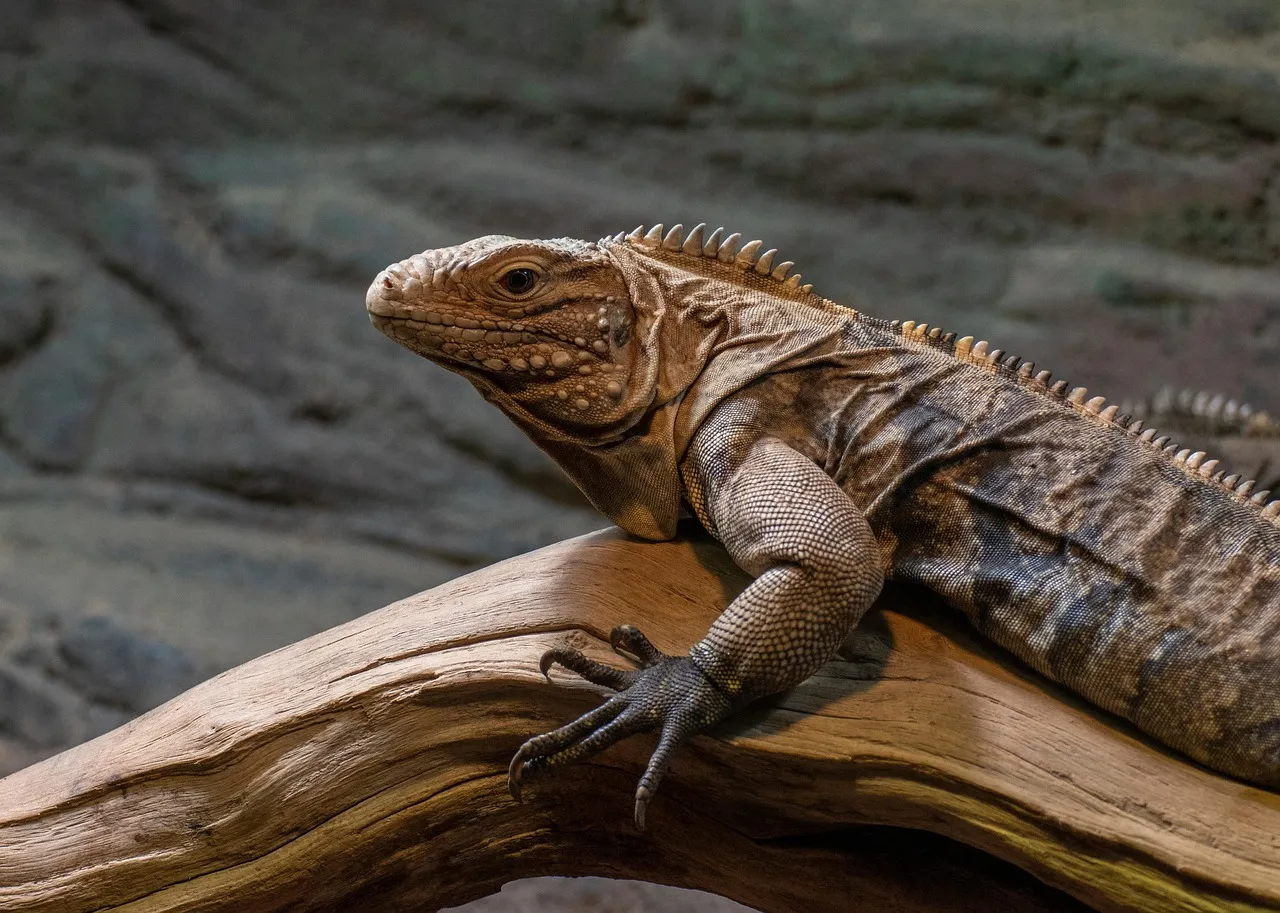
The choice of season matters significantly: visiting in very cold or very hot weather is less agreeable for the visitor, and animals tend to be less active under either extreme. This is especially true for reptiles, which are ectothermic and closely regulate their activity based on ambient heat. A mild spring or autumn day consistently produces more alert, visible animals across a wider range of species than a midday summer visit does.
The other practical reality is that heat and humidity settling in by midday can significantly dampen both human and animal energy. Planning to arrive at opening and wrap up by early afternoon during warm months is a strategy many experienced zoo visitors arrive at on their own, and it aligns with what keepers observe about their animals every day.
Spring and Fall Remain the Strongest Overall Windows
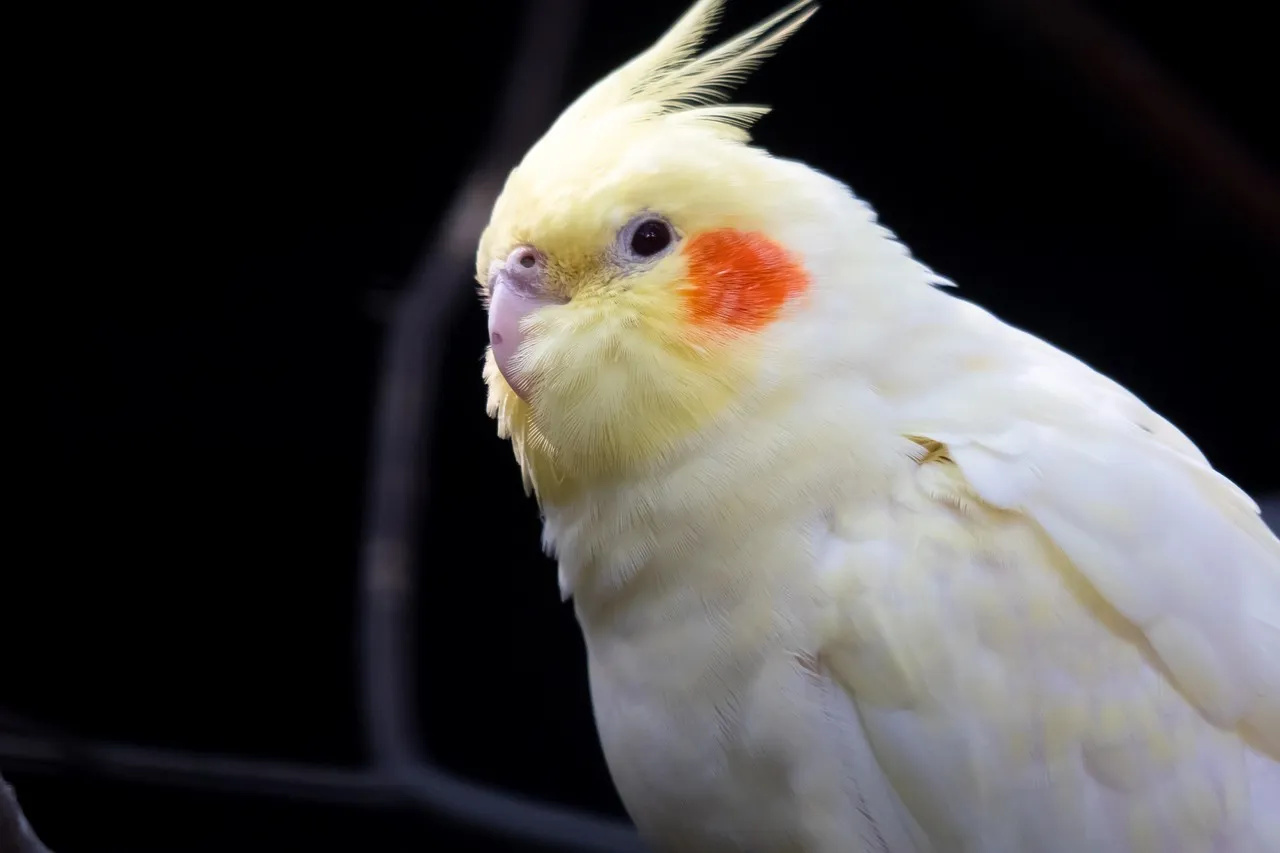
Peak season at most zoos falls across the summer months of June through August and around major holidays, when attendance is highest. The low season from September through February offers fewer crowds, shorter lines, and cooler weather. Taken together, that points clearly toward spring and fall as the most balanced times to visit: moderate temperatures, manageable crowds, and animals that haven’t retreated into the heat-related torpor common in July.
A weekday morning in spring or fall is genuinely ideal, when crowds are at their lightest and animals are at their most active. Combine that window with a look at the day’s keeper talk schedule and a focus on morning feeding times, and you’re working with the same knowledge that animal care professionals use themselves. The animals aren’t performing for visitors on a fixed schedule, but their biology is remarkably consistent once you understand what shapes it.
A Quiet Observation Worth Taking Away
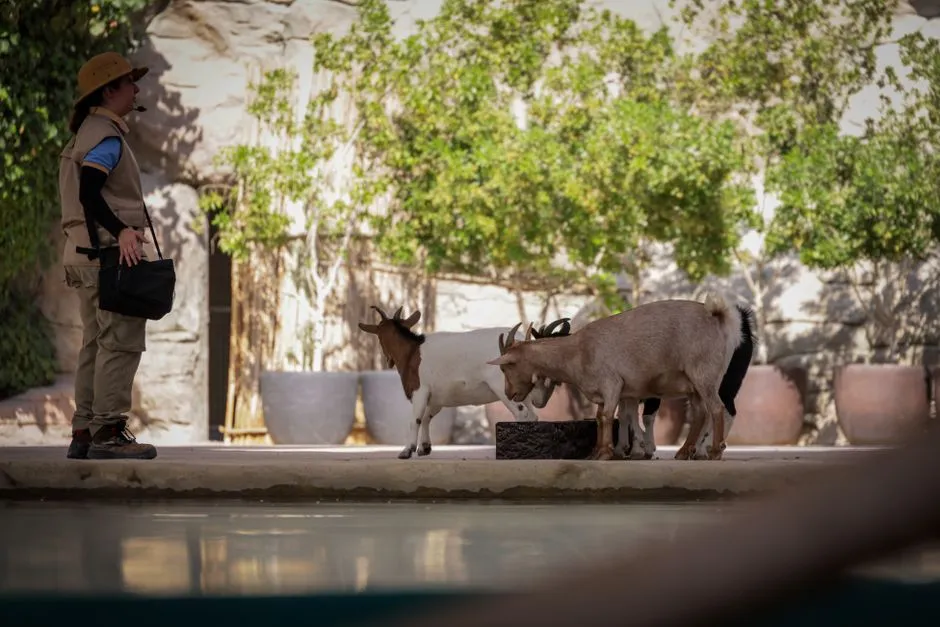
There’s something worth sitting with here: the best zoo visit isn’t necessarily the longest one or the one with the most exhibits checked off. It’s the visit timed to a cool Tuesday morning in October, arriving at opening, following the keeper talk board, and pausing long enough at a single enclosure to actually watch what’s happening inside it.
Animals in well-run zoos have rhythms just as legible as the tides, shaped by light, food, temperature, and the presence of people. Light and temperature, as well as anthropogenic factors such as husbandry routines, visitor presence, and feeding schedules, are all recognized influences on animal behavior in zoological gardens. Knowing that doesn’t just improve your visit. It changes how you see the animals entirely.
AI Disclaimer: This article was created with the assistance of AI tools and reviewed by a human editor.