


For years, millions of travelers from the United States, Canada, Australia, and the United Kingdom have crossed into Europe on little more than a valid passport. No pre-registration, no digital approval, no upfront fee. That familiar simplicity is coming to an end.
Starting in 2027, travelers from 59 visa-exempt countries, including the United States, Canada, and the United Kingdom, must apply for a travel authorization called ETIAS before entering most European countries. The change is sweeping, long in the making, and worth understanding well before you book your next flight to Rome, Barcelona, or Athens.
What ETIAS Actually Is
ETIAS is not a European travel visa, but a pre-travel clearance, similar to the U.S. ESTA or the U.K.’s ETA. It is designed to enhance security by screening travelers before they arrive and streamline border control across 30 European countries, and once approved, it allows short-term stays of up to 90 days within a 180-day period for tourism, business, transit, or medical purposes.
ETIAS is a digital travel authorization that visa-exempt travelers, including U.S., U.K., Canadian, and Australian citizens, will need before visiting 30 European countries. One ETIAS authorization covers all 30 participating countries, and travelers can move freely between them during their stay.
Which Countries Are Covered
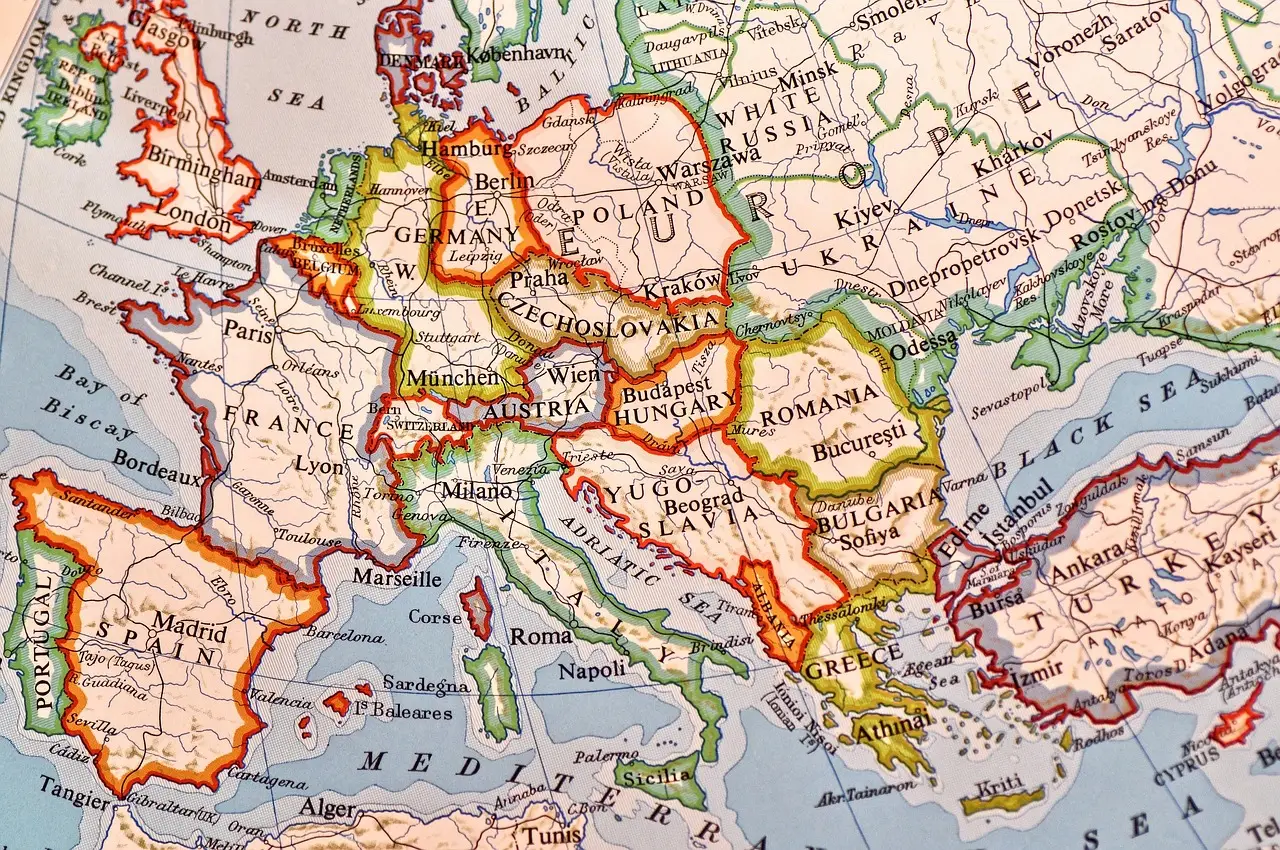
All 29 member states of the Schengen Area will be covered by ETIAS, as well as Cyprus. That means popular destinations like France, Italy, Spain, Germany, Greece, Portugal, the Netherlands, and Austria all fall under the new requirement.
Ireland, even though it is a country within the EU, has opted out of the Schengen Area and is therefore exempt from the ETIAS requirement. ETIAS will apply to travelers from over 60 non-EU countries, covering most of the 27 EU countries, plus four additional countries that allow free movement of people across the Schengen area: Iceland, Norway, Liechtenstein, and Switzerland.
A Long History of Delays

The program has been in development since 2016 and has already been delayed a number of times, moving from a November 2023 target to 2024, and now ultimately into 2027. This is not the first time ETIAS has been delayed. Originally scheduled to launch in spring 2023, the system has gone through multiple year-long setbacks.
This marks the fifth delay in the rollout of ETIAS and reflects ongoing technical and logistical hurdles. The agency in charge of implementing ETIAS, EU-Lisa, told the Financial Times that, because of “technical glitches” and the “slow deployment” of the EES, it probably would not be feasible to launch at the end of the year as planned.
Why the 2027 Date Now Matters

As of July 2026, the system is not yet accepting applications, and in mid-July 2026, the EU quietly removed the “last quarter of 2026” launch target from the official ETIAS website. The page now only states that ETIAS is not yet operational, with no revised launch date.
While official guidance previously listed a late-2026 start for ETIAS, industry insiders believe that April 2027 will be the earliest realistic launch date for this new travel document. The eu-LISA board meeting expected in September 2026 is when a revised launch timeline will likely be published, and independent reporting points to a 2027 launch as the realistic outcome.
The Fee and What It Covers
The cost of an ETIAS application has been officially set at 20 euros per traveler, as confirmed by the European Commission. This fee applies to most visa-exempt nationals who wish to obtain authorization before entering any of the 30 European countries that require it, and it covers the processing of your data, identity verification, and security checks.
The fee is waived for travelers under 18, over 70, or family members of EU citizens, though the application itself is still required. The fee applies individually to every applicant, with no family or group applications accepted. Even if traveling together, each person must complete their own ETIAS application and pay separately.
How the Application Process Will Work
The application costs €20, is valid for three years, takes about 10 minutes to complete online, and links directly to your passport. Most applications are expected to be processed within minutes, but some may take up to four days. Once approved, travelers receive a unique ETIAS application number tied to their passport.
After approval, foreign nationals will be authorized to enter the 30 participating nations for stays of up to 90 days within any 180-day period, and the permission will last for three years or until their passport expires, whichever comes first. Every traveler requiring ETIAS must submit individual applications, because the authorization is linked to a specific passport. This means every family member, including children, will need their own ETIAS.
The Transition Period: No Immediate Hard Deadline

ETIAS becomes mandatory approximately six months after launch, with full strict enforcement following an additional six-month grace period. With launch now most likely in 2027, mandatory use for most travelers would fall in late 2027 or early 2028.
As part of the initial rollout, there will be a transition phase. For the first six months, travelers may still enter the Schengen area without having received ETIAS approval. In the end, however, travelers will have to have obtained approval prior to entering. Airlines, ferry operators, and coach companies will be required to verify whether or not their passengers hold valid ETIAS approval prior to allowing them to board.
How ETIAS Relates to the EES Already in Place
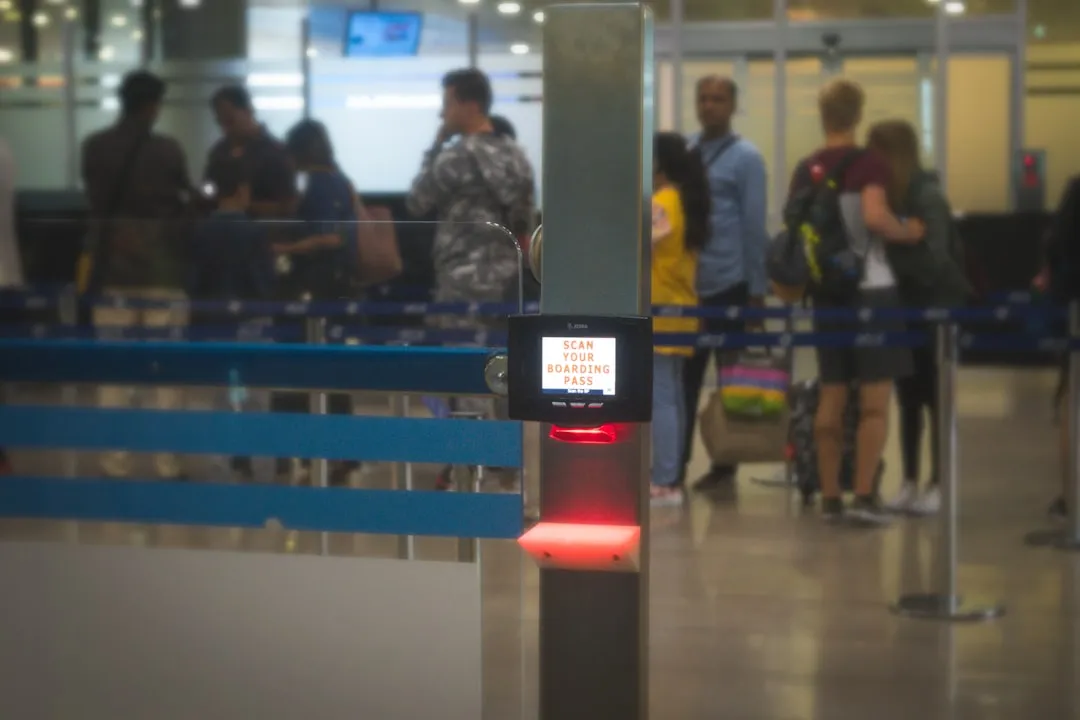
The European Union’s new Entry/Exit System, or EES, went fully operational on April 10, 2026, replacing passport stamps with biometric registration. It replaces the manual stamping of passports with electronic records of every entry, exit, and refusal of entry for non-EU short-stay travelers.
Some recent reporting about entry processes in Europe has focused on the EU’s Entry/Exit System, which is separate from ETIAS. When you arrive at a border crossing point for the first time under EES, passport control officers will take a photo of your face and scan your fingerprints. This information is saved in a digital file, and your passport will not be stamped. The digital file is then referenced when necessary instead of a stamp.
What the EES Has Meant for Travelers So Far
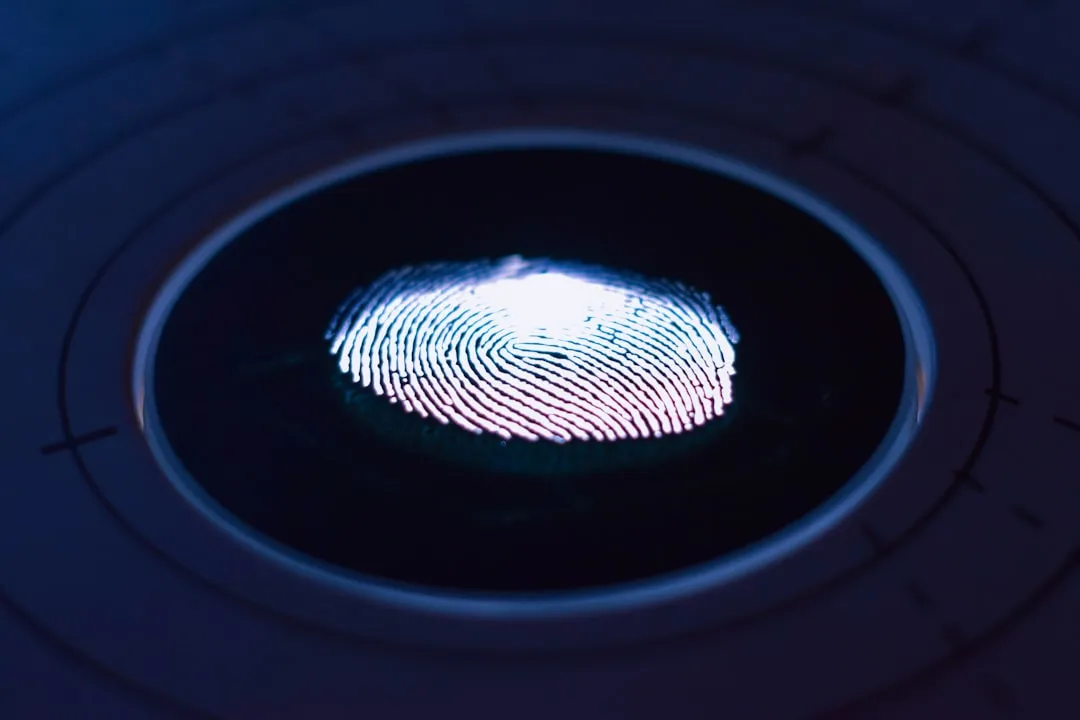
Travelers going through hubs in Spain, France, Italy, and Poland have already reported hour-long waits because of the Entry/Exit System, the automated biometric framework that requires first-time non-EU visitors to register facial scans and fingerprints directly at the border.
The practical consequence for travelers has been the need to budget extra time at immigration on the first Schengen entry. Connecting through a European hub requires conservative planning, as missing a domestic or regional connection because biometric registration took too long is a real outcome people have been experiencing. The European Commission’s free “Travel to Europe” mobile app lets travelers submit their travel document data before they fly, which can speed up border crossings significantly. However, beware of imitation apps charging fees, as the official app is free.
Who Is Exempt from ETIAS
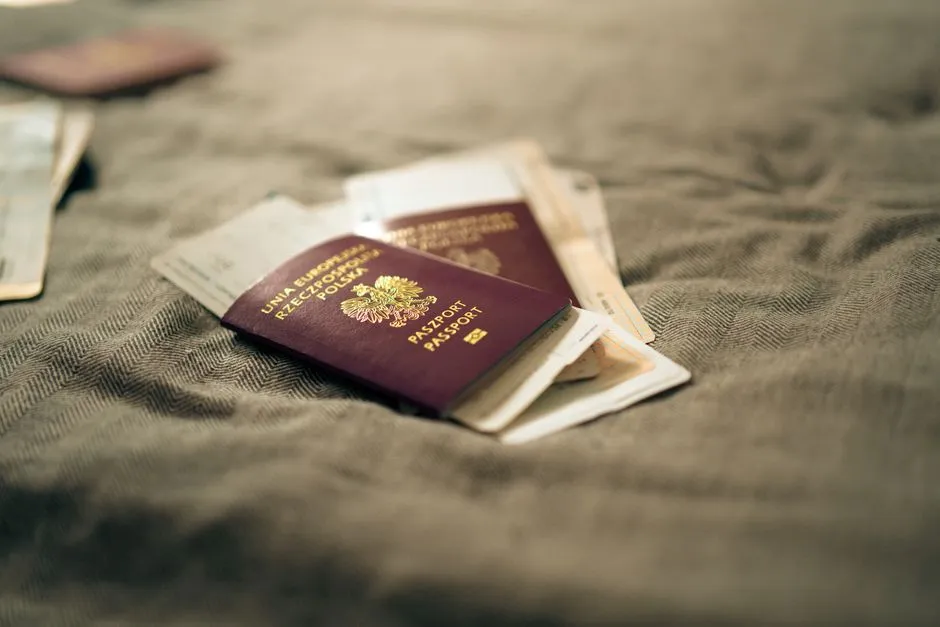
EU citizens do not need an ETIAS travel authorization to visit other EU countries. ETIAS is only required for nationals of visa-exempt third countries who wish to enter the 30 European countries covered by the system. EU citizens can continue to travel freely within the EU using their passport or national identity card.
If a traveler already holds a valid Schengen visa, they do not need to apply for ETIAS. ETIAS is only required for citizens of visa-exempt countries who wish to enter the Schengen Area for short stays. Travelers with a visa must continue using it under the terms granted, as ETIAS does not replace or supplement an existing visa.
The Bigger Picture: Why Europe Is Doing This

The European Union created ETIAS with several key goals in mind: by checking travelers against international databases before they arrive, ETIAS helps identify potential risks such as people flagged for security, immigration, or health concerns. ETIAS also helps streamline border control, allowing for quicker processing and reducing wait times at checkpoints over the longer term.
The changes reflect growing tensions between tourism-dependent economies and overwhelmed infrastructure in popular destinations. Authorities are seeking sustainable solutions that balance visitor access with residents’ quality of life. Starting in April 2027, approximately 1.4 billion individuals from 65 countries and territories will be required to obtain an ETIAS authorization prior to travelling to the EU. The scale of that number alone tells you how transformative this shift will be for global travel.
What to Do Right Now
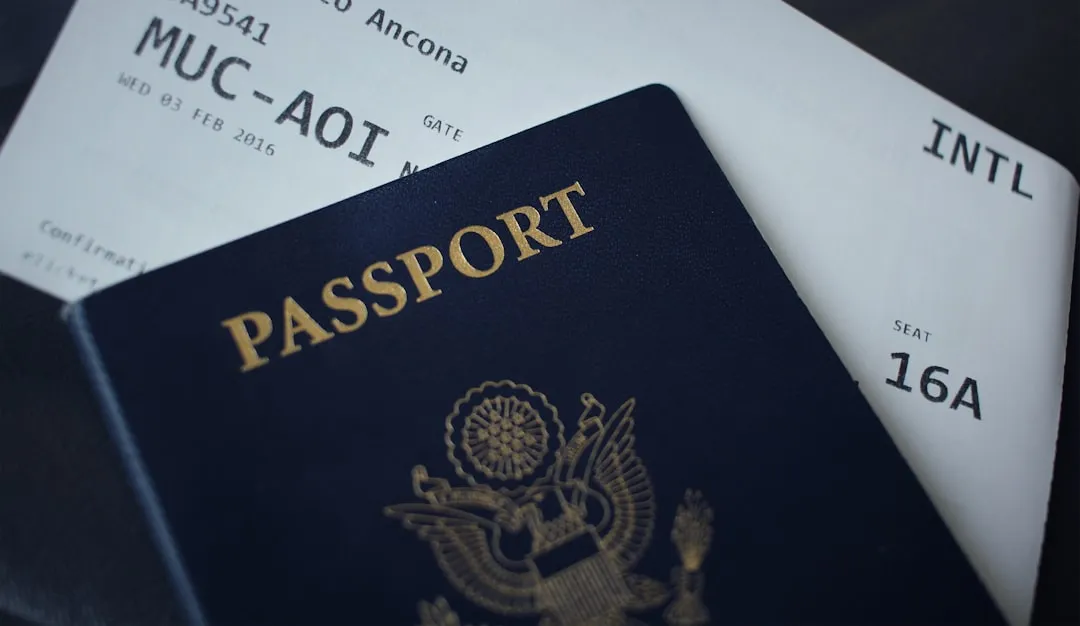
As of July 2026, the ETIAS system is not yet operational and no applications are being accepted. Any website currently claiming to process ETIAS applications is not the official system, and travelers should be careful to avoid scams or third-party services posing as the real thing.
The EU has stated on its official portal that it will inform about the specific date for the start of ETIAS several months prior to its launch. The most practical step right now is simply to stay informed through the official EU ETIAS portal, make sure your passport has sufficient validity, and factor the €20 per-person fee into family trip planning before the requirement goes live.
The Takeaway

Traveling to Europe has never required more advance awareness than it does heading into 2027. The days of landing in Paris or Lisbon with nothing but a passport and good intentions are not entirely over yet, but they are numbered. ETIAS is a modest requirement in terms of cost and time, but only if you know it’s coming.
The real risk is not the system itself. It is the traveler who boards a flight uninformed and discovers the new rules mid-journey. Staying ahead of this change, even as official dates continue to shift, is the single most useful thing any frequent Europe traveler can do right now.
AI Disclaimer: This article was created with the assistance of AI tools and reviewed by a human editor.