
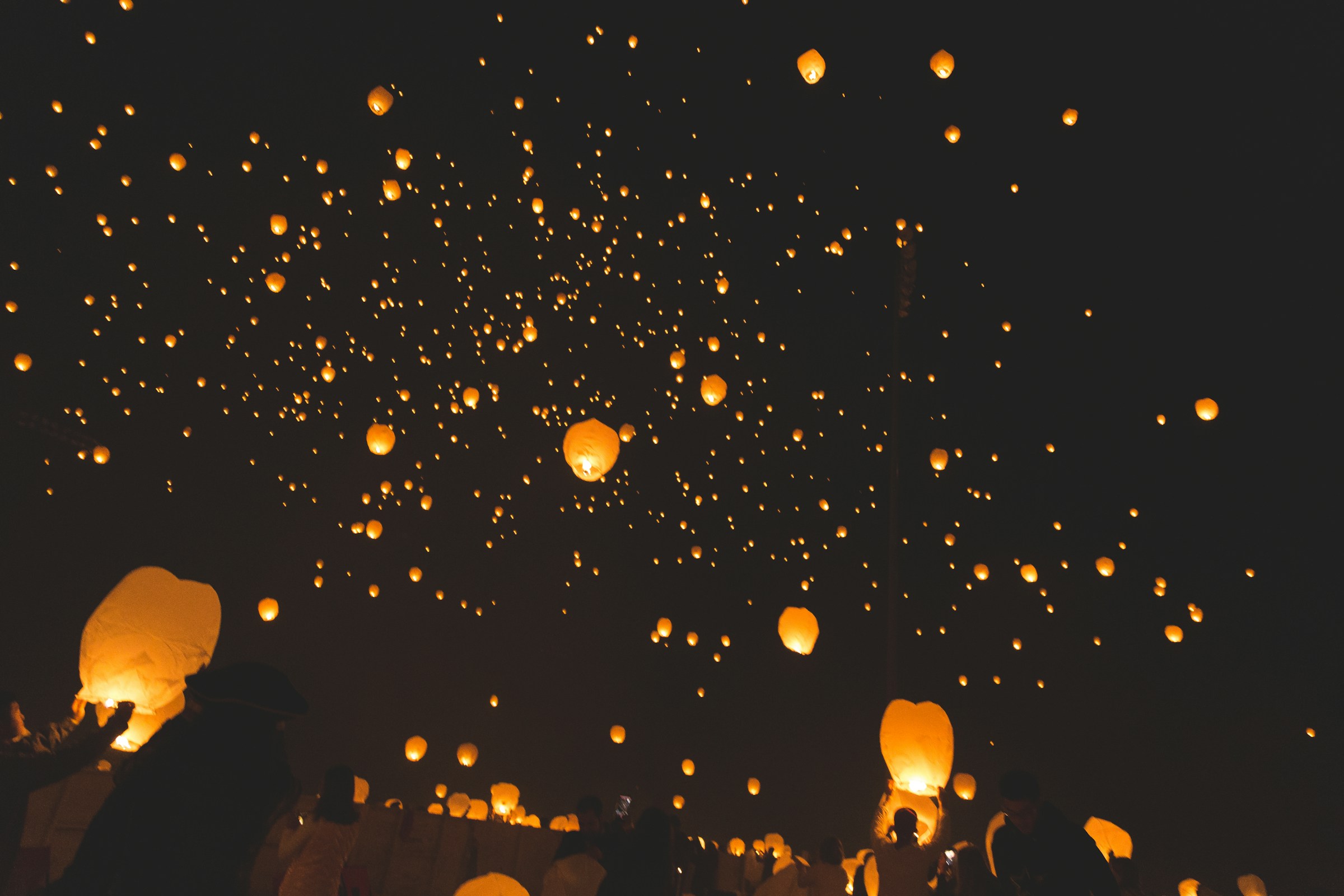

There’s something almost disorienting about watching a quiet town transform under the weight of 2,500 glowing lanterns. Streets that felt entirely ordinary by day become something else entirely come nightfall. That’s the particular power of the lantern festival as a winter tradition, and nowhere in America does it with more consistency or craftsmanship than Cary, North Carolina.
Cary is not a place most people associate with spectacle. It sits just outside Raleigh, modest in size, comfortable in character. Yet every November, it becomes a destination that draws visitors from every single U.S. state and from countries beyond. The North Carolina Chinese Lantern Festival at Koka Booth Amphitheatre has now run for ten consecutive years, and the numbers it generates are genuinely hard to dismiss.
A Tradition Two Thousand Years in the Making
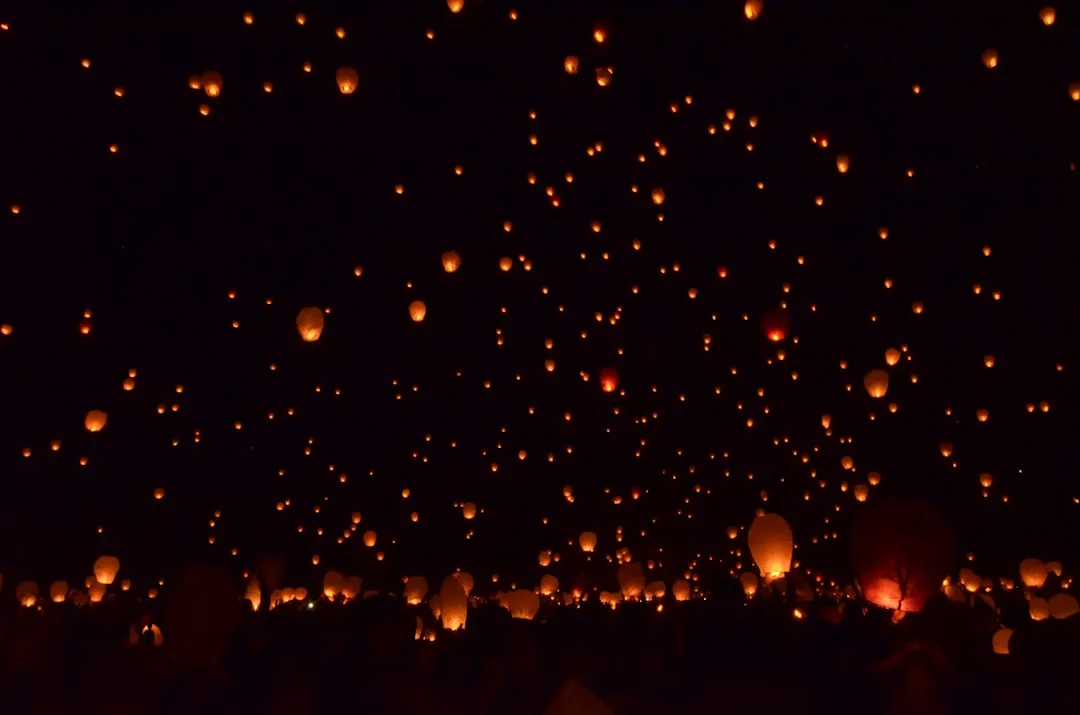
Understanding why this festival feels different from a typical holiday light show starts with its roots. The Lantern Festival falls on the 15th day of the first lunar month and marks the end of Chinese New Year celebrations. It originated during the Eastern Han Dynasty, approximately 2,000 years ago, with influences from Buddhist practices where monks lit lanterns to honor the Buddha, and later incorporated elements from Daoism and intercultural exchanges along the Silk Roads.
Emperor Wen mandated the celebration of the Yuan Xiao festival every 15th day of the first month. Beyond imperial ritual, historians also believe the festival absorbed older seasonal customs, as the first full moon of the lunar year marked the symbolic return of light after winter, and early agrarian communities celebrated this moment as a sign of renewal and fertility.
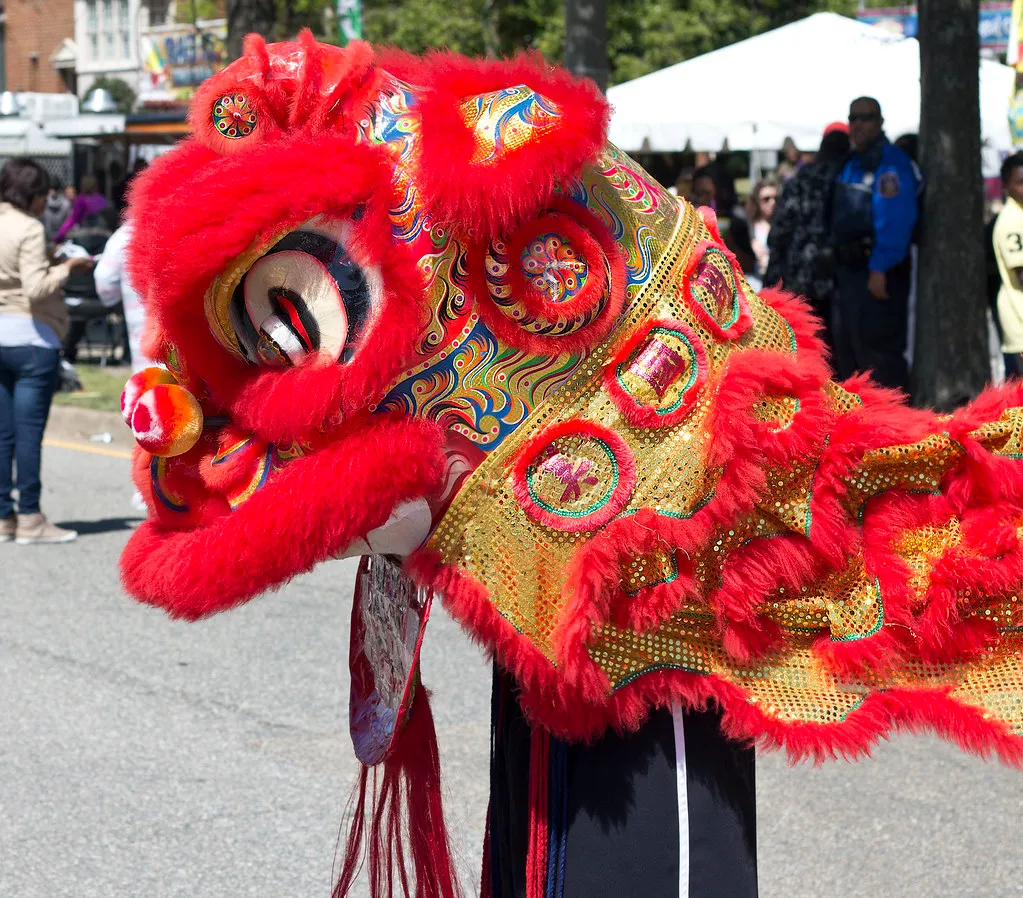
On the night of the Chinese Lantern Festival, streets are decorated with colorful lanterns, often with riddles written on them. People eat sweet rice balls called tangyuan, watch dragon and lion dances, and set off fireworks. Lighting lanterns symbolizes “illuminating the future.” It is a way for people to pray that they will have smooth futures and to express their best wishes for their families.
How Cary Became a Lantern Festival Town
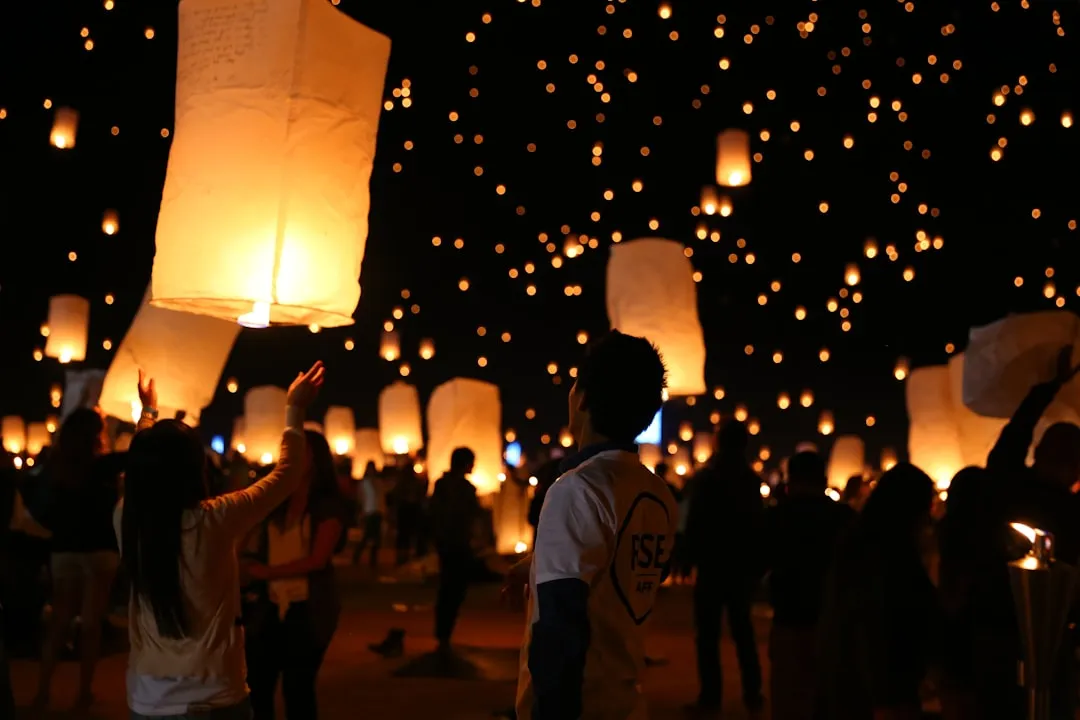
Since 2015, the NC Chinese Lantern Festival has transformed Cary’s Koka Booth Amphitheatre into one of the most magical experiences in North Carolina, with more than 15,000 LED lights and 40 handcrafted lantern displays created by artisans who travel all the way from China to build them onsite.
Cary’s Koka Booth Amphitheatre welcomed the North Carolina Chinese Lantern Festival when it returned for its 9th year in the 2024 season. The amphitheatre welcomed the festival back for a celebratory 10th year in 2025, with tickets on sale for the eight-week run from November 15, 2025 through January 11, 2026. That’s a decade of commitment from a relatively small town, and it says something meaningful about how communities build identity through recurring cultural events.
The Artisans Behind the Glow
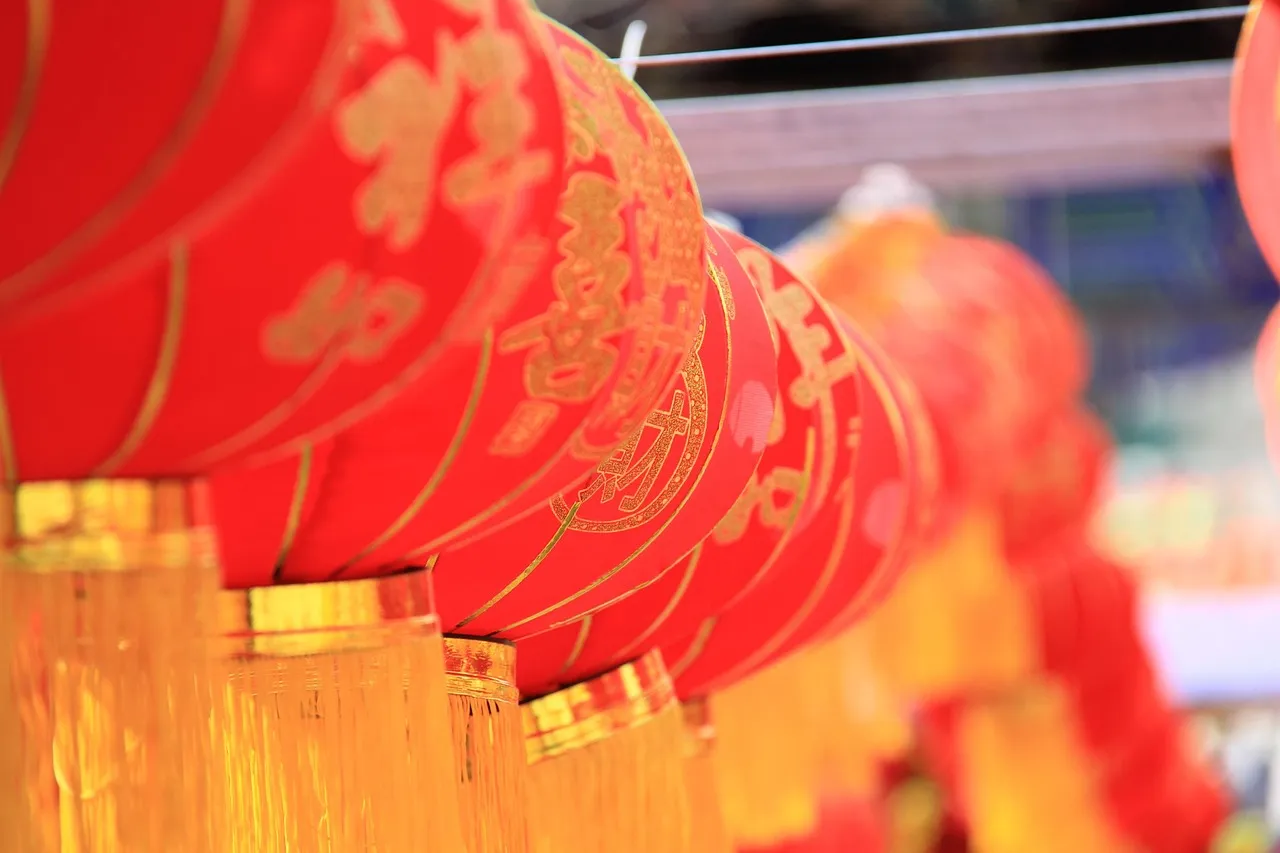
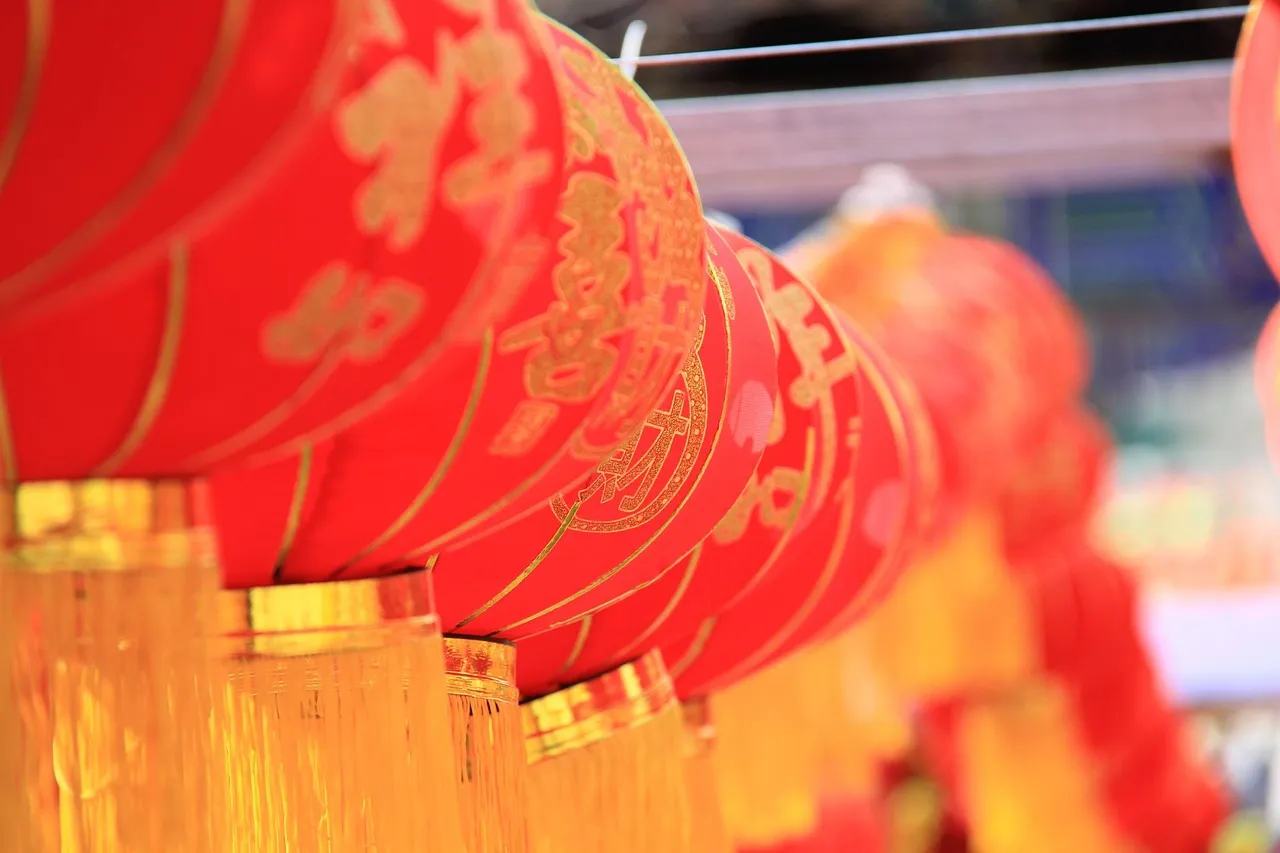
The traditional lanterns are crafted by more than 25 Chinese artisans and performers who arrive in the town in early November for preparations. The craftspeople help assemble the lanterns by stretching silk fabric over steel frames and then lighting them with LED bulbs.
Each lantern at the festival is handcrafted and assembled by more than 25 visiting Chinese artisans and performers. In all, an estimated 2,500 lanterns and more than 15,000 LED lights make up more than 40 distinct displays.
Each lantern is handcrafted by more than 25 Chinese artisans, emphasizing the festival’s dedication to authentic cultural artistry. The tradition of Chinese lantern-making dates back over 2,000 years, with skills passed down through generations. There’s nothing rushed or mass-produced about what you see walking through the grounds. It reads as real because it is real.
Forty New Displays, Every Single Year
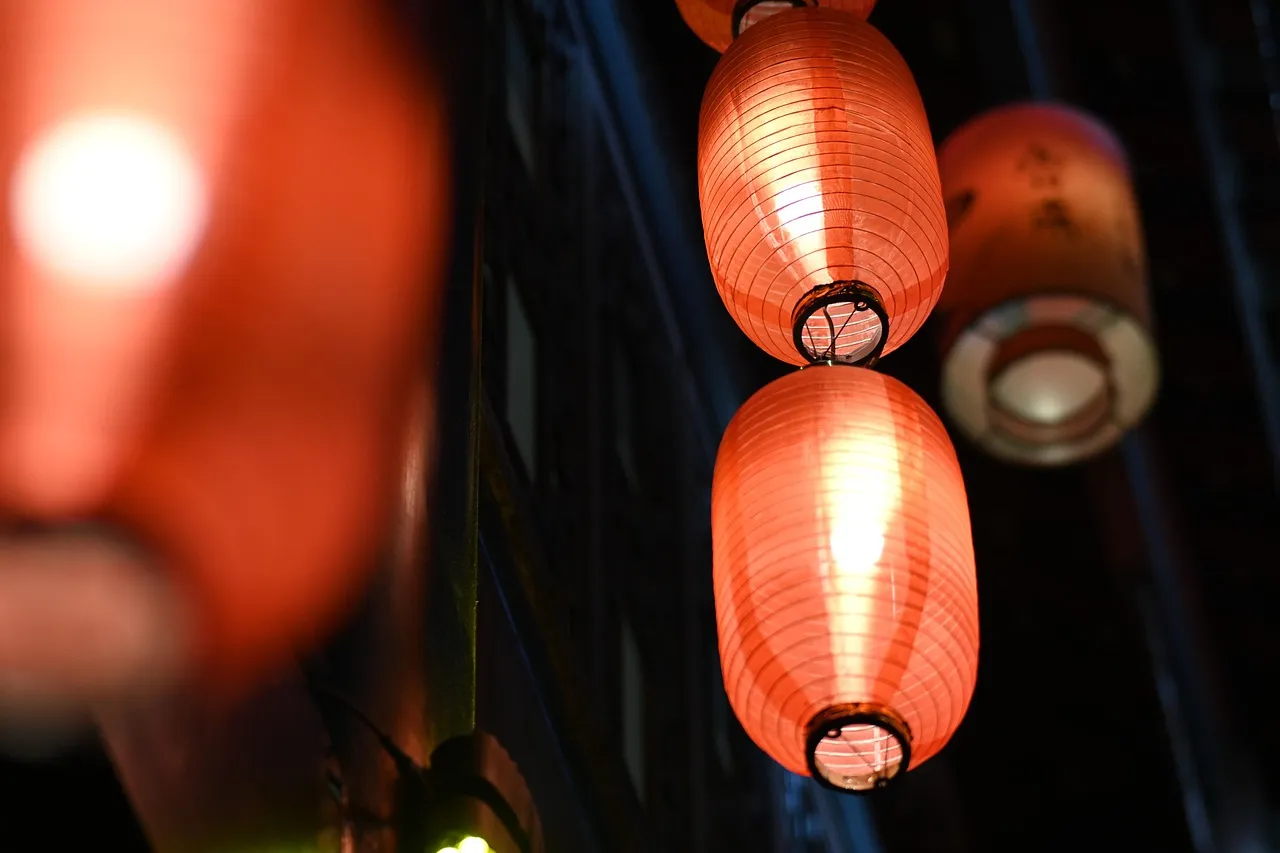
Each year features a new theme related to Chinese folklore, tradition, and mythology, such as the Peach Banquet, Chinese Lore, and various cultural narratives. Past festivals have included everything from depictions of the Monkey King and the Legend of White Snake to Jurassic Park-themed displays and tributes to natural wonders like the Great Barrier Reef.
In 2025, Chinese artisans created 40 new displays, with the theme celebrating a decade of dazzling displays with Chinese culture, mythical creatures, and mysterious natures. Expect to see a wide array of lanterns featuring traditional Chinese symbols, mythical creatures, and iconic landmarks. The intricate craftsmanship and vibrant colors make each lantern a work of art, and the displays are strategically arranged to create a visually stunning journey through the festival grounds.
The Dragon on the Lake
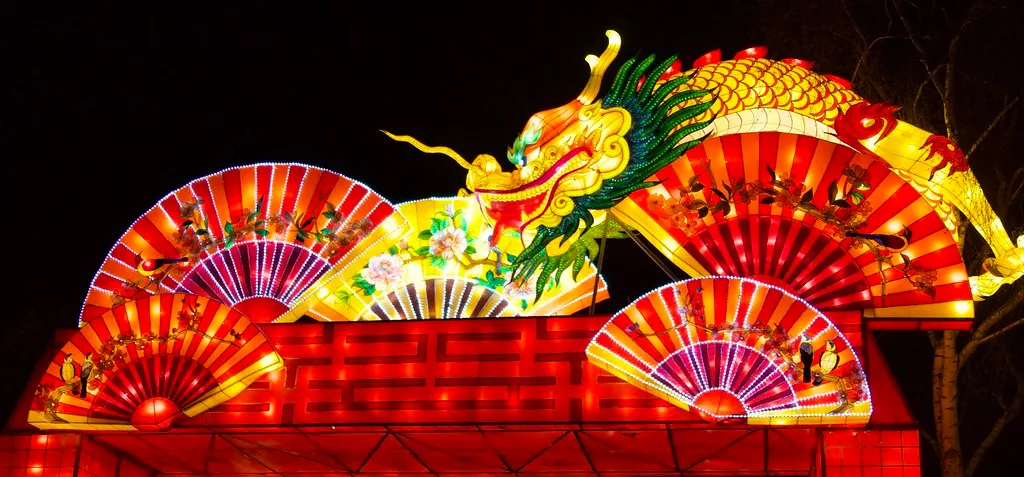
One of the showstoppers of the Chinese Lantern Festival is the massive Chinese Dragon floating majestically on Symphony Lake. The dragon is an incredible 164 feet long, longer than three school buses, installed by crane with a 15-person crew.
Each lantern is handcrafted by skilled artisans from China, blending folklore, mythology, and artistry into jaw-dropping displays. From dragons that embody strength and good fortune to zodiac signs that reflect personality and destiny, every lantern tells a story. The dragon on the water, in particular, has become the image people associate most closely with the festival. It is the kind of visual that travels far on social media, which matters more than organizers might readily admit.
The Economic Impact on a Small Town
The North Carolina Chinese Lantern Festival continues to provide a vibrant boost to the local economy. More than 257,000 tickets were sold to the festival’s 2024 edition, which generated more than $10 million in direct economic impact according to figures released by the Greater Raleigh Convention and Visitors Bureau.
For the ninth year, Cary’s Koka Booth Amphitheatre was home to the eight-week event open daily from November 16, 2024 through January 12, 2025. The festival hosted 23 sold-out nights during the run. The $10.62 million generated is up from $8.09 million the previous year. Importantly, this number is a conservative estimate that does not include spending from local Wake County attendees, nor does it include a multiplier of indirect or induced impacts. It represents tourism economic impact only, which is new money coming into the local economy.
The direct local tax revenue from visitor spending was $470,440 with an estimated 153,751 visitors coming from outside Wake County. For a town that doesn’t style itself as a tourism hub, those figures carry real weight.
Visitors From Everywhere
The 2024 to 2025 festival season attracted visitors from all 50 states and six countries. That reach is striking for an event staged at an outdoor amphitheatre in a suburban North Carolina town. It speaks to how powerfully word of mouth, and the right photographs shared online, can expand a festival’s geographic pull year after year.
The pattern holds globally as well. The number of searches for “where to go for the Lantern Festival” went up to 300% compared to the previous year during the 2024 to 2025 Lantern Festival period, indicating a significant increase in travel interest. At major lantern exhibitions, non-local visitors made up more than 40% of the total number of attendees, with some venues seeing out-of-town tourists account for more than 50%, showing how festivals influence the movement of people between cities.
A Growing Global Market for Light
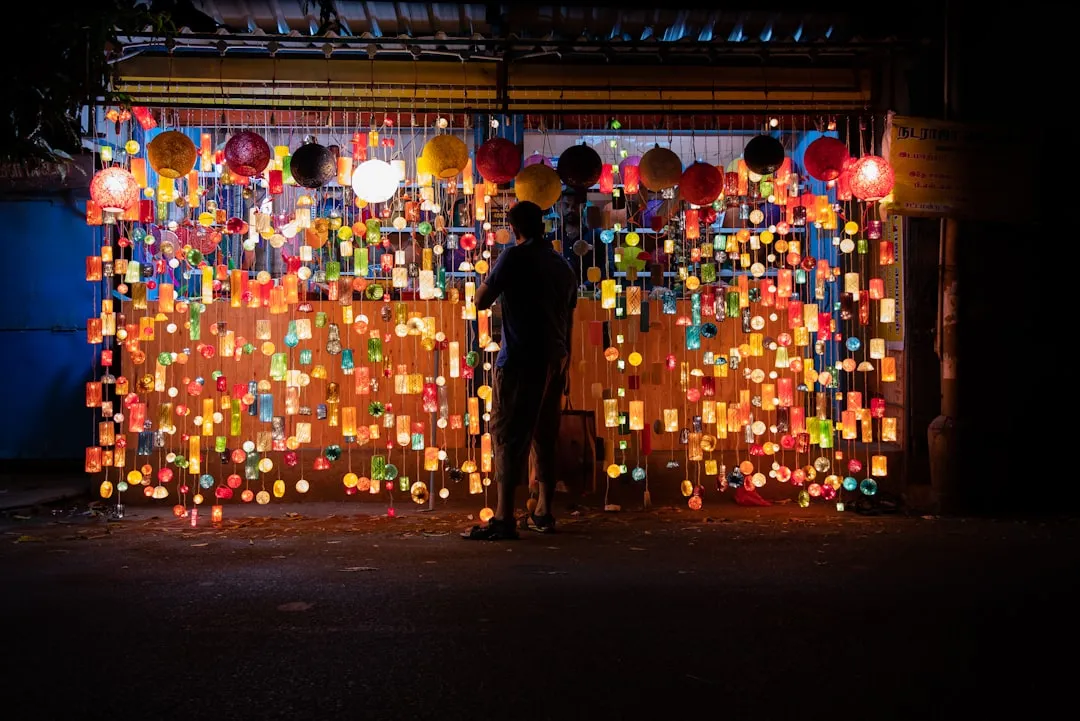
The global Light Festival Tourism market reached $6.4 billion in 2024, reflecting a robust upward trajectory driven by the growing popularity of immersive cultural experiences. The market is projected to expand at a compound annual growth rate of 9.2% from 2025 to 2033, reaching an estimated $14.1 billion by 2033.
Lantern festivals not only attract large crowds and enhance cultural visibility, they also generate significant, measurable economic impact for host cities. The festivals are not only responsible for the rise in ticket sales but also positively impact hotels, dining, transportation, and retail by increasing the number of visitors and their spending in the area. Cary’s experience fits neatly within that broader global story.
Cultural Performances That Round Out the Night
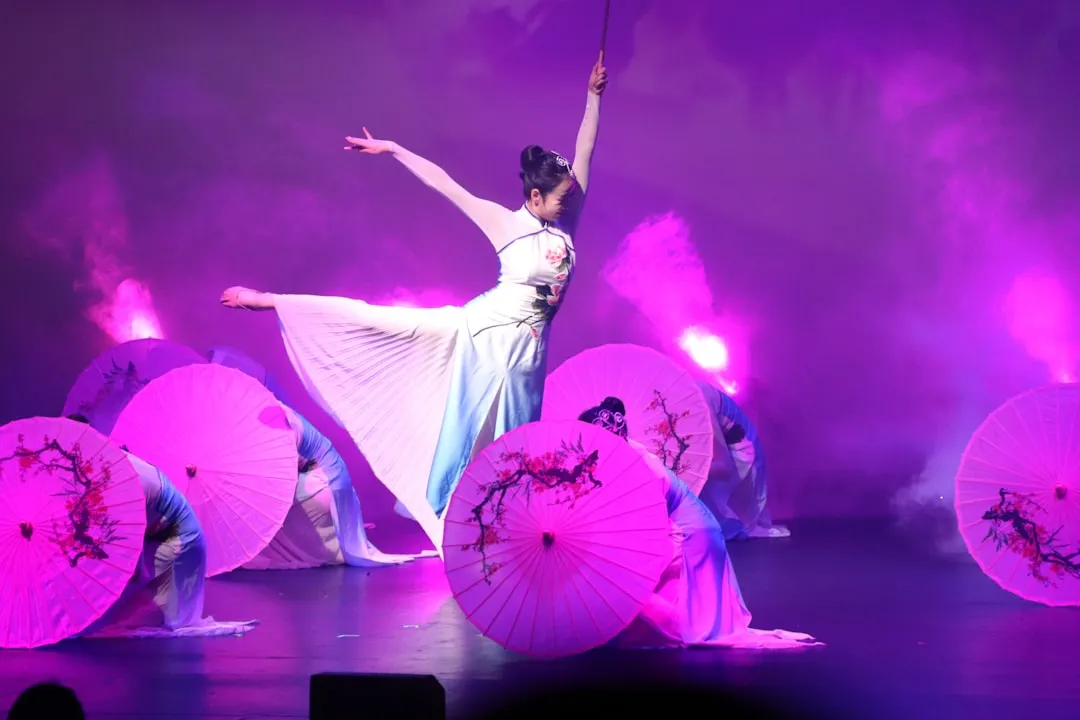
More than a stroll through a stunning display of larger-than-life lanterns, visitors also watch live performances from award-winning Chinese acrobats and find festive food on offer. Each lantern is created by hand on silk fabric stretched over steel frames and lit with hundreds of LED lights. Performances include traditional dances featuring the Monkey King and the revered Chinese lion. Kids are also treated to martial arts performances, and young audience members are even pulled up for a short martial arts lesson.
Cultural arts performances take place each night on the main stage. Performances are included in admission and occur at 5:30, 6:30, 7:30, and 8:30 p.m. The staggered schedule ensures that a family arriving early sees just as complete a cultural program as one who stays until the lanterns dim at ten.
What Festivals Like This Do for Small Communities
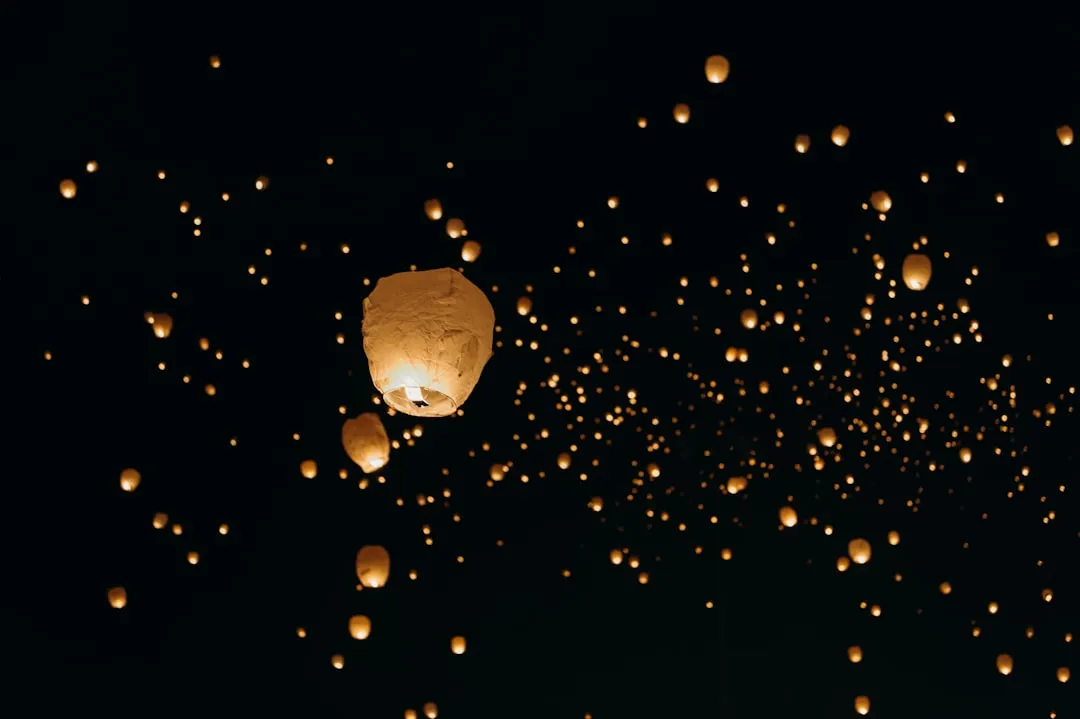
Festival tourism has become a significant vehicle for cultural and tourism integration in communities, garnering increasing attention from local cultural and tourism authorities. Research examining lantern festivals has employed frameworks covering socio-cultural, economic, and environmental dimensions to analyze the impacts on residents.
Findings reveal that residents show strong positive perceptions of socio-cultural and economic impacts, but demonstrate heightened sensitivity to negative environmental impacts. That balance is worth noting honestly. A study by MMGY TCI Research found that destinations hosting leisure and business events have been able to boost their presence in social conversations and drive positive engagement within communities, with social conversations surrounding Asia-Pacific destinations doubling when events tourism was taken into consideration.
A Quiet Town, Seasonally Transformed
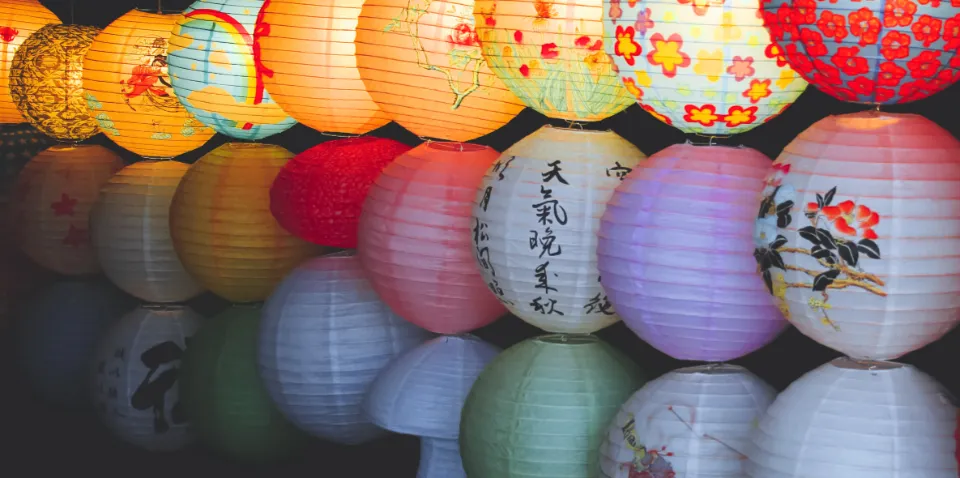
Cary is not a flashy city, and that’s precisely part of what makes the lantern festival work so well there. The contrast between the town’s ordinarily low-key character and the warmth and scale of thousands of glowing silk lanterns makes the whole thing feel more earned somehow. The amphitheatre setting, nestled among pines and overlooking a lake, gives the festival a natural frame that no urban plaza could replicate.
While lanterns are traditionally used to celebrate the Chinese New Year, events like the Chinese Lantern Festival provide an opportunity to appreciate the beauty and craftsmanship of this ancient art form year-round. The winter timing in Cary adds its own particular quality. Cold air sharpens the colors, and the darkness comes early enough that by six in the evening, the full effect is already in place.
Ten years of the same town, the same amphitheatre, new artisans arriving every autumn to build something from scratch. That rhythm is its own kind of quiet statement. Light, it turns out, has a way of drawing people back.
AI Disclaimer: This article was created with the assistance of AI tools and reviewed by a human editor.