
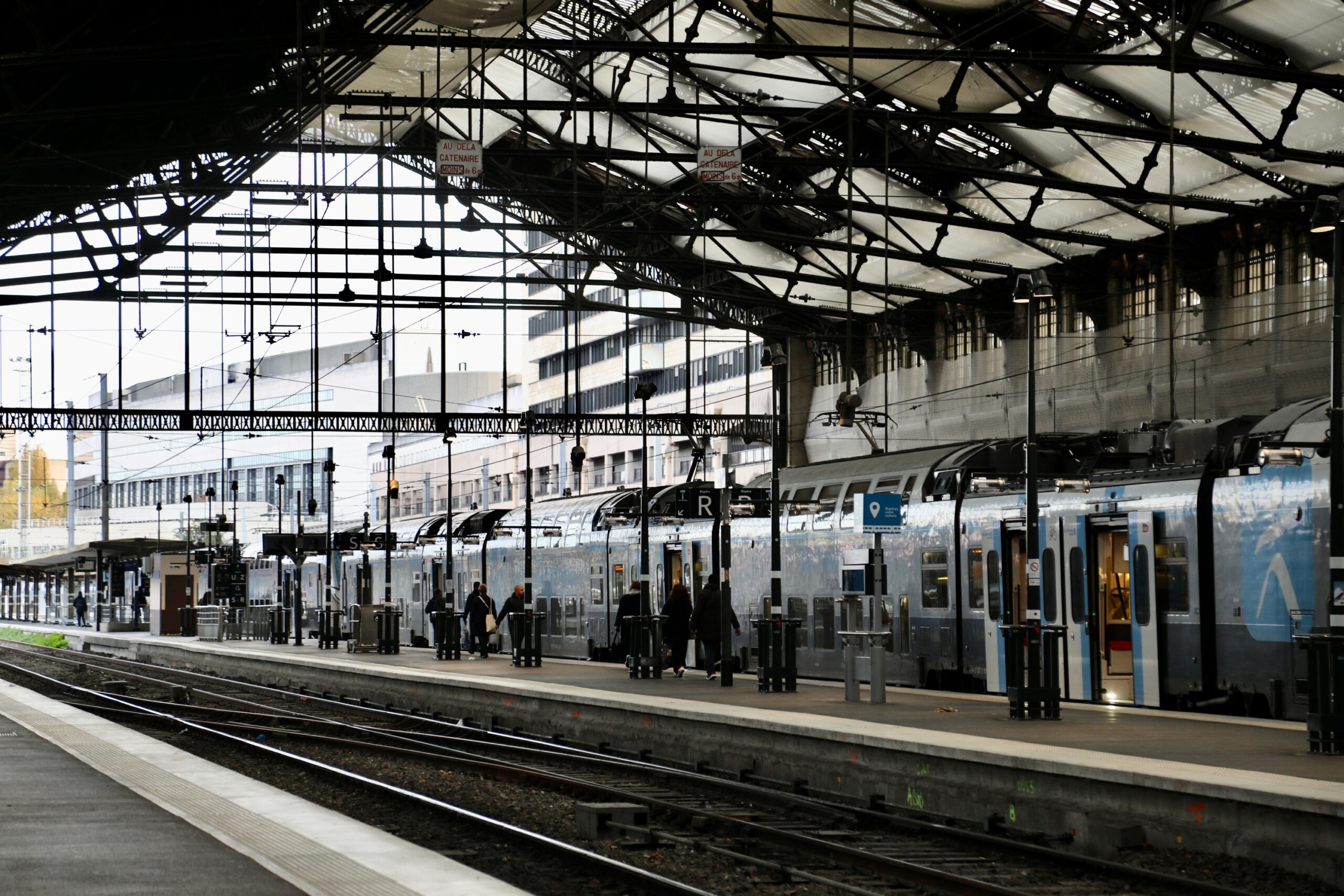

There’s a particular kind of freedom that comes from sitting in a train carriage as it rolls out of one country and quietly slides into another, no checkpoint, no overhead bin scramble, no boarding gate anxiety. For decades, European rail travelers have known about this feeling. What’s changed recently is how many more people are chasing it.
The Interrail and Eurail pass system, built on a shared network that spans the continent, remains one of travel’s most quietly powerful tools. It doesn’t promise to make things effortless, but it offers something more valuable: genuine flexibility across a continent where rail connections run deep.
One Pass, a Genuinely Vast Network
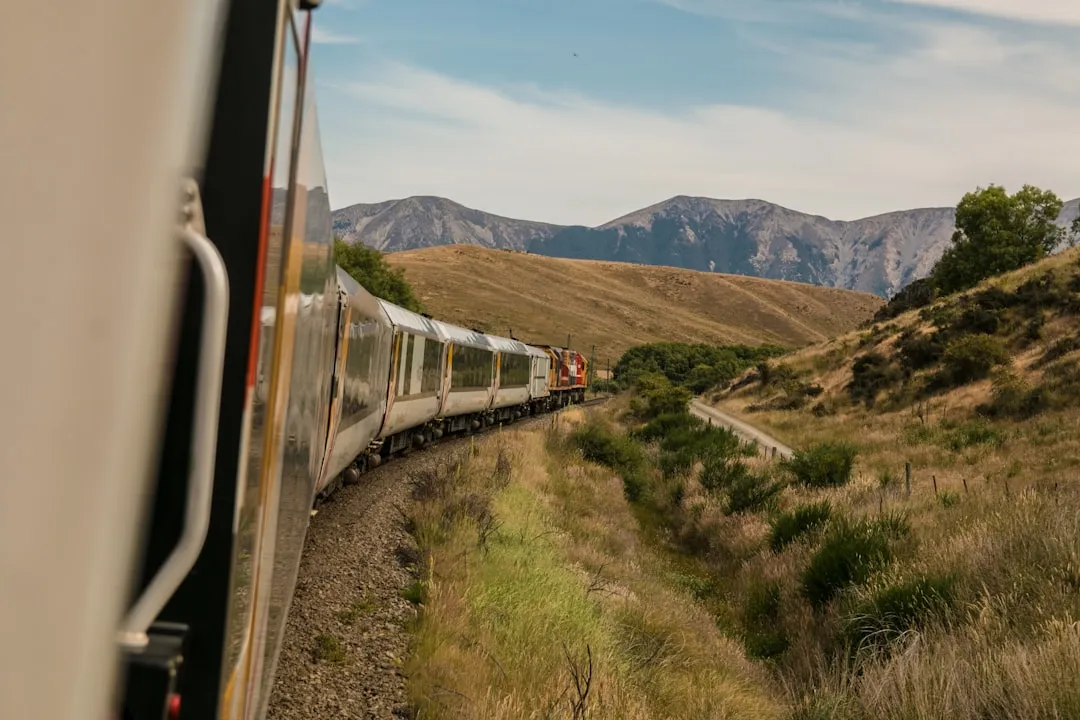
An Interrail Pass offers unlimited train travel across Europe, across 33 countries and over 40,000 destinations. That’s not a marketing stretch. The actual coverage runs from Portugal’s Atlantic coast to the Baltic states of Estonia and Latvia, from Norway’s northern rail lines down through the Balkans to Turkey’s European edge.
The Interrail Pass has been part of European travel culture since 1972, and it still offers one of the most flexible ways to explore the continent by train. For travelers who want to string together ten or more countries without planning every detail months in advance, nothing on the market compares in terms of sheer reach.
Interrail vs. Eurail: Understanding Which One Is Yours
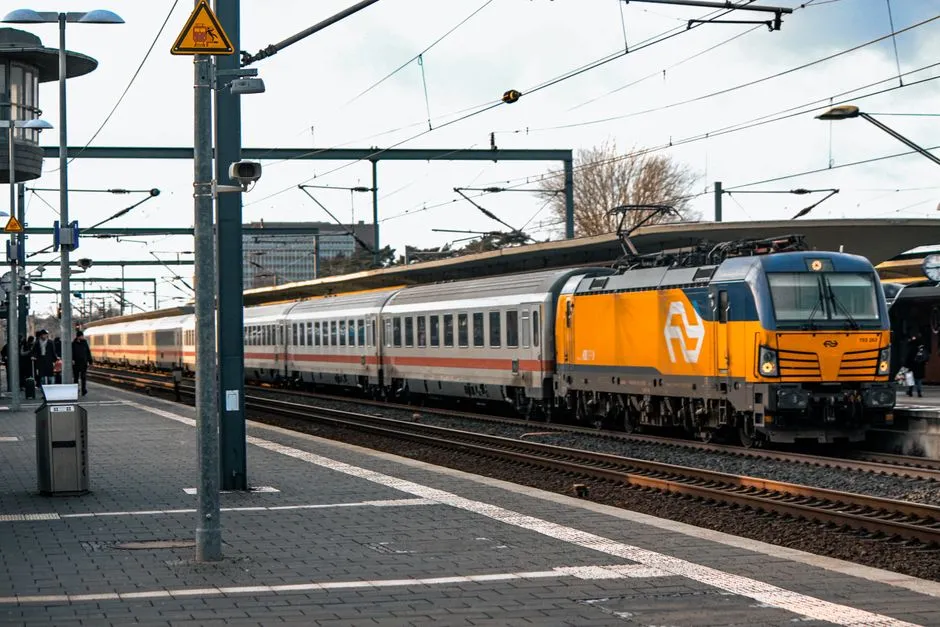
The Interrail Global Pass is the same product as the Eurail Pass, issued by the same Eurail Group, on the same network, at the same prices and under the same terms. The only difference is eligibility: Interrail is reserved for European residents, Eurail for residents outside Europe.
Interrail passes cover exactly the same countries and trains as Eurail, with the same fees for the same reservations, so an American and a British traveler can easily travel together, one using a Eurail pass, the other an Interrail pass. In practice, this means the pass experience is identical regardless of which version you hold.
Over recent years, Eurail passes for overseas visitors and Interrail passes for European residents have converged. Pass types and prices are now identical.
The Numbers Behind a Record-Breaking Resurgence

Eurail B.V. achieved a significant milestone in 2023, surpassing 1.2 million Eurail and Interrail Passes sold worldwide, a 25% growth from 2022. That is a striking figure, especially for a pass that many travel commentators had written off as a relic of budget backpacking culture.
More than 1,237,000 Interrail and Eurail Passes were sold in 2023, with over 797,000 Interrail Passes and 439,000-plus Eurail Passes. In 2023, EU rail passenger-kilometers reached 429 billion, an 11.2% increase from 2022, with leisure and tourism travel driving much of the recovery and expansion beyond pre-pandemic levels. The train’s cultural moment is not hypothetical. It’s measurable.
Flexi or Continuous: Choosing the Right Structure
A flexi pass lets you pick which days you actually travel inside a one-month window, ideal for a trip with city stays in between. A continuous pass covers every single day in the period and is only worth it if you’re moving almost daily.
The Flexi Pass gives you a certain number of travel days to use over a period of one or two months, for example four, five, seven, ten, or fifteen days. For most multi-country itineraries that include at least two or three nights per city, the flexi structure wins almost every time. It removes the guilt of staying put when a place earns it.
The four-day flexi pass at around €211 for adult second class is genuinely the cheapest way to do a multi-country trip for European residents. Youth pricing for under-28s drops that to roughly €158, which is very competitive for four days of cross-border rail travel.
The Reservation Reality: What the Pass Price Doesn’t Include
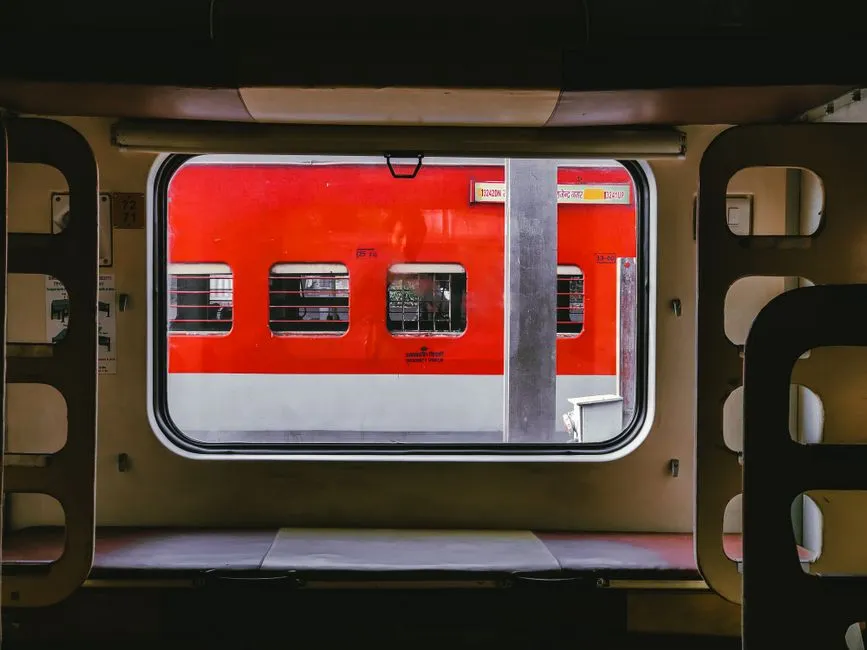
The Interrail and Eurail pass system is what makes hop-on freedom affordable, but only if you understand the one thing most first-timers miss: the pass price is only half the cost. Seat reservations on high-speed and night trains are where unprepared travelers quietly lose money.
Reservations are compulsory on the Eurostar, TGV, AVE, Frecciarossa and other high-speed services, most international trains, and all night trains. You cannot board without one, even with a valid pass. This isn’t a flaw in the system, it’s simply a structural reality that requires a few minutes of planning per leg.
Large parts of Europe can be explored with few or no reservations, which is the most cost-effective way to use a Eurail Pass if flexibility matters more than speed. Choosing slower regional or intercity trains instead of the fastest high-speed options is the most reliable way to keep reservation costs near zero. The trade-off is journey time, not comfort or safety.
Night Trains: The Sustainable Secret Weapon

Interrail and Eurail passes are valid on Nightjet and EuroNight trains, though you must pay a reservation fee for your berth, which varies depending on the comfort level. Think of that fee as trading a hotel night for a forward journey, which, mathematically, often works out favorably.
Traveling by night train emits up to 30 times less CO2 than flying. Beyond the environmental impact, it brings a certain magic back to travel. ÖBB Nightjet provides direct access to a network connecting key hubs like Vienna, Zurich, Amsterdam, Rome, and Paris.
Nightjet’s Mini Cabin concept offers a solo pod-style sleeping space, bridging the gap between a couchette and a private room, which is particularly useful for solo travelers seeking privacy on a budget. Booking early is essential, since pass-holder berth spots on popular routes fill up well before departure.
The Carbon Case for Choosing Rail
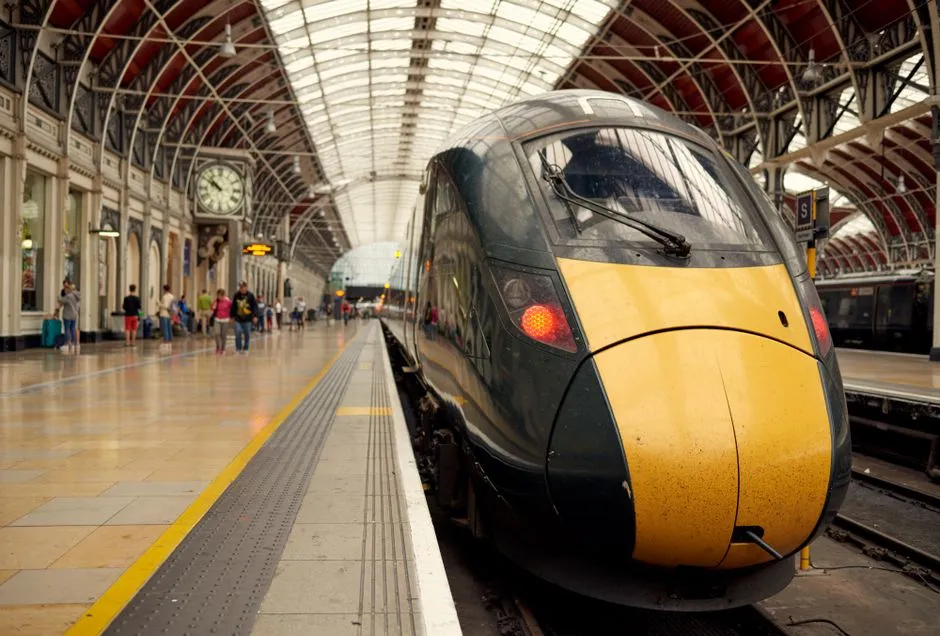
Trains emit between 70 and 90 percent less CO2 than flights. For travelers who are actively thinking about how their movement affects the places they visit, this is not a trivial consideration. A two-week multi-country train journey carries a fraction of the environmental cost of the same itinerary flown.
According to a 2024 European Travel Commission survey, 40 percent of respondents reported that rail’s city-center-to-city-center access was a major reason they switched to trains. That point about city centers matters more than it might seem. Arriving at a main station in the heart of a city rather than an airport 40 minutes out changes the texture of the whole arrival.
Scenic Routes That Justify Slowing Down
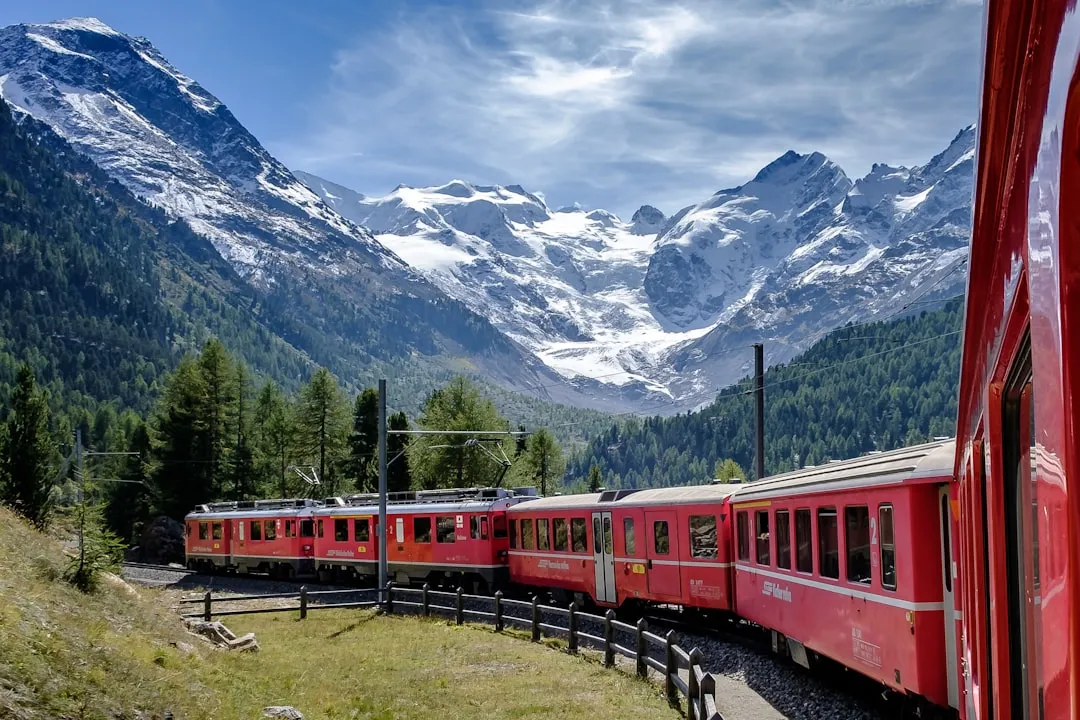
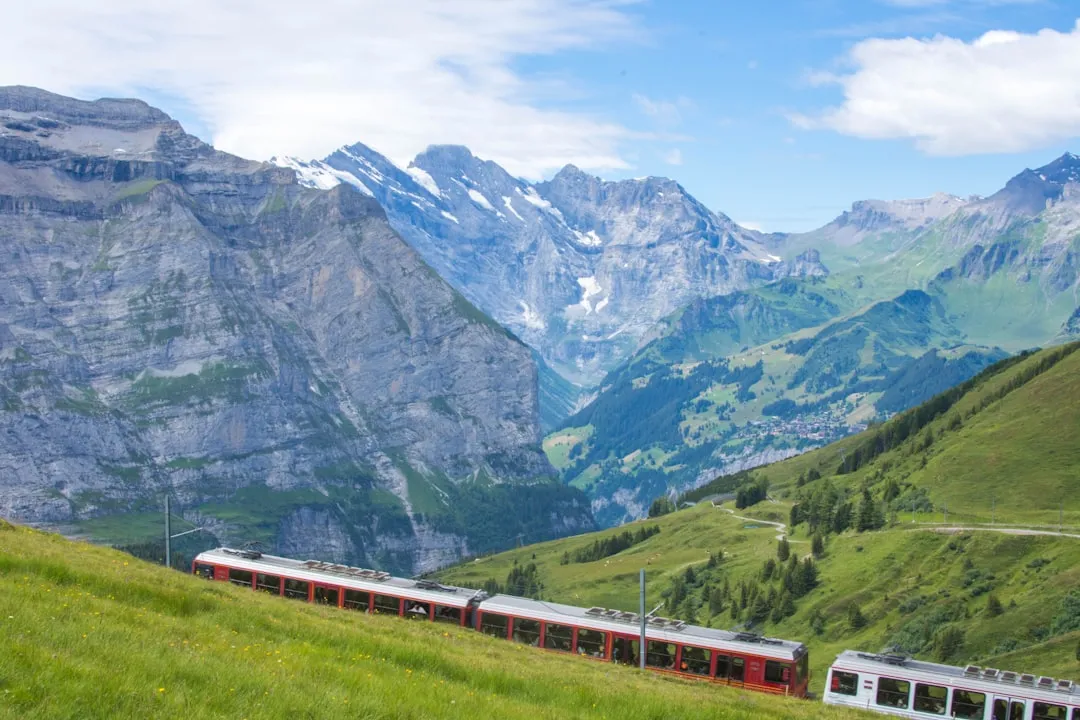
The pass gives you access to French TGV services, German ICE trains, Swiss scenic routes, Italian high-speed lines, regional trains, and selected sleeper services. Switzerland in particular stands out, where the pass unlocks some of the most breathtaking rail scenery in the world, including routes across mountain passes that no flight could ever replicate.
On routes like the Glacier Express across Switzerland, the pass covers the fare while a mandatory panorama reservation adds to the experience. On the Glacier Express from Zermatt to St. Moritz, a Eurail pass holder pays only the seat reservation while saving the full point-to-point fare, roughly 159 Swiss francs. That’s the kind of route that makes a pass feel like it’s paid for itself in a single afternoon.
Who’s Actually Buying These Passes in 2026

Youth travelers aged 12 to 27 and adults aged 28 to 59 are the top two age groups for both Eurail Passes. According to data provided by Eurail, roughly 42 percent of customers are adults and 41 percent are youth. The stereotype of the rail pass as exclusively a young person’s tool has been outdated for years.
There are significant discounts available for youth travelers. Travelers aged 27 or under on their first travel day can purchase a Youth pass with a discount of up to 25 percent on the adult pass price. Senior travelers aged 60 and over receive a discount of roughly 10 percent. Children under 12 generally travel free when accompanied by a paying adult pass holder.
Practical Tips That Make the Difference
With a mobile pass in hand, travelers can activate their passes and change their travel plans at any moment within 11 months after purchase. The digital pass, managed through Eurail’s Rail Planner app, has made the experience significantly smoother than the old paper booklet era, where a lost pass could derail an entire trip.
Some trains that are normally optional for reservations become compulsory during peak summer. The Amsterdam-Frankfurt ICE, Amsterdam-Berlin ICE, and Hamburg-Copenhagen routes all require reservations from late June through the end of August. Checking this before peak season travel avoids the frustration of arriving at a platform with a valid pass and nowhere to sit.
Booking seat reservations two to three months ahead for summer travel and targeting shoulder seasons like April through May or September through October gives better availability across the network. These quieter months also offer a different kind of European travel, less crowded, more genuinely local.
The Bigger Picture: Europe’s Rail Ambitions
Rail networks in many member states operate near capacity limits during peak seasons, with occupancy rates averaging 51 percent in 2024. Long-term sustainability hinges on targeted investments to accommodate projected demand, including EU goals to double rail passengers by 2050 amid modal shift policies promoting rail over air and road travel.
Whether you use a Eurail pass or buy point-to-point tickets, the train is the best way to tour Europe, relaxed, in comfort, seeing a lot in a short time. It’s not just transportation. Train travel is part of the European way of life, and the journeys themselves are an experience and in some cases a highlight of the trip. That framing captures something the pass delivers at its best.
The Takeaway

A rail pass across Europe isn’t a magic simplifier. Reservations need attention, peak routes require planning, and the flexi versus continuous choice matters more than most people realize before they buy. With a clear itinerary and a realistic budget for reservation fees, though, the pass transforms the way a trip feels.
Ten countries can stop feeling like ten separate logistical puzzles and start feeling like one long, unhurried journey. The continent is dense with history, food, language, and landscape. Moving through it at train speed, watching borders dissolve into countryside, is one of the more honest ways to understand just how extraordinary that variety really is.
AI Disclaimer: This article was created with the assistance of AI tools and reviewed by a human editor.