
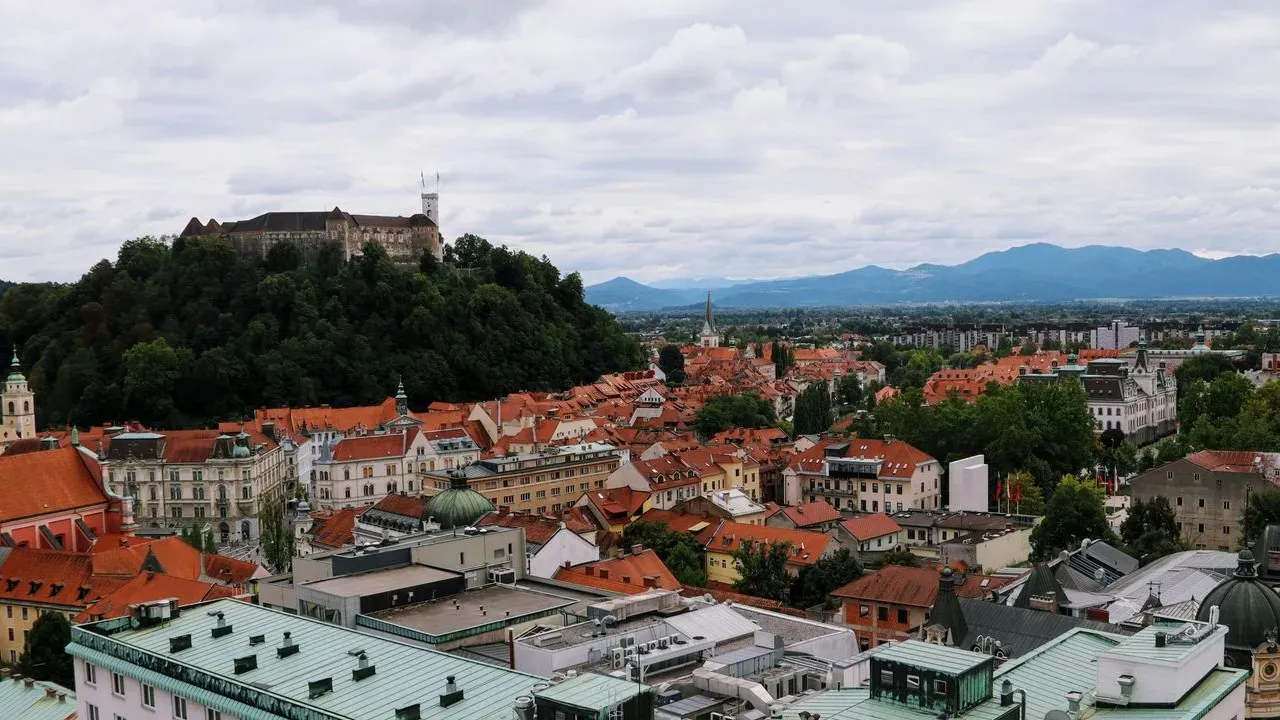

Ljubljana serves as an ideal gateway for travelers discovering Slovenia, a nation whose modest size belies an impressive variety of landscapes. Visitors often arrive expecting a quick transit point between larger neighbors and instead find themselves drawn into extended stays amid forests, clear waters, and historic settlements. The country’s geography allows easy movement from one distinctive region to another, rewarding those who approach with curiosity and respect for local rhythms.
Starting in the Capital
Ljubljana offers a welcoming introduction with its walkable center, riverside promenades, and lively yet unhurried atmosphere. Evening strolls reveal outdoor dining scenes where conversations flow without the constant presence of screens, while daytime exploration includes markets, galleries, and a hilltop castle that provides sweeping views. A guided bicycle tour reveals lesser-known neighborhoods and provides context on the nation’s recent history, helping visitors understand the pride residents take in their independence and natural surroundings.
The city functions well as a base for those with limited time, yet it also encourages longer visits. Organic shops stock excellent gluten-free options, and the overall pace allows time to absorb the blend of urban energy and green spaces. Practical considerations include reliable public transport links and a compact layout that reduces the need for extensive planning.
Alpine Waters and Valleys
The Soča River stands out for its striking emerald hue, created by limestone carried from the Julian Alps, and its consistently cool temperature that invites refreshing plunges after active pursuits. Whitewater rafting, kayaking, and canyoning provide structured ways to engage with the valley, while quieter moments along sandy banks or boulder-strewn shores offer simple immersion in the scenery. Nearby Bovec serves as a convenient hub with family-run accommodations and dining options that highlight local ingredients.
Further exploration leads into Goriška Brda, often described as Slovenia’s answer to Tuscany, where rolling vineyards and small stone villages create an inviting setting for slower travel. E-bike tours wind through the hills, stopping at biodynamic farms for meals paired with regional wines. The proximity to the Italian border adds flexibility for day trips, though many travelers find the Slovenian side equally compelling for its unhurried hospitality and scenic beauty.
Lakes, Gorges, and Protected Highlands
Lake Bled and the quieter Lake Bohinj lie within Triglav National Park, offering distinct experiences on the water through stand-up paddleboarding or traditional boat rides to the island church. Vintgar Gorge provides a memorable boardwalk journey alongside rushing water, best approached with advance reservations and awareness of the return route through surrounding farmland. Savica Waterfall, reached by a short but steady climb, rewards visitors with a dramatic cascade emerging directly from the mountainside.
Mount Triglav itself represents the park’s centerpiece, accessible via multi-day hikes that include via ferrata sections for experienced participants. The national park’s scale protects a remarkable portion of the country, ensuring that many of the most celebrated sites remain connected by trails and scenic drives. Travelers benefit from choosing a central base such as Bled to access these locations efficiently while minimizing environmental impact through shared transport or guided outings.
Extending the Journey
Those with additional time can continue toward the Adriatic coast at Piran, where narrow alleys and sea views create a distinct contrast to the inland mountains. The karst region features remarkable cave systems like Škocjan, known for its underground river, alongside Predjama Castle built into a cliff face. Eastern areas such as Maribor highlight the oldest vine in the world and surrounding wine country, while Logar Valley offers a quieter glacial landscape near the Austrian border.
A suggested 10-day route begins in Ljubljana, moves north to the lakes and gorges, crosses the Vršič Pass into the Soča Valley, and concludes in the wine hills before returning to the airport. Shorter itineraries can focus on the western half, combining the capital with Bled, Bohinj, and the Soča region. Throughout, the emphasis remains on supporting local operators, respecting protected areas, and allowing flexibility for spontaneous discoveries.
Slovenia’s combination of accessibility, natural protection, and cultural warmth makes it particularly suited to travelers seeking meaningful connections with place rather than hurried checklists.
AI Disclaimer: This article was created with the assistance of AI tools and reviewed by a human editor.