
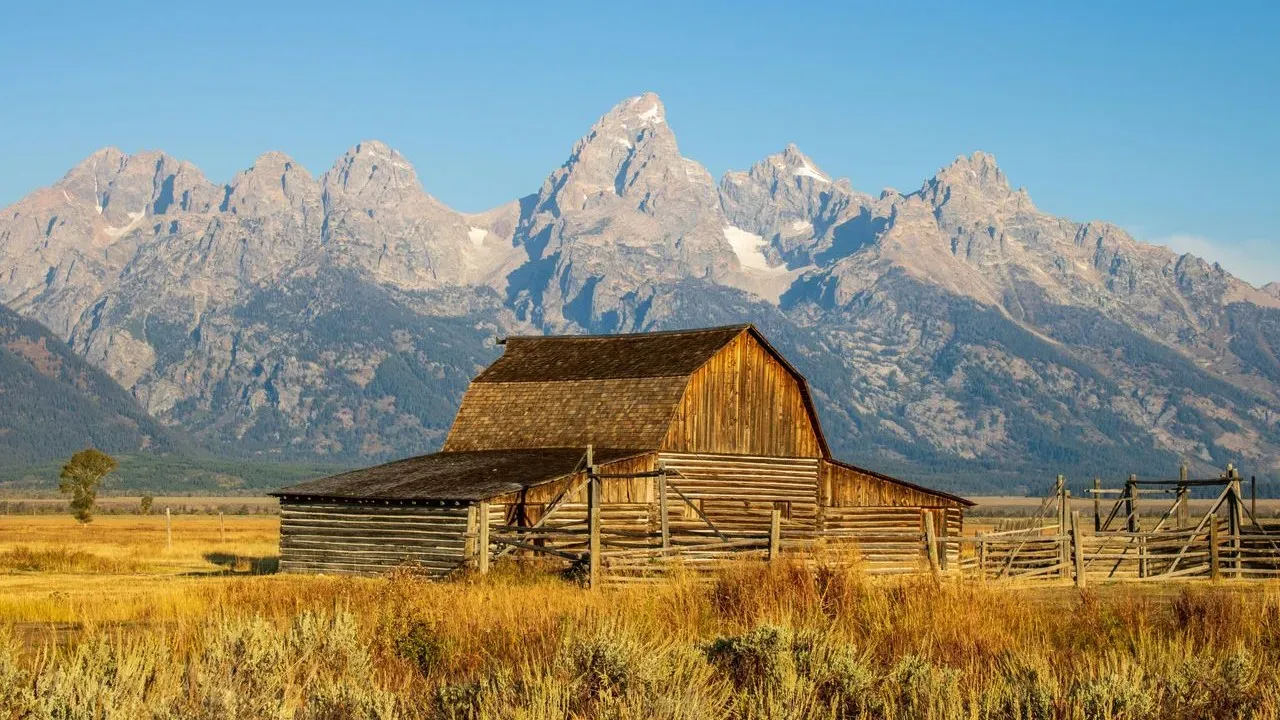

Jackson Hole, Wyoming – The only commercial airport inside a U.S. national park sits just seven miles from the heart of this mountain town, offering arrivals an immediate view of the jagged Teton range. That proximity shapes every aspect of a visit, from the short drive into town to the ease of reaching two of the country’s most celebrated parks. Travelers who arrive in summer encounter the busiest season, while shoulder periods bring quieter trails and often lower rates.
Planning Access and Seasonal Timing
Jackson Hole Airport handles direct flights from several major cities, with rental cars available on site and limited rideshare or taxi options. Peak summer draws the largest crowds as visitors combine town exploration with park time, yet the shoulder months of spring and autumn still deliver wildlife sightings and clear vistas with fewer people on the roads and trails. Winter brings its own draw for those focused on snow sports, though advance reservations for lodging and transport remain essential in every season.
The practical result is straightforward: summer requires the most preparation for crowds and traffic, while off-peak windows reward flexibility with easier access to both the parks and local businesses. Stakeholders include park managers balancing visitor numbers against resource protection, local operators who rely on steady but not overwhelming tourism, and travelers seeking a balance between discovery and preservation.
Choosing a Base in Town or at the Resort
Downtown Jackson offers a compact grid of wooden storefronts and historic buildings that preserve the town’s western character. Properties range from refreshed lodges at the base of Snow King Mountain, with direct trail access and on-site dining, to larger resorts in nearby Teton Village that sit at the foot of the primary ski area. Each option places guests within a short drive of Grand Teton National Park’s entrance and the longer route to Yellowstone.
The choice affects daily rhythm. A downtown location supports easy walks to galleries and shops, while a village stay favors immediate mountain access. Both settings keep the focus on the surrounding landscape rather than on any single amenity.
Experiencing the Parks and Local Character
Grand Teton National Park lies roughly ten to fifteen minutes from downtown, while Yellowstone requires about ninety minutes to two hours by car. A standard vehicle pass costs thirty-five dollars per day, or the America the Beautiful annual pass covers multiple parks for eighty dollars. Whether on a guided tour, a self-driven loop, or a day hike, the emphasis remains on observing the terrain, lakes, and wildlife that define the region.
In town, independent shops and galleries showcase work tied to local history and the natural setting. Establishments serving regional ingredients or classic western fare provide places to pause between outings. The overall effect is a town that functions as both gateway and destination, where daily life still reflects the surrounding mountains and open spaces.
Jackson Hole continues to reward travelers who arrive prepared to move at the pace the landscape allows. The combination of immediate park access, preserved town character, and clear seasonal patterns makes it a place where the scale of the Tetons remains the central experience.
AI Disclaimer: This article was created with the assistance of AI tools and reviewed by a human editor.