
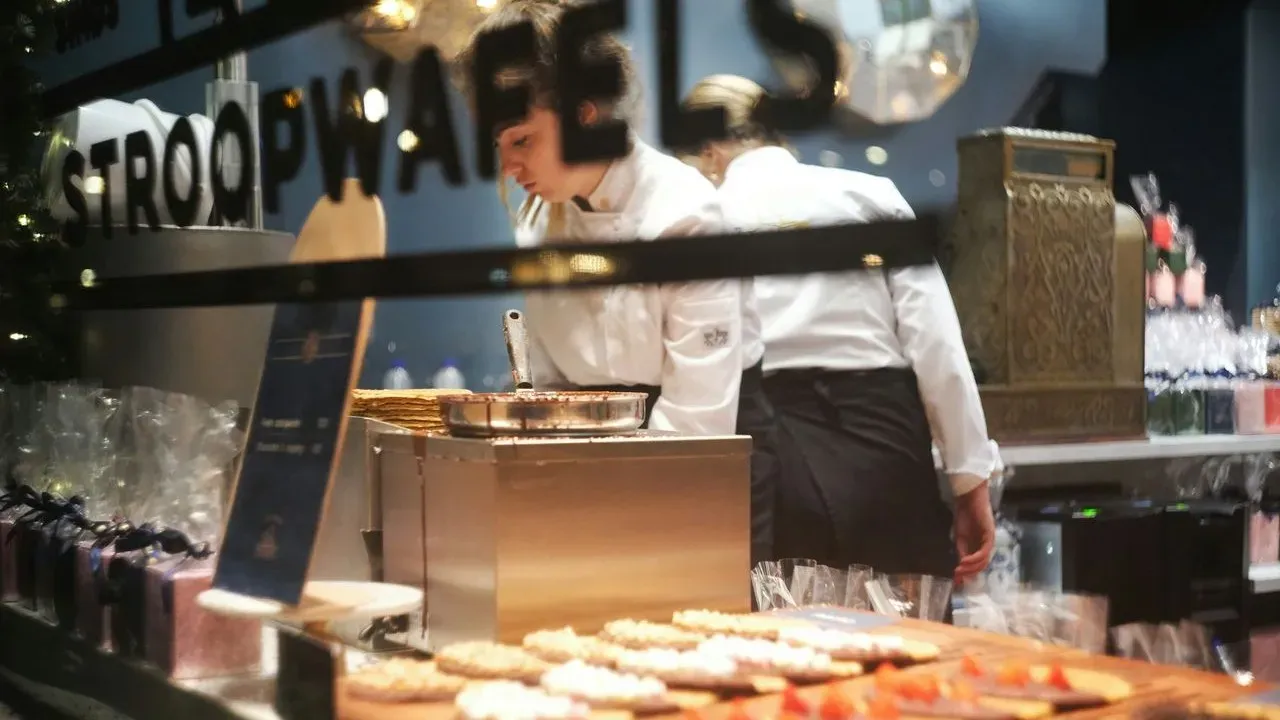

Amsterdam draws visitors with its canals and historic streets, yet many leave with a deeper connection formed through its everyday food traditions. A warm stroopwafel offers one such entry point, turning a simple bite into a reminder of how local craft shapes daily life. Travelers who pause to seek out the freshly made version often find the experience lingers longer than packaged alternatives.
Origins Rooted in Dutch Resourcefulness
The stroopwafel emerged in Gouda during the late eighteenth or early nineteenth century. Bakers there turned leftover dough and simple syrup into a practical treat that soon spread across the Netherlands. This beginning reflects a broader pattern in Dutch food culture, where modest ingredients become something shared and enduring.
Over time the treat moved from bakery scraps to widespread availability. Today it appears in markets, shops, and cafés throughout Amsterdam, carrying forward that same emphasis on straightforward quality. The tradition remains tied to the country’s practical approach to food rather than elaborate presentation.
The Difference Fresh Preparation Makes
Packaged stroopwafels travel well and pair nicely with coffee at home. Fresh versions, however, deliver a distinct texture that changes the entire encounter. The waffle stays lightly crisp on the outside while the syrup center turns soft and fragrant right after the iron.
Production happens quickly in front of customers. A small dough ball is pressed, split into layers, and filled with warm syrup before the halves come together. The result feels lighter and more immediate than anything sealed in plastic. Visitors who watch the process often notice how heat transforms the treat in ways that cannot be replicated later.
Practical Ways Locals Enjoy the Treat
Many Dutch residents place a stroopwafel across the rim of a hot mug. Steam rises through the waffle and softens the filling within a minute or two, creating a gentle contrast between the still-crisp edges and the gooey center. The method requires only a moment of patience and works best with a waffle slightly wider than the cup opening.
Others prefer the treat straight from the iron while walking or sitting beside a canal. Either approach highlights the same principle: the freshest versions reward attention rather than hurried consumption. Cafés across the city provide natural settings for this pause, where bicycles pass and the rhythm of daily life continues around the table.
Locating Quality Versions in the City
Stroopwafels appear in supermarkets and souvenir shops, yet the most satisfying examples come from stalls or small bakeries that prepare them on site. Central locations make it simple to include a stop between museum visits or canal walks without extra planning. Freshness serves as the clearest guide, since the syrup and waffle change noticeably once they cool.
Travelers benefit from watching the preparation rather than selecting from a shelf. This small choice connects the visitor more directly to the craft that has sustained the treat for generations. Amsterdam’s mix of historic streets and active markets provides ample opportunities to find such spots throughout a typical day.
A Lasting Connection to Place
Food memories often outlast photographs or guided tours because they engage the senses in immediate ways. A warm stroopwafel beside an Amsterdam canal captures the city’s blend of tradition and everyday ease. The treat remains inexpensive and accessible, requiring no special arrangements beyond a willingness to seek the fresh version.
Many visitors return home with a clearer sense of how small, repeated practices shape a destination’s character. That understanding can extend to other travels, where similar attention to local methods reveals more than any checklist of sights. The experience stays grounded in the simple act of tasting something made with care in the moment.
AI Disclaimer: This article was created with the assistance of AI tools and reviewed by a human editor.