
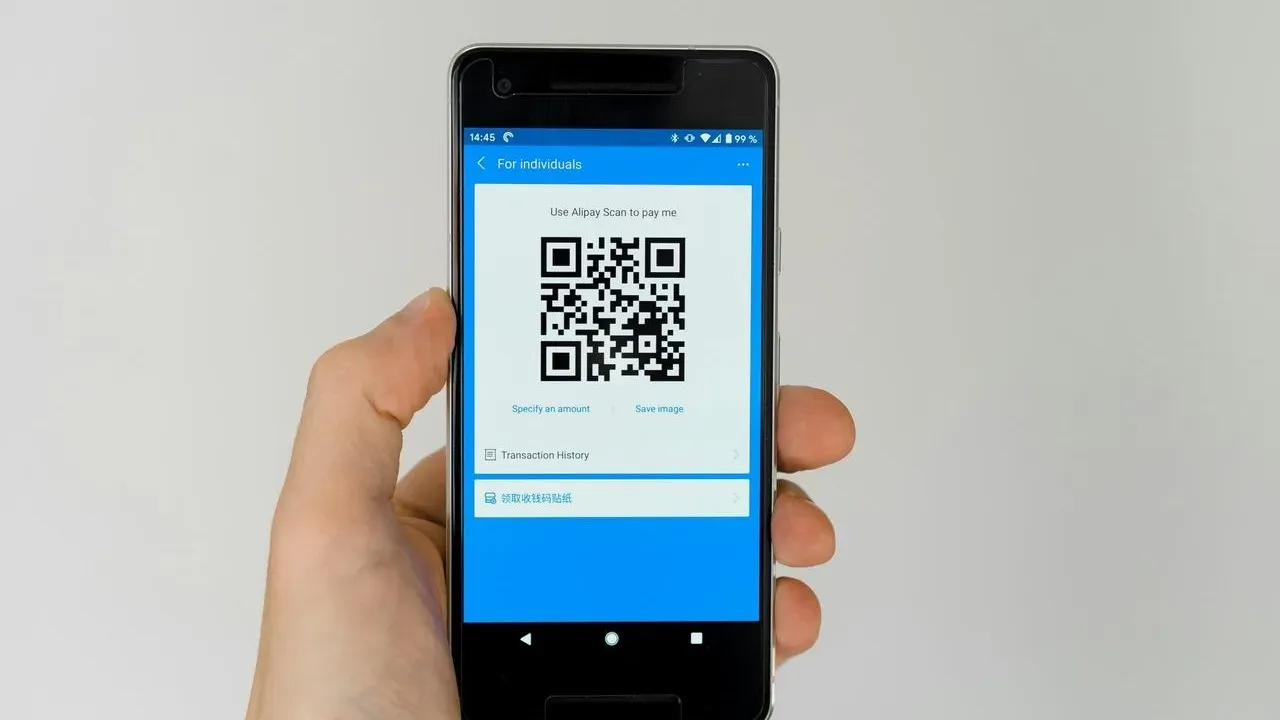

QR codes have become a familiar sight for travelers, appearing on tables at sidewalk cafés, near parking spots in historic districts, and at ticket kiosks in bustling transit hubs. Their convenience is undeniable, yet a small number of these codes have been altered to redirect users toward fraudulent sites. Awareness of this possibility allows travelers to enjoy the ease of digital tools while protecting their personal information.
Everyday Moments Where Codes Appear
Picture settling into a sunlit terrace in a European square after a morning of wandering cobblestone streets. The menu arrives with a small sticker inviting you to scan for the full list of daily specials. Similar prompts greet visitors at airport baggage claim areas or beside rental bike stations in coastal towns. These touchpoints make ordering, paying, or navigating feel seamless, especially when language barriers or long lines complicate traditional methods.
Transit stations often feature codes for real-time schedules, while parking meters in popular neighborhoods use them to accept payment without coins. Hotels sometimes place codes on room cards for quick access to local recommendations. Each instance reflects how technology has woven itself into the rhythm of exploration, turning potential friction into fluid experiences.
Recognizing When a Code May Not Be Genuine
Most QR codes function exactly as intended, linking directly to official menus, payment portals, or information pages. Yet travelers occasionally encounter replacements that point elsewhere. The key difference often lies in subtle details visible before any scan occurs. Official codes tend to appear in consistent locations, such as printed directly on laminated menus or affixed by venue staff in plain view.
Unofficial versions may look slightly different in placement or quality, perhaps added hastily near an existing sign. Before scanning, a quick glance at the surrounding context helps confirm legitimacy. Many travelers now pause for a moment to consider whether the code matches the setting they expect, turning a habitual action into a deliberate one.
Simple Steps That Build Assurance
Checking the destination URL after scanning but before entering any details offers an immediate layer of protection. Legitimate sites usually display clear business names or recognizable domains rather than long strings of random characters. If anything feels off, closing the page takes only seconds and prevents further interaction.
Another reliable habit involves using the device’s built-in camera rather than third-party scanner apps, which sometimes bypass standard security checks. When possible, entering a known website address manually or asking staff for confirmation provides an extra measure of certainty. These small practices integrate easily into daily routines without slowing the pace of a trip.
Traveling With Greater Ease
Staying informed about common digital practices supports the kind of thoughtful journeys many seek. It allows visitors to focus on the flavors of local cuisine, the stories shared by residents, and the quiet moments of discovery that define meaningful travel. Responsible use of technology becomes another way to honor the places and people encountered along the way.
Over time, these habits become second nature, much like checking a map or learning a few phrases in the local language. They reflect a broader commitment to moving through the world with intention and care. In this way, even routine actions contribute to smoother, more rewarding adventures.
AI Disclaimer: This article was created with the assistance of AI tools and reviewed by a human editor.