
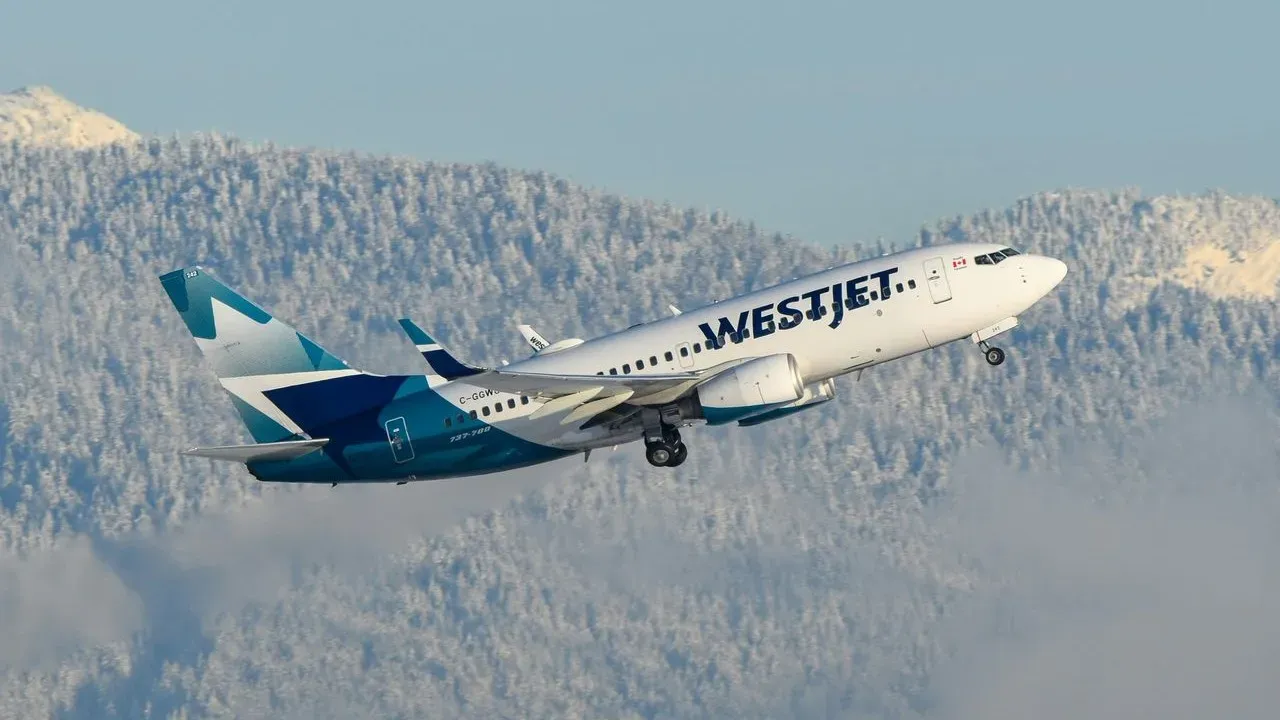

WestJet, one of Canada’s major carriers, suspended the majority of its operations after flight attendants represented by the Canadian Union of Public Employees walked off the job. The sudden grounding affects thousands of passengers who had planned travel through the first days of August, particularly those relying on routes out of Calgary and other western hubs. With the airline’s regional partner continuing limited service, the immediate focus for many travelers has shifted to understanding their rights and next steps amid the disruption.
The Scale of the Grounding
WestJet typically operates around 458 flights each day, accounting for a significant share of departures from Calgary International Airport. All mainline flights have been canceled, though the regional affiliate WestJet Encore maintains its schedule using a fleet of Dash 8-Q400 aircraft based at Calgary and Vancouver. This distinction means some shorter domestic connections remain available while the bulk of the network sits idle.
The carrier serves 27 destinations across the United States, with Los Angeles, Las Vegas, and Atlanta ranking among its busiest American gateways. Passengers booked on those cross-border routes now face the greatest uncertainty, as alternative carriers scramble to accommodate displaced travelers during peak summer travel season.
Core Issues in the Labor Dispute
The central point of contention centers on compensation for time spent on the ground. Flight attendants seek payment for all hours worked, including periods when the aircraft door remains open during boarding and deplaning. Current industry practices often exclude this time from paid hours, a structure the union argues undervalues essential pre-flight and post-flight responsibilities.
WestJet has described its latest proposal as an industry-leading agreement, yet negotiations have not produced a resolution. Recent precedents at other carriers, including Air Canada’s decision to compensate cabin crew for boarding time following its own labor action, highlight how similar disputes have been addressed elsewhere in the sector.
Practical Steps for Affected Passengers
WestJet has extended a one-time fee-free change or cancellation window to all travelers with bookings through August 4. This policy allows flexibility without additional cost, though availability on alternate flights remains limited as demand surges.
Travelers are encouraged to monitor the airline’s official channels for updates and to explore options with partner carriers where possible. Those holding tickets through travel agencies or third-party platforms should contact their booking provider directly to explore re-accommodation or refund pathways. Keeping records of all communications and original booking details will help streamline any claims that arise later.
Broader Implications for Cross-Border Travel
The strike coincides with a busy period for leisure and business travel between Canada and the United States. Passengers who had planned connections through WestJet’s network may need to consider alternate routings or even different modes of transport for shorter segments. Delta Air Lines, a close partner, may offer some relief on shared itineraries, though capacity constraints are already evident.
While the situation remains fluid, the emphasis for most travelers rests on patience and proactive communication with the airline. Disruptions of this nature underscore the value of flexible booking practices and travel insurance that covers labor-related cancellations, even when such events feel unlikely at the time of purchase.
AI Disclaimer: This article was created with the assistance of AI tools and reviewed by a human editor.