
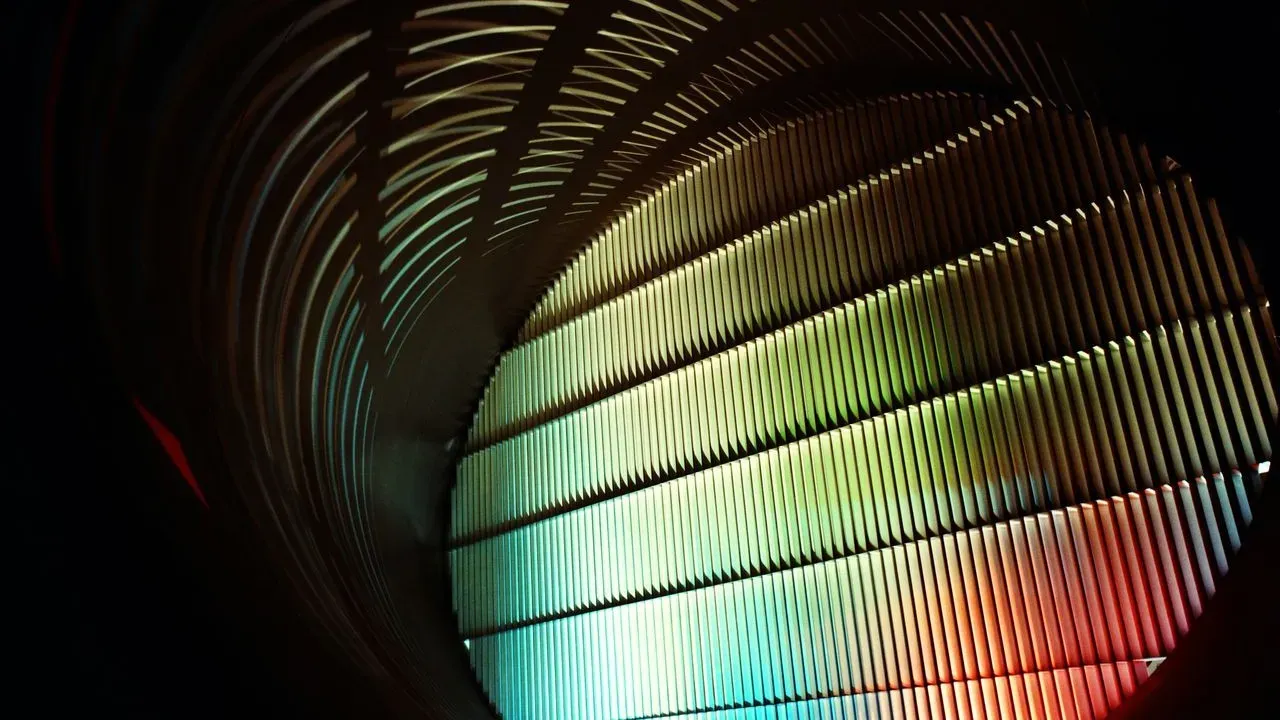

Hampton, Virginia – NASA marked a significant engineering milestone with the opening of its Flight Dynamics Research Facility at Langley Research Center. The $53 million structure stands as the first new wind tunnel added to the agency’s inventory in four decades. Construction wrapped in March 2026 after work began in 2022, and the 25,000-square-foot building now awaits final certifications before testing begins.
A Long-Awaited Addition to Historic Assets
Langley has tested aircraft and spacecraft since its founding in 1917 as the nation’s first aeronautics laboratory. For decades its two primary wind tunnels, the 20-foot vertical spin tunnel and the 12-foot low-speed tunnel, supported critical work on military and civilian designs. Elements from those older facilities now form part of the new structure, preserving institutional knowledge while expanding capability.
The Flight Dynamics Research Facility was constructed by BL Harbert International. Over the coming months technicians will complete data collection and safety certifications. Only then will the first official test runs occur.
Initial Tests Focus on Advanced Wing Concepts
The X-66 Transonic Truss-Braced Wing aircraft will serve as the inaugural test subject. Engineers expect the new tunnel to provide clearer data on stability and control at transonic speeds. Such measurements help refine designs that aim to reduce fuel use and emissions in future commercial aircraft.
Langley’s role extends beyond airplanes. Spacecraft that enter planetary atmospheres, including the upcoming DAVINCI mission to Venus, also undergo testing here. The facility’s modern instrumentation supports both atmospheric flight and reentry studies.
Legacy Models and Ongoing Programs
Scale models of Mercury, Gemini, Apollo, and Orion spacecraft have long passed through Langley’s tunnels. The Orion Launch Abort System received particular attention during earlier evaluations. Recent demonstrations at the new site included a parachute deployment test performed with an Orion model.
Support for the Artemis program continues through aerosciences work on the Space Launch System rocket. Data from earlier flights already informed design adjustments that improved airflow and ride quality on subsequent missions.
Looking Ahead
The new facility strengthens Langley’s ability to evaluate emerging aircraft and spacecraft concepts. Its opening underscores the center’s continued contribution to both aviation progress and space exploration. As certifications conclude, researchers will begin gathering the detailed measurements needed to shape the next generation of flight.
AI Disclaimer: This article was created with the assistance of AI tools and reviewed by a human editor.