
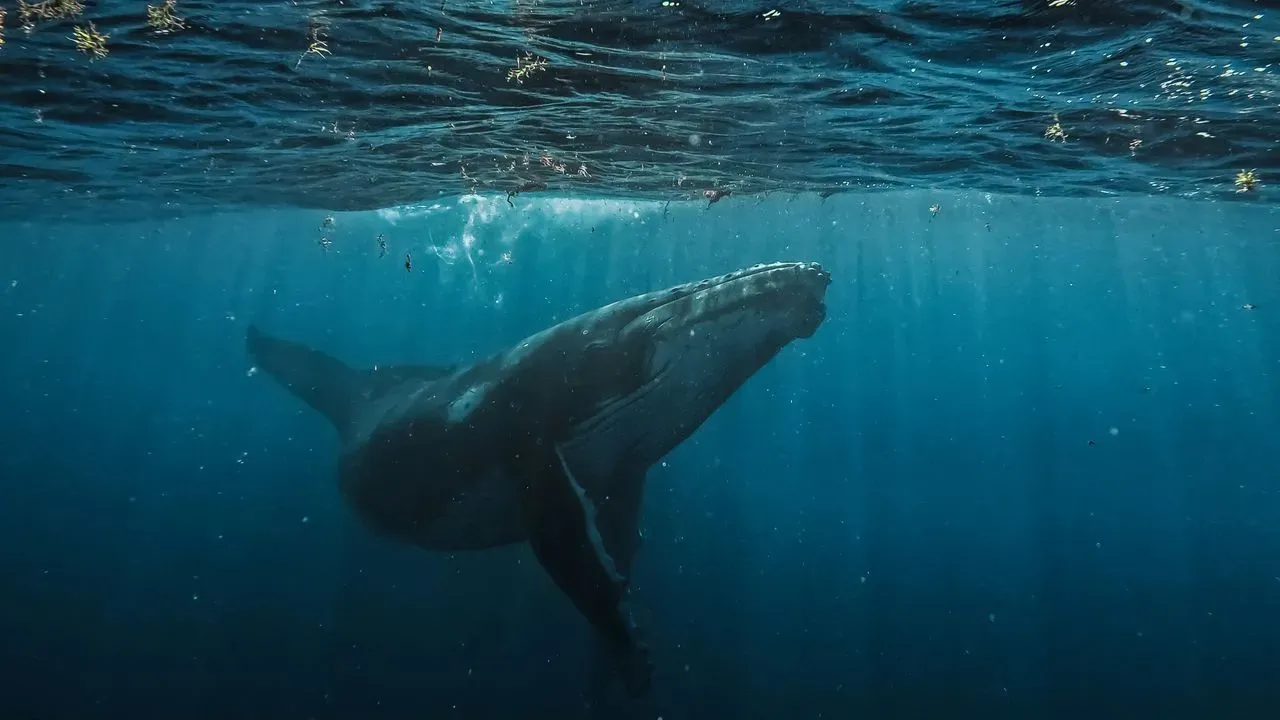

Off the coasts of Hawaii, Alaska, and New England, winter brings one of the ocean’s most remarkable performances. Male humpback whales produce long, intricate songs that can continue for hours and carry across great distances through the water. These vocalizations form a central part of the breeding season, drawing attention from scientists and travelers alike who venture out on responsible whale-watching excursions.
The Familiar Sound of the Breeding Season
Each year, humpback whales gather in warmer waters to court and mate. The songs they produce are not random. They follow recognizable patterns that researchers have studied for decades, noting how the melodies evolve and spread among populations. Travelers who join guided tours in places such as the Hawaiian Islands or the waters near Cape Cod often hear these sounds through hydrophones lowered from boats, gaining a rare window into an underwater world that remains largely hidden.
The songs serve clear social purposes during this period. They help males communicate across the breeding grounds, and their complexity has long suggested a connection to reproductive success. What has remained less clear is exactly how the physical act of diving influences the way those songs are delivered.
A Fresh Look at Movement and Melody
Recent findings indicate that the depth and timing of a whale’s dive directly affect the structure of its song. Rather than treating the vocalization as separate from the animal’s movement through the water column, researchers now see the two as closely linked. The pressure changes and body positioning that occur during a dive appear to shape the rhythm, duration, and even the frequency range of the notes produced.
This connection adds a new dimension for anyone who watches these animals from the surface. A whale that surfaces after a deep dive may resume its song with subtle shifts that reflect the physical demands of its recent descent. Observers on well-managed tours learn to notice these transitions, turning a simple sighting into a more layered experience of the animal’s behavior.
What This Means for Travelers on the Water
Whale-watching operators in key U.S. destinations already emphasize low-impact practices that protect the animals while giving passengers meaningful encounters. The new understanding of dive and song relationships encourages even greater patience and attention during outings. Instead of expecting constant surface activity, participants can appreciate the quieter moments when a whale is submerged, knowing that its song continues to develop in ways tied to its movement below.
Guides often share background on breeding-season timing and the importance of maintaining distance, allowing the whales space to behave naturally. This approach aligns with the growing interest in travel that supports conservation and respects the animals’ needs. Visitors who choose operators committed to these standards contribute to ongoing research efforts that rely on careful, non-intrusive observation.
Looking Ahead with Greater Awareness
As scientists continue to examine the precise mechanisms at work, the relationship between dive patterns and song structure offers travelers a richer context for the experiences they seek. The haunting quality of humpback song has always invited wonder; now it also invites a more informed appreciation of the physical effort behind each phrase.
Whether watching from a small vessel off the Alaskan coast or listening through underwater microphones near Maui, participants can carry away a deeper sense of connection to these animals. The research underscores why thoughtful, well-regulated whale watching remains one of the most compelling ways to encounter marine life while supporting the protection of the waters these whales depend upon.
AI Disclaimer: This article was created with the assistance of AI tools and reviewed by a human editor.