
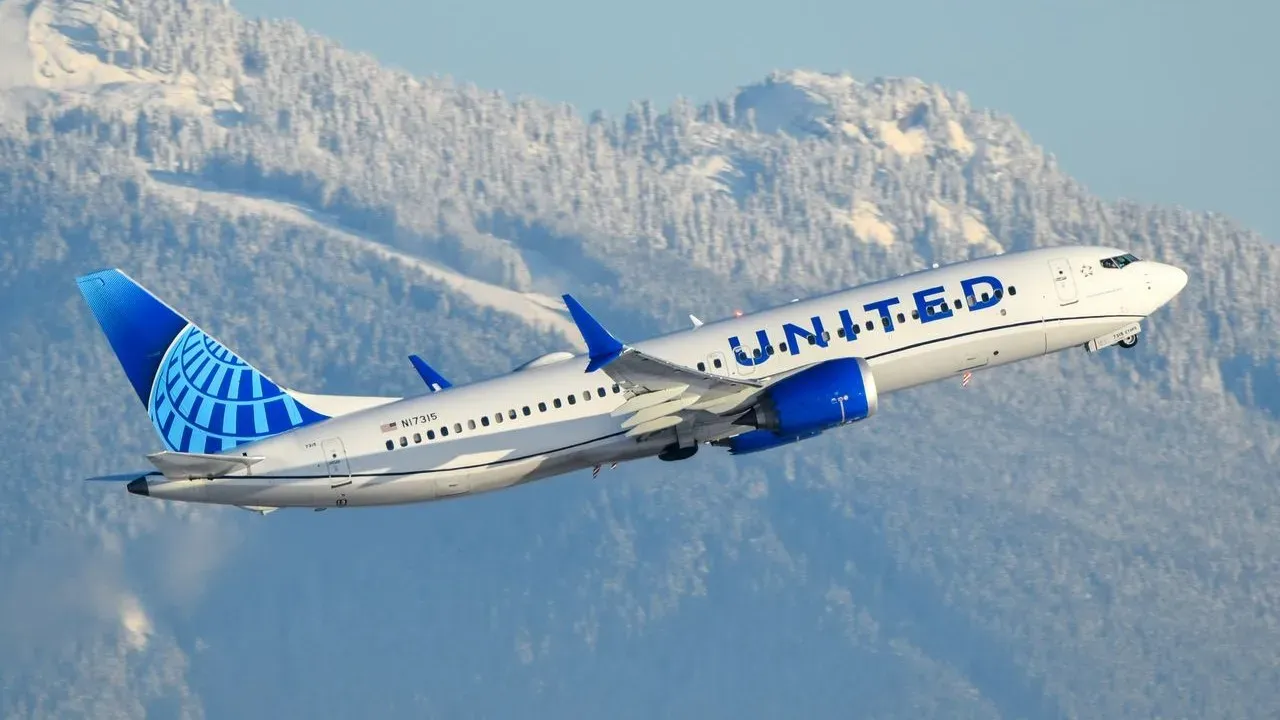

The Federal Aviation Administration has approved the Boeing 737 MAX 7, the smallest member of the manufacturer’s narrow-body family, bringing a long-awaited addition to the commercial fleet. This certification arrives after more than four years of additional review and refinement following earlier grounding of other MAX variants. For travelers, the development points toward greater flexibility on routes that benefit from a compact yet capable aircraft.
A Milestone Built on Careful Refinement
The approval process required Boeing to incorporate several targeted improvements before the jet could enter service. These included updates to flight-control software, enhancements to the flightcrew alerting system, and a redesigned engine anti-ice system. The FAA characterized the work as addressing complex technical issues through thorough design and safety testing. Such steps reflect the agency’s commitment to ensuring every new aircraft meets rigorous standards before carrying passengers.
Capabilities That Support Thoughtful Route Planning
The MAX 7 stands out for its balance of size and reach. In a typical two-class layout it accommodates 135 to 160 passengers, with a high-density configuration allowing up to 172 seats. Its range extends to 4,300 miles, the longest in the MAX family, while efficient engines help keep operating costs per seat relatively low. These attributes make the jet well suited for longer routes that may not generate enough demand for larger wide-body aircraft, potentially opening new options for airlines seeking to serve smaller markets efficiently.
Southwest Airlines Prepares as Launch Customer
Dallas-based Southwest Airlines will be the first to introduce the MAX 7 into regular service. The carrier and Boeing are now preparing for delivery of the initial aircraft. Southwest has indicated that passenger flights could begin three to six months after that delivery occurs. Its published schedule through March 2027 does not yet include specific routes or frequencies for the new jet, and the airline had not incorporated the MAX 7 into its 2026 planning. In a statement, Southwest expressed satisfaction with the certification and noted its interest in modernizing the fleet with more fuel-efficient aircraft that align with customer preferences and demand patterns. The carrier currently operates an all-Boeing 737 fleet, so the MAX 7 represents a natural evolution rather than a departure from its existing operations.
What Matters Now for Travelers and the Industry
Boeing has already completed roughly 30 MAX 7 airframes and nine MAX 10 airframes, positioning the company to move forward once deliveries begin. The certification therefore represents a concrete step toward expanding the choices available to airlines and, ultimately, to passengers seeking convenient connections on a wider variety of routes. This development underscores how regulatory patience and engineering diligence can combine to deliver aircraft that support more sustainable and adaptable air travel networks. As the MAX 7 prepares to enter service, travelers can look forward to the quiet benefits of an aircraft designed for efficiency on routes that matter most to them.
AI Disclaimer: This article was created with the assistance of AI tools and reviewed by a human editor.