
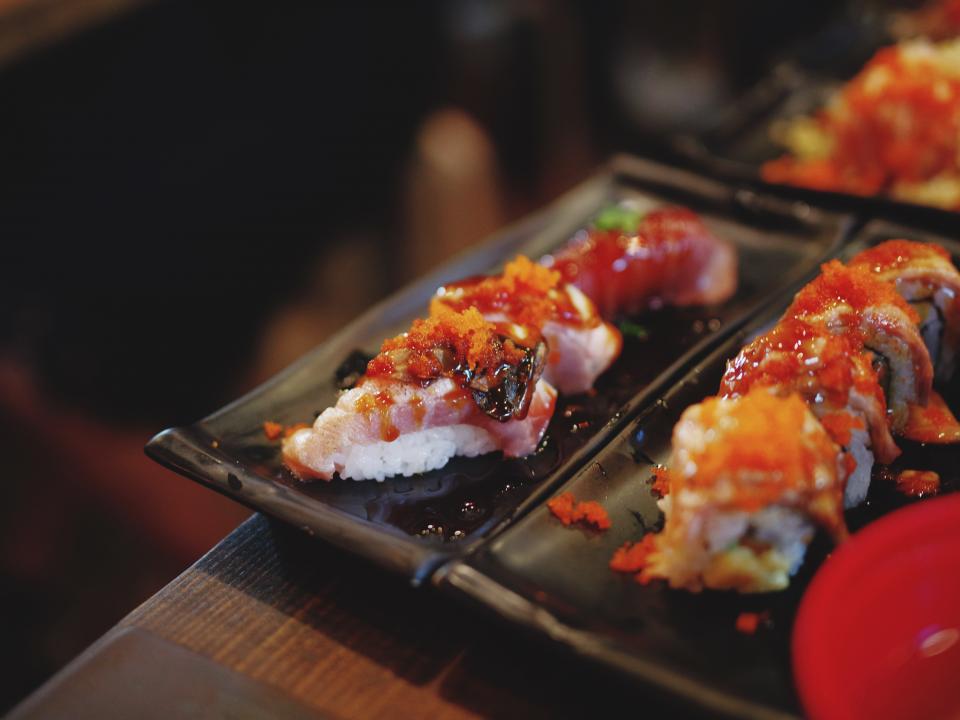

Japan’s food culture is extraordinary, and that’s genuinely not an overstatement. In Japan, food is more than sustenance – it’s an expression of respect, craftsmanship, and seasonal beauty, and Japanese dining etiquette reflects these values at every turn. The trouble is that most first-time visitors arrive assuming that being generally polite at the table will be enough. It isn’t, quite.
Many travelers assume Japanese dining etiquette is simply about being polite, but the reality is far more nuanced. From how you handle chopsticks to when you speak to the staff, every small action carries meaning. Visitors often make mistakes not because they’re rude, but because the unspoken rules are different from what they’re used to. What follows is a straightforward guide to the ten things that consistently trip people up.
1. Skipping “Itadakimasu” Before You Eat

Japanese people say “itadakimasu” before they start eating, whether at home or in a restaurant. It is said to express gratitude to those who prepared the meal, and this expression is considered very important in Japanese culture as part of showing gratitude to others and nature during meals.
In Japan, “itadakimasu” is a phrase said before a meal to express gratitude, both for the food itself and for the people who made it. Literally translated, it means “I humbly receive,” reflecting the gratitude of receiving the food. Most visitors skip it entirely, often because they simply don’t know it exists.
Before eating, say “itadakimasu,” often with hands together in a small thanks. At the end of the meal, say “gochisōsama deshita” to express thanks for the feast. These two phrases bookend most Japanese meals beautifully and are always appreciated when said by visitors. You don’t need to perform them perfectly. The effort alone is what counts.
2. Sticking Chopsticks Upright in Your Rice
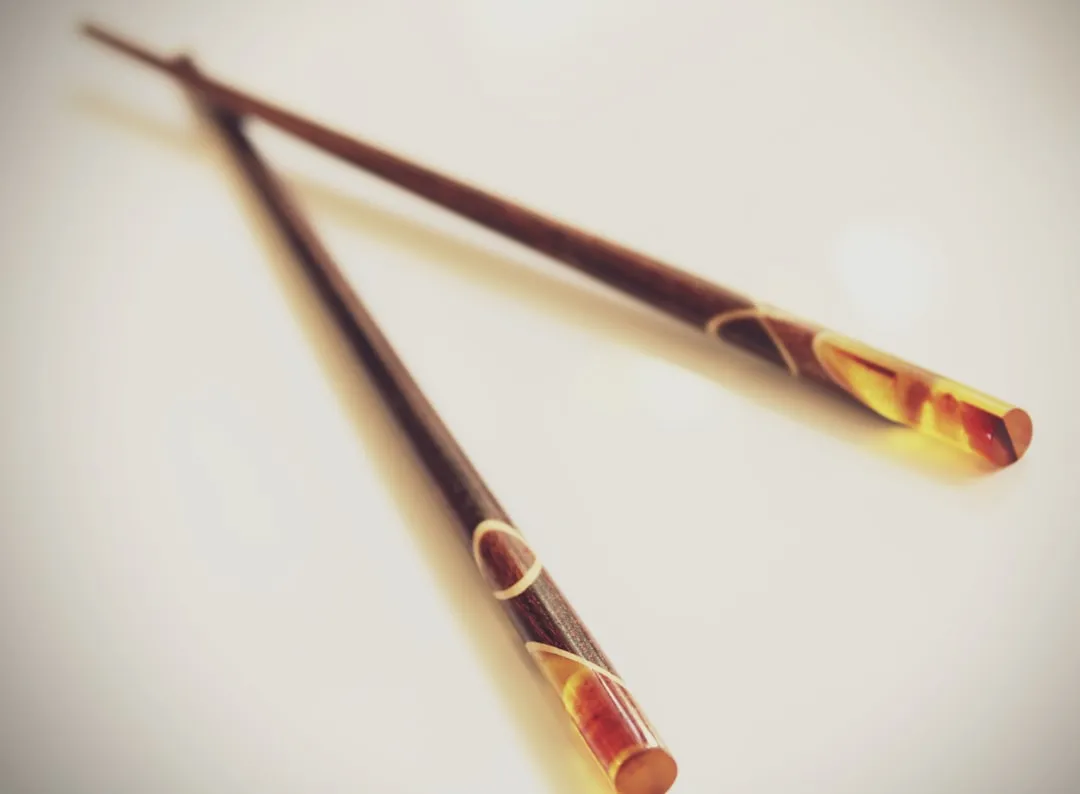
One of the most commonly broken chopstick rules is sticking them upright in a bowl of rice. This taboo – referred to as “tatebashi,” “tsukitatebashi,” or “hotokebashi” – is taken extremely seriously due to its association with death, specifically funerals.
At Buddhist funerals, bowls of rice with sticks of incense in them are given as offerings to the deceased. A pair of chopsticks stuck into a bowl looks nearly identical to these offerings, so tatebashi is considered unlucky and deeply disrespectful.
When not in use, rest chopsticks on a hashioki (chopstick rest), or lay them neatly across your bowl or plate. Avoid leaving them sticking upright in food or scattered on the table – presentation matters. It’s a small adjustment with considerable cultural weight behind it.
3. Passing Food Directly Chopstick to Chopstick
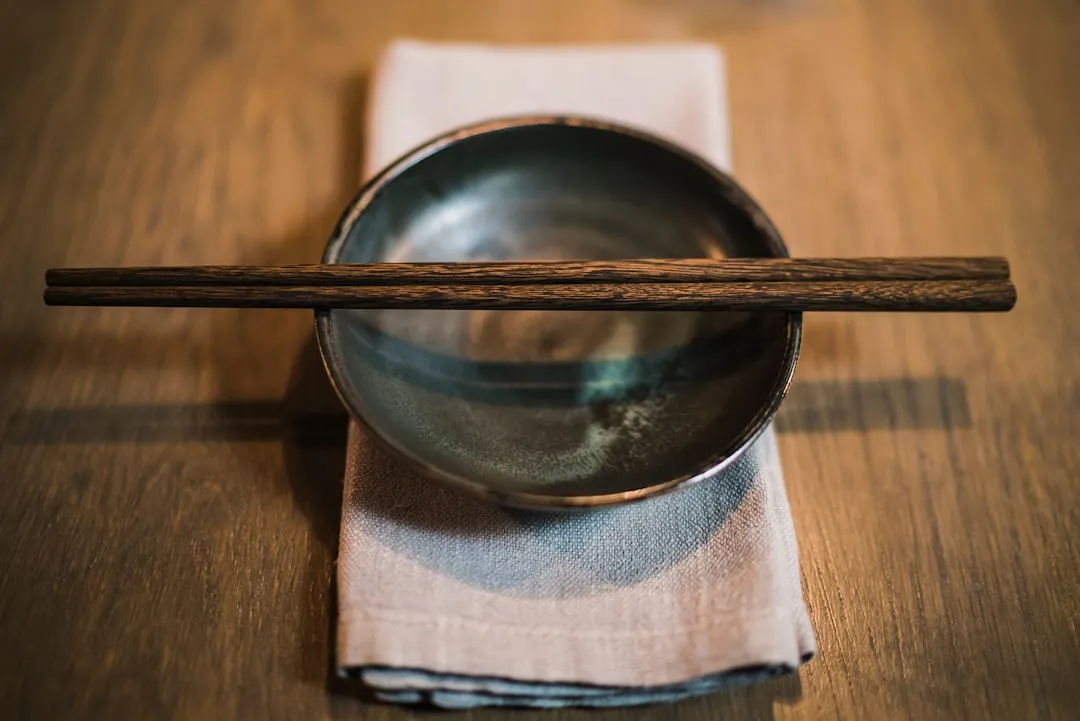
Avoid placing chopsticks vertically into a bowl of rice, as this mirrors a traditional funeral practice and is considered highly inappropriate. Don’t pass food from chopsticks to chopsticks either – this is also linked to death customs.
Passing food from chopsticks to chopsticks mimics a funeral ceremony where cremated bones are passed between chopsticks. The correct alternative is to place the food on a plate first, then let the other person pick it up. It’s one of those habits that feels entirely natural at home but carries completely different meaning here.
Buddhism, Shintoism, and samurai values all contributed to shaping modern chopstick etiquette. Many taboos stem from funeral customs, while others reflect ideals of cleanliness, mindfulness, and respect for community. Understanding why these rules exist makes them far easier to remember.
4. Rubbing Disposable Chopsticks Together
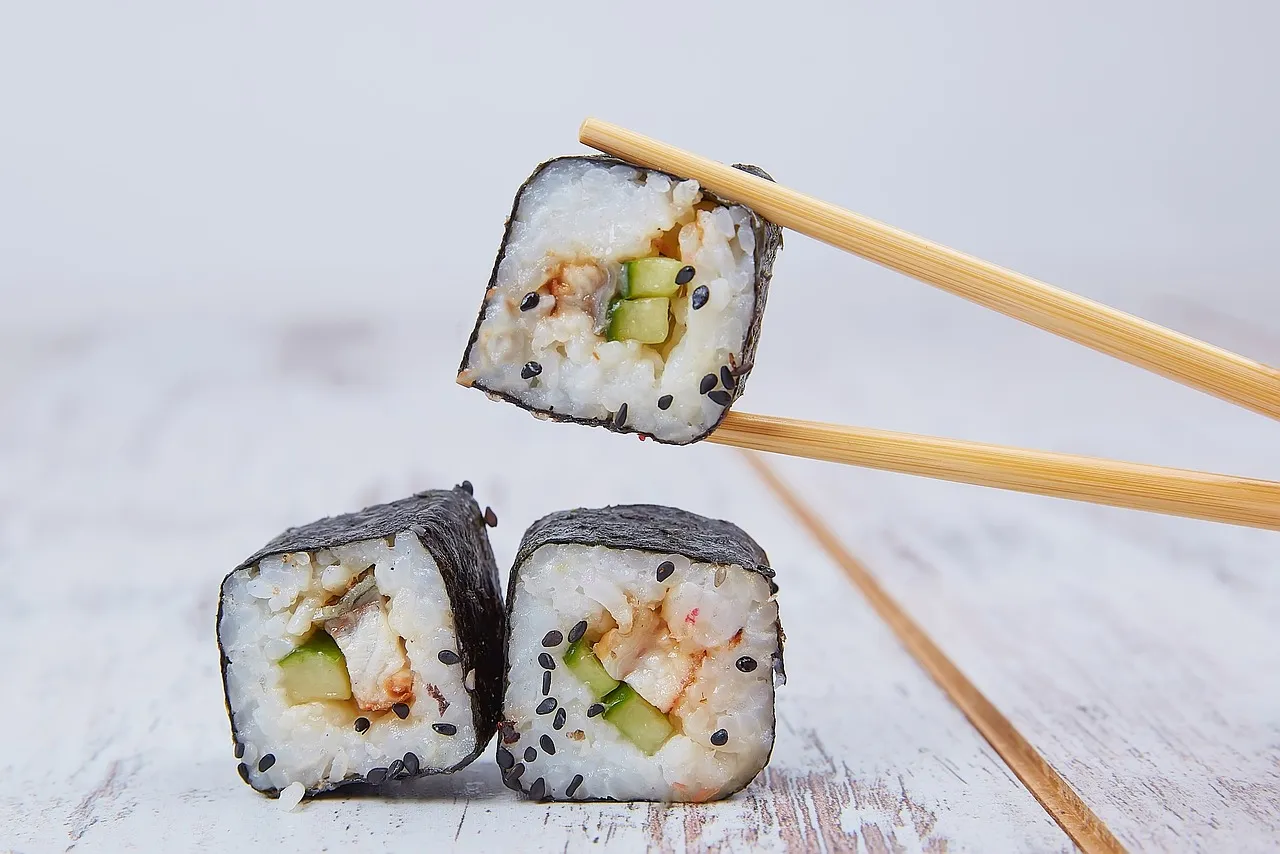
Rubbing disposable chopsticks together implies they are cheap or poorly made, and doing so is viewed as disrespectful to the host or establishment. It’s a habit many visitors pick up from older travel tips or simply out of reflex, but it lands poorly in most Japanese restaurants.
Never use one chopstick in each hand, which is called chigiri-bashi, and avoid holding them together to shovel food into your mouth, known as yoko-bashi. It’s also best to adjust them with your free hand, rather than tapping them on the table or plate to straighten them.
Chopstick etiquette is based on the central principles of showing courtesy to your fellow diners and preserving the harmony of the dining table. Since etiquette is important in all aspects of life in Japan, these principles will serve you well in other situations too, especially if you are eating with coworkers.
5. Treating Tipping as a Gesture of Appreciation
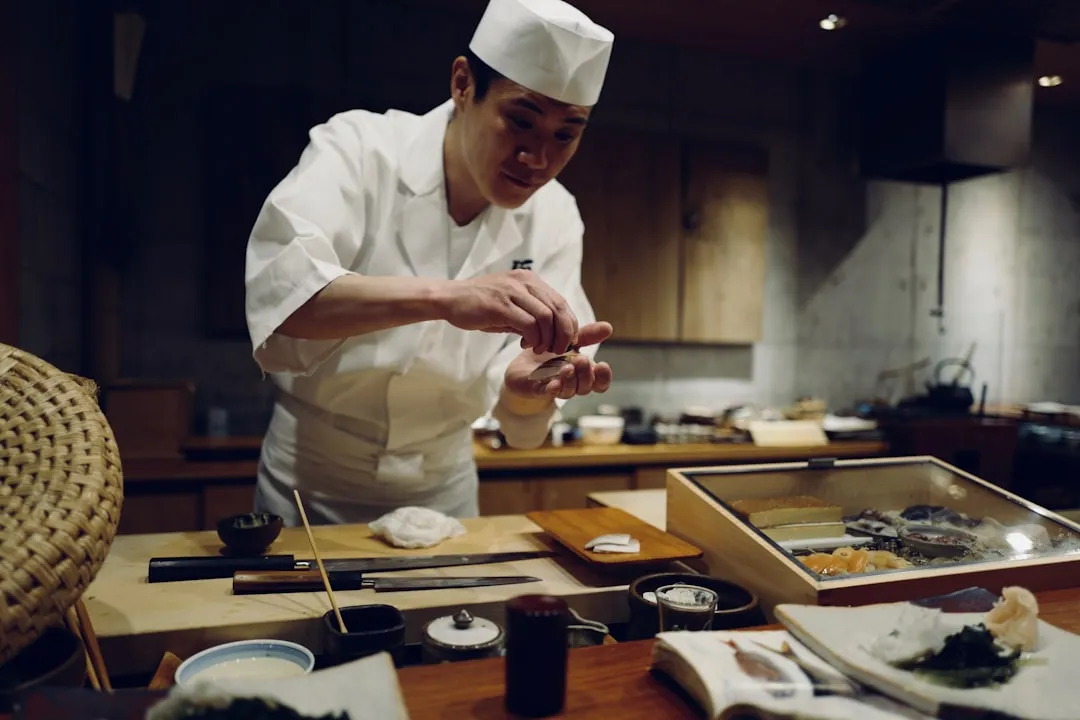
Tipping in Japan is not usually expected, and attempts to leave a tip will almost certainly be turned down. Because tipping isn’t part of daily culture in Japan, an unexpected gratuity can sometimes cause confusion or even embarrassment. In Japan, it’s thought that by dining out or drinking at a bar, you are already paying the establishment for good service.
Tipping is not common nor expected in Japanese culture. Many servers will think you left forgotten money and run after you to return it. It may be uncomfortable, but tipping in Japan adds unnecessary confusion to your dining experience.
It’s worth noting that tipping is not customary in Japan, as excellent service is considered part of the job. That consistent, thoughtful service you’ll experience from a casual ramen counter to a high-end kaiseki dinner? It comes with the meal, not with a gratuity.
6. Misusing the Oshibori Towel

In Japan, oshibori are complimentary wet towels – either warm or cold, depending on the season – provided in restaurants and bars. The idea is that you’re cleaning your hands before enjoying food and drinks. The wet towel is only intended to freshen up your hands, so avoid using it to wipe your face or neck.
Many visitors think this towel is used on their face and neck, but this is a big faux pas. The oshibori is specifically used for cleaning your hands before and throughout the meal. It is often rolled or folded and handed to a customer on a tray.
An oshibori is a wet hand towel offered to customers in restaurants or bars, used to clean one’s hands before eating. Oshibori have long been part of hospitality culture in Japan: in the Tale of Genji era it was used for visitors, and during the Edo period it was used in hatago inns, before later spreading to many restaurants. It’s a tradition with deep roots, and using it correctly is a quiet way of showing respect.
7. Drowning Sushi Rice in Soy Sauce
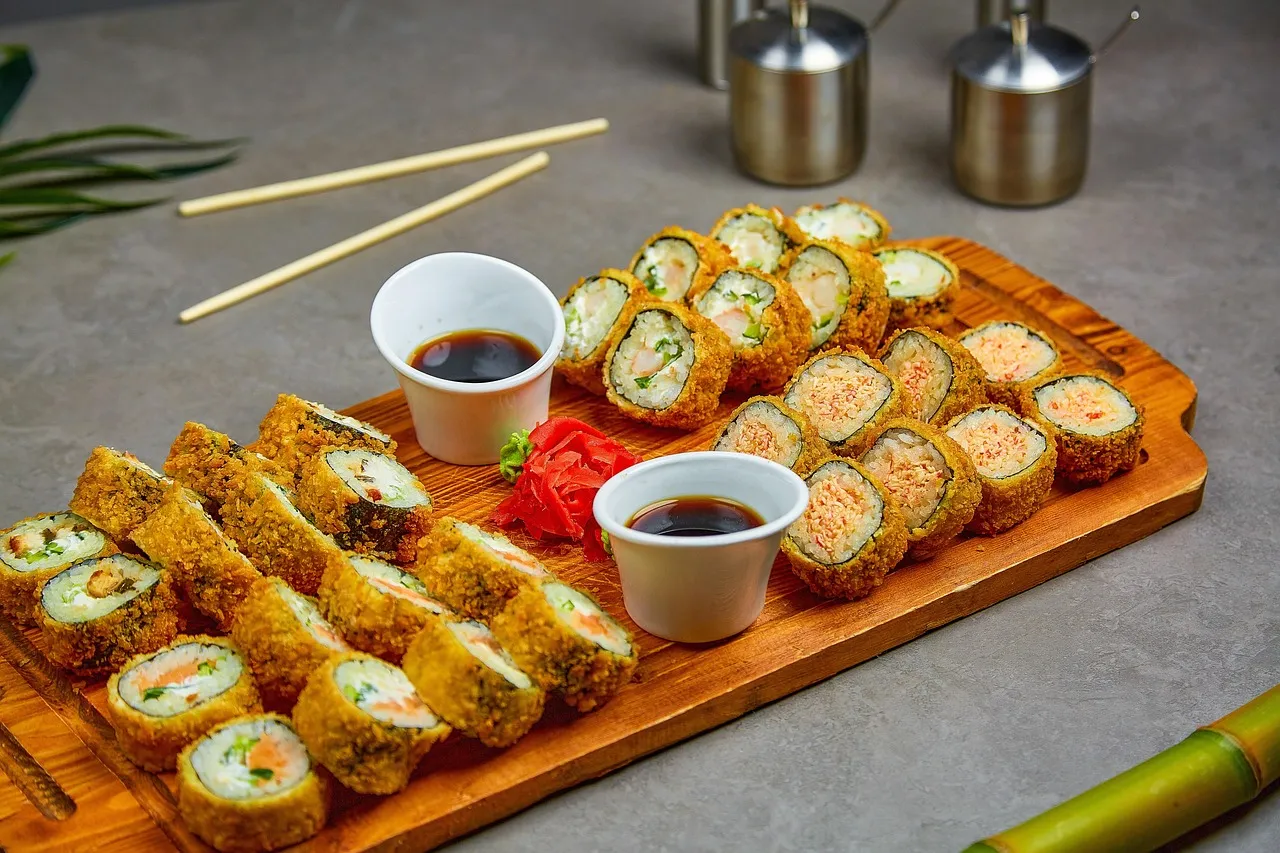
Dip the fish side down into soy sauce, never the rice side, as it falls apart. Eat nigiri in one bite if possible – the chef sized it for that purpose. Don’t mix wasabi into soy sauce at high-end sushi restaurants, as the chef has already applied the right amount.
Don’t use too much soy sauce. Soy sauce is meant to enhance the flavor of the topping. Drenching the rice in soy sauce will overwhelm the delicate taste of the sushi. Generally, dip just the edge of the topping lightly in the soy sauce.
Waste is frowned upon in Japanese culture, and soy sauce is no exception. Pour a small amount into the dipping bowl – a teaspoon is plenty – and top up as you go rather than filling it to the brim. The precision here isn’t fussiness; it reflects a genuine reverence for the ingredient and the craft behind it.
8. Being Afraid to Slurp Your Noodles
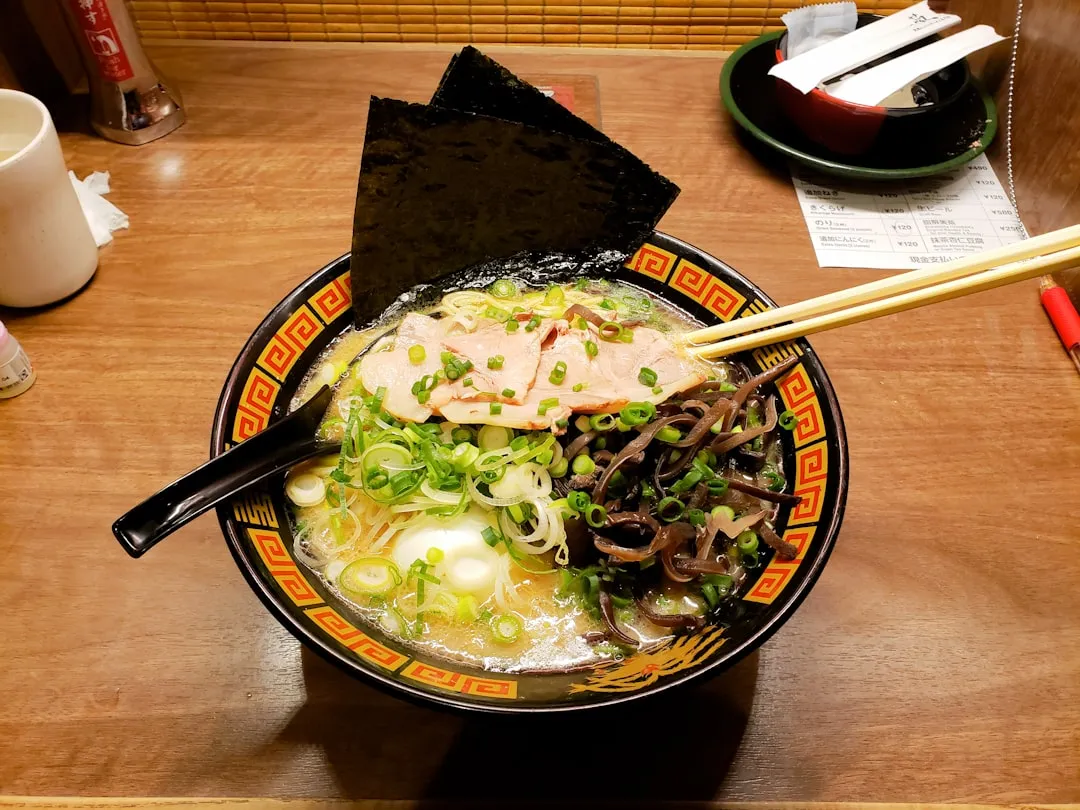
One of the first things you’ll notice when dining on ramen in Japan is the enthusiastic slurping sound echoing through the ramen shop. Contrary to Western dining norms, slurping noodles in Japan is not only acceptable but encouraged.
Slurping is not just acceptable – it’s encouraged. Slurping noodles aerates them, enhancing the flavor, and signals to the chef that you are enjoying the meal. Many first-time visitors sit quietly, trying not to make noise, and end up looking more out of place than if they’d just gone for it.
When enjoying noodles such as udon or ramen in Japan, slurping is perfectly acceptable and even considered a sign of appreciation for the deliciousness. Eat quickly at ramen joints – these are meant to be fast turnover. There’s no lingering around or staying to chat. You come to eat, and once your bowl is delivered, you chow down. Once done, you get up and go.
9. Walking Around While Eating
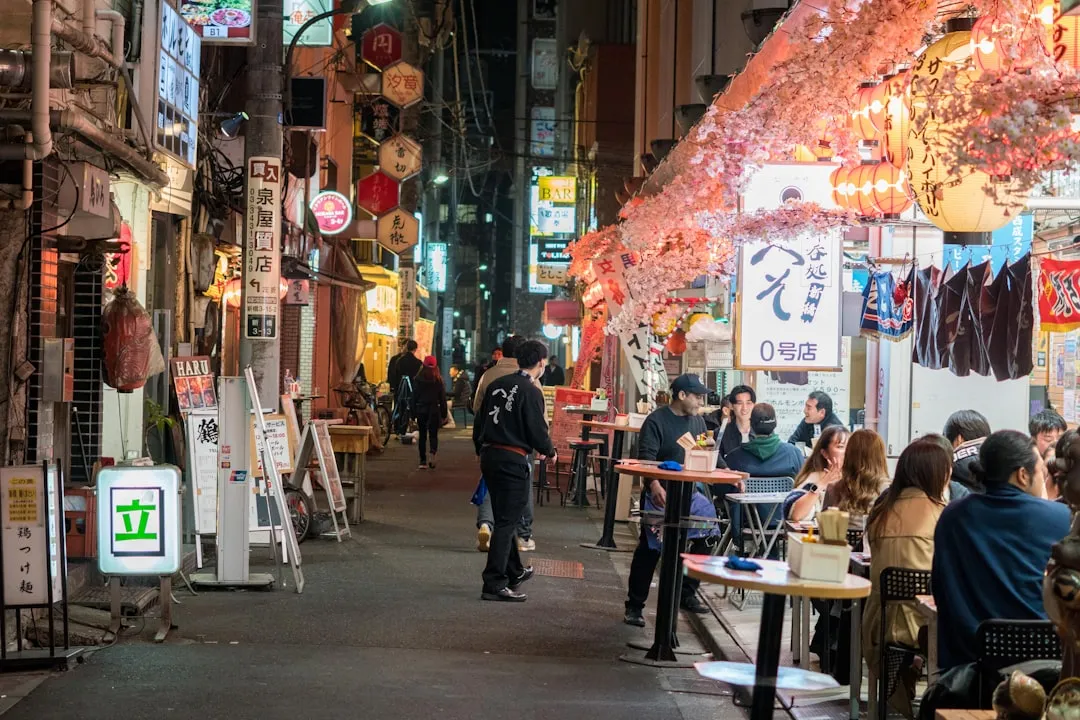
In Japan, eating on the go is considered impolite and messy. Food is meant to be enjoyed mindfully, not rushed. Eat at designated areas such as benches, food stalls, or restaurants. If buying street food, stand near the vendor to eat before moving on.
Japanese tend not to eat while walking along or standing around on the street. However, it is acceptable to drink while standing aside vending machines, which are ubiquitous in Japan.
Eating and drinking on local trains is also frowned upon, but not on long-distance express trains such as the Shinkansen bullet train. The broader principle here is that meals in Japan deserve a moment of stillness, not a distracted stroll through a crowded market street.
10. Showing Up Without a Reservation
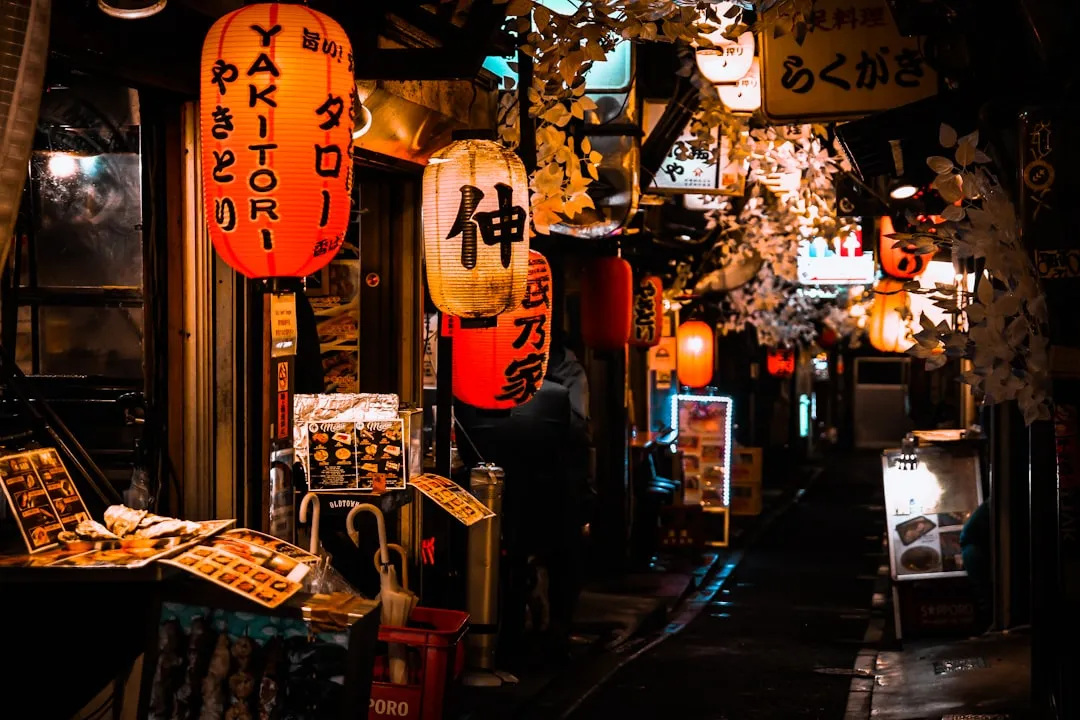
One of the most common dining mistakes in Japan is not planning ahead. Many popular restaurants require reservations and do not accept walk-ins, which can catch first-time visitors off guard.
International arrivals reached a record 42.7 million visitors in 2025, a 15.8% increase from 2024. Despite this influx of tourists, Japan upholds exceptionally high standards of public behavior. With demand on popular dining spots at an all-time high, showing up without a booking to a sought-after restaurant often means you simply won’t eat there.
Diners are expected to respect those waiting for a table by finishing their food quickly, cleaning up after themselves, and leaving promptly. Restaurants in Japan operate with a kind of precision and mutual respect between host and guest. Planning ahead, even for a casual dinner, is part of honoring that relationship.
Final Thoughts
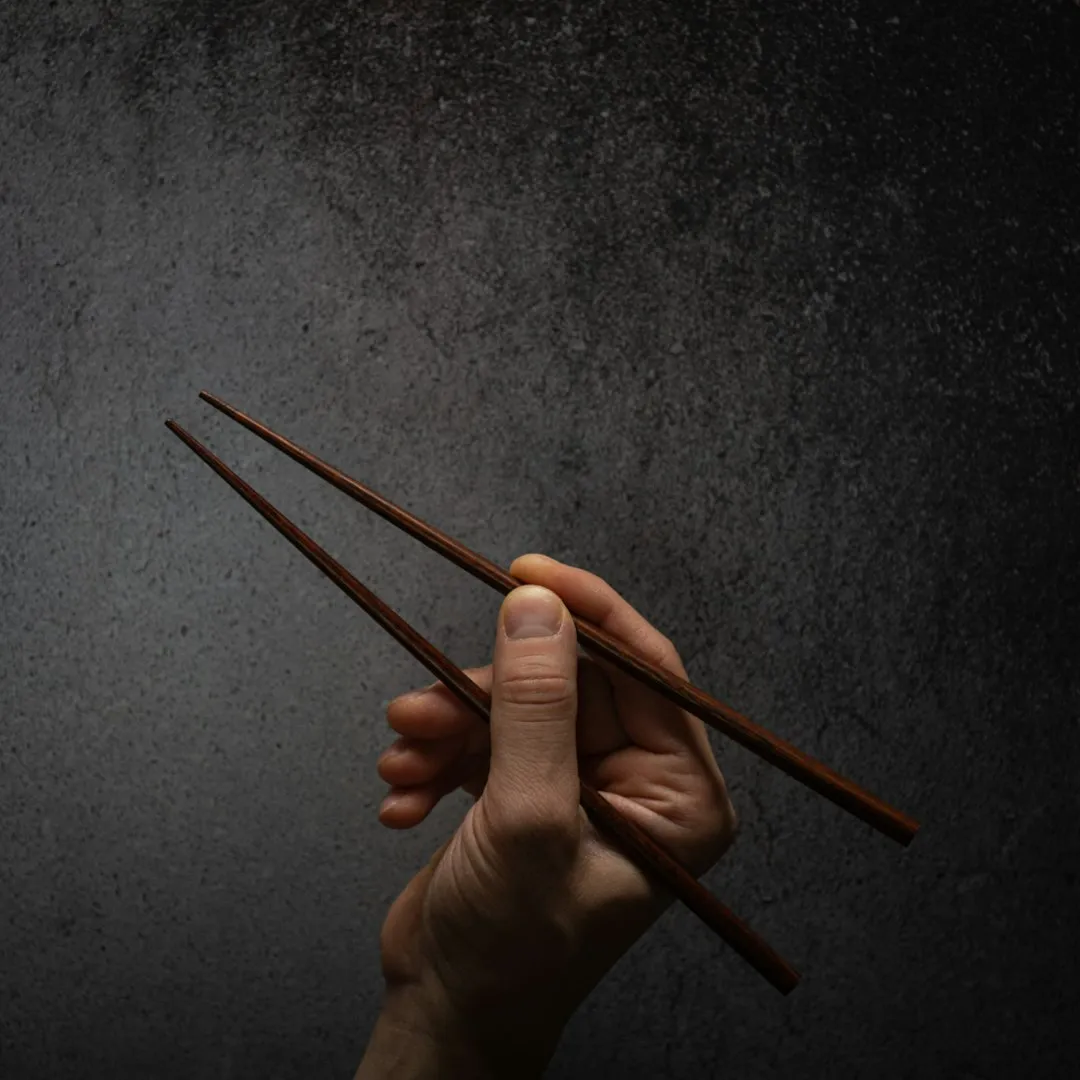
While locals will forgive most mistakes from visitors, understanding the basics shows respect and often leads to warmer interactions with chefs, servers, and fellow diners. Nobody expects perfection from a first-time visitor, and the Japanese dining culture is as warm as it is structured.
Dining in Japan isn’t just about eating – it’s about participating in a cultural ritual built on respect, awareness, and centuries of tradition. That’s not an intimidating idea once you sit with it. It’s actually a gift: a meal that means something.
The customs outlined here aren’t obstacles. They’re invitations to slow down, pay attention, and connect with a food culture that has spent centuries refining the art of sharing a table well. A little awareness goes a long way, and it starts the moment you pick up those chopsticks.
AI Disclaimer: This article was created with the assistance of AI tools and reviewed by a human editor.