

There’s something quietly remarkable happening on American highways right now. Families are pulling out paper checklists, calling out state names from the backseat, and genuinely competing over who spots a distant license plate first. The License Plate Game – a staple of mid-century road trips that many assumed had been replaced by tablets and streaming services – is finding its way back into family cars in a meaningful way.
It’s not just nostalgia driving this. Road-trip tourism in the United States has surged to its highest level in more than a decade, with road-trip activity estimated to have increased by roughly 38 percent year-over-year in 2024, marking the strongest growth trend since 2012. More miles traveled means more license plates rolling by, and more families looking for something to do with all that time together.
A Game With Deep American Roots
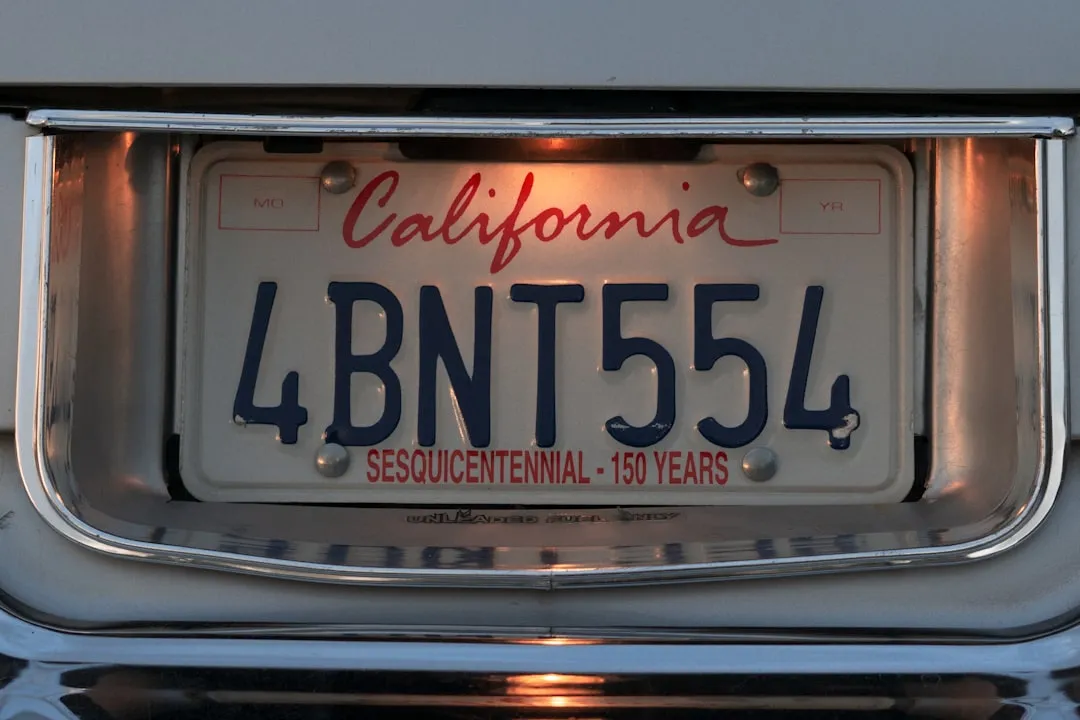
For more than a century, road trips have been a hallmark of American culture, and to keep restless kids entertained, families have long turned to car games. In the United States and Europe, these games became essential tools for parents during long drives, and parenting resources from the 1950s highlighted games like the license plate hunt and alphabet spotting as practical diversions that promoted bonding and reduced backseat conflicts. The License Plate Game, in particular, grew out of that same era and never truly disappeared – it just quietly waited for the right moment.
How the Game Actually Works
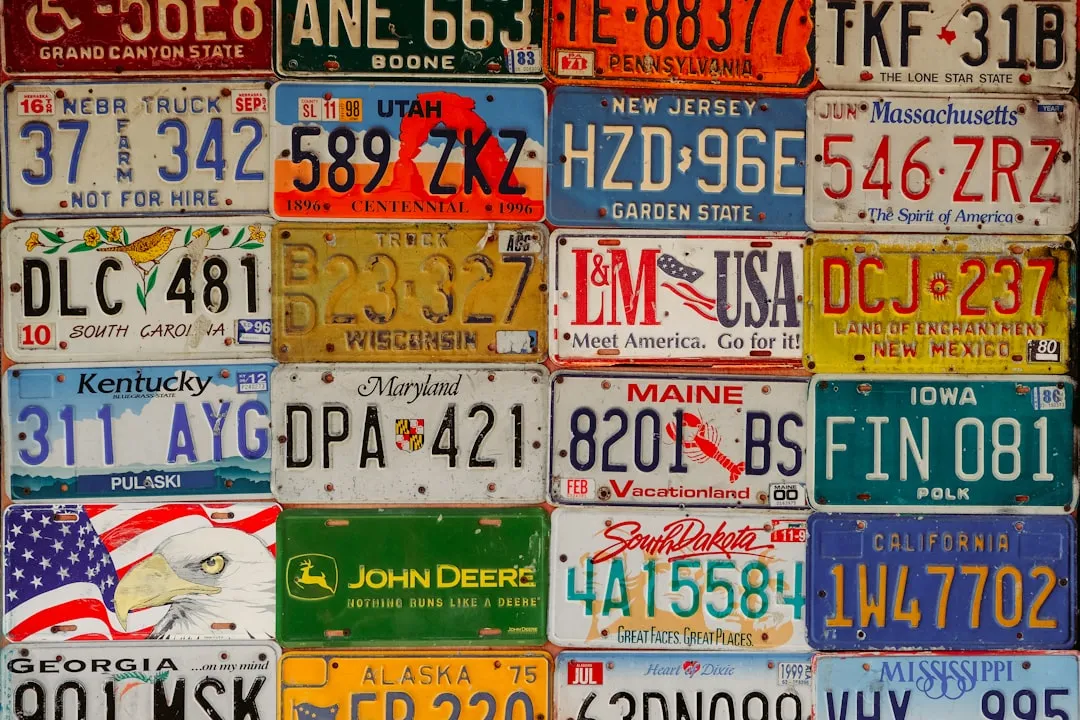
The goal is to spot as many license plates from different states as you can. Whoever sees a plate first and calls it gets to mark it on their map, and the person with the most states at the end wins. There are several different ways to play, which are great for long road trips. You can play individually or as a family. If playing individually, each player needs their own tracking sheet. The cooperative version, where everyone works together to reach all 50 states, tends to run smoother with younger kids.
The Analog Wellness Wave Behind Its Return
Global travelers are choosing rest over activity, with more than half of parents and grandparents initiating no-screen-time periods during family trips to keep everyone present. The Global Wellness Summit named analog wellness one of its ten major trends, describing it as the era in which more people are getting deliberate about logging off. The License Plate Game sits perfectly inside that shift – it requires no battery, no Wi-Fi, and no setup.
Print book sales grew for two consecutive years through 2025 and remain above pre-pandemic levels, while analog travel programming is filling up months in advance. The appetite for non-digital engagement during travel is real, and it extends well beyond books.
Road Trips Are the Dominant Way Americans Travel

Road trips were the most popular form of travel in 2024, chosen by roughly two in five Americans, ahead of slow travel and multi-generational family trips. Multiple factors are driving this surge, including higher airfare costs, a growing desire for flexible travel options, and increasing interest in regional and rural destinations. When more people are in cars for longer stretches of time, simple games that require nothing but a window and attention naturally rise back to relevance.
The Geography Lesson You Don’t Notice You’re Getting
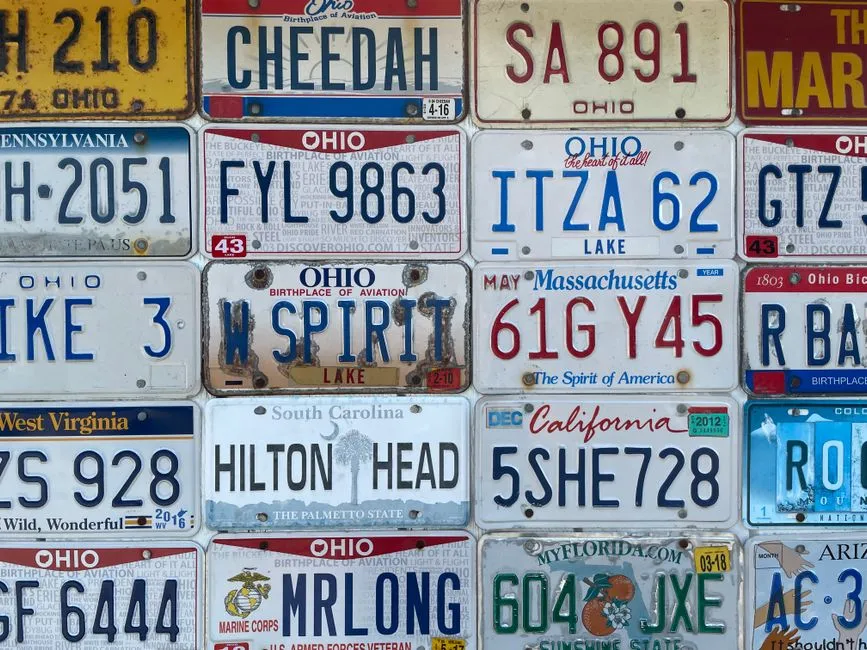
The game serves as a mechanism for cultural transmission by teaching participants to pay attention to their surroundings and fostering an awareness of geographic diversity. It is an informal yet effective way of engaging with the concept of statehood and regional identity within a larger national context. Beyond entertainment, the License Plate Game offers significant educational value by fostering geographic awareness, as players learn state shapes, locations, and cultural symbols through plate designs and discussions of regional differences. It’s the kind of learning that feels effortless because no one is trying to make it a lesson.
How the Game Has Evolved Without Losing Its Soul
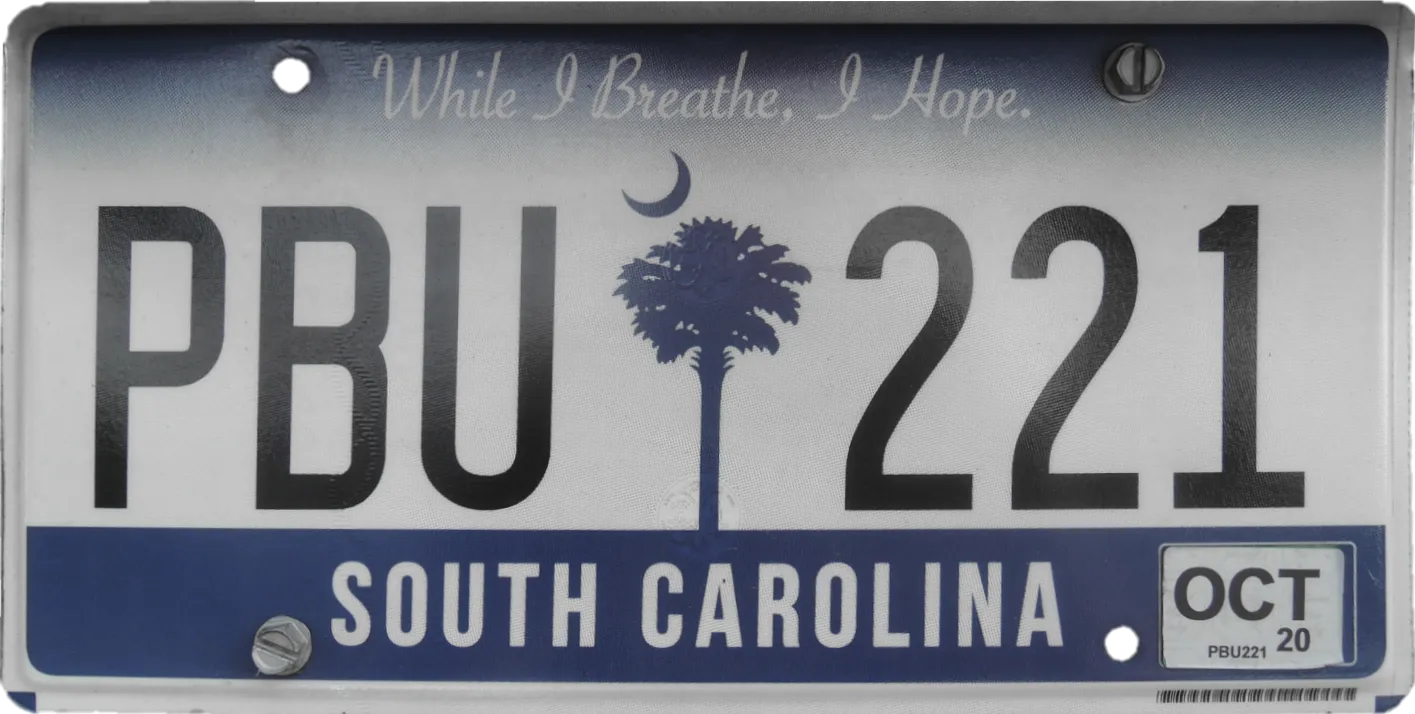
Its simplicity – no equipment beyond observation – has sustained its popularity, even as modern apps digitize tracking with GPS and photo uploads, though traditional verbal calling remains the preferred method for many to maintain the social, unplugged experience. Some app-based versions of the game add formal score-keeping: players try to spot license plates from different states, and the first person to spot a plate from a new state earns two points, while spotting a different plate from an already-seen state earns one point. These digital companions don’t replace the game’s core dynamic – they simply add a layer of structure for more competitive families.
Why Families Are Choosing It Over Screens
According to OpinionWay research, roughly nine in ten parents declare wanting to reduce screen usage during summer travel, and nearly two thirds feel they succeed. The realistic goal during car trips is not to ban screens entirely, but to avoid the “all-screen from departure to arrival” pattern that leaves everyone drained. The License Plate Game fills that gap elegantly – it’s engaging enough to hold attention but relaxed enough that passengers can drift in and out of it naturally.
It Works Across Ages, Which Is Rare
No road trip game roundup would be complete without time-honored classics, and these proven favorites have stood the test of time for good reason – they’re simple, versatile, and just plain fun. The License Plate Game in particular scales well. Younger children enjoy the search-and-find element; older kids and adults appreciate the competitive tracking. Multi-generational car trips, which accounted for roughly one in five American travel trips in 2024, benefit most from activities that don’t exclude anyone.
Rest Stops and Trucks Are Where the Action Is

Trucks are the best source for finding different license plates, and rest stops have many trucks. Preparing some fun facts and trivia questions for each state adds another layer to the experience when each plate is spotted. This turns a simple spotting game into a loose geography quiz, and it makes those fuel and coffee stops feel purposeful rather than just logistical breaks. With so many people traveling these days, it’s genuinely fun to search for all the different state license plates, and you can sneak in a little geography and abbreviation lesson while you’re at it. One family visiting Texas spotted 35 different state license plates on a single trip.
The Comeback That Isn’t Really a Surprise
Before digital diversions kept the backseat peace, families passed the hours with the License Plate Game, Mad Libs, and Etch-a-Sketch. Those games didn’t disappear because they stopped working. They faded because something louder came along. The screens that once came along to every road trip and every long weekend are increasingly being left in the car or locked up at the front desk – and what used to feel like a punishment is becoming a deliberate choice.
Many families are prioritizing bonding time and creating lasting memories during their travels, with a focus on trips that cater to a range of ages and interests, seeking out diverse activities that can engage everyone. A game that costs nothing, requires no power source, and gets everyone looking out the window together fits that priority almost perfectly.
The Road Ahead for an Old Favorite
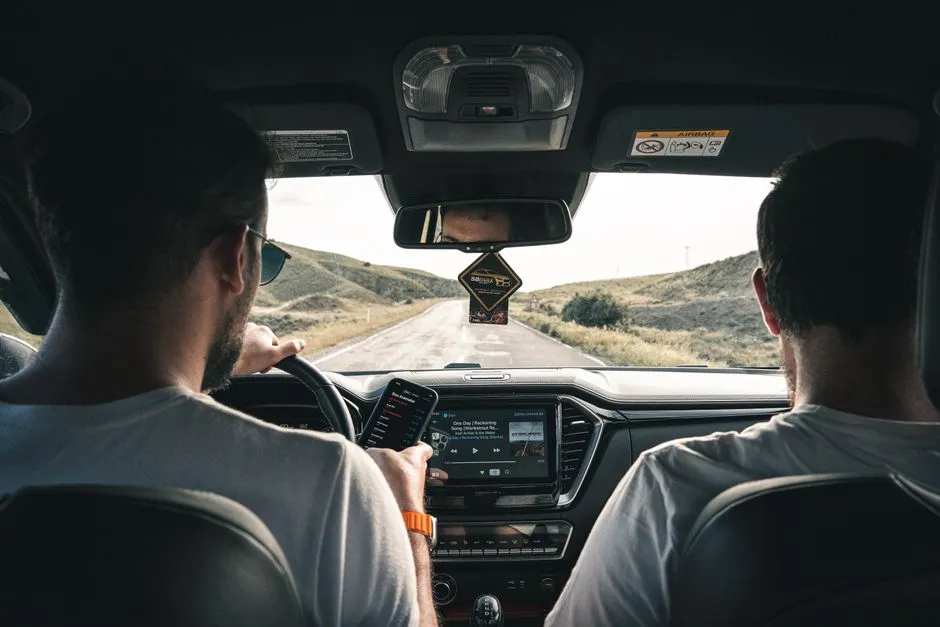
The License Plate Game isn’t making a comeback because it was ever truly gone. It’s resurging because the conditions for it – longer road trips, screen fatigue, a cultural lean toward presence over passive consumption – have quietly aligned. Experts say the road trip trend could continue well into the coming years as more families embrace slow travel and explore lesser-known routes across states like Arizona, Colorado, Tennessee, and the Carolinas. More road miles, more plates to spot, and more reasons to put the phone face-down on the seat.
Some of the best things about travel aren’t the destinations themselves. They’re the small, unhurried moments in between – the collective groan when someone calls Alaska before you do, the minor triumph of finally spotting Wyoming after three hours of waiting. The game was never really about license plates. It was always about the shared attention that makes a long drive feel like something worth remembering.
AI Disclaimer: This article was created with the assistance of AI tools and reviewed by a human editor.