


There’s something quietly extraordinary about lifting off before dawn, watching a landscape unfold beneath you in near-total silence. No engine noise, no departure gate, no overhead luggage bin. Hot air ballooning has always carried a certain romance, but in recent years that romance has turned into something harder to ignore: a genuine, measurable surge in demand that is reshaping how a growing number of travelers think about what an experience is actually worth.
The numbers behind this shift are real, and the reasons are layered. From record-breaking passenger counts in Türkiye to a new generation of travelers choosing moments over things, ballooning is no longer a niche curiosity reserved for honeymoon itineraries. It has become one of the defining travel experiences of the mid-2020s.
A Market in Confident Ascent

The global hot air balloon travel market was valued at approximately $500 million in 2024 and is set to grow at an estimated compound annual growth rate of around 5.2% through to 2034. That kind of sustained trajectory isn’t driven by a passing fad. Key trends influencing the market include an increasing preference for adventure tourism and personalized travel experiences, as consumers seek memorable activities.
In 2024, over 2.7 million passengers participated in hot air balloon rides worldwide, supported by more than 400 commercial operators. That’s a sizable, global industry, not a boutique novelty. Tourism dominates the market, with more than 65% of global balloon flight bookings tied to leisure travel.
Cappadocia Sets an All-Time Record

Cappadocia’s hot air balloon tourism reached an all-time high in 2024, with 769,814 tourists taking flight over the region’s surreal landscapes – the first time the number of balloon riders has surpassed 700,000, marking a significant milestone for one of the world’s most famous ballooning destinations.
The region hosted 236 flight days in 2024, up from 218 days in 2023, making it one of the most active ballooning sites in the world. According to the Directorate General of Civil Aviation, a total of 4.77 million tourists took part in balloon flights in Cappadocia from 2015 to 2024. Those numbers speak to something deeply consistent: people keep coming, and the experience keeps delivering.
Anadolu Agency reported that 754,098 people flew in Cappadocia balloon tours in 2025 across 223 flyable days, with 367 balloons and 585 pilots in the region. Cappadocia isn’t trending. At this point, it has built an entire ecosystem around the experience.
Social Media’s Genuine Role in Driving Bookings

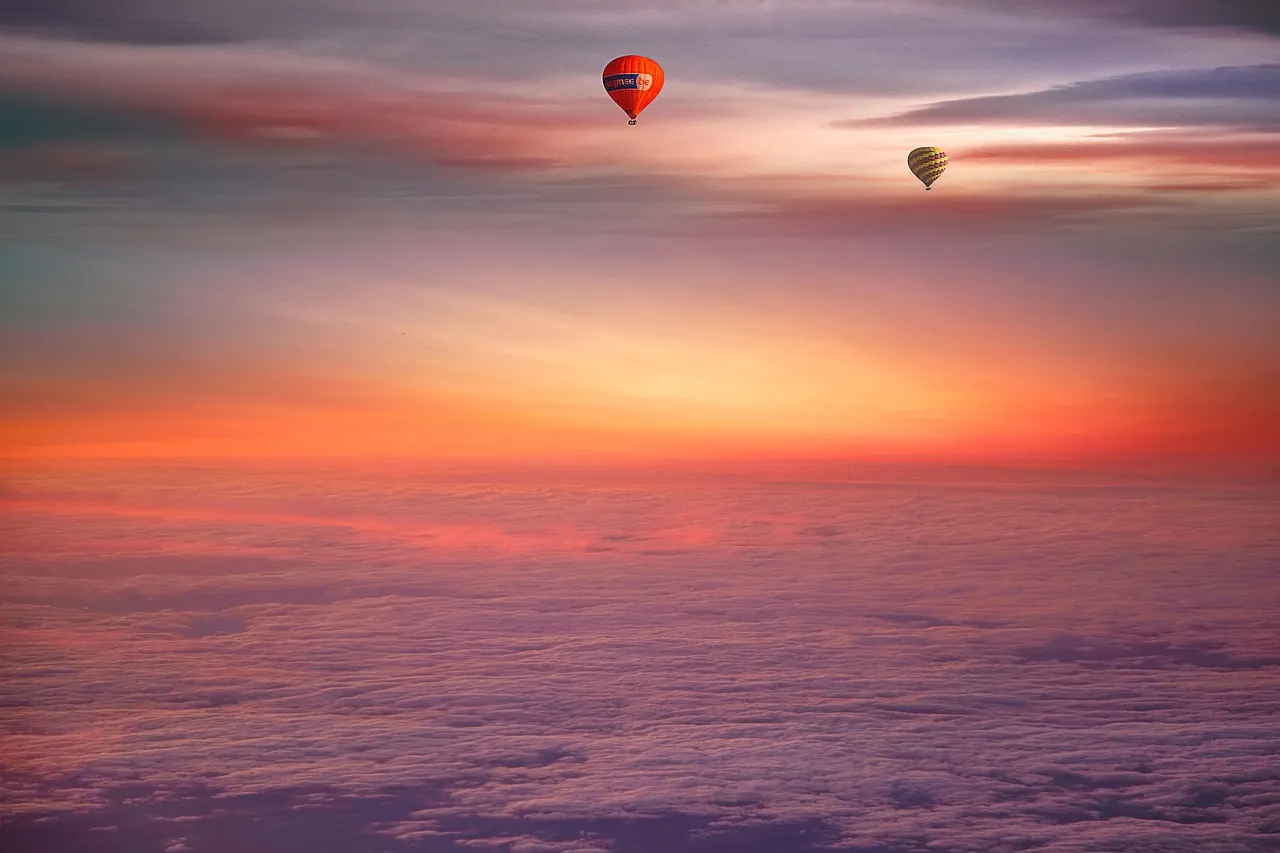
The popularity of hot air ballooning in Cappadocia is driven in part by social media, where stunning images of colorful balloons soaring over valleys and ancient formations entice travelers to book months in advance. This isn’t accidental – the visual nature of the experience is almost perfectly suited to how travelers now discover and decide.
Social media-driven bookings rose by roughly 58%, while sunrise flights grew by around 62%. The increasing use of social media amplifies the visibility of hot air balloon experiences, influencing consumer choices in ways that traditional travel advertising rarely could. Seeing a photograph of 156 balloons hanging above rose-colored valleys at first light is a different kind of persuasion entirely.
The Experiential Travel Shift Is Real
As of 2024, over 63% of millennials preferred experiential travel over material purchases, contributing to the sustained demand for hot air balloon rides. This shift in how people spend discretionary income is one of the most powerful forces reshaping the tourism industry as a whole, and hot air ballooning sits near the center of it.
As consumers increasingly prioritize personalized and memorable activities, hot air ballooning finds itself at the intersection of adventure and tranquility, attracting travelers seeking extraordinary experiences. It’s a combination that’s genuinely hard to replicate. This trend is especially prominent in international tourist hotspots, where local operators recorded up to 28% growth in seasonal bookings year-over-year.
Luxury Packages Are Transforming the Offer
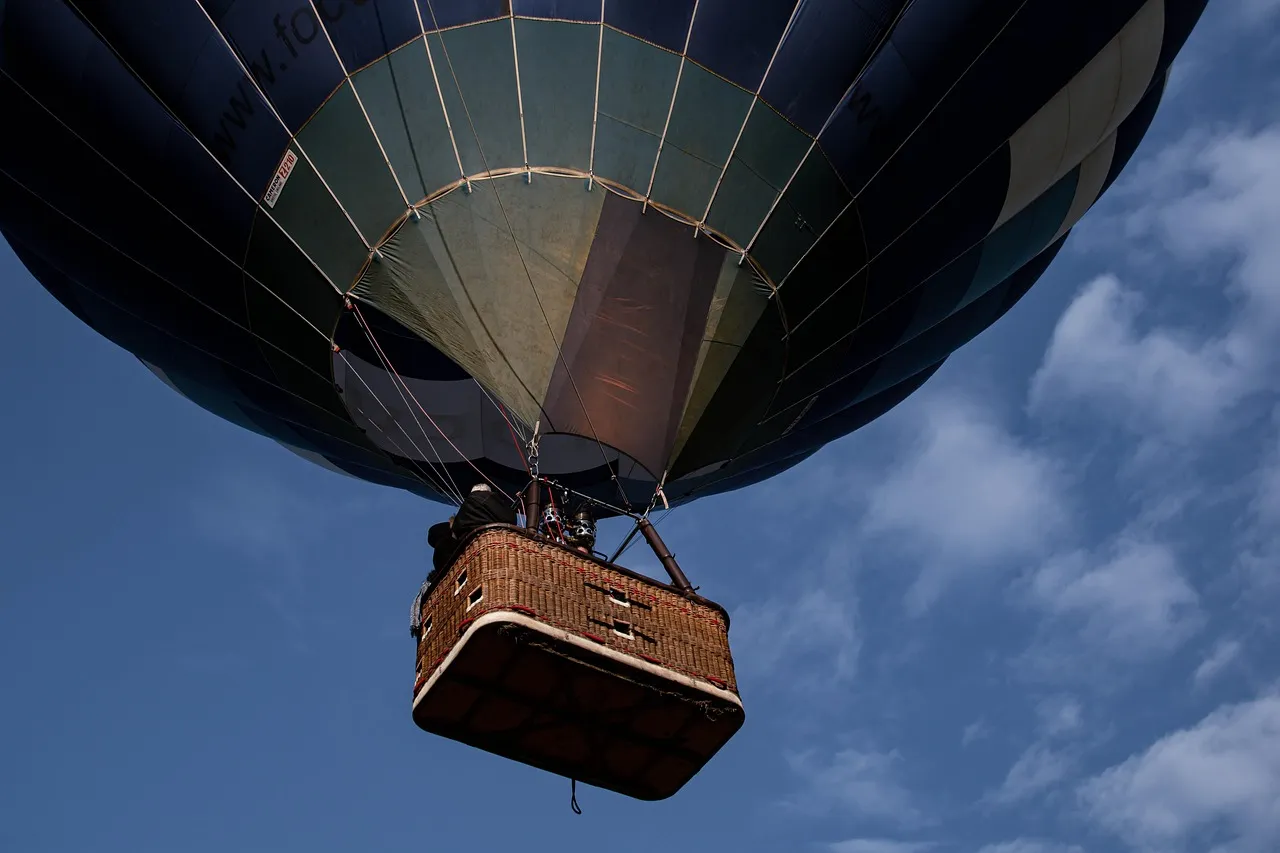
One major trend is the integration of luxury services into the hot air balloon experience. Nearly 35% of operators now offer exclusive flight packages that include private launches, gourmet breakfasts, in-flight photography, and dedicated concierge services. These packages, often targeted at couples and small groups, command 2.5 times the standard price per flight.
Innovative operators are developing themed flights, such as wine-tasting tours, wildlife safaris, and stargazing experiences, that appeal to niche customer segments and differentiate their offerings. Luxury balloon rides now make up about 18% of the market share. The range of what “a balloon flight” can mean has expanded considerably.
Sustainability Is Becoming Part of the Conversation

Sustainability is driving change, with a notable increase in the procurement of balloons made from recyclable fabrics and utilizing biofuels. This shift is in response to a consumer survey indicating that a significant share of travelers prefer eco-conscious operators. Travelers are increasingly asking questions about carbon footprint alongside altitude.
The growing interest in sustainable tourism presents real opportunity, as operators invest in eco-friendly balloon materials, carbon offset programs, and community engagement initiatives to attract environmentally conscious travelers. Opportunities also lie within emerging markets and the potential for eco-friendly ballooning initiatives, appealing to environmentally conscious travelers.
Technology Is Making the Experience Safer and Smarter
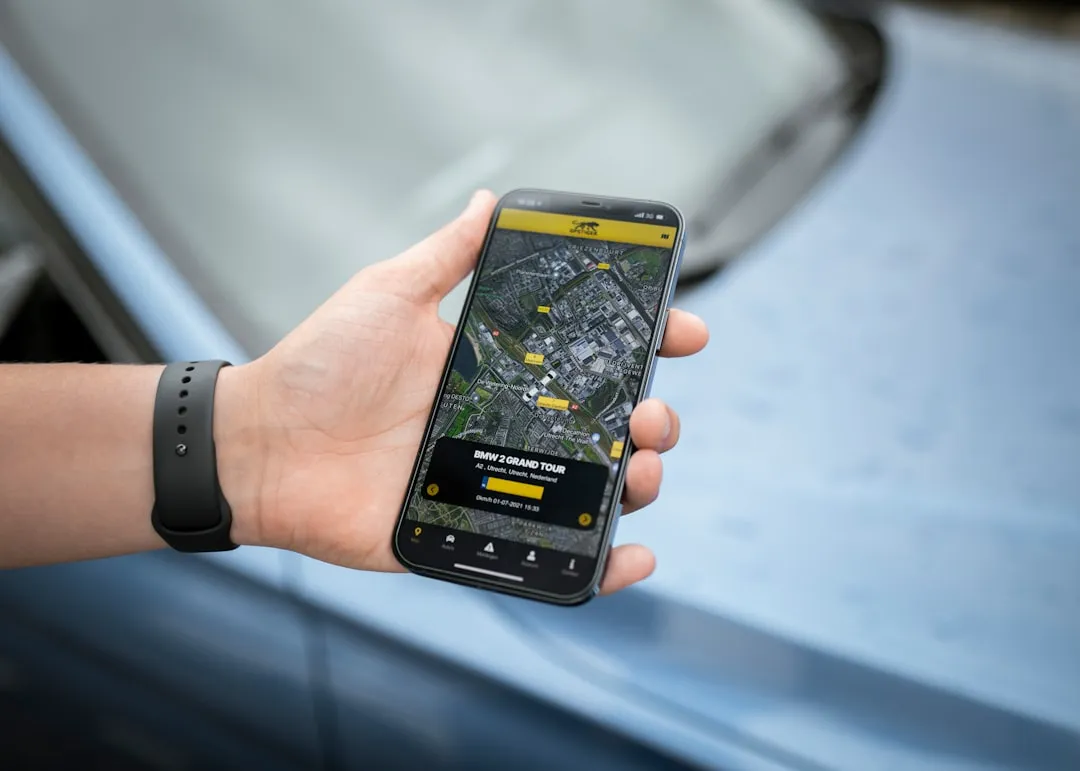
The integration of technology in operations, such as GPS tracking and online booking platforms, enhances the user experience and attracts a broader audience. This isn’t just about convenience; it meaningfully changes how operators manage safety and weather decisions in real time.
Technological integration, such as using drones for capturing aerial footage and advanced weather forecasting to improve safety, is also increasingly adopted. Digital booking platforms now account for over 45% of customer reservations, which has made ballooning accessible to a far wider range of travelers who previously wouldn’t have known how to find or compare operators.
Emerging Destinations Are Opening Up the Map

The demand is especially high in scenic and heritage-rich regions, with Cappadocia in Turkey, Masai Mara in Kenya, and Albuquerque in the United States accounting for nearly 45% of global balloon tourism activity. Beyond these established anchors, newer destinations are finding their footing.
In February 2024, Balloon Nepal, the only company in Nepal offering hot air balloon flights, was authorized to ascend up to 9,000 feet above ground level, opening up enhanced views of the Annapurna mountain range, Pokhara, and breathtaking panoramas of the sunrise and sunset. The industry is expanding its operational footprint beyond traditional hubs, with a recorded increase in commercial flight operations across emerging tourist destinations.
The Regional Picture: Who Is Leading Growth

Europe leads the hot air balloon experience market with roughly 40% of global share, while North America follows at around 35%. Asia-Pacific demand has increased by about 33%, and the Middle East has risen by approximately 25%. Each of these regions brings a distinct kind of landscape and cultural context that shapes the experience differently.
North America holds a prominent position in the global hot air balloon market, accounting for the largest market share in 2024. The United States and Canada are key contributors, as both countries have established hot air ballooning events, festivals, and scenic landscapes that attract both domestic and international tourists. Asia-Pacific demand, meanwhile, continues to climb as disposable incomes rise and international travel within the region deepens.
What the Challenges Reveal About the Industry’s Maturity

Weather dependency affects more than half of all operations, high insurance and maintenance costs impact nearly half of operators, and limited licensed pilots restrict scalability for a significant portion of the industry. These aren’t small constraints. They shape pricing, availability, and the particular texture of planning a balloon trip – which always requires flexibility.
Weather-related cancellations affect around 25 to 30% of scheduled flights annually, limiting operational days and impacting revenue. Responsible operators are transparent about this, and experienced travelers plan accordingly by building extra days into their itineraries near their chosen launch sites. The unpredictability, in a way, is part of what keeps the experience from feeling manufactured.
The Takeaway
AI Disclaimer: This article was created with the assistance of AI tools and reviewed by a human editor.