


Holding a U.S. passport comes with a quiet kind of freedom that’s easy to take for granted. You pack your bags, confirm your flight, and for most destinations on earth, that’s essentially it. According to the 2026 Henley Passport Index, a United States passport ranks 10th globally in terms of travel freedom. That’s a meaningful position, even as entry requirements continue to shift and evolve worldwide.
As of early 2026, U.S. citizens can travel visa-free to 179 countries and territories, though a few require a visa on arrival. Still, it’s worth knowing exactly where you stand before you book. Some beloved destinations have quietly introduced new digital authorizations or small fees in recent years. The six countries below remain genuinely accessible, with no traditional visa required.
1. Japan: 90 Days, No Paperwork, No Fees

U.S. citizens can visit Japan visa-free for up to 90 days for tourism or short-term business, with no visa application, no approval wait, and no fees. It’s one of the cleanest entry arrangements available to American travelers anywhere in the world. You simply show up with a valid passport, a return ticket, and proof of sufficient funds at the immigration desk.
This 90-day period covers tourism, business meetings, visiting friends, and short-term cultural exchanges, but it does not cover any form of paid work or extended study programs. One thing many Americans get wrong: Japan doesn’t require six months of passport validity beyond your stay. Japan doesn’t follow this rule. Your passport simply needs to be valid for your entire stay.
Overstaying results in immediate deportation and entry bans ranging from one year to permanently, depending on how long you overstayed. So plan your itinerary carefully, and if there’s any chance you want to linger, sort that out before boarding your flight.
2. Mexico: Six Months of Visa-Free Access

Mexico generally allows visitors to stay for up to 180 days, or approximately six months, making it ideal for those wanting to explore for an extended period of time. That’s a genuinely generous window compared to most destinations, and it makes Mexico one of the most practical long-stay options for Americans who want to explore slowly.
Mexico remains one of the most accessible long-stay visa-free options for U.S. citizens, with rich history, delicious cuisine, and diverse landscapes, from Mayan ruins and Mexico City to Cancun’s beaches. The country covers enormous geographic and cultural ground, from the Pacific coast surf towns of Oaxaca to the colonial architecture of San Miguel de Allende.
That said, entry is never entirely automatic. Mexico may deny reentry without proof of changed circumstances for travelers who appear to be living there long-term on consecutive tourist entries. Having a return ticket and a clear travel plan at the border always helps.
3. The Schengen Area: 29 Countries, One Permission

With a valid U.S. passport, you can stay up to 90 days during any 180-day period across the entire Schengen Area. That covers 29 countries in a single entry framework, meaning you can move from Portugal to Poland to Greece without facing separate visa requirements at each border. It’s an extraordinary range of culture, food, architecture, and landscape for a single stamp.
Your passport must be valid for at least 3 months beyond your planned departure from the EU. That’s an easy detail to miss, and it matters at the check-in counter before you even board.
One significant change is on the horizon. The EU is developing a travel information and authorization system called ETIAS, which plans to launch in late 2026. As of now, U.S. citizen travelers do not need to get an Electronic Travel Authorization, and you do not need to pay a fee before entering the Schengen Area or EU. Enjoy that simplicity while it lasts.
4. The United Kingdom: Visa-Free with a Small ETA Step
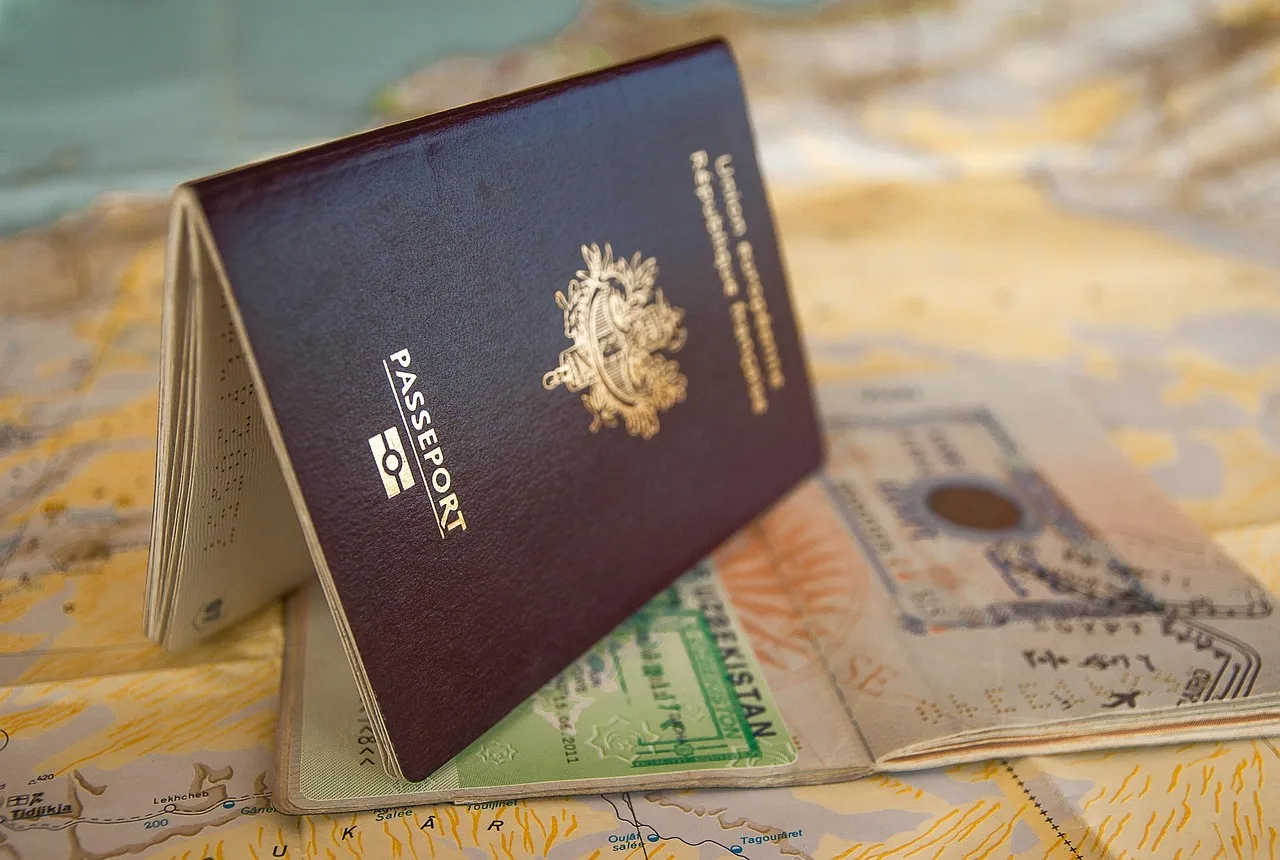
According to the U.S. Department of Commerce, about six million Americans visited the U.K. in 2024, making it the top overseas destination for U.S. travelers. That kind of numbers reflects a deep travel relationship, and entry remains visa-free. However, the process shifted recently.
In January 2025, the U.K. introduced an ETA for visa-free visitors. It costs about $22, but the process is simple and keeps travel smooth. You apply online before departure, it links electronically to your passport, and you don’t need to print anything or queue separately at the border.
The U.K. generally allows visitors to stay for up to 180 days. That’s a long window by any standard, and it puts London, Scotland, Wales, and Northern Ireland well within reach for a proper, unhurried visit. Just make sure to apply for the ETA before your flight, not at the gate.
5. Morocco: No Visa, 90 Days, Genuine Cultural Depth

Morocco has been visa-free for American passport holders for years, and that remains the case in 2026. Morocco is among the African destinations where U.S. passport holders can travel without a visa. Entry allows stays of up to 90 days, making it one of the most accessible African destinations for Americans who want something truly different from their usual European circuit.
Morocco’s vibrant markets, stunning architecture, and desert landscapes offer a unique cultural experience. From the medieval medinas of Fez and Marrakech to the Saharan dunes near Merzouga and the Atlantic surf towns of Taghazout, the country rewards slow, curious travel.
As with any destination, carry proof of onward travel and have accommodation details available at the border. Morocco’s immigration officers occasionally ask for these at entry, particularly at busy land crossings. The country’s train network and growing domestic flight connections make it easy to move between regions without a rental car.
6. Uzbekistan: A New Visa-Free Opening for Americans in 2026

Starting January 1, 2026, American travelers can visit Uzbekistan visa-free. The historic Central Asian nation is known for its Silk Road heritage and stunning architecture, and the policy change lets U.S. citizens enter and explore the country for up to 30 days without a visa. This is one of the most significant recent expansions of U.S. visa-free access in years.
The decision represents a major diplomatic development between the two nations, opening up new opportunities for American travelers seeking to experience the culture, breathtaking historical sites, and warm hospitality that characterize this unique destination. Cities like Samarkand, Bukhara, and Khiva contain some of the most spectacular Islamic architecture on earth, and most Americans have barely begun to discover them.
The visa exemption comes at a time of strengthening bilateral relations between the United States and Uzbekistan, highlighted by recent high-level diplomatic meetings. The 30-day window is shorter than other destinations on this list, so planning your itinerary tightly will matter. Still, for travelers drawn to history, Central Asian cuisine, and routes less taken, this is a meaningful new door.
A Few Things Worth Knowing Before You Go
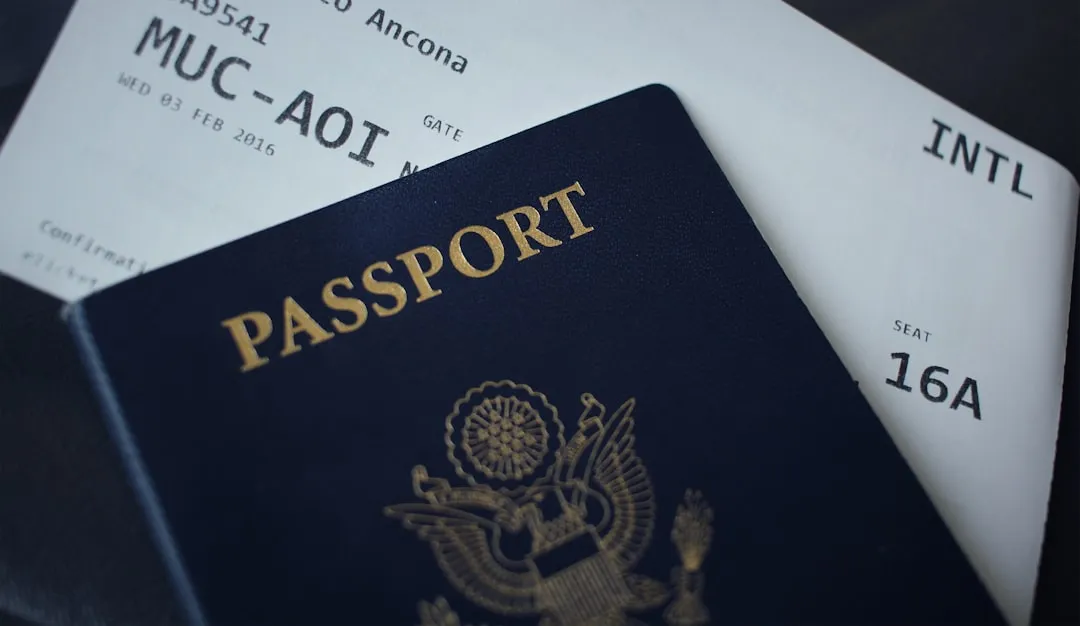
Some countries do implement stiffer requirements after the traveler has stayed a certain length of time, typically 30, 60, 90, or 180 days. Visa-free doesn’t mean boundary-free. Immigration officers at any destination retain the right to ask questions, request documentation, and in some cases deny entry to travelers who can’t demonstrate clear travel intent.
Some countries require additional authorization despite visa-free access, such as electronic travel approvals for the United Kingdom, Israel, and Australia, or visas on arrival in destinations like Egypt, Nepal, and Tanzania. The landscape is always shifting, and what was true two years ago isn’t always true today.
The safest habit before any international trip is to check the U.S. Department of State’s official travel portal, which publishes current entry requirements by country. Pay careful attention to expiration dates, as several dozen countries require you to have a minimum number of months left on your passport beyond your travel dates. Renew early if there’s any doubt.
What “Visa-Free” Actually Means in Practice
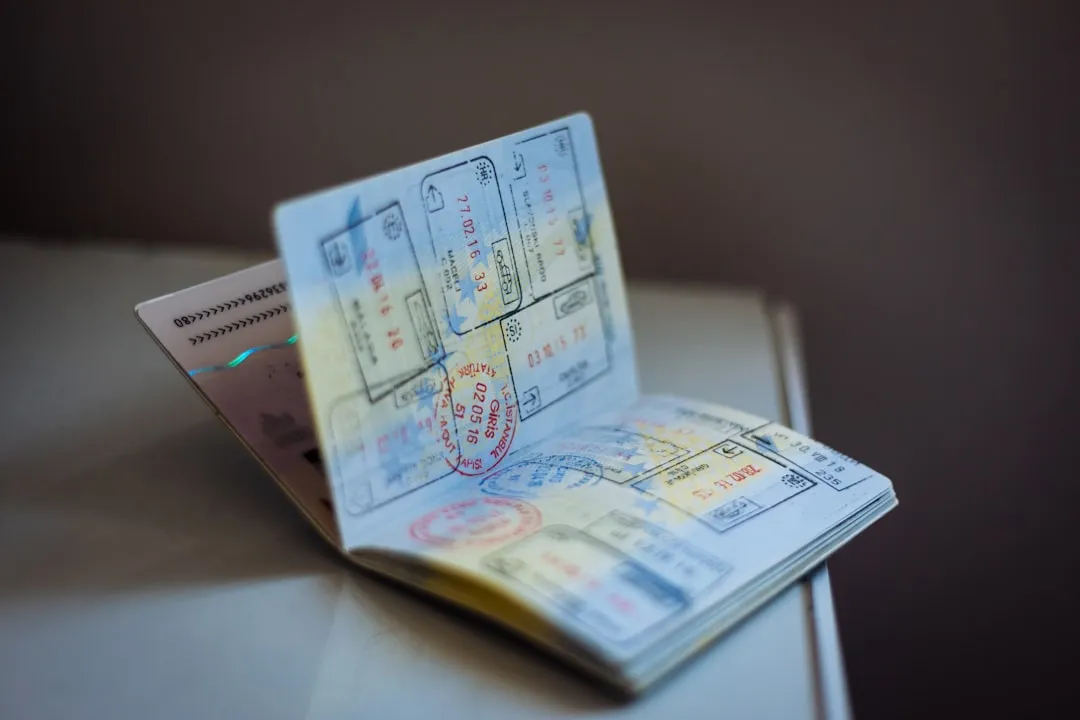
Visa-free travel is a policy that allows a person to enter a country without the need to apply for a visa in advance. For American citizens, this means they can visit certain countries with just a valid passport, without going through the often time-consuming and costly visa application process. Such policies are usually granted for short stays, such as tourism or business, with the duration depending on the regulations of each destination.
It’s also worth remembering that visa-free access covers tourism and short-term business, not relocation, employment, or long-term study. U.S. citizens traveling for business or study may be required to get a business or student visa. The entry stamp at the border is the start of a legal framework, not an open invitation to stay indefinitely.
Overstaying a visa-free visit, ETA, or entry permit can lead to immediate removal or deportation, future travel bans, fines, or refusal of reentry. Respecting these rules is both a legal obligation and a matter of basic courtesy toward the countries that extend this access.
Colombia and South Korea: Two More Worth Highlighting

Colombia and South Korea both offer visa-free entry for Americans and deserve a mention beyond the headline six. South Korea, Japan, and many Caribbean countries permit 90 days of visa-free access, placing Seoul comfortably within reach for American travelers interested in East Asia without the crowds that major Japanese cities now attract.
Colombia has steadily grown as a destination for Americans over the past decade, and visa-free entry makes that exploration straightforward. Colombia is among the countries in the Americas where U.S. passport holders can travel without a visa. Medellín, Cartagena, the coffee region, and the Amazon basin together represent a country of remarkable geographic and cultural range.
Both countries reward travelers who move at a considered pace rather than rushing through a checklist of highlights. And both, importantly, remain genuinely welcoming of American visitors.
The Bigger Picture: A Passport Worth Using Thoughtfully
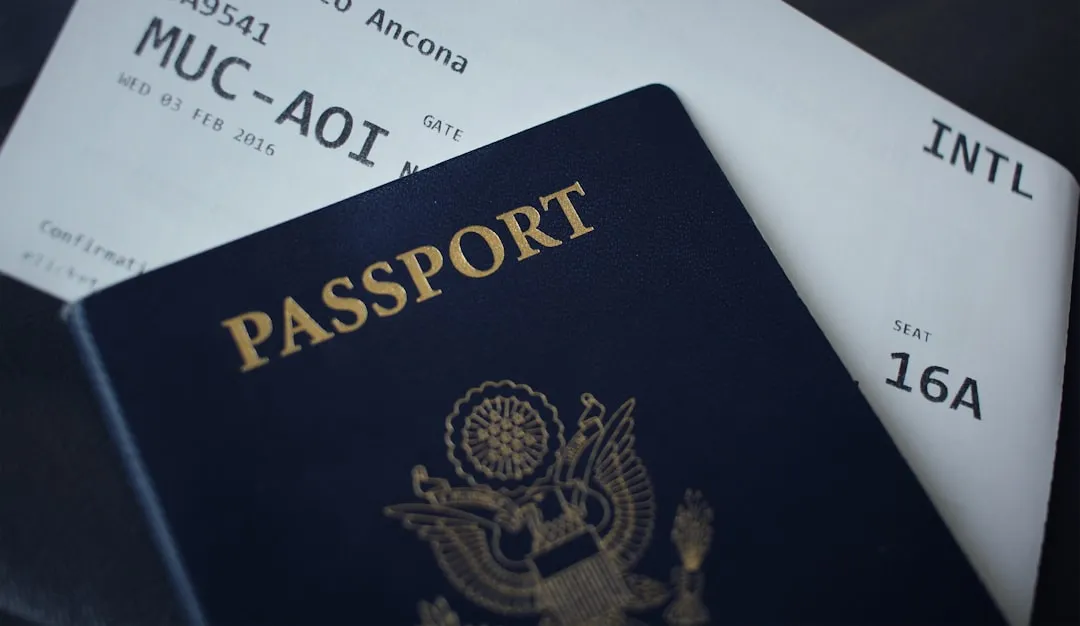
The reach of an American passport is real and worth appreciating. Holding a passport from the United States gives travelers one of the highest levels of global travel freedom in the world, allowing American citizens to enter many countries without applying for a traditional visa before travel. That’s a privilege that roughly half the world’s passport holders don’t share.
Travel across these six countries, and many others besides, asks something in return: preparation, awareness of local customs, and a willingness to engage with places on their own terms. The 30-day window in Uzbekistan is tighter than a month in Mexico, but both deserve genuine attention rather than rushed itineraries.
The best use of a strong passport isn’t speed. It’s depth. Fewer places, longer stays, and the kind of slower travel that actually leaves something with you when you come home.
AI Disclaimer: This article was created with the assistance of AI tools and reviewed by a human editor.