

There’s something quietly remarkable about standing at the base of a structure that has been doing the same job, without interruption, for more than two centuries. Most buildings of that age have been repurposed, demolished, or forgotten. This one still flashes its signal every six seconds across Lake Erie. Marblehead Lighthouse in Ohio is that rare thing: a working piece of history you can actually enter, climb, and stand inside.
The lighthouse draws visitors from across the country each year, and its story goes well beyond its famous silhouette. From its origins in a congressional debate about dangerous waters to the woman who stepped up to keep the light burning after her husband’s death, Marblehead has accumulated two hundred years of stories worth knowing before you make the climb.
Built From Limestone by Three Men in Eleven Weeks

The history of this lighthouse began in 1819, when the fifteenth U.S. Congress allocated $5,000 for the construction of a light tower on the Marblehead Peninsula to guide vessels into Sandusky Bay and to help them safely navigate the treacherous southern passage that runs between the Ohio mainland and a cluster of offshore islands. That budget, modest even by the standards of the early republic, left little room for grand ambitions.
William Kelly and a crew of two men began construction of the conical tower in September 1821 on an outcropping of limestone on the northern tip of the peninsula, and in November the rocky shoreline was home to a fifty-foot tower with wooden ladders leading to its lantern room. Eleven weeks from start to finish. The lighthouse was built as a fifty-foot tower made of local limestone quarried at the tip of the Marblehead Peninsula. Its base is twenty-five feet in diameter, with five-foot thick walls at the base, gradually narrowing to twelve feet in diameter at the top, with two-foot thick walls.
The Oldest Continuously Operating Lighthouse on the Great Lakes
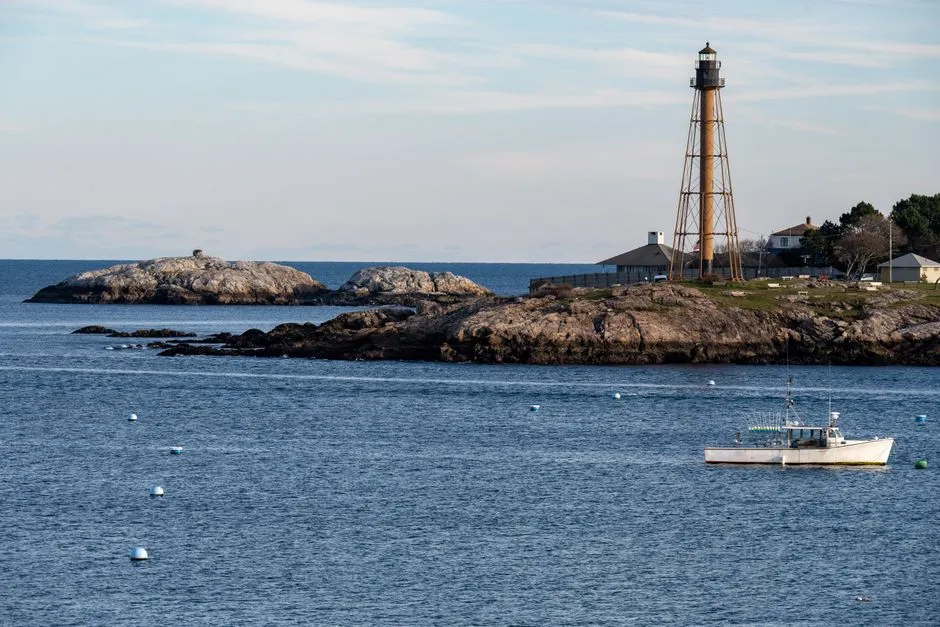
Built in 1821, the Marblehead Lighthouse stands as the oldest lighthouse in continuous operation on all of the Great Lakes. That distinction is not ceremonial. The light has never gone permanently dark, through storms, wars, automation debates, and two centuries of changing technology. The Marblehead Lighthouse has been guiding sailors safely since 1822, making it the oldest continuously operating lighthouse on the Great Lakes.
It has been featured on a U.S. postage stamp, has appeared on Ohio’s license plates, and is now part of the Ohio State Parks system. Those are the kinds of honors usually reserved for things people fear losing. In Marblehead’s case, the recognition arrived while the lighthouse was still very much alive.
Thirteen Whale Oil Lamps and the First Keeper
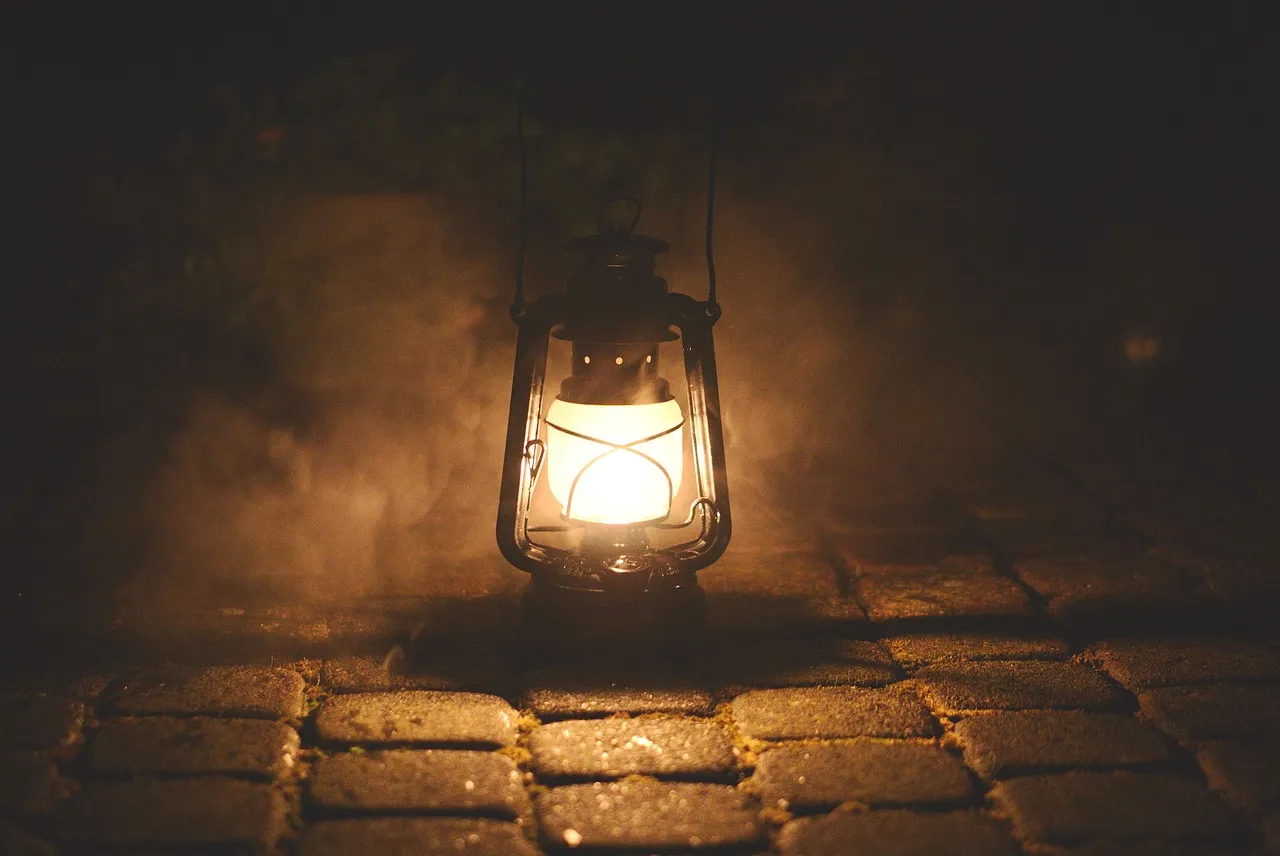
Benajah Wolcott, a Revolutionary War veteran and one of the first settlers on the peninsula, was the first keeper. He and his family lived in a small stone home on the Sandusky Bay side of the peninsula. Each night, he lit the wicks of the thirteen whale oil lamps that were the original light fixture, with sixteen-inch-diameter metal reflectors helping to project the light across the lake.
Other duties of the lighthouse keeper included keeping a log of passing ships, noting the weather conditions, and organizing rescue efforts. He worked for an annual salary of $350.00 and held the position for ten years before passing away from cholera. It was demanding, isolated work, and Wolcott performed it until his death in 1832.
Rachel Wolcott: The First Female Lighthouse Keeper on the Great Lakes
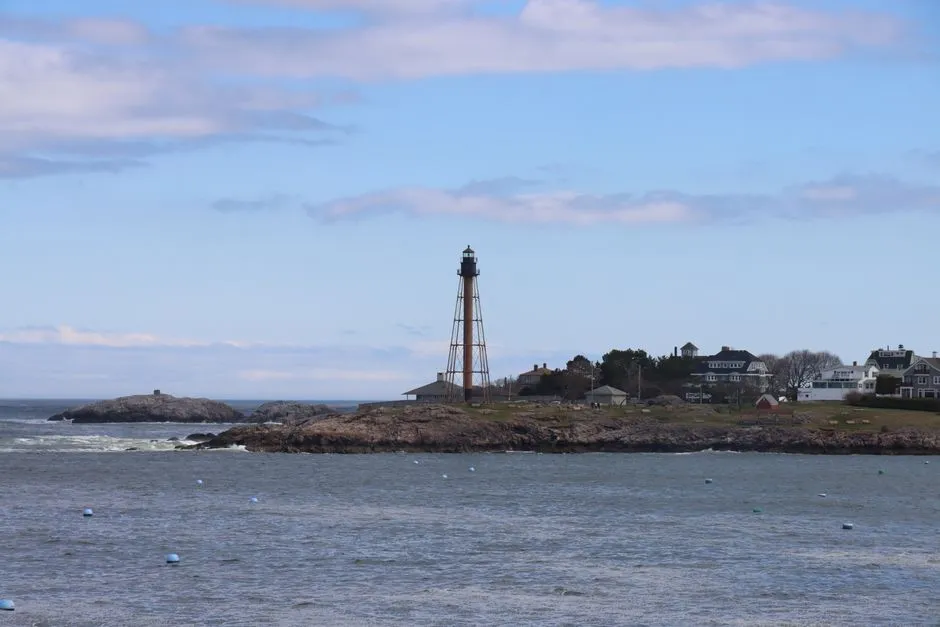
Benajah Wolcott was keeper of the lighthouse until his death due to cholera in 1832 at the age of seventy. At that point the Treasury Department appointed the most obvious and capable replacement it could. Benajah’s wife, Rachel, became the first female lighthouse keeper on the Great Lakes on October 25, 1832.
With Benajah’s death, his wife Rachel took over his responsibilities of tending the lighthouse throughout the year except for those months when Lake Erie was frozen, when ships didn’t sail. The light has had additional female keepers, including Johanna McGee, the second female keeper, who replaced her husband George after his death and went on to serve until 1903. Two women in the story of one lighthouse tower is a legacy that rarely gets the attention it deserves.
A Tower That Grew Taller Over Time
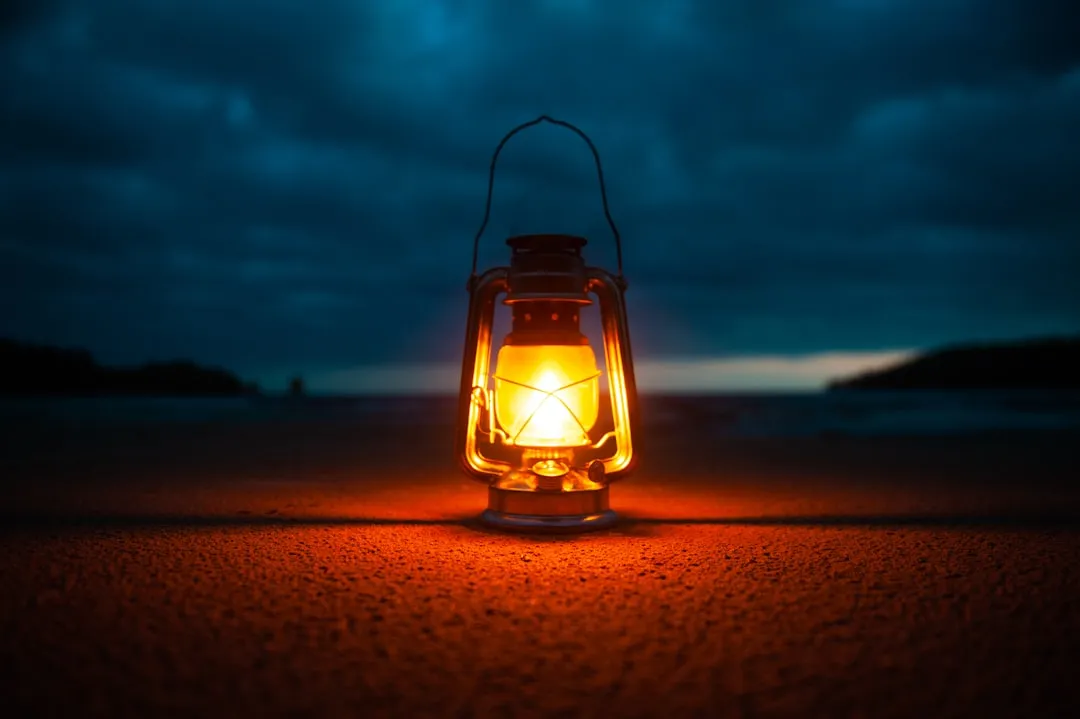
Between 1897 and 1903, the tower’s height was increased fifteen feet by the addition of a watchroom and new lantern room. A new, larger, rotating Fresnel lens apparatus powered by a clockwork produced a bright flash of light every ten seconds. Through the night, the keeper had to crank the weight to the top and adjust the timing every three hours to keep the lens rotating on schedule.
An electric light finally replaced the kerosene lantern in 1923, dramatically increasing the candlepower of the signal. The transition from whale oil to kerosene to electricity maps neatly onto broader American history, and the lighthouse quietly witnessed all of it. The lighthouse was automated and given a fresh coat of stucco in 1958.
What the Light Looks Like Today

The whale oil lamps are long gone, but the U.S. Coast Guard operates and maintains the green beacon, now an LED light that can be seen for eleven nautical miles. The character of the signal, a green flash every six seconds, is intentional. Today’s 300mm lens projects a green signal visible up to eleven nautical miles and flashes every six seconds; the green color distinguishes the signal from flashing nearby airport beacons.
In 1998 the State of Ohio assumed ownership of the lighthouse. The U.S. Coast Guard continues to maintain the light itself, while the park and grounds are managed separately. The arrangement has kept the lighthouse both historically preserved and functionally active, which is a harder balance to strike than it sounds.
The Climb: 77 Steps to the Top
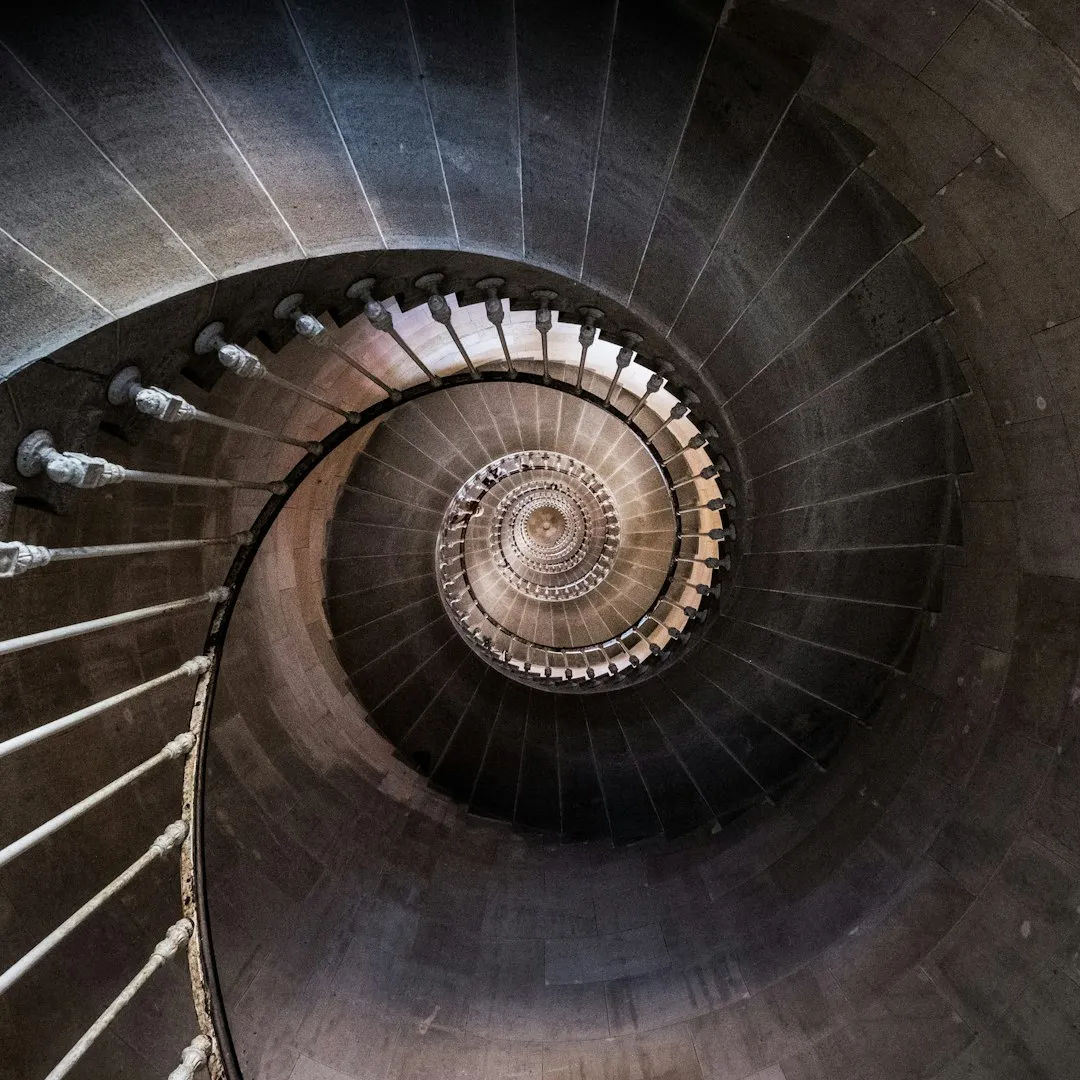
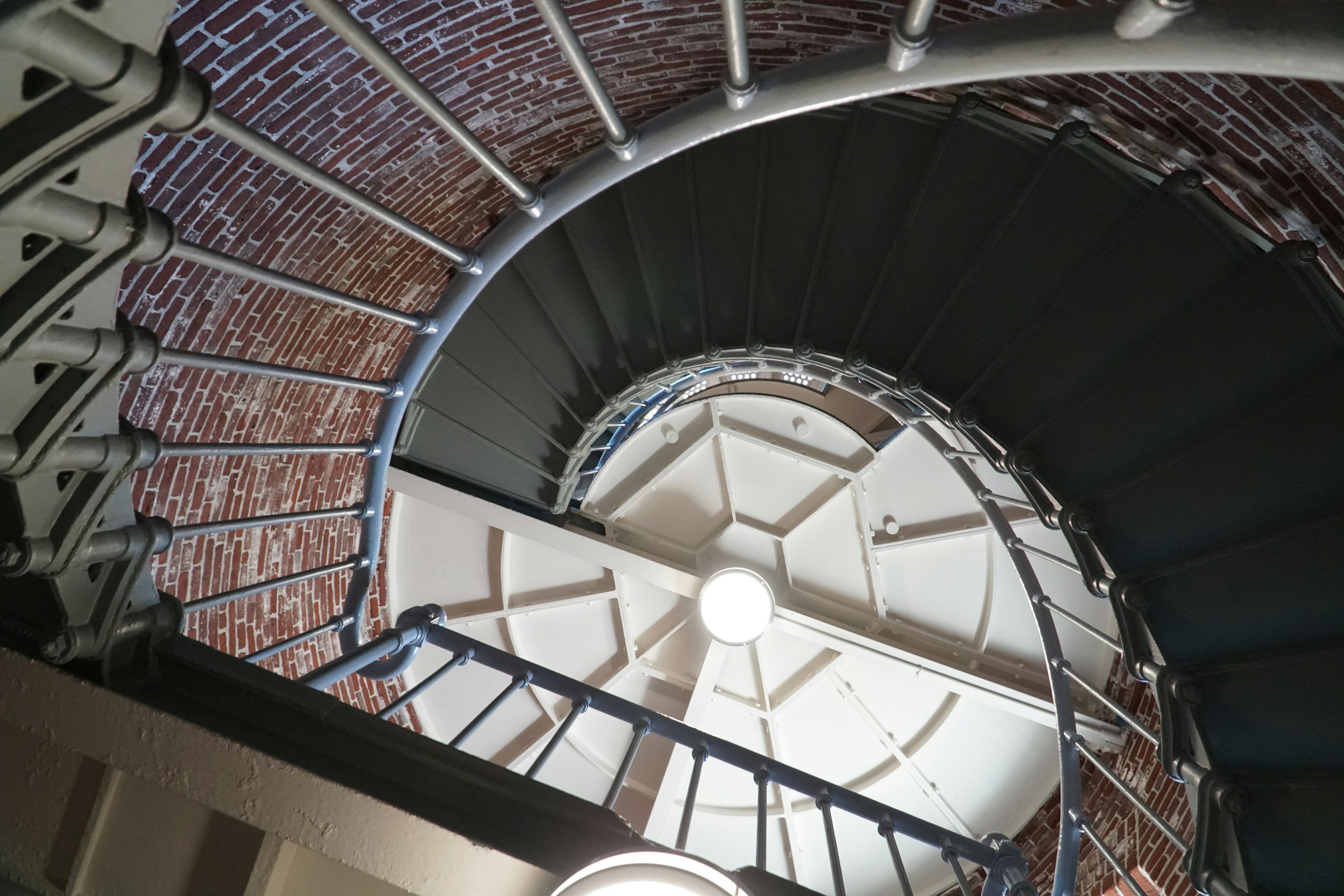
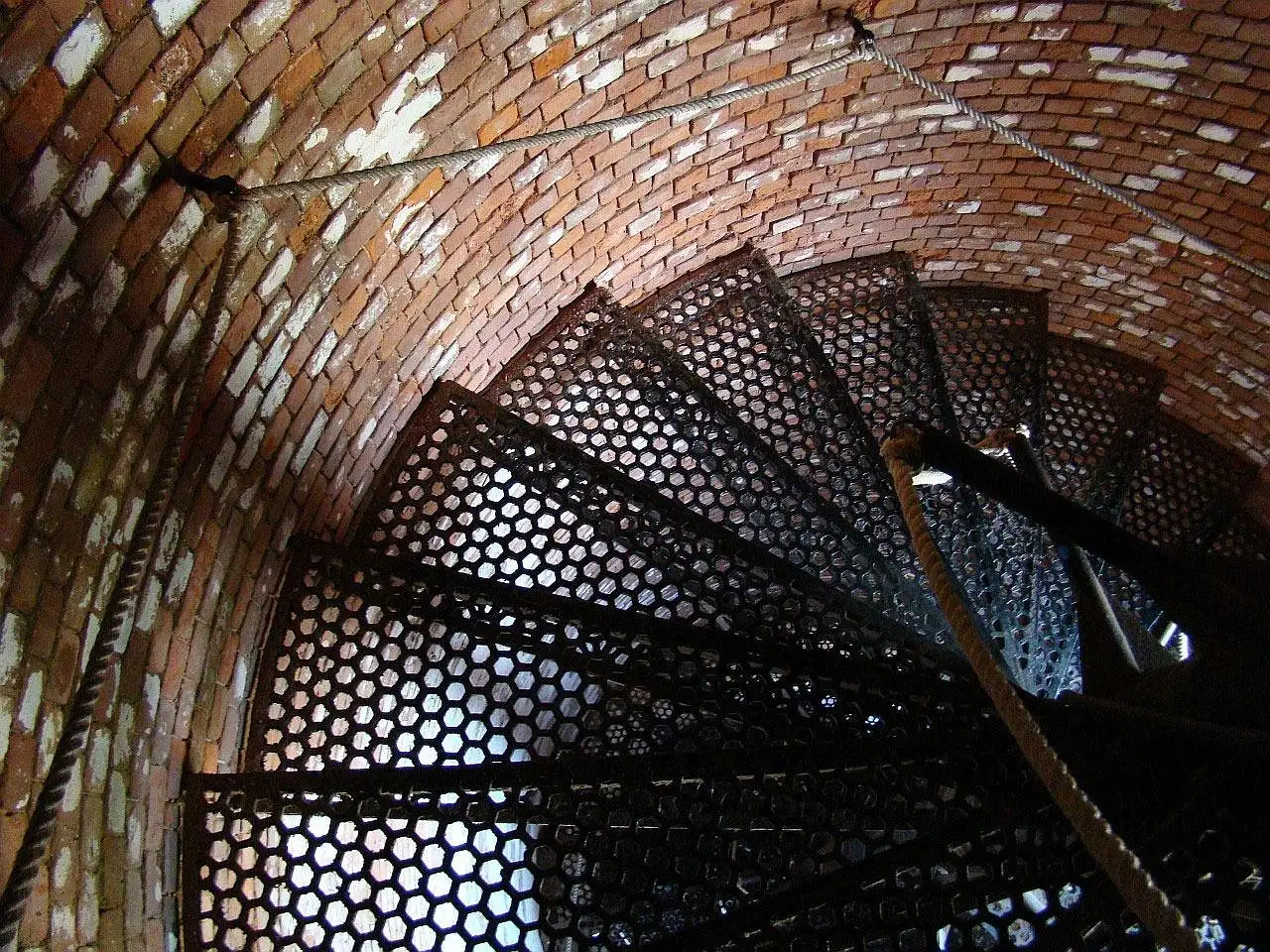
The lighthouse has a rare three and a half order Fresnel lens and an early 1900s functional iron staircase with 77 steps, which is still in use. Those stairs have been carrying visitors upward for well over a century, and the Marblehead tower is accessed by iron stairs from the early 1900s, and the ironwork is considered a thing of beauty.
For just $5, you can climb all 77 steps to the top and take in a breathtaking panoramic view of Lake Erie that stretches as far as the eye can see. From the gallery at the top, on a clear day, you can see views of Lake Erie, Sandusky Bay, Kelleys Island, and South Bass Island. It’s the kind of view that makes the climb feel well-earned.
The Museum, the Keeper’s Cottage, and the Surrounding Park
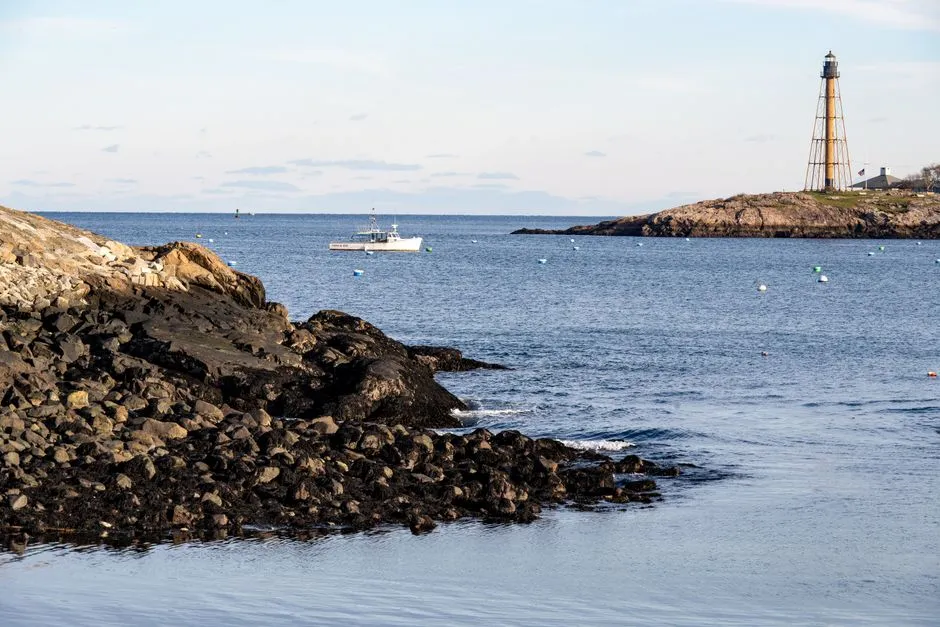
The museum and restored buildings bring the history to life, from the modern working beacon to the cannon-fired rescue rope and lifesaving boat. The Keeper’s House is now a museum and gift shop. This house is the second to be built onsite and was constructed in 1880.
Before heading up the lighthouse stairs, visitors are treated to a short but genuinely fascinating history presentation in the on-site theater room. Today, the lighthouse is part of the nine-acre Marblehead Lighthouse State Park, which is operated by the Marblehead Lighthouse Historical Society. The grounds invite you to slow down, walk the rocky shoreline, and absorb the setting rather than simply photograph it and move on.
When to Visit and How to Plan Your Trip

Although visitors may climb to the top of the Marblehead Lighthouse and visit the museum from Memorial Day to Labor Day, it is still a treat to see during the off-season. The lighthouse grounds remain open year-round, so a winter visit along the frozen Lake Erie shore carries its own quiet appeal.
Marblehead Lighthouse was the focal point for the 29th Annual Lakeside-Marblehead Lighthouse Festival in October 2025. This peninsula-wide celebration offers fun for all ages, featuring over 100 arts and crafts vendors, a pumpkin-decorating contest, hayrides, a farmers’ market, children’s crafts, and tours of the Marblehead Lighthouse and the Wolcott Keeper’s House. If you want to combine history with a full day out, the festival timing is worth planning around.
Half a Million Visitors and a Stamp of National Recognition
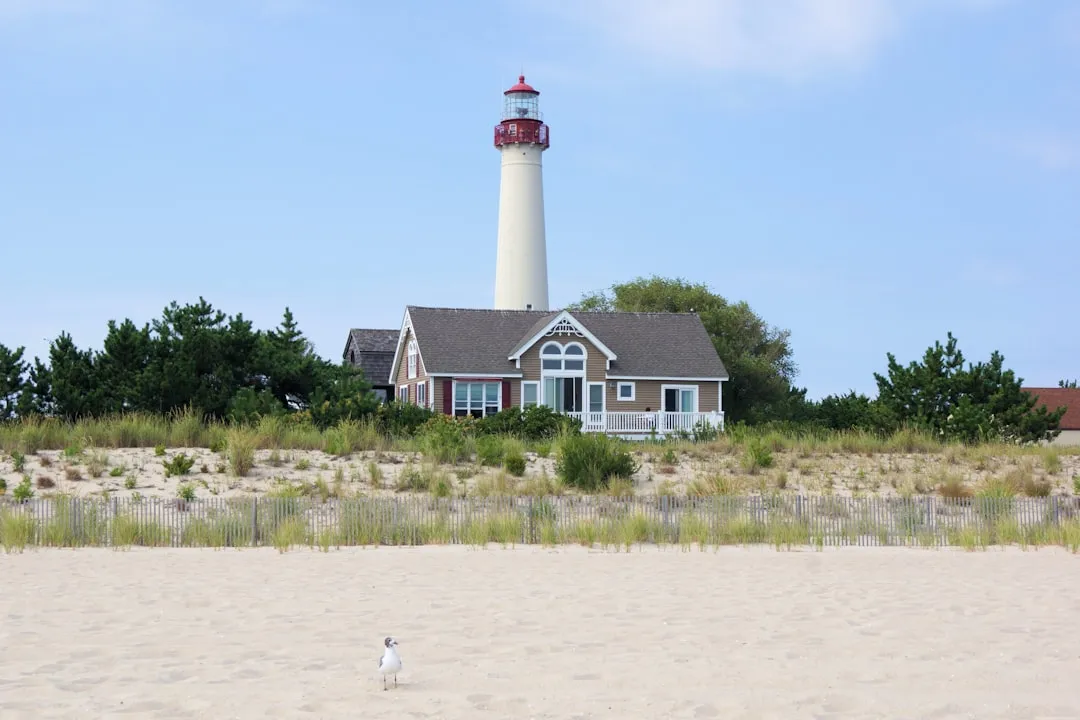
Each year more than 500,000 visitors come to this historic Ohio landmark. For a small peninsula on the southern shore of Lake Erie, that is a remarkable number, and it speaks to how effectively the site balances accessibility with authentic historical character. The lighthouse is considered to be the best-known and most-photographed landmark on Lake Erie.
The Cape May Lighthouse is listed in the State and National Registers of Historic Places, and Marblehead shares that kind of formal recognition as well, having been added to the National Register of Historic Places in December 1969. Few American landmarks have managed to stay this relevant while remaining this genuinely old.
A Light That Has Never Really Stopped
What makes Marblehead worth a visit isn’t nostalgia, exactly. It’s the peculiar satisfaction of experiencing something that was built for a purpose and has simply never stopped fulfilling it. The light still rotates. The stairs are still climbed. The lake still stretches out below.
Two centuries of storms, keepers, wars, and technological revolutions have passed by this small limestone tower on a rocky Ohio peninsula, and none of them managed to put it out. That’s a more quietly moving story than most historic sites can offer, and it costs five dollars and 77 steps to feel it firsthand.
AI Disclaimer: This article was created with the assistance of AI tools and reviewed by a human editor.