
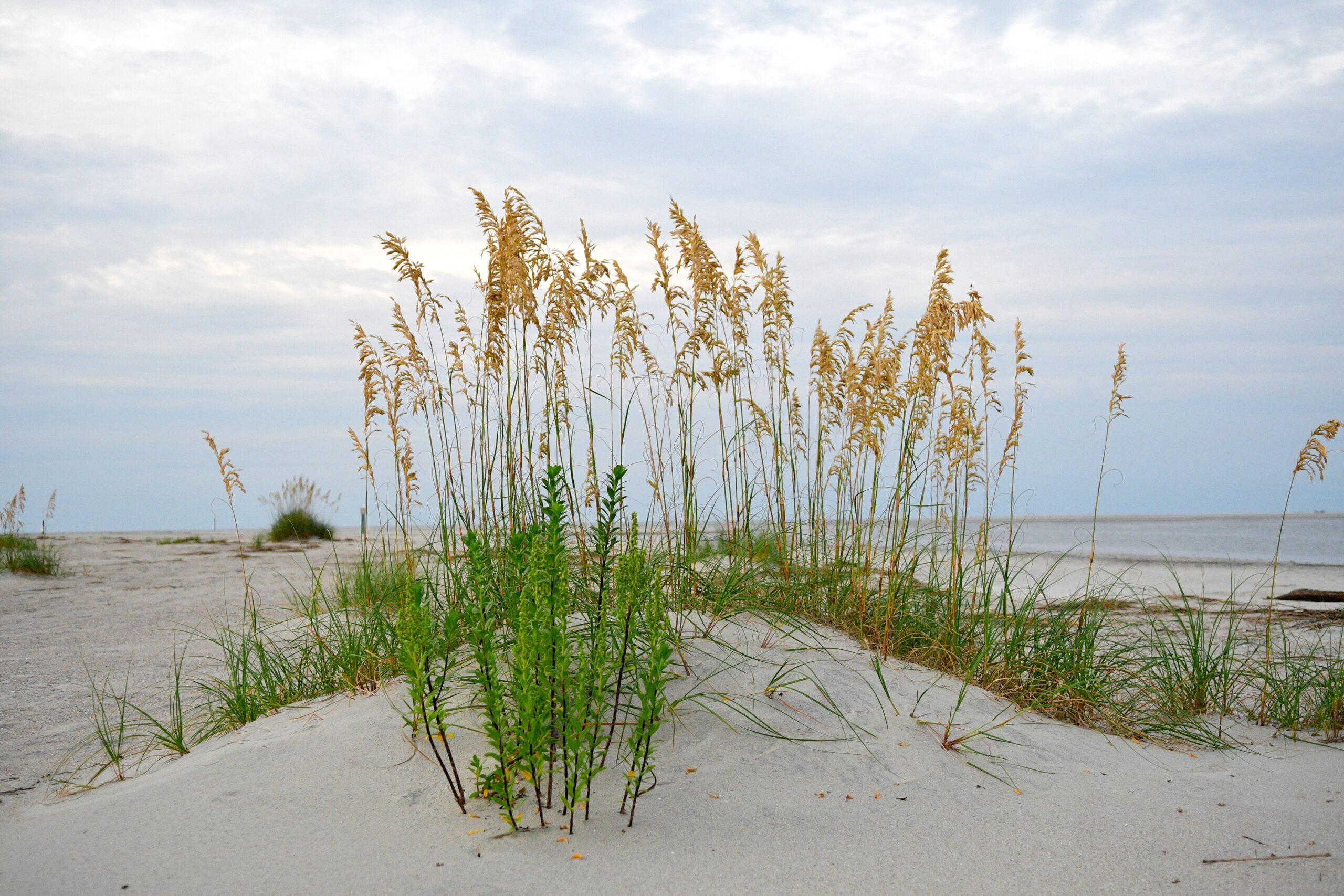

There’s a stretch of the American coastline that most people drive right past. Heading south on I-95, with Florida on the mind, travelers barrel through Georgia’s pinelands without a second thought. Yet just ten miles to the east, something remarkable waits. Georgia’s barrier islands have quietly held their ground as one of the most intact and beautiful coastal systems in the entire eastern United States.
What makes these islands feel so different from anywhere else on the Atlantic seaboard isn’t one single thing. It’s the combination: Spanish moss trailing over ancient live oaks, tidal marshes stretching nearly to the horizon, beaches that haven’t been scraped flat for condominiums. Coastal Georgians who grew up here know this well, and most of them are perfectly happy you keep driving.
A Chain of Islands Unlike Anything on the East Coast
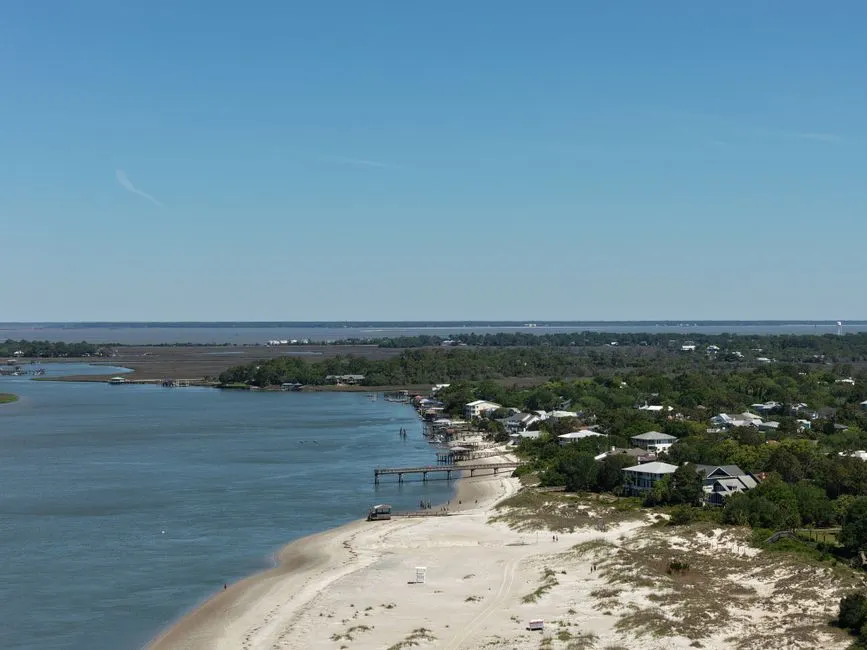
Eight clusters of thirteen barrier islands stretch from the Savannah River to the St. Mary’s River, forming nearly 100 miles of Georgia’s coastline. Georgia’s coast holds nine major estuaries, 14 barrier islands, and some 400,000 acres of salt marsh, which represents about a third of all salt marsh along the entire Atlantic coast.
Unlike many of America’s shorelines, whose beaches and barrier islands are being lost to development, many of Georgia’s islands still retain much of their native wilderness. Approximately two-thirds of the islands are state and national parks, wildlife refuges, research reserves, and heritage preserves. That figure alone sets Georgia apart from almost every other coastal state in the South.
A barrier island is defined as a long, offshore, dune-covered deposit of sand lying roughly parallel to and separated from the mainland by a shallow sound and salt marsh, with individual islands separated from each other by tidal inlets. Reshaped consistently by wind, currents, and tides, these barrier islands protect the mainland coastal zone from the forces of storms and hurricanes.
The Golden Isles: Named the Number One U.S. Islands in 2026
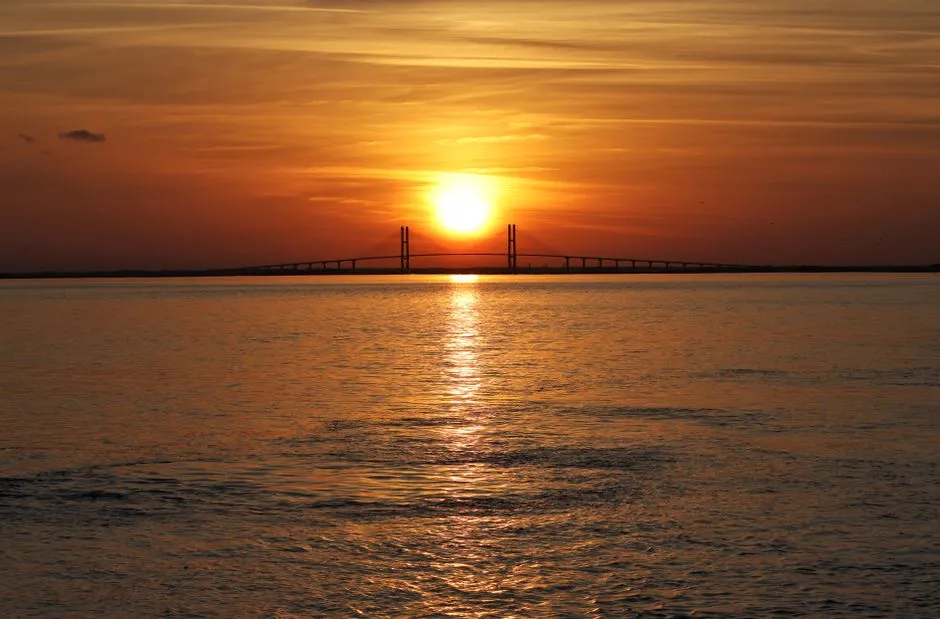
Nestled on the Georgia coast, midway between Savannah and Jacksonville, Florida, lie the mainland city of Brunswick and its four beautiful Georgia barrier islands: St. Simons Island, Sea Island, Little St. Simons Island, and Jekyll Island. The Golden Isles were named the number one Best U.S. Islands in the 2026 Travel + Leisure World’s Best Awards.
Unlike other commercialized beach destinations, the Golden Isles have preserved their coastal charm and natural environment. Moss-draped oaks, quiet marshlands, and unspoiled beaches provide the backdrop to a relaxing yet active getaway.
The Golden Isles carry a rich and storied history: Spanish explorers seeking gold originally descended upon the territory more than 400 years ago, only to find golden islands rather than gold. Astonishing beauty, mild weather, and a natural radiance inspired the area’s name. It’s a story that captures the place perfectly. Visitors still arrive expecting one thing and leave with something far better.
St. Simons Island: The South’s Best Beach Town
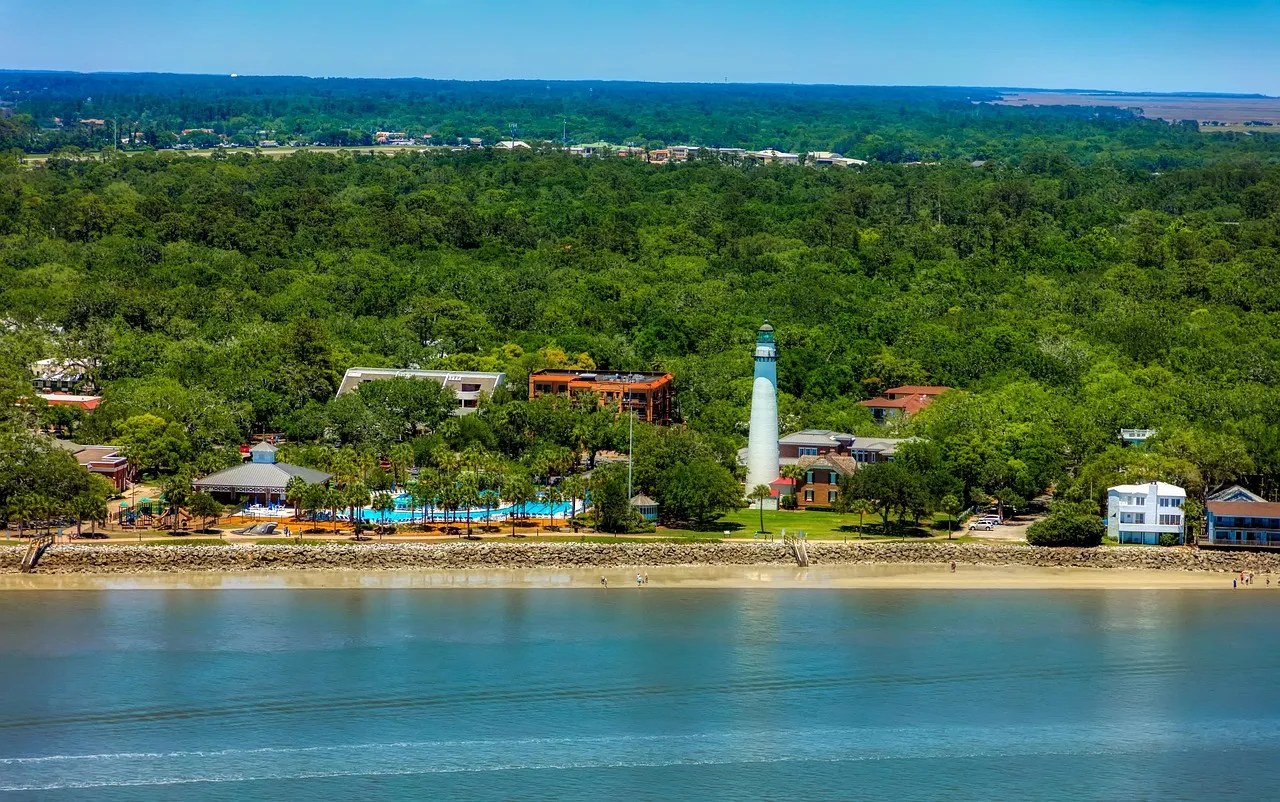
St. Simons Island was named the number one underrated U.S. vacation spot by U.S. News & World Report. Southern Living named it the South’s Best Beach Town for 2025. For a place so often overlooked by out-of-state visitors, that’s a meaningful pair of recognitions.
Though the largest Golden Isle is a summer staple for Georgians, it’s often overlooked by out-of-state beachgoers in favor of Florida and South Carolina locales. This dreamy barrier island is home to stately live oaks, dune-lined beaches, maritime forests, and quaint shopping villages, lending it a peaceful, laid-back atmosphere even during peak season.
The largest of the barrier islands, St. Simons Island has something for everyone. Wide beaches, ancient maritime forests, and quiet marshes beckon to nature lovers. Spend one morning biking through maritime forest and one afternoon standing at the base of a lighthouse built in 1872, and you start to understand why Georgians keep coming back.
Jekyll Island: Conservation Woven Into the Law
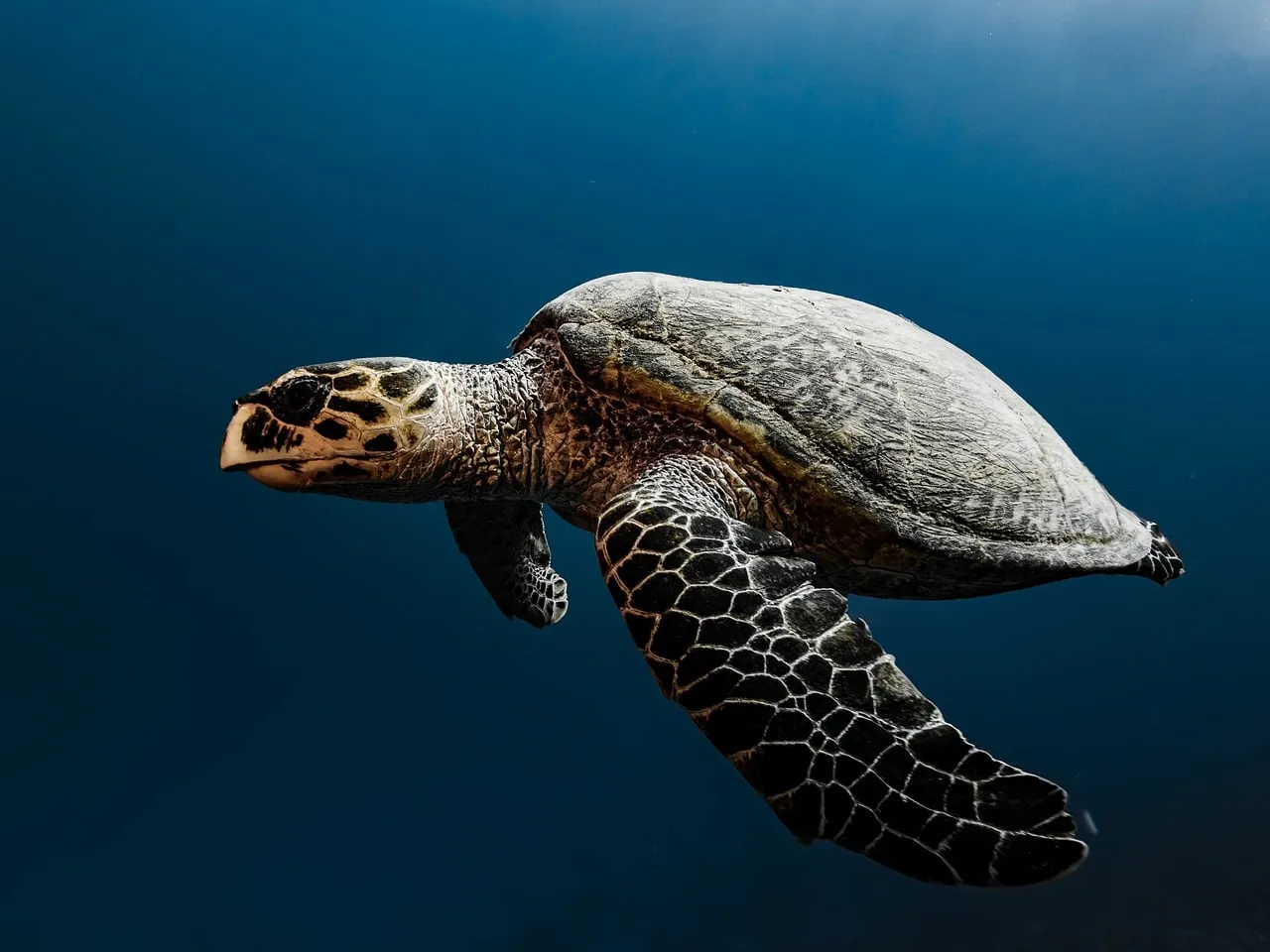
Jekyll Island used to be a super exclusive winter getaway for America’s richest families, but now it’s a place everyone can enjoy. There are strict limits in place to preserve the natural beauty. Wealthy northern industrialists owned Jekyll Island and used it as a secluded winter getaway until 1947, when Georgia officials bought it and opened a state park. The Georgia Legislature in 1971 passed a law mandating that 65 percent of the island remain undeveloped.
Visitation to Jekyll Island has topped three million people each of the last two fiscal years and was on pace to set a new record in 2024. Visitors are drawn to the unique natural and undeveloped character of Jekyll Island, a destination that allows people to truly immerse themselves in nature and escape their busy lives for a day, a week, or longer.
By the close of the 2024 season, Jekyll Island hosted an impressive 153 sea turtle nests, yielding an estimated 8,478 hatchlings from 58 individual nesting females. The first nest in Georgia during that season was laid on Jekyll, just off the Glory Beach Boardwalk, high atop a dune crest. This early nest underscores the island’s pivotal role in sea turtle species recovery.
Cumberland Island: Wild, Quiet, and Deliberately Hard to Reach
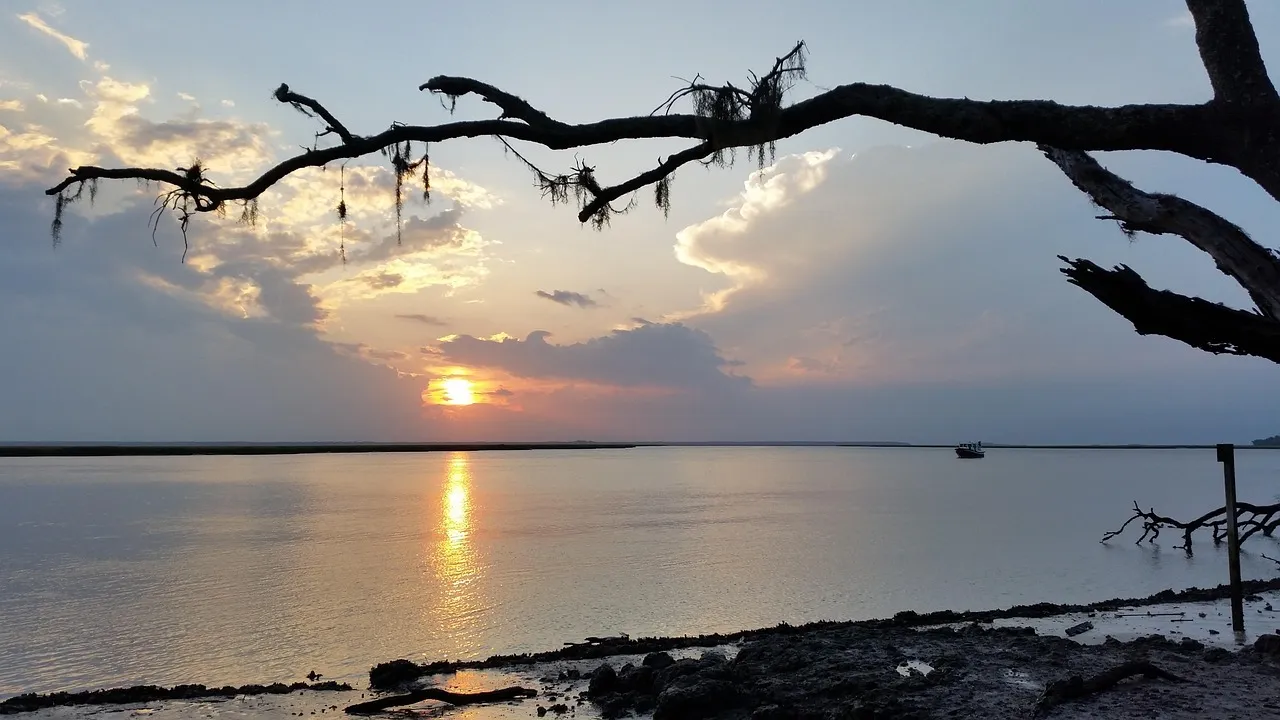
Cumberland Island is 17.5 miles long and totals 36,415 acres, of which 16,850 are marsh, mud flats, and tidal creeks. Access is by ferry or private boat. The ferry departs from St. Marys, Georgia, and requires advance reservations due to a daily visitor cap. That intentional barrier keeps the crowds away and preserves the feeling of genuine remoteness.
Cumberland Island remains nearly 75 percent wild due to conservation efforts and its designation as a National Seashore. The area is home to more than 500 distinct plant species, 300 species of birds, and mammals, reptiles, and amphibians ranging from endangered loggerhead sea turtles to alligators to armadillos.
Approximately 150 feral horses, descended from Carnegie and Rockefeller estate horses, roam the island freely. In cooler months from October through April, they frequently graze on beach dunes and in forest clearings, making for extraordinary photography. Historic sites include the haunting ruins of Dungeness Mansion and the elegant Plum Orchard Estate.
A Salt Marsh System That Feeds the Entire Coast
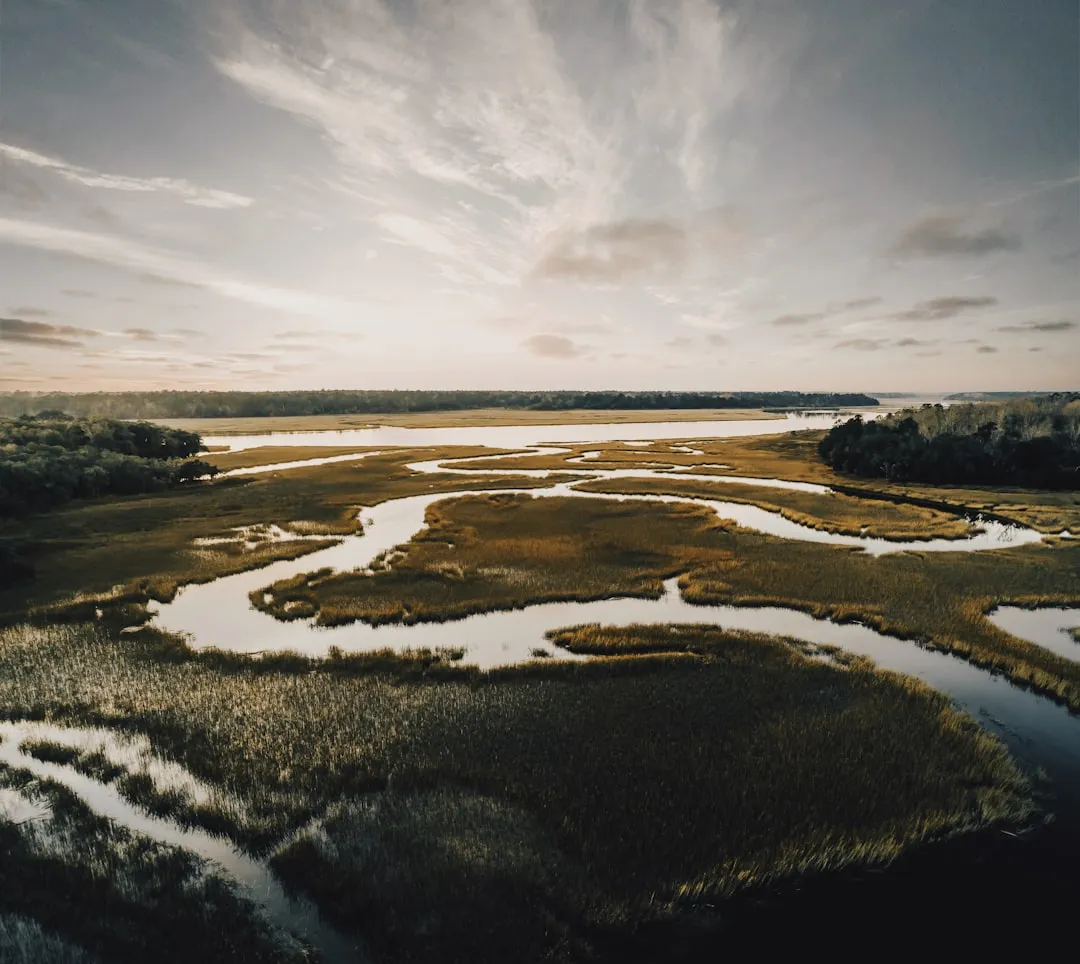
Barrier islands are known for both their popular recreational beaches and pristine tidal marshes that extend inland for nearly ten miles. These areas, filled with grasses, silt, and clay, provide habitat for a variety of plants and animals and are among the most biologically productive natural systems on Earth.
Salt marshes are home to the highest number of plant species, with grasses, shrubs, and glasswort occupying much of the marshland. The predominant plant species is Spartina alterniflora, smooth cordgrass. It is a constant food source for many species.
Freshwater sloughs in the forest interior are usually seasonal or year-round ponds filled with rainwater. These wetlands provide important habitat for alligators, water birds, otters, and other island wildlife. The marsh isn’t scenic backdrop. It’s the engine that keeps the whole ecosystem running.
A Critical Stopover for Migratory Shorebirds
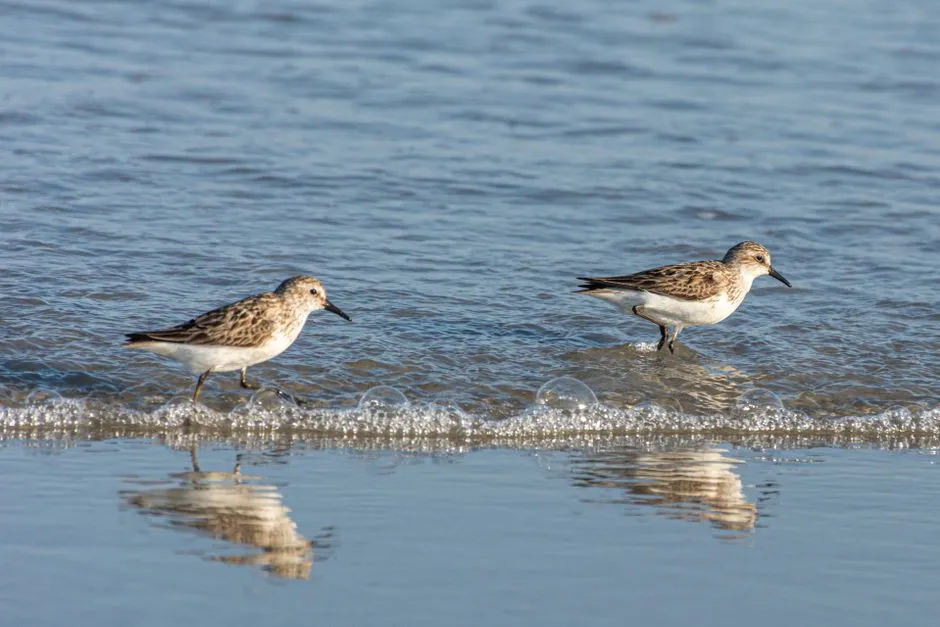
The Georgia Barrier Islands landscape was designated a Hemisphere Shorebird Reserve Network site because it holds more than 30 percent of the biogeographic population of the rufa Red Knot and of the Great Lakes breeding population of the Piping Plover.
Based on a band resighting study, the stopover population of rufa Red Knot on southward migration has been estimated at 23,400 birds, while up to 13,775 birds have been documented using the area during northbound migration. Those numbers reflect why ornithologists and birders increasingly consider coastal Georgia a premier destination.
The area also holds more than 10 percent of the biogeographic populations of American Oystercatcher, Short-billed Dowitcher, and Black-bellied Plover. Other noteworthy attributes include one of the largest spring gatherings of Whimbrel in North America, and impressive numbers of wintering shorebirds.
Sapelo Island: Gullah Geechee Heritage and Unspoiled Coast
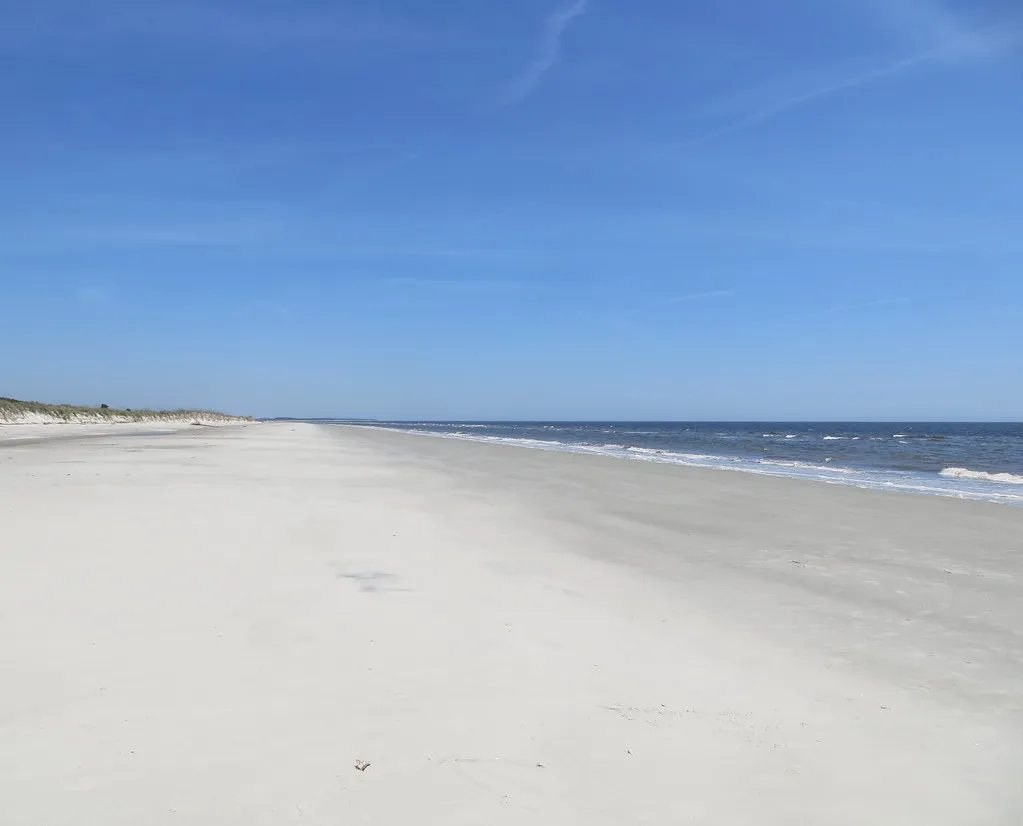
This incredible barrier island was navigated by early Spanish explorers, and in the 1800s became a Sea Island cotton plantation. Upon the owner’s death, the enslaved people who worked there were freed and became part of the Geechee community that still inhabits the island today. That living cultural continuity is rare, and it makes Sapelo deeply significant in ways that go far beyond scenery.
Today, Sapelo Island is only accessible by a state-run ferry. Visitors can go on an organized tour to learn about the area’s history, including stops at Hog Hammock and the 1820s lighthouse. Groups can stay at the Cabretta campground, a basic site tucked among the live oak trees in the R.J. Reynolds Wildlife Refuge.
Sapelo asks something of its visitors. The limited access, the guided format, the quiet pace: all of it encourages a kind of respectful attention that the island genuinely deserves. Few places in the American South carry this much layered history in one place.
The Living Landscape: Maritime Forests and Shifting Dunes
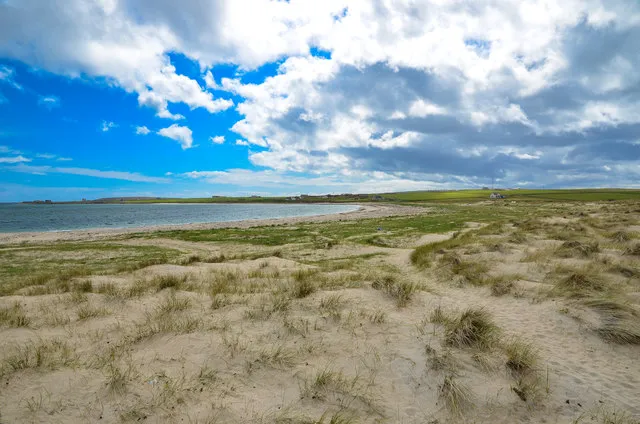
Few places have such expansive beaches with meadows adorned with wildflowers and dunes topped with golden sea oats swaying in the sea breezes. On the western side of the barrier islands are vast green marshes lined with dark green needle rush, cedars, and cabbage palms. Capturing attention are the live oaks with their burly trunks and spreading crowns festooned with Spanish moss.
Barrier islands are constantly changing shape. Storms, waves, winds, sea level changes, and more all impact their formation. Waves and storms can erode dunes, and currents can move sand from one end of an island to another. This is a living landscape, not a fixed postcard. Every visit is genuinely different from the last.
Despite having poorer soil than other eastern coastal regions, Georgia’s barrier islands are home to hundreds of plant species. These plants, spread throughout beach communities, marshes, maritime forests, and sloughs, are quite hardy and have adapted to survive extreme conditions.
A Place That Rewards Restraint
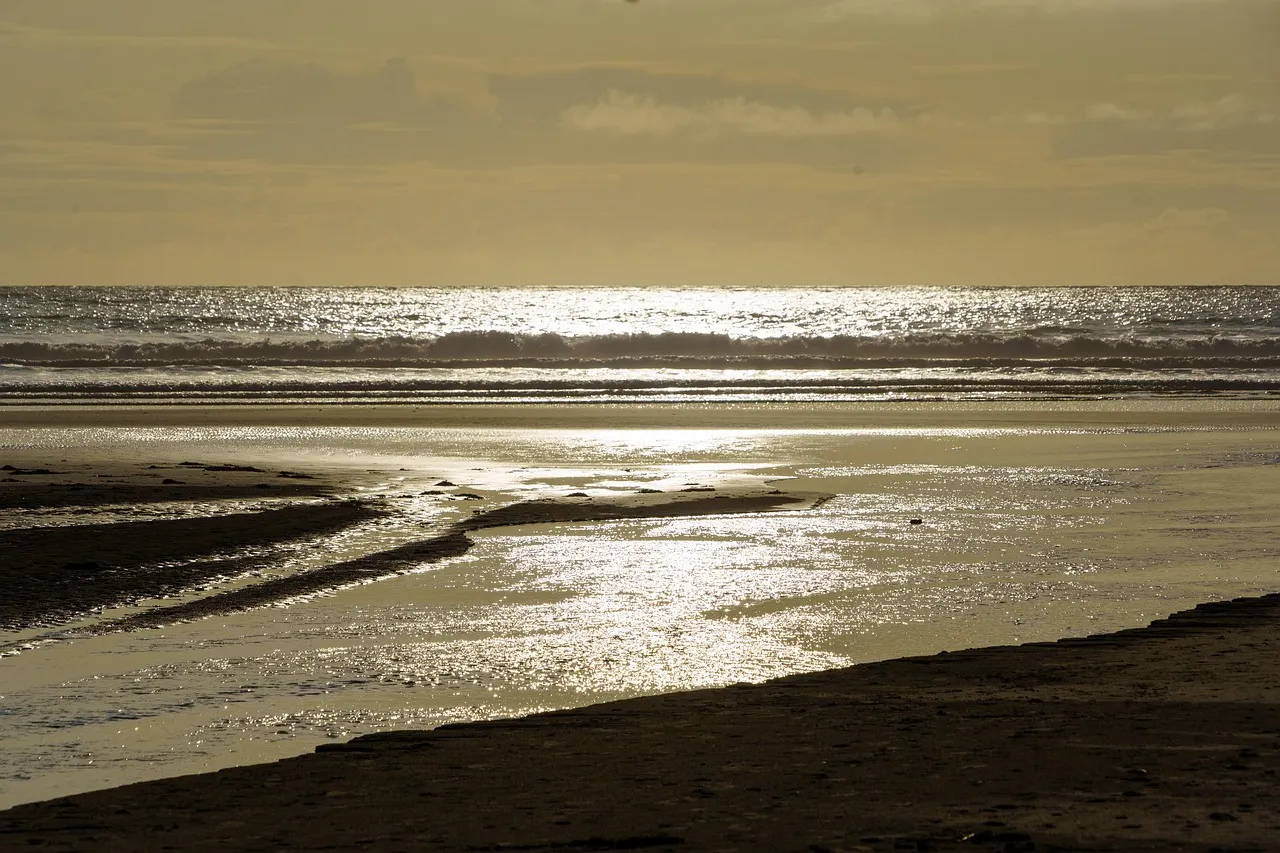
Often considered the East Coast’s best-kept secret, the Golden Isles is a cluster of barrier islands including St. Simons Island, Sea Island, Jekyll Island, and Little St. Simons. The islands’ laid-back elegance and Southern hospitality make the area ideal for couples, families, and solo travelers alike.
Visitors are attracted to the unique natural and undeveloped character of these islands. Rather than emulating kitschy tourist traps or heavily developed resort communities, Jekyll Island’s own strategic plan pointed toward Cumberland Island and Little St. Simons Island as models, describing them as “rich in culture, history, and nature.”
That instinct toward restraint is what coastal Georgians recognize and protect. The islands don’t compete for attention. They simply offer something that’s harder and harder to find on the American coastline: space, quiet, and an ecosystem that’s still mostly intact. For those who seek out places like this, Georgia’s barrier islands have a way of becoming the destination they return to again and again.
The Takeaway
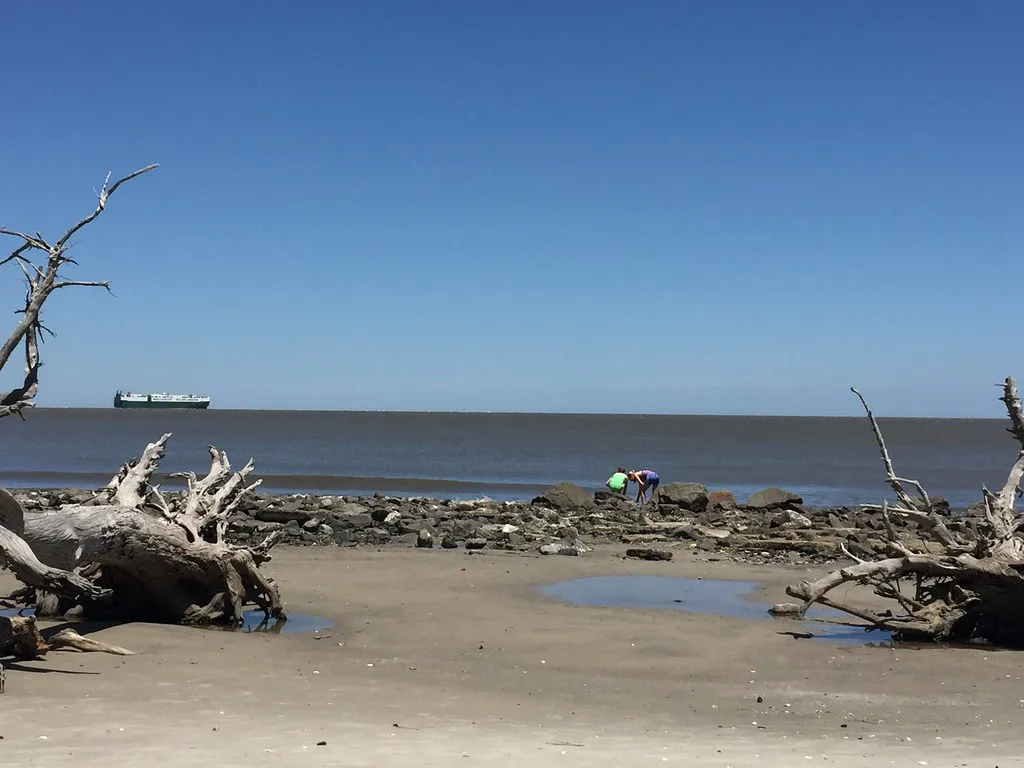
Georgia’s barrier islands have never needed to announce themselves. People traveling I-95 often pass through the steamy pinelands of Georgia’s Coastal Plain without a clue that ten miles east exist some of the world’s most beautiful barrier islands. That geographic invisibility has, in its own way, been a gift.
The combination of protected land, active conservation legislation, living Indigenous Geechee culture, extraordinary migratory bird populations, and beaches that remain genuinely wild makes this coastline unlike anywhere else on the eastern seaboard. It’s not a secret because it lacks quality. It’s a secret because it’s never needed the noise.
Visit carefully, move slowly, and leave things as you find them. That’s the unspoken code here, and the coast rewards those who follow it generously.
AI Disclaimer: This article was created with the assistance of AI tools and reviewed by a human editor.