

Most of us return from a trip with hundreds of photos and a strange feeling that we can’t quite recall the details. That tension between capturing and truly experiencing a place sits at the heart of something psychology researchers have been studying in earnest. How you choose to photograph a trip is not just a habit or an aesthetic preference. It’s a window into how your brain encodes, stores, and ultimately retrieves the experience.
Autobiographical memory and photography have been inextricably linked since the first photographs appeared during the 19th century. The relationship has only grown more complex in the age of smartphones. What your photo style quietly reveals about memory is far more nuanced than most travelers realize.
The Mindless Snapper: Quantity Over Presence
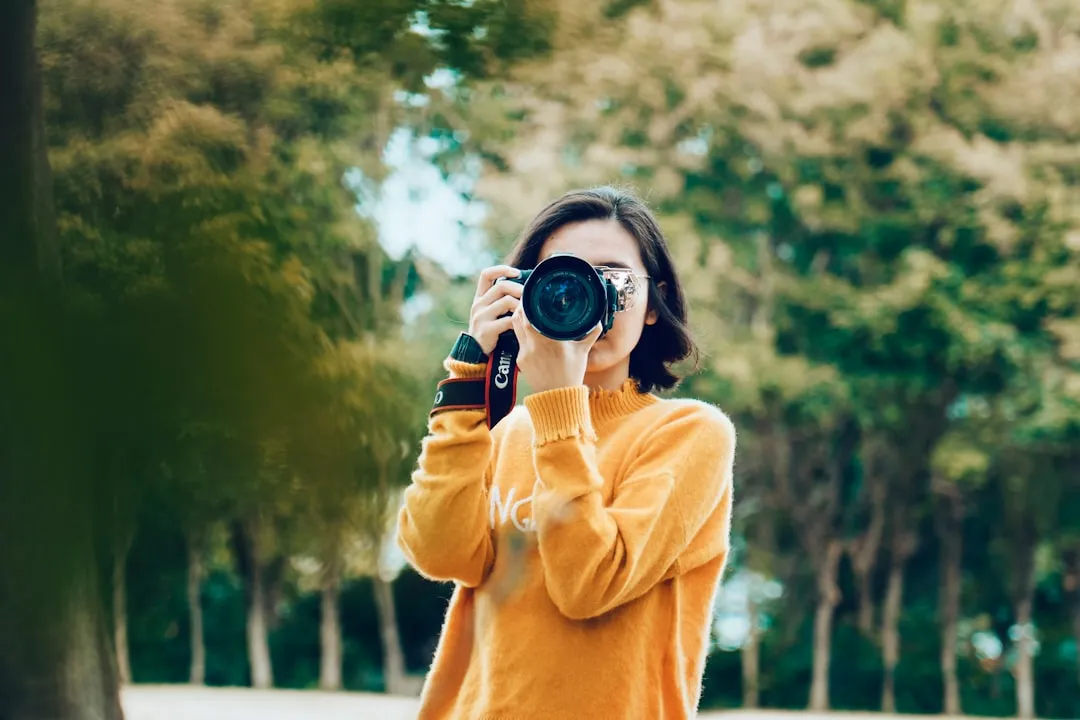
Some people shoot everything on autopilot, practically pointing and clicking before they’ve even fully looked at the scene. This approach feels safe, like a form of archiving, but the science behind it is a little humbling.
Taking photos can actually impair your memory of the experience, according to research. It is possible that participants may be relying on the camera to remember the photographed information for them, resulting in impaired memory for photographed information.
Mindless snapping hurts memory. Deliberate, thoughtful photography that requires you to compose a shot and notice details can actually enhance memory. The mindless snapper, ironically, often ends up with the fewest vivid recollections of all.
The Zoomed-In Photographer: Detail as a Memory Anchor

Some travelers instinctively reach for the zoom when something catches their eye. A carved doorknob in Lisbon, the texture of a market stall’s fabric in Marrakech. This habit turns out to be one of the most memory-friendly ways to photograph a trip.
When participants zoomed in to photograph a specific part of an object, their subsequent recognition and detail memory was not impaired. Memory for features that were not zoomed in on was just as strong as memory for features that were zoomed in on, suggesting that the additional attentional and cognitive processes engaged by this focused activity can eliminate the photo-taking-impairment effect.
The act of focusing attention counteracted the impairment. In practical terms, the zoomed-in photographer is training themselves to truly see, and what you see carefully, you tend to keep.
The Selfie Taker: Memory Tied to Self-Presence
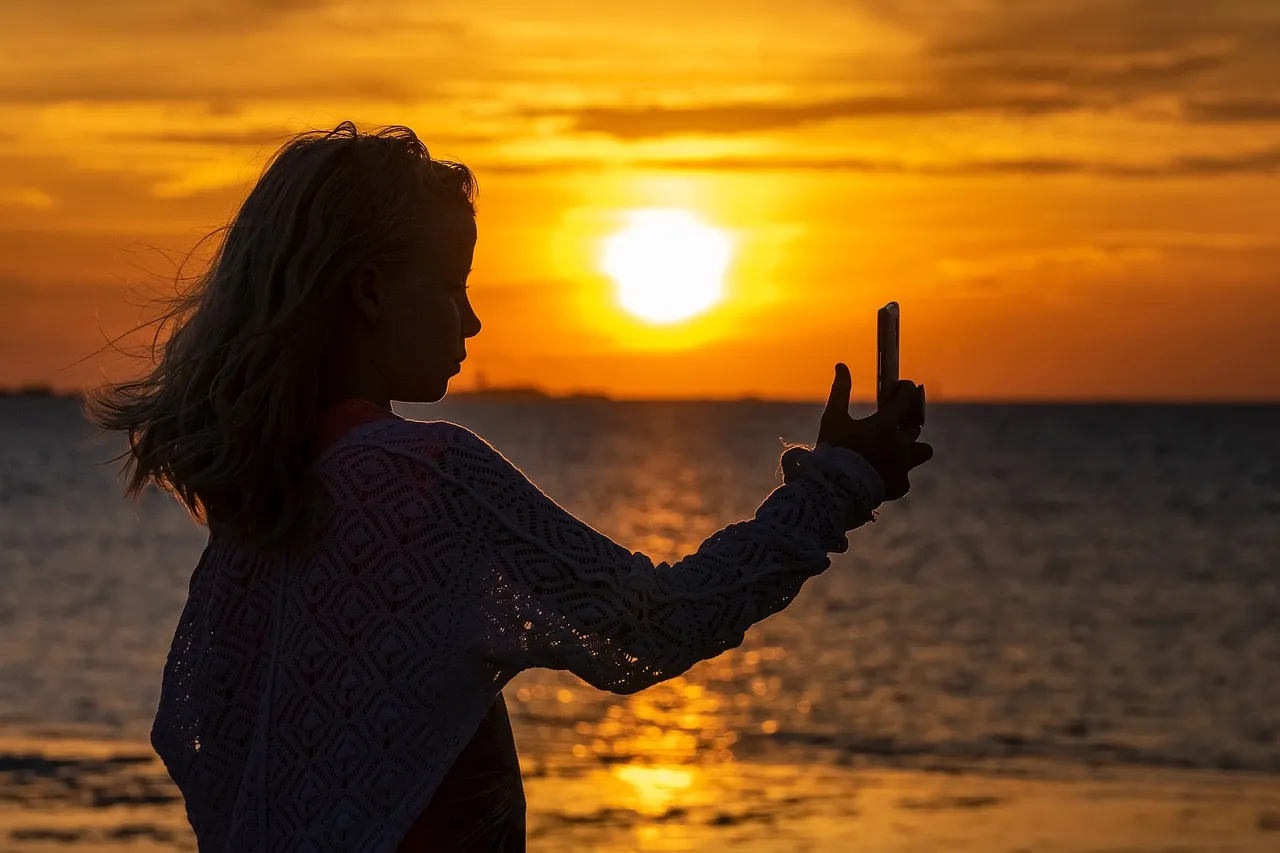
Selfies get a complicated reputation, but they tell a specific psychological story. The traveler who wants to be in every frame is fundamentally connecting memory to identity rather than to place alone.
Capturing memories is the primary reason for selfies, accounting for more than a third of motivations, ahead of sharing with friends and family or self-expression. That impulse is telling. Seeing yourself at a place anchors the experience to a personal narrative.
Through sharing behaviors such as taking selfies or photographs, visitors are always purposefully or unconsciously shaping imagined or actual images, developing various image types, and shaping their own identities. The selfie taker tends to remember trips as personal stories more than as collections of scenes.
The Landscape Purist: Remembering the World, Not the Self
This is the traveler who never appears in their own photos. Wide open skies, empty plazas at dawn, mountains without a human figure for scale. The landscape purist tends to remember destinations as emotional atmospheres rather than social events.
Memory is a key factor in choosing a destination, affecting the tourist experience and future behavioral intention, as well as sharing the experience with others after the travel through memory objects such as narration, photography, and souvenirs. Landscape-focused photos function as emotional retrieval cues more than factual records.
Personal photos can cue rich and specific autobiographical memories. Memory retrieval reshapes memories, making photo-based prompts powerful. For the landscape purist, a single image of the Aegean at dusk might unlock a full afternoon of sensory detail no selfie could reach.
The Social Documenter: People Before Places
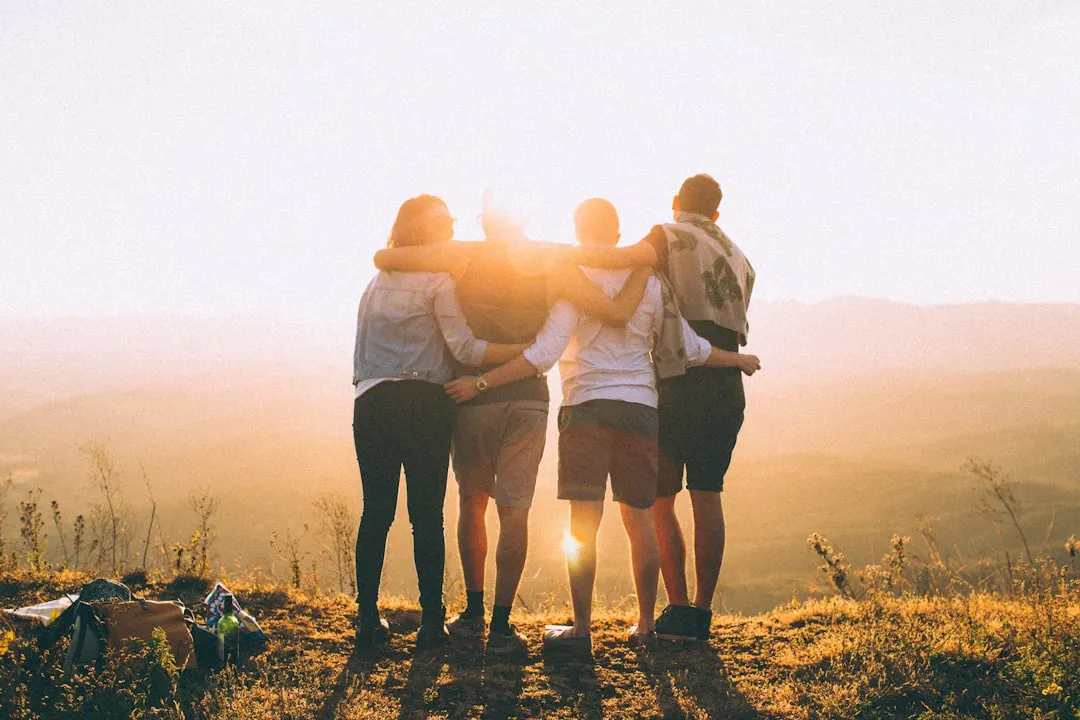
Some travelers barely photograph landscapes at all. Their camera roll is full of faces: dinner tables, laughing strangers, travel companions mid-conversation. This style reflects a fundamentally social model of memory, where experience is inseparable from the people who shared it.
Tourist memories of personal experiences are considered a form of autobiographical memory, and research consistently shows that social context is one of the strongest cues for emotional recall. A photo of a friend at a café table will often unlock the smell of the coffee, the sound of the street, and the mood of the afternoon.
Viewing personal photographs can indeed help reactivate autobiographical memories. Viewing personal photos may enhance memory, reinforce identity, deepen recall, and spark vivid emotional connections to moments across your life story. For the social documenter, the trip is always, at its core, about connection.
The Non-Photographer: Living Fully, Remembering Differently
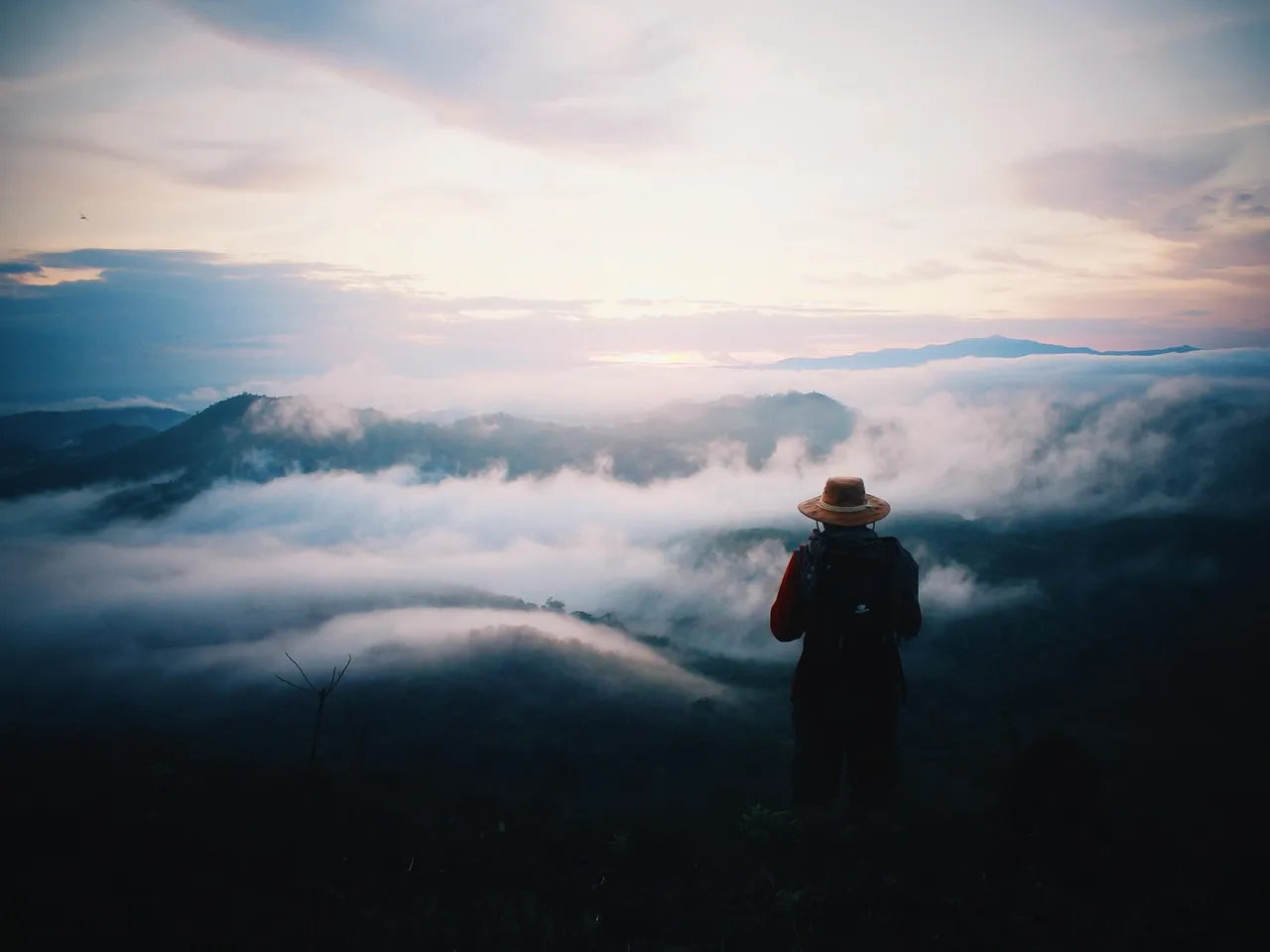
There is a traveler who takes almost no photos at all, and this choice is not simply indifference. It often reflects a conscious preference for presence over documentation. What’s less obvious is the genuine memory trade-off involved.
If you aren’t going to be looking back at your photos, then try to be more in the moment and simply experience the event without photographing it, or at least be careful about what you choose to photograph. This is actually sound advice supported by the research.
The researchers note that findings only apply to a situation in which you take a photograph and never look at it again. The main benefit of using a camera is the ability to go back and look at the photos you take, and you will often see things in the photo that would otherwise have been lost to time. The non-photographer retains vivid impressions but loses the retrieval cue that a photo provides.
The Curated Feed Photographer: Memory Shaped by Audience
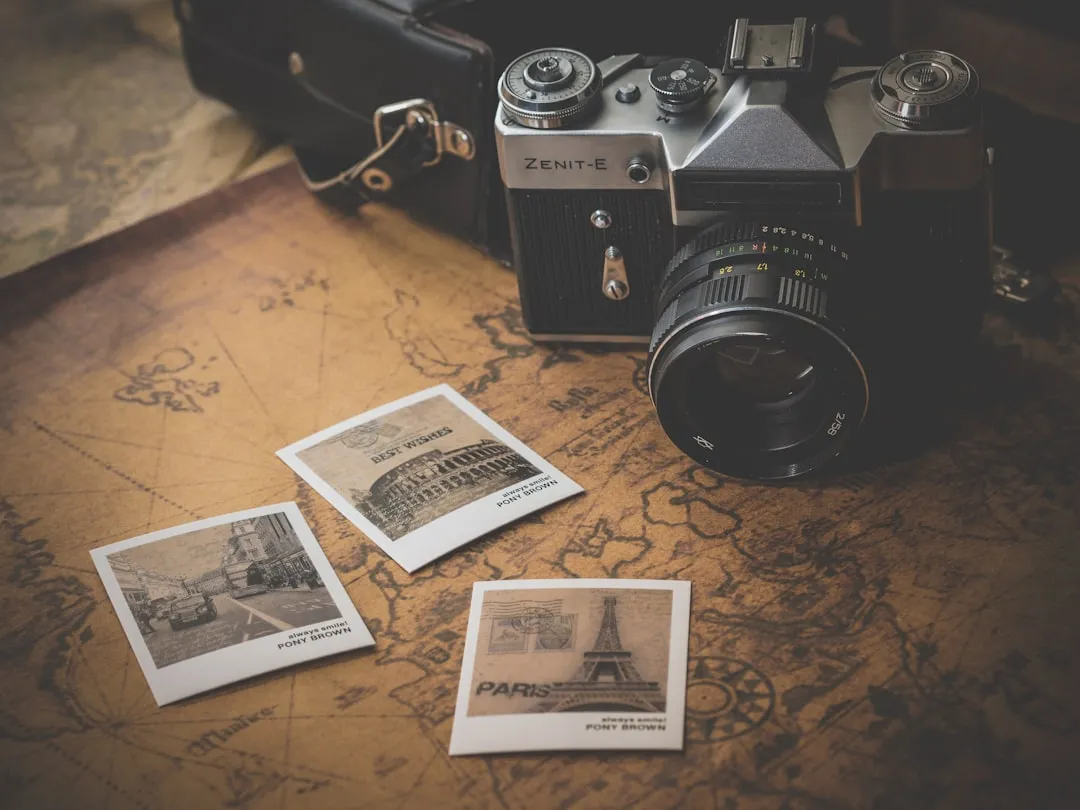
This traveler thinks about the photo before they take it. Composition, light, angles, which frame tells the right story for an online audience. The destination is partly experienced through the imagined response of others.
The spatial practices of tourists have been reshaped by the rise of smartphones and social media, prompting new geographies of tourism that respond to the visual imperatives of the digital era. Whole categories of travel destinations now exist primarily to serve this style of photography.
In the digital media age, travel photography and online sharing have become significant means for tourists to document their travel experiences, display identity, and express emotions. These digital images not only reflect tourists’ travel experiences but also influence their behavioral expressions and identity formation within a socio-cultural context. The curated feed photographer often remembers trips through the lens of how they were presented rather than how they were felt.
The Rare Shooter: Intentional and Selective
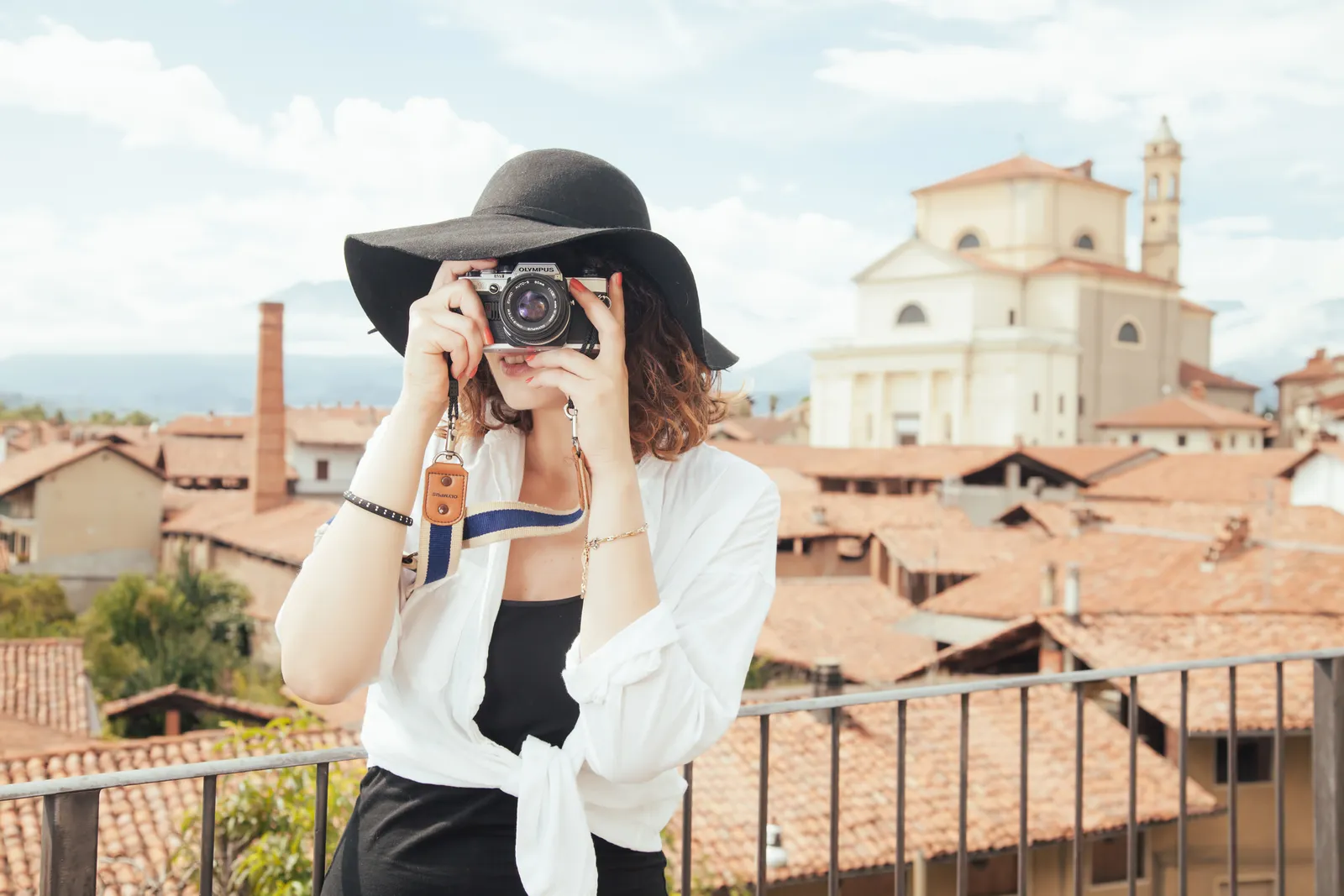
Some travelers take perhaps ten to twenty photos across an entire week away. Each one is a genuine choice. This approach aligns surprisingly well with what cognitive research says about quality attention and memory encoding.
Taking a photo can cause something to be less well remembered than if it is simply observed. This photo-taking-impairment effect has been explained by a cognitive offloading account such that when people take photos they come to rely on the camera to remember what was photographed for them, not bothering to remember it for themselves.
Research by Linda Henkel shows that mindlessly snapping photos creates a photo-taking impairment effect where you remember less because your brain offloads the task to the camera. However, photos taken intentionally and reviewed later can significantly enhance memory by serving as retrieval cues. The rare shooter’s instinct, it turns out, is cognitively well-calibrated.
The Reviewer: Memory Built Through Revisiting
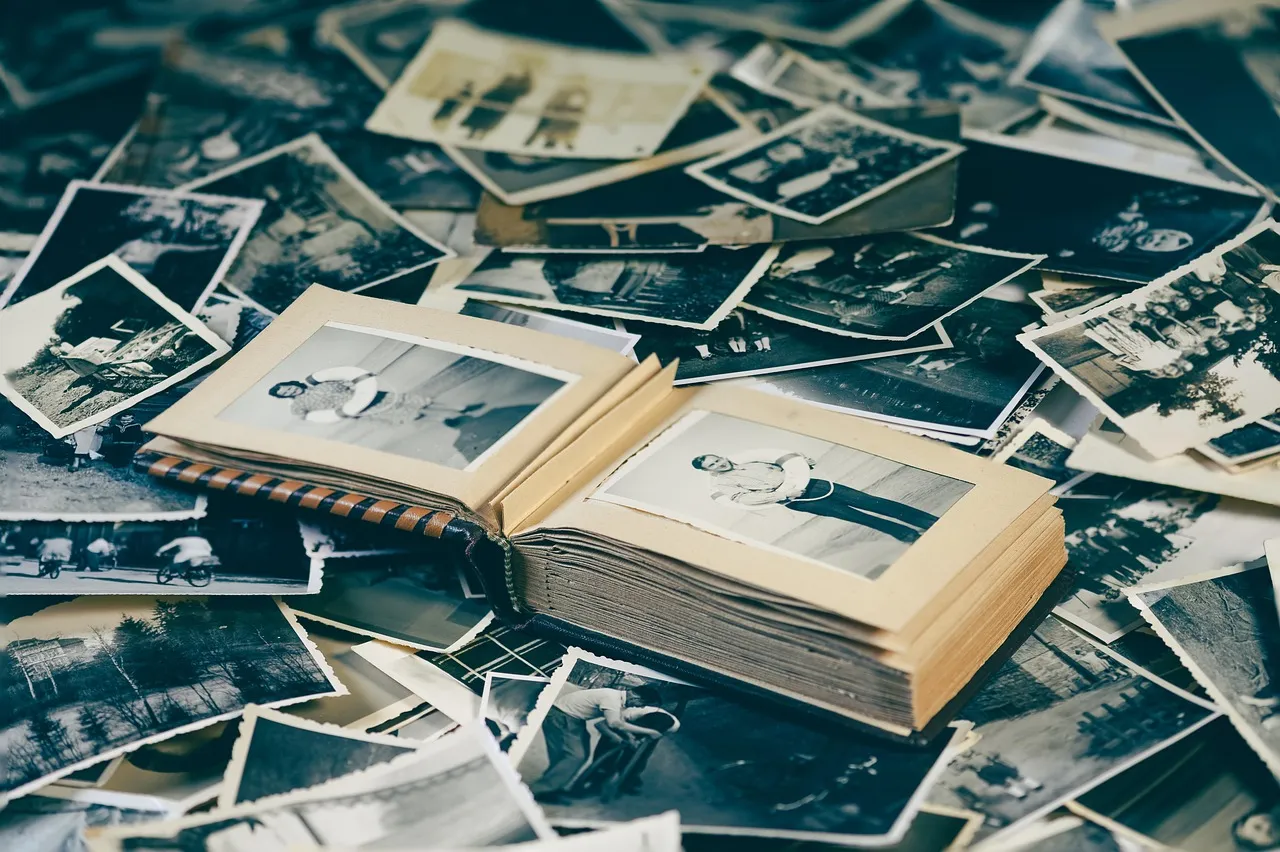
Taking photos is only half the equation. What you do with them afterward matters enormously. The traveler who regularly revisits their photos, builds albums, or shares them in conversation is actively reinforcing neural pathways tied to the experience.
We often consult photos, social media posts, and location data when remembering personal events. The AMEDIA model argues that in the digital age autobiographical remembering is a process negotiated by combining information stored in the world and memories stored in the mind.
A study by St. Jacques and Schacter demonstrated that participants who viewed photos of their prior museum tour experiences could recall more details than those who did not. The reviewer uses photos as a reconstruction tool, building a richer and more durable version of the trip each time they look back.
The Video Journalist: Narrating the Experience in Real Time
A growing number of travelers now reach for video over stills. Short clips, voice memos narrated over footage, or structured journal-style recordings. This approach embeds context, sound, and tone that a photograph simply cannot carry.
The relationship between autobiographical memory and photography covers the idea that memory and photography can be seen as forms of mental time and the effect photography has on autobiographical memory. Video extends that logic further by preserving the temporal dimension of experience, the duration, rhythm, and ambient sound of a place.
The first 24 to 48 hours after an experience are critical for memory consolidation. Journaling during this window, ideally at the end of each travel day, helps transfer experiences from short-term to long-term memory. The video journalist who narrates their experience while it is fresh is working with their brain’s consolidation window rather than against it.
The Takeaway
What all of this research quietly confirms is that how you photograph a trip is inseparable from how you’ll remember it. Not because the camera captures reality but because photography shapes where your attention goes while the experience is happening.
The strongest travel memories tend to belong to people who look before they shoot, who revisit what they’ve captured, and who let at least a few moments go completely undocumented. One explanation for why cameras can impair memory is that using one forces us to disengage from properly taking in the stimulus, as our attention flows to the mechanics of operating buttons and checking settings.
There is no single correct way to photograph a journey. The traveler who takes one deliberate photo a day and the one who fills a memory card are both doing something meaningful. The difference is in the awareness they bring to it. Presence, it turns out, is the most powerful memory tool any of us carries.
AI Disclaimer: This article was created with the assistance of AI tools and reviewed by a human editor.