
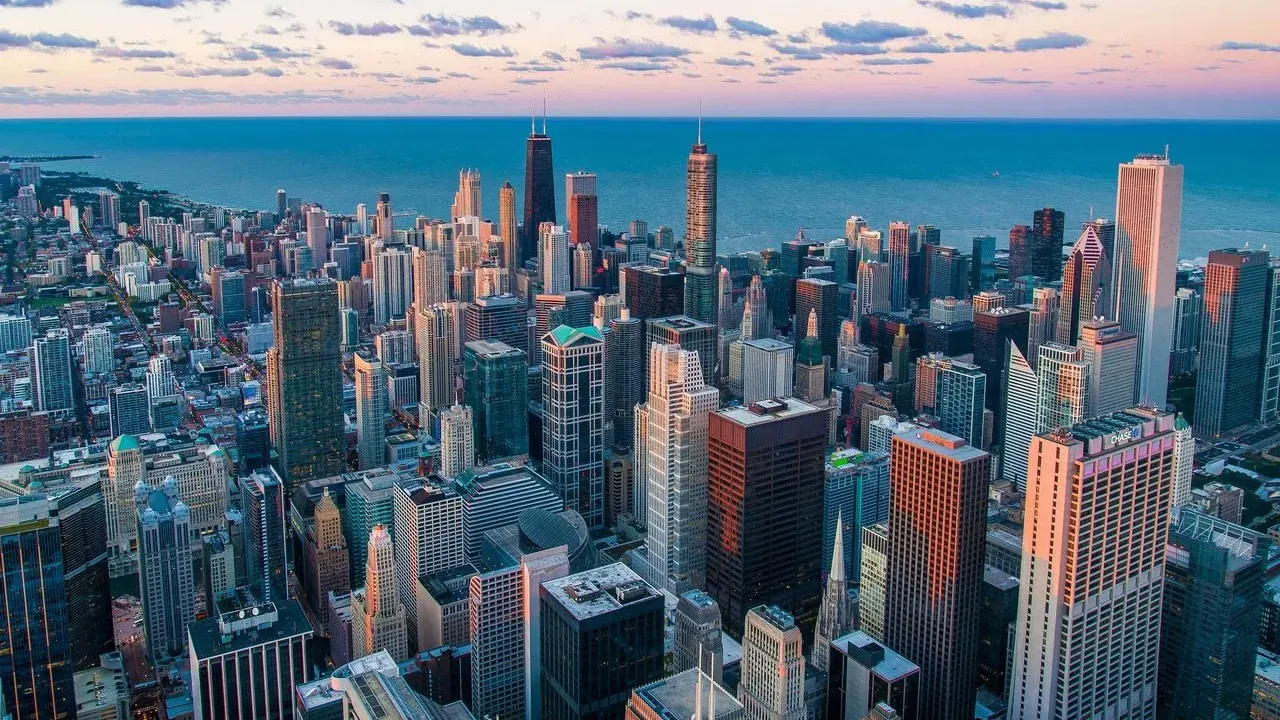

Recent global assessments of city liveability have once again placed several European and Asian destinations ahead of their American counterparts. No US city reached the uppermost tier in the latest evaluations, prompting thoughtful comparisons across continents. These findings encourage travelers and urban enthusiasts to examine the everyday elements that shape quality of life, from efficient public systems to vibrant cultural access.
Key Elements That Define Top-Ranked Cities
Liveability evaluations typically weigh factors such as reliable infrastructure, accessible healthcare, abundant green spaces, and strong cultural offerings. Cities that excel often demonstrate seamless public transportation networks and pedestrian-friendly designs that reduce daily stress. These attributes create environments where residents move easily between work, leisure, and community activities.
Thoughtful urban planning also plays a central role. When cities prioritize clean air, safe streets, and opportunities for social connection, daily routines feel more balanced. Travelers visiting these places frequently notice how small design choices, like extensive parks or integrated transit, enhance the overall experience of city living.
European Approaches to Everyday Comfort
Many European cities earn high marks through a combination of historic charm and modern efficiency. Walkable neighborhoods allow residents and visitors alike to explore local markets, cafes, and cultural sites without relying heavily on cars. Public spaces often serve as natural gathering points that foster a sense of community.
Healthcare systems in these locations tend to emphasize prevention and accessibility, contributing to residents’ sense of security. Green corridors and waterfront promenades provide regular contact with nature, even within dense urban cores. Such features invite travelers to slow down and engage more deeply with their surroundings during extended stays.
Asian Cities Emphasizing Innovation and Harmony
Leading Asian destinations frequently combine technological advancement with respect for natural surroundings. Efficient rail systems and smart city initiatives help manage large populations while maintaining order and cleanliness. Cultural preservation efforts ensure that traditional practices remain visible alongside contemporary developments.
These cities often integrate extensive urban gardens and rooftop greenery that improve air quality and offer residents quiet retreats. The result is a dynamic yet harmonious atmosphere that supports both productivity and well-being. Visitors exploring these environments gain fresh ideas about blending progress with sustainability in their own travel choices.
Appreciating Distinctive US Urban Qualities
American cities continue to offer their own compelling advantages, including diverse neighborhoods, innovative arts scenes, and vast natural landscapes within easy reach. Many feature world-class museums, music venues, and culinary traditions that reflect the country’s multicultural heritage. These elements create rich experiences for both residents and visitors seeking authentic connections.
While rankings highlight areas for potential growth, they also underscore the value of exploring different models of urban life. Travelers who venture abroad often return with renewed appreciation for the unique character found in US destinations, from coastal communities to inland cultural hubs. This comparative perspective ultimately enriches responsible travel decisions and encourages support for sustainable urban practices wherever one chooses to visit.
AI Disclaimer: This article was created with the assistance of AI tools and reviewed by a human editor.