
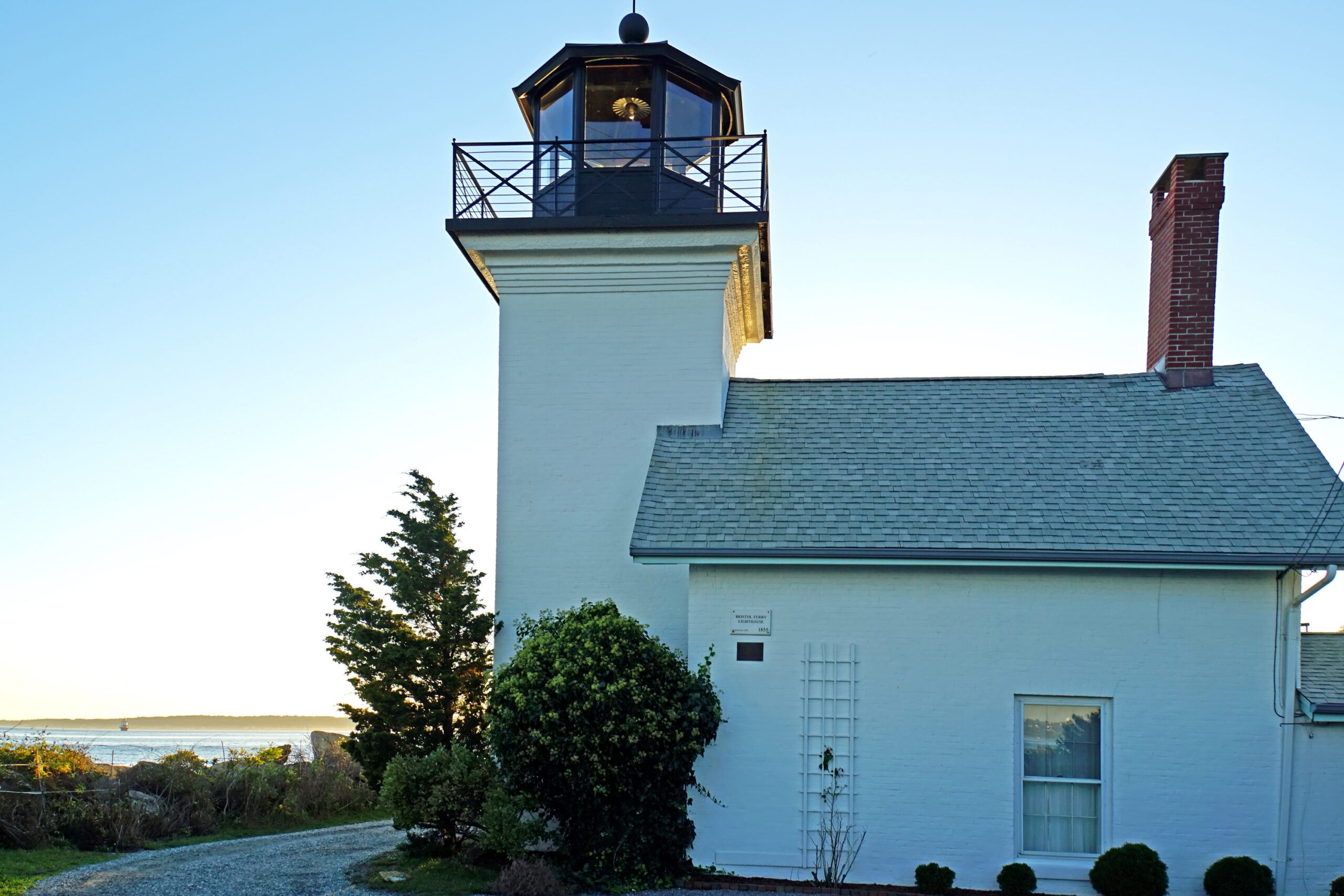

Most towns paint their curbs before a parade. Bristol, Rhode Island, paints the entire center line of its streets red, white, and blue – months in advance. That single detail tells you everything you need to know about how seriously this small coastal community takes its summer tradition. What began as a modest gathering of patriotic neighbors in 1785 has grown into something genuinely remarkable: the oldest continuous Independence Day celebration in the United States.
Tucked along the waterfront where Narragansett Bay meets Mount Hope Bay, Bristol is easy to overlook on a map. On the Fourth of July, though, it becomes one of the most visited towns in all of New England. The story of how this tradition survived more than two centuries – through wars, recessions, and everything in between – is worth telling slowly.
Where It All Began: A Reverend, a Congregation, and a New Nation
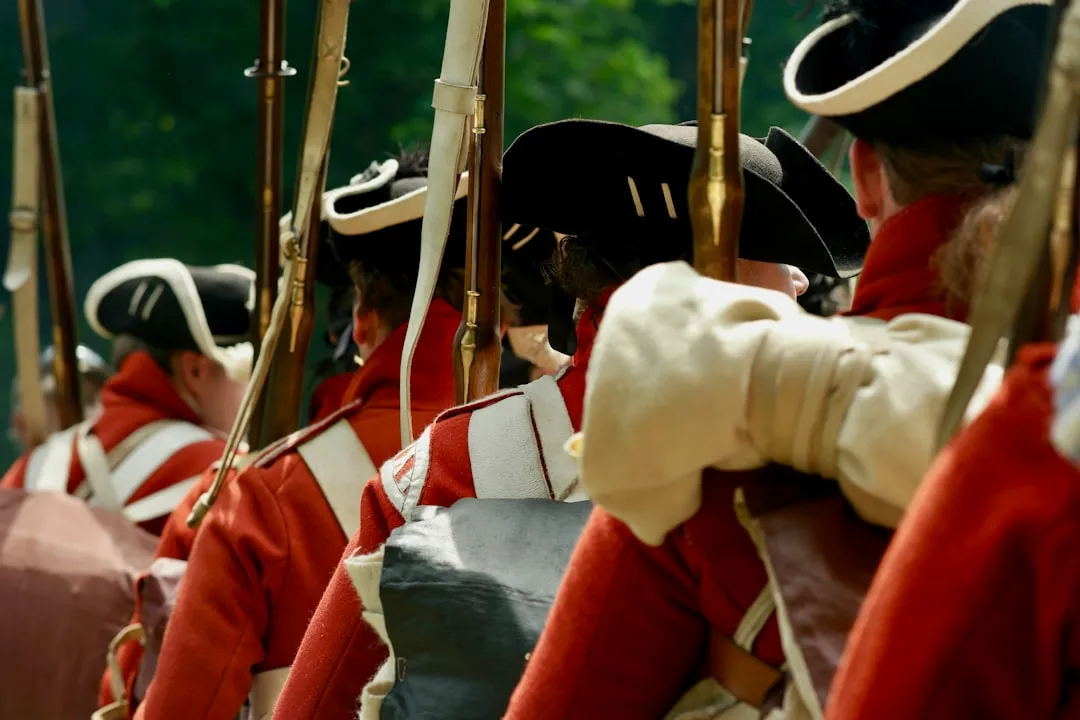
In 1785, Reverend Henry Wight conducted the town’s first-ever Patriotic Exercises, just nine years after the signing of the Declaration of Independence. Wight was not only a man of faith but also a veteran of the Revolutionary War, which gave these early gatherings a particular gravity. It is believed the festivities evolved from a procession of community members walking to those Patriotic Exercises. That simple walk – neighbors moving together toward something shared – is still the spiritual core of what Bristol does every summer.
From Procession to Parade: How the Tradition Took Shape
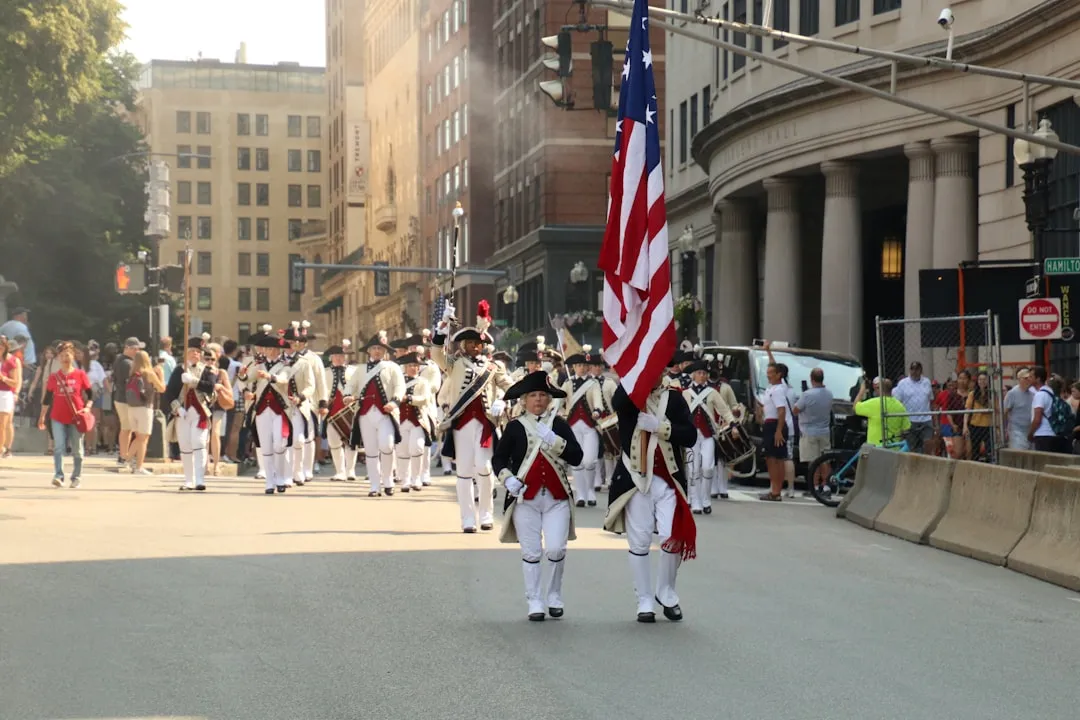
Sometime in the early 1800s, a more formal parade formed, including the Military, Civic and Firemen’s Parade. This evolution from a quiet community gathering into a structured civic event reflected how the young nation itself was changing – growing more organized, more confident, more celebratory about its own identity. There is only one place in the country that can claim to have the oldest continuous Fourth of July celebration: Bristol, Rhode Island. That claim isn’t marketing. It’s documented history, and Bristol takes the responsibility of holding it with quiet pride.
The Setting: A Waterfront Town Built for This Kind of Day
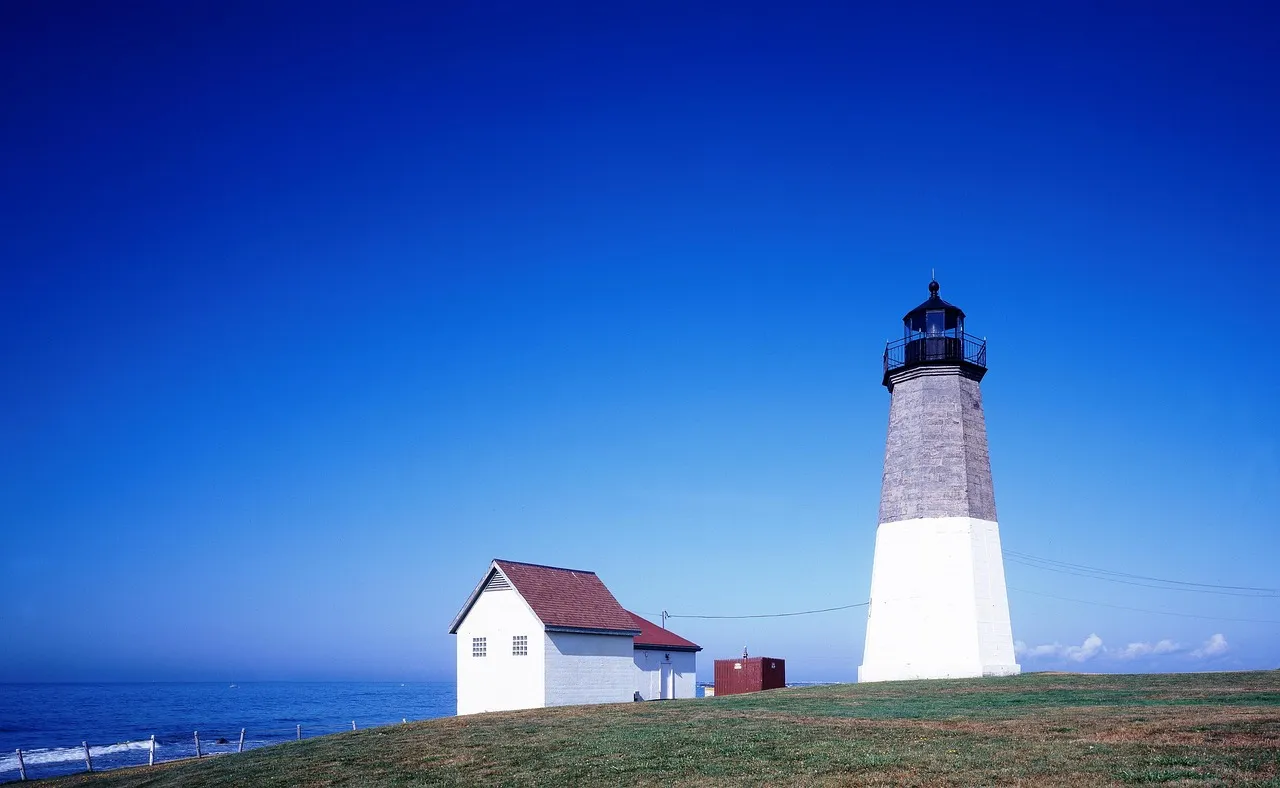
This charming New England town is tucked on the waterfront between Narragansett Bay and Mount Hope Bay. The geography is part of the magic. The harbor reflects the fireworks at night, the coastal breeze keeps the July heat manageable, and the narrow streets of the historic downtown create a natural corridor for the parade that feels almost theatrical. In New England towns like this, the streets fill with the sounds of church bells ringing, fife-and-drum corps echoing off clapboard houses, and fireworks crackling over the sound of patriotic brass bands. Bristol is exactly that town.
The Numbers That Put It in Perspective
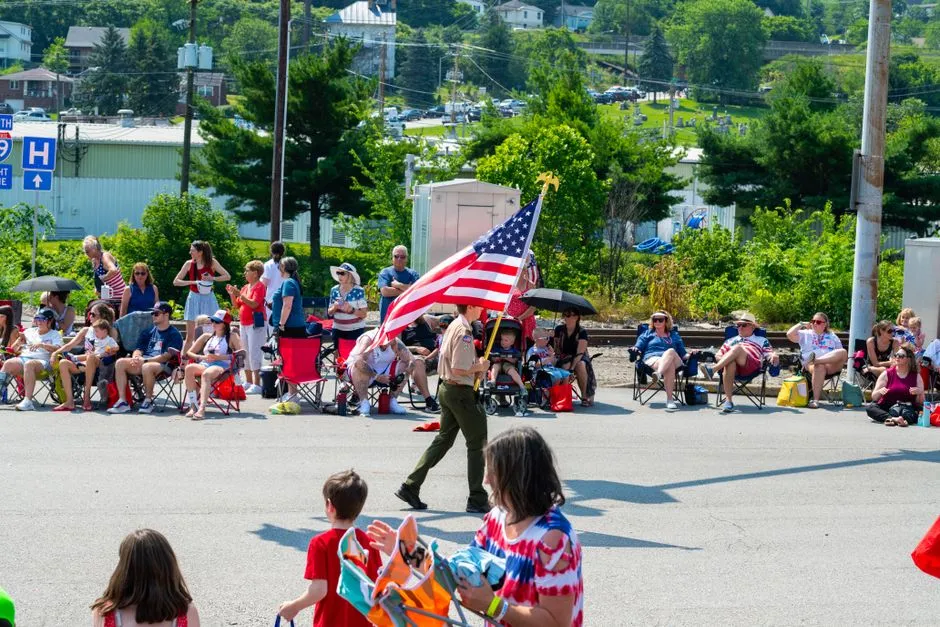
The parade runs nearly two and a half miles and draws over 200,000 people to a town of fewer than 23,000 residents. Think about what that means logistically: a community smaller than many suburban neighborhoods hosts a crowd roughly nine times its own population in a single day. The whole town leans in hard – streets are painted red, white, and blue down the center line months in advance. That painted stripe isn’t just a visual cue for parade watchers. It’s a declaration that Bristol makes to itself long before any visitors arrive.
Flag Day: The Celebration Starts Weeks Early
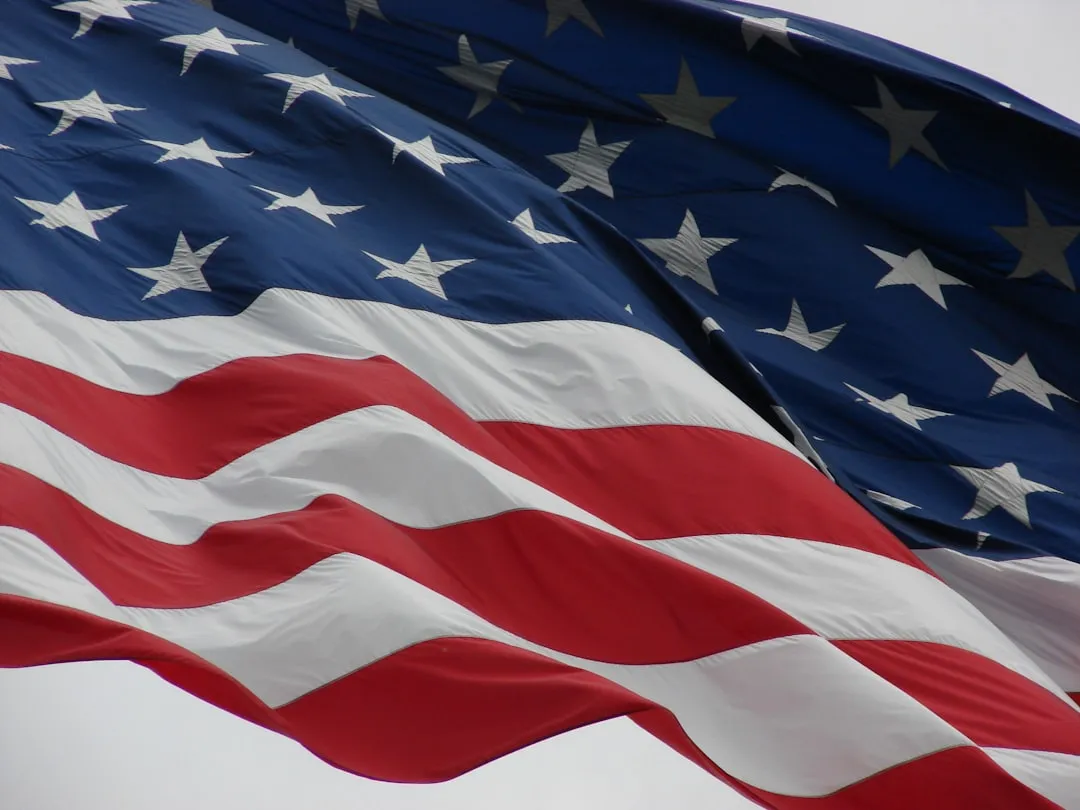
The celebration officially kicks off on Flag Day, June 14th, building across two weeks of outdoor concerts and community events before the main parade. This is not a town that celebrates one day in July and moves on. The buildup is deliberate and genuine, giving both residents and visitors time to settle into the rhythm of the season. The beach town goes all out beginning celebrations on Flag Day, June 14th, making the entire stretch from mid-June through the Fourth feel like one long, rolling civic exhale. For travelers, this also means there’s more than one window to experience what Bristol does best.
The Town Crier: A Living Link to the Past
The parade has its own “town crier” who announces, “Hear ye, hear ye, hear ye.” It sounds theatrical, but the role carries real genealogical weight in Bristol. Michael Rielly took over as Town Crier on June 14, 2015, during the Flag Day ceremony on the Town Common. His grandfather, James D. Rielly, rang the bell for 15 years before retiring in 1989. That kind of family continuity – grandfather to grandchild, decade to decade – is precisely the thread that keeps a 241-year-old tradition from becoming merely a performance. It remains a living, inherited practice.
The Carnival, the Common, and the Community Heart
Every year since 1785, Bristol has celebrated with concerts, parades, and carnivals in classic American style. The centerpiece of the summer celebrations is the carnival set up at Bristol Town Common, a block away from Bristol Town Hall. The Town Common has always been the gathering ground, the place where residents and visitors mix without much ceremony. Vendors, music, and the smell of summer food define the space. It’s worth noting that the atmosphere here is genuinely communal – this isn’t a ticketed event with roped-off VIP sections. The celebration belongs to everyone who shows up.
Bristol Beyond the Parade: A Town Worth Knowing
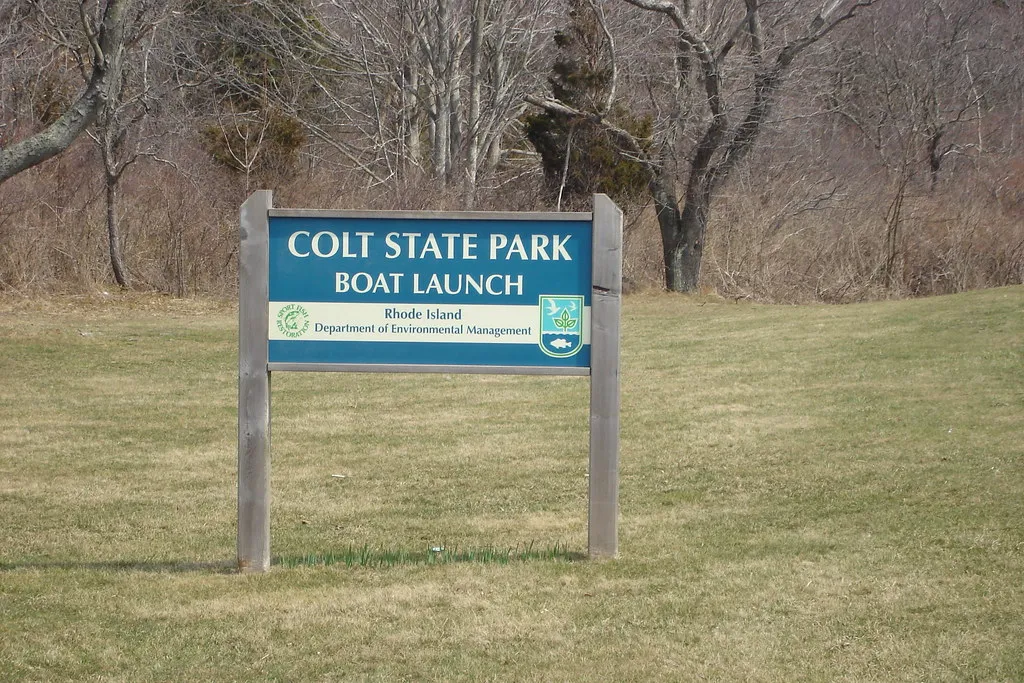
Bristol is more than its Fourth of July celebrations. You can take a bike ride through Colt State Park and enjoy the sprawling shoreline with views across Narragansett Bay, or savor the tranquility of the gardens at Blithewold Manor. If it’s Bristol’s nautical heritage that calls to you, the Herreshoff Maritime Museum is right on the water and easy to access from downtown. The town’s relationship with the sea is deep – Herreshoff Manufacturing produced multiple America’s Cup-winning yachts here in the late nineteenth and early twentieth centuries, making Bristol a genuinely significant site in American maritime history.
Why This Tradition Has Lasted When So Many Others Have Not
Many newer traditions of summer celebrations have roots in older ones, including celebrations of community in ethnic heritage festivals and celebrations involving musical talent and other arts. What makes Bristol’s tradition different is that it was never commercially reinvented or rebranded to survive. It endured because the town itself endured – because residents continued to show up, paint the street, ring the bell, and walk the route. This quaint coastal New England town known for hosting the oldest Independence Day parade has resumed festivities year after year, with the town of Bristol having begun hosting celebrations in 1785. Continuity, it turns out, is its own form of devotion.
2026 and the Broader Meaning of This Summer
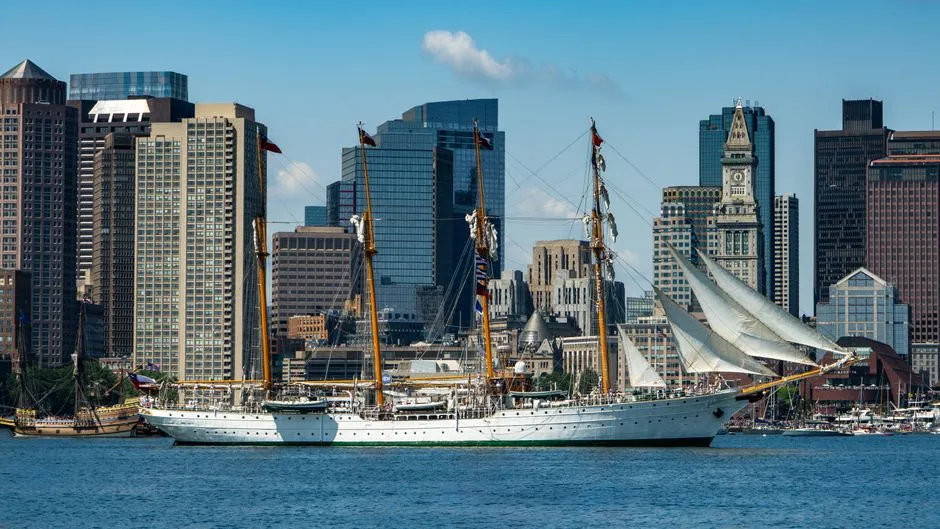
Boston Harbor hosts a fleet of tall ships in 2026, with the largest turnout expected to honor America’s 250th anniversary of the signing of the Declaration of Independence. For Bristol, that national milestone only deepens the significance of what the town has already been doing without interruption for over 241 years. 2026 is no ordinary year – it’s the semiquincentennial, America’s 250th birthday. Bristol doesn’t need a special anniversary to remind itself why this matters. It has never stopped remembering.
The Takeaway: What a Small Town Keeps Teaching Us
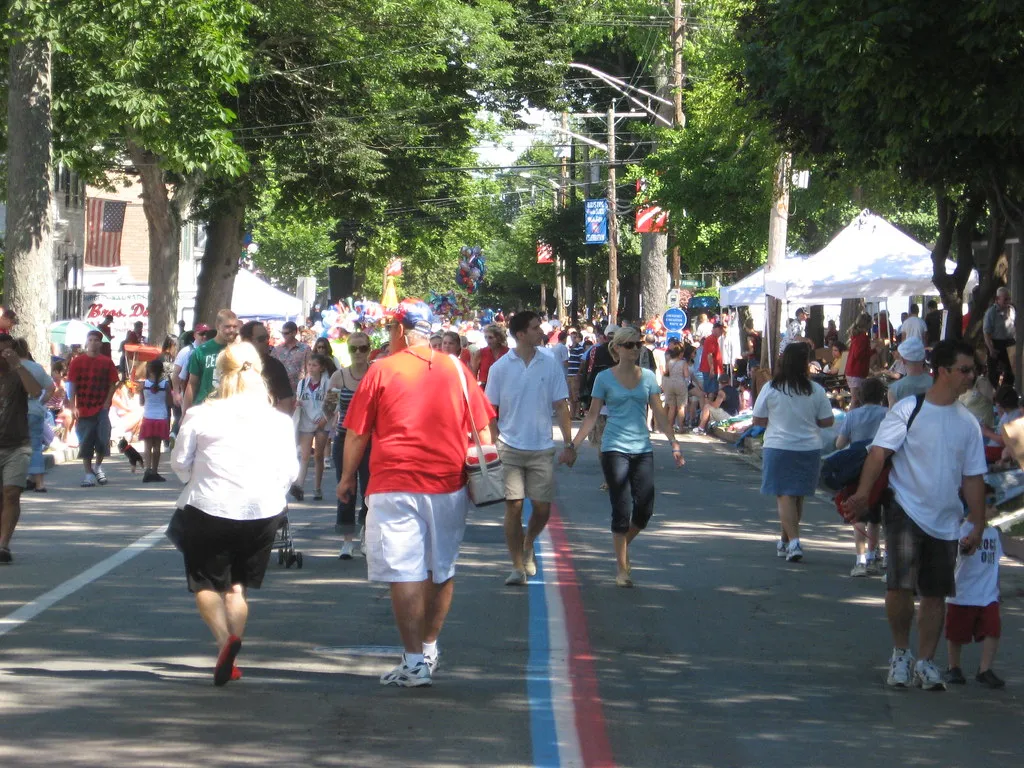
There’s something quietly instructive about a community that has marked the same occasion every single year since the nation was still finding its footing. Bristol, Rhode Island, isn’t famous for monuments or skylines. Its most enduring landmark is a ritual – a walk down a street painted in three colors, led by a man with a bell, watched by hundreds of thousands of people who came a long way to feel part of something old and still alive.
The painted stripe on Hope Street fades by August, gets covered by autumn leaves, and disappears under winter snow. Then, somewhere around spring, the brushes come out again. That is the tradition, just as much as the parade itself – the choosing to do it again, every year, without being asked twice.
AI Disclaimer: This article was created with the assistance of AI tools and reviewed by a human editor.