
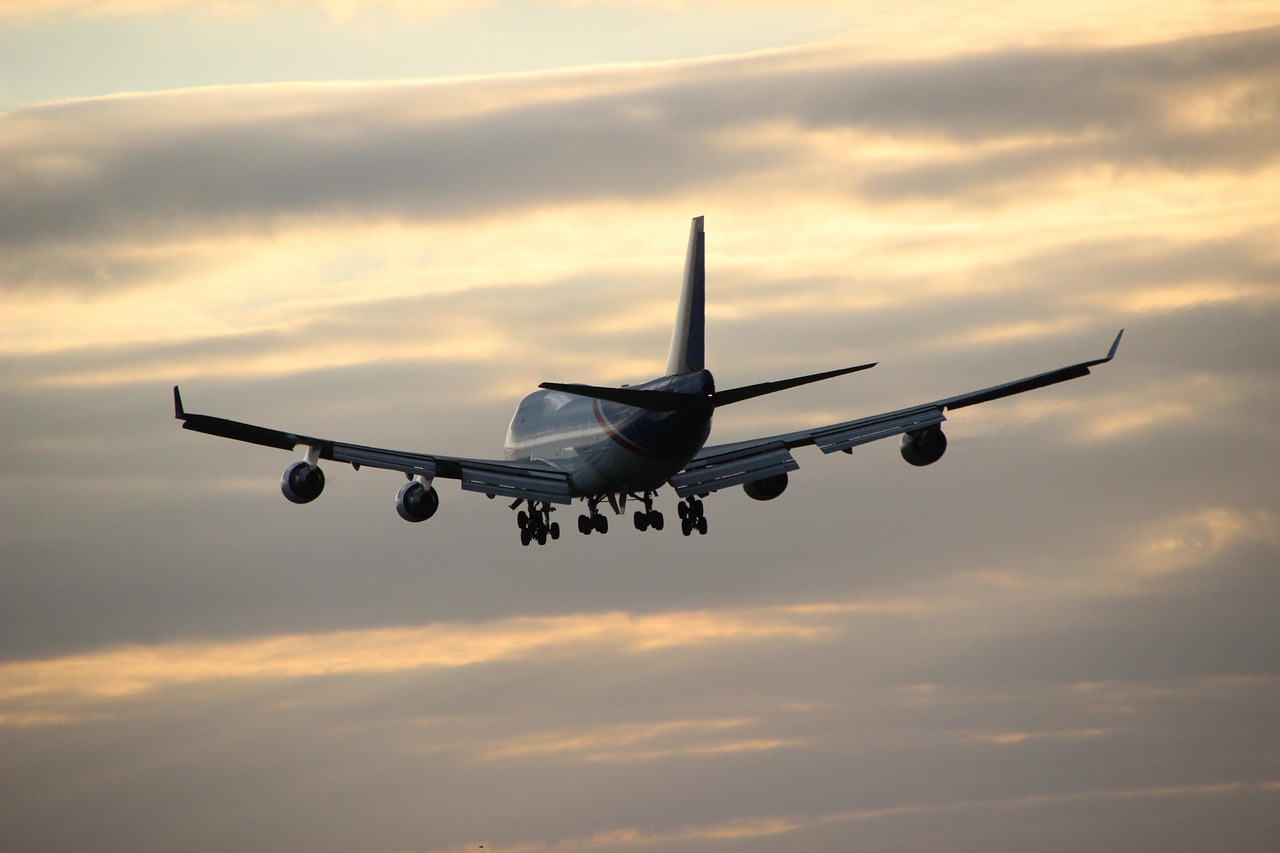

Most of us picture the typical frequent flyer as someone rushing through the terminal with a roller bag and a noise-canceling headset, practically breathing jet fuel. The stereotype focuses on logistics: the status cards, the lounge access, the aisle seat preference. What rarely comes up is the inner life that makes someone want to be on a plane in the first place, and how consistently that inner life looks across cultures and contexts.
It turns out that personality psychology has a pretty clear answer. Researchers studying what separates habitual travelers from those who stay home have repeatedly pointed to the same trait, one that goes deeper than being adventurous or extroverted. Understanding it doesn’t just explain frequent flyers. It says something genuinely interesting about the human relationship with novelty itself.
Openness to Experience: The Core Trait That Keeps Showing Up

Openness to experience is one of the “Big Five” factors in personality psychology, used to measure individual differences in character. A person with a high level of openness will often enjoy venturing beyond their comfort zone, seeking out new, unconventional, and unfamiliar experiences, including traveling to new destinations and embracing different cultures. It’s the trait that makes someone genuinely excited rather than anxious when the itinerary changes at the last minute.
Research has established that openness to experience is positively correlated with the frequency of traveling to foreign countries. This connection holds up across different methodologies and cultures, making it one of the more robust findings in travel psychology. It’s not simply about liking the idea of travel; it’s a fundamental orientation toward novelty itself.
A modern-day traveler has a specific personality profile, involving facets from multiple personality domains. They are likely not just younger but also open to new values and experiences, as well as seeking novelty and excitement. The pattern is consistent enough that researchers now treat it as a meaningful predictor of who actually boards planes regularly.
What the Big Five Framework Actually Tells Us

The Big Five Factors of personality include openness to experience, conscientiousness, extraversion, agreeableness, and neuroticism as the main factors that drive most of human behavior. While all five show some connection to travel behavior, openness stands apart as the most consistent predictor of how often someone leaves their home country.
Openness involves six dimensions: active imagination, aesthetic sensitivity, attentiveness to inner feelings, preference for variety, intellectual curiosity, and challenging authority. Each of these facets quietly maps onto what it means to be a good traveler. Aesthetic sensitivity draws people toward unfamiliar art and food. Intellectual curiosity makes a foreign city feel stimulating rather than overwhelming.
Openness to experience can be defined as one’s tendency to seek, appreciate, comprehend, and utilize information. It represents the psychological function of cognitive exploration. For frequent flyers, this means airports, delays, and unfamiliar customs don’t register as threats. They register as input.
Low Uncertainty Avoidance: The Trait Hidden Inside Openness

Research shows that a significant feature of people who travel a lot outside their country of residence is a negative score of uncertainty avoidance. This was characterized by Hofstede as risk-taking, lack of discomfort in unfamiliar situations, and acceptance of change. In plain terms, frequent flyers tend not to be rattled by the unknown. They tolerate ambiguity rather than flee from it.
Uncertainty avoidance refers to the extent to which someone feels threatened or uncomfortable by ambiguous, unknown, or uncertain situations. It differs from individual to individual and is often seen as a personality trait in psychology. Lower levels of uncertainty avoidance indicate a tolerance for objects and situations that are difficult to understand and predict. Frequent flyers reliably score on the tolerant end of that spectrum.
Linear regression analysis has revealed that the only variable that could significantly predict travel frequency outside the country of residence is a low level of uncertainty avoidance. This is worth pausing on. Not income. Not extraversion. Not boldness. Comfort with the unknown.
How Frequent Flyers Score on Neuroticism: A 2025 Study

A 2025 peer-reviewed study published in Cureus compared frequent fliers to individuals with aviophobia, the fear of flying. Researchers used the five-factor model to investigate how personality traits relate to flight behavior, conducting a case-control analysis comparing the “big five” personality dimensions between both groups. The results were striking and directly relevant to understanding the frequent flyer personality.
Subjects with aviophobia exhibited significantly higher neuroticism scores compared to frequent fliers, while frequent fliers scored notably higher on both conscientiousness and agreeableness. Neuroticism, which reflects emotional instability and anxiety, consistently separated the groups. Frequent flyers scored meaningfully lower on it.
The study identified distinct personality profiles among individuals with aviophobia compared to frequent flyers, characterized by elevated neuroticism and diminished conscientiousness and agreeableness in the aviophobic group. Essentially, the psychological portrait of a frequent flyer includes emotional steadiness, self-discipline, and social warmth as defining features.
Conscientiousness: The Quiet Organizer Behind Every Status Card

Conscientiousness represents the individual’s competence to be organized, goal-oriented, the degree of work ethic, and attention to detail. For frequent flyers, this translates into the meticulous tracking of miles, the pre-downloaded boarding passes, the measured packing list that somehow fits into a carry-on. It’s not obsessive; it’s practiced.
Research found that people who travel frequently, even for one extended trip abroad, tended to be higher in conscientiousness than those who did not travel. This suggests conscientiousness both draws people to regular travel and is reinforced by it. The habits required for seamless travel reinforce the personality trait that makes seamless travel possible.
There’s a practical logic here. Managing international connections, navigating visa requirements, and adapting to time zones across a calendar year demands exactly the kind of self-regulation that conscientiousness provides. The airport is, in a sense, a constant test of personal organization.
Extraversion’s Complicated Role in the Story

Higher extraversion, especially higher levels of social dominance and energy, along with higher spontaneity, also plays a role in predicting how often people travel abroad and how many different countries they visit. So extraversion does matter, though the picture is more nuanced than the “extroverts love travel” shorthand suggests.
Significant positive correlations regarding extraversion and openness to experience appear for frequent domestic travelers as well, suggesting that extraversion contributes to travel frequency within a country, even if it is less central for international travel. The distinction matters. Flying internationally repeatedly is more strongly tied to openness and uncertainty tolerance than to extraversion alone.
No significant differences in extraversion were observed between frequent fliers and those with aviophobia in the 2025 Cureus study. This directly challenges the popular assumption that being outgoing is what makes someone a comfortable, habitual flyer. It’s a more interior quality than that.
Travel Shapes Personality Too: The Feedback Loop

Research by Zimmermann and Neyer found that people who went on extended trips were generally higher in openness to experience than those who did not travel. After returning from their trip, those who traveled tended to show an increase in openness to experience, agreeableness, and emotional stability relative to those who did not travel. The relationship between personality and travel isn’t a one-way street.
Studying abroad likely helps travelers gain perspective on life, making them less emotionally reactive. The experience of meeting new people abroad can increase agreeableness, though this is not directly related to the size of one’s social network. Each trip, in other words, slightly reshapes the traveler, nudging their personality in directions that make future travel feel even more natural.
This feedback loop is part of why frequent flyers become more frequent over time. The trait that pulled them toward travel gets reinforced by every departure gate, every unfamiliar meal, every city that felt alien on the first visit and familiar by the third.
The Ultra-Frequent Flyer: When the Trait Intensifies
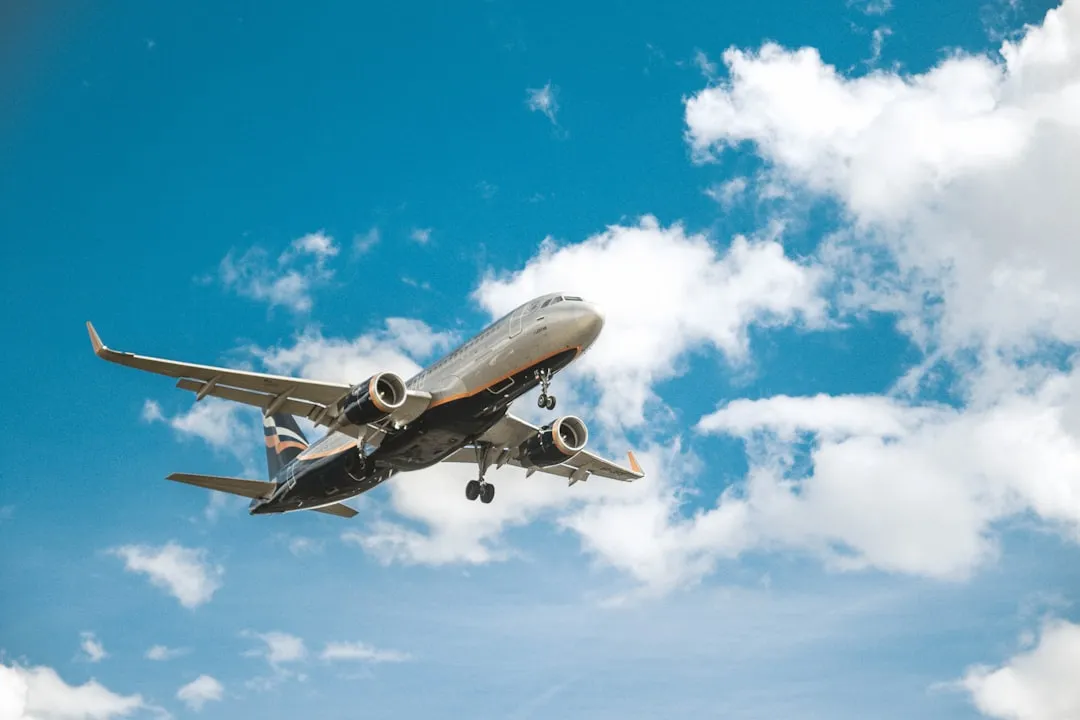
Among frequent flyers, researchers in 2025 identified a new sub-group called “ultra-frequent” flyers. These people take six or more return trips a year, and they are the biggest drivers of growth in passenger numbers. Ultra-frequent flyers make up less than three percent of the UK population but account for roughly a third of all journeys made by UK residents. The trait concentration in this group is particularly pronounced.
Because of their rapid growth, ultra-frequent flyers captured roughly two-fifths of passenger growth over the past two decades in the UK. Including foreign residents, it is likely that ultra-frequent flyers captured almost half of all new air travel capacity added to the UK since 2006. A remarkably small slice of the population is doing an enormous proportion of the flying.
The psychological profile of this group likely represents an intensified version of the openness-conscientiousness-low neuroticism cluster. When the traits are strong, the travel behavior follows in kind.
Why This Matters Beyond Airport Lounges
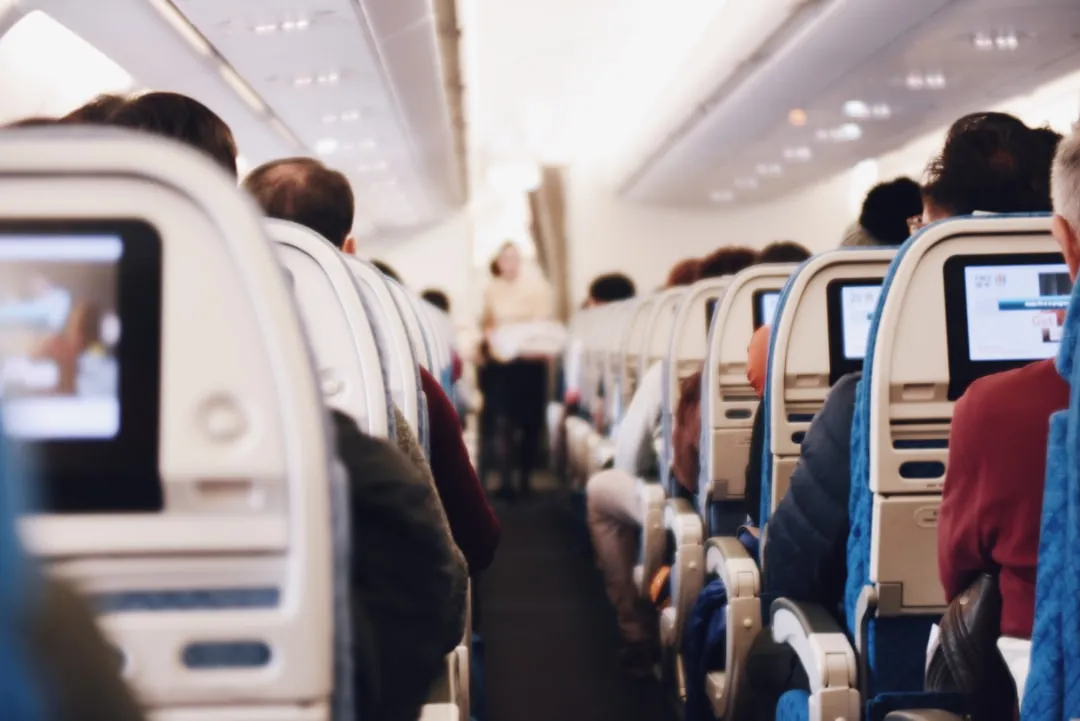
The research connecting personality to travel frequency carries implications well beyond predicting who accumulates points fastest. Studies have confirmed the effects of personality traits on travelers’ heterogeneous preferences, meaning understanding personality helps explain not just how often someone flies, but where they go, how they behave in transit, and what they take away from the experience.
Individuals with high ambiguity tolerance are less susceptible to negative emotions in complex or unfamiliar situations. This tolerance also influences decision-making behavior, travel choices, and travelers’ willingness to engage with new systems and experiences. For the travel industry, this has real design implications. For the rest of us, it reframes what it means to be a comfortable traveler.
Being a frequent flyer isn’t primarily about having the money or the job that requires it. It’s about having a particular relationship with the unfamiliar. That relationship, it turns out, has a name in psychology and can be measured with reasonable precision.
Openness Is Trainable, Not Just Inherited

The encouraging finding buried in all this research is that openness to experience, while stable across adulthood, isn’t completely fixed. Those who traveled showed increases in openness to experience relative to those who did not travel, which suggests that choosing to travel, even before the trait feels natural, may gradually build the very disposition that makes travel feel rewarding.
Tolerance of ambiguity is defined as the tendency to perceive ambiguous situations as attractive rather than threatening. People with high tolerance of ambiguity are more at ease with complexity, unfamiliarity, and unpredictability, and are motivated to navigate such challenges effectively. That motivation can be cultivated deliberately, one unfamiliar city at a time.
The first trip to a place where you don’t speak the language, can’t read the signs, and have to rely entirely on observation and instinct is genuinely difficult for most people. The tenth such trip is something different: it starts to feel like home ground. That shift is the trait solidifying.
The Takeaway

Frequent flyers aren’t defined by how many status tiers they’ve unlocked or how efficiently they move through security. The research points consistently to something more fundamental: a psychological comfort with the unknown, paired with the emotional steadiness and quiet discipline to show up reliably for it. Openness to experience, low neuroticism, and a tolerance for ambiguity form a personality cluster that shows up across studies, cultures, and methods.
What’s genuinely worth sitting with is the possibility that travel and personality develop together, each shaping the other over time. The frequent flyer doesn’t just happen to be open to experience. In some meaningful sense, they keep becoming more so, every time the wheels lift off the ground.
AI Disclaimer: This article was created with the assistance of AI tools and reviewed by a human editor.