
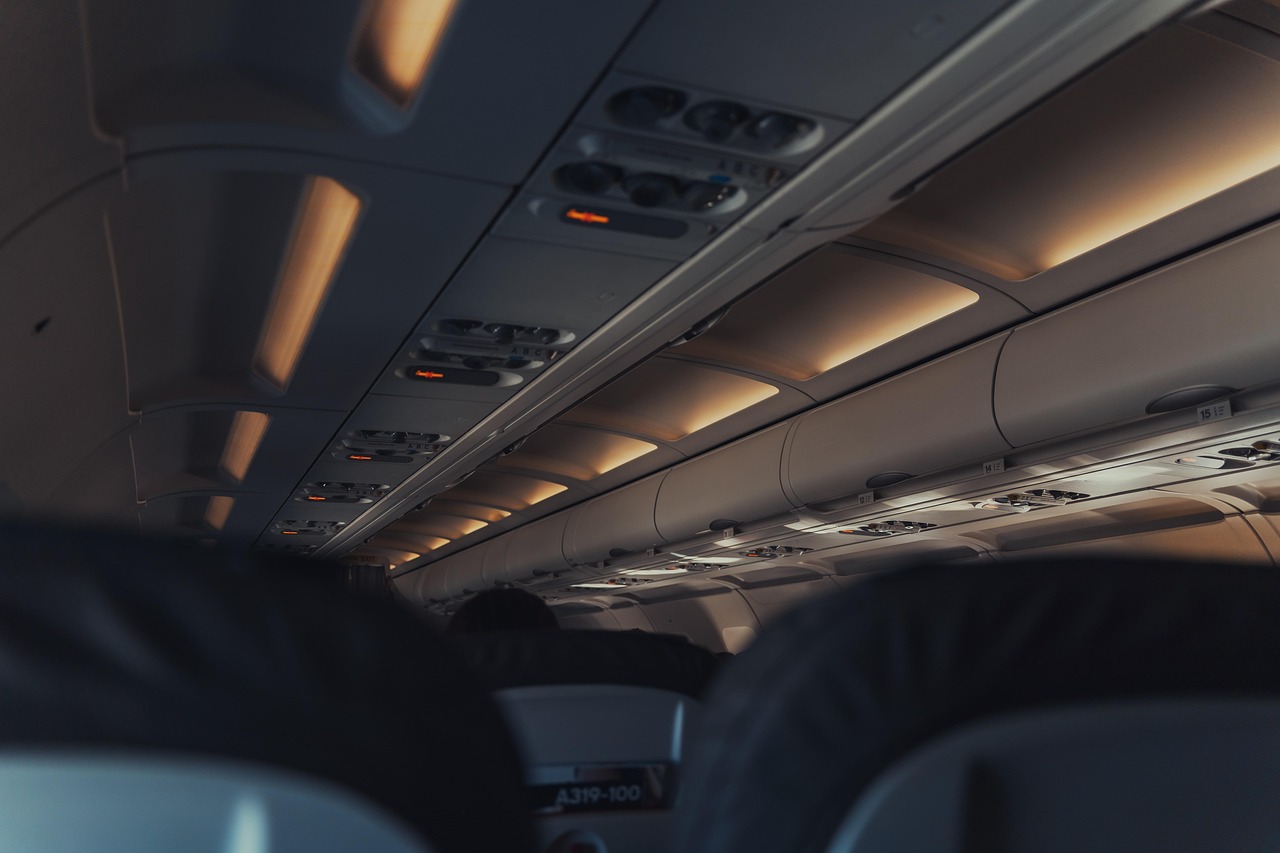

Every seasoned traveler has a story about the overhead bin. The slow crawl down the aisle, the moment of dread as you watch someone three rows ahead of you claim the last available space, and the quiet indignity of having your carry-on gate-checked at the last second. It’s one of the most reliably stressful moments in modern air travel.
The good news is that frequent flyers have quietly figured out a set of strategies that consistently work. Some are about timing, some about technique, and a few are about playing the airline’s own system better than most passengers realize is possible.
Board as Early as Humanly Possible
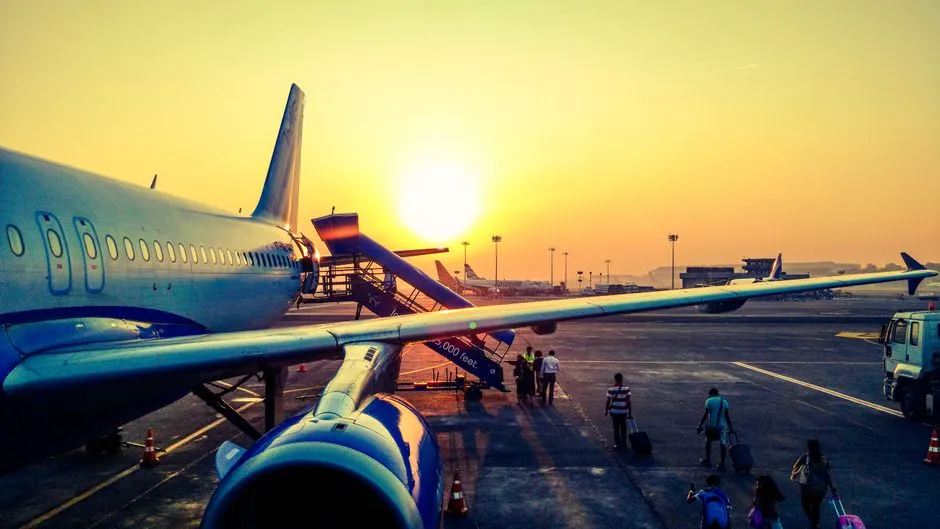
The single most effective thing you can do is board early. Securing a spot in the overhead bin, especially on a busy flight, often comes down to one simple tactic: boarding early. With limited space above, the race to stash your carry-on can be fierce, and getting on the plane as soon as you’re allowed significantly improves your odds of finding a suitable spot.
Overhead bins are a shared resource with fixed capacity, and a typical narrow-body aircraft has bin space for roughly 120 to 150 standard carry-on bags, which may not accommodate every passenger’s bag on a full flight. That math gets uncomfortable quickly on a sold-out departure.
The main advantage of an early boarding group is guaranteed overhead bin space. If you’re in the last boarding group, the overhead bins are almost certainly full. This isn’t a rumor or a guess. It’s the reality of the current system on virtually every major carrier.
Use the “Wheels First” Technique That Crew Swear By
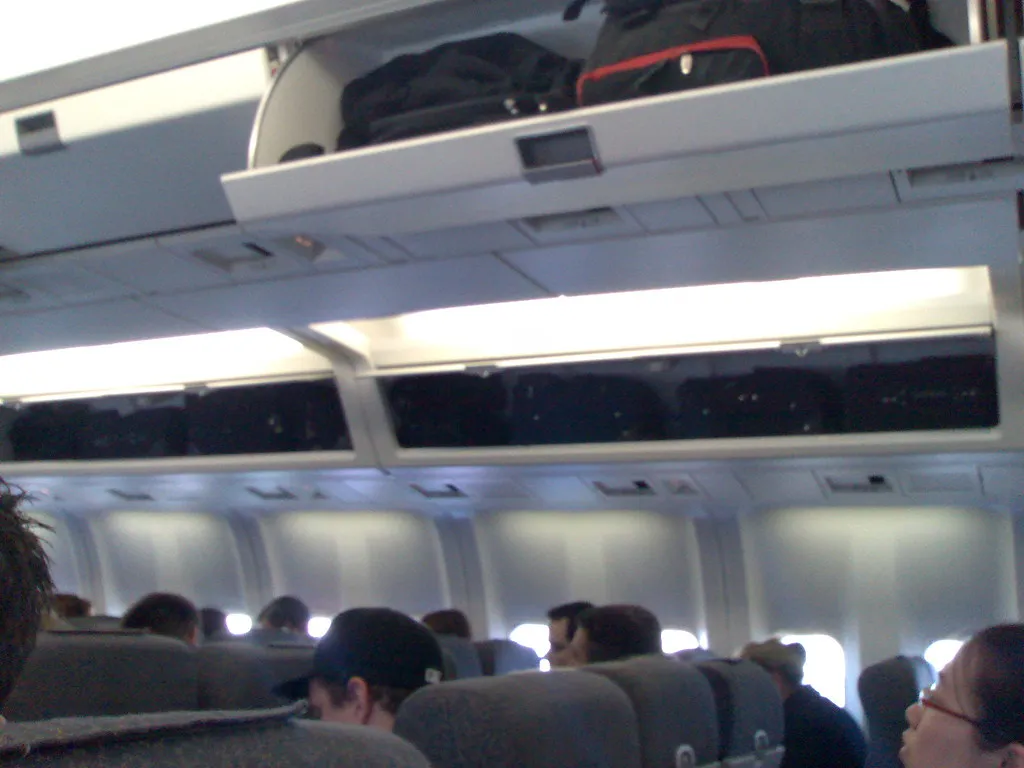
The “wheels first” approach advocated by American Airlines is a clever trick to maximize overhead bin space. Stuffing a roller bag into a bin with the wheels facing the back is intuitive, but it’s remarkable how much more you can fit when you place the wheels facing the front of the bin. This allows for a second bag to be placed alongside it, which can be useful on busy flights.
Some of the newer aircraft bins actually have a picture inside showing how luggage should be placed. In the newer bins, you place your luggage wheels first, on its side, just like a book on a bookshelf, as longtime flight attendant Lara Ketterman, with more than 38 years of experience, explained.
If your carry-on has wheels, the correct method of placing it into one of the bins is endwise, with the wheels going in first. This also leaves the handle easy to grab for a quick departure once you’ve landed safely. There is a caveat, as this usually only applies to newer planes with taller bins; older models sometimes have bins that are too short for this method.
Earn or Buy Priority Boarding Status
If you’re hoping for overhead bin space, you may want to consider paying for priority or early boarding. Travel advisor Sara Wilcox of Fora Travel in New York City put it directly: “The number one reason to buy the early boarding upgrade is if you have a carry-on for the overhead bin.”
Business class passengers, elite frequent flyers, and credit card holders board first, virtually guaranteeing bin space. Passengers in later boarding groups on full flights may find bins full above their seats and must stow bags several rows away or gate-check.
Getting an airline credit card is worth considering, as many airline cards offer priority boarding as a perk, and the annual fee is often cheaper than paying for priority boarding on just a few flights each year. Even low-tier frequent flyer status can bump you up a group or two.
Check In Exactly at the 24-Hour Mark
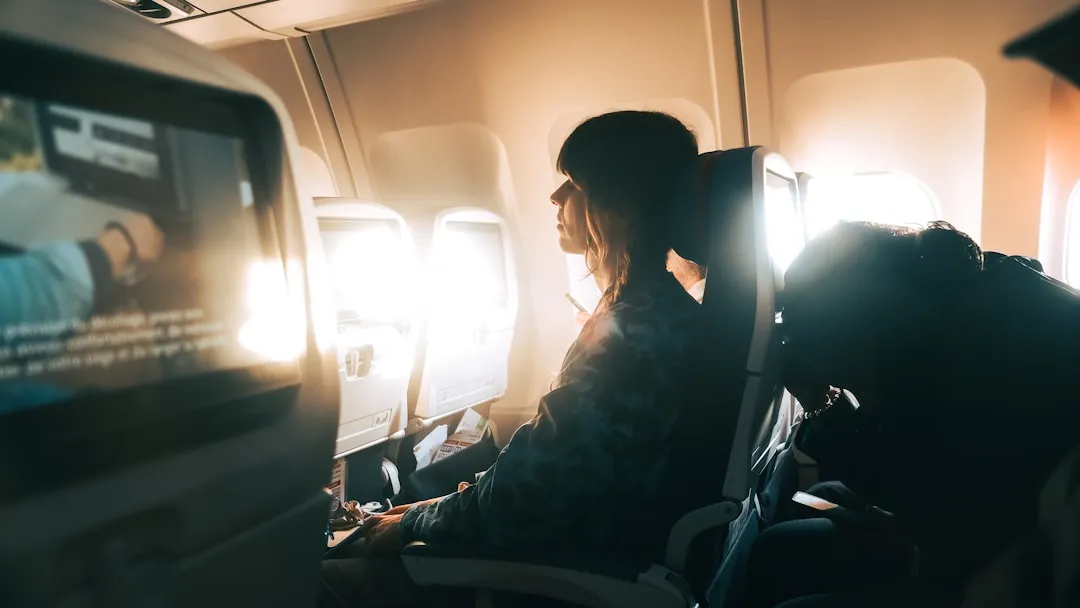
Some airlines assign boarding groups based on check-in time, making it worthwhile to check in exactly 24 hours before your flight. On carriers where boarding group position is tied to check-in order, a few minutes of delay can push you from an early group to a mid-tier one.
This is one of the few completely free strategies available to every traveler. Set a reminder on your phone for 24 hours before departure, and check in the moment the window opens. Boarding early on a full flight is the most reliable way to secure carry-on overhead bin space, particularly on short-haul routes.
Know Your Airline’s Specific Boarding Structure
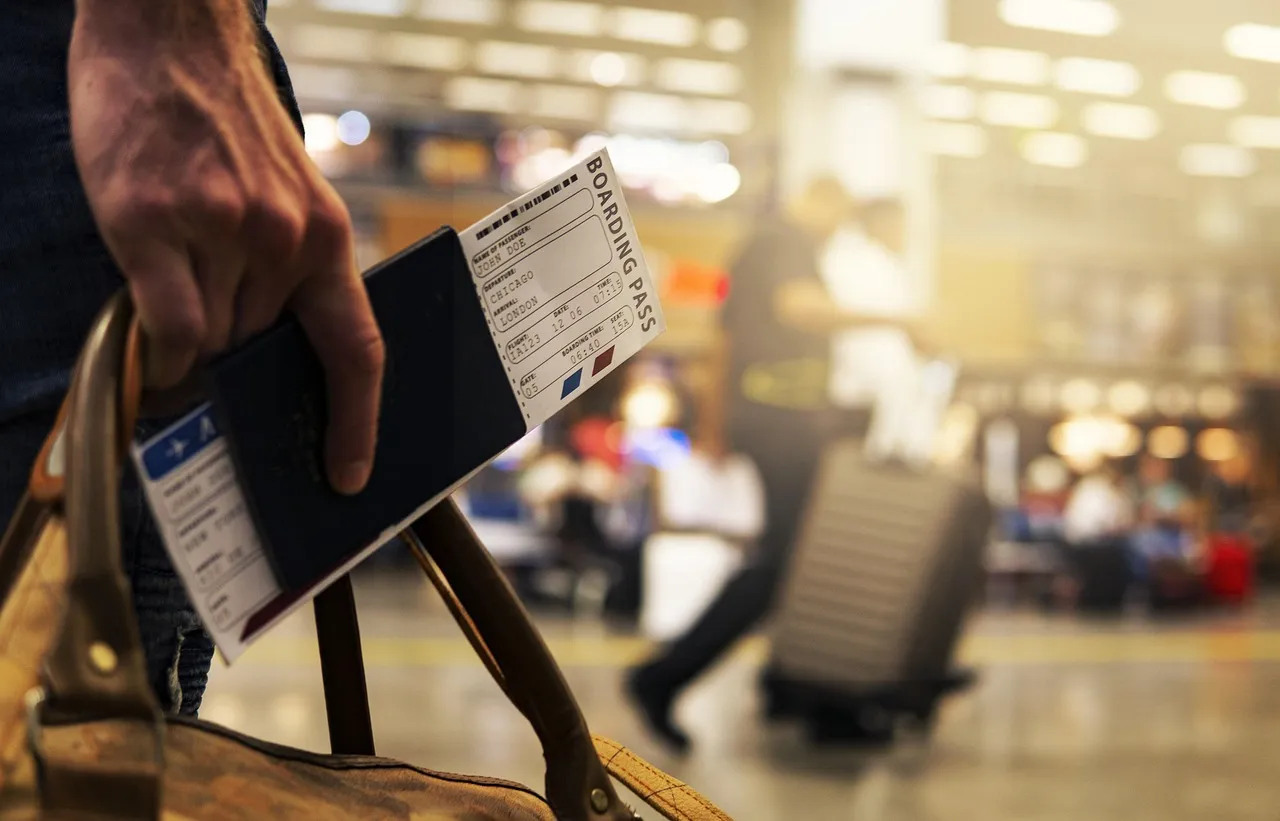
Airlines divide passengers into four to ten numbered groups, with premium cabin passengers and elite-status frequent flyers boarding in the first wave before general economy opens. Understanding exactly where you fall in that structure before you arrive at the gate removes the guesswork entirely.
American Airlines updated its boarding process in 2025, refining group assignments. The airline now uses nine boarding groups plus preboarding. Delta switched to a numbered zone system with eight zones, plus pre-boarding, replacing its older named-group system in early 2025.
United introduced the WILMA system in October 2025 for economy passengers, where window seats board in Group 3, middle seats in Group 4, and aisle seats in Group 5. Knowing these details means you can plan your strategy before you ever reach the airport.
Don’t Store Items You Don’t Need in the Bin
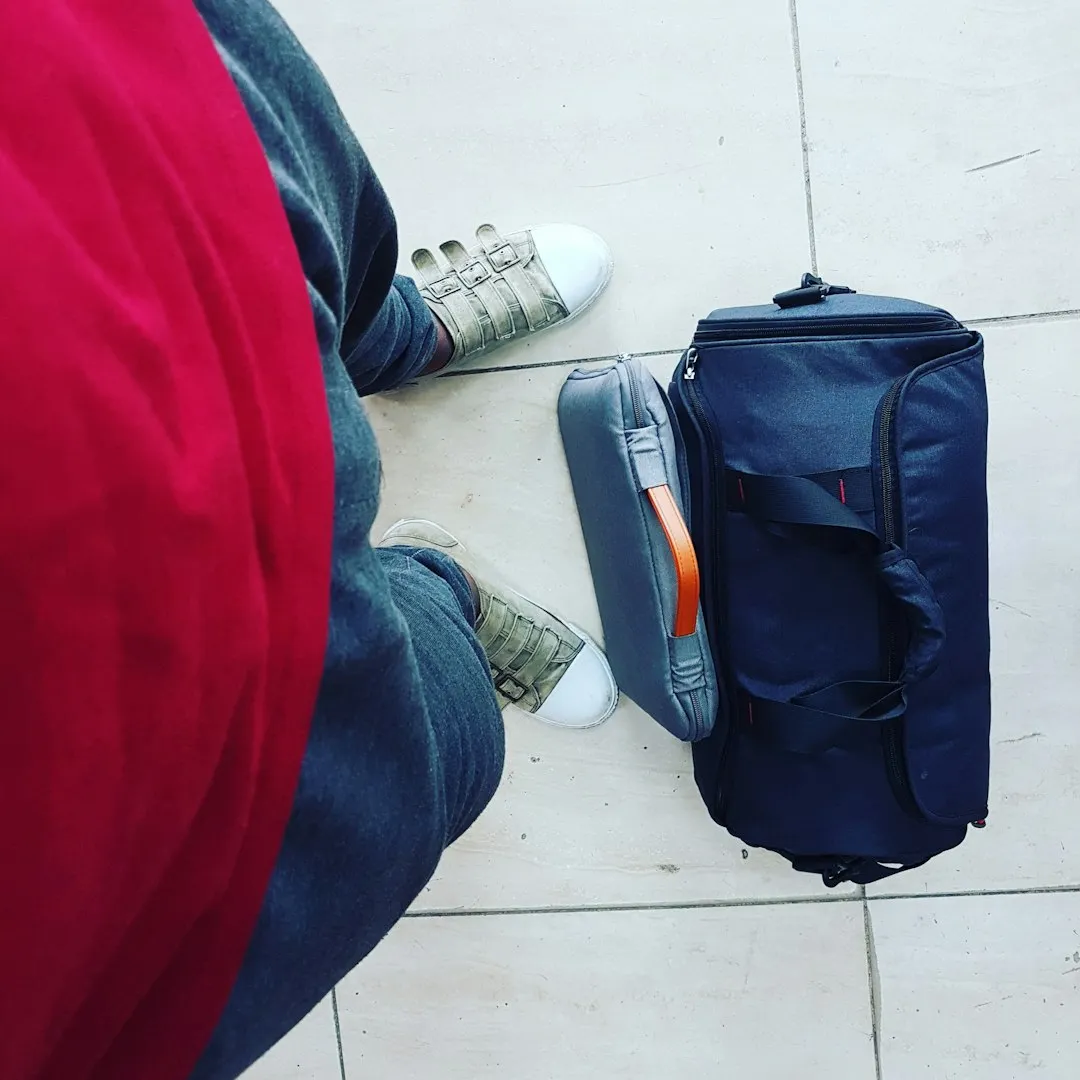
The space under your seat is a genuinely useful spot for smaller essentials, leaving those larger bins for those who need them. Many passengers reflexively hoist everything overhead without thinking, and it creates an unnecessary bottleneck for everyone behind them.
Don’t overlook the space under your seat as a practical spot for smaller necessities, keeping those larger bins available for roller bags and larger items. Coats, handbags, and soft tote bags tucked beneath the seat are far less disruptive than stacking them on top of someone else’s suitcase.
When airlines refer to your “carry-on bag,” they mean smaller suitcases, duffel bags, and weekenders that fit in the overhead bin space onboard. “Personal items” are small enough to fit under the airplane seat, like travel totes, purses, laptop bags, and briefcases. Keeping this distinction sharp helps you plan your luggage strategy accordingly.
Try the Opposite-Aisle Bin Trick
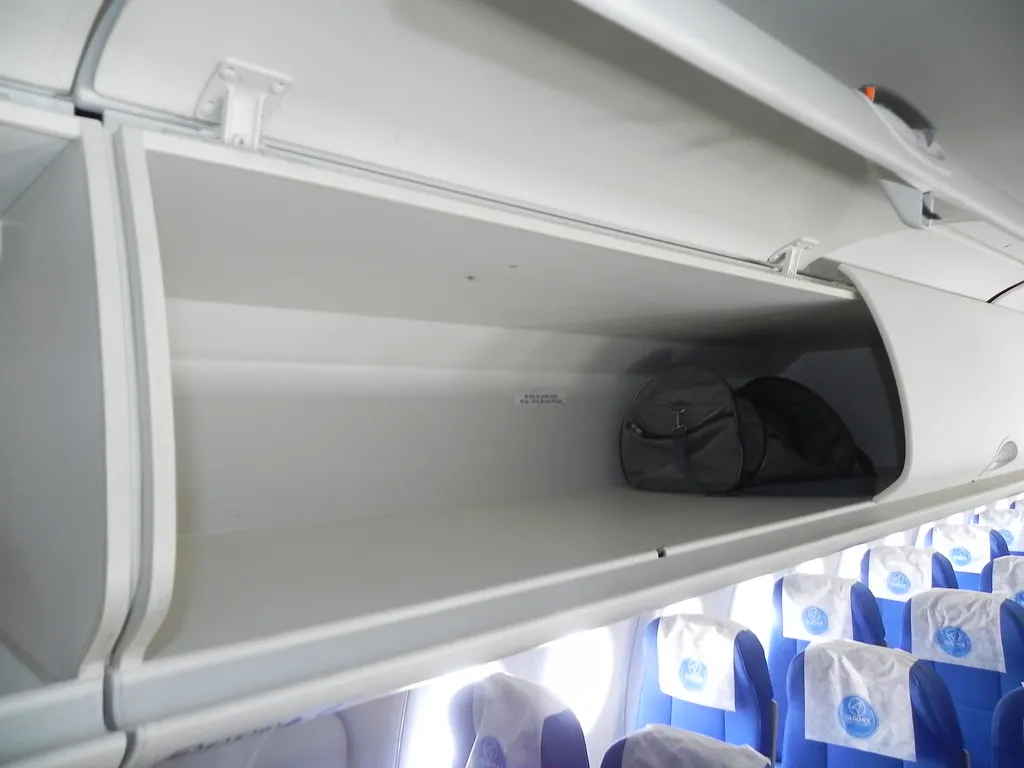
Frequent flyer community member Rosie Ribeiro McWhorter shared a useful observation: “I have found that putting your carry-on in the overhead bin opposite side of the aisle is so much more efficient getting off the plane, versus everyone doing the twisty swinging suitcase around in front of you.” Another reader noted it also allows you to keep an eye on your stuff at all times.
This small habit takes only a second to implement but pays off at deplaning time. When it’s time to exit, your bag is already angled correctly toward the aisle, and you’re not wrestling it around in a crowd. It’s one of those quiet, practical adjustments that experienced travelers adopt without making a fuss about it.
Check the Gate for Voluntary Bag Check Offers
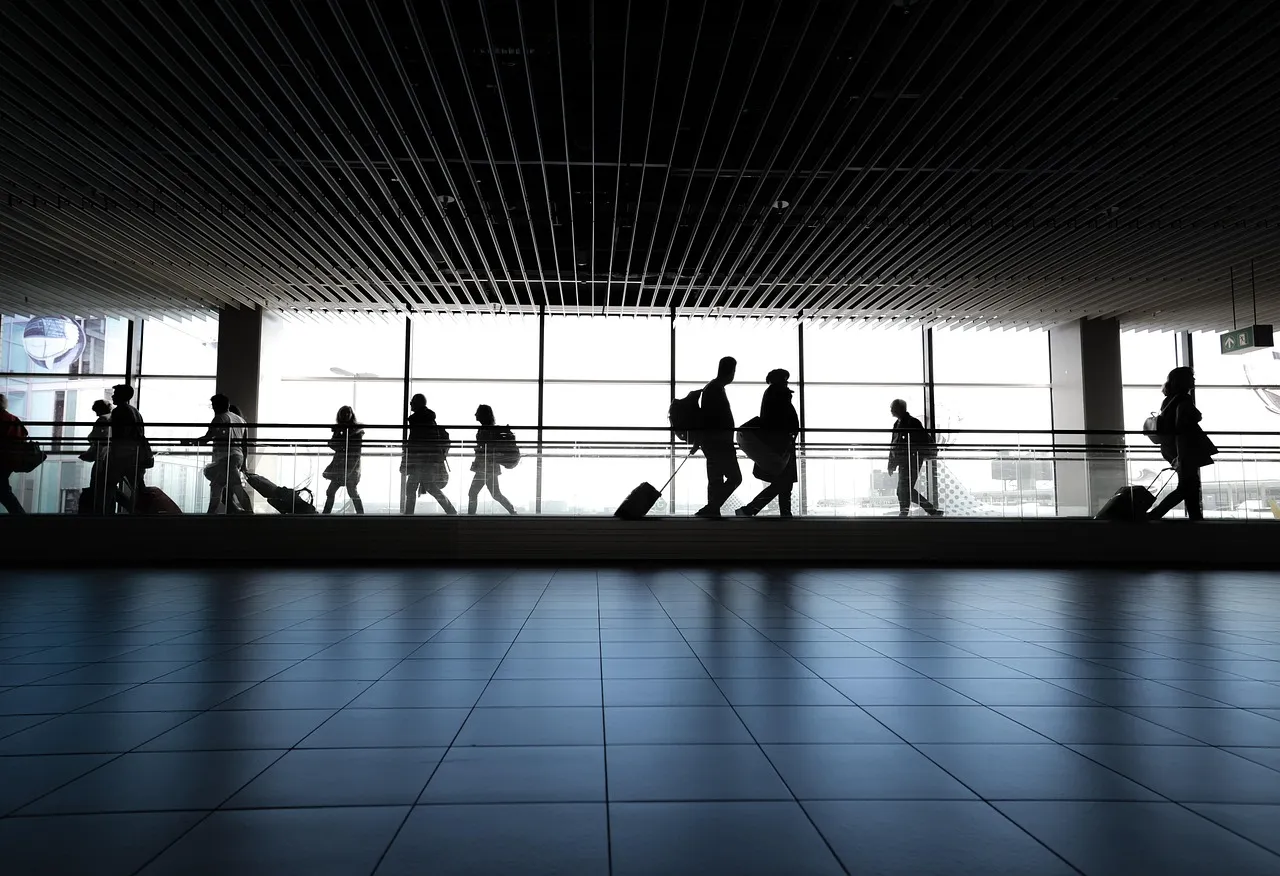
At busy gates, agents regularly seek volunteers to check their bags, citing full flights with insufficient overhead compartment space. If there aren’t enough volunteers, the next announcement typically informs those in the back that they’ll be required to gate-check their bags, whether they like it or not.
If you’re traveling light and have no connection or time-sensitive plans on arrival, volunteering to check your bag is worth considering. The airline often fast-tracks it as a priority bag and you skip the bin scramble entirely. Gate-checking can slow you down if you’ve got a tight connection, since you have to wait for the bag to come to the jet bridge instead of rolling to the next gate as soon as you step off the plane.
Understand the Size Rules Before You Pack
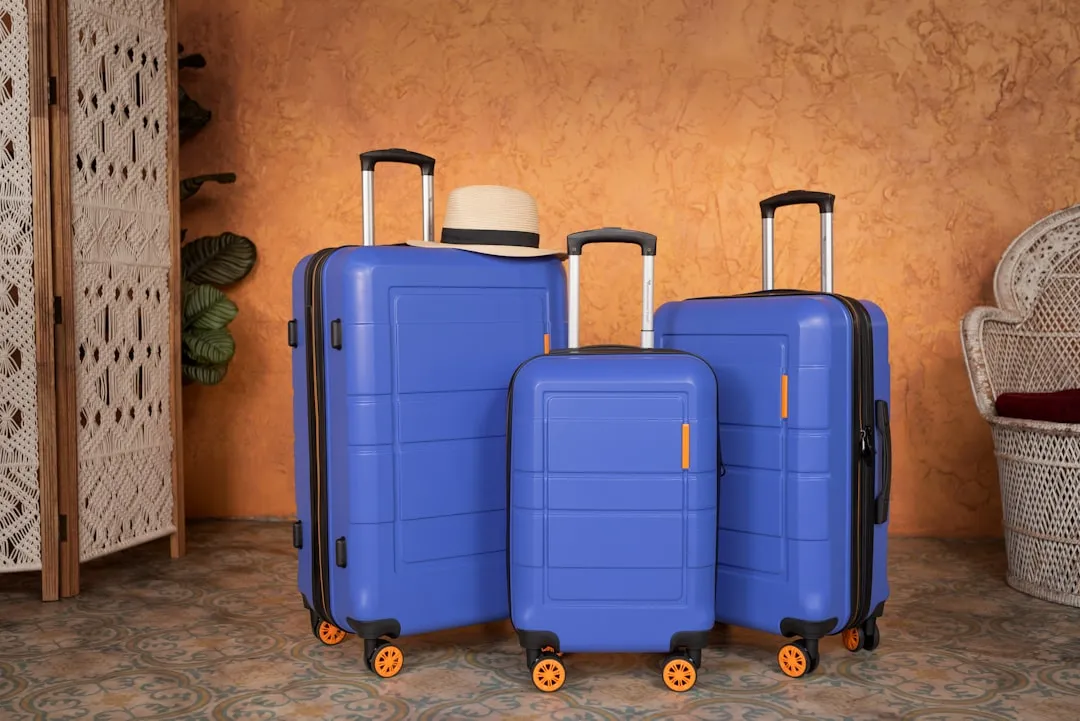
Carry-on size limits vary significantly across airlines, with most U.S. carriers accepting bags up to 22 x 14 x 9 inches, while international carriers typically impose weight limits that U.S. domestic carriers do not. Arriving at the gate with a bag that technically doesn’t meet size restrictions is a fast route to the gate-check line, regardless of your boarding group.
Budget airlines such as Ryanair, EasyJet, and Frontier have the most restrictive policies, with some charging fees for overhead bin access. On those carriers, double-checking the exact rules before packing is especially important, since the rules can change and the fees for non-compliance add up.
Even if your carry-on bag meets size restrictions, you may still need to check it at the gate because of limited space in the overhead bin. Size compliance alone doesn’t guarantee space. Timing and boarding position still matter even when your bag is perfectly within the rules.
Bigger Bins Are Coming, but the Fight for Space Continues
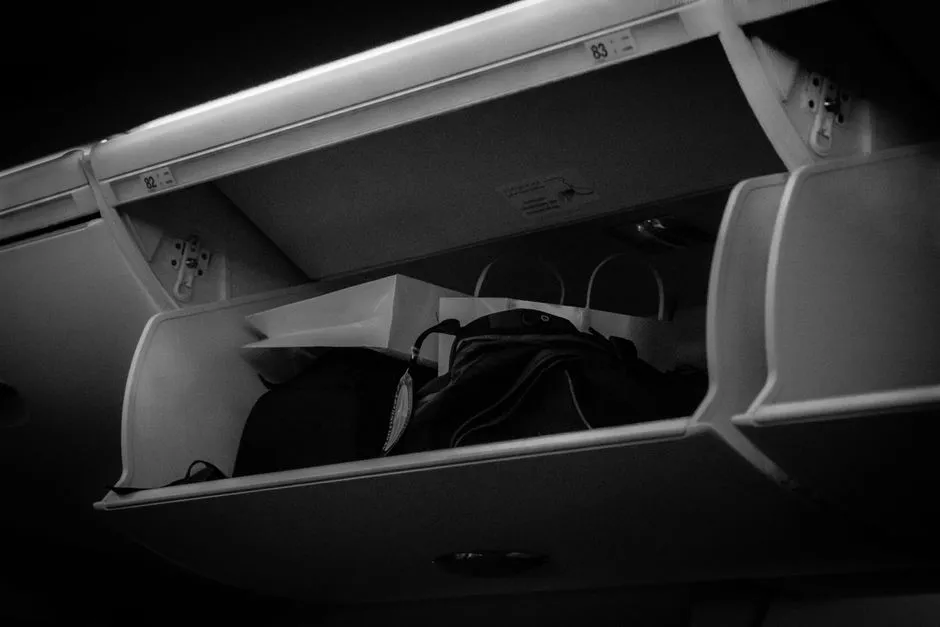
Airbus’s new Airspace L Bins promise to create roughly sixty percent more cabin luggage space than traditional systems by allowing travelers to load their carry-on roller bags vertically instead of having to lay them flat. From early 2025, Lufthansa began retrofitting 38 A320 aircraft with the new Airspace L Bins.
American Airlines has already expanded its overhead bins by forty percent and added bigger bins to its aircraft. Southwest is implementing larger overhead bins alongside faster internet and power outlets. Alaska Airlines is working to increase its overhead bin sizes by forty-eight percent.
The IATA Global Passenger Survey 2025 found that passenger satisfaction with air travel reached its highest recorded level, yet passengers still identify efficient boarding processes and better carry-on management as their top priorities for continued improvement. Bigger bins help, but they don’t eliminate the need to board smart.
The Takeaway
AI Disclaimer: This article was created with the assistance of AI tools and reviewed by a human editor.