
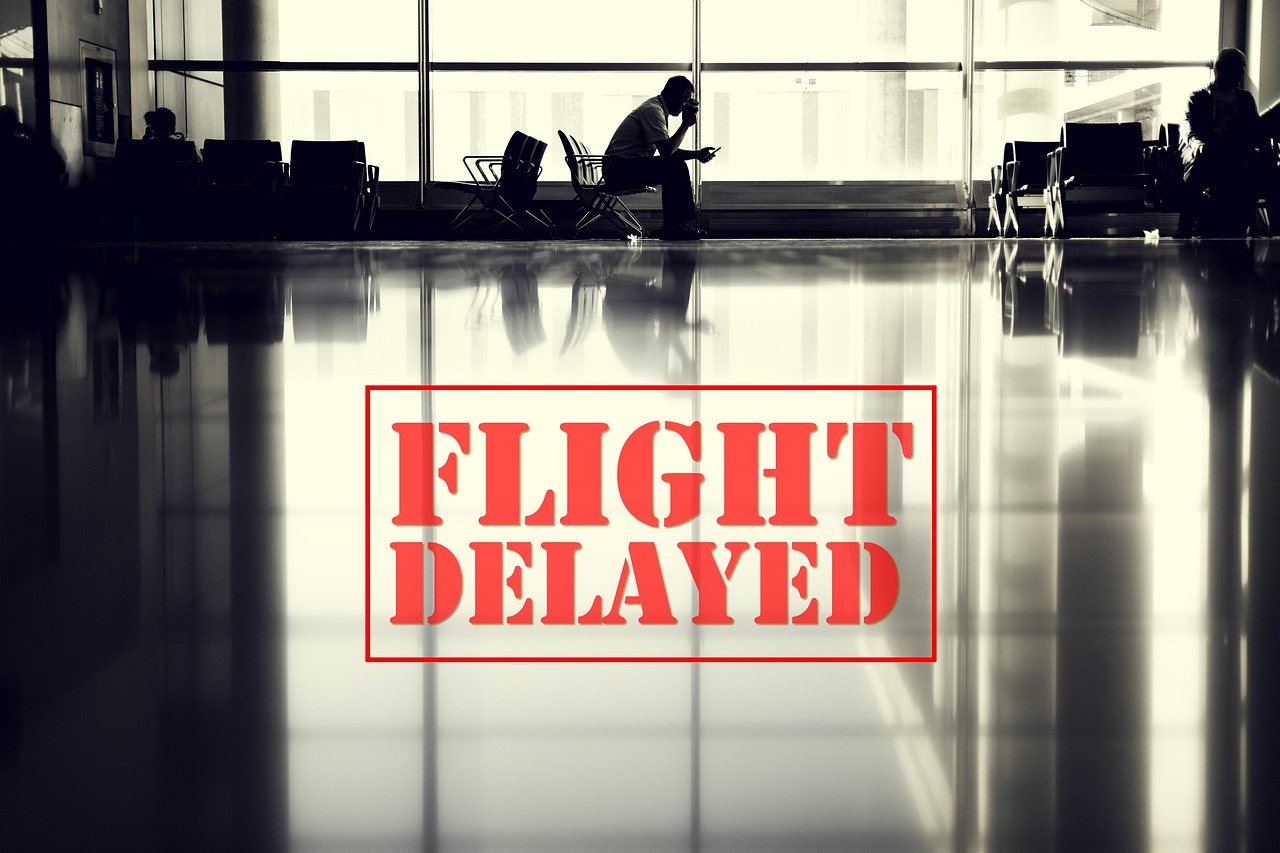

Airports are one of the most psychologically revealing environments most of us ever pass through. You’re stuck, slightly anxious, probably overcharged for bottled water, and operating in a strange liminal space where your normal spending logic seems to dissolve somewhere between the security conveyor belt and gate B14.
What you reach for in that moment isn’t random. Research increasingly shows that our food choices under stress, boredom, and uncertainty say something real about how we cope. The airport snack isn’t just a snack. It’s a small self-portrait.
The Coffee Ritualist: Control Under Pressure
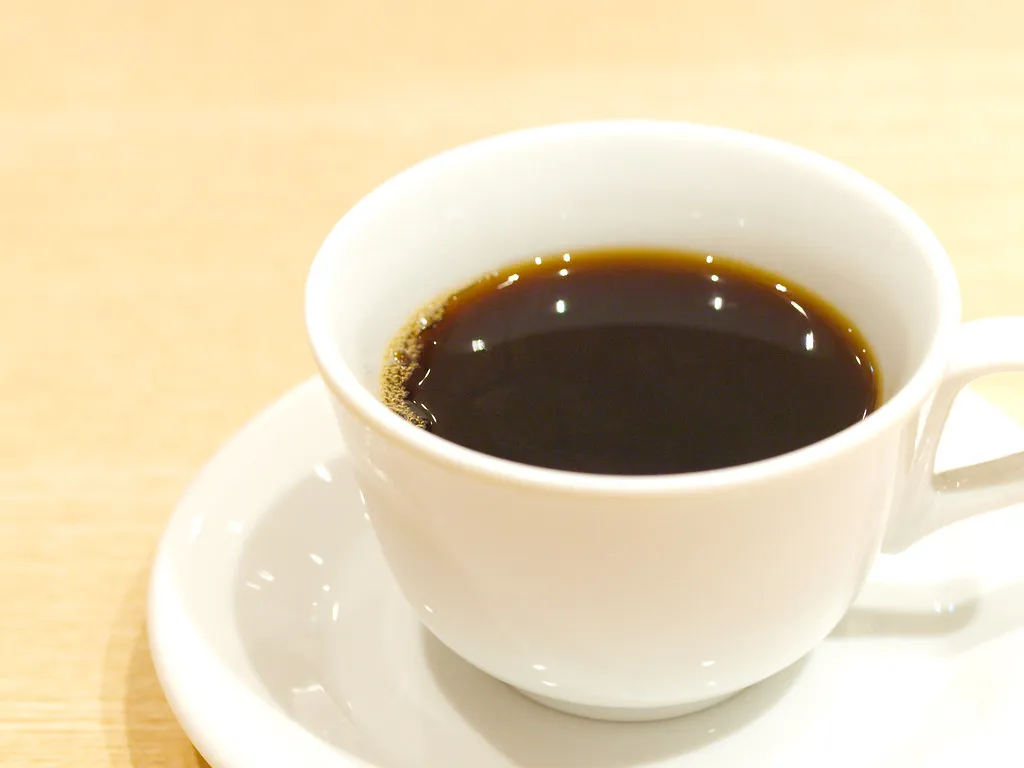
Fast food and specialty coffee together dominate airport food and beverage sales, with quick service making up roughly two-fifths of gross sales in 2024 and specialty coffee accounting for about fifteen percent. That’s a massive share of the market, and it points to something deeper than simple habit.
According to the National Coffee Association’s 2025 data, roughly two thirds of American adults drink coffee each day, with consumption at a twenty-year high. So grabbing an airport coffee isn’t just reflexive. For many travelers, it’s the one familiar ritual in an unfamiliar situation. The coffee person during a delay isn’t falling apart. They’re anchoring themselves.
There is a quiet irony worth noting here. The pressure and low humidity in the aircraft cabin can amplify the effects of caffeine, potentially leading to increased anxiety and irritability. The very thing you’re using to steady yourself might be tightening the knot slightly. Still, the ritual itself carries real psychological value, independent of the caffeine.
The Chips and Candy Grabber: Stress Is Running the Show
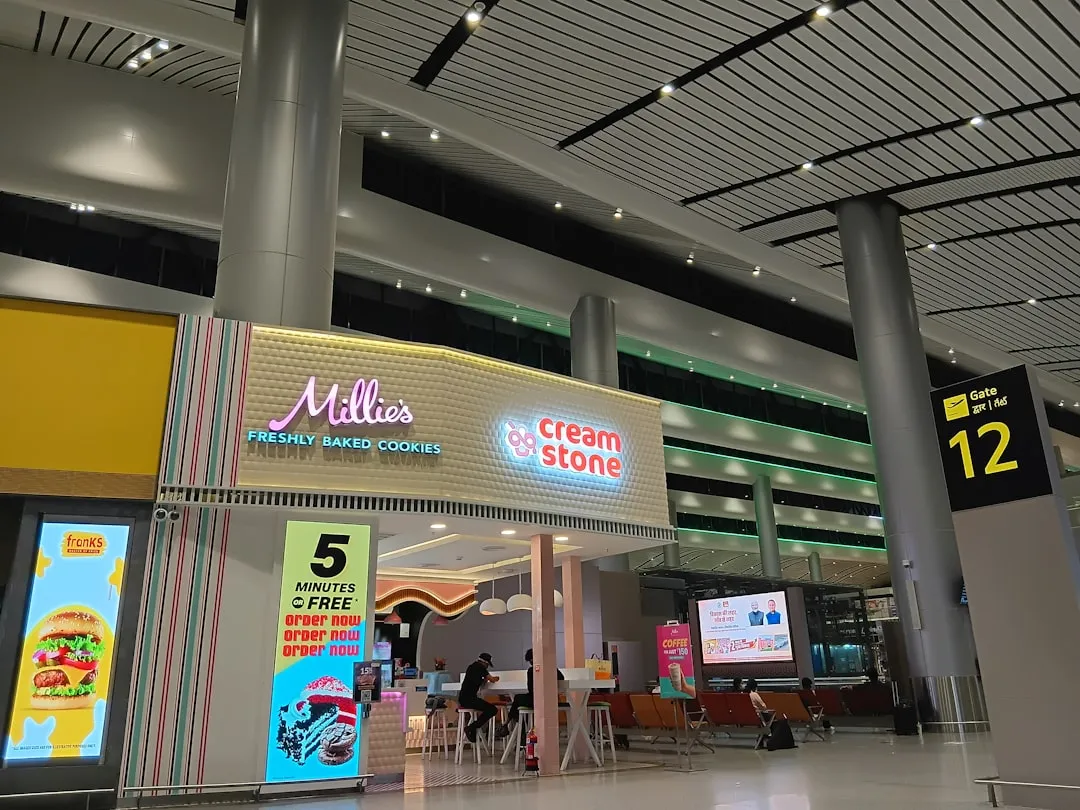
Travel can be inherently stressful, filled with deadlines, security checks, and the fear of missing a flight, and this heightened state of anxiety can lead to a desire for immediate rewards and comfort. The person who beelines for the chips display the moment the delay board updates is responding to something physiological, not just emotional.
Stress increases cortisol levels, which in turn stimulate cravings for high-calorie and comforting foods. People often crave chocolate, chips, or ice cream because these products temporarily boost dopamine. In an airport, that mechanism fires quickly and without much internal resistance.
Impulse snackers tend to eat on instinct, often driven by boredom, stress, or convenience. While a large majority admit to feeling guilty afterwards, taste almost always trumps nutritional intent. This isn’t a character flaw. It’s a well-documented stress response. Recognizing it is the first step toward handling it with a little more intention.
The Bottled Water Buyer: Calm, Measured, and Actually Paying Attention
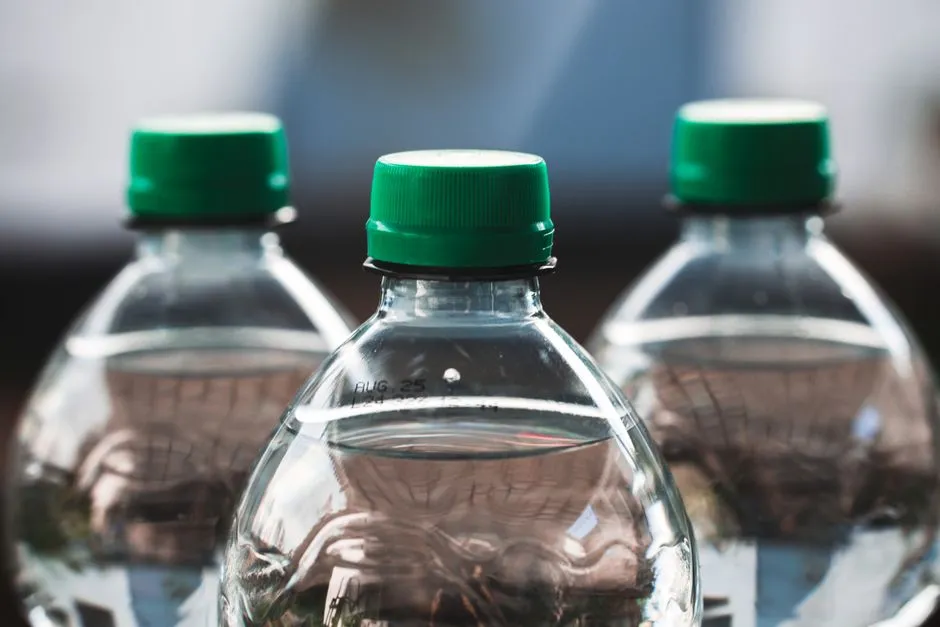
Survey data shows that nearly half of Gen Y and Gen Z respondents said that water or soft drinks were their most purchased item at the airport or on the plane. Among all the choices available in a terminal, water is one of the least emotionally loaded. The person who grabs water during a delay tends to be someone managing their situation rather than being managed by it.
Bottled water and carbonated soft drinks contribute significantly to transaction volume at airports, particularly in warmer-climate airports where hydration needs are more pronounced. Choosing water is also, quietly, a practical decision. Air travel is dehydrating, and the person who knows this is already thinking a few steps ahead of the situation.
The Person Who Packed Their Own Snacks: Preparedness as a Personality
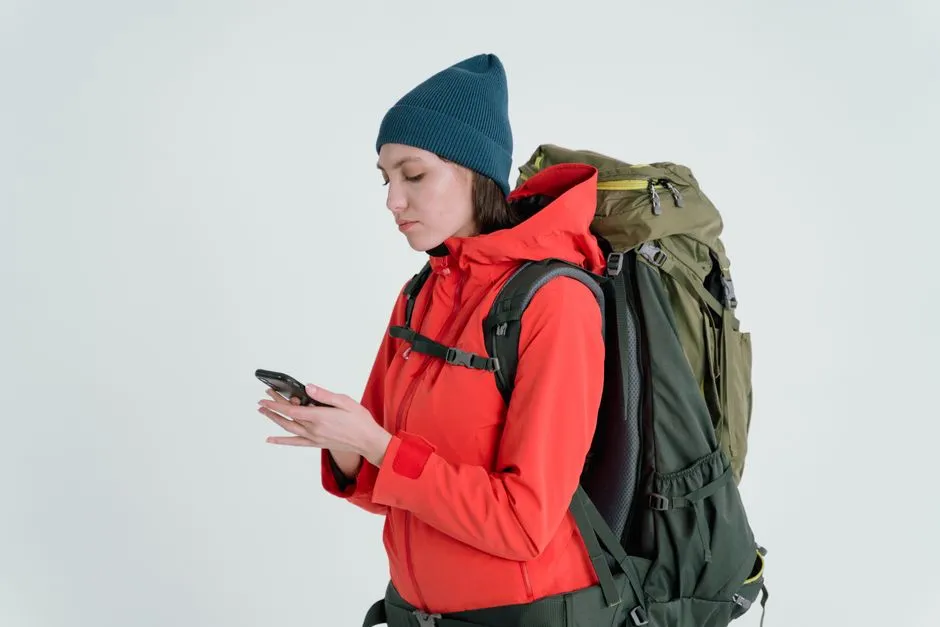
You’ve seen this person. The one who pulls a reusable container of trail mix from a tote bag and seems quietly smug when the three-hour delay is announced. The person carrying their own snacks has been called a lot of things over the years: particular, controlling, high-maintenance, a planner. The conventional read is that it’s a control thing. Research suggests something more layered than that.
What this behavior actually signals, in an airport delay context, is a specific kind of emotional preparation. These are travelers who anticipated disruption before they even left the house. The act of browsing and selecting an item, even from a limited selection, can provide a momentary distraction and a sense of control in an otherwise static situation. The snack packer has already secured that sense of control before the delay ever happened.
The Full Sit-Down Meal Person: Reframing the Situation Entirely
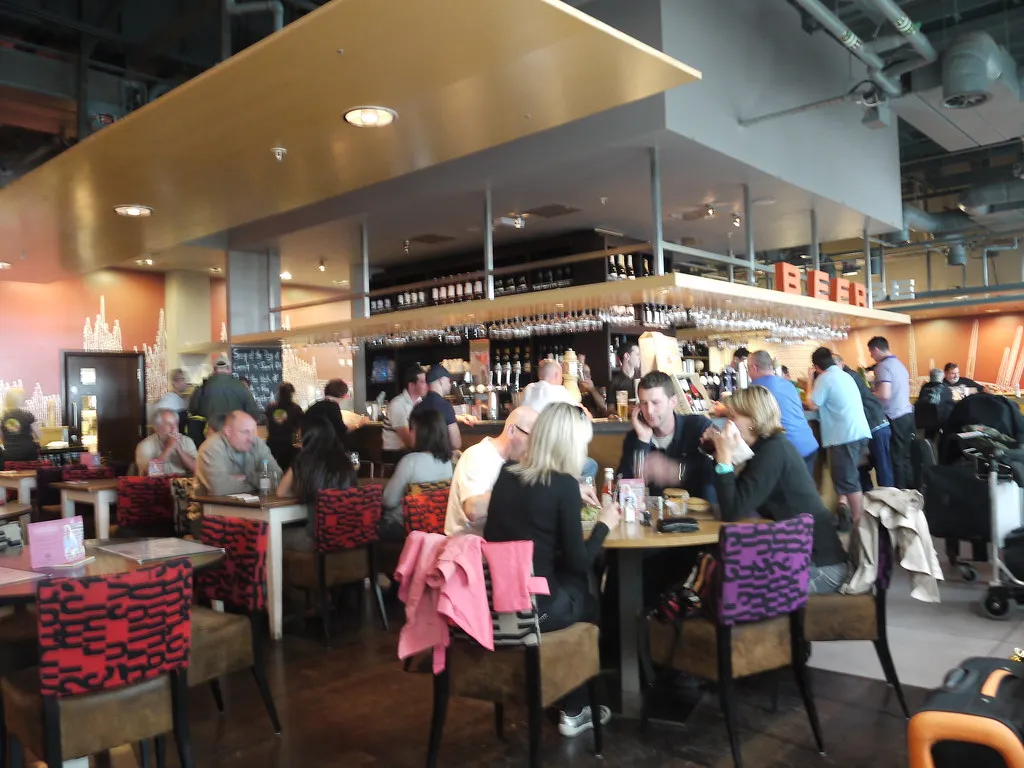
There’s a particular kind of traveler who, upon learning their flight is delayed two hours, sits down, opens a menu, and orders a full meal with a glass of wine. They aren’t avoiding the delay. They’re reinterpreting it as an unexpected gift of time. This is a genuinely sophisticated coping style.
With dwell times extending to more than 140 minutes at major airport hubs, operators are well-positioned to capture a growing share of travelers’ discretionary spending. The airports know this, which is why terminal dining options have expanded so meaningfully in recent years. The sit-down meal person has figured out, consciously or not, that the terminal restaurant is one of the few places in the airport that slows time down rather than amplifying it.
Research has shown that passengers on long-haul flights are willing to pay significantly more for quality food than passengers on shorter routes, which suggests that when travel stress rises, so does the perceived value of a good, proper meal. The full-meal person has simply applied that logic to the terminal itself.
The Energy Drink Reacher: Fighting the Fatigue with Force
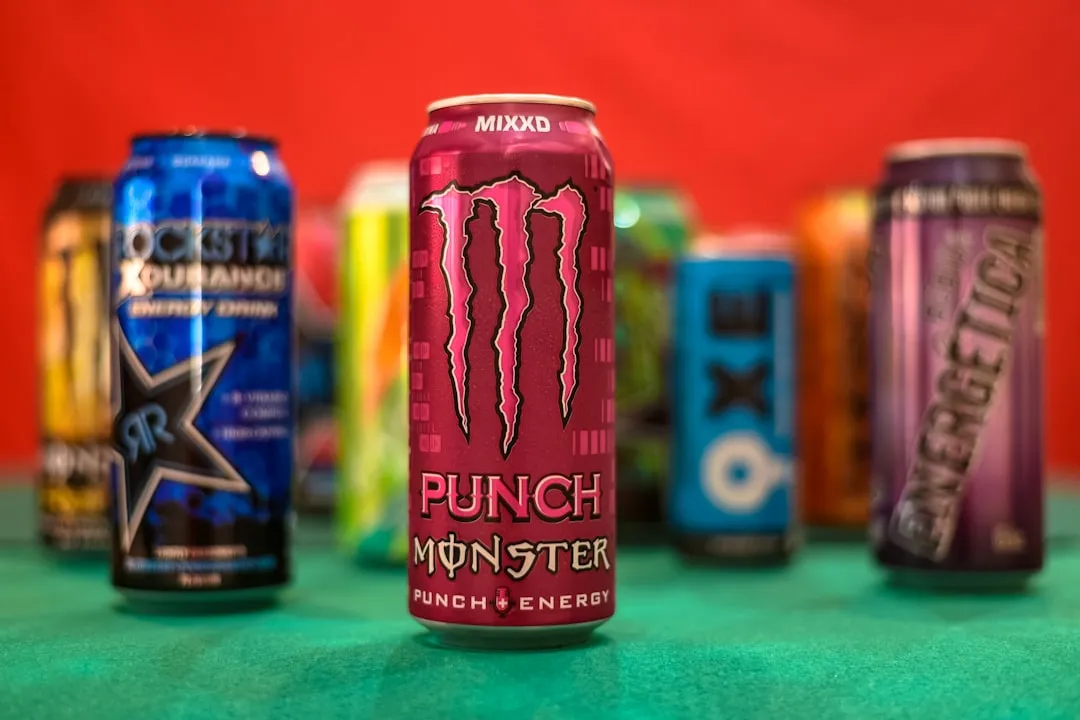
In a survey from the Sleep Foundation, roughly a third of caffeine drinkers experienced higher anxiety, nearly a third experienced insomnia, and about one in eight experienced headaches. Energy drink consumers at airports are often already running on fumes, choosing escalation over rest. It’s a recognizable coping style: when tired and stuck, the response is to push harder rather than pause.
Eating or drinking driven not by physical hunger but by emotional cues like anxiety, boredom, or fatigue is a cycle where feelings like stress trigger a craving for stimulants or comfort foods even when the body doesn’t need them. The brain, seeking a quick mood boost, motivates toward ultra-processed foods and drinks that promise instant energy. The energy drink is a very airport-specific version of this impulse.
The Candy Bar Impulse Buy: Boredom Is a More Powerful Driver Than You Think
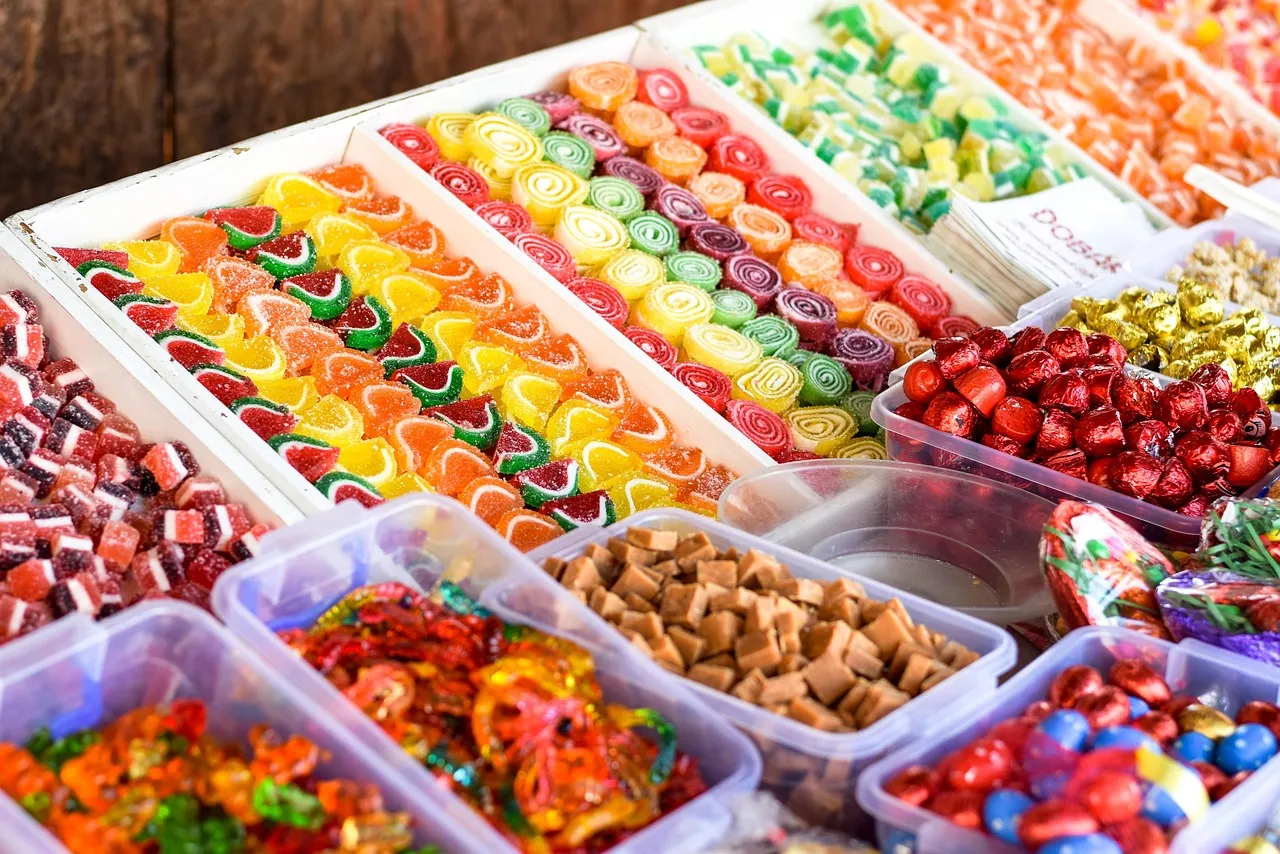
The confectionery segment accounted for roughly fifteen percent of airport food and beverage revenues in 2025, driven in significant part by impulse purchase behavior at departures. That’s a meaningful share, and it’s almost entirely fueled by people standing in front of a display wall with nothing else to do.
Negative emotions have been shown to elicit emotional eating, though it remains an area of active research whether boredom, as a relatively neutral negative emotion, can also trigger this kind of eating on its own. A 2025 study published in the journal Appetite examined stress and boredom-eating in over 800 individuals and found both played measurable roles in snack consumption patterns. The actual frequency of comfort eating was more strongly related to expectations of managing negative feelings and reducing boredom than to the anticipation of pleasure, suggesting these are coping attempts rather than genuine indulgence.
The Healthy Snack Seeker: Identity Maintenance Under Stress
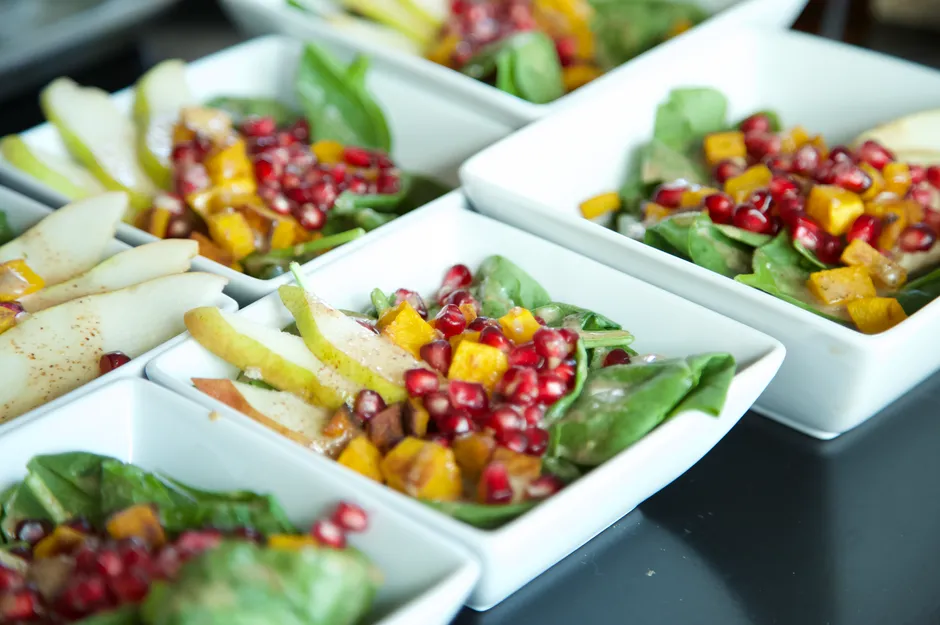
Research reveals that emotional drivers like stress, boredom, and the need for comfort are shaping snacking habits just as much as health or nutrition concerns. Against that backdrop, the traveler who hunts down the one açaí bowl or the grain salad in the terminal is doing something worth understanding. They’re trying to stay consistent with their self-image at a moment when the environment is actively working against that.
In a study of more than seven thousand adults, researchers found that those who eat more legumes, vegetables, fruits, yogurt, fish and seafood, milk, and fruit juice have lower levels of perceived stress. Whether or not the airport salad actually reduces stress, the person choosing it is likely signaling something about how they prefer to relate to difficulty: through discipline rather than release. That, in itself, is a coping strategy.
The Repeat Purchaser: When the Terminal Becomes a Loop
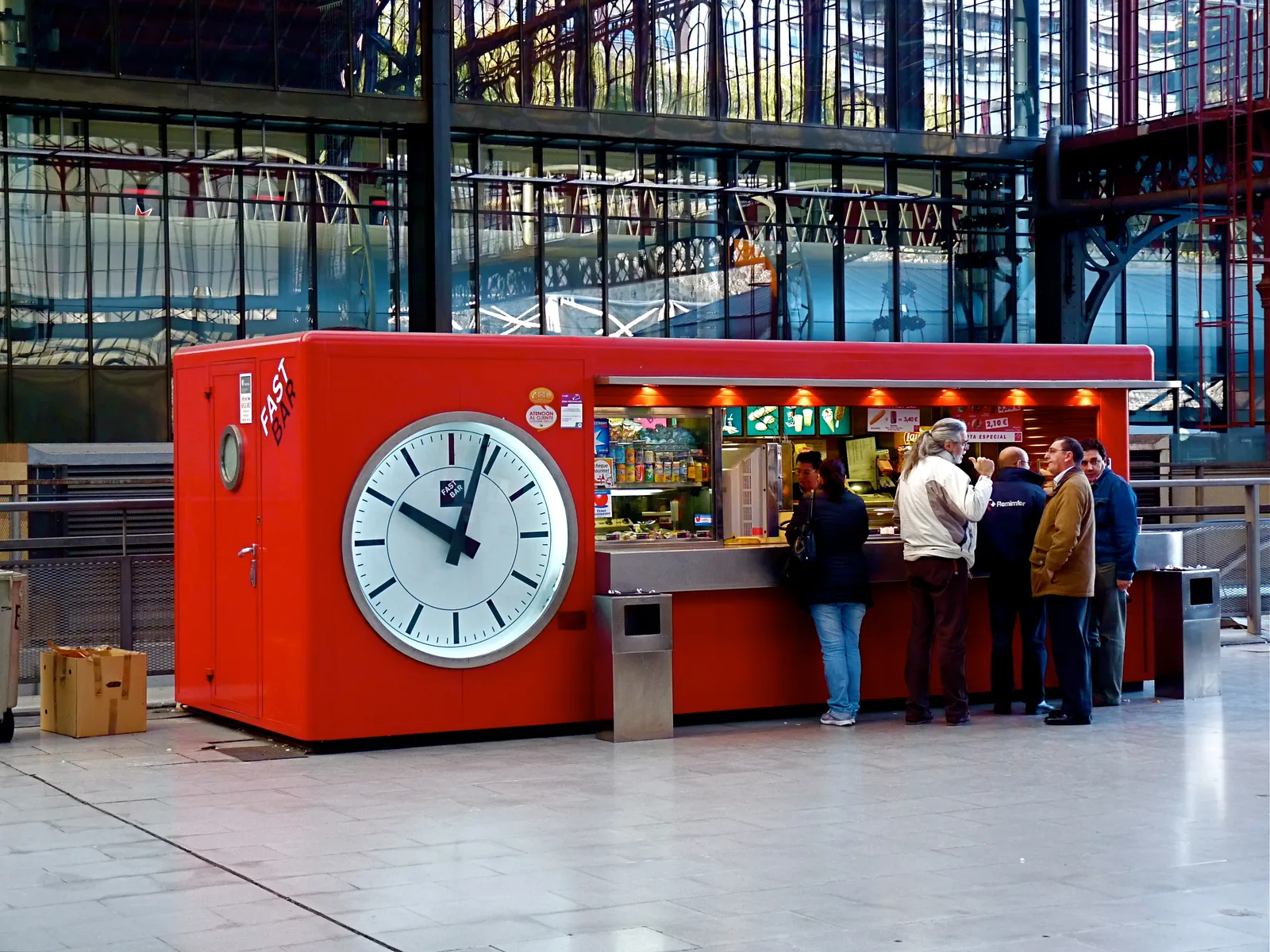
A 2024 study of 89 U.S. airports found that dwell time positively influences non-aeronautical revenue, with a ten percent increase in dwell time associated with an eight percent increase in food and beverage revenue. The airport is designed to encourage exactly this behavior: one snack becomes two, one coffee becomes a refill, and before long you’ve spent forty dollars on things you wouldn’t have bought anywhere else.
Airports are unique commercial environments where typical consumer behavior is often modified by specific psychological triggers. Travelers navigating a blend of excitement, stress, boredom, and anticipation are particularly susceptible to impulse purchases. The repeat buyer during a long delay isn’t being irresponsible. They’re responding to an environment that is explicitly engineered to produce that outcome. Knowing that doesn’t entirely stop it, but it helps to see it clearly.
The Person Who Doesn’t Eat Anything: Avoidance as a Coping Mechanism
Not every delay-coping style involves food. Some travelers sit perfectly still with headphones in, drink only their own water, and refuse to engage with the terminal economy at all. It looks like discipline from the outside. It can be, but it’s worth noting that avoidance under stress is also a documented behavioral response, not always a neutral one.
Research has linked heightened anxiety, depression, and stress to emotional or uncontrolled eating and increased intake of ultra-processed foods, though a smaller subset of people show the opposite pattern. The person who shuts down food-related behavior entirely during a delay may simply process stress differently. Neither eating through difficulty nor refusing to engage with it is inherently better. What matters is whether the response is chosen or just happening automatically.
Cargill’s 2024 and 2025 research into snacking behavior highlighted the duality shaping the category: aspirational wellness on one side and emotional gratification on the other. That tension lives in every airport, visible in every gate area, expressed in every snack choice. The no-food person has simply resolved it in the direction of restraint.
The Takeaway
There’s no morally superior airport snack. A delay is, genuinely, a stressful and disorienting experience. Airports create a unique psychological landscape characterized by waiting, anxiety, and a feeling of being in limbo, which can lower inhibitions for spending and decision-making alike. What you do in that space reflects real patterns in how you manage uncertainty, not just what you feel like eating.
The most useful thing the research suggests isn’t that you should swap the chips for a salad. It’s that awareness matters. Comfort eating during stressful moments is more often a coping attempt than a pleasure-seeking one, which means the snack is doing emotional work whether you notice it or not. Noticing it, even briefly, is its own small act of composure. And that might count for more than whatever you’re holding in your hand at gate C7.
AI Disclaimer: This article was created with the assistance of AI tools and reviewed by a human editor.