

There is something quietly extraordinary about watching a grandparent and a grandchild share the same sense of wonder at a new place. It does not happen by accident. Multi-generational travel, at its best, is one of the richest experiences a family can create together. At its worst, it is a logistical headache with someone always feeling left out.
The good news is that more families are figuring out how to get it right. Nearly half of all travelers are now opting for multigenerational or family trips in 2025, surpassing all other types of group trips and up significantly over the year before. The interest is not slowing down either. UK search data shows a remarkable rise in interest in multigenerational holidays, with a 142% increase between 2021 and 2025. What follows are ten grounded, practical chapters on how to make a trip like this work for everyone at the table.
Start the Conversation Early and Involve Everyone

Planning a stress-free multi-generational vacation starts with aligning everyone early in the process. Deciding on the destination and budget together is essential, as once all family members agree, it naturally increases enthusiasm and overall buy-in for the trip. This sounds obvious, but many families skip this step entirely, letting one person handle all the decisions and then wondering why others feel disconnected once they arrive.
Involving everyone in the trip planning process ensures all ideas and must-see attractions are on the table. A family meeting to discuss desires and limitations for activities and pace goes a long way. Good communication early allows you to find common ground. Even a short video call where each family member names one thing they want from the trip can completely change the dynamic.
Understand That Different Generations Want Different Things
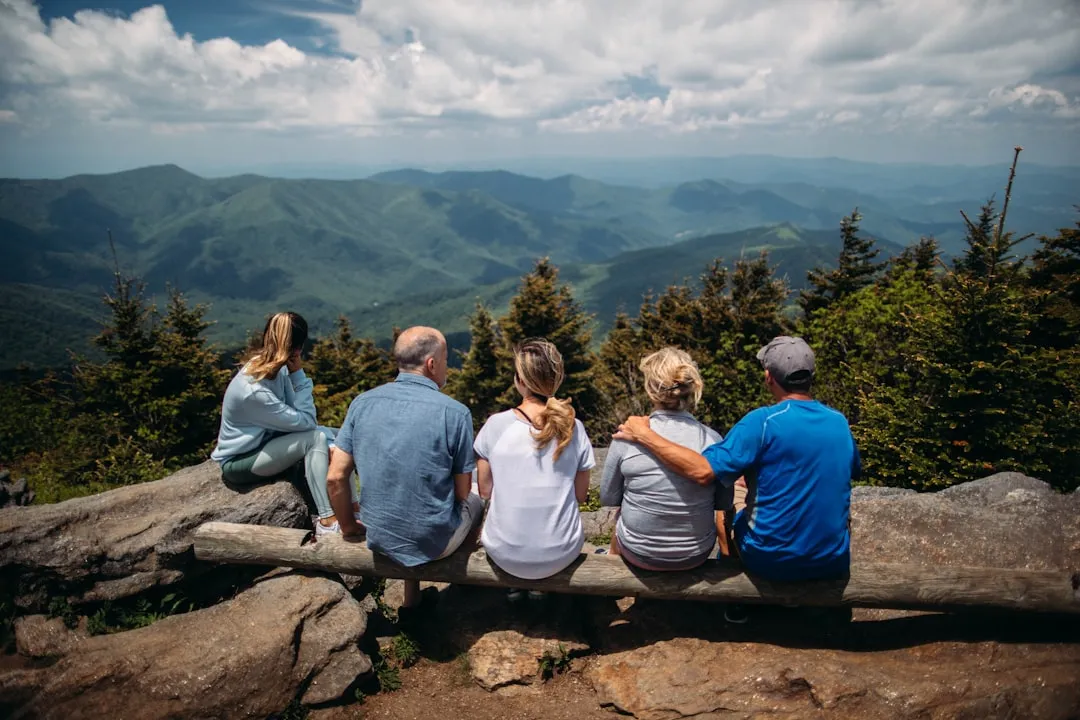
The most common mistake in multi-gen planning is assuming everyone wants the same experience. They genuinely do not, and that is fine. Older generations tend to value comfort, while younger generations value adventure, immersive experiences, food, and local culture. Acknowledging this upfront is not a source of conflict; it is the starting point for smart design.
From balancing adventure with downtime to choosing destinations that appeal to everyone, successful multi-generational trips in 2026 are carefully curated experiences. Think of the itinerary less as a single shared schedule and more as overlapping circles, where most things land somewhere in the middle, with room at the edges for each generation to pursue what genuinely matters to them.
Choose the Right Destination for All Ages

The top choice for multi-generational travel, covering grandparents, parents, and children together, remains beach vacations, while trips that include only grandparents and grandchildren tend toward museums and cultural experiences. Both tell you something useful: most large family groups gravitate toward places where activity options are genuinely diverse and the pace is adjustable.
Mediterranean destinations appeal to grandparents seeking culture and cuisine while also offering children beaches, outdoor activities, and age-friendly exploration. Riviera Maya all-inclusives, for example, offer family suites, kids’ clubs, water sports, and cultural excursions that balance all generational interests in one place. The goal is to find a destination that gives everyone a genuine reason to be there, not just a compromise that satisfies no one fully.
Pick Accommodation That Actually Brings People Together

Where you stay matters more than most families realize. Choosing the right accommodation is equally important: opting for villas, boutique lodges, or family suites that offer shared spaces encourages connection, while also ensuring accessibility for older family members through features like elevators, ground-level rooms, and private areas to minimize potential conflicts.
Vacation rentals and Airbnb are very popular with families prioritizing multi-generational trips, as renting an entire property gives everyone space under one roof. When booking accommodations, it is worth considering amenities like step-in showers, one-level living, laundry machines, and even nursery items for younger children. A shared kitchen and communal living area can quietly become the heart of the whole trip, the place where generations actually talk.
Build an Itinerary That Balances Energy Levels

Energy levels vary enormously between a five-year-old, a forty-year-old, and a seventy-five-year-old. No single schedule fits all three. A well-balanced itinerary is key to successful family vacations for all ages, so aim to structure days with active mornings followed by more relaxed afternoons, making sure to include at least one activity that appeals to each generation.
Choosing accommodations that minimize walking distances, prioritizing accessible or ground-floor rooms, and avoiding itineraries built around long walking days or extreme heat without rest options makes a meaningful difference for older travelers. It is not about slowing everyone down. It is about designing days so no one feels like they are being dragged somewhere or left behind.
Do Not Force Everyone to Do Everything Together

Some of the best multi-generational trips are the ones where families split up for parts of the day. Multi-generational trips do not have to mean everyone is together at all times. Sending the kids to a kids’ club while the adults enjoy a cooking class or spa afternoon is a completely valid approach. Everyone returns to dinner with more to talk about.
Cruises specifically work well for groups with mixed ages and interests because you can be together for meals and apart for activities without anyone needing to plan the transition. Cruises and all-inclusive resorts are among the most grandparent-friendly formats because grandparents can self-pace every single day without affecting anyone else’s experience. Shared meals at the end of the day tend to be when the real magic happens anyway.
Have an Honest Conversation About Money

Budgets within the same family can differ significantly, and ignoring that reality creates resentment. While the memories made through family travel are invaluable, making them happen is not always easy or cheap. Multi-generational family travelers have many needs to juggle and are particularly cautious about budget and risks.
Multi-generational vacation costs vary widely by destination and accommodation type. Budget options for a family group can range from roughly eighteen hundred to forty-five hundred dollars per week for national park destinations, split among families. Older generations often have significant assets for funding travel and are not easily discouraged by economic uncertainty, which means a transparent, respectful conversation about who pays for what can open doors rather than close them.
Plan for Health, Mobility, and the Unexpected

Planning for the unexpected is not pessimism. It is just good sense when you’re traveling with multiple generations at once. Getting sick or having an accident during a trip continues to be the top concern for travelers, and this is especially relevant when the group includes both very young children and older adults. Comprehensive travel insurance for every member of the group is not optional.
As life expectancies grow and the population ages, multigenerational travel presents both unique opportunities and practical considerations around mobility and health. Researching the medical facilities available at your destination, noting the location of the nearest clinic or hospital, and packing a well-stocked first aid kit with any prescription medications in clearly labeled containers are simple steps that give the whole group genuine peace of mind.
Let the Children Have a Real Voice in the Planning

One of the more interesting shifts in family travel right now is the growing influence of younger travelers on where and how families go. A trending theme within multigenerational travel is “Kidfluence,” the growing influence of children aged seven to eighteen in family vacation planning, with research showing children increasingly drive destination selection, activity choices, and even accommodation preferences.
Around nine in ten Millennial and Gen Z parents say “quality time” is the primary reason for bringing extended family along on vacation. When children feel that their voice shaped the trip, they show up differently. They are more engaged, more patient with the slower pace older relatives may need, and far more likely to remember the trip fondly. Giving a child ownership of one full day of activities is a low-effort, high-return investment.
Make Space for Meaning, Not Just Activity

The most lasting thing a multi-generational trip can produce is not a photo album. It is the transfer of stories, values, and memory between people who love each other. According to AARP’s 2026 Travel Trends survey, roughly three-quarters of grandparents say that family travel is the single best way to bond with their grandchildren. That number carries real weight.
Driven by a desire for deeper connection away from daily routines and digital distractions, families are finding that exploring together beyond the familiar expands horizons and generates authentic opportunities to share stories and memories across generations. Build in some unstructured time, a long lunch, a slow walk, an evening on a balcony together. Those are often the moments people talk about for years afterward.
The Takeaway

Family travel in 2026 is fundamentally about connection, simplicity, and shared adventure. Whether it is a multi-generational beach escape, a slow travel retreat, or a national parks road trip, today’s families are prioritizing memories over packed schedules. The best trip is rarely the most ambitious one.
Multi-generational travel works best when it is designed with honesty, flexibility, and a genuine respect for the fact that each person in the group, from the toddler to the grandparent, deserves to feel seen. The planning takes effort. Flexibility and patience are key, because not every moment will go as envisioned, but being together is what matters most. That quiet truth is the foundation everything else is built on.
AI Disclaimer: This article was created with the assistance of AI tools and reviewed by a human editor.