
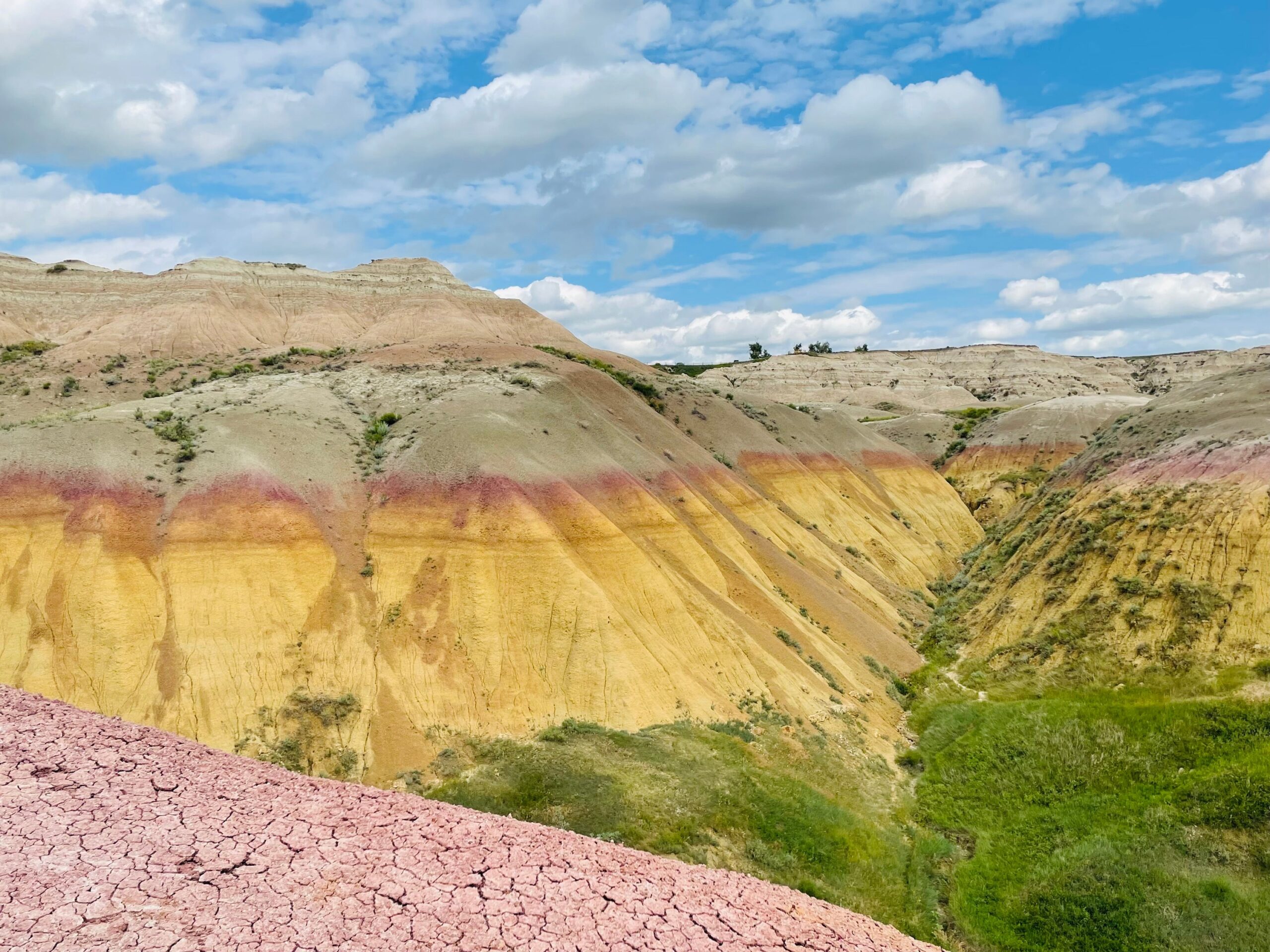
Most people who drive through Badlands National Park follow the same well-worn script: pull into the big lots, snap photos at the famous spires, and move on. It’s understandable. The park is enormous and the obvious views are legitimately stunning. Still, tucked along the quieter stretches of the Badlands Loop Road, Prairie Wind Overlook sits patiently waiting for visitors who take a moment to veer off the beaten path.
Unlike most other overlooks in Badlands National Park, Prairie Wind Overlook doesn’t offer any views of the dramatic rock formations. Instead, you can see the swaying grasses of the park’s sprawling prairie, stretching toward the horizon. That distinction is precisely what makes it so memorable. This is a place built for stillness, not spectacle, and it rewards a different kind of attention.
A Prairie Vista Unlike Anything Else in the Park
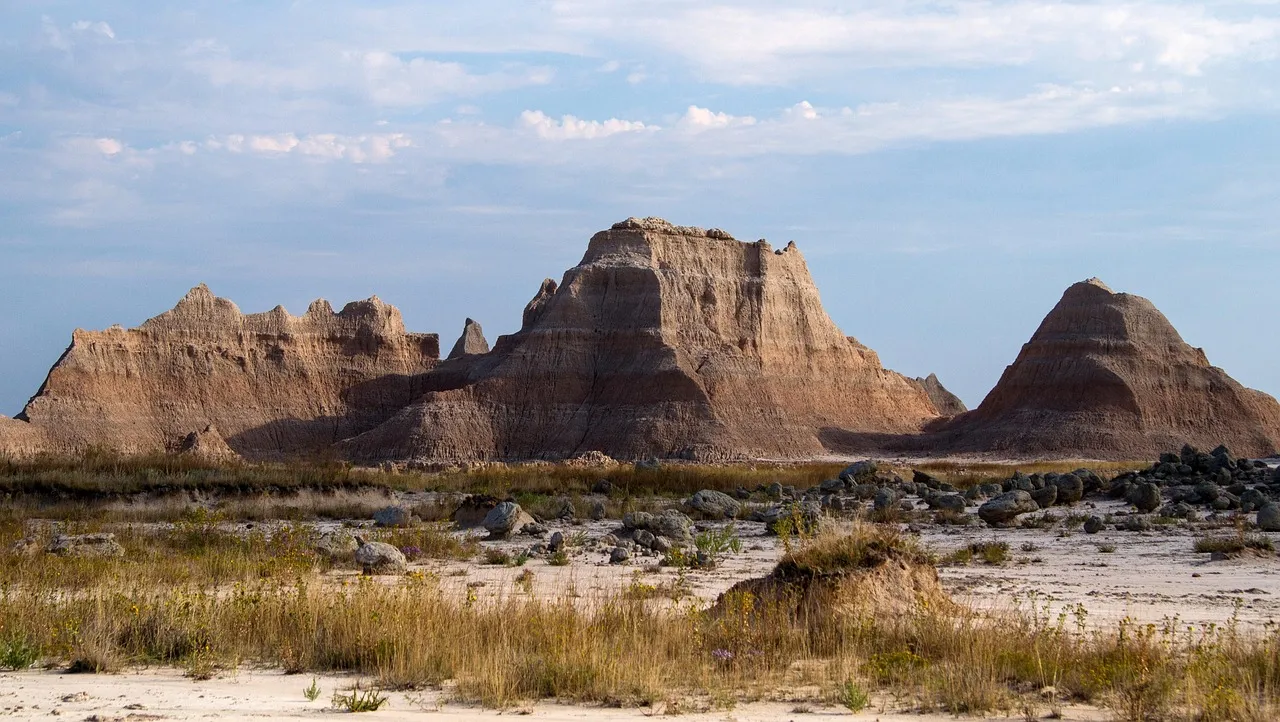
Nestled within Badlands National Park, Prairie Wind Overlook offers a refreshing departure from the park’s iconic rock formations. Instead of dramatic cliffs, visitors are treated to an expansive view of the serene mixed-grass prairie, which is one of the largest remaining ecosystems in the United States.
This overlook offers a tranquil journey through rolling prairies and vast open landscapes, providing a serene connection to nature. Gentle breezes and panoramic views create a peaceful atmosphere, while the mix of grasslands and rugged Badlands formations adds visual interest.
Visitors appreciate the serene environment, vast grasslands stretching to the horizon, interpretive signs explaining the prairie ecosystem, and the opportunity to listen to the wind rustling through the blades of grass.
The Largest Protected Mixed-Grass Prairie in America
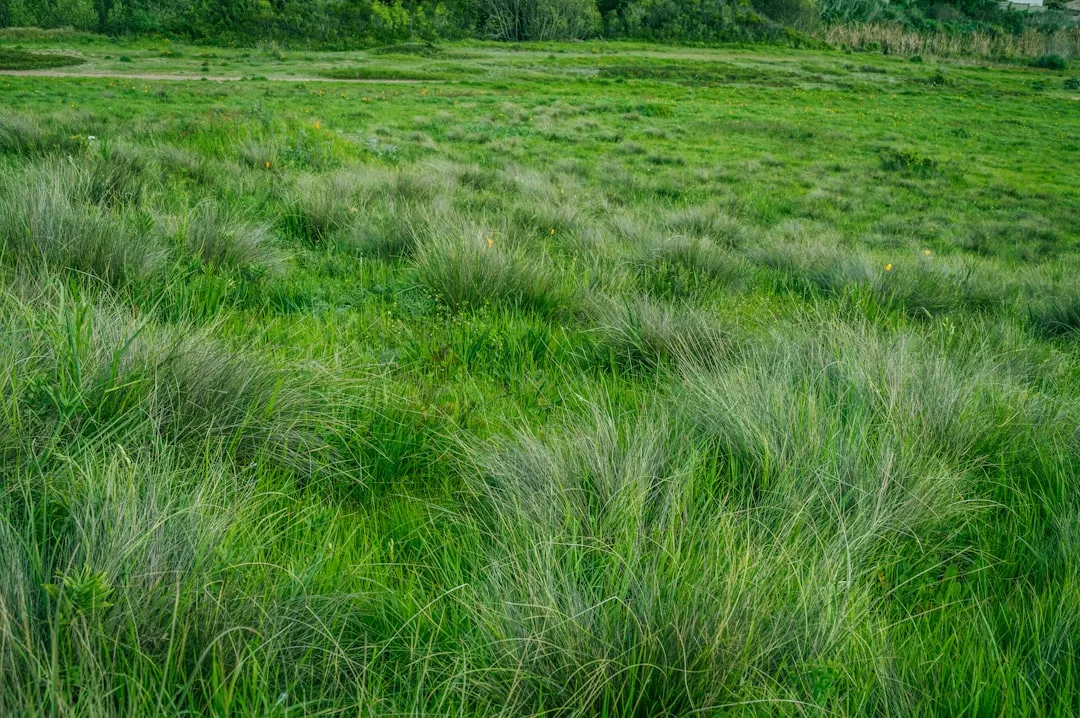
Although famous for its geology, the park also preserves the largest mixed-grass prairie in the USA. That fact alone deserves more attention than it typically receives. When people think of national park superlatives, they picture towering canyon walls or ancient glaciers, not grass. But grass ecosystems are among the most threatened on the planet.
The North American prairie ecosystem is separated into three major components, based on which type of grass dominates the ecology: short-grass prairie, mixed-grass prairie, and tall-grass prairie. The short-grass prairie runs along the rain shadow of the Rocky Mountains, where short grasses receive little moisture.
Today, the native prairie only retains about two percent of its original range. Invasive plants further threaten what little is left, pushing out native plants virtually unchallenged. Badlands National Park does what it can to manage these invaders with various tactics, including prescribed fires and spraying herbicides.
A Walk Through Geological Deep Time
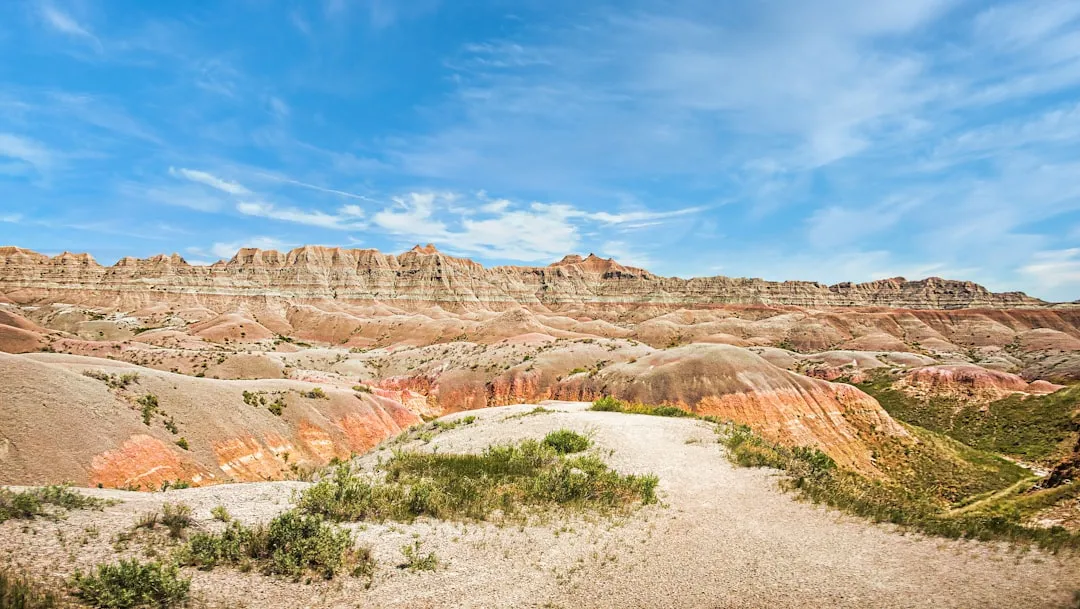
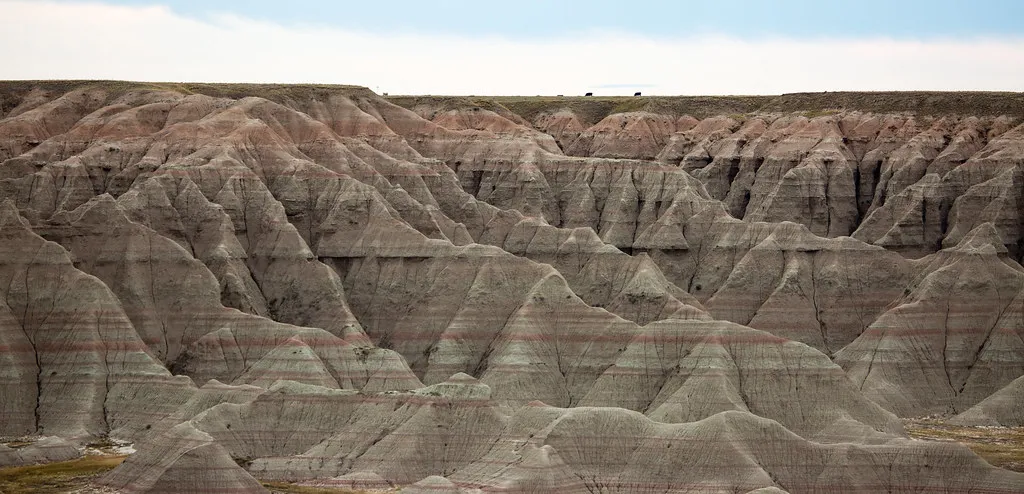
The Badlands of South Dakota are a geological masterpiece carved by millions of years of deposition and erosion. The sharply eroded buttes, pinnacles, and spires that define the landscape were formed from sedimentary layers laid down between 23 and 75 million years ago, when a shallow inland sea and subtropical forests covered the region.
Deposition began about 75 million years ago with the formation of the Pierre Shale, the base of the geologic formations in the park. Deposition ended about 28 million years ago with the Sharps Formation, the uppermost unit of Badlands stratigraphy.
The Badlands formations have a lifespan of approximately one million years. They erode at about one inch a year. When you stand at Prairie Wind Overlook and watch the wind move across the grass, you’re looking across a landscape that is, in geological terms, actively disappearing and constantly renewing itself.
Wildlife That Wanders Into View
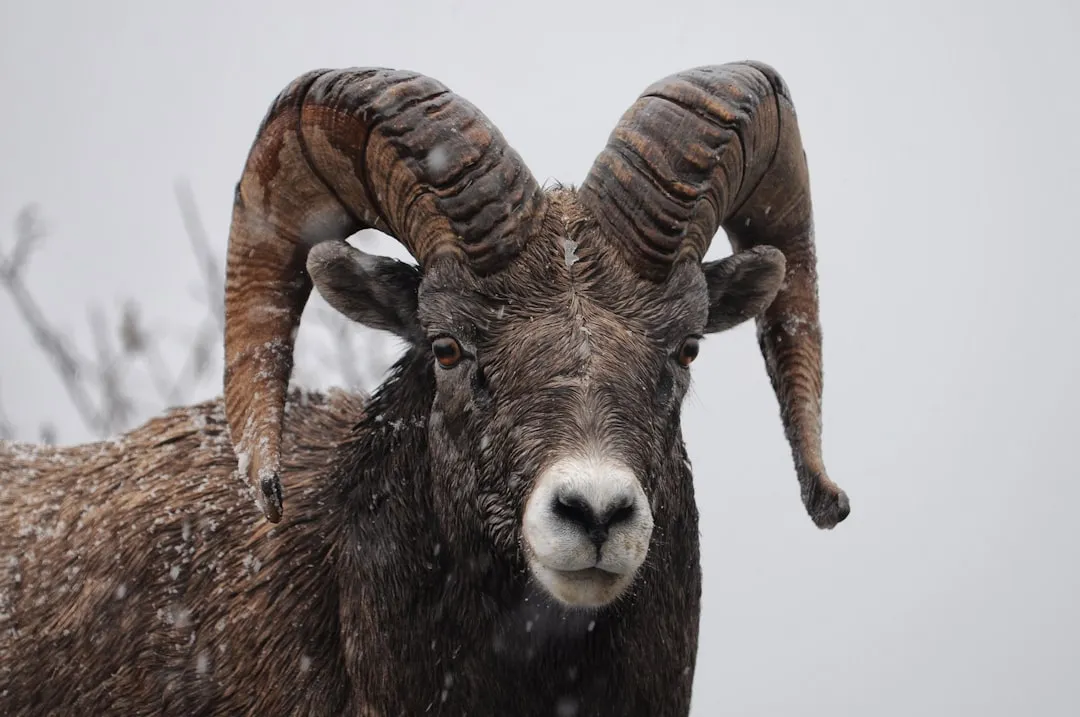
Badlands National Park supports approximately 40 mammal species and more than 20 reptile species. The park’s mixed-grass prairie and rugged badlands provide habitat for a wide variety of wildlife.
The path winds its way through the tall grass, and if you’re lucky you may be able to spot some of the park’s many wildlife species, such as bison, pronghorn antelope, and turkey vultures. Bighorn sheep in particular tend to appear without warning near this stretch of road.
The park also encompasses the largest protected mixed-grass prairie in the United States and is home to reintroduced bison, bighorn sheep, and black-footed ferrets. The black-footed ferret, one of North America’s most endangered mammals, is a species that owes part of its recovery story to exactly this kind of intact prairie habitat.
The Accessible Boardwalk and What Awaits at the End
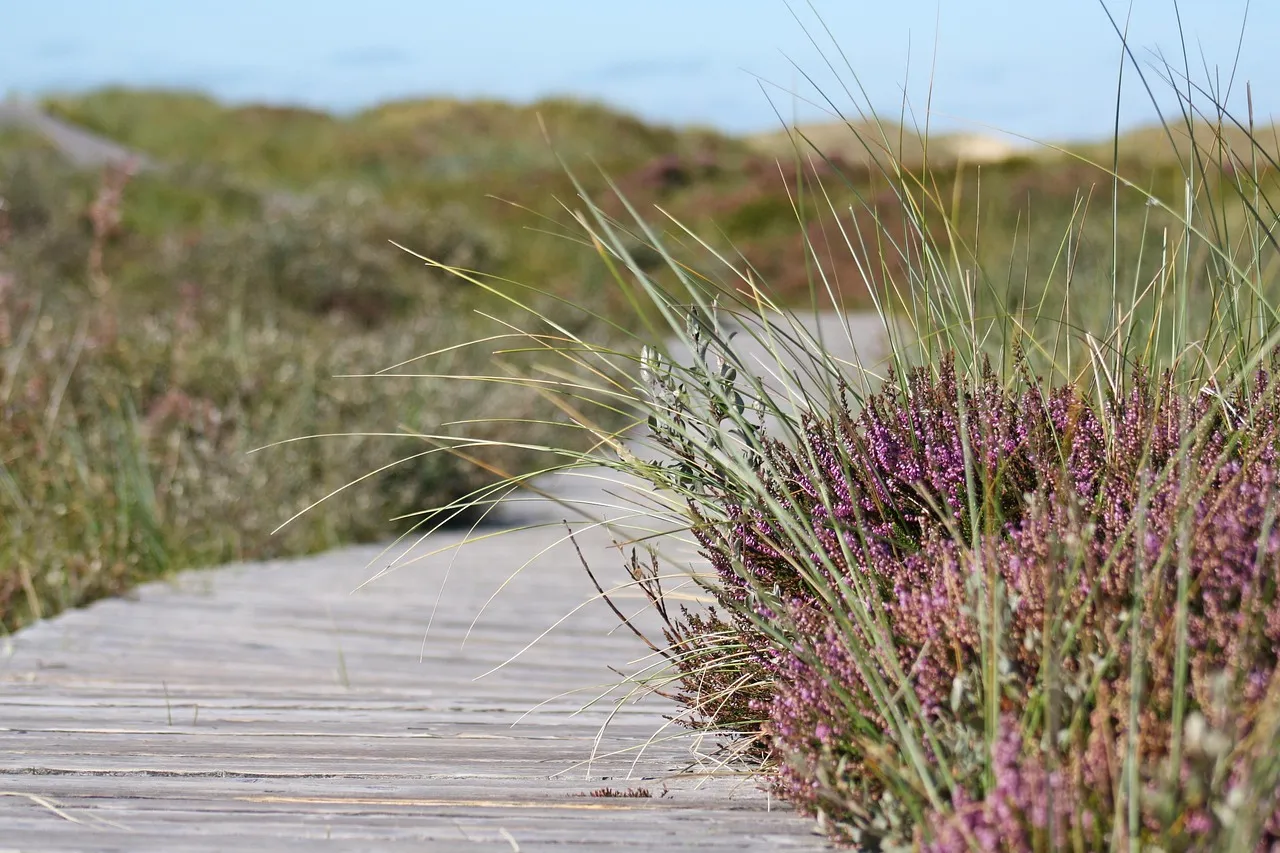
This overlook provides a unique view of the intact mixed-grass prairie in Badlands National Park, the largest remaining such ecosystem in the United States. A boardwalk runs into the prairie, ending at an information panel flanked by two benches. At this point, you’re literally surrounded by prairie.
Enjoy this 0.2-mile out-and-back trail near Wall, South Dakota. Generally considered an easy route, it takes an average of four minutes to complete. The shortness of the walk is not a limitation, it’s an invitation to slow down and actually absorb the view rather than rushing through it.
Visitors appreciate the serene environment, vast grasslands stretching to the horizon, interpretive signs explaining the prairie ecosystem, and the opportunity to listen to the wind rustling through the blades of grass. Some highlight moments include enjoying a picnic with a rainbow in view and feeling pure serenity on a quiet, handicap-accessible ramp surrounded by bird sounds.
Fossils Beneath Your Feet
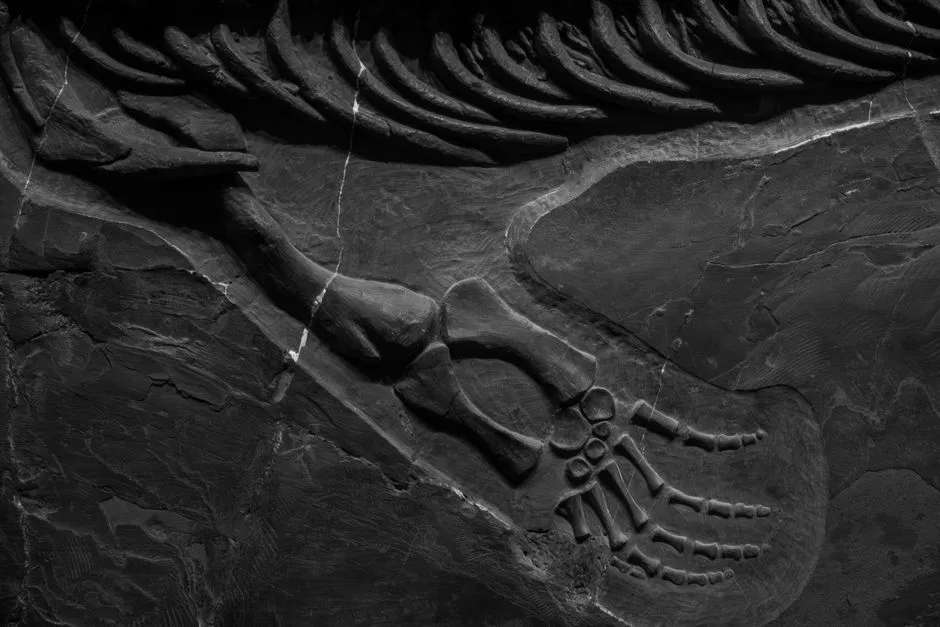
Badlands National Park is well-known for its geology and paleontology. Fossils found in the park range from 75 to 28 million years old and many are in excellent condition. The flat-lying layers of the park’s formation represent classic sedimentary rock layers.
The park is also internationally recognized for its paleontological significance, containing one of the world’s richest deposits of Oligocene-era fossils. These fossils reveal a prehistoric ecosystem that once supported ancient mammals, reptiles, and other species that roamed the region thousands of years ago.
The Chadron Formation, a thick layer of greenish-gray claystone, was deposited during the Oligocene Epoch, about 34 to 37 million years ago. This formation is rich in fossils of early mammals, including rhinoceroses, horses, and saber-toothed cats. That history is invisible from the boardwalk, but it’s all there, just below the roots of the grass.
Why Fewer Visitors Make It Here
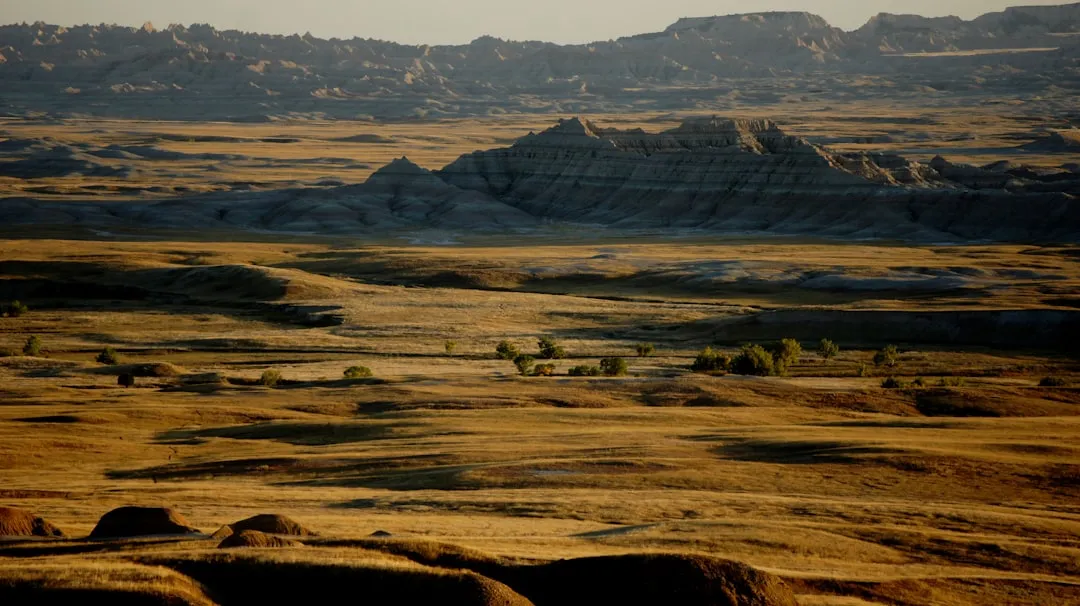
Prairie Wind Overlook is a change of pace from most of the rest of the Badlands. It feels calm, and many people don’t stop here because it doesn’t have spectacular rock formations. That’s the honest trade-off. The overlook isn’t trying to compete with the spires and buttes further east.
Endless sight of beautiful grasslands provides a peaceful environment. Not many stop by this overlook. In practical terms, that relative quiet is part of the appeal. On summer days when the more prominent pullouts fill up with cars, Prairie Wind offers breathing room.
It is ideal for those seeking solitude and a closer look at the park’s subtle beauty and diverse ecosystems. Subtle beauty, in a park famous for its boldness, is actually a rare thing to find. That rarity has its own value.
The Oglala Sioux and the Land’s Deeper Story
Any honest account of Badlands National Park has to acknowledge that this land carries a history far older and richer than the park’s establishment in 1978. A portion of Badlands National Park in South Dakota overlaps with the Pine Ridge Indian Reservation, which is “owned by the Oglala Sioux Tribe and managed by the National Park Service under an agreement with the Tribe.”
The Ancient Hunters Overlook within the park is extraordinary not so much for its panoramic views, but for its archaeological significance. For thousands of years, people have traveled through and lived in the South Dakota Badlands. Evidence of ancient human activity is found in a number of locations in the region, including at this overlook.
Standing at Prairie Wind Overlook, looking out at an ocean of grass that Indigenous peoples have known and stewarded for generations, adds a dimension to the experience that no geologic timeline can fully capture. Responsible travel in this landscape means carrying that awareness with genuine respect.
When to Go and What to Expect
Spring and fall are the ideal seasons for visiting Badlands. April through early June brings mild temperatures, occasional wildflower blooms across the prairie, and the best conditions for wildlife spotting, with bison calves born in spring and pronghorn especially active.
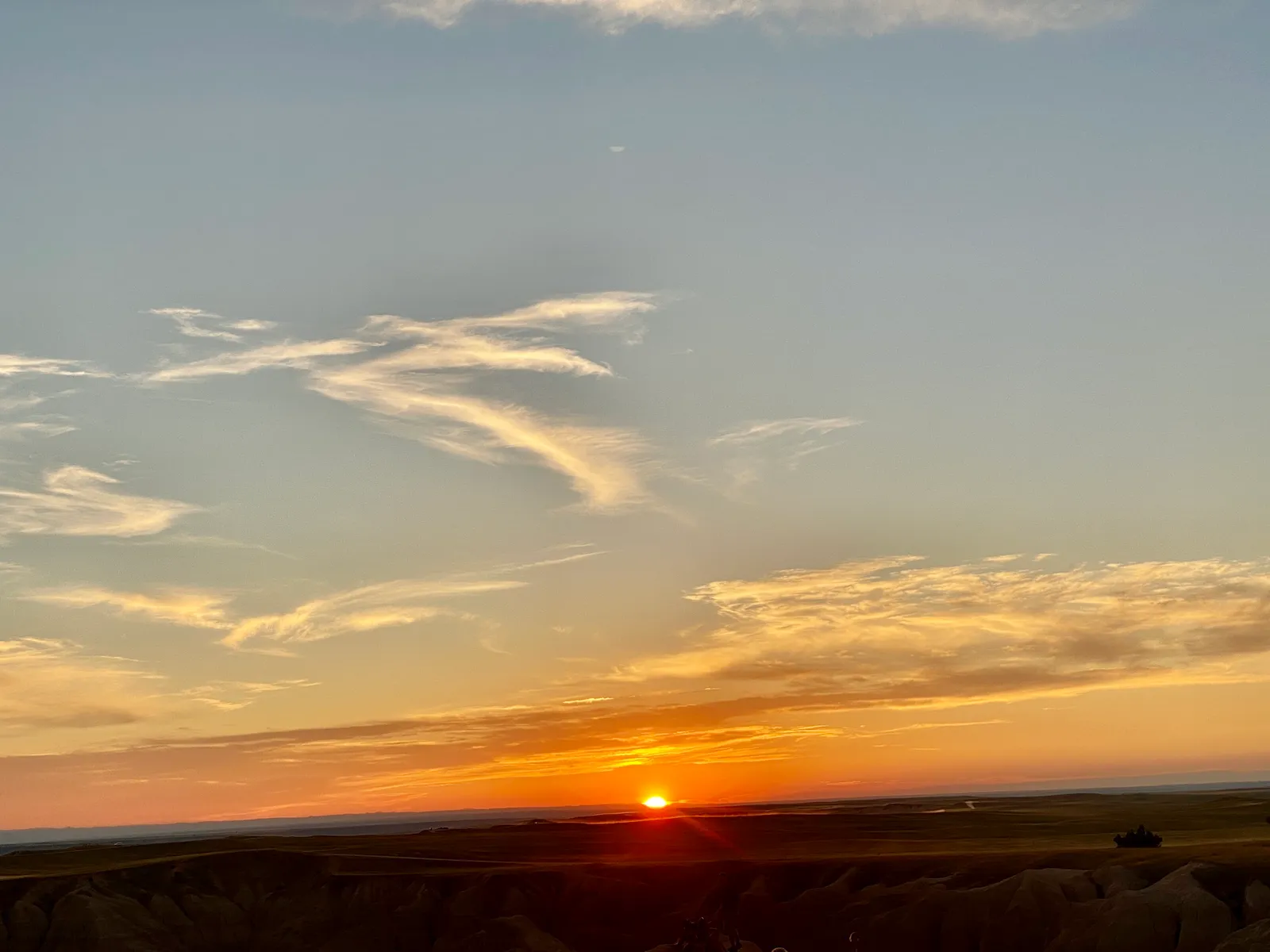
September and October offer comfortable hiking temperatures, thinning crowds, and dramatic golden light on the formations in the low-angle sun of autumn afternoons. For Prairie Wind Overlook specifically, those angled afternoon rays transform the prairie grasses into something almost luminous.
Most overlooks in the Badlands are in open terrain with little shade. Bring sun protection, especially when you plan to linger. Summer temperatures can push well past 100 degrees Fahrenheit, so timing your visit for early morning or late afternoon is more than just a photography tip.
The Park’s Scale and Economic Reach
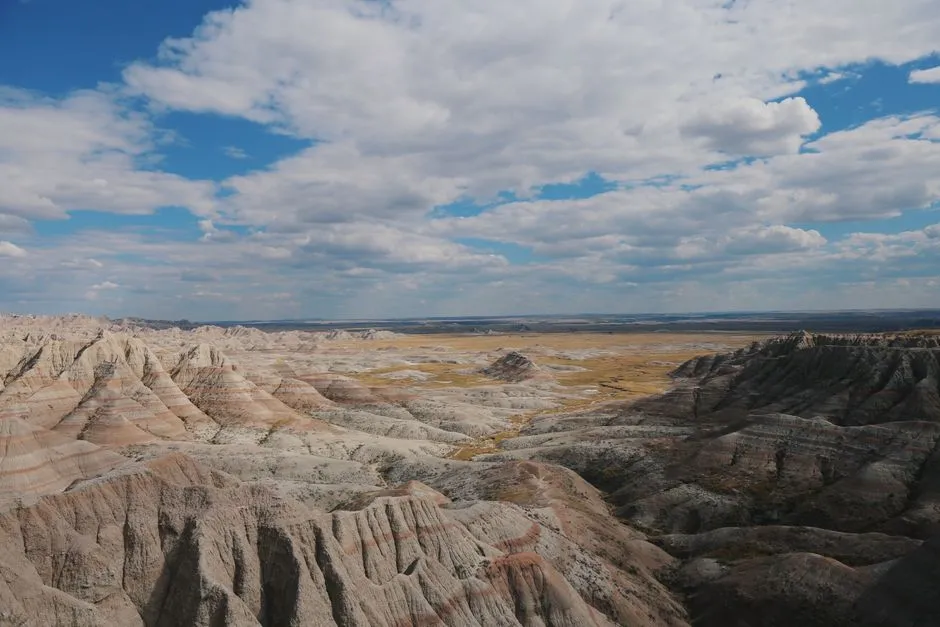
At a size of 244,000 acres, Badlands National Park takes up a massive area of South Dakota. Within that expanse, the overlooks along the Badlands Loop Road represent some of the most accessible scenery in the entire National Park System. You don’t need to be a serious hiker to encounter something genuinely moving here.
A National Park Service report shows that 1,046,400 visitors to Badlands National Park in 2023 spent $134,579,000 in communities near the park. That spending supported 1,916 jobs in the local area and had a cumulative benefit to the local economy of $193,285,000.
That economic weight reflects how deeply this landscape matters, not just ecologically or spiritually, but to the communities that surround it. Every visitor who takes a quieter detour to an overlooked overlook is still part of that story.
The Quiet Lesson Prairie Wind Teaches
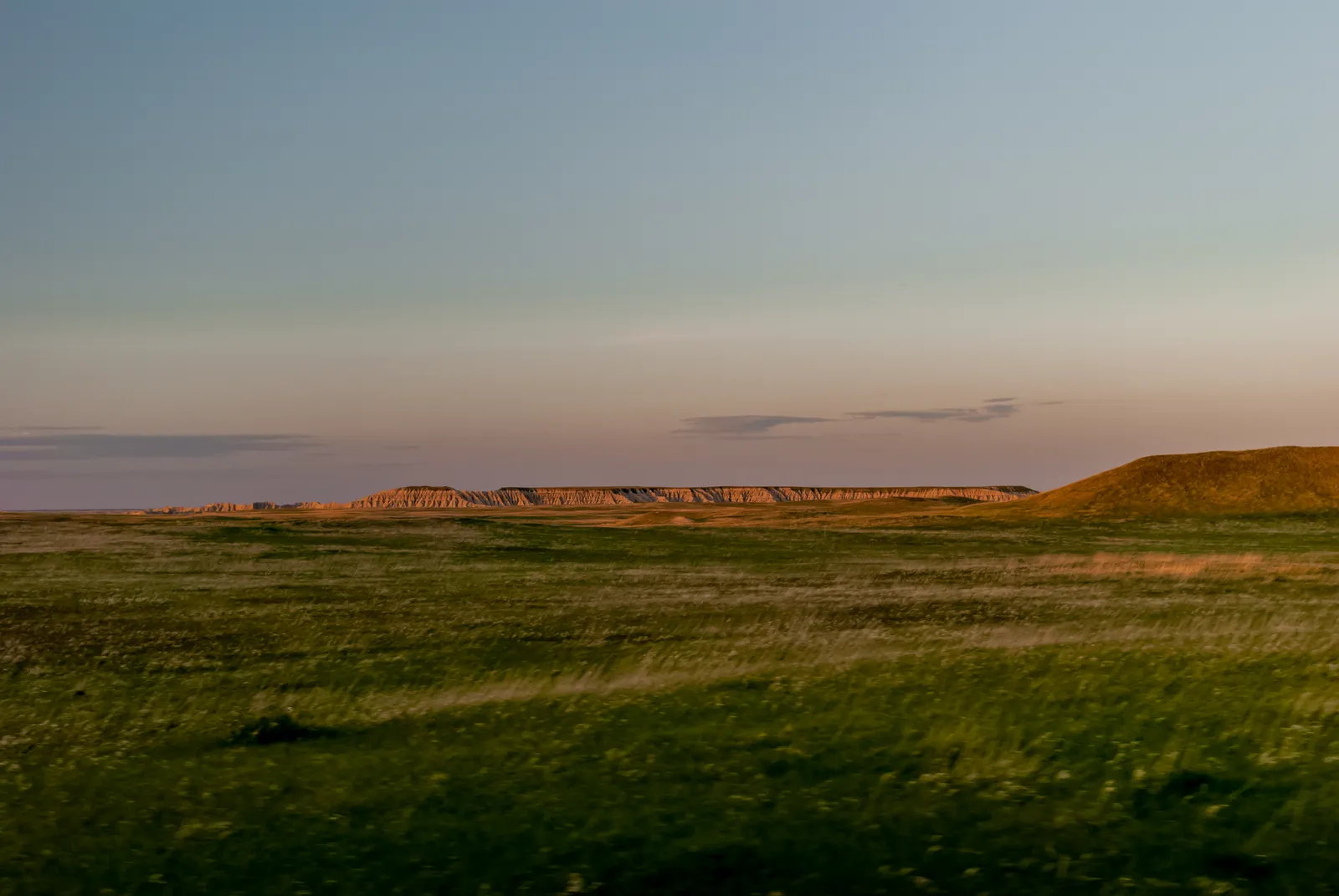
Although not as spectacular as some other Badlands overlooks, this one is as essential to your understanding of what Badlands National Park is all about as any other viewpoint in the park. That’s a generous and accurate assessment. The Badlands is not just geology. It’s the relationship between rock and grass, between deep time and living ecosystem.
Traveling thoughtfully often means resisting the pull toward the loudest, most obvious attraction. At Prairie Wind, there’s no dramatic drop, no jagged spire framing the shot perfectly. There’s just wind, grass, sky, and the kind of quiet that reminds you why places like this deserve protecting.
The best national park vistas aren’t always the ones that announce themselves. Some are the ones you almost drove past, until something made you pull over. Prairie Wind Overlook is exactly that kind of view.
AI Disclaimer: This article was created with the assistance of AI tools and reviewed by a human editor.