
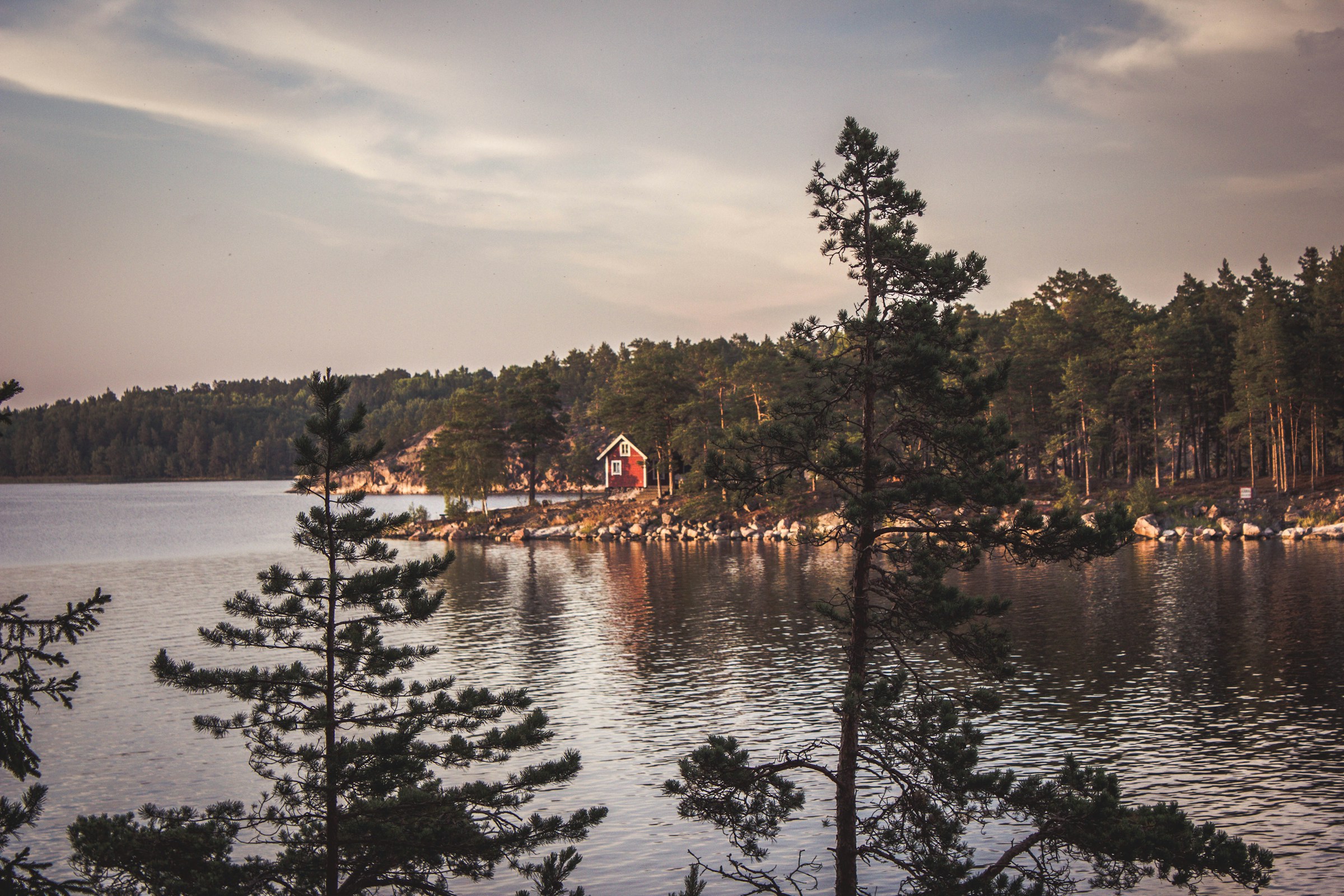
There’s something almost primal about sleeping on water. The gentle rhythm beneath you, the absence of road noise, the way the world narrows down to what you can see, hear, and feel from a small floating room. It’s a different kind of quiet than you get in the mountains or the forest. It’s more immediate, more alive.
There is a profound sense of peace when you realize there is no “land noise,” no cars, no sirens, just the lapping of water. That’s the simple promise of a floating cabin. These four examples show just how wide the spectrum can be, from a sun-drenched tropical lagoon to a frozen Arctic river.
1. Arctic Bath Hotel, Swedish Lapland, Sweden
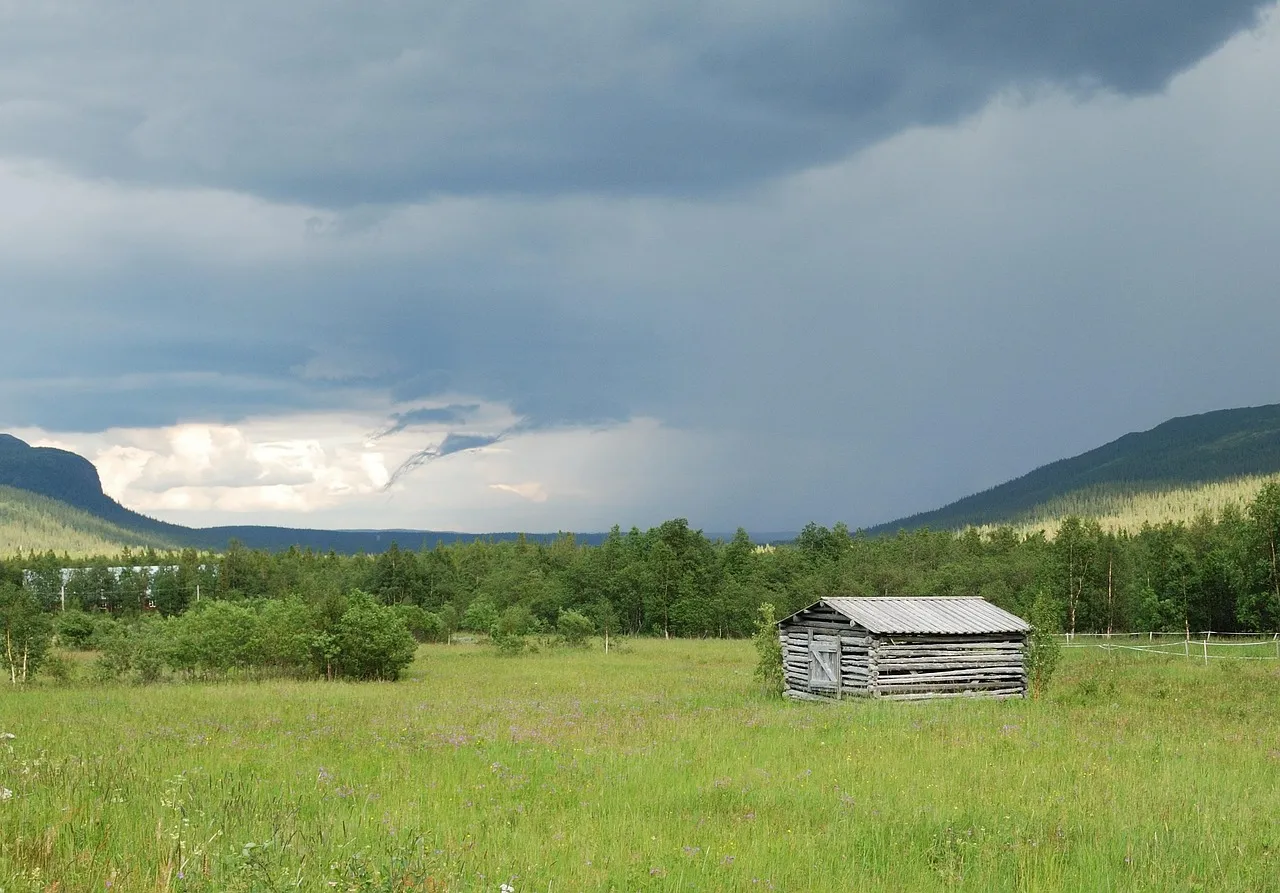
Arctic Bath is a floating hotel situated on the Lule River in the small village of Harads in Swedish Lapland. It’s one of those places that sounds impossible on paper until you see the photographs, and then it still looks impossible. Located atop Sweden’s Lule River, the Arctic Bath Hotel and Spa is frozen into the ice of the waterway during the winter and floats above the water in warmer months.
With just 12 cabins and space for a limited number of guests, Arctic Bath is intentionally intimate. Accommodation is divided between six floating cabins on the river, three land suite cabins, and three land family cabins, each designed to foster a close connection with nature and the changing seasons of the region.
Along the shoreline, six floating cabins beckon, discreetly reached by a footpath over the water and encircled by a wooden deck, offering an exclusive gateway to the refreshing currents of the Lule River. The interior design is built from natural and sustainable materials. Only natural and sustainable materials such as wood, stone, leather, and high-quality textiles were used to construct it.
Arctic Bath is set in the wild expanse of Swedish Lapland, with six cabins floating on the tranquil surface of the Lule River. Visit in winter, when the river freezes over, for a chance of glimpsing the northern lights from your private deck. Arctic Bath is especially notable for its phenomenal spa. There are dry and steam saunas, outdoor hot tubs, and an unheated pool for bracing cold plunges. Other activities depend on the season, from snowshoeing and ice dining to nature hikes and berry picking.
Designed by architects Bertil Harström and Johan Kauppi, the unique circular structure was built with pine logs and inspired by the historical timber industry as a reminder of the important role forests play in Sweden. Sustainability lies at the core of the Arctic Bath experience, reflecting a commitment to environmental responsibility and the pristine Arctic ecosystem. Set on the Lule River, the floating hotel harmoniously integrates with its natural surroundings, utilizes eco-friendly and locally sourced materials in its construction, and is powered by green energy sources.
2. Nayara Bocas del Toro, Frangipani Island, Panama
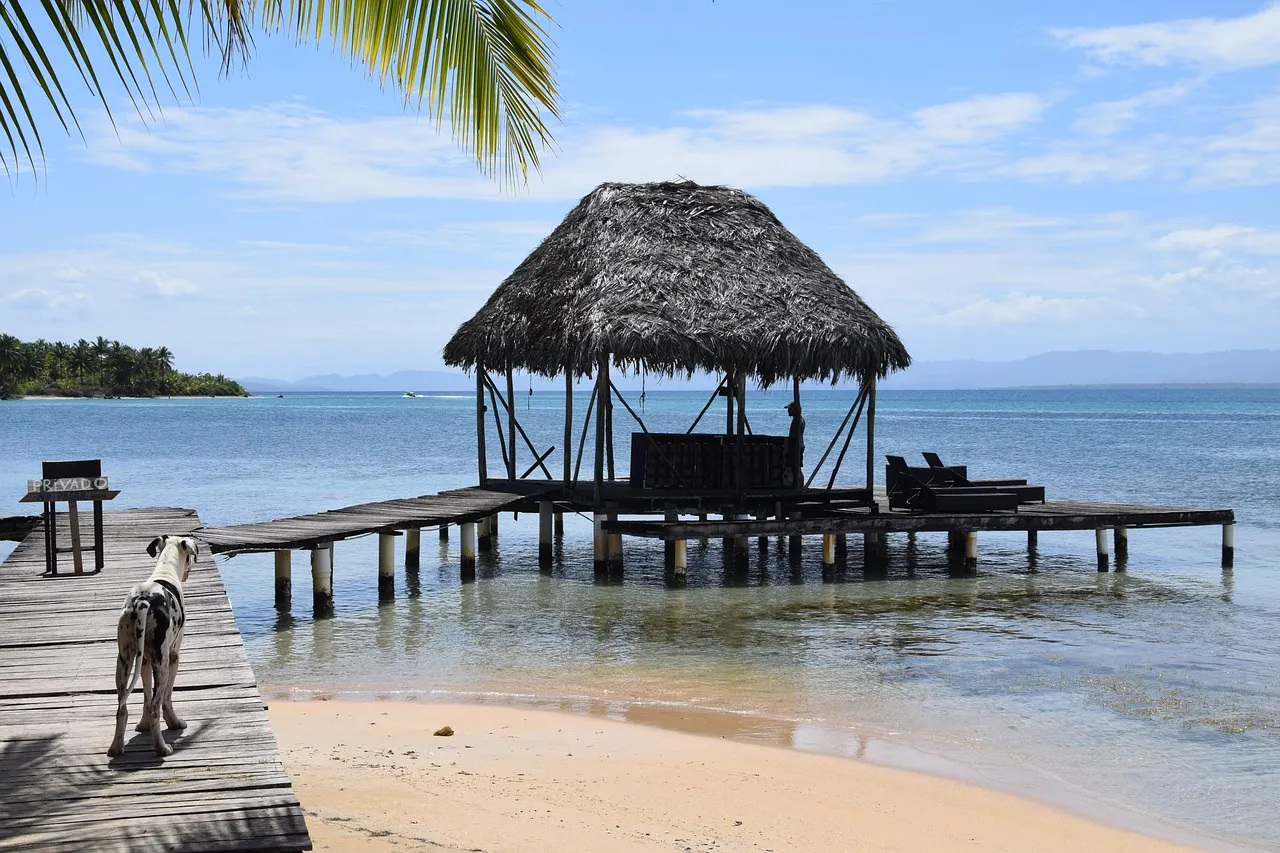
Only accessible by boat and blissfully off the grid, Nayara Bocas del Toro is an all-inclusive eco-luxury resort nestled on a private island, Isla Frangipani. This overwater jungle fantasy sits off Panama’s Caribbean coast with floating villas, treetop hideouts, and a stillness so serene you can hear fish jump.
Entirely off-grid, the resort is powered by sun and rainwater. Guests can laze on the world’s first aerial beach or enjoy a host of water and land-based activities in this glorious location. Inspired by Indonesian architecture, this stunning resort on a mangrove-covered island faces the turquoise Caribbean waters of Dolphin Bay and the Bastimentos National Marine Park.
There are 16 overwater villas, all featuring thatched roofs, private plunge pools, direct ocean access, and four-poster king beds with a cinematic Balinese Tumpang Sari canopy and end-of-bed concealable smart televisions. Private Pool villas come with their own saltwater plunge pool, while Water Window villas have the added special design feature of a glass floor inlay for you to keep your eyes out for marine life swimming beneath your villa.
Sustainability has played a central role in Nayara’s development. Entirely off-grid, the resort is powered by sun and rainwater, ensuring there is no negative impact on the island’s flora and fauna. Other eco-initiatives include an elevated beach, walkways built on stilts that traverse the tropical gardens, a drive to be plastic-free, and a wastewater management system specifically developed for a mangrove island.
Dining at The Elephant House or The Coral Café means all ingredients are local and farm fresh, and the regional seafood is sourced from Bocas fishermen. The surrounding area remains wild and beautiful, making this one of the most exciting remote escapes in the Caribbean region.
3. Likuliku Lagoon Resort, Malolo Island, Fiji
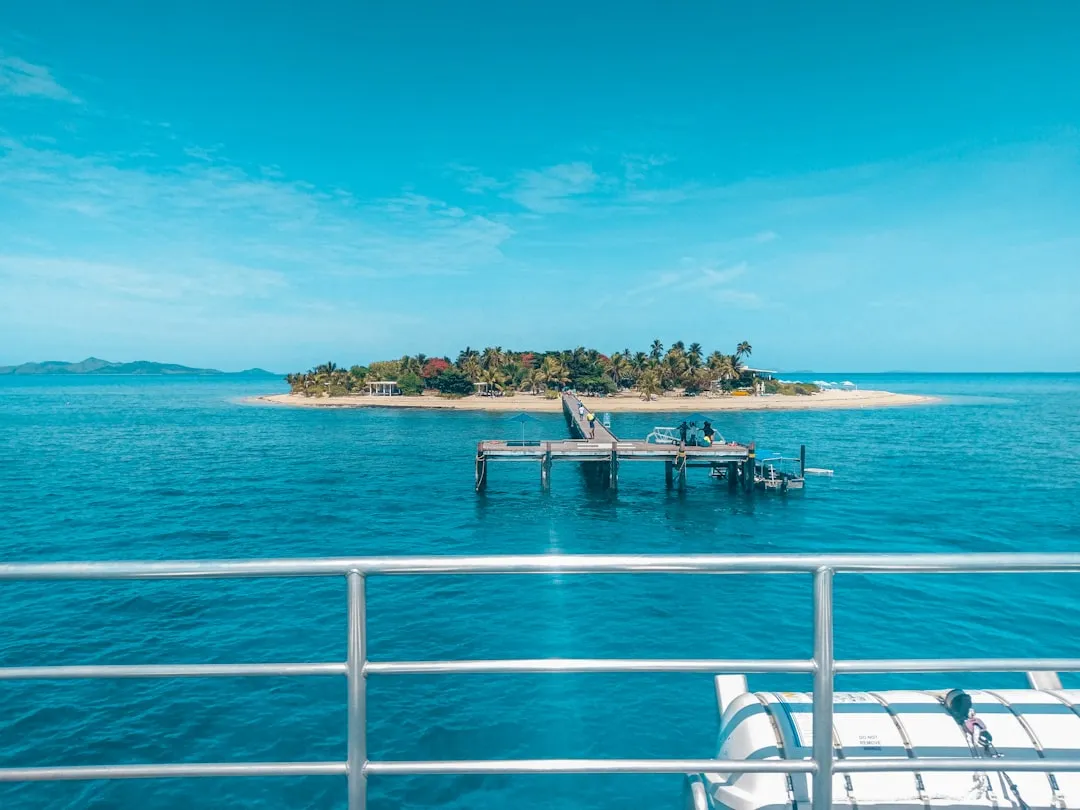
Likuliku Lagoon Resort is the first adult-only resort in Fiji with authentic over-water bures, in a natural ocean lagoon, surrounded by a protected marine sanctuary. Wholly owned by a local Fijian tourism family, it is a unique and special place amidst a pristine environment, designed with integrity to Fijian cultural values, traditional designs and architecture.
Likuliku sits on Malolo Island in the Mamanuca group, approximately 35 minutes by high-speed boat from Port Denarau. It is adults-only, with no guests under 16 permitted, and that single policy shapes the atmosphere of the resort as much as the architecture does.
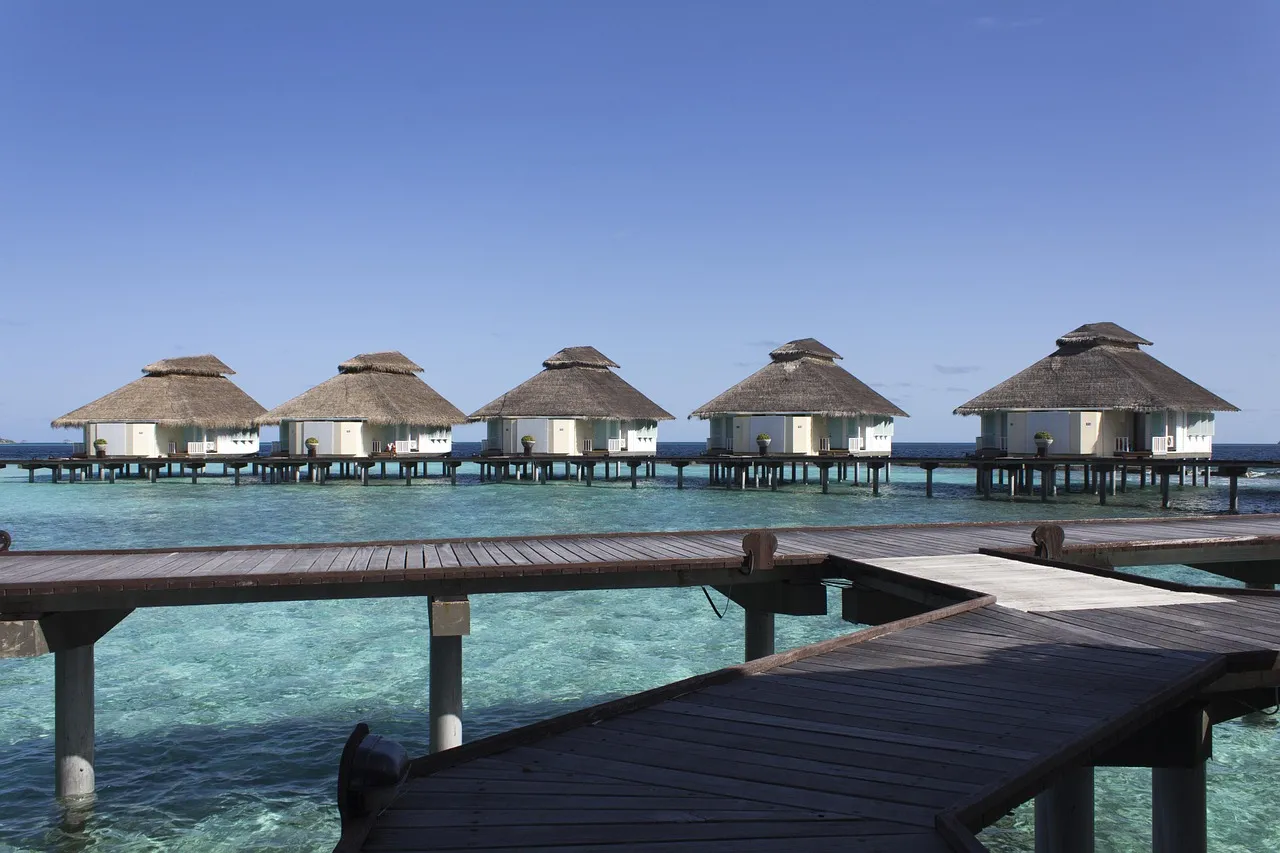
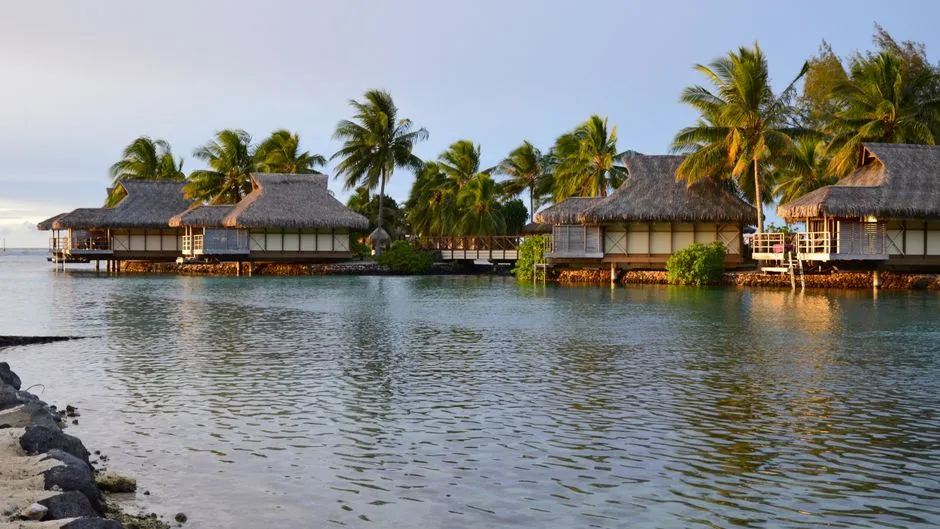
The ten overwater bures are the reason most guests book Likuliku, and they justify the interest. Each one extends out over the lagoon on timber piling, with an outdoor deck equipped with a daybed and private stairs descending directly into the water. Inside, glass floor panels set into the timber boards give a view of the fish life below. The immediate area is a protected marine reserve, declared a sacred no-fishing zone by the local chief, so guests can expect to see rainbow-bright fish as well as cobalt starfish.
The traditional soga-palm thatched bure-style architecture blends with upscale decor to create a space that feels both luxurious and authentic. After a major refurbishment in 2025, the resort returned with significant upgrades. All bures were refurbished with new wooden flooring, wallpaper, new bath fittings and amenities, and fresh paintwork. Smart TVs, sound bars, and espresso coffee machines were added throughout. Eleven beachfront bures were upgraded to deluxe versions with their own private plunge pools, bringing the total to 29, and the overwater bures’ bathroom pavilions received new amenities too.
4. Scorpion Bay Marina Floating Cabins, Lake Havasu, Arizona, USA
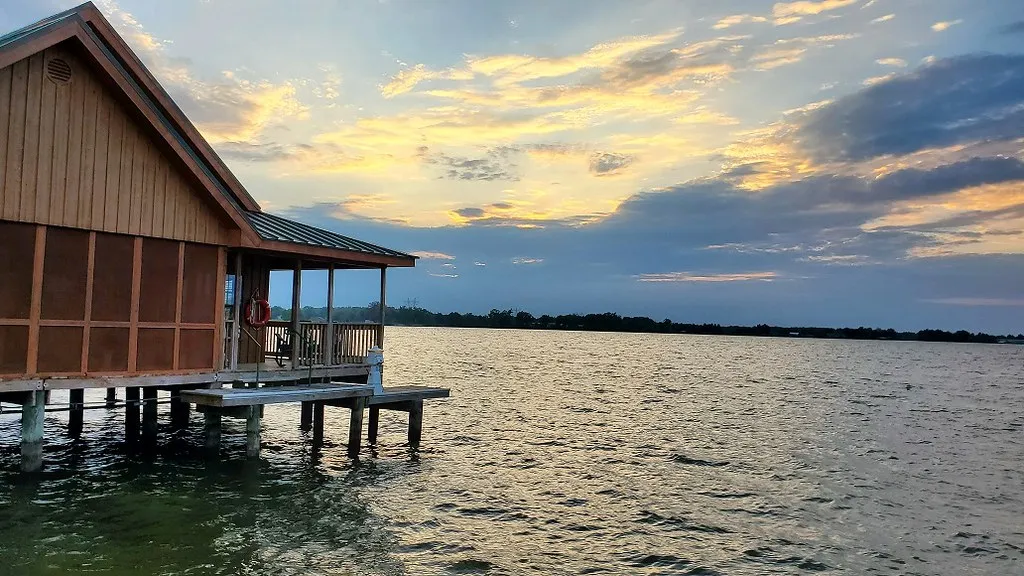
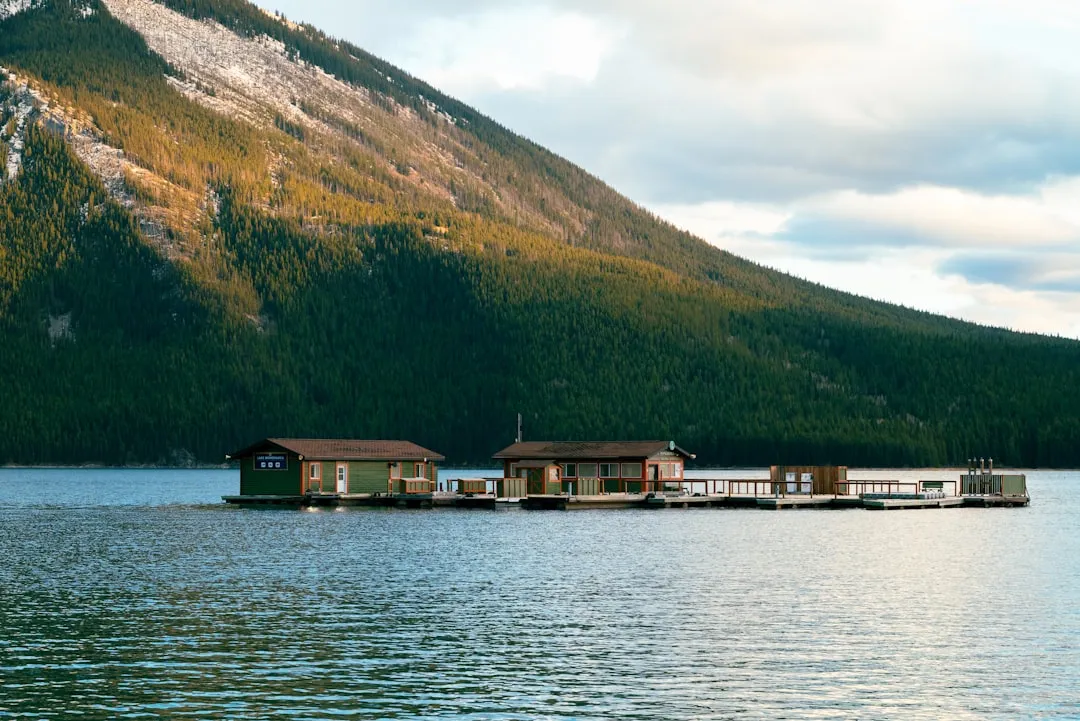
Not every floating cabin requires a passport or a long-haul flight. Small enough to fit in a slip, but large enough to sleep four people, the floating cabins at Scorpion Bay offer the best of lake camping without all the work of camping shoreside. It’s truly lake glamping.
One and two-bedroom cabins are available, with sleeping capacity up to eight people. With a fully supplied kitchen and access to a washer and dryer, they bring the comfort and convenience of home to the beauty and serenity of life on the water. Each floating cabin includes a private wet slip, boat and water toy access, a private patio, washer and dryer access, and pets are welcome too.
The cabin comes with a boat slip right next to it, and boats, water toys, and jet skis are also available for rental at the marina to enhance your floating cabin stay. Lake Havasu is set along the Colorado River at the Arizona-California border, giving guests access to some of the most dramatic desert lake scenery in the American Southwest.
Rentals are 6 nights starting at $2,100, with seasonal specials that bring the price down for shorter stays. This is the kind of place that works beautifully for groups, families, or anyone who wants to understand what it’s like to sleep on water before committing to an international trip.
Why Sleeping on Water Feels Different
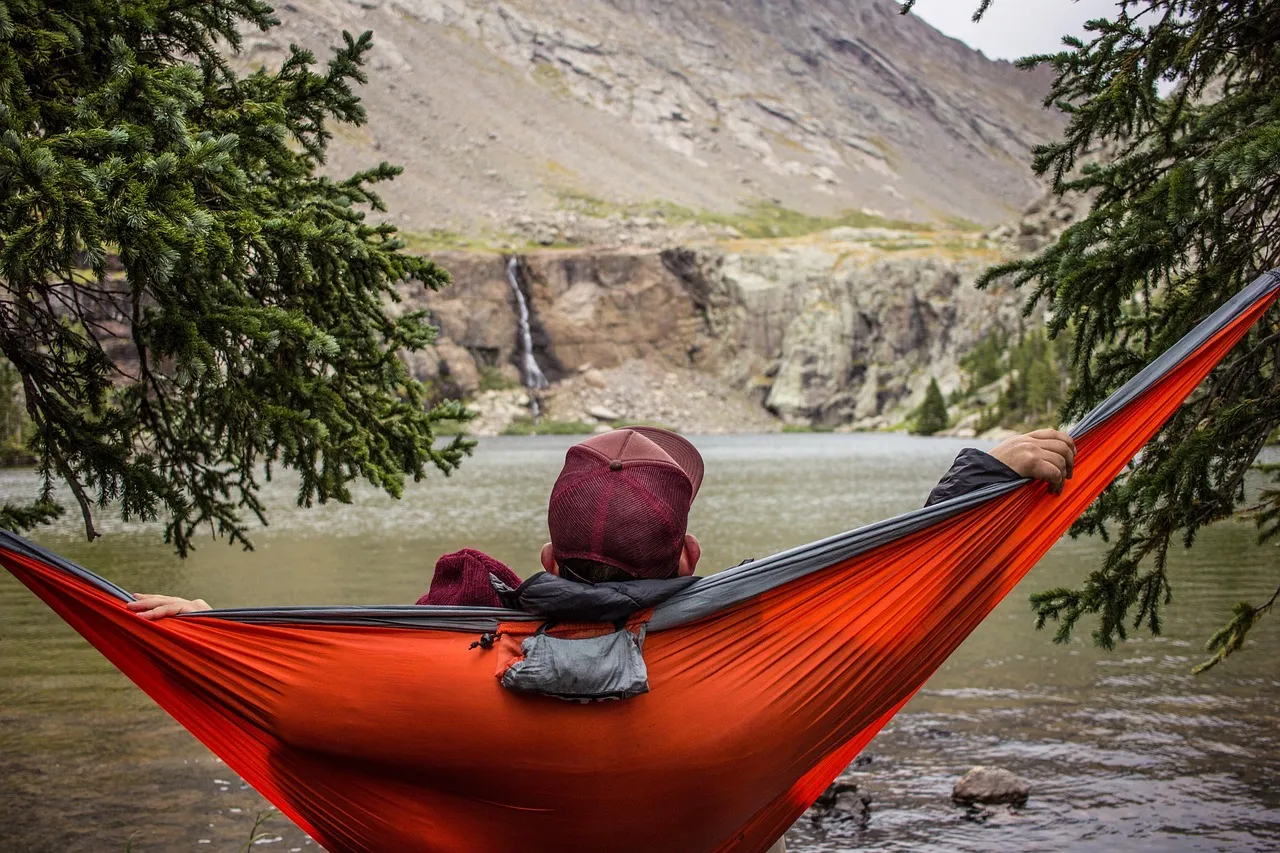
The gentle sway of the water acts like a natural rocking chair. Most travelers report the best sleep of their lives. There’s genuine science behind that feeling. The slow, rhythmic motion of water beneath a structure mirrors the sensory conditions that help the human nervous system settle, much the way being rocked as a child does.
The gentle rock of water beneath you delivers a meditative, resort-exclusive experience that grounds-based villas simply cannot replicate. Beyond the sleep itself, waking up matters too. You’ll find yourself becoming a morning person because the sunrise hits the water and illuminates the cabin in a way that no lamp ever could.
What to Check Before You Book
While many floating cabins boast Wi-Fi, it’s often satellite-based. Downloading your shows and maps offline before you check in is a practical move. It’s also worth looking carefully at plumbing arrangements. High-end cabins have full plumbing, while rustic ones might use high-tech composting toilets.
Some people prefer classic thatched roof bungalows, while others opt for a more modern, glossy look, more like luxury tiny houses. Knowing your own preference before browsing will save time. When looking for the perfect overwater accommodation, consider how far you’re willing to travel, whether you’re comfortable taking a boat to your resort, and if you’d like a private pool on your terrace.
The Sustainability Question

Floating accommodation exists in direct relationship with water ecosystems, which means the environmental practices of a property matter more here than almost anywhere else. The most sustainable options are powered by solar energy, and the most innovative have ditched the stilts and now simply float.
At Nayara Bocas del Toro, the resort is powered entirely by sun and rainwater. Other eco-initiatives include walkways built on stilts, a drive to be plastic-free, and a wastewater management system specifically developed for a mangrove island. Arctic Bath, meanwhile, utilizes eco-friendly and locally sourced materials in its construction, is powered by green energy sources, and the hotel’s focus on water conservation is evident through its eco-friendly wastewater system.
The Range of Experiences on Offer
One of the most interesting things about floating cabin travel is how vastly different the category can be. Floating cabins range from rugged tugboats to lavish mansions. The four properties in this guide alone span three continents and four completely distinct natural environments, from Arctic taiga to tropical Caribbean mangrove.
Overwater accommodations command unobstructed water horizons that beachfront suites simply can’t match. That’s true whether you’re looking at a pine-lined river cabin in Swedish Lapland or a Balinese-inspired villa above a turquoise lagoon in Panama. The common thread isn’t luxury or price point. It’s proximity to water, and the quiet that comes with it.
Who These Stays Are Really For
Floating cabin travel tends to suit people who are drawn to sensory experience rather than a packed itinerary. The pace is slower, the surroundings are louder in a natural way, and the sense of place is impossible to ignore. There is a profound sense of peace when you realize there is no land noise at all, just the lapping of water.
Made for swimming in the aquamarine waters below, overwater accommodations also allow guests to meditate to the sound of the waves, watch for dolphins on the horizon, or simply take in some of the world’s most spectacular sunsets. That said, these stays aren’t only for couples or honeymooners. Increasingly families are flocking to stay in them, making for an exciting and special holiday for kids and parents alike.
How to Choose Between the Four
The right floating cabin depends entirely on what you’re looking for. Arctic Bath is for those who want Nordic stillness, seasonal extremes, and a genuine wellness immersion in one of Europe’s most striking landscapes. Nayara Bocas del Toro suits eco-conscious travellers who want tropical beauty without sacrificing comfort or sustainability.
Likuliku Lagoon is the choice for anyone who wants to sleep above a protected coral reef and wake to the sound of Fijian waves in a property that has been locally owned and managed since it opened. Scorpion Bay, on the other hand, offers a straightforward, accessible, and genuinely fun version of the floating cabin experience without the need for an international flight.
The idea of drifting off to sleep while listening to lapping waves and drinking your morning coffee while taking in views over the water draws travelers to floating accommodations worldwide, from lakes and rivers to open ocean. The question isn’t really whether a floating cabin is worth it. It’s simply which body of water you want to fall asleep on.
A Final Thought
Most forms of travel ask you to go somewhere and see something. Floating cabin travel asks something slightly different of you. It asks you to slow down enough to actually feel where you are. The sound of water at night isn’t just pleasant background noise. It’s a reminder that you’re resting on something alive, something in constant motion.
That’s a rare feeling in daily life, and these four properties, each in its own corner of the world, offer it in very different forms. Whether it’s the frozen silence of Swedish Lapland, the warmth of a Fijian lagoon at dusk, the wild Caribbean mangrove air of Panama, or a desert lake in Arizona, the water beneath you tells you the same thing: you’re exactly where you need to be.
AI Disclaimer: This article was created with the assistance of AI tools and reviewed by a human editor.