
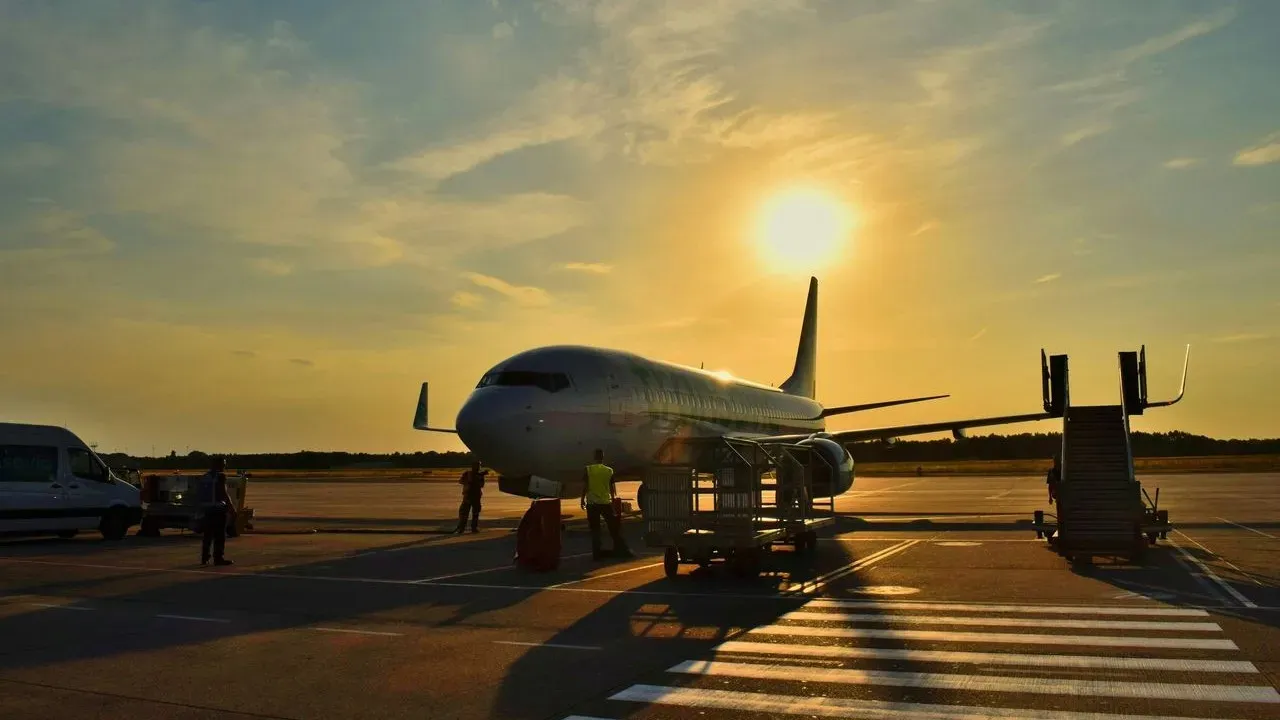

Passengers boarding flights on clear summer days rarely expect delays tied to temperature alone. Yet record heat in places like Las Vegas has already prompted airlines to ask travelers to give up seats so planes can meet safe takeoff weights. The underlying cause lies in simple physics that grows more relevant each year.
Thinner Air Reduces Lift and Thrust
Hot air holds less density than cooler air at the same pressure. Wings therefore generate less lift, and engines produce less thrust during the critical takeoff roll. Pilots calculate these effects before every departure using the aircraft’s weight, runway length, airport elevation, and current temperature.
Retired United captain Ross Aimer compares the challenge to athletes performing at high altitude. “Just like human beings, jet engines require lots of cool, dense air to perform well,” he noted. When the numbers fall short, airlines must reduce payload rather than risk an unsafe departure.
Airports Already Feeling the Pressure
Desert hubs such as Phoenix Sky Harbor and Harry Reid International in Las Vegas record the most frequent days above 110 degrees Fahrenheit. Phoenix has averaged 43 such days annually since 2020, more than triple the mid-20th-century average. Las Vegas has seen roughly 18 days per year in the same period, double the earlier baseline.
Even airports at moderate elevations or with shorter runways face restrictions sooner. Denver sits above 5,000 feet, while LaGuardia and Reagan National offer limited runway distance. On the hottest afternoons these facilities can impose weight limits that affect regional and mainline flights alike.
How Airlines Manage the Constraints
Carriers first explore operational adjustments. They may offload cargo, reduce fuel loads for a later refueling stop, or delay departure until evening temperatures drop. When those steps prove insufficient, airlines turn to passengers and request volunteers for later flights, offering compensation in return.
American Airlines followed this approach at Harry Reid International on July 24 when the mercury reached 114 degrees. The carrier described the practice as standard industry procedure to maintain required safety margins. Delta has taken similar steps during past heat events in Las Vegas and elsewhere.
Practical Steps for Travelers
Travelers can reduce the chance of disruption by checking forecasts for departure cities several days ahead. Booking morning flights often avoids peak heat, while flexible itineraries make voluntary rebooking easier if needed. Those traveling with checked bags or connecting through desert hubs should allow extra time on the hottest forecast days.
- Monitor airport-specific temperature thresholds for your aircraft type.
- Choose earlier departures when possible.
- Keep carry-on essentials accessible in case of last-minute changes.
- Review airline policies on voluntary denied boarding compensation before travel.
These measures help passengers stay prepared without altering their overall plans. The same calculations that protect safety also keep the system running smoothly even as summer temperatures climb.
AI Disclaimer: This article was created with the assistance of AI tools and reviewed by a human editor.